
XpatAthens

XpatAthens

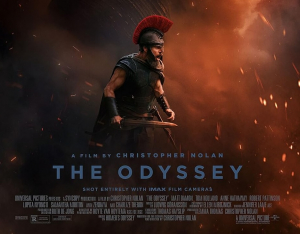
With Christopher Nolan's much-anticipated adaptation of The Odyssey sparking renewed global interest in Homer's timeless epic, author and educator Richard Marranca sat down with renowned classical scholar Professor Paul Cartledge to explore the enduring legacy of The Odyssey, its profound influence on Western literature and culture, and the challenges of bringing one of humanity's greatest stories to the big screen. 

unnamed 5
Paul Cartledge 


Can I get you for an overview of Homer’s Odyssey? 

I favour the view that, apart from all the excitements and sheer picaresque narrative thrills involving ogres and monsters of many kinds, it’s mainly all about Greekness or, to be more accurate linguistically, Hellenicity. (A sidebar: in Homer, Greeks are not called Hellenes but ‘Danaans’, ‘Argives’ or ‘Achaeans’.) How to be a Hellene in a world that was rapidly changing both geographically and culturally. 

It’s always been a bit of a puzzle that the epic should focus on the ruler of a petty island-kingdom on the far west of mainland Greece, but I think the reason for that choice was mainly twofold: Ithaca was as far away from Troy while still being old-Greek as it was possible to get without leaving the mainland, and an ultimate western setting reflected the fact that from about the middle of the 8th century Greek traders, adventurers and settlers were moving west, some of them permanently, to south Italy and Sicily, passing by Ithaca en route.

How might one get a little prep, a little background, before watching the movie? 

Absolutely indispensable prep is to read a version of the actual 24 book, 12,000 line original epic poem - which sometimes comes out as well in prose as in English verse translations. I myself favour verse as that gives you some - admittedly remote - sense of what it might have been like to sit at the feet of an ancient Greek bard reciting. For hours at a stretch.
unnamed 7
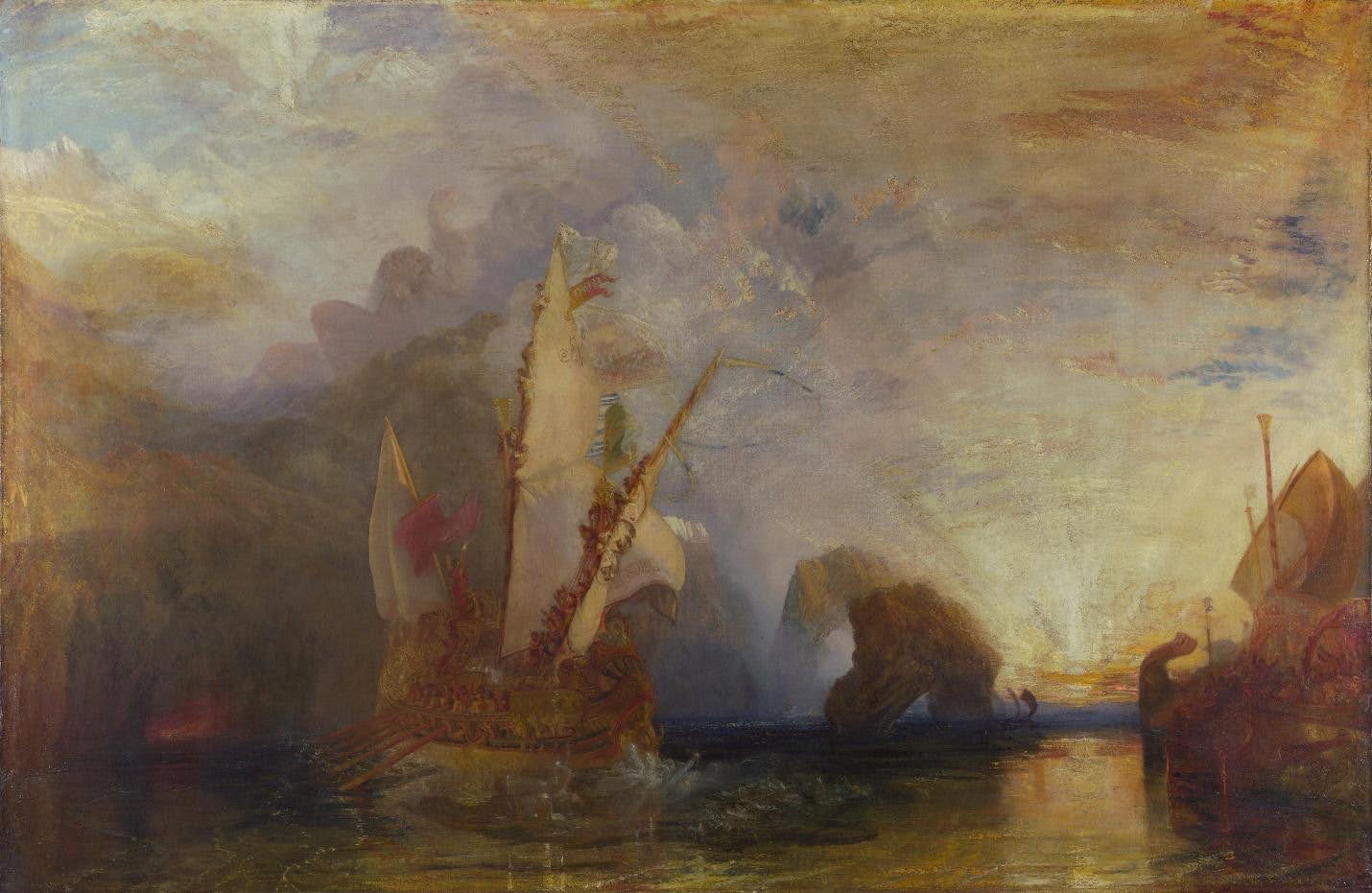
Ulysses Deriding Polyphemus (1829) by J. M. W. Turner. Courtesy of Wikimedia Commons.

What are some of the challenges in creating something so vast like adapting Homer for the big screen? 

The original voyage of Odysseus from Troy to his homeland of Ithaca (wherever exactly that might have been, and whether or not it was an island - the latest research suggests it wasn't!) took him ten whole years. Ten years! Even a three-hour movie on the biggest IMAX screen can't come anywhere near to reproducing that. 

The original Odyssey was not only epic but also mythical - in the sense of unreal: anyone ever seen a Scylla monster, or a giant Cyclops?? We're used to fantasy fiction, the Marvel universe etc - but not even a modern Ray Harryhausen could capture all the original Odyssey's 'special effects'. Then there's the issue of - not what to include - but what to leave out. The original is a fun-packed roller-coaster from start to gory finish. 

Years ago, I had lunch with E. L. Doctorow (author of “Ragtime,” “The Book of Daniel” and other masterpieces) and he said that the movie can bring the moviegoer back to the book. You and others have the issue of having read the Odyssey many times before seeing this movie – can you reflect on that?

Finally there's the question of identification: reading the original in both Greek and in translations as often and as long as I have, I have very definite notions of what the main characters were actually like (spoiler alert: my favourite's always been Calypso - followed by Argos the dog). Christopher Nolan's vision - and that of his chosen actors - are highly unlikely to be anything much like mine... Sigh.
unnamed 6
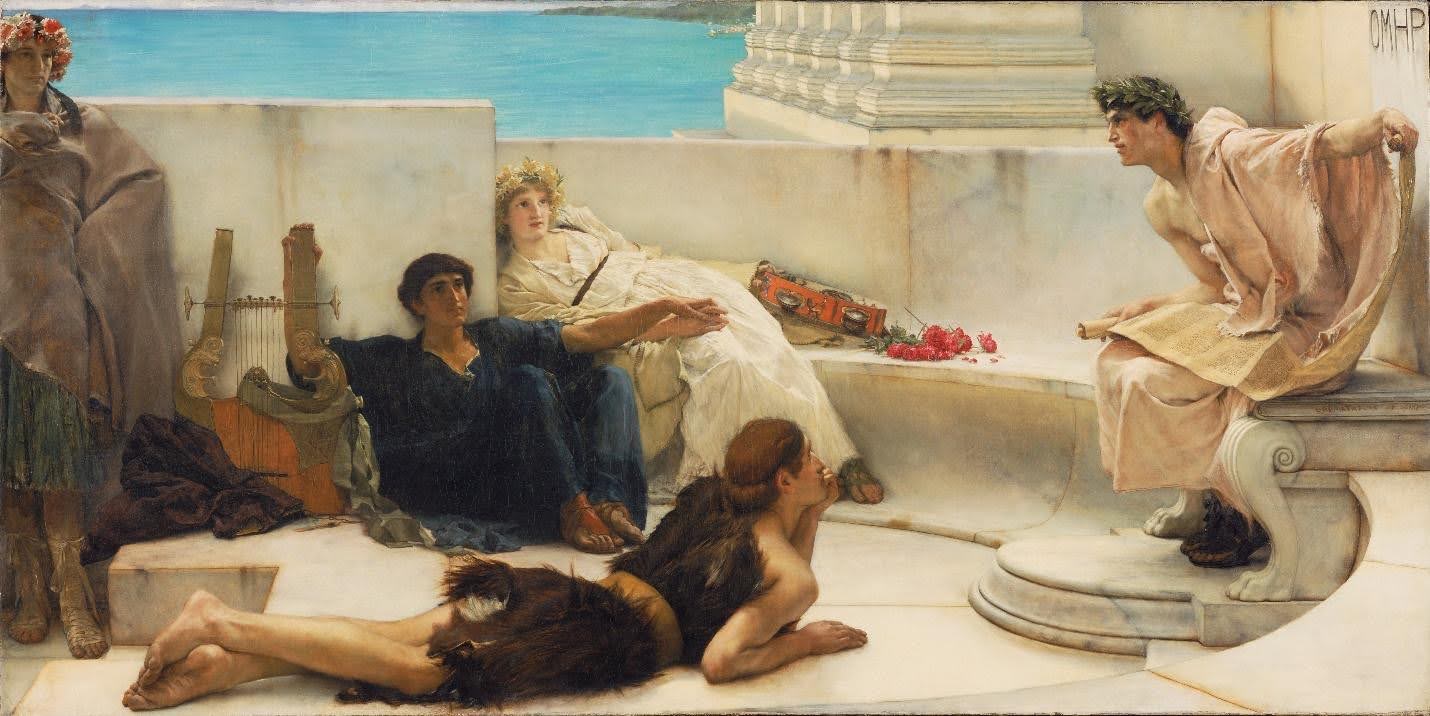
A Reading from Homer (1885) by Sir Lawrence Alma-Tadema. Courtesy of Wikimedia Commons.

Finally, can you share your movie review with us?
 
It's a 'curate's egg' of amovie, good in some parts - not so good in others.

Very good throughout were the spectacle - scenery, human embodiment, real live action, no CGI cartooning
 
Not so good were the - often muffled - dialogue, the decision to omit the (narratively crucial) Scherie-Phaecia episode, making Odysseus a PTSD-ed everyman, muffling the eventual return/reconciliation with Penelope, having Odysseus continue travelling after slaughtering the suitors etc but omitting his reunion with dad Laertes - which completes the narrative by ring composition: son Telemachus misses dad, dad O misses son and wife ... and dad Laertes, reunion with Laertes (Book 24)...


Richard Marranca is an author who teaches ancient world, myth, and religion at Montclair State University. He writes for various print and digital publications, and his upcoming book, "Speaking of the Dead: Mummies & Mysteries of Egypt," will be published by Blydyn Square Books. Richard has had the honor of receiving a Fulbright to teach at LMU Munich and spent a semester in Athens during his doctoral studies at New York University. In his career, Richard has had the privilege of interviewing esteemed classicist Paul Cartledge on topics ranging from Alexander the Great to Greek philosophy.
Moving to a new city is exciting, but finding the right place to live can often feel overwhelming, especially when you're relocating alone. That's exactly why RooMate was created.

Founded by Greek entrepreneur Sotiria, RooMate is a women-first accommodation platform designed to help women find trusted rooms, apartments, studios, and female housemates while building a genuine sense of community along the way.

Inspired by Sotiria's own experience of relocating to London, RooMate was born from a simple yet powerful idea: finding a home shouldn't be the most stressful part of starting a new life.

Unlike traditional property platforms, RooMate focuses on trust, safety, and meaningful connections. Every interaction is designed with women in mind, allowing users to connect with female landladies and verified renters through a mutual-interest system that encourages genuine conversations while helping to reduce unwanted messages and time-wasting enquiries.

More Than Accommodation

RooMate is about much more than finding a room.

The platform is gradually building a trusted ecosystem of verified female-owned businesses, services, and local recommendations, helping women feel at home from the moment they arrive. From cafés and yoga studios to healthcare professionals and everyday services, RooMate aims to make settling into a new neighbourhood easier, safer, and far less intimidating.

Built Around Trust & Safety

Trust sits at the heart of everything RooMate does.

The platform incorporates several features that encourage safer connections, including identity verification, professional profile verification, mutual matching before conversations begin, user reviews, and built-in safety reminders before arranging property viewings.

While no online platform can guarantee complete safety, RooMate empowers women to make informed decisions and approach the relocation process with greater confidence.

Why Choose RooMate?

  • Women-first accommodation platform
  • Rooms, apartments, and studios across Greece
  • Female landladies and renters
  • Verified profiles and identity checks
  • Mutual-interest messaging system
  • Safety guidance throughout the rental journey
  • Growing directory of trusted female-owned businesses and local services
  • Designed to help women relocate with confidence and build a community, not just find a place to live

Begin Your Next Chapter

Whether you're moving to Greece permanently, relocating for work, studying abroad, searching for a trusted place to call home or renting your place, RooMate offers a fresh approach to accommodation, one built on safety, trust, and community.

Discover available properties, connect with potential renters, and start your next chapter with confidence through RooMate. To sign up, please click here.

RooMate is an evolving platform. Features, verification requirements, and how the platform works may change over time as it continues to develop.

Contact Info

Website: theroomateapp.com

Email: info@theroomateapp.com

Finding a place to call home is one of the biggest challenges anyone faces when relocating, especially when you're moving to a new country on your own. While countless platforms help people search for accommodation, very few are designed with women's safety, trust, and sense of community at their core.

Inspired by her own experience as an expat in London, Greek entrepreneur Sotiria, founder of RooMate, set out to change that. RooMate is a women-first platform that goes beyond helping users find a room or apartment, aiming instead to create a trusted ecosystem where women can connect, relocate with confidence, and build a life in a new city.

We sat down with Sotiria to talk about the inspiration behind RooMate, the challenges of relocating abroad, the growing shared-living culture in Athens, and why she believes trust and community are just as important as finding the right place to live.

Could you tell us a little about your journey? What brought you to London, how did you experience expat life there, and what inspired you to create RooMate?

Well, I moved to London about nine years ago because I was drawn to the city's energy, opportunities, and vibrant lifestyle. It simply felt like the right place to be. As much as I love Greece and being Greek, something was calling me to London. It was a chance to challenge myself, experience something new, and build a life abroad.

However, finding accommodation turned out to be one of the most stressful parts of the journey. It was incredibly difficult to find people I could genuinely trust. When you move to a city where you don't know anyone, no friends, no family, no support system, you're starting completely from scratch.

Even if you've done plenty of research before arriving, the reality of finding somewhere to live once you're actually there is a completely different experience. That's exactly why I created RooMate.

The vision behind RooMate is simple: a woman decides she wants to move to Athens, or eventually any city in Greece and beyond, and within a short time she can find not only trusted accommodation, but also trusted people and a trusted local ecosystem.

My dream is for someone to open the app and quickly find everything they need: a room, an apartment or studio, trustworthy housemates, and recommendations for the neighbourhood they'll be living in. Instead of spending weeks or months worrying about the most stressful part of relocating, they can focus on enjoying the experience itself.

I want people to experience genuine Greek philoxenia and everything this country has to offer, without the anxiety that usually comes with moving somewhere new.

Can you explain how RooMate works?

Anyone can browse the platform and see what's available, rooms, apartments, studios, no account needed for that. To actually contact someone or see the full details of a listing, you'll need to create an account and complete a quick identity verification. We designed it this way on purpose: browsing should feel open and easy, but the moment you're speaking to a real person, or seeing everything about where they live, we want to know you're a real, verified person too.

This also helps protect landladies from receiving messages from people who aren't genuinely serious, since reaching out means you've already taken that extra step.

Once you've verified and expressed interest in a listing, whether you're looking for a room or you're a landlady offering one, the other side needs to express interest too. Only once both sides are interested are you able to connect and begin a conversation.

This mutual-interest feature is something I'm very passionate about, and I have no intention of changing it. I've seen, particularly in the UK but also in Greece, how many landlords and landladies receive messages from people who simply waste their time or aren't genuinely interested. I wanted RooMate to eliminate as much of that frustration as possible.

Safety is another core pillar of the platform. Before arranging a viewing, RooMate prompts users with a series of safety reminders, asking questions such as whether they've shared the property's location with a trusted friend or whether they've spoken to the other person via video call beforehand.

Nothing can ever be 100% safe, but I believe education is just as important as technology. Especially for women, it's important to remember that even when you're desperate to find somewhere to live, taking a few extra precautions can make all the difference. The platform encourages users to complete these safety checks before moving forward, making the process not only more secure but also more mindful.

What would you say is RooMate's biggest differentiating factor compared to other property or flat-sharing platforms, beyond being exclusively for women?

For me, RooMate isn't simply about finding somewhere to live, it's about helping women build an entirely new life.

My mission is that one day people will think of RooMate as the place where you find everything you need, not just a roommate.

Finding a home influences every aspect of your life. It affects your work, your friendships, your wellbeing, even your relationships. That's why I wanted to create something that goes beyond property listings.

Through RooMate, you're not only finding a trusted place to live, but also discovering the people, businesses and services around you, a yoga studio nearby, a trusted cleaner, a local café, a doctor, or other female-owned businesses that become part of your daily life.

Trust is another major differentiator. We ask users to verify their identity and complete additional verification steps that many other platforms don't require. Nothing can ever guarantee complete safety, but giving women more ways to verify who they're speaking to creates a much stronger sense of trust and confidence.

You told us about the inspiration behind RooMate, but was there a particular "lightbulb moment" when you realised this platform was truly needed?

The biggest realisation was actually very personal. I realised I was building something that I had always needed myself.

I've worked as a dentist for nine years, and while I've loved being self-employed, I reached a point where I wanted to build something entirely from scratch, something that reflected my own vision and values.

Around the same time, I noticed that flat-sharing was becoming increasingly common in Athens. I've always loved Greece and always wanted to create something that simply didn't exist here.

Originally, RooMate wasn't designed exclusively for women. That idea developed gradually as I spent more time in online housing groups and kept seeing inappropriate comments directed at women looking for accommodation. Women would post that they were searching for a room, and instead of receiving genuine offers, they'd receive comments asking them out on dates or making them uncomfortable.

Unfortunately, these are experiences women encounter everywhere, in the workplace, on public transport, while travelling, or even in everyday situations. I started asking myself: what if women didn't have to second-guess every interaction?

Of course, this doesn't mean that all men are bad landlords or bad people. It simply acknowledges a reality: many women naturally feel safer when dealing with other women. The more conversations I had, the more obvious it became.

I realised I was creating the platform I had always wished had existed, for myself and for so many other women relocating to a new city.

You've noticed that roommate culture is becoming increasingly popular in Athens. What trends are you seeing among women choosing shared living?

I truly believe shared living is having a real moment, and I think it's only going to continue growing.

Years ago, many people came to Athens simply as a stop before heading to the islands. Today, that's changed. More and more people are moving here intentionally because they genuinely want to build a life in Athens. As a Greek woman, that makes me incredibly proud. I really believe Greece deserves that recognition.

I'm seeing more women relocating to Athens to start fresh, pursue new opportunities, and make the city their home, not just spend a month or two before moving on.

At the same time, the cost of living has increased significantly. As property prices and rents continue to rise, sharing a home is no longer just a lifestyle choice, for many people, it's also a practical financial decision.

Many women choose shared accommodation during their first six months or year in Athens while they get to know the city before eventually finding a place of their own.

The challenge is that the infrastructure hasn't caught up with this growing demand. Women often end up staying in Airbnbs for weeks because they struggle to find trustworthy accommodation, or they're relying on Facebook groups and speaking to complete strangers.

I've even seen women posting that they'll be moving to Athens a year in advance because they're already worried about finding somewhere to live. That says a lot about how stressful the process has become.

The demand is clearly there. Now we need solutions that make the experience safer, easier and far less overwhelming.

What accommodation options does RooMate offer?

RooMate is designed to be flexible. When you create an account, you can register either as someone looking for a place to live or as a landlady offering accommodation. You can even be both at the same time, with separate profiles for each role.

The platform includes rooms in shared apartments, entire apartments and studios. There's no strict limit on the number of properties someone can list.

One aspect that's particularly important to me is that every property is owned or managed by a woman. Even if you're renting an entire apartment rather than sharing a home, you'll still be communicating with a female landlady.

Again, this isn't about suggesting that male landlords are inherently bad. It's simply acknowledging that many women feel more comfortable and safer dealing with another woman, especially when they're moving to a new city and navigating an unfamiliar environment.

Unfortunately, I've heard far too many stories from women who've had uncomfortable experiences when communicating with landlords. RooMate aims to provide an environment where women can feel more confident throughout that process.

In your opinion, what makes a great roommate? What advice would you give someone who wants to feel genuinely comfortable and safe sharing a home?

For me, it all comes down to one thing: compatibility over convenience. That applies to every relationship, whether it's romantic, professional, or with a roommate.

The biggest lesson I've learned, both from renting and from living with other people, is that communication is everything.

Setting expectations from the very beginning makes an enormous difference. Whether it's agreeing on cleaning routines, discussing guests, talking about smoking, work schedules or daily habits, these conversations should happen before anyone moves in, not after problems arise.

Sometimes it's the smallest things that build trust. Maybe something accidentally falls and doesn't break, but you still tell the other person. Maybe your partner visits occasionally, or you work from home and spend most of your time in your room. Being open about these details creates transparency and helps avoid misunderstandings later.

Trust is built through honest communication and mutual respect.

Compatibility also matters enormously. If one person enjoys a very quiet lifestyle while the other stays up until three in the morning listening to music, that difference needs to be discussed honestly.

Too often people choose somewhere simply because they urgently need a place to stay. You may save money in the short term, but emotionally you can end up paying a much higher price if you're living in an environment that isn't right for you.

Beyond accommodation, many women relocating to a new country are also looking for friendships, trusted services and a sense of community. You describe RooMate as a women's ecosystem. What does that mean in practice?

The ecosystem is one of the parts of RooMate I'm most excited about.

Alongside accommodation, the platform includes a directory of verified, female-owned businesses, services and community spaces.

Imagine moving into a new neighbourhood and immediately knowing where to find a trusted doctor, hairdresser, cleaner, yoga studio, café or workshop, all recommended within the same platform. It's about helping women build a support network from day one.

Moving somewhere new isn't only stressful because you need somewhere to live. It's all the little things that create uncertainty. Which supermarket should I go to? Where can I find a good doctor? Is there a yoga class nearby? How do I meet people? These everyday questions can feel overwhelming when you're starting from scratch.

By bringing everything together in one place, RooMate helps remove some of that uncertainty. It also helps reduce loneliness.

When you arrive in a new city, simply knowing that other women have already gone through the same experience, and that there are trusted businesses and communities around you, can make an enormous difference.

Reviews are also a huge part of that trust. Personally, I always read reviews before making decisions, and I know many other women do too. In today's world, where everything moves so quickly, reviews provide reassurance and help people feel much more confident about the choices they're making.

Looking ahead, what's next for RooMate? Are there any future plans or features you're excited about?

My biggest dream is for RooMate to become a truly global platform. I want someone sitting in Australia, or anywhere else in the world, to decide they're moving to Athens, open the app, and within a short time find their accommodation, their local ecosystem and everything they need to begin their new life.

I don't want RooMate to become just another app. I want it to become part of the infrastructure that helps women relocate safely and confidently.

If we can make women feel more secure about taking that leap, travelling alone, moving abroad, starting over, then we've achieved something meaningful.

Too many women hold themselves back because they're afraid, and I don't want fear to stop people from experiencing how wonderful it can be to live in another country.

In terms of features, I feel we've already built the foundations we need. Right now, my focus isn't on adding endless new tools. It's on refining the platform, growing the community and making sure everything works exceptionally well.

For me, trust is everything. The more genuine users, verified listings and authentic reviews we have, the stronger RooMate becomes.

Why do you think it's so important for women to support other women?

I think it's incredibly important because, historically, so much of the world has been built around systems that weren't designed with women in mind.

We also know that female-led businesses and startups often receive less funding and support than those led by men. If we don't support one another, it's much harder for these ideas to grow.

Thankfully, I feel that's starting to change. I attend a lot of founder events and I'm constantly meeting incredible women who are building apps, businesses and communities designed specifically to improve other women's lives.

It's inspiring, empowering and incredibly encouraging to see.

What have been some of the biggest lessons you've learned while building RooMate?

I don't really like to think in terms of challenges. Whenever I start something new, I already expect it to be difficult. That's simply part of creating something from scratch.

When I moved to London, I knew it wouldn't be easy. I didn't know anyone, it wasn't my language, and I was starting over in a completely different country.

Building RooMate has been very similar. I'm a solo founder, so everything, from the vision to the execution, is my responsibility. The platform is entirely self-funded, which means progress takes time, but I accepted that from the very beginning.

For me, the reward comes from imagining the woman who decides to move from somewhere like Australia to Athens and finds everything she needs through RooMate.

I never had that support when I moved abroad. Knowing that someone else might have an easier experience because of something I've built is incredibly fulfilling.

You chose to launch RooMate in Athens rather than London, where you've lived for nearly a decade. Why was that important to you?

Although I've lived in London for almost ten years and genuinely love the city, a big part of me has always remained in Greece. I wanted to create something that gives back to my own country.

Greece has a unique culture of generosity and philoxenia that I've never experienced anywhere else. I've now travelled to around 45 countries, and while every place has something special, there's something about the warmth and hospitality of Greek people that always stands out.

It's not just my opinion either. Whenever people discover I'm Greek, they often say, "That makes sense, you Greeks are so welcoming." Those moments remind me how unique that part of our culture really is, and I wanted more people to experience that side of Greece.

Finally, what advice would you give to a woman who's considering moving to Athens but is afraid to take that first step?

My biggest piece of advice is simple: fear never goes away.

Not just when you're moving abroad, for everything in life.

People sometimes assume that because I've moved countries or started a business, I must be fearless. The truth is, I'm afraid all the time. I still feel fear before almost everything I do. The difference is that I do it anyway.

Life is too short to spend wondering what if. Whether you believe there's something after this life or not, we only know for certain that we have this one. I don't want to reach the age of 80 or 90 wishing I'd been brave enough to try.

Every morning I still wake up feeling scared sometimes. Then I remind myself that I don't want fear to be the reason I miss out on life.


A huge thank you to Sotiria for sharing her journey, her vision, and the story behind RooMate. Her passion for helping women relocate with greater confidence, safety, and peace of mind is at the heart of everything she's building, and we look forward to following RooMate's journey as it continues to grow.

Planning a move to Greece or searching for a place to call home in Athens?

Whether you're looking for a room, studio, apartment, or simply want to explore a safer, community-focused approach to finding accommodation, RooMate is designed to help women relocate with confidence. Browse available properties, connect with trusted landladies, and discover a growing ecosystem of female-owned businesses and services, all in one place.

Learn more and start your search with RooMate today!

Note: RooMate is an evolving platform, and some features or requirements may change as we continue building and improving it. This interview reflects RooMate at the time of publishing.

Tuesday, 04 August 2026 14:43

Beautiful Kittens For Adoption

A warm hello to the Greece loving ex- pat community!

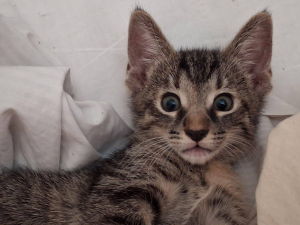
I adore animals, and I hope you do too. It was my good fortune to pick up a kitten from the streets of Nea Smyrni where we live. Aphroditi/Nephertiti is a magnificent girl, unfortunately the boys thought so too and she was pregnant! Babies having babies.

Now two months later we have 3 wonderful, beautiful Kittens for adoption. Some photos included. If you want to add to your family, to make your house/ flat a home adopt a kitty or even two if you have a big space, budget and are not home a lot (they like company to play with). If you live alone, and or work from home adopt one, these kittens are great companions, so sweet and playful.Their Mom looks Abyssinian, but their Dads were regular Greek Cats, so they have a nice mix of both.

I just ask that you love them, provide fresh water and healthy food daily, and clean their litter boxes, yuck but necessary. And when these babies go into “Heat” you get them sterilized, to keep them safe at home with you, and break the cycle of unwanted cats in the streets of Greece. If you choose a kitten and are going on holiday, I will keep him/her until you return.

For adoption appointments, and further info, call regular hours: 693 80 40 801 (Denise)
 
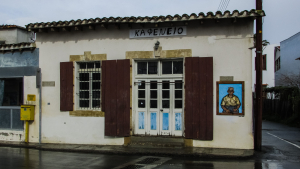
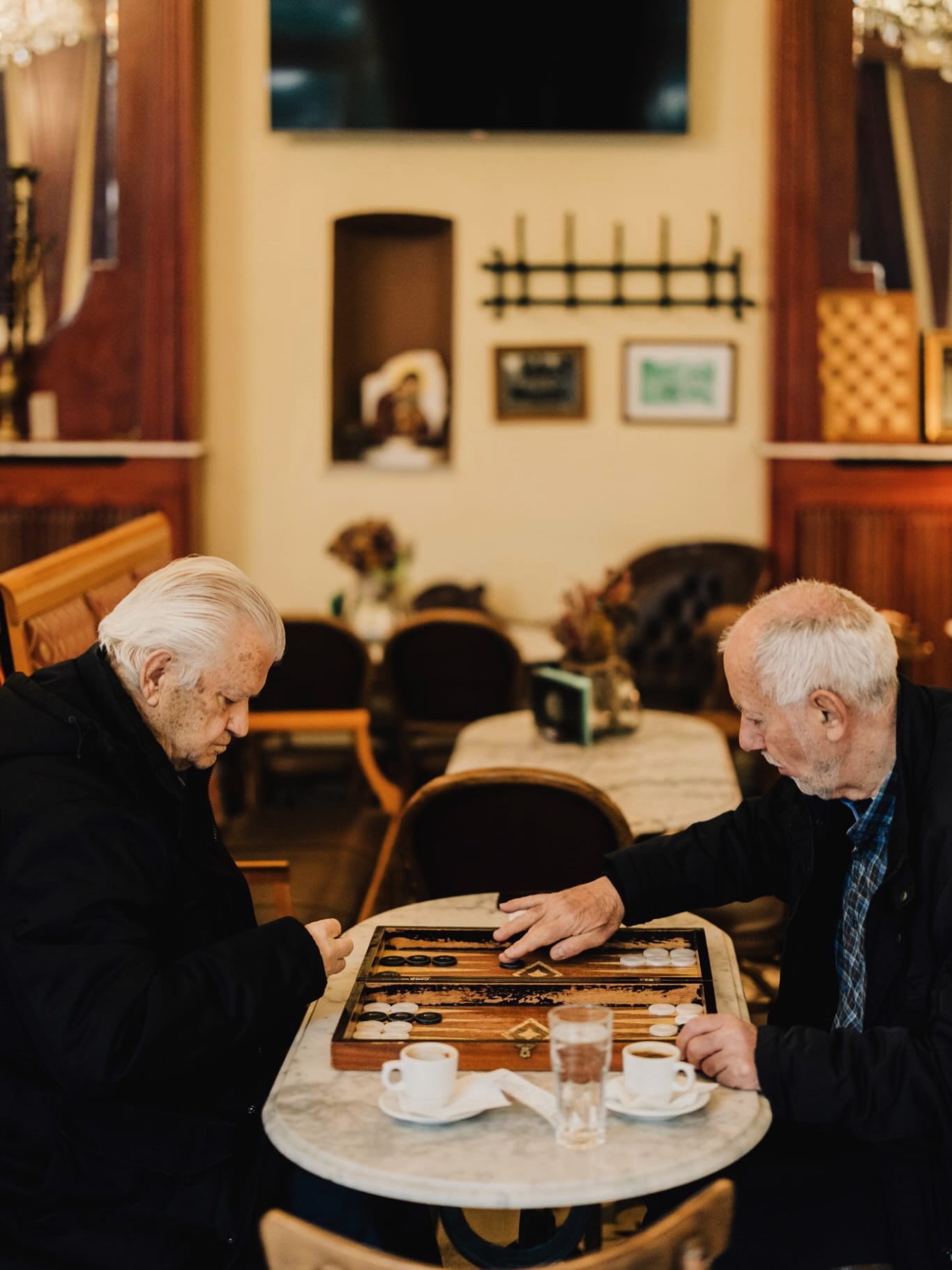
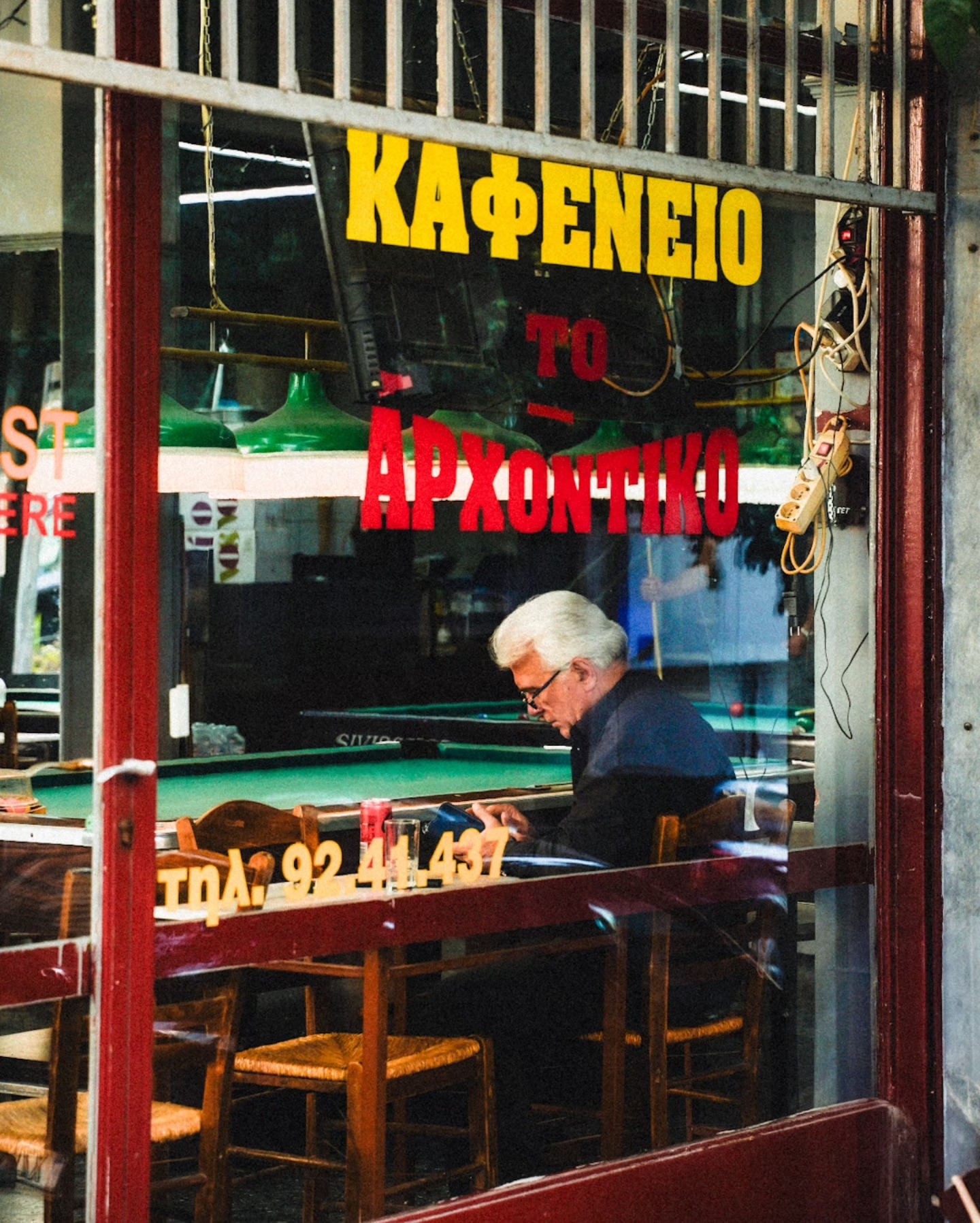
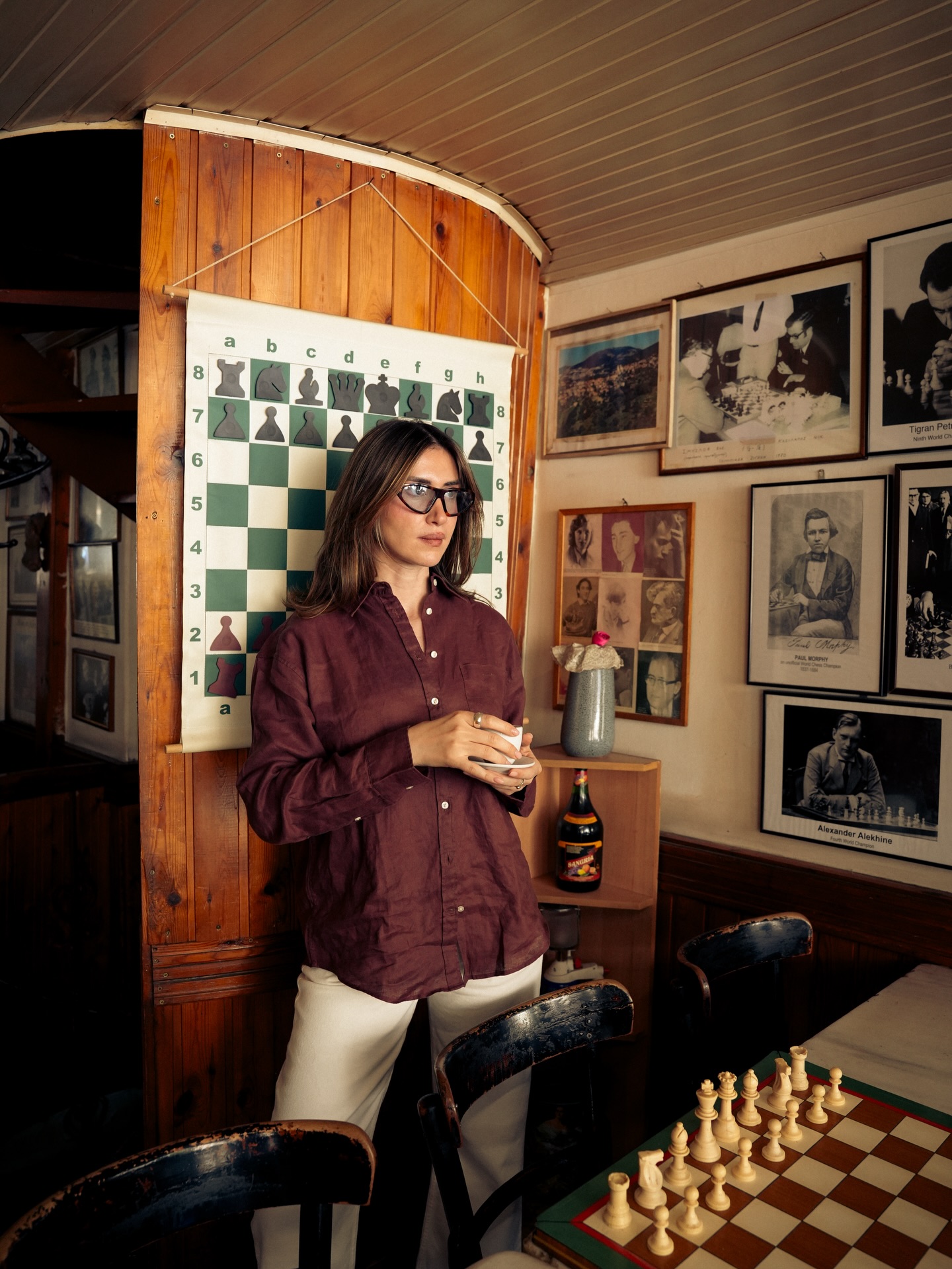
There are few places that capture the spirit of Greece quite like the kafenio. More than a café, it has long been the beating heart of village life: a place where stories were exchanged, politics passionately debated, friendships forged, and history quietly recorded on smoke-stained walls.

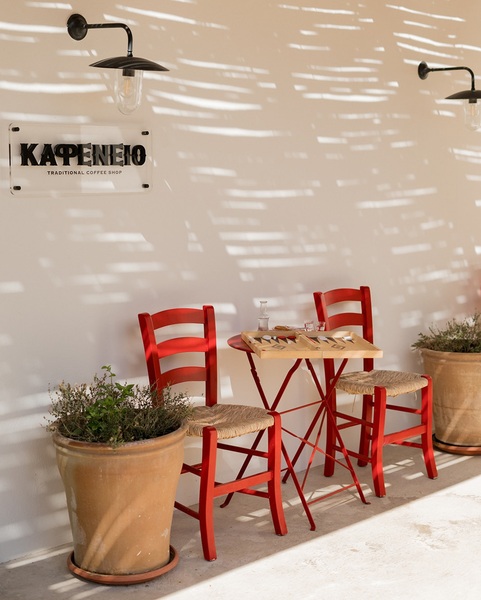
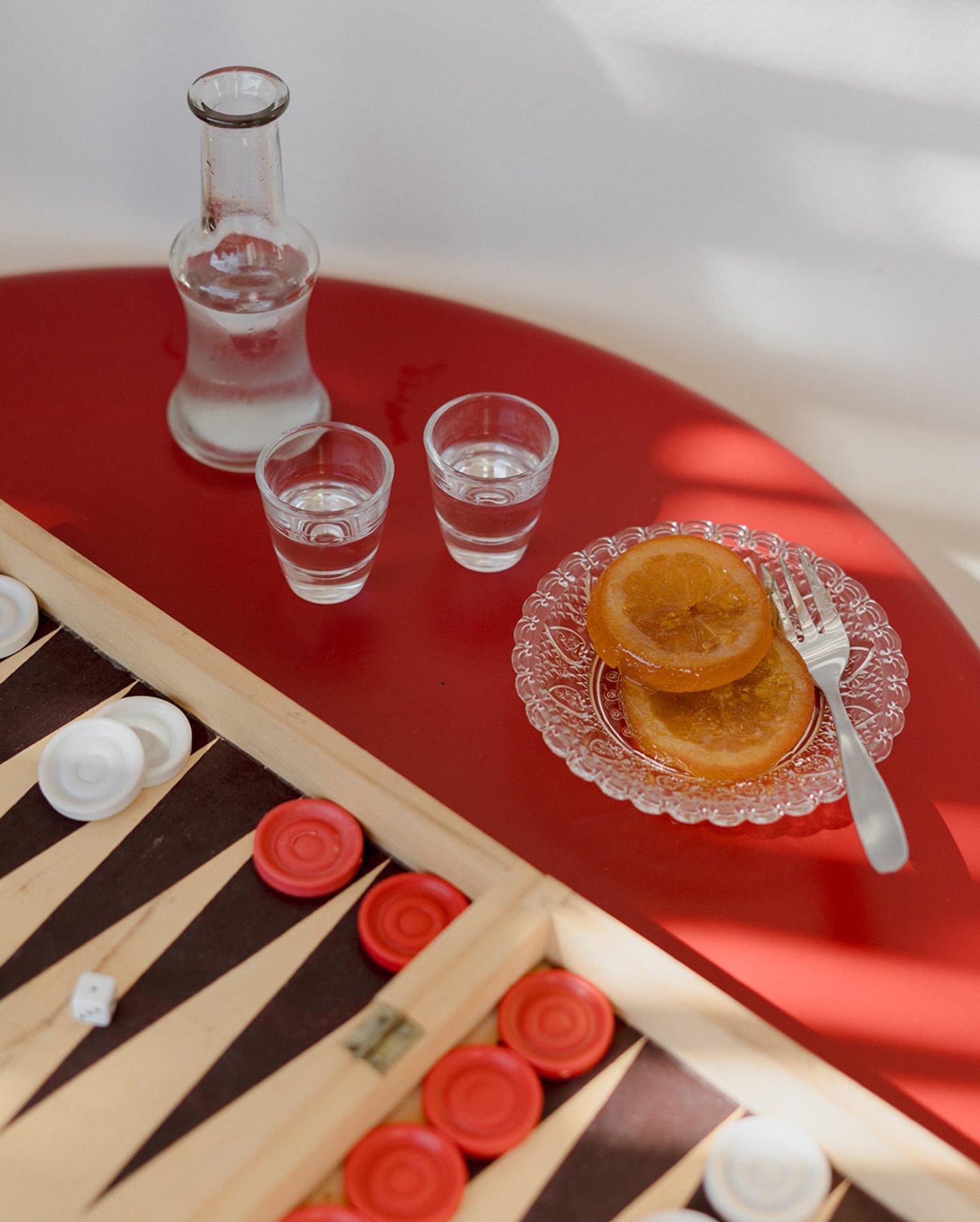
The word kafenio (καφενείο) refers to the traditional Greek coffee house, where generations of Greeks have gathered over cups of rich Greek coffee, icy frappés in summer, glasses of retsina or ouzo accompanied by simple mezedes. Often family-run and, in some cases, almost as old as the villages themselves, kafenia have traditionally offered prices far lower than tavernas, restaurants or tourist cafés, making them an accessible meeting place for everyone.

SnapInsta.to 758427494 18095240267577998 7265052593978763488 n
@megalo_kafeneio_tripolis

For decades, the kafenio served as the social centre of every neighbourhood and village. It was the first stop for anyone seeking directions, local gossip or news about the area. Travellers could pause after a long journey with a cup of Greek coffee or a glass of ouzo, while locals gathered to mark every chapter of life. Weddings, funerals, wars, political crises and celebrations all found their way into conversations around its tables.

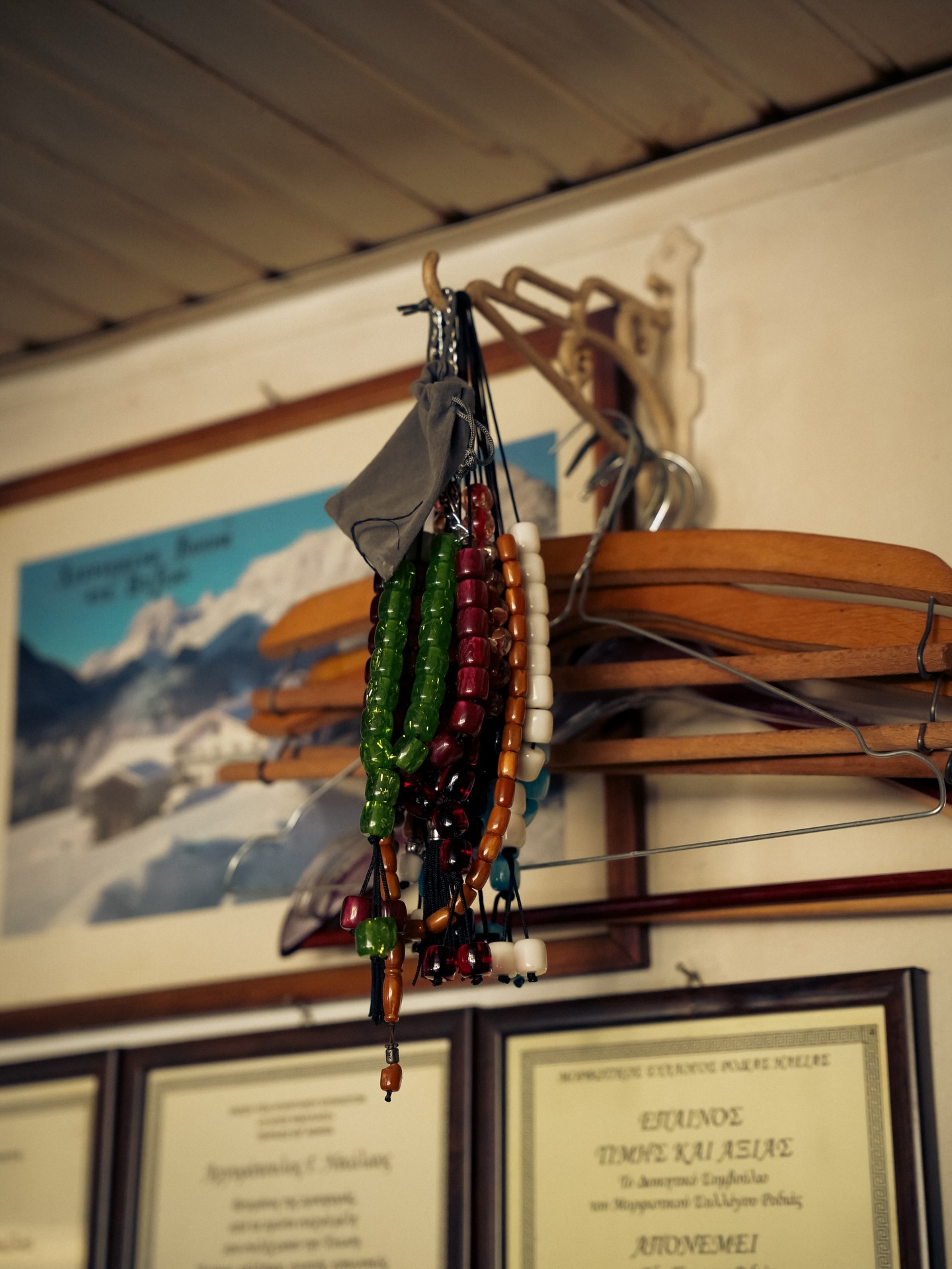
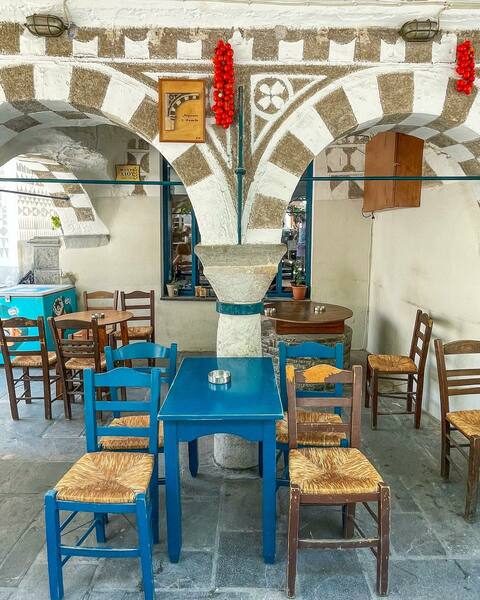
The walls themselves often became living archives of the community. Faded photographs of local football teams, portraits of villagers, images of buildings long since demolished, and, in communities founded by refugees, photographs of lost homelands in Asia Minor or the Balkans all told stories that official history books rarely could. The interiors were modest but unmistakable: whitewashed walls, simple wooden chairs, marble or metal-topped tables, and an atmosphere shaped as much by conversation as by coffee.

SnapInsta.to 686190755 18585954073033877 6332581879102050425 n 1
@itsnefely

Traditionally, however, the kafenio was very much a man's world. Women were rarely welcomed as regular customers, although visitors were often treated as exceptions to the rule. Throughout the day, elderly men would gather after work (or simply as part of their daily routine) to play cards, challenge one another to games of tavli (the Greek version of backgammon), absent-mindedly twirl a komboloi between their fingers, watch the world pass by and, above all, talk.

Politics occupied a particularly prominent place at the kafenio table. Discussions frequently became animated, especially in the run-up to elections, with arguments stretching late into the night. Nothing was off limits. Newspaper headlines, radio broadcasts and later television news all became fuel for spirited debate.

In many towns, political identity was reflected in the cafés themselves. One kafenio might attract supporters of the Left while another became the gathering place for conservatives or royalists. The walls often revealed these allegiances. Royalist cafés displayed portraits of the royal family, while republican and liberal establishments proudly hung photographs of political figures such as Konstantinos Karamanlis or Eleftherios Venizelos. Left-wing kafenia tended to be more discreet, reflecting the difficult periods in modern Greek history when they often found themselves under political scrutiny.

SnapInsta.to 655903634 18106186282680585 7801276265416694297 n
@vasilis_gorogias

A Changing Coffee Culture

SnapInsta.to 563474929 18531548503038996 3927648143393865846 n
@villageheightsresort

Like much of Greek society, the kafenio gradually evolved.

Urbanisation shifted everyday life away from tightly knit villages, reducing the role of a single communal meeting place. At the same time, changing attitudes towards gender transformed cafés into welcoming spaces for everyone rather than exclusively male domains.

The rise of global coffee culture also left its mark. Espresso machines, speciality coffee, carefully designed interiors and more varied menus introduced new expectations, while tourism encouraged many owners to modernise without abandoning the traditions that made their establishments unique.

Today's kafenio is often a thoughtful blend of heritage and contemporary café culture. Alongside expertly prepared Greek coffee, visitors may find speciality espresso drinks, herbal mountain teas, local wines, craft beers and homemade desserts. Fast Wi-Fi, comfortable seating and leafy outdoor terraces have become common features, particularly in cities, yet many owners intentionally preserve marble tables, vintage décor and the warm hospitality that has always defined the kafenio experience.

SnapInsta.to 688821950 18585953956033877 3163501107806893613 n
@itsnephely

Increasingly, these cafés have also become cultural spaces. Live music evenings, poetry readings, art exhibitions, book clubs, board game nights and community workshops attract younger generations while remaining true to the kafenio's original purpose: bringing people together.

SnapInsta.to 563497242 18531548482038996 6189952163557553275 n
@villageheightsresort

Another recent transformation has come with the rise of remote working. In Athens, Thessaloniki and many of Greece's islands, renovated kafenia now welcome freelancers and digital nomads with reliable internet connections, power sockets, comfortable seating and excellent coffee throughout the day. This international clientele has added a new dimension without displacing the local regulars who still return daily for conversation and company.

Tradition Lives On

Despite these changes, many traditional kafenia remain remarkably untouched by time, particularly in rural Greece and on the smaller islands. Worn wooden furniture, faded photographs, walls stained by decades of cigarette smoke and elderly patrons immersed in lengthy games of tavli continue to define these timeless spaces.
Here, Greek coffee is still prepared slowly over low heat, often accompanied by homemade spoon sweets, and conversations unfold without any sense of urgency. It is not unusual for a single coffee to last several hours.

The enduring charm of the kafenio has inspired generations of writers, artists and filmmakers. Alexandros Papadiamantis found countless stories within their walls, while Theo Angelopoulos immortalised the historic Panellinion Kafenio in Amfissa in his masterpiece The Travelling Players. Giorgos Pittas, in his bilingual book Cafés of Greece, celebrates more than one hundred traditional kafenia across the country, noting that these are still among the few places where a Greek coffee often costs no more than €1.50.

Among the country's most remarkable examples is the Forlidas Kafenio in the village of Lafkos on Mount Pelion, believed to be the oldest continuously operating kafenio in Greece. Open since 1785, it continues to welcome both locals and visitors more than two centuries later. Equally iconic are the Panellinion Kafenio in Amfissa, which has become a true local institution, and Kafeneio 111 in Athens' Monastiraki district, serving customers since 1918.

SnapInsta.to 656191982 18093528335327794 679324810322458119 n
@eleniflor

Perhaps the greatest achievement of the modern kafenio is its ability to evolve without losing its soul. Menus may have expanded, interiors may have become more stylish, and laptops may now sit alongside backgammon boards, but the essence remains unchanged. Whether in a mountain village, on a Cycladic square or in the heart of Athens, the kafenio continues to offer what it always has: hospitality, conversation and a sense of belonging over a good cup of coffee.
If you're stopping in Athens before or after a Greek island escape, you may be wondering whether August is a good time to visit the Greek capital. You've probably heard the saying that Athens empties out in August. The good news? It's true… but perhaps not in the way you think.

Here's everything you can expect from Athens during the hottest month of the year – and why it might just become your favourite time to explore the city.


Yes, Athens Really Does Slow Down

August is traditionally the holiday month for Greeks. Around the middle of the month, many Athenians head to the islands or their family villages to celebrate the Feast of the Assumption on 15 August, one of the most important dates in the Greek Orthodox calendar, honouring the Virgin Mary.

As a result, you'll notice a more relaxed rhythm across the city. Some neighbourhood cafés, independent shops and family-run businesses close for their annual holidays, while public transport may operate less frequently or on reduced routes.


…But the City Is Far From Empty

Don't imagine deserted streets.

Athens remains one of Europe's busiest summer destinations, with visitors from around the world keeping the historic centre buzzing. Hotels, major museums, archaeological sites, guided tours, transport services and most restaurants in tourist areas continue to operate as usual. It's always worth calling ahead before visiting smaller venues, but the city's biggest attractions remain very much open for business.

In fact, August offers something many travellers dream of: the chance to experience Athens with fewer locals, lighter traffic and noticeably shorter queues at its most iconic sights.


Enjoy the Landmarks Without the Crowds

SnapInsta.to 525227040 18519276808011001 6961206288996091930 n 1
@a_way_sam

If you've always wanted to wander through the Acropolis, admire the Parthenon or explore the Ancient Agora without weaving through huge crowds, August can be one of the best times to do it.
You'll also find it easier to enjoy the city's famous viewpoints, stroll through charming neighbourhoods like Plaka and Anafiotika, and discover hidden corners at a more leisurely pace.


Magical Summer Evenings

SnapInsta.to 463359978 18287061979229814 4451719503036411763 n
@thanos_paraskevopoulos

One of the highlights of August is undoubtedly the summer full moon.

Watching the moon rise behind the Acropolis is one of Athens' most unforgettable sights. Photography enthusiasts should head to Pnyx Hill or Philopappos Hill for spectacular views as the moon climbs above the ancient monument.

To mark the occasion, several cultural venues often extend their opening hours. For example, the Acropolis Museum will remain open until midnight on the August Full Moon, on the 28th, allowing visitors to admire its collections and enjoy breathtaking nighttime views of the illuminated Acropolis.


World-Class Theatre Under the Stars

SnapInsta.to 742215151 18479767000102176 7921718396026778703 n
@arttttdeco

Summer is also festival season.

The renowned Epidaurus Festival continues throughout August, presenting timeless works by Sophocles, Euripides, Aristophanes and other classical playwrights in one of the world's most extraordinary ancient theatres. Watching Greek tragedy performed beneath the stars is an unforgettable cultural experience.


Don't Miss the Changing of the Guard

No visit to Athens is complete without witnessing the famous Evzones, the Presidential Guard standing watch outside the Hellenic Parliament in Syntagma Square.

The guards change every hour on the hour, while every Sunday at 11 am visitors can enjoy the full ceremonial parade, complete with military band and traditional uniforms - without the massive crowd preventing you to see anything.


Family-Friendly Fun

SnapInsta.to 703546423 18584292145033122 996824410628390486 n
@m.arndt

Athens is wonderfully welcoming for families all year round, and August is no exception. 

One of the city's best spots during this period is the Stavros Niarchos Foundation Cultural Centre. Its vast Mediterranean gardens offer plenty of space for little ones to run around, while the programme of summer events often includes kayaking, concerts, workshops and free guided activities.
It's also one of the coolest places in the city during the warmer months.

Other green escapes worth discovering include the National Garden, Philopappos Hill and Eleftherias Square, perfect for slowing the pace between sightseeing.


Enjoy Athens After Dark

SnapInsta.to 523909161 17905771395198414 7254594020852323844 n
@cineparis.athens

Warm evenings are made for open-air cinema, and few experiences feel more Athenian than watching a classic film beneath the stars.

Cine Paris, tucked beneath the Acropolis in picturesque Plaka, remains one of the city's most iconic open-air cinemas and is a magical way to spend a summer night.


Escape to the Coast

Need a break from the heat?

The Athens Riviera stretches for miles along the Saronic Gulf, with organised beaches, seaside cafés, marinas and crystal-clear swimming spots all within easy reach of the city centre. It's the perfect way to combine a city break with a day by the sea.


Find Cooler Temperatures in the Mountains

For an easy escape from the summer heat, head to Mount Parnitha.

Whether you hike through the national park or simply take the cable car to the top, temperatures are significantly cooler than in central Athens, offering a refreshing break from the city's summer warmth.


A Perfect Excuse to Visit a Museum

When the afternoon sun becomes a little too intense, step inside one of Athens' exceptional museums.

The Acropolis Museum, the National Archaeological Museum and the Museum of Cycladic Art all provide both fascinating collections and the welcome comfort of air conditioning — perhaps the city's most underrated attraction in August.


Summer Sales Continue Throughout August

SnapInsta.to 670792639 18069993905657291 7754065846068380334 n
@yiasemitravel

Shopping enthusiasts are in luck: Greece's summer sales continue until 31 August, making it an excellent opportunity to pick up fashion, local designers and souvenirs at discounted prices.


Before You Go: A Few Things to Know

If you're travelling around 15 August, plan ahead.
The Assumption holiday creates one of Greece's busiest travel periods, with ferries, domestic flights and roads leading in and out of Athens becoming particularly congested. Delays are common, so allow extra time if you're travelling during this period.

If you're arriving in Athens around the holiday, booking your airport or port transfer in advance is highly recommended. Last-minute taxi fares — particularly from the Port of Piraeus — can be considerably higher during this peak travel period.


The Verdict

So, is August a good time to visit Athens? Absolutely!
 
While the city adopts a slower, more relaxed pace, it loses none of its energy. You'll enjoy iconic monuments with fewer crowds, long summer evenings filled with culture, rooftop dinners beneath the Acropolis, nearby beaches, open-air cinemas and a calendar packed with seasonal events.

In many ways, August reveals a softer, more leisurely side of Athens — and you may end up enjoying the Greek capital even more than you expected.


Golden sands, crystal-clear waters, and breathtaking coastal views are some of Greece's greatest treasures, and they should be accessible to everyone.
Over the past decade, Greece has made significant progress in improving beach accessibility, making it easier than ever for wheelchair users, people with reduced mobility, seniors, and families with accessibility needs to enjoy a day by the sea. Thanks to innovative technologies such as the Greek-designed Seatrac system, alongside accessible pathways, changing facilities, and designated parking spaces, hundreds of beaches across the country now offer a more inclusive beach experience.

Whether you're planning a summer holiday or simply looking for your next accessible beach destination, here's everything you need to know.

What Makes A Beach Wheelchair Accessible?

A truly accessible beach goes beyond simply having a ramp.

Many of Greece's accessible beaches now include features such as:

  • Seatrac autonomous sea access systems
  • Wooden or non-slip pathways leading close to the shoreline
  • Accessible parking spaces
  • Accessible toilets and changing rooms
  • Outdoor showers
  • Beach wheelchairs (at selected locations)
  • Lifeguard services during the summer months
  • Easy access to nearby cafés and restaurants

While facilities vary from beach to beach, the number of fully accessible destinations continues to grow every year.

What Is Seatrac?

One of Greece's greatest contributions to accessible tourism is Seatrac, an innovative system developed by Greek engineers that allows wheelchair users to enter and exit the sea independently.

Installed on many organised beaches throughout Greece, Seatrac consists of a specially designed seat that moves along a rail extending into the water. Operated via a simple waterproof remote control, the system enables users to enjoy swimming safely and independently, without requiring physical assistance.

The service is completely free and has transformed beach accessibility across the country, helping thousands of residents and visitors enjoy Greece's coastline with greater confidence and independence.

Accessible Beaches in Attica

If you're staying in Athens, several nearby beaches offer excellent accessibility.

Alimos Beach

alimos
@thedroni3s

Located just a short distance from the city centre, Alimos Beach features accessible pathways leading towards the sea, designated parking, and Seatrac facilities during the summer season. Its organised layout and nearby cafés make it an excellent choice for a comfortable beach day.

Edem Beach (Palaio Faliro)

Popular with both locals and visitors, Edem Beach offers accessible walkways, calm waters, public transport connections, and seasonal accessibility equipment.

A' Voula Beach

voula beach 2
seatrac.gr

One of the Athens Riviera's most popular beaches, A' Voula combines organised facilities with accessible infrastructure, including ramps and Seatrac installation.

Accessible Beaches in the Peloponnese

Kalamata Beach

Kalamata has invested considerably in accessible tourism, with Seatrac systems, accessible boardwalks, and nearby facilities making it one of southern Greece's leading accessible beach destinations.

Loutraki Beach

Known for its calm waters and excellent organisation, Loutraki offers accessible infrastructure close to the town centre, allowing visitors to easily combine swimming with cafés and restaurants.

Gialasi Beach, Epidavros 

gialasi beach 
@alexandrosgou

Located just outside the charming seaside town of Ancient Epidaurus, Gialasi Beach is a peaceful, family-friendly destination known for its calm, crystal-clear waters and beautiful natural surroundings. The beach has been equipped with a Seatrac autonomous sea access system, allowing wheelchair users and visitors with reduced mobility to enjoy the sea safely and independently. With accessible pathways leading towards the shoreline and nearby cafés and amenities, Gialasi Beach offers a relaxing and inclusive seaside experience.

Accessible Beaches On The Greek Islands

Many Greek islands now feature accessible beaches, making island holidays possible for everyone.

Crete

Crete has one of the largest networks of accessible beaches in Greece.

Popular options include:

  • Ammoudara (Heraklion)
  • Agia Marina (Chania)
  • Georgioupolis

Several beaches feature Seatrac systems, accessible walkways and adapted facilities.

Rhodes

Both Elli Beach and parts of Faliraki offer accessibility infrastructure, allowing visitors to enjoy one of Greece's most popular islands comfortably.

Corfu

Beautiful beaches such as Dassia and Glyfada continue improving accessibility with seasonal facilities and organised beach services.

elli beach
Elli Beach, Rhodes. @cm_droneandmore

Kos

Known for its relatively flat terrain, Kos offers several accessible beaches alongside accessible hotels and cycling paths, making it an excellent destination for travellers with reduced mobility.

Lefkada, Zakynthos & Naxos

agiosprokopios
Agios Prokopios, Naxos. @greecetale

These islands also feature selected beaches equipped with Seatrac systems and accessible pathways during the summer season.

Tips For Planning Your Visit

Although accessibility has improved significantly, it's always worth planning ahead.

Before visiting a beach:

  • Check via the Seatrac Beach Directory whether the Seatrac system is currently installed and operational.
  • Confirm opening dates, as some facilities are seasonal.
  • Arrive early during July and August, especially at organised beaches.
  • Bring plenty of sun protection and water.
  • Contact the local municipality if you require specific accessibility information.

Accessible Tourism In Greece Continues To Grow

Beach accessibility is just one part of Greece's wider commitment to accessible tourism.

Across the country, more hotels, museums, archaeological sites and public spaces are becoming increasingly inclusive, allowing travellers of all abilities to experience Greece more comfortably than ever before.

From the Athens Riviera to the islands of the Aegean and Ionian Seas, visitors can now enjoy unforgettable seaside experiences with greater independence, dignity and ease.

If your weeks are anything like mine, you’re juggling work, life, family, admin, and about 47 tabs open in your brain at any one time.

And yet… you still want something that brings you back to yourself. Something that feels nourishing. Something that reminds you there’s a bigger, calmer, more beautiful world outside your to-do list.

That’s exactly why The Evexia Effect Podcast was created.

It’s a free, easy way to dip into Greece’s wellness world — even when you’re busy.

You Don’t Have To Listen All In One Go

One of the best things about podcasts is that they fit around your life.

You can listen:

  • In the car on the school run or your commute

  • On a walk (even a quick 10 minutes counts)

  • While you’re cooking dinner

  • At the gym (this is honestly one of my favourite ways to listen)

  • On a Sunday reset, when you just need a calmer voice in the room 

No pressure. No “keeping up”. Just press play whenever you have a pocket of time.

What You’ll Find Inside The Evexia Effect

Each episode is designed to help you explore wellness, retreats, and real transformation — with Greece as the backdrop.

Depending on the episode, you’ll hear:

  • Conversations with wellness experts

  • Stories that make you feel less alone in what you’re navigating

  • Practical ideas you can try straight away

  • A little dose of Greece — the light, the landscape, the slower rhythm

It’s not about perfection. It’s about feeling more you.

Listen on Spotify (free)

You can listen the podcast on Spotify HERE!

If you’re new to the show, here's a list of episodes to start with:

And There’s So Much More To Come

We already have a lovely library of episodes to explore, and there are many more on the way.

So if you’ve been craving a gentle nudge back towards wellness (without adding another “task” to your day), consider this your invitation.

Put an episode on in the car, or while you’re lifting weights, or on your next walk.

And if one episode resonates, I’d genuinely love to hear from you.

About the Author

Gilly Gwilliams is the founder of Retreats in Greece and Evexia Wellness on the island of Kos. A passionate wellness seeker, she is on a mission to showcase Greece as a leading wellness destination while helping people reconnect with themselves through meaningful retreat experiences. Inspired by her own journey through health challenges, Gilly believes in the power of holistic wellbeing, purposeful living, and creating space for personal transformation. Originally from the UK and now living in Kos with her husband, two dogs, and a lively collection of animals, she combines her love of Greece, nature, and wellness to help others live healthier, happier lives.

When people think of wellness in Greece, they often picture luxury spas, olive oil massages, and breathtaking seaside settings. But what if wellness could go beyond relaxation and reconnect us with a healing philosophy that was born right here in Greece?

Meet Argyro, founder of Enthymesis and Enthymesis Wellness, an award-winning concept inspired by Hippocratic medicine and Authentic Greek Traditional Therapeutics. Drawing on years of study in naturopathy, Unani medicine, and international spa therapies, Argyro has created a unique system that brings Greece's rich therapeutic heritage into the modern wellness world through highly personalised spa experiences.

We spoke with Argyro about the inspiration behind Enthymesis, the philosophy that sets it apart, and her vision for establishing Greece as a global destination not only for hospitality and gastronomy, but also for authentic wellness rooted in its own traditions.

For those discovering your work for the first time, we've noticed there are both Enthymesis and Enthymesis Wellness. What's the difference between the two?

That's a great question because they are closely connected, but they aren't exactly the same.

Enthymesis is our wellness and spa centre in Corfu, where visitors experience our treatments firsthand. It's where everything began and continues to serve as the living heart of what we do.

Enthymesis Wellness, on the other hand, is the complete philosophy and therapeutic system that was born through years of research, study, and practical application. It brings together Hippocratic medicine, Greek traditional therapeutics, and a personalized approach to wellness that can be taught and implemented in spas across Greece and beyond.

The entire concept was something I developed myself, inspired by my own journey and the desire to create something truly authentic. To the best of our knowledge, there isn't another system quite like it anywhere else. My vision has always been to revive Greek traditional therapeutics in a way that's practical, accessible, and deeply rooted in our own heritage. 

So, you are bringing the Enthymesis philosophy to other parts of Greece. Can you tell us more about that?

Absolutely.One example is our partnership with a boutique hotel in Mani, where we've introduced the Enthymesis approach to the spa experience. It's a place where guests can experience Authentic Greek Traditional Therapeutics in a peaceful setting that perfectly complements our philosophy.

We're also excited to announce that our next Enthymesis Wellness Retreat will take place in Mani at the end of October, bringing together our personalised therapeutic approach, mindful practices, and the natural beauty of one of Greece's most captivating destinations. It's an opportunity for participants to slow down, reconnect with themselves, and experience wellness through an authentically Greek lens.

For me, this is what the future of Enthymesis looks like; not simply opening more spas, but collaborating with places that genuinely share our values and want to offer visitors a meaningful, authentic Greek wellness experience.

What inspired you to create Enthymesis?

Before discovering Greek traditional therapeutics, I had already opened a spa in Corfu. My background is in Naturopathic Medicine and Unani Medicine, which is rooted in Hippocratic medicine, and I also trained in London with Steiner, specialising in spa therapies.

When I first worked as a spa therapist, I felt there was something missing. The industry often follows the philosophy of "the same treatments for everyone." Later, when I studied naturopathy, I found the same pattern, protocols based on symptoms rather than on the individual.

Everything changed when I completed my studies in Hippocratic medicine. One of its most fundamental principles is that every person is unique and should be treated as such. But that naturally led to another question: How do we truly understand what makes each individual different?

How does Hippocratic medicine answer that question?

The entire philosophy of Hippocratic medicine and Greek traditional therapeutics is based on the Theory of the Humours.

Without going into all the scientific detail, this theory explains that every person has a unique internal balance determined by the predominant qualities within their body. Those qualities influence not only physical health, but also appearance, personality, behaviour, strengths, weaknesses, and even the way illness develops.

Understanding that individuality became the foundation of Enthymesis. My goal was to create a wellness experience that genuinely adapts to each person, rather than offering the same treatment to everyone who walks through the door. 

What makes Enthymesis different from a traditional spa?

Today there are many beautiful luxury spas offering exceptional facilities and treatments. But I felt that something important was missing. Luxury alone isn't enough. It also needs substance.

In Greece especially, most spa concepts have been imported from abroad. We have incredible food, breathtaking landscapes, warm hospitality, and a rich cultural identity, but when it comes to spas, we haven't created an experience that truly reflects our own heritage. That's exactly why I created Enthymesis.

It isn't simply a collection of treatments. It's a complete system that allows therapists to learn and apply Hippocratic principles in a modern spa environment, making it possible to offer visitors an experience that's genuinely and authentically Greek. 

You recently received recognition for this work. Tell us about that.

Yes, this year we were honoured at the Tourism Awards, and that recognition meant a great deal to us.

My hope has always been to bring greater awareness to authentic Greek traditional therapeutics here in Greece.

When people think of Greece, they immediately think of our cuisine, our sunshine, our sea, and our hospitality. Those are all authentic experiences.

I believe wellness should become part of that identity too.

We're currently the only company able to both teach and certify a spa as authentically Greek in terms of its philosophy and therapeutic approach.

Anyone can say they offer an "Ancient Greek massage," but that doesn't necessarily mean the philosophy behind the treatments is genuinely Greek.

For us, authenticity isn't about marketing. It's about creating an entire therapeutic system built upon Hippocratic principles, training therapists to understand those principles, and ensuring they're applied consistently throughout the guest experience.

Ultimately, my dream is for Greek wellness to become recognised internationally in the same way Greek cuisine and Greek hospitality already are. 

How does the Enthymesis experience differ from a traditional spa treatment?

At first glance, our menu looks familiar. We offer relaxing massages, deep tissue treatments, facials, many of the therapies you'd expect to find in any spa.

The difference lies in how we decide which treatment is right for each person.

Rather than allowing guests to simply choose a massage from a menu, we begin by understanding the individual. According to Hippocratic philosophy, the body is influenced by the fundamental elements, primarily fire, water and earth.

Before every treatment, guests complete a short assessment that helps us identify which element is currently predominant. Once we understand that, we can recommend the most appropriate treatment, technique, herbs and oils to restore balance. Instead of asking, "What treatment would you like?", we ask, "What does your body need today?" 

Can you give us an example of how that works in practice?

Let's say someone presents with an excess of the fire element. Rather than choosing an invigorating treatment, we would recommend therapies specifically designed to calm and cool the body. That might involve a slower massage technique, which naturally cools the body, as well as carefully selected herbal oils that have cooling properties according to Greek traditional therapeutics.

These herbs don't simply have medicinal properties for specific organs. Each herb also possesses what we call an elemental action. Some naturally warm the body, others cool it, while some create dryness or moisture.

Over the years, I've developed blends of herbs and oils that work with these elemental qualities, allowing us to personalise every treatment according to the individual's needs. 

The philosophy of Hippocrates is actually remarkably simple: Whatever is excessive, we reduce. Whatever is lacking, we restore.

If someone lacks warmth, we introduce warmth. If there's too much heat, we calm it. If there's excess moisture, we reduce it. Everything is about restoring equilibrium.

That's why our treatments aren't standardised. Even if two guests book the same massage, the techniques, oils and overall approach may be completely different because every person is different. 

The products you use are also an important part of the experience.

Absolutely. Everything we use is as pure and natural as possible.

Our oils and herbal blends come from our own land and contain no unnecessary chemicals or toxic ingredients.

They're created to work in harmony with the body's natural balance, rather than simply providing fragrance or a pleasant sensation during the treatment. 

The name Enthymesis is beautiful. What does it mean?

Enthymesis means remembrance, to remember once again.

That idea perfectly reflects our philosophy.

When someone visits our spa, our goal isn't simply to help them relax for an hour. We want to remind them what it feels like to be truly well. To remember what it feels like to experience calm in the mind, balance in the nervous system and harmony within the body.

In many ways, wellness isn't something we need to create from scratch. It's something we already know.

Sometimes we simply need to remember it. 

Does that philosophy also influence the use of the spa facilities themselves?

Very much so. Even features like the sauna, steam room, hydrotherapy pool and body rituals are chosen according to the individual's needs.

For example, if someone already has an excess of moisture, we wouldn't recommend a steam room or hydrotherapy. Instead, we might suggest the dry heat of a sauna.

Similarly, instead of a wet exfoliating scrub, we may recommend dry brushing if that's more appropriate for restoring balance. Every aspect of the spa experience is carefully selected to support the body's natural equilibrium.

You've studied and worked abroad before returning to Greece. What makes Greece such a special place for wellness?

I genuinely believe Greece is one of the most balanced places in the world. We experience four distinct seasons.

We have abundant sunshine, exceptional herbs, extraordinary olive oils, fresh food and a climate where all the elements exist in harmony.

That balance creates something incredibly valuable: vitality.

Where there is balance, there is life.

For me, Greece nourishes people in a unique way.

Before discovering Greek traditional therapeutics, you actually followed the more conventional path, didn't you?

I did. When I first started working in spas, I relied on Chinese medicine and Thai massage because they were among the few systems that seemed to have a complete philosophy behind them. I wanted something that wasn't simply a collection of techniques, but a coherent way of understanding the human body.

Everything changed when I discovered Greek traditional therapeutics. I realised that what I had been searching for had actually existed in Greece all along.

That passion eventually led me beyond clinical practice and into research. As part of my commitment to preserving and sharing this knowledge, I also translated into Greek The Canon of Medicine by Avicenna. Studying classical medical philosophy in such depth only strengthened my conviction that the wisdom of traditional healing systems still has much to offer today.

From my perspective, many of the great traditional healing systems—including Chinese medicine and Ayurveda—share common foundations. However, I believe Greek traditional therapeutics represents one of the most complete philosophical systems.

For example, Ayurveda works with three constitutional types. Chinese medicine uses four primary elements. Hippocratic medicine recognises five. It offers a more complete framework for understanding the individual and, ultimately, for personalising treatment.

And because I live in Greece, it simply felt natural to embrace our own tradition. 

What do you hope people take away from the experience after leaving Enthymesis?

A spa treatment shouldn't end when someone walks out the door. Our goal is to help people understand themselves better.

When guests leave, they don't simply feel relaxed, they begin to understand why certain foods suit them better than others, why particular habits affect their wellbeing, and how they can continue caring for themselves in everyday life.

Hippocratic medicine teaches that each of us is ultimately responsible for our own health. But before we can care for ourselves properly, we first need to understand ourselves. 

How do you determine which treatment is right for each guest?

Every guest completes a detailed consultation before their treatment begins.

We ask questions about how they experience temperature, their eating habits, lifestyle, physical activity and other characteristics that help us understand which element is currently dominant.

Our therapists are also trained to observe physical characteristics and recognise certain patterns. The purpose isn't to make a medical diagnosis. It's simply to identify the current imbalance so we can choose the treatment that will help restore equilibrium. It's a practical system that can be taught, applied consistently, and integrated naturally into the spa experience. 

Looking ahead, what is your vision for Enthymesis?

My greatest hope is for Enthymesis to become the organisation people turn to when they want to create an authentically Greek wellness experience.

I don't want our philosophy to become something that's simply copied or used as a marketing label.

Authenticity matters.

We're not interested in expanding into hundreds of locations if that means compromising what makes this philosophy unique.

Instead, I want people to come to us because they genuinely want to create a spa rooted in Greek therapeutic tradition, one that offers visitors something meaningful, authentic and unlike anything they've experienced elsewhere.

If someone says, "We want to create a truly Greek spa," I want Enthymesis to be the first name that comes to mind. 

A special thank you to Argyro for sharing her inspiring journey and reminding us that sometimes, the future of wellness lies in rediscovering the wisdom that has been with us all along.

Whether you're planning a wellness escape in Corfu, looking to create a truly authentic Greek spa experience, or simply curious to learn more about this unique approach to personalised wellbeing, Enthymesis offers a fresh perspective on what wellness can be.

If you're a spa owner, hotelier, wellness professional, or therapist interested in incorporating the Enthymesis philosophy into your own practice, or if you'd simply like to experience Enthymesis Wellness firsthand, you can get in touch with Argyro and her team to learn more about their treatments, consultancy services, therapist training programmes, and certification opportunities.

To learn more or get in touch, visit enthymesiswellness.com or send an email to info@enthymesiswellness.gr.
What if the future of wellness lies in rediscovering Greece's own healing heritage?

Enthymesis Wellness is an award-winning wellness consultancy and therapeutic system dedicated to reviving Authentic Greek Traditional Therapeutics through modern spa experiences inspired by Hippocratic medicine.

Founded by Argyro, the philosophy was developed after years of research, study, and practical application in naturopathy, Unani medicine, Hippocratic medicine, and international spa therapies. Entirely created through her own vision, Enthymesis Wellness offers a unique, evidence-informed approach that places personalisation, authenticity, and balance at the heart of every wellness experience.

Where It All Began

The story began with Enthymesis, the wellness and spa centre in Corfu, where guests experience the philosophy through personalised treatments rooted in Greek therapeutic wisdom. This flagship spa remains the living heart of the Enthymesis philosophy, while Enthymesis Wellness expands that vision by partnering with carefully selected hospitality destinations to bring authentic Greek wellness experiences to life.

A Different Approach To Wellness

Unlike conventional spas that offer standardised treatments, Enthymesis Wellness believes that every individual is unique.

Inspired by the Hippocratic Theory of the Humours and the principles of Greek Traditional Therapeutics, every wellness journey begins by understanding the individual before recommending therapies, techniques, herbs, oils, and rituals specifically suited to their current state of balance.

The result is a deeply personalised experience designed not simply to help guests relax, but to restore equilibrium, promote long-term wellbeing, and reconnect people with their natural state of health.

Services

Enthymesis Wellness works as both a strategic wellness consultant and therapeutic partner, helping hospitality businesses create authentic spa experiences rooted in Greek philosophy.

Services include:
  • Spa concept development and therapeutic menu design
  • Spa operational planning, guest journey design, and treatment protocols
  • Staff training and professional certification
  • Implementation supervision and quality assurance
  • Ongoing consultancy and continuous support to maintain long-term excellence
Depending on each property's needs, collaborations may include:
  • Complete spa management
  • Spa concept creation with strategic supervision, without involvement in daily operations
In every collaboration, Enthymesis Wellness ensures that each wellness space remains faithful to its therapeutic philosophy, quality standards, and authentic Greek identity.

Who They Work With

Enthymesis Wellness collaborates exclusively with environments that value time, silence, meaningful healing, and personalised hospitality, including:
  • Boutique hotels
  • Luxury and high-end hotels
  • Premium hospitality destinations
  • Wellness retreats
  • Spas committed to therapeutic excellence and professionally trained teams
The Vision
 
More than creating beautiful spas, Enthymesis Wellness aims to establish Greek Traditional Therapeutics as an internationally recognised wellness philosophy.

By combining authentic Greek therapeutic knowledge with contemporary hospitality standards, Enthymesis Wellness helps create wellness destinations that are distinctive, deeply meaningful, and unmistakably Greek.

Whether you're a hotel owner, spa operator, wellness professional, or hospitality investor looking to develop an authentic Greek wellness concept, Enthymesis Wellness offers consultancy, education, certification, and ongoing strategic guidance to help transform your vision into reality.

Contact Info

Website: enthymesiswellness.gr/

Emai: info@enthymesiswellness.gr

Phone: 6977 263 618

Page 5 of 476