
SERVICES

XpatAthens
Athens Ranks Among Europe’s Top 10 Sunniest Cities

Athens: Where Autumn Still Feels Like Summer
From the Acropolis To The Athens Riviera
Athens In The European Sunshine Top 10
The Top 10 at a Glance
-
Cartagena, Spain – 282.18 sunshine hours/month
-
Málaga, Spain – 277.78 hours
-
Seville, Spain – 271.53 hours
-
Alicante, Spain – 278.58 hours
-
Murcia, Spain – 276.10 hours
-
Catania, Italy – 272.38 hours
-
Santa Cruz de Tenerife, Spain – 247.24 hours
-
Córdoba, Spain – 266.23 hours
-
Athens, Greece – 261.45 hours
-
Palma de Mallorca, Spain – 257.24 hours
With Athens sitting comfortably inside the top 10, the research adds another reason why the capital remains such an attractive destination for visitors — particularly those looking to extend their summer well into September and October.
So, Is Athens Α Good Autumn Destination?
And while Athens may not have taken the number one spot, 9th sunniest city in Europe is certainly something worth celebrating. ☀️
About Τhe Research
The ranking was produced by Holidu, using data from World Weather Online. The research considered European cities with more than 200,000 inhabitants and analysed average sunshine hours per month based on data from 2009–2026. Average temperatures were also included as a secondary data point, with sunshine hours and temperature normalised to produce an overall score out of 10.
To read more, please visit: holidu.co.uk
The Father Of Medicine: Why Hippocrates' Kos Teachings Matter More Than Ever
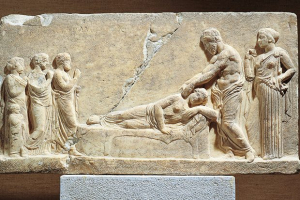
When you step onto the sun-drenched shores of Kos, you're walking in the footsteps of history's most influential healer. This isn't just another beautiful Greek island—it's the birthplace of modern medicine, where Hippocrates revolutionised healthcare over 2,400 years ago. And remarkably, his ancient wisdom holds the key to solving many of today's wellness challenges.
The Kos Connection: Where It All Began
Born on Kos around 460 BC, Hippocrates transformed medicine from superstition into science. Beneath the legendary Plane Tree of Hippocrates in Kos Town, he taught his students a radical new approach: observe, understand, and treat the whole person—not just their symptoms.
The Asklepieion, Kos's ancient healing temple perched on a hillside overlooking the Aegean, wasn't merely a hospital. It was a holistic wellness sanctuary where patients received fresh air, clean water, nourishing food, rest, and therapeutic exercise. Sound familiar? Hippocrates understood what we're only now rediscovering: true healing requires addressing body, mind, and spirit together.
Prevention Over Cure: A 2,400-Year-Old Lesson We Forgot
"Let food be thy medicine and medicine be thy food."
Perhaps Hippocrates' most famous quote, yet how many of us truly live by it? In our modern world of quick fixes and pharmaceutical solutions, we've drifted far from his fundamental principle: prevention is superior to cure.
Hippocrates believed the body possesses an innate ability to heal itself when given the right conditions. His approach focused on:
-
Nutrition as foundation – Fresh, seasonal, whole foods as primary medicine
-
Movement and exercise – Physical activity as essential, not optional
-
Rest and recovery – Sleep and relaxation as healing necessities
-
Environmental factors – Clean air, pure water, and natural surroundings
-
Emotional wellbeing – Recognising the mind-body connection
Today, we're facing epidemics of lifestyle-related diseases: obesity, diabetes, heart disease, anxiety, and burnout. Conditions that are largely preventable through the very principles Hippocrates taught millennia ago.
The Modern Disconnect
We've become a society that waits until we're broken before seeking help. We ignore warning signs, push through exhaustion, fuel ourselves with processed foods, and then wonder why we feel depleted. We treat symptoms rather than addressing root causes.
Hippocrates would be dismayed. His entire philosophy centred on listening to your body, understanding its signals, and making daily choices that support vitality rather than undermine it.
Why Kos Matters Today
Kos isn't just historically significant—it's a living reminder of what's possible when we prioritise holistic wellness. The island embodies Hippocratic principles:
Natural healing environment – The Mediterranean climate, mineral-rich thermal springs, clean air, and abundant sunshine create ideal conditions for restoration.
Nourishing Mediterranean diet – Fresh fish, olive oil, vegetables, herbs, and fruits—the very foods Hippocrates prescribed.
Slower pace of life – Time to rest, reflect, and reconnect with yourself away from modern stressors.
Connection to nature – Beaches, mountains, and countryside that invite movement and mindfulness.
Ancient wisdom preserved – The Asklepieion and Hippocrates sites serve as tangible connections to healing traditions.
When you come to Kos for wellness, you're not just taking a holiday—you're returning to the source of holistic healing itself.
Applying Hippocratic Wisdom to Your Life
You don't need to visit Kos to embrace these timeless teachings (though we highly recommend it!). Here's how to integrate Hippocratic principles into daily life:
1. Prioritise Prevention
Don't wait for illness to force change. Regular movement, quality sleep, stress management, and nourishing food are investments, not luxuries.
2. Eat Real Food
Choose whole, unprocessed foods as close to their natural state as possible. Let your kitchen be your pharmacy.
3. Move Your Body Daily
Hippocrates prescribed walking as universal medicine. Find movement that brings joy, not punishment.
4. Rest Without Guilt
Recovery isn't weakness—it's essential for health. Honour your body's need for quality sleep and downtime.
5. Treat Yourself as a Whole Person
Your physical symptoms may have emotional roots. Your stress may manifest physically. Everything is connected.
6. Listen to Your Body
Pain, fatigue, and discomfort are messages, not inconveniences. Learn to hear what your body is telling you.
7. Seek Natural Solutions First
Before reaching for medication, consider whether lifestyle changes might address the root cause.
The Hippocratic Oath For Yourself
Hippocrates required his students to take an oath—a commitment to ethical, compassionate care. What if you took an oath to yourself?
"I will honour my body as the vessel of my life. I will nourish it with wholesome food, move it with joy, rest it with intention, and treat it with the respect it deserves. I will seek prevention over cure, and listen to its wisdom. I will remember that true health encompasses body, mind, and spirit—and I will tend to all three with equal care."
Return to the Source
There's something profoundly moving about experiencing wellness on the very island where these principles were born. At Evexia Kos, we've built our entire philosophy on Hippocratic foundations—because after 2,400 years, his wisdom hasn't just endured; it's become more relevant than ever.
Whether you join us on Kos or simply embrace these teachings wherever you are, remember: you have the power to prevent illness, restore vitality, and create lasting wellness. Hippocrates knew it. The ancient healers of Kos proved it. And now it's your turn to live it.
Originally published on evexia-kos.com
Jeff Koons’ Apollo: a new symbol of the Greek summer
@wearegalleria
@oddamagazine
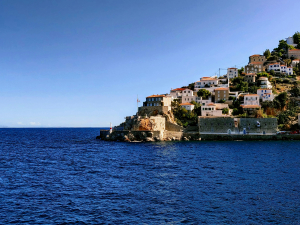
Each summer, the foundation invites an artist to create a site-specific installation for the old Slaughterhouse on Hydra, now known as the DESTE Project Space Slaughterhouse. The exhibitions are free and open to the public — a rather extraordinary little contemporary-art tradition on an island better known for donkeys, whitewashed houses and swimming in impossibly blue water.
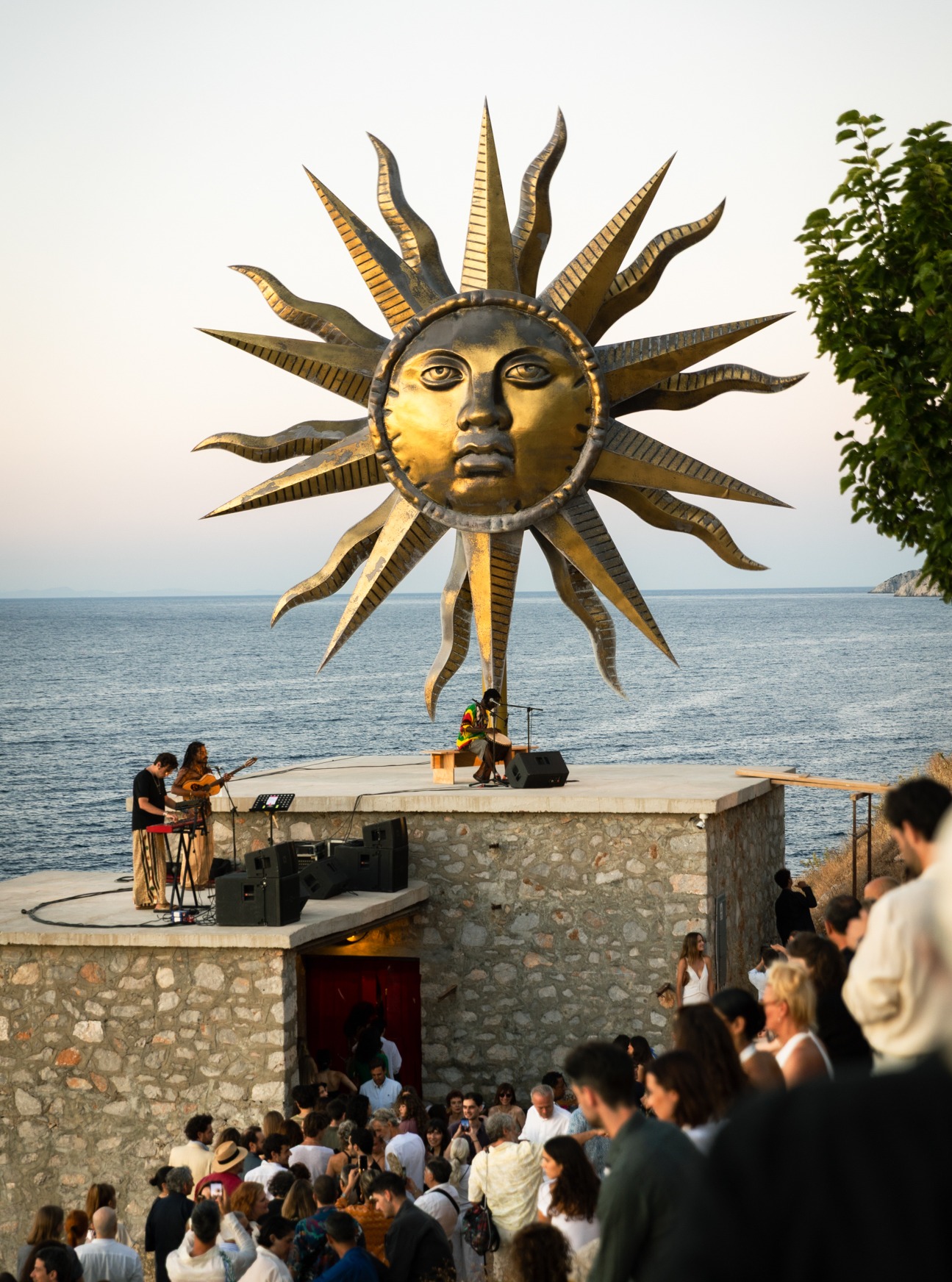
Jeff Koons: Apollo, which ran from 21 June to 31 October 2022, transformed the old Slaughterhouse into a surreal temple to the ancient god. Inside, Koons placed new sculptures alongside wonderfully ordinary, even cheeky contemporary objects, creating a playful dialogue between antiquity and modern life.
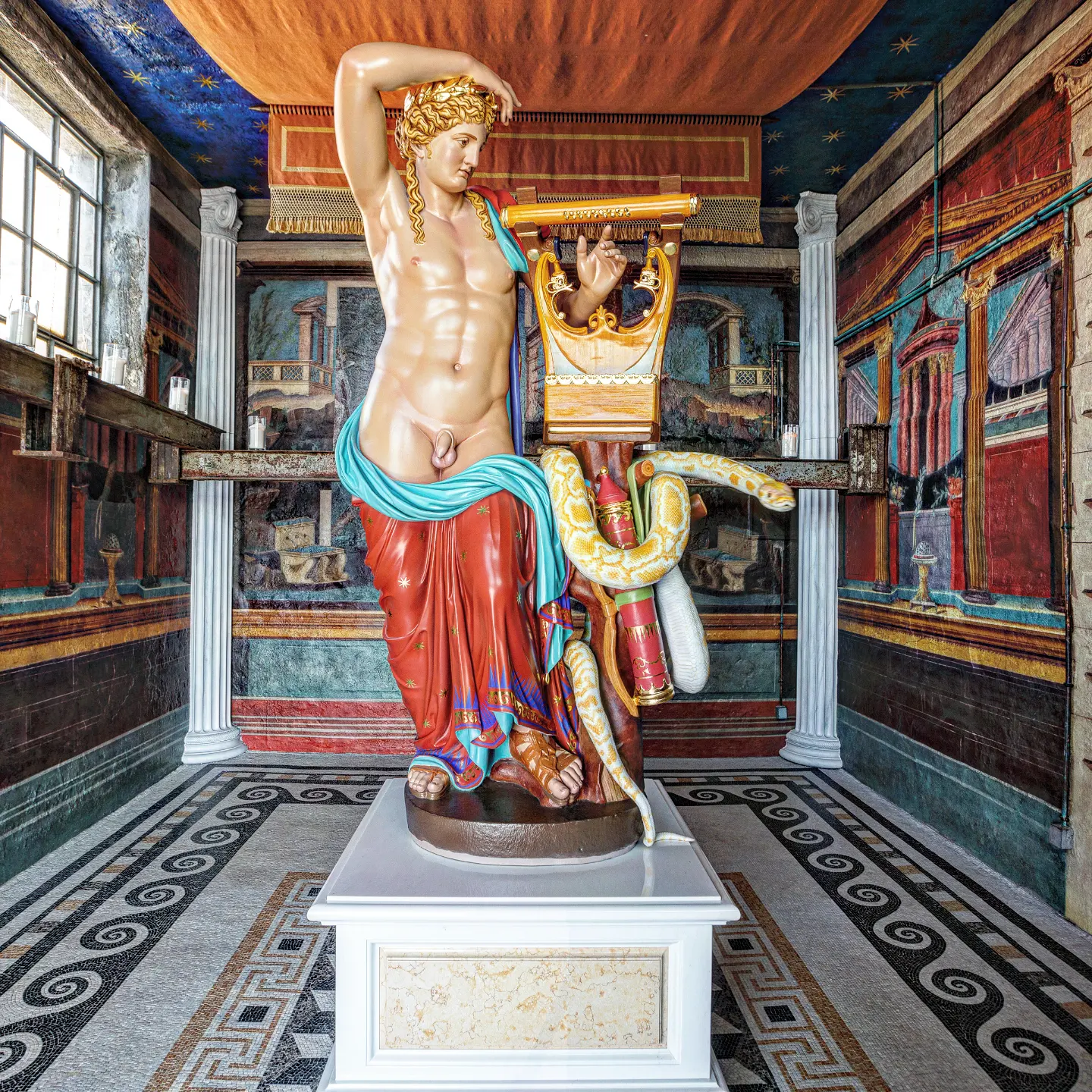
@destefoundation
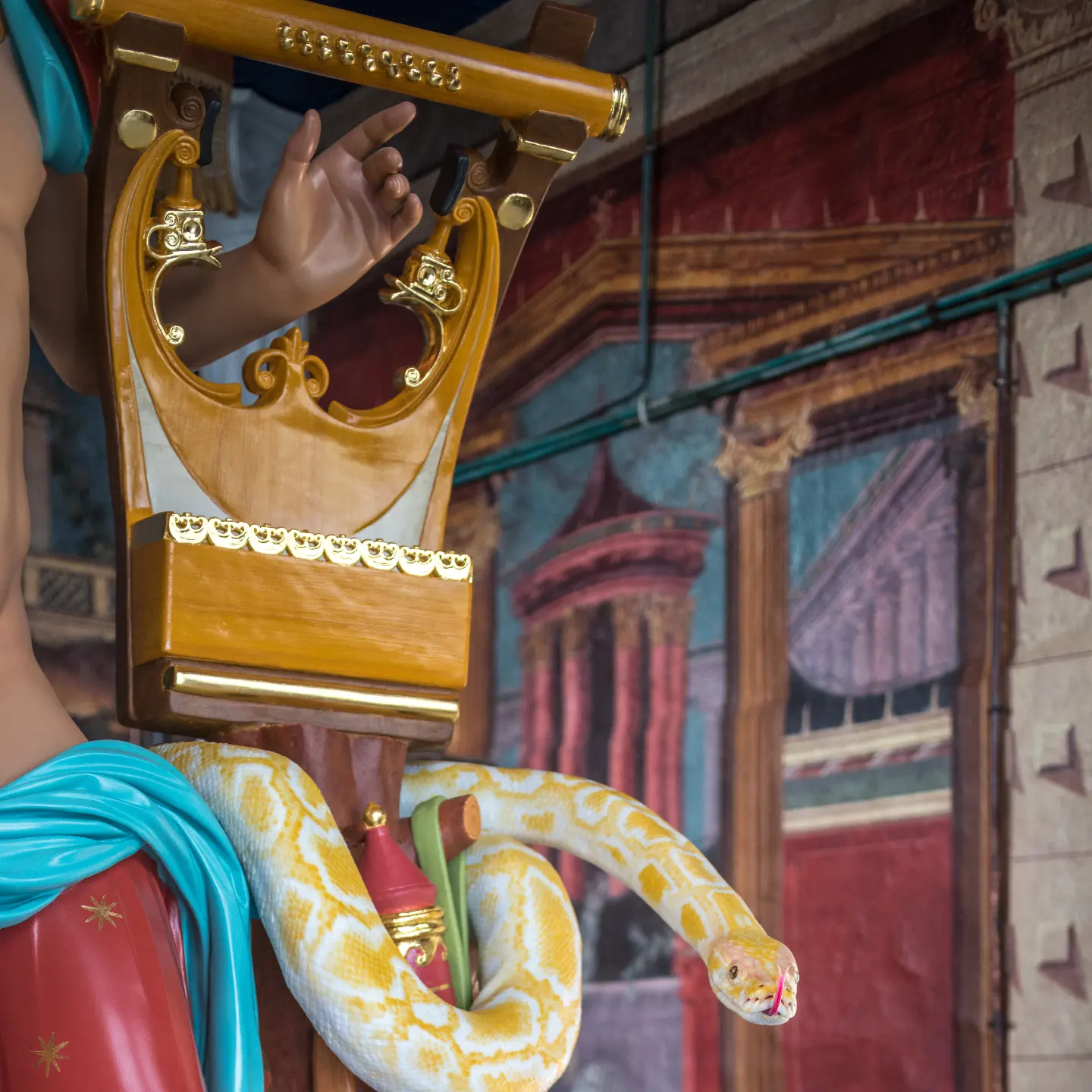
@destefoundation
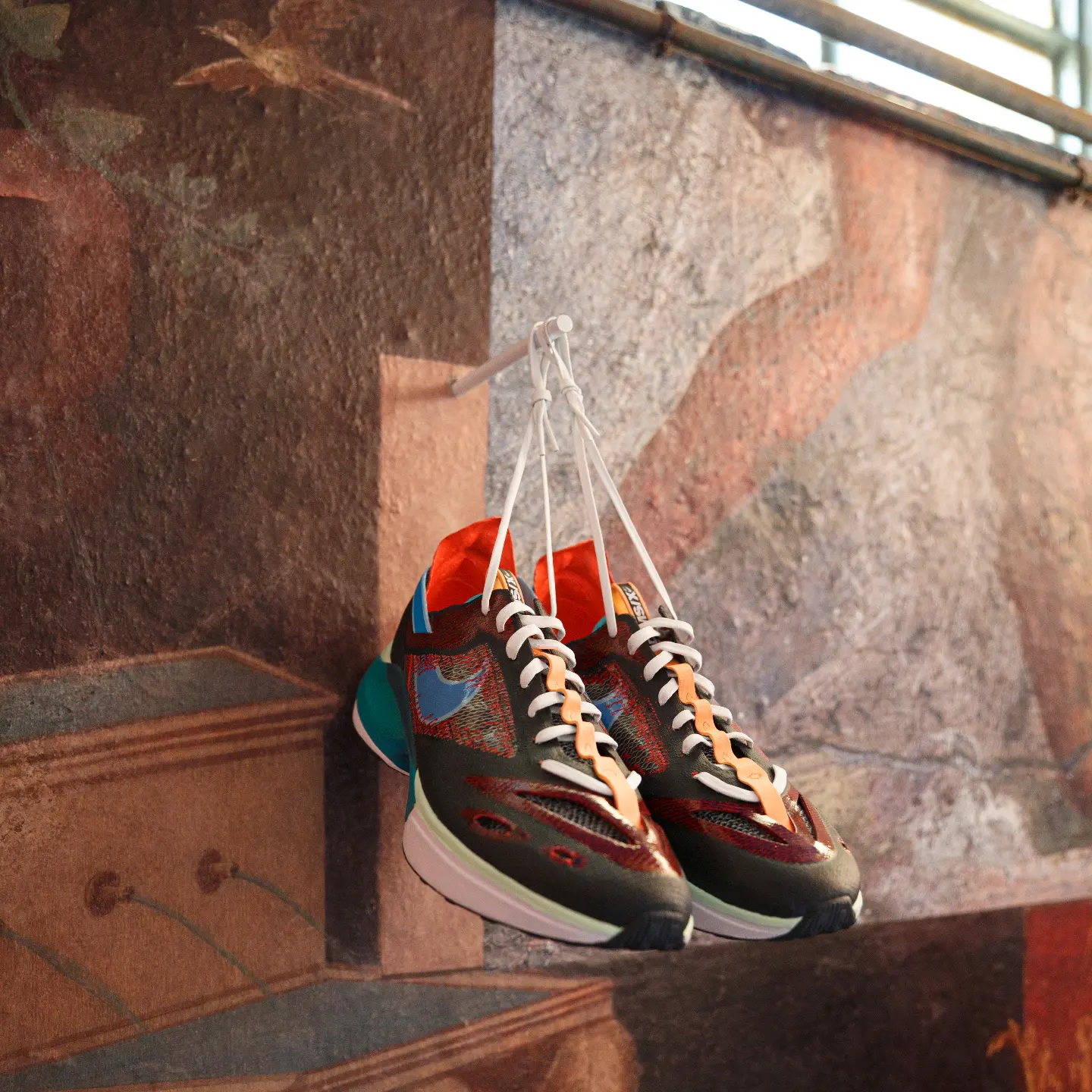
@destefoundation
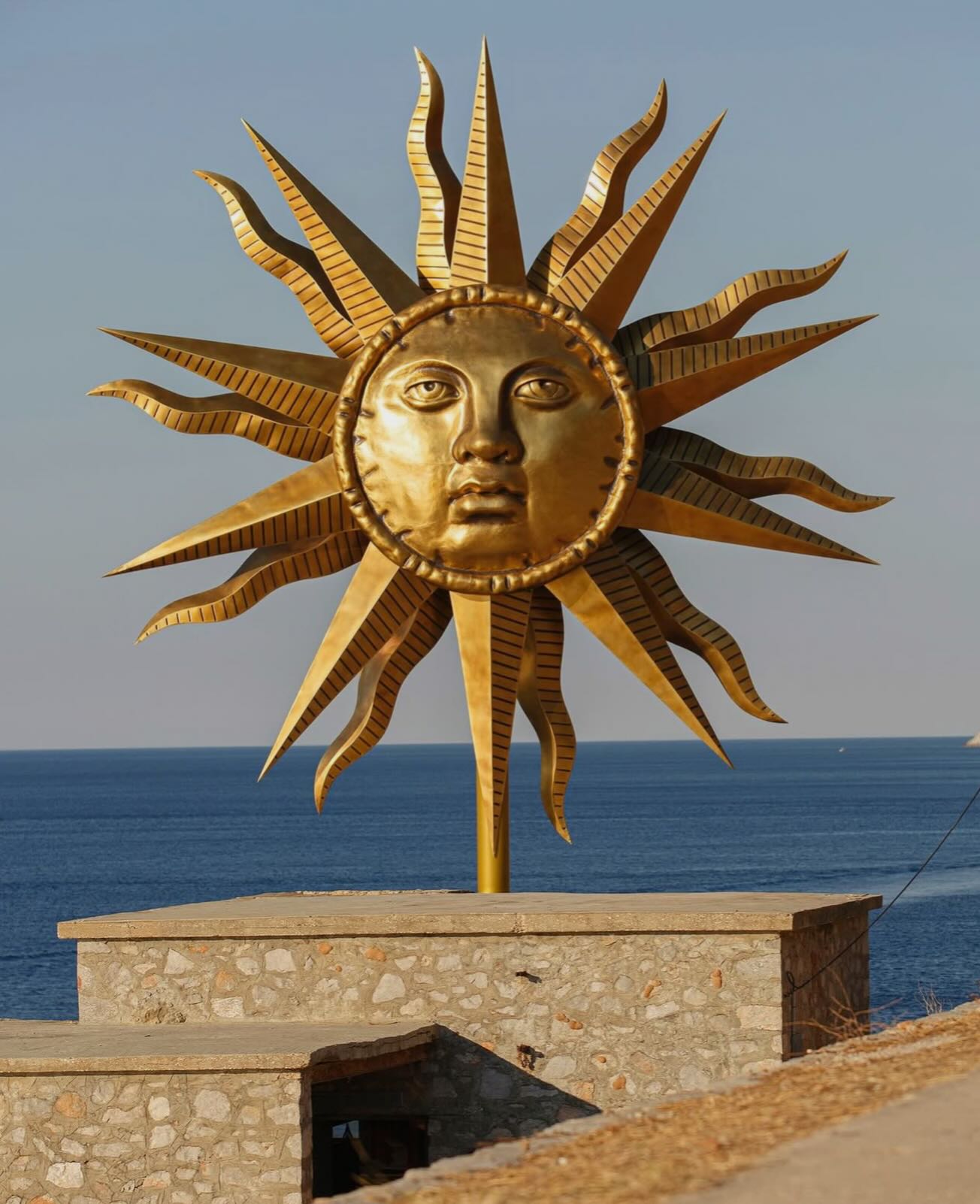
And then there was Apollo Wind Spinner.
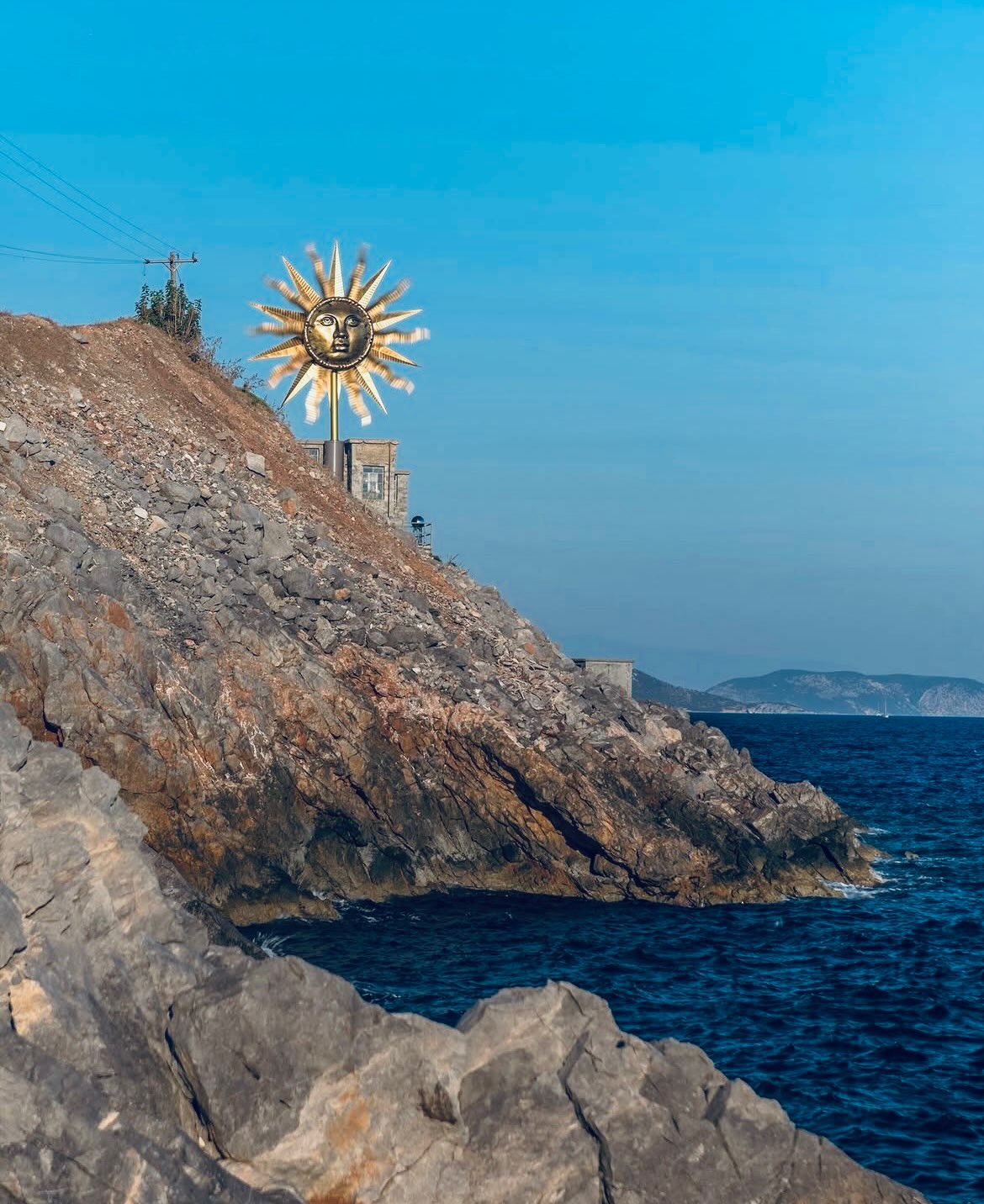
@lorenzosamper
@destefoundation
What is Filotimo? The Untranslatable Word That Defines Greek Culture
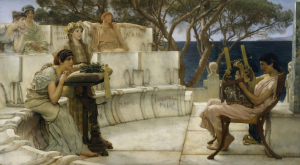
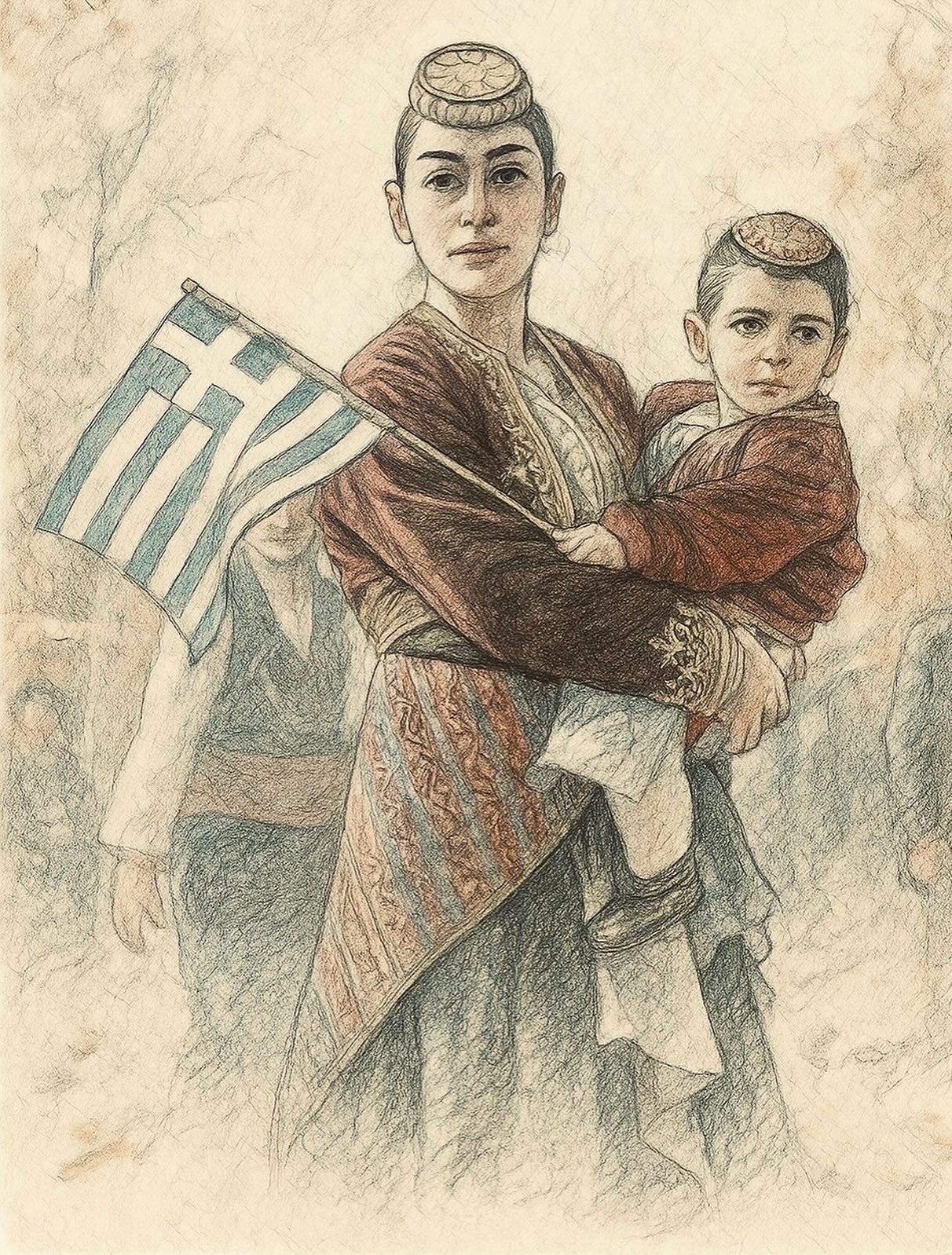
There is no neat English equivalent — and, truth be told, even Greeks cannot quite agree on a single definition. Perhaps that is precisely the point.
Filotimo also demands self-respect and a profound sense of personal freedom: the freedom to choose what is right and to act upon that choice because it comes from within.
@pontianlegacies
@thanasis.klaras

@oekizil
And there is an intriguing paradox at the heart of the word: unlike friendship or love, filotimo cannot be claimed by the person who possesses it. You cannot simply announce, “I have filotimo.” It is the other person, the one observing, who decides whether you do. It requires recognition, coexistence and a sense of togetherness.
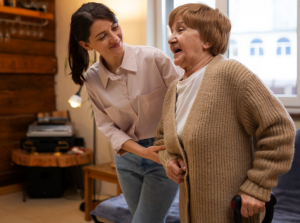
Common Challenges Of Caring For Elderly Parents & How To Manage Them
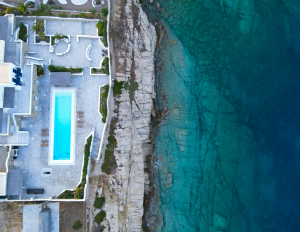
Greece Dominates Europe's Highest-Rated Villa Destinations For 2026
-
Crete – 9.4/10
-
Zakynthos – 9.4/10
-
Kefalonia – 9.4/10
-
Paros – 9.4/10
-
Guest rating: 9.3/10
-
Median nightly villa price: £217
-
Average late-summer temperatures of around 29°C
The Mediterranean Diet: What Most People Get Wrong

More Than Just Olive Oil
About the author
Eva, known as The Cretan Nutritionist, is a Registered Holistic Nutritionist whose international path to wellness is rooted in her Greek heritage. Raised on the island of Crete, she grew up immersed in the Mediterranean lifestyle long before she recognized it as a wellness practice. After studying Fashion Design in Athens, her path shifted when she moved to Canada and studied Holistic Nutrition, later adding certifications in Life Coaching and the Human Microbiome. Having lived across three countries and worked in corporate, hospitality, and wellness settings, Eva brings a grounded, real-world approach to health. Through coaching, workshops and seminars, she helps clients build sustainable, joyful habits rooted in the Mediterranean way of life she was raised on.
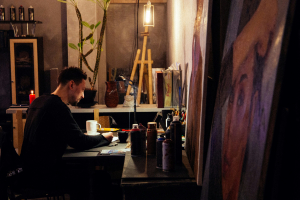
Carrying Greece Within: The Artists Who Create Between Worlds
@bsullivanphoto
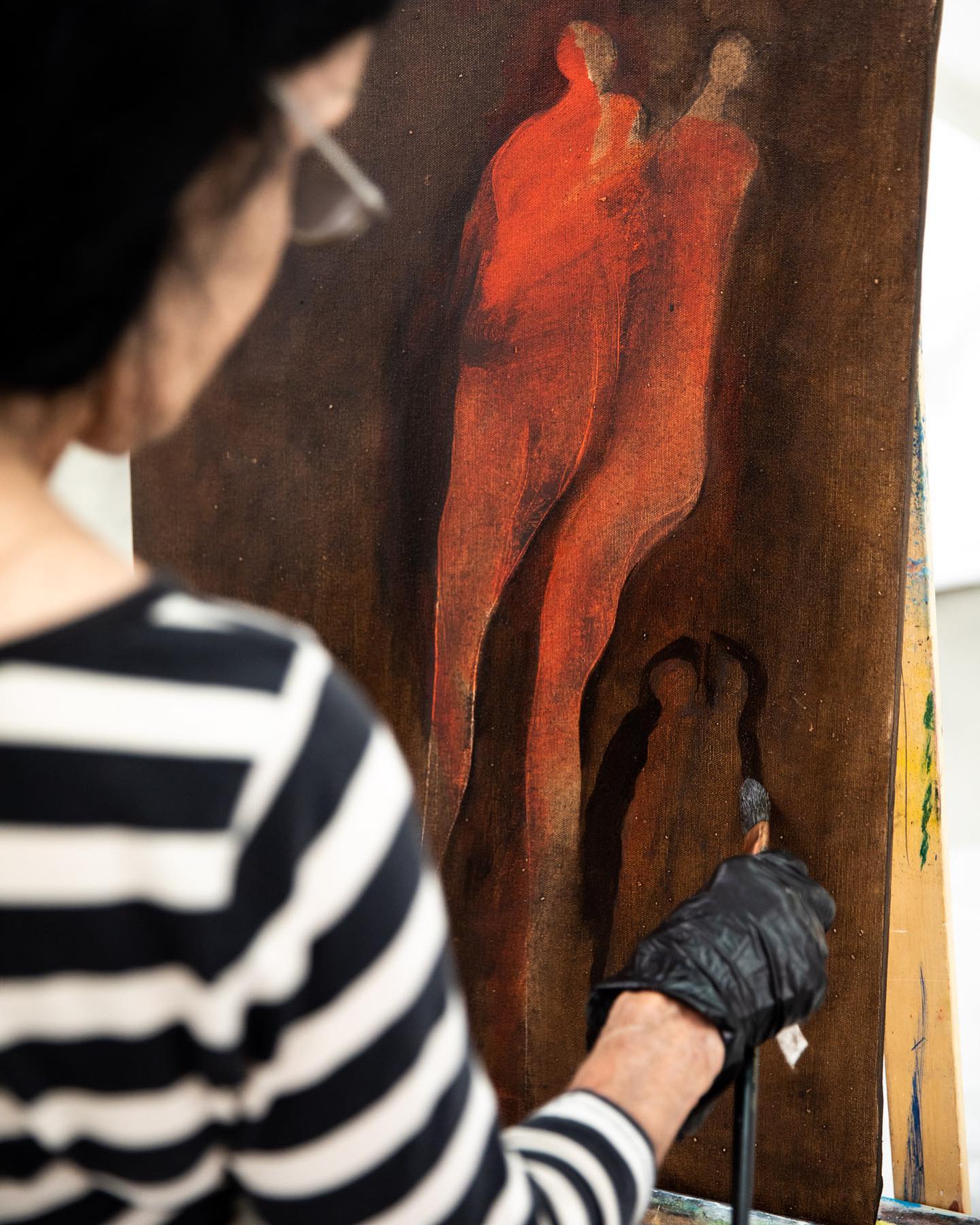
Udinotti's distinctive artistic language is characterised by fantastical, often winged and androgynous figures with blurred contours, inviting multiple interpretations while conveying a powerful spiritual dimension. Exhibited internationally and the recipient of numerous honours, her work is also held in the National Gallery in Athens.
She is the author of Udinotti, a collection of her writings illustrated with photographs of her sculptures, and formerly served as poetry editor of Chimera.
In 2000, she began developing the privately funded Udinotti Museum of Figurative Art in Arizona, dedicated to the symbolic power of the human form, which officially opened in 2007.
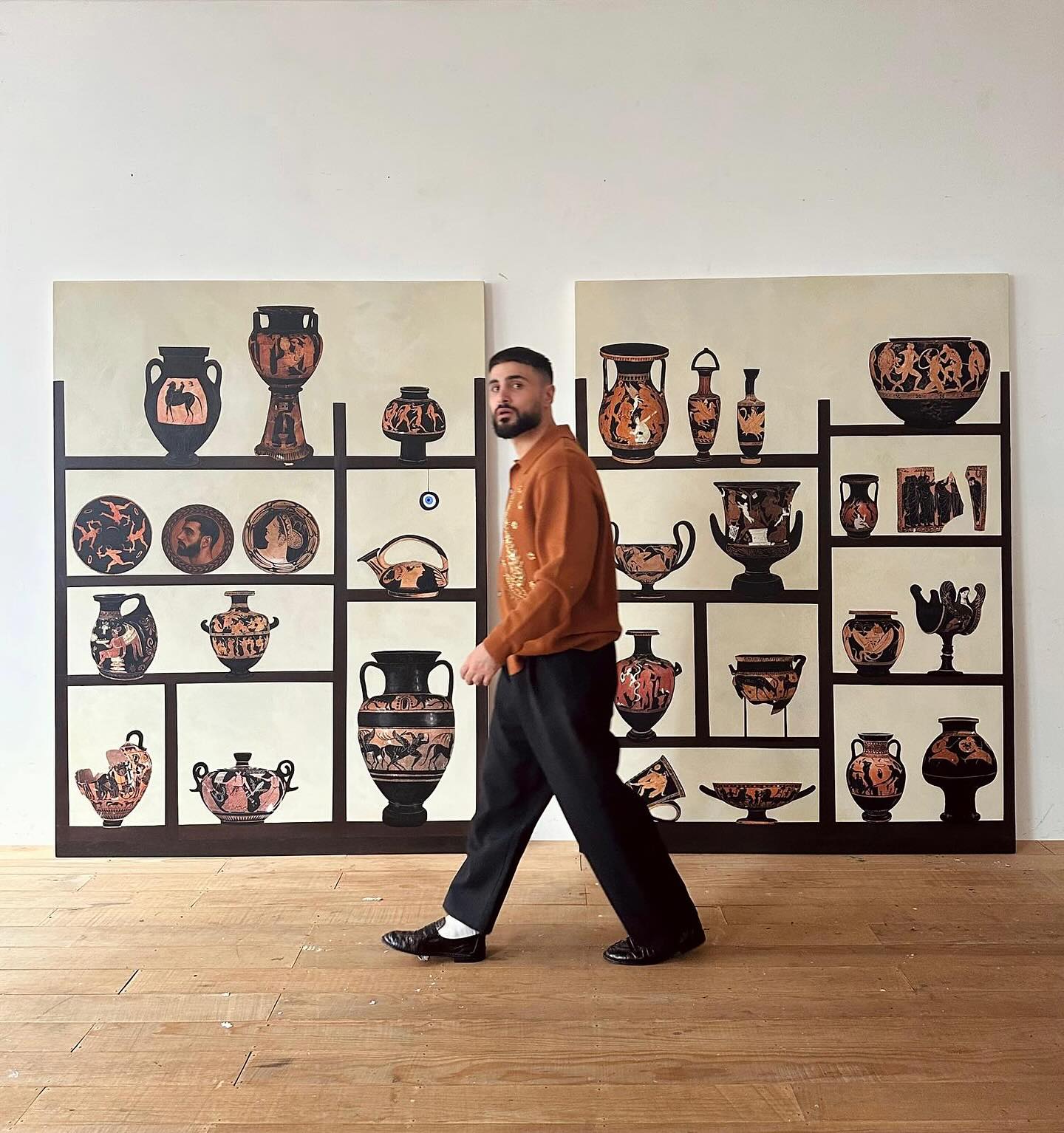
@kiriakostml
A graduate of the Berlin University of the Arts, he draws on his family's history as descendants of Greek "guest workers" in Germany, weaving together the experiences of three generations. Combining painting with collage and the incorporation of real wallpapers, textiles and everyday objects, Tompolidis creates richly layered works that reflect the complexities of cultural memory, home and heritage. His distinctive visual language has quickly attracted international attention, culminating in his inclusion in the 2025 Taipei Biennial, Whisper on the Horizon.
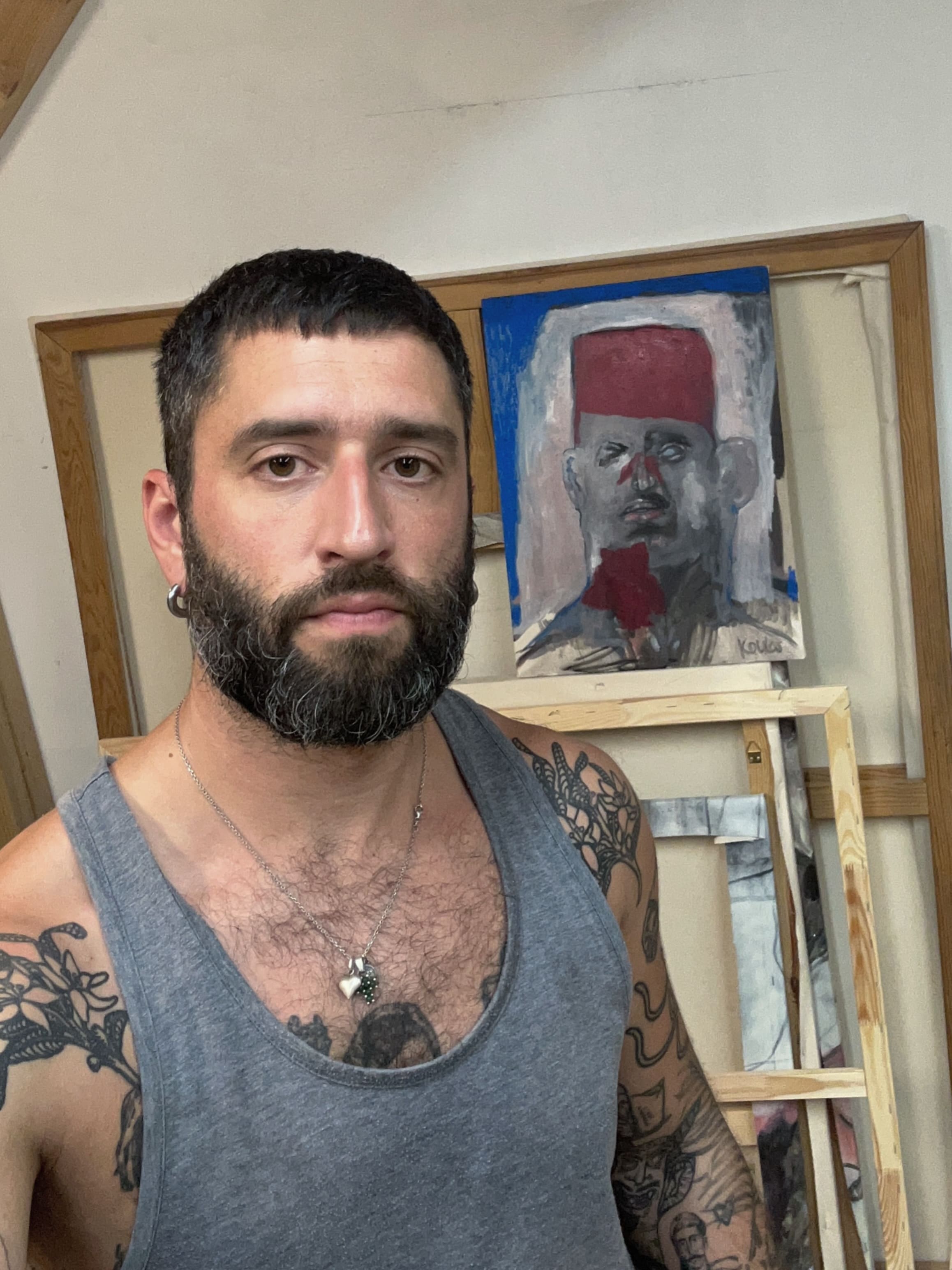
@koulos.saki
The grandson of Greek and Italian migrant workers who moved north to work in factories and mines, his multicultural heritage is reflected in a multidisciplinary practice that combines collage, poetry, drawing, sculpture and even tattooing! Reassembling fragments from magazines, the internet or his own photographs, Koulos explores themes of history, sexuality and representation, giving voice to personal and collective stories often absent from dominant narratives. By dismantling images and ideas from their original contexts, he creates visual and poetic works that invite new interpretations.
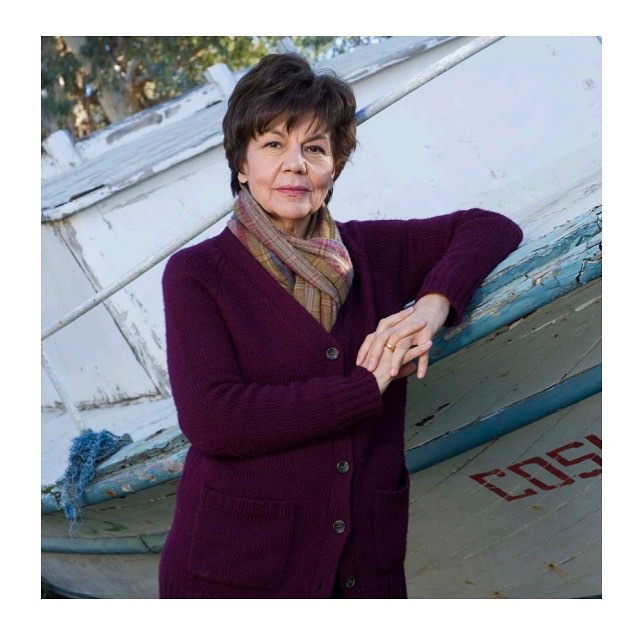
@gazelliarthouse
Her powerful works, often created with wood, metal and fabric, examine the effects of neo-capitalist and patriarchal power structures while drawing on themes of memory and the stories passed down through generations, particularly by women. Deeply influenced by Japanese aesthetics, Lemos studied the art of Ikebana for 15 years and travelled extensively in Japan, developing an appreciation for what she describes as its "simplicity and balance". This sensitivity to form is evident throughout her practice, including in her film At the Centre of the World (2015).
Honoured with numerous distinctions over the course of her career, Lemos remains one of the leading contemporary artists of the Greek diaspora.
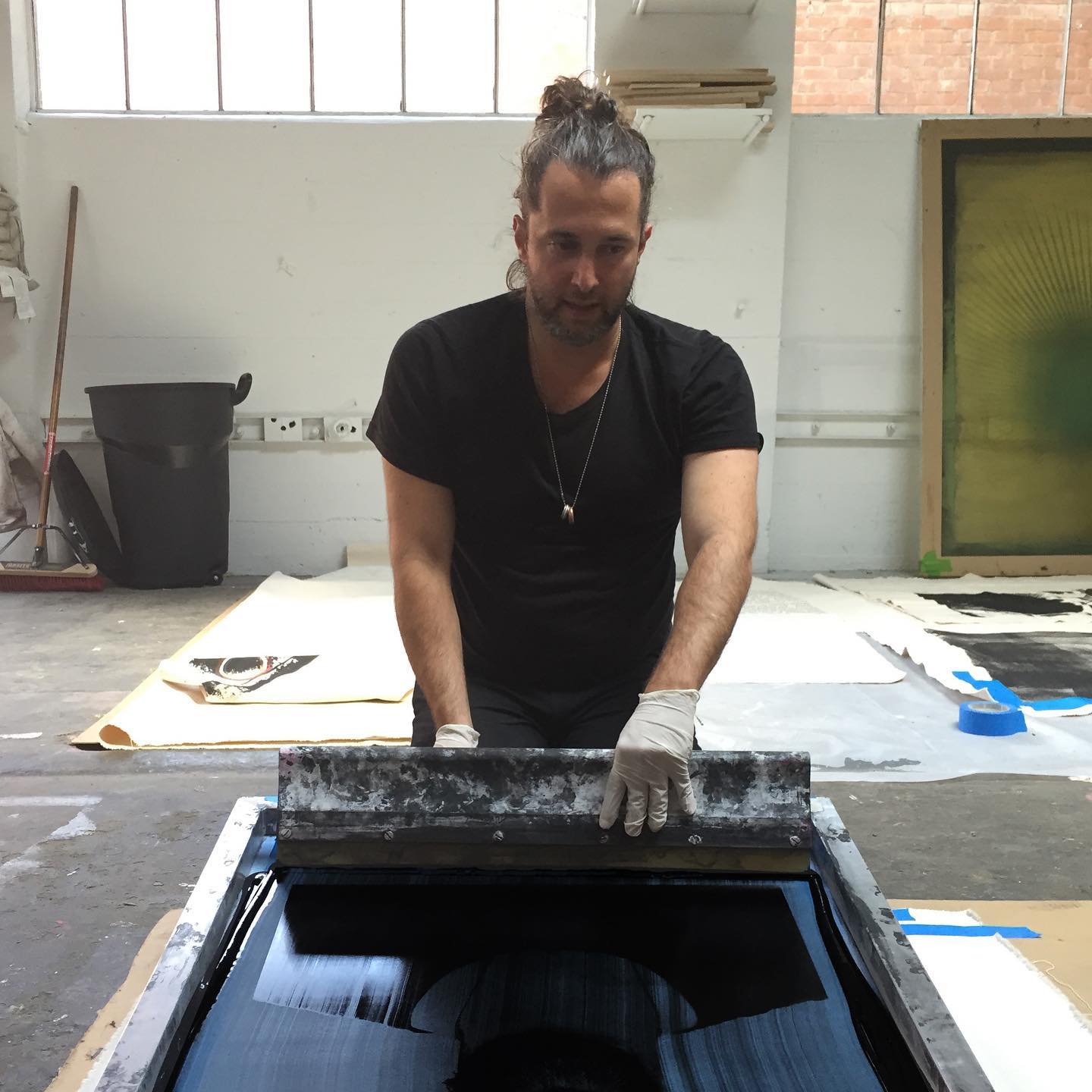
@panos_tsagaris
Drawing on both personal and sociopolitical realities, Tsagaris creates evocative works that bridge the conscious and the unconscious, inviting viewers into spaces of imagination, reflection and quiet introspection.
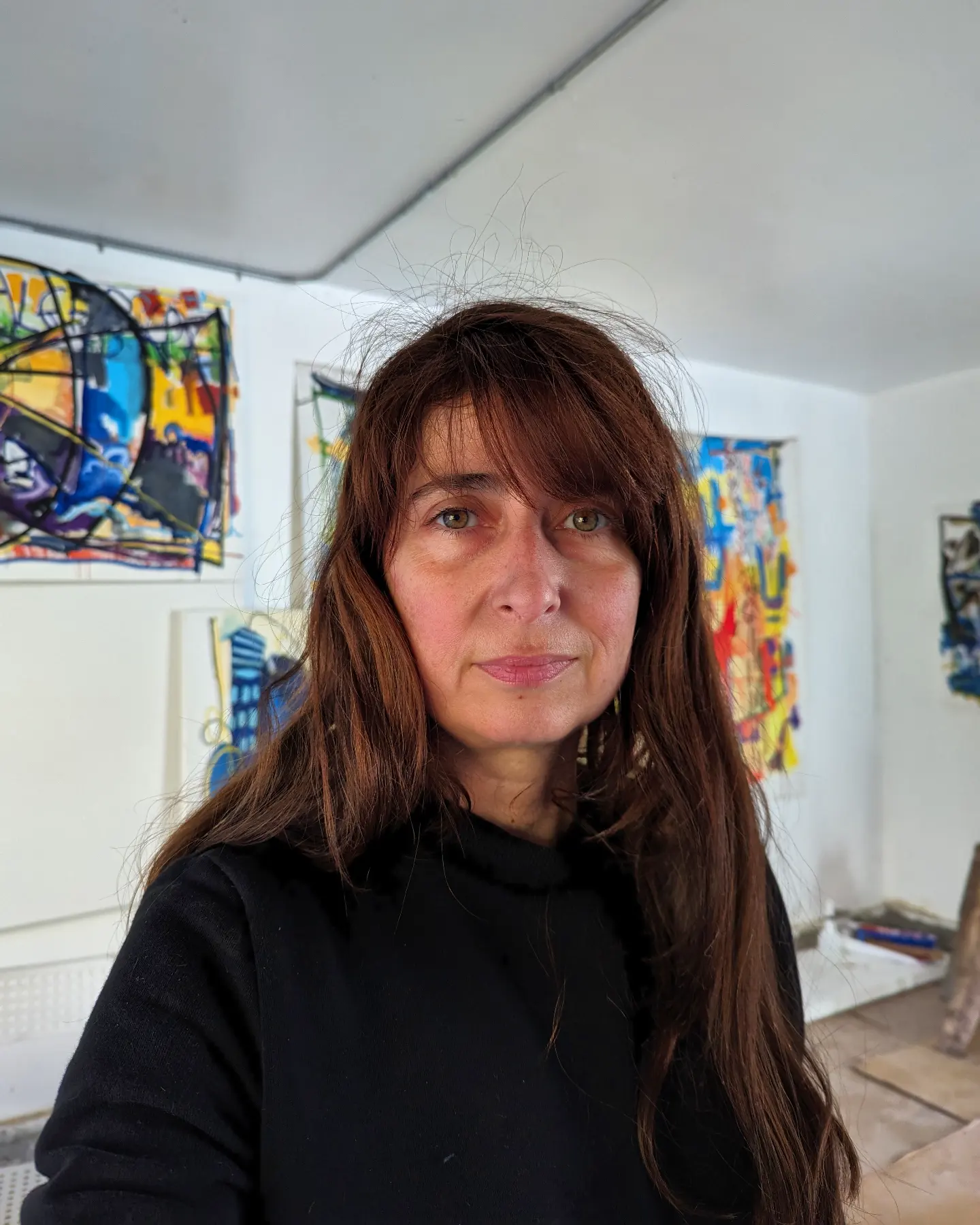
@destinisto
Blending abstraction and figuration, Stokou transforms fragments of online conversations and messages into dynamic compositions that reflect the complexities of human relationships and modern life.
Playing the Odds: Why Betting is Thriving in Greece

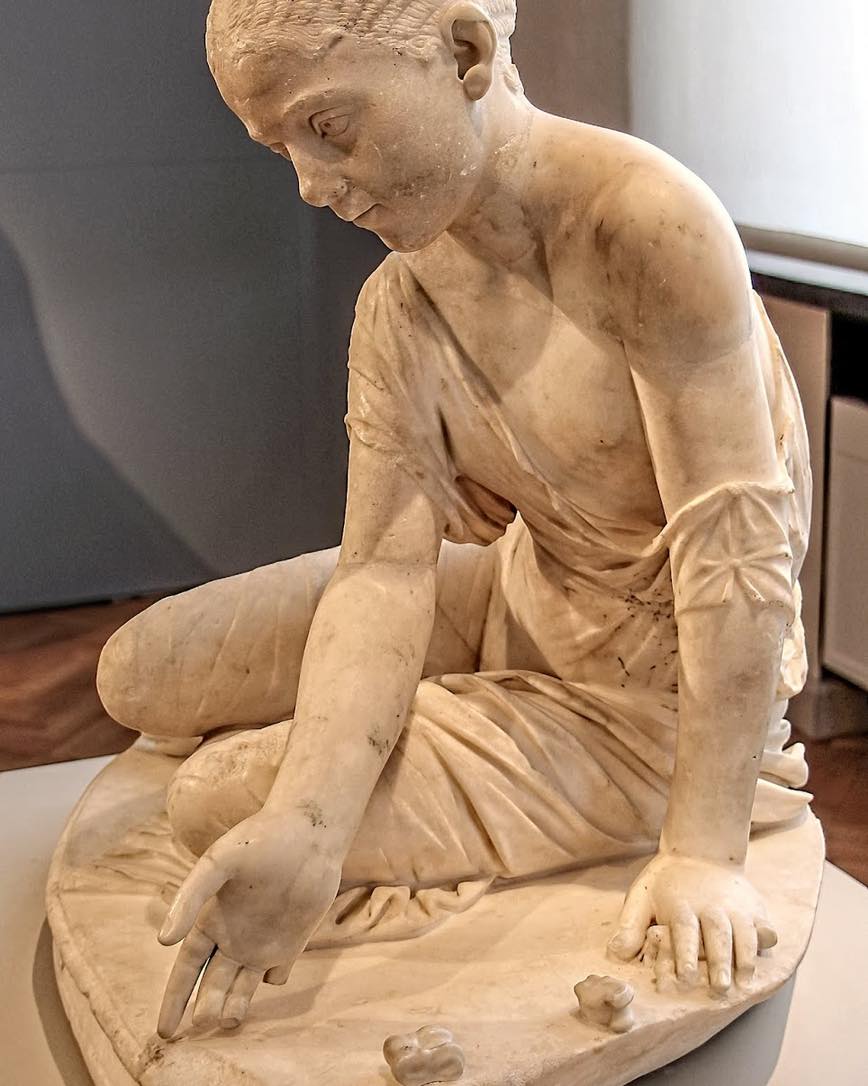
@anticaeviae
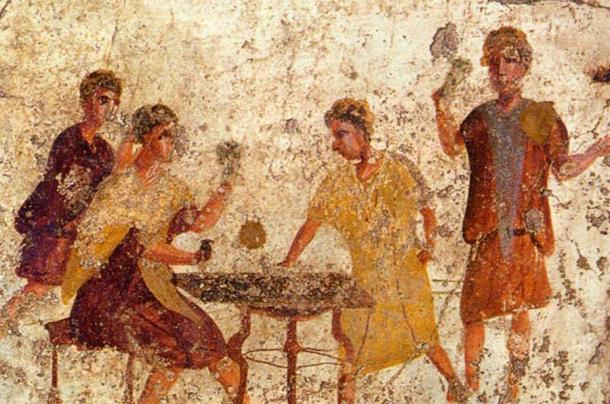
@ancient_origins
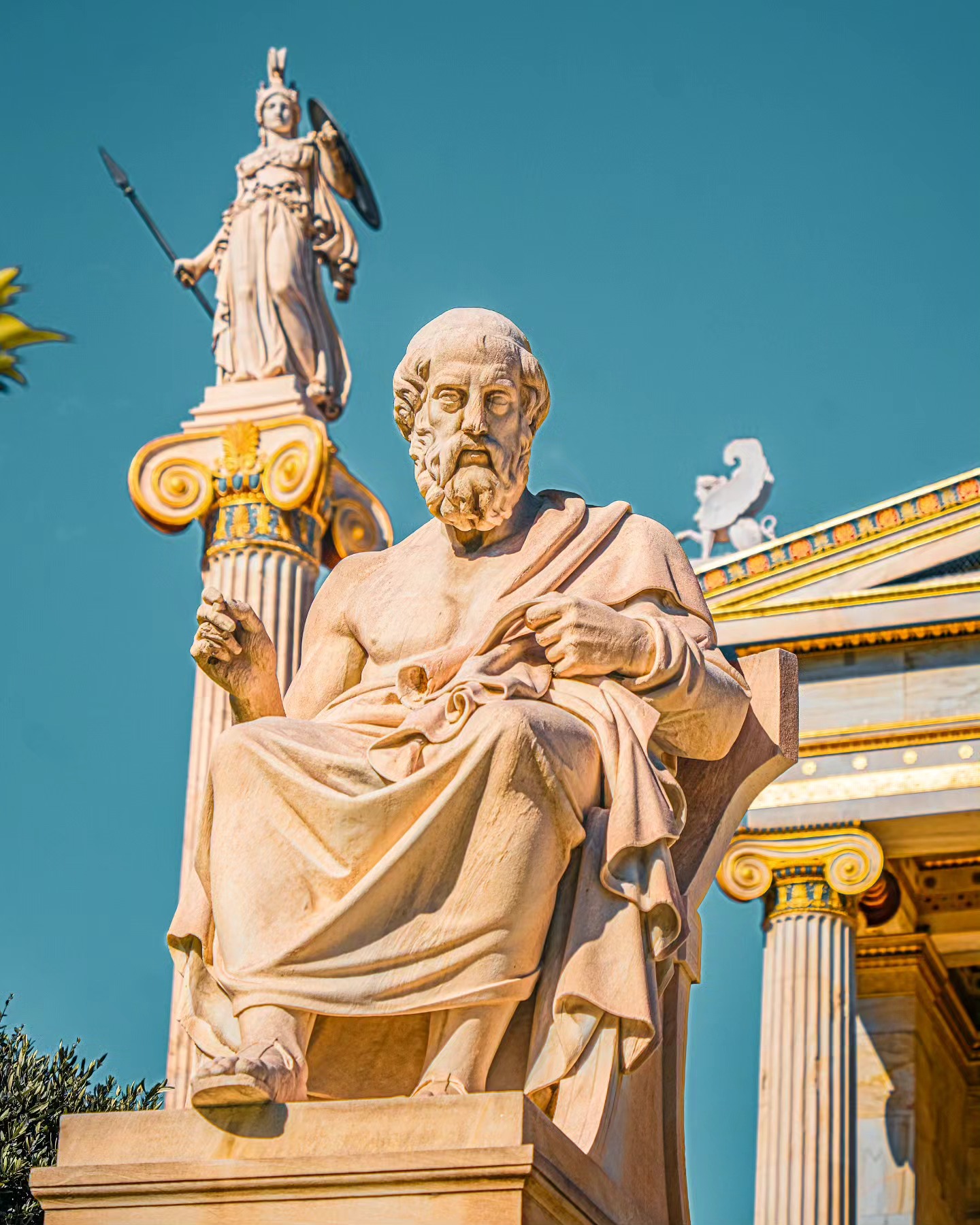
@aesthetical_symphonies

@dio.sot
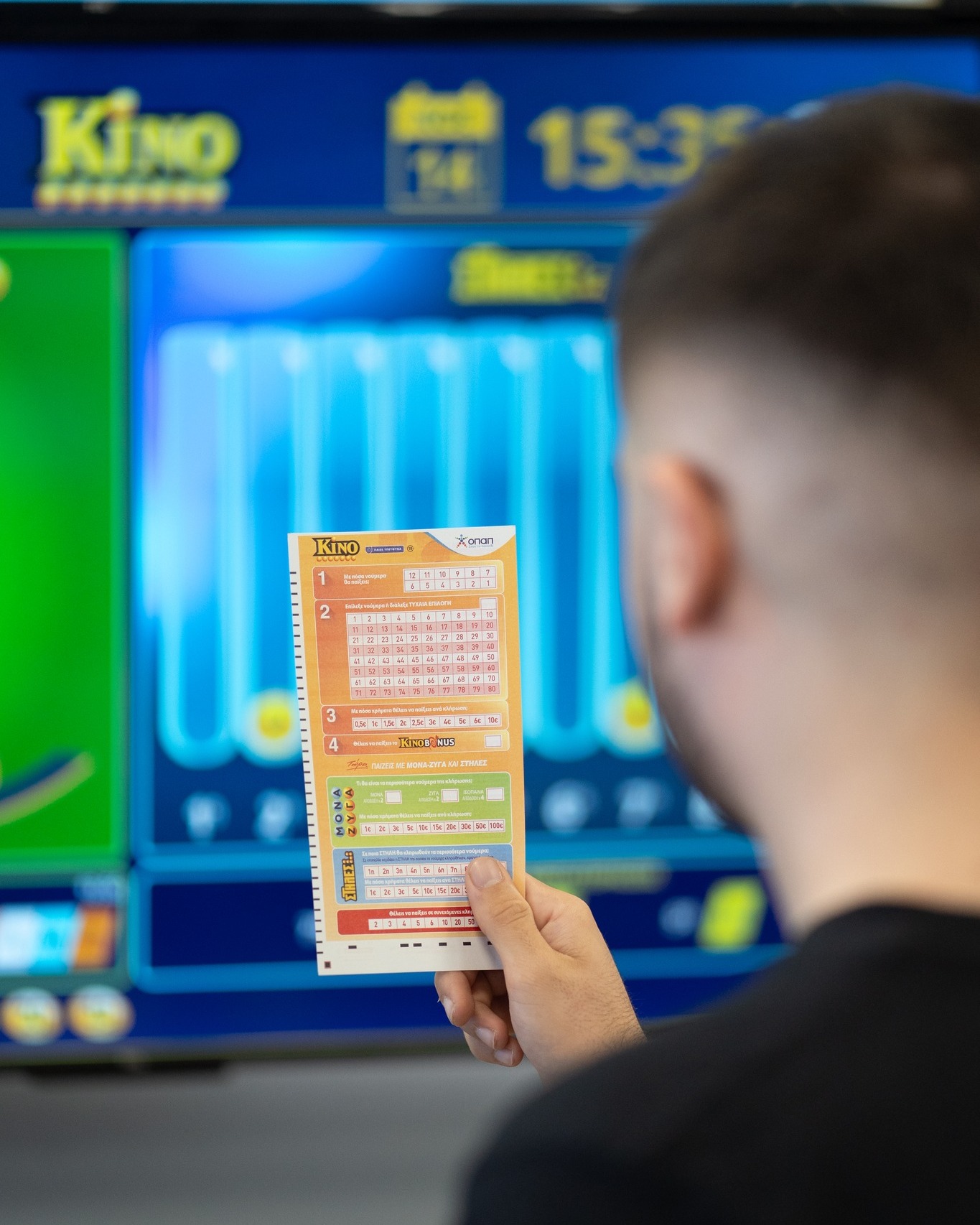
@allwyn_kentrianos
How The Planets In Our Solar System Changed The Way I Schedule My Week
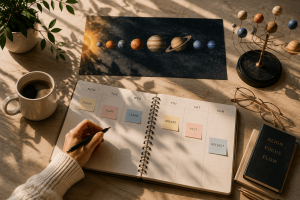
Why is Tuesday called Tuesday? Why is Monday Monday? Was someone just making things up or is there actually a reason behind it?
I became curious about this years ago and the more I learned and integrated it the more it fascinated me.
Many ancient cultures led by the Babylonians and Hellenistic astrologers associated each day of the week with one of the seven planets visible to the naked eye: the Sun, the Moon, Mercury, Venus, Mars, Jupiter, and Saturn because they believed the cosmos directly influenced human affairs. Since these planets were the only ones that wandered across the fixed stars, they were considered powerful, time-keeping gods. The Babylonians passed this system to the Greeks and Romans.
In Spanish and other Latin based languages, Martes comes from Mars. Miércoles comes from Mercury. Jueves comes from Jupiter. Viernes comes from Venus.
The more I learned about the qualities associated with each planet, the more I noticed something interesting. The energy of each day actually seemed to match the types of activities that naturally flowed best for me.
As a business owner, I now intentionally plan my schedule around these themes. Here is how I plan my week according to the planets. Whether you see this as astrology, symbolism, or simply a mindful way to organize your week, I have found it incredibly helpful.
Monday Is Moon Day.
For me, Monday is all about slowing down before speeding up. It is a day for planning, brainstorming, journaling, meditating, and listening. I avoid scheduling work meetings on this day because I want space to think creatively and connect with my intuition before the busy part of the week begins. If I do have appointments, they are usually for my own personal growth or for planning my business.
Tuesday Carries The Energy Of Mars, The War Planet.
Mars is associated with action, courage, and momentum. It's in a way a more aggressive type of energy, which tends to fuel me and get me into gear. This is when I schedule my heaviest workload. It is the day I tackle the projects I've been putting off, check things off my list, and make progress. If I need to push through something challenging, Tuesday is usually the day I dedicate to that.
Wednesday Is Connected With Mercury, The Planet Of Communication.
This has become my favorite day for video calls, networking events, teaching, group coaching and conversations. Whenever I can, I schedule meetings that involve sharing ideas or connecting with people because the energy seems to support clear communication.
Thursday Is Associated With Jupiter, The Planet Of Growth, Abundance, & Expansion.
My Thursdays tend to feel lighter. Some meetings naturally spill into this day if they need to be rescheduled, but I also notice that this is when the more enjoyable work happens. Collaborations, creative conversations, and opportunities to connect often find their way here. Sometimes I even sneak in a personal event because it still feels aligned with building relationships and expanding my world.
Friday Belongs To Venus, The Planet Of Love.
Venus reminds us to enjoy beauty, relationships, creativity, and pleasure. On Friday’s, I usually leave plenty of space in my schedule. I'll run personal or work errands, I may have a meeting or two, or get outside. And I intentionally keep my evenings free for family, friends, or simply doing something that fills my soul and makes me happy.
Saturday Is Saturn's day, The Planet Of Restriction & Limitation.
Since it is the planet furthest from the Sun among the classical planets, it's enveloped in darkness and for this I personally think of it as a quieter, darker energy. I usually avoid scheduling anything major or important on Saturdays. Instead, I let myself color outside the lines a little. If I'm wearing all black or all red, going out with friends, or simply taking life less seriously, it somehow ends up happening on a Saturday.
Then Comes Sunday. The Day Dedicated To The Sun.
Named for our Sun, the center of our solar system. Sunday always feels bright. I love being outside in nature, opening all the windows, cleaning my home, letting fresh air and sunlight in, playing music, and preparing my space for the week ahead. It is a day that naturally invites light, gratitude, and renewal.
Do I believe you have to schedule your life this way? Not at all. But I do think there is something beautiful about paying attention to the natural rhythm of the week instead of treating every day exactly the same. I also believe there is a natural rhythm to the universe and its practices like these that help me connect with it more and be more in flow with it.
Since I started working with these daily themes instead of against them, my weeks have felt more intentional, more balanced, and surprisingly more productive.
Maybe it's the energy from the planets. Maybe it's the power of setting intentions.
Or maybe those two things have been working together all along. Either way, I love finding all the ancient wisdom hidden all around us and to me astronomy, or the study of our stars, can tell us so much about ourselves and how best to relate to our surroundings.
About the Author
Miosotis (Mio) Santana is a Certified Trauma Support Specialist, Transformational Trainer, Ceremonialist, and the Founder of Divine Journey, established in 2018. Through life-changing programs, retreats, and sacred circles, she guides individuals to transform from within by healing the inner child, cultivating self-love, raising vibrational frequency, and harmonizing feminine and masculine energy.
Her signature retreat, Rebirth, serves as the gateway into Divine Journey—an immersive rite of passage designed to reconnect participants with their inner power, clarity, and authentic self-expression through ritual, ceremony, and embodied practice. From there, participants deepen their path through Resilience: A Breakthrough Journey to Self-Love and Divine Mastery, a self-mastery immersion that supports conscious creation and personal sovereignty.
Now based in Greece, Mio continues to facilitate transformational experiences that blend ceremony, science, and spirit, empowering individuals to discover the divinity within every part of their journey. You can find her at www.divinejourney.life or on Instagram @Mio_Santana.