
Playing the Odds: Why Betting is Thriving in Greece
- by XpatAthens
- Monday, 10 August 2026

The roulette wheel spins, slot machines chime, and beneath the bright lights of Las Vegas, fortunes are won and lost in seconds. Today, gambling is a multi-billion-dollar industry, with entire cities built around its appeal. Las Vegas proudly embraces the title "City of Sin" – a nickname reflecting the Abrahamic belief that gambling is morally suspect. Judaism first condemned it as sinful, a view later adopted by Christianity and Islam.
Yet in ancient Greece, gambling was viewed very differently.
The Greek gods were far from perfect. Unlike the flawless deities of later monotheistic faiths, the Olympians shared human flaws and passions. Hermes, god of commerce and luck, and Pan were linked to games of chance, while Zeus, Poseidon and Hades famously divided the universe by drawing lots after defeating the Titans. To the Greeks, luck was never entirely random; even the roll of a dice was guided by the gods.
This fascination with chance stretches back to the earliest civilisations. Gambling thrived in ancient China, Egypt, Persia and Greece, as shown by archaeological finds of dice, gaming pieces and dedicated gambling spaces, alongside literary and artistic evidence. Some historians even argue that poker has roots in ancient Greece, though others trace its origins to China or Persia.
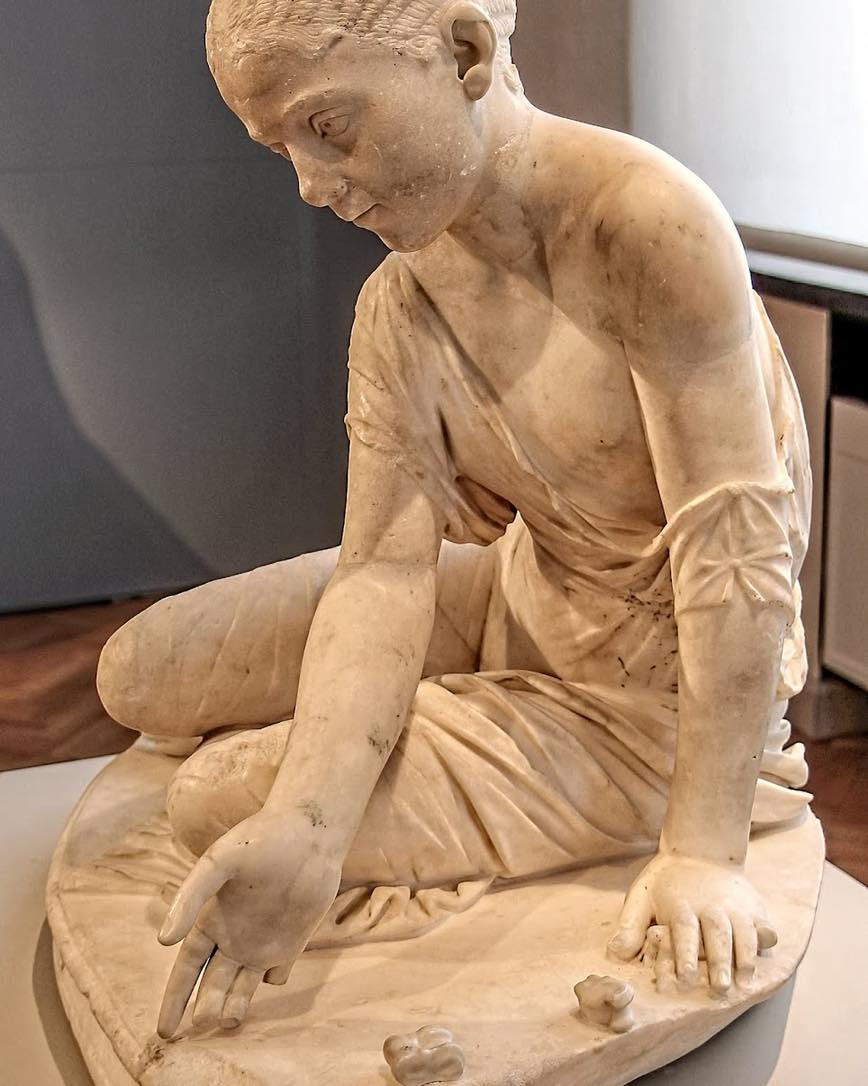
Popular Greek games included Par Impar Ludere, in which players guessed whether a hidden number of objects was odd or even; astragaloi, played with sheep or goat knucklebones used as dice; and petteia, a strategy game often compared to chess. Although myth credits the hero Palamedes with inventing dice during the Trojan War, archaeology suggests they existed in Greece as early as 6000 BCE.
@anticaeviae
@anticaeviae
For the ancient Greeks, gambling was about more than money. Games of chance enlivened agoras, symposia and religious festivals, accompanying debate, sport and communal celebration. Rather than a hidden vice, gambling was a normal and valued part of Greek social life.
More Than a Game
@ancient_origins
@ancient_origins
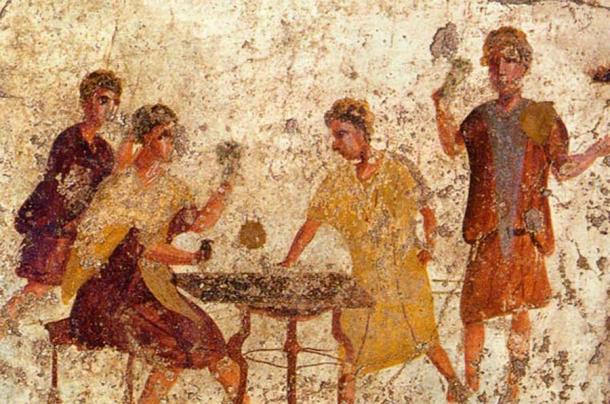
For the ancient Greeks, gambling was not confined to the wealthy or hidden from public view. It was woven into everyday life, filling agoras, drinking parties and religious festivals. More than entertainment, games strengthened social bonds, sharpened the mind and sometimes even honoured the gods.
Competition was central to Greek society. Athletic contests, especially the Olympic Games, celebrated courage, endurance and discipline, while board games encouraged strategy and games of chance added excitement to social gatherings.
The symposium – an all-male drinking party where politics, philosophy and poetry mixed with wine – often featured games such as kottabos, in which guests flicked wine dregs at a target, frequently with wagers on the outcome. Even evenings of intellectual discussion became competitive contests.
The same spirit shaped Greece's major festivals. During celebrations such as the Panathenaic Games and the Dionysia, gambling was as common as betting at modern sporting events. Gaming formed part of festivities honouring the gods, with gamblers seeking the favour of Hermes, god of luck and commerce, and Tyche, goddess of fortune.
The Olympic Games, held every four years in honour of Zeus, attracted bettors as well as spectators. Chariot races inspired heavy wagering, while later gladiatorial contests also became popular gambling spectacles. For the wealthy, betting displayed status; for ordinary citizens, it offered the hope of changing their fortunes.
From Luck To Obsession
If gambling was deeply embedded in Greek society, so too was awareness of its dangers. The ancient Greeks even had a word for compulsive gambling: ludomania. Although they lacked a modern medical understanding of addiction, they recognised that an obsession with games of chance could consume anyone, regardless of wealth or status.
Greek philosophers were fascinated by the nature of luck and responsibility. If the gods influenced fate, how much control did people have over their own choices? Were the Olympians' gambling exploits examples to imitate or warnings against surrendering to chance?
@aesthetical_symphonies
@aesthetical_symphonies
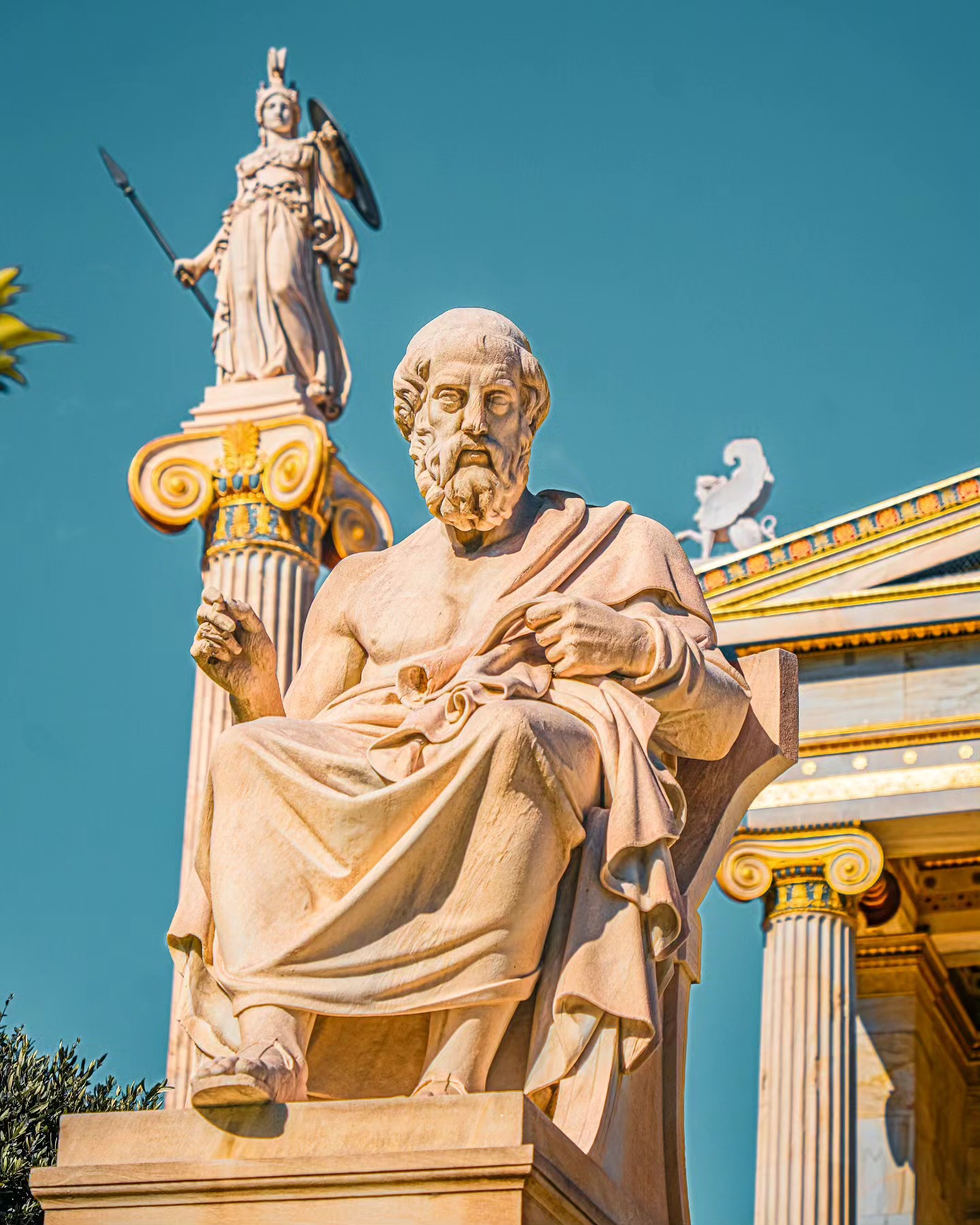
Plato regarded excessive gambling as a distraction from virtue and the pursuit of a just life. Aristotle's concept of akrasia—the failure of self-control—was not aimed specifically at gambling, but closely reflects modern ideas of addiction. Other schools reached similar conclusions: the Stoics valued freedom from the influence of fortune, while the Epicureans argued that any pleasure leading to harm, including financial ruin or addiction, could never produce true happiness.
Direct evidence of gambling addiction is limited, but the Greeks' repeated emphasis on moderation suggests that ludomania carried a strong social stigma. Compulsive gambling could damage relationships and, in extreme cases, contribute to crushing debts. In cities such as Athens and Corinth, severe debt sometimes forced people to sell themselves—or even family members—into slavery.
Although the Greeks lacked modern mental health care, they recognised the stress and turmoil caused by compulsive behaviour. Those who struggled had little beyond philosophical calls for moderation and self-control.
More than two thousand years later, dice have been replaced by betting shops, online casinos and smartphone apps, but the impulse remains unchanged. Ancient Greece reminds us that the desire to test our luck is one of humanity's oldest instincts—and that the challenge, then as now, is ensuring the thrill of the game never outweighs the value of moderation.
A National "Gambling Epidemic"?
Perhaps it is no coincidence that a civilisation fascinated by games of chance thousands of years ago remains closely associated with betting today. Modern Greece has not inherited its gambling culture directly from antiquity—centuries of political, economic and technological change have transformed the industry—but gambling remains a highly visible part of everyday life.
This is not uniquely Greek. The World Health Organisation estimates that around 1.2 per cent of the world's adults experience gambling addiction. Yet Greece appears particularly vulnerable. Years of economic uncertainty, limited opportunities to save or invest, and weak safeguards for young people have helped fuel the industry's rapid growth.
The scale is remarkable. In 2024, Greeks wagered more than €15.6 billion on games of chance, compared with €21.7 billion generated by the country's tourism industry. By comparison, the entire legal US sports betting market handled around €143 billion in bets—only ten times Greece's total despite serving a population roughly thirty-four times larger.
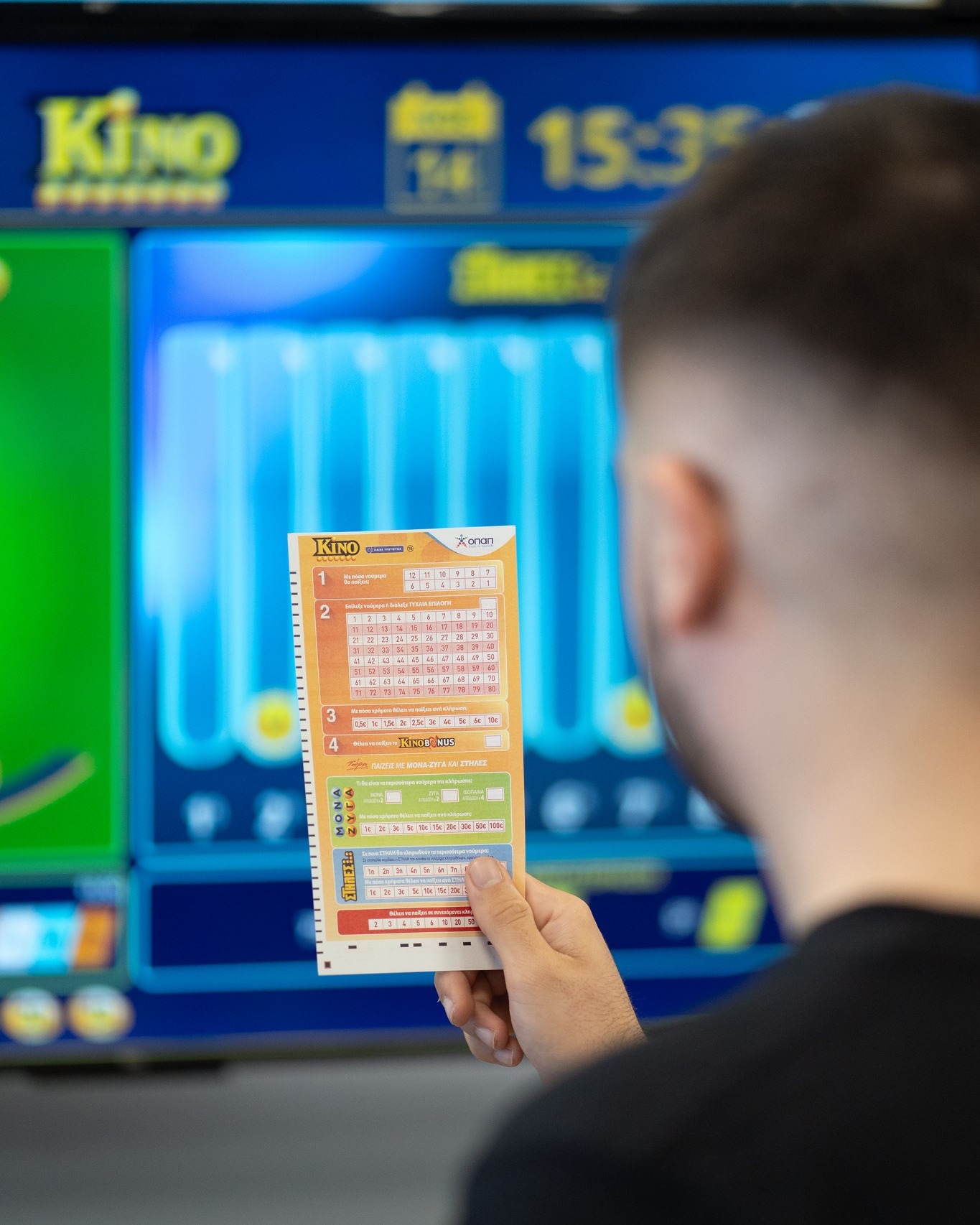
At the centre of the industry is OPAP, Greece's dominant gambling operator. Privatised in 2013, it retains exclusive rights to operate numerical lotteries and retail sports betting through more than 3,500 betting shops—more than the country's two largest petrol station chains combined. Known locally as propotzidika, after OPAP's famous PROPO football pools, these shops are a familiar sight in cities and villages alike.

@dio.sot
@dio.sot
Online betting is even more widespread. Around seven in ten Greeks now gamble digitally, and Greece is forecast to record the fastest growth in online betting in Europe. Advertising is equally pervasive, with betting promotions dominating television, public transport, billboards and social media.
The result has led some observers to describe Greece as facing a national "gambling epidemic". Financial analyst Philip Chrysopoulos argues that betting should no longer be seen simply as entertainment but as a growing economic and social concern. Young men appear especially at risk, as smartphones, instant payments and online bookmakers have made placing a bet easier than ever.
A Booming Industry & A Complex Challenge
The rapid growth of gambling has been matched by an increasingly sophisticated legal framework. The Hellenic Gaming Commission (HGC) regulates the sector, licensing operators and enforcing rules designed to protect players while generating significant tax revenue. Greece now has the second-highest gross gaming revenue (GGR) as a share of GDP in the European Union, highlighting gambling's importance to the national economy.
Yet the legal market is only part of the picture. Illegal bookmakers, unlicensed betting websites and underground casinos are estimated to generate around €2 billion annually.
This raises a broader question: what if the average Greek adult invested the €291 spent each year on gambling instead? Over time, diversified investments such as the S&P 500 could produce far greater returns than games in which the odds favour the house. Yet retail investing remains relatively uncommon in Greece, where savings accounts offer little return and many people—particularly younger adults—lack the financial knowledge or confidence to invest.
@allwyn_kentrianos
@allwyn_kentrianos
Like the short-term rental market, gambling cannot simply be banned. The challenge is to regulate it in ways that minimise social harm. That requires more than calls for "responsible gambling". Stronger protections for children, tougher action against illegal operators and greater investment in regulators are all essential. Ironically, while the gambling industry has grown rapidly, the HGC's workforce has fallen from 173 employees in 2014 to fewer than 70 by the end of 2024.
Perhaps most importantly, the conversation must change. Gambling addiction is often recognised only after tragedy, despite its quieter consequences—financial hardship, anxiety, damaged relationships and lost opportunities.
Unlike the ancient Greeks, we no longer believe the gods decide the fall of the dice. We understand probability, recognise addiction and have the means to help those affected. The challenge for modern Greece is not to eliminate gambling, but to ensure one of humanity's oldest pastimes remains entertainment rather than a public health crisis.
LIFE & CULTURE