
XpatAthens

XpatAthens

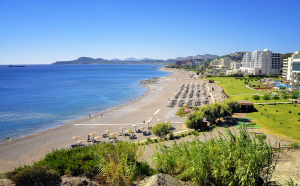
Faliraki in Rhodes stands out as Greece's top winter sunshine destination, offering mild temperatures and more than 220 hours of sunshine during the winter months.

While much of Europe prepares for colder days, one Greek destination is proving that sunshine doesn't have to end with summer. According to a study originally published by Holidu, Faliraki, on the island of Rhodes, has been identified as Greece's leading destination for a winter escape.

With an average winter temperature of 16.9°C and approximately 221 hours of sunshine, Faliraki offers an appealing alternative for travellers looking to exchange grey skies and chilly weather for the milder Mediterranean climate.

Faliraki: Greece's Winter Sunshine Destination

Located on the eastern coast of Rhodes, Faliraki is best known as one of the island's popular summer resorts. However, its pleasant winter climate makes it worth considering beyond the traditional holiday season.

The study by Holidu, a booking portal for holiday rentals, compared average winter temperatures and sunshine hours across coastal destinations in Europe to identify the best places to escape the cold.

Faliraki emerged as the top destination in Greece, with its combination of sunshine, relatively mild temperatures and coastal setting.

More Than Just Summer Beaches

Although Faliraki is particularly famous for its long sandy beach and lively summer atmosphere, visiting Rhodes during the quieter months offers a different way to experience the island.
Without the crowds of peak season, visitors can enjoy the coastline at a slower pace, explore traditional villages and discover the island's rich history.

A short trip from Faliraki takes visitors to the Medieval Old Town of Rhodes, a UNESCO World Heritage Site, where cobbled streets, historic fortifications and impressive medieval architecture create a fascinating atmosphere.

The island also offers plenty of opportunities for scenic walks, local gastronomy and cultural exploration, making it an attractive destination for travellers who prefer a more relaxed holiday experience.

Other European Destinations For A Sunny Winter Escape 

Faliraki wasn't the only destination to stand out in Holidu's research. Other European coastal towns also made the list for their pleasant winter weather and sunshine hours.

Among the highlights were Los Cristianos in Tenerife, Spain, which topped the overall ranking, Siracusa in Sicily, Italy, Luz in Portugal, Banyuls-sur-Mer in France and Gzira in Malta.

Each destination offers its own take on a winter escape, from Mediterranean coastal scenery and historic towns to relaxed seaside living.

Curious to see which other European destinations made the ranking? Click here to explore the full list and original research by Holidu.

Sunday, 15 November 2026 18:25

Christmas Bazaars Around Athens

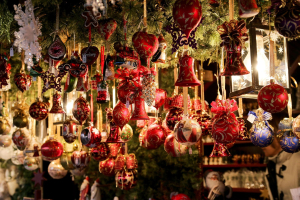
As soon as Halloween is over, the spooky decorations come down and make way for the festive season. And if you're already looking forward to Christmas, you'll be pleased to know that Athens has plenty in store. From the lighting of the Christmas tree in Syntagma Square to the ever-popular Christmas Factory in Gazi, there is no shortage of seasonal events to enjoy!

Among the many events taking place in the run-up to Christmas, one tradition worth exploring is the bazaar. A little different from your typical Christmas market, bazaars in Greece often have a charitable or community-minded purpose. Organised by schools, churches, embassies and non-profit organisations, they bring people together to raise funds for a good cause. They also tend to have a more local feel, with homemade treats, handmade creations and second-hand finds.

Whether you're looking for Christmas gifts, festive food or simply an opportunity to support a local initiative, here are some of the bazaars taking place around Athens this year.


Swedish Church Christmas Bazaar

838433667 1113924127678144 6196934697202824470 n

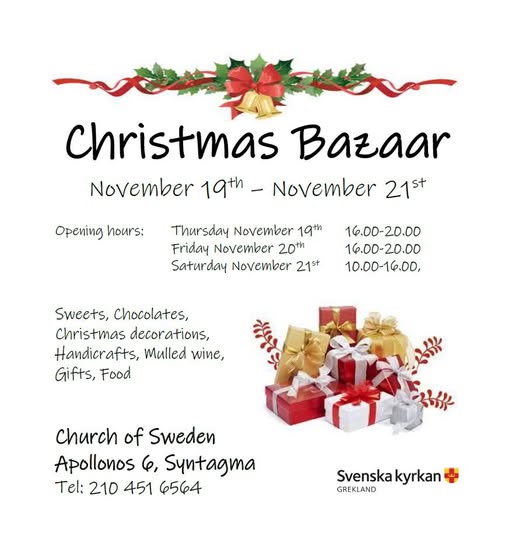
The Swedish Church in Athens welcomes visitors for its annual Christmas Bazaar, offering a taste of Scandinavian festive traditions in the heart of the city. Expect seasonal specialities, traditional treats and a selection of Christmas goodies in a cosy setting.

Where: Swedish Church, Apollonos 6, Syntagma
When:
  • Thursday 19 November: 4 pm–8 pm
  • Friday 20 November: 4 pm–8 pm
  • Saturday 21 November: 10 am–4 pm

26th International Christmas Bazaar – Friends of the Child
904562846 1485804230351724 3787579717320426560 n

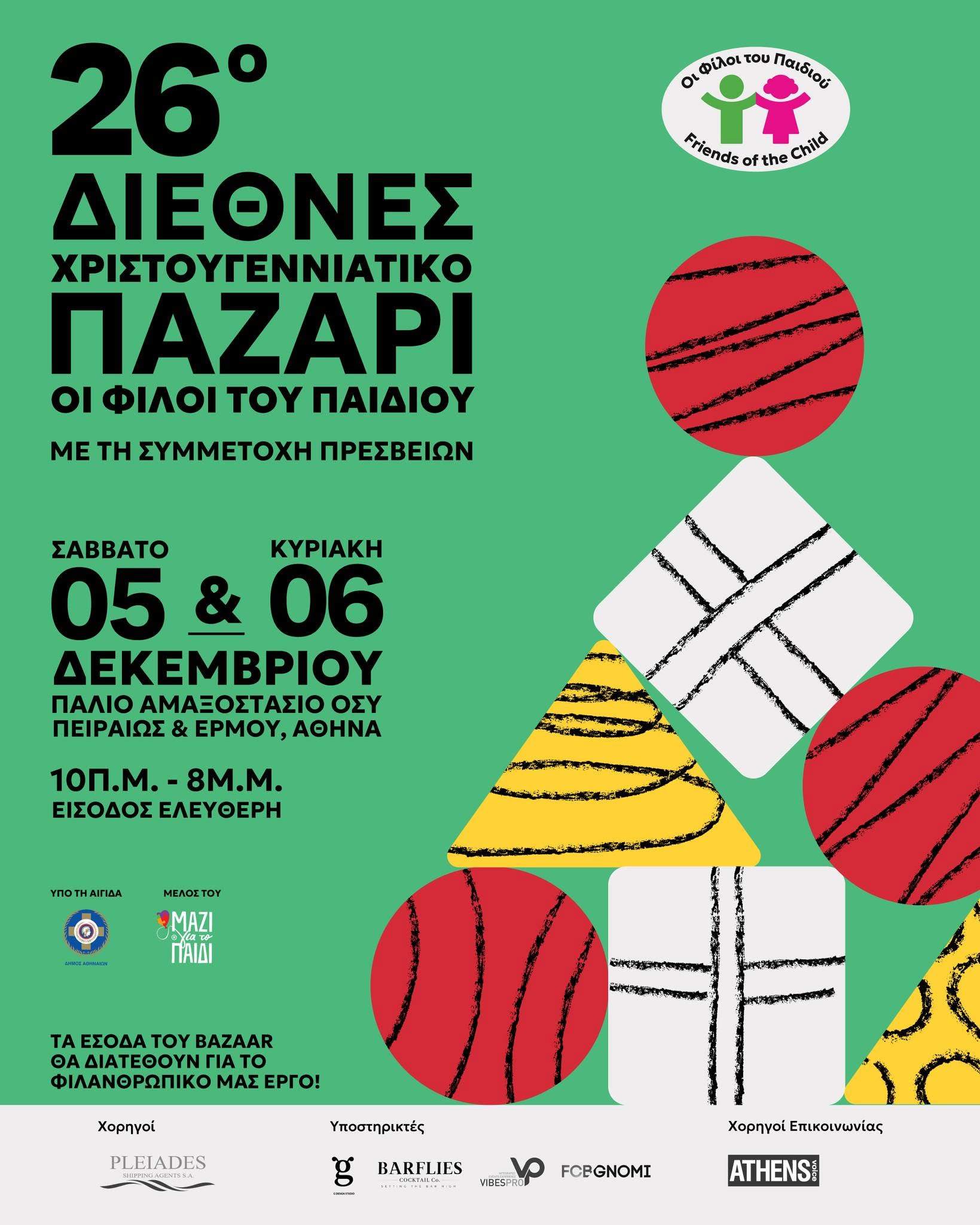
Organised by the non-profit organisation Friends of the Child (Oi Filoi tou Paidiou), this international bazaar brings together embassy stands from around the world. Visitors can browse a variety of products, discover international food specialities and find second-hand treasures, all while supporting children in need.

Where: Old OSY Depot (Palio Amaxostasio), Gazi
When: 5–6 December, 10 am–8 pm
Admission: Free

ESPI Christmas Bazaar

d620d0f53cd87ebb29505055f1108be2 L

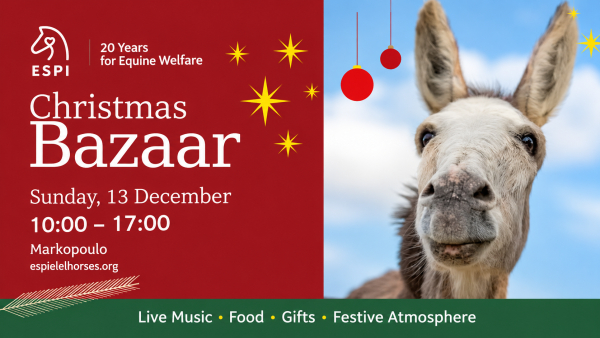
Celebrating its 20th anniversary, ESPI's Christmas Bazaar invites visitors to spend the day near the horses and donkeys cared for by the organisation. The programme includes live music, food prepared by a chef, mulled wine, Christmas gifts and activities for children, including drawing and face painting.

All proceeds will go towards the care of horses and donkeys. ESPI has been working to protect equines in Greece since 2006, rescuing mistreated, neglected and abandoned animals and providing them with specialist care and rehabilitation.

Where: Markopoulo
When: Sunday 13 December, 10 am–5 pm
Admission: €6, including a raffle ticket

Cat Rescue Athens Christmas Bazaar
 
Cat Rescue Athens is hosting a series of Christmas bazaars featuring exclusively handmade creations. The selection includes candles, Christmas decorations, shampoo and jewellery, with all proceeds supporting the organisation's work.

Where: LALUK Cafe Bar, Koukaki 
When: During the first three weekends of December 2026


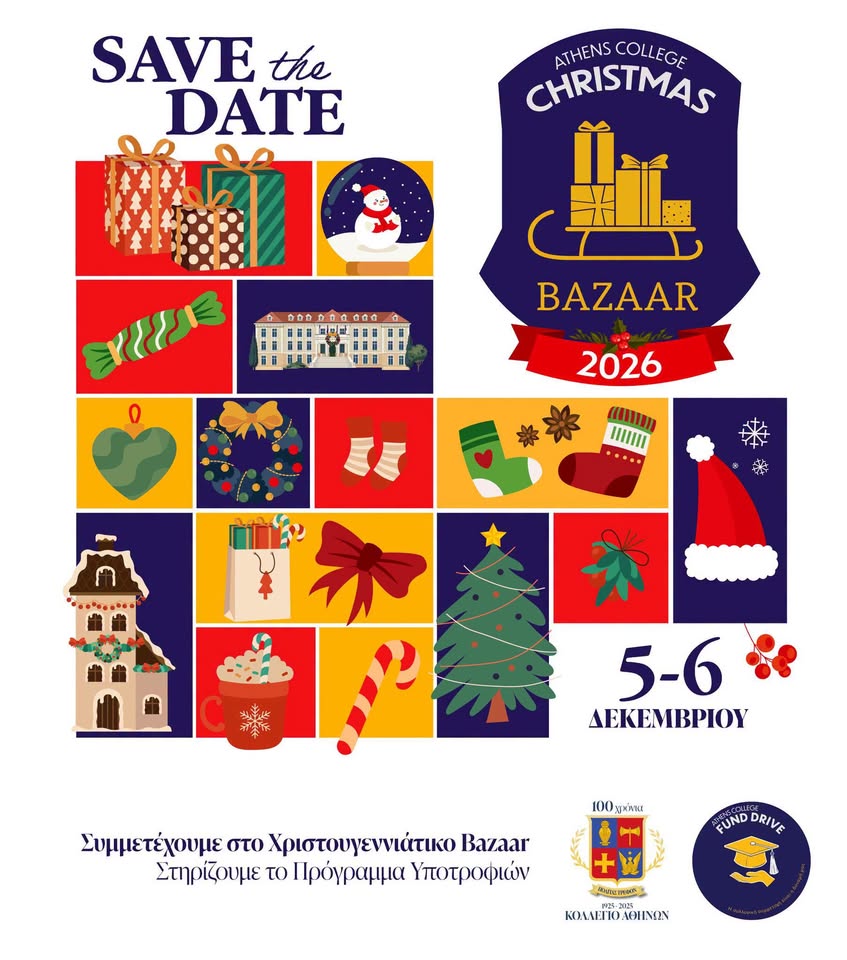
Athens College Christmas Bazaar

887077439 1486018640289887 5881981860603219819 n

A long-standing tradition, the Athens College Christmas Bazaar has been bringing together the school's community for the past 45 years. Organised by volunteer committees of parents and alumni, the event raises funds for the Athens College Scholarship Programme.
Where: Stefanou Delta 15, 15452 Psychiko, Greece 
When: 5–6 December 2026

BE SMART MARKET – Let's Be S.M.A.R.T. Christmas Bazaar

58b740ba9bd10265c3ff3636ee15377a L

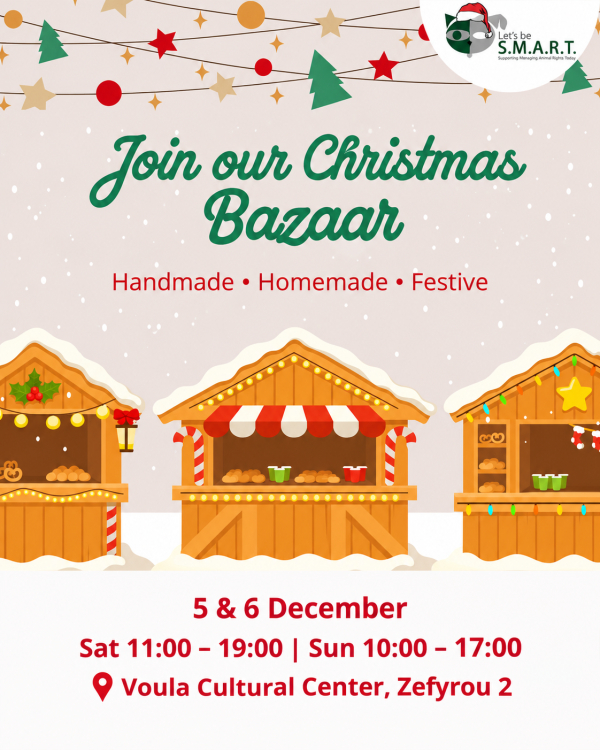
The non-profit organisation Let's Be S.M.A.R.T., which works to protect and improve the welfare of cats and dogs, is organising two days of festive shopping. Visitors can browse handmade creations, sample homemade treats and support the organisation's work.

Where: Voula Cultural Centre, 2 Zefyrou Street, Voula

When:
  • Saturday 5 December: 11 am–7 pm
  • Sunday 6 December: 10 am–5 pm
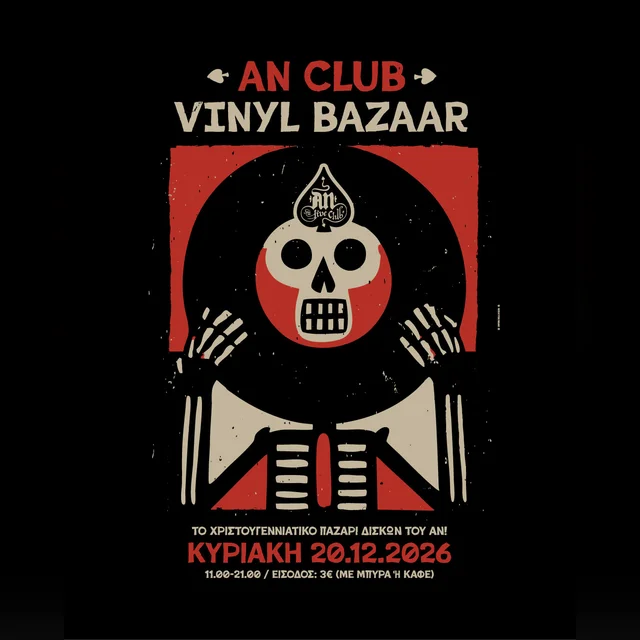
AN Club's Christmas Record Fair

img 11d38f96

For music lovers, the AN Club Christmas Record Fair offers the chance to browse thousands of records, CDs and cassettes from record shops, labels and private collectors. The selection covers a wide range of genres, from rock, punk and metal to soul, pop and hip-hop, with DJ sets throughout the day.

Where: AN Club, Solomou 13, Exarcheia
When: Sunday 20 December, 11 am–9 pm
Admission: €3, including a beer or coffee

Thursday, 12 November 2026 20:38

ESPI Christmas Bazaar 2026

Get into the Christmas spirit while supporting a wonderful cause at the ESPI Christmas Bazaar, celebrating 20 years of the Hellenic Society for Equine Welfare (ESPI)!

Every year, ESPI welcomes friends, supporters and new visitors for a festive gathering filled with good company, Christmas treats and, of course, the opportunity to spend some time with the horses and donkeys who call the organisation home.

This year's celebration is extra special, marking ESPI's 20th anniversary. Visitors can look forward to live music, delicious food prepared by ESPI's chef, traditional warm Glühwein and a selection of Christmas gifts.

There will also be a dedicated children's corner featuring arts and crafts, face painting and fun activities for younger visitors, making it a lovely festive outing for the whole family.

Most importantly, every contribution makes a difference. Admission is €6 and includes one ticket for the Christmas raffle. All proceeds from the day will go towards supporting the daily care and wellbeing of ESPI's rescued horses and donkeys.

Come with friends, bring the family or simply drop by to say hello. Your presence and support help ESPI continue its important work!

Thursday, 12 November 2026 20:06

Let's Be S.M.A.R.T. Christmas Bazaar 2026
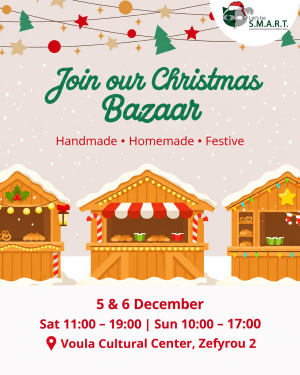
Get into the festive spirit at the Let's Be S.M.A.R.T. Christmas Bazaar, taking place on 5 and 6 December 2026 at the Voula Cultural Centre!

Organised by Let's Be S.M.A.R.T., a non-profit organisation dedicated to animal welfare and the protection of cats and dogs, the Christmas Bazaar brings the community together for two days of festive shopping, handmade creations and homemade treats, all in support of a meaningful cause.

Visitors will have the opportunity to discover unique gifts, meet local vendors and enjoy a little Christmas shopping while contributing to an organisation working to make a difference in the lives of animals in need. 

When: Saturday 5 December, 11:00 - 19:00 
            Sunday, 6 December, 10:00 - 17:00


Interested in Having a Stall?
 
There are still limited spaces available for vendors wishing to showcase their handmade, homemade or festive products.

To enquire about participation and reserve your table, contact the organisers:
Come along, support local creators and enjoy a little Christmas magic!

Christmas Bazaar Vendor Poster


There are some places you visit and leave feeling that you have seen something genuinely meaningful. Not because of grand gestures or impressive surroundings, but because of the people, the stories and the quiet acts of kindness that happen there every single day.

On a Sunday, we made our way to Markopoulo to visit the Hellenic Society for Equine Welfare (ESPI) which welcomes visitors between 11 am and 2 pm. We arrived curious to discover the organisation and its work, but we were in for a lovely surprise right from the start.

Before we even had the chance to properly look around, we were greeted by some beautiful dogs who seemed absolutely delighted to see us. Tails wagging, excited little greetings and plenty of affection made us feel at home almost instantly. And then, there were the horses.

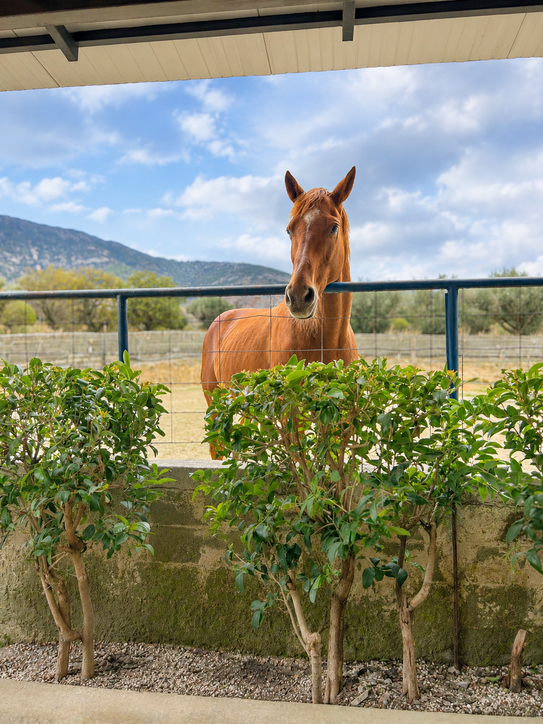
Among the first to catch our attention was Petritis, one of ESPI's longest-standing residents. As we would soon learn, he has been under the organisation's care since 2007, making him one of the very first animals to be rescued by the association. Nearby was little Eftichis, one of the more recent additions, whose curious personality made him equally hard to miss.

Petritis 3

It was a lovely introduction to a place where every animal has a name, a personality and, perhaps most importantly, a story.

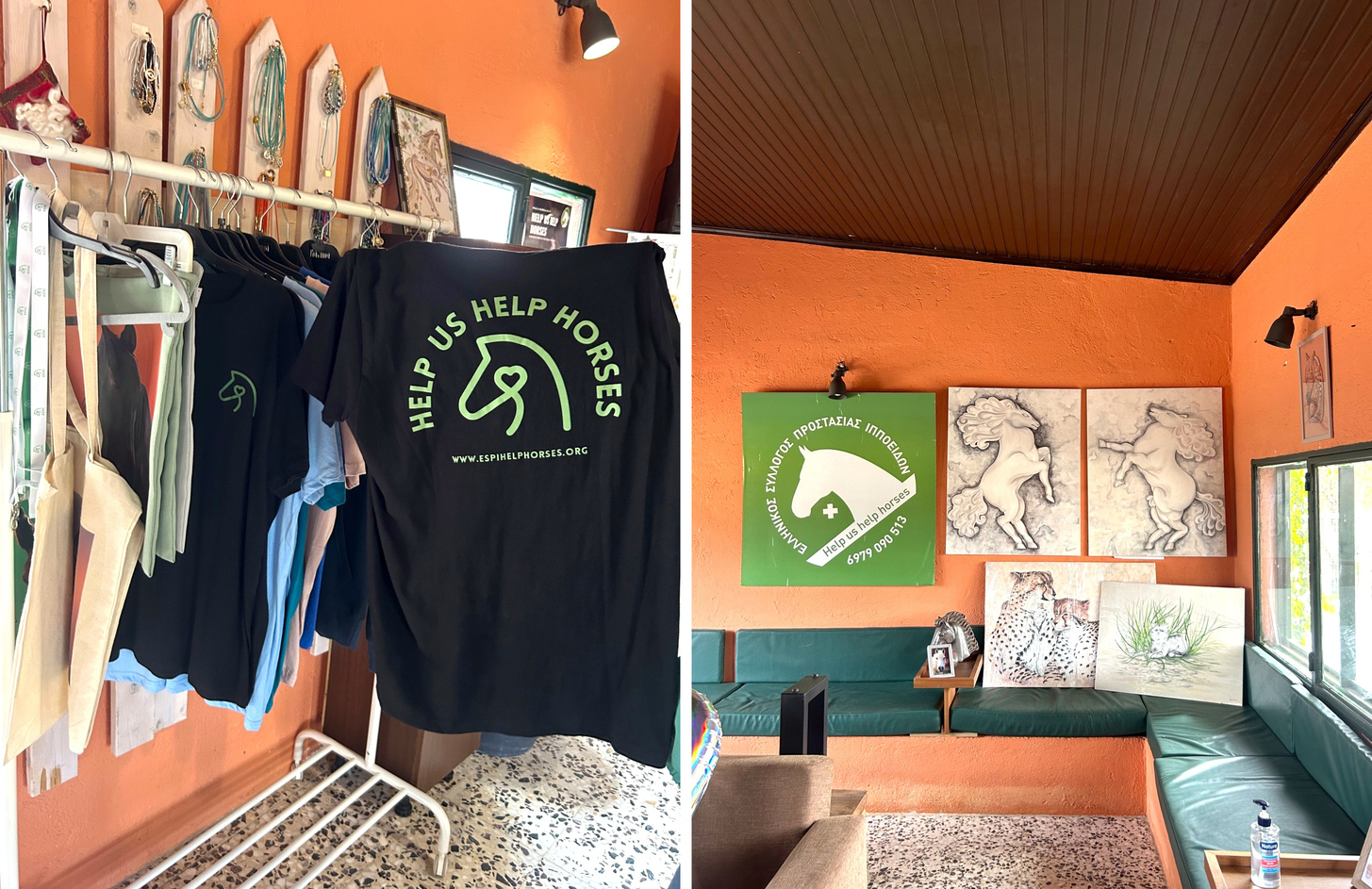
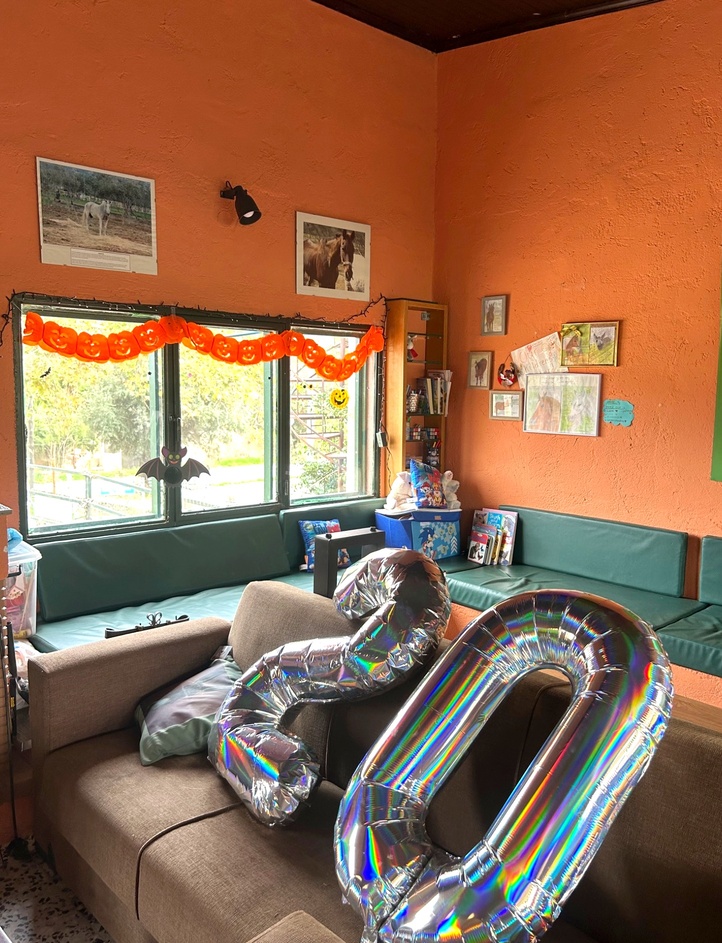
We were then invited to explore the grounds. There is a welcoming little coffee area where visitors can enjoy a drink, browse ESPI memorabilia and pick up a few snacks, all while taking in the peaceful natural surroundings. Set in the countryside of Markopoulo, the space offers a lovely opportunity to slow down, spend some time outdoors and get to know the animals.

ESPI combined HD 4

But behind this peaceful setting lies a great deal of work, responsibility and, in many cases, heartbreak.

Twenty Years Of Giving Animals A Second Chance

As ESPI celebrates its 20th anniversary in 2026/2027, its story is a reminder of what determination and compassion can achieve when people decide that looking the other way is simply not an option.

IMG 6979 reframed lit 2

Founded in 2006, the non-profit association was born out of a distressing animal welfare case. It all began with a report concerning 64 equines living in appalling conditions on an estate in Aspropyrgos. Most were destined for slaughterhouses in Italy. Following their confiscation, the animals needed somewhere safe to stay and receive care, spending the following year in facilities in Koropi.

Soon after, another case followed: 24 animals were discovered at the port of Patras, also destined for slaughter. They had endured more than 48 hours inside a transport truck, crammed into terrible conditions without food or water. Many were already ill.

IMG 6964 reframed lit 2

A dedicated group of people stepped in, taking the necessary measures to restore the animals' health and find suitable families who could offer them the love and care they deserved. What began as an urgent response to two deeply troubling cases gradually became something much bigger: ESPI.

In 2008, the association acquired its own stable facilities in Koropi, creating a space that could accommodate approximately 20 horses at a time. In February 2016, it moved to its current, larger premises in Markopoulo, allowing it to expand its work and provide care for more animals.

Twenty years later, that commitment continues. Today, 22 animals call ESPI home.

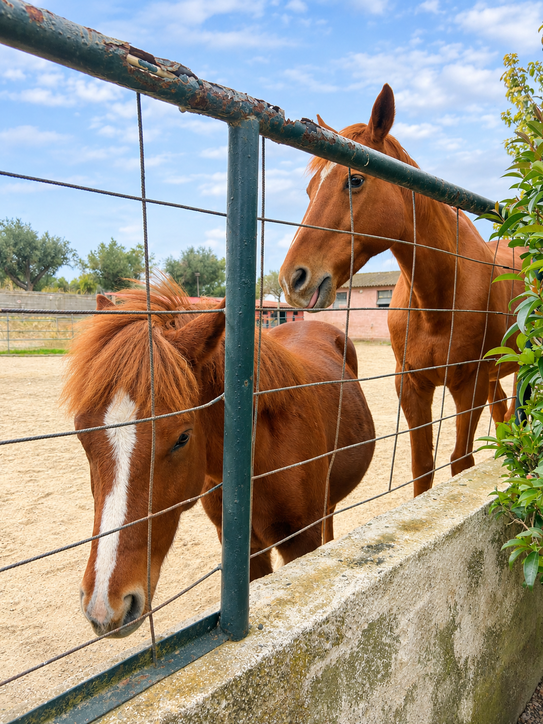
Chestnut Horses Behind Weathered Fence 2

Twenty-Two Animals, Twenty-Two Different Stories

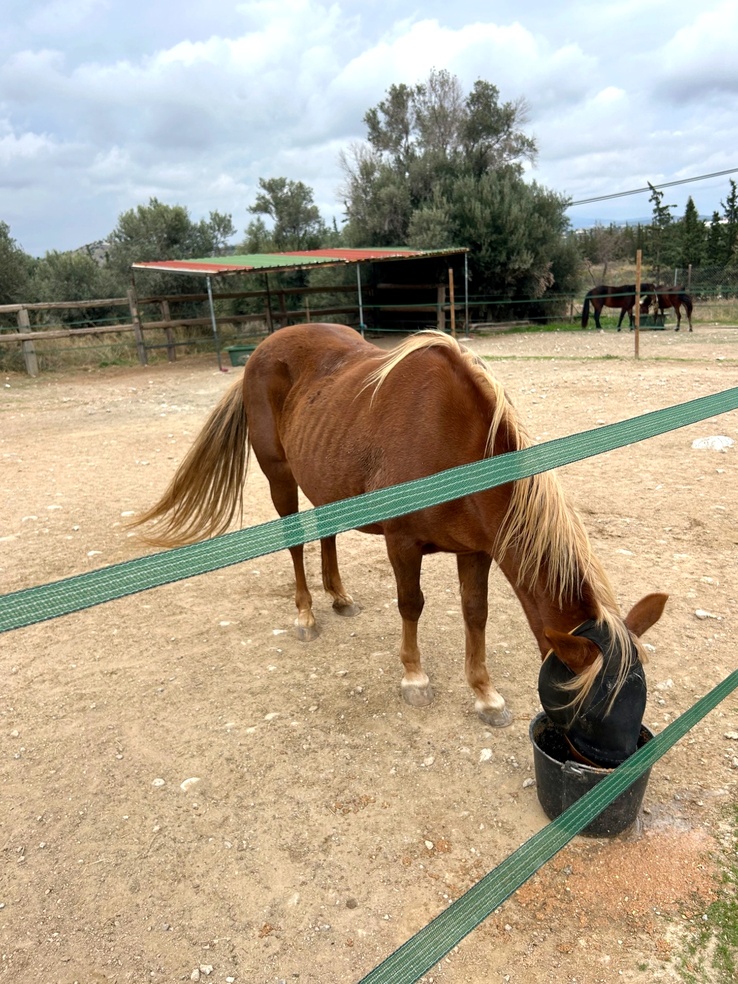
As we walked around the stables, we began to understand that caring for rescued equines is about much more than providing food and shelter. Many of the animals have experienced abuse, neglect or abandonment, and several have significant health conditions that require specialised, ongoing attention.

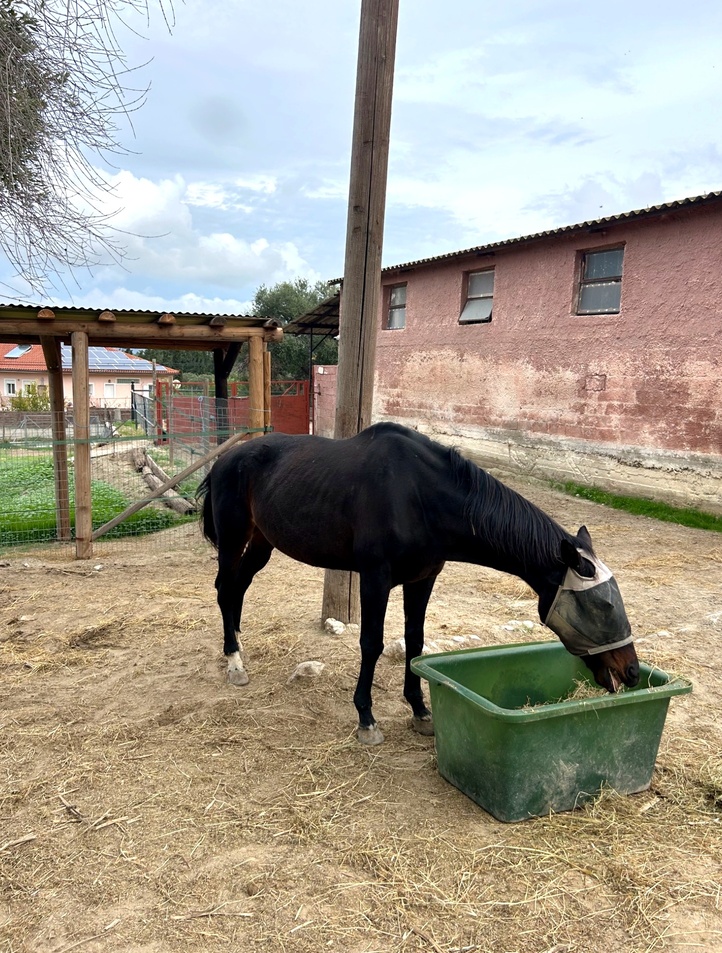
Some have dental or oesophageal problems and can no longer chew or swallow food normally. Their meals need to be specially prepared, sometimes in the form of soup, to ensure they receive the nutrition they need. Others require supplements, regular veterinary examinations, physiotherapy, hoof treatments or other forms of rehabilitation.

There is Nikoleta, aged 32, the oldest resident at ESPI. She has serious oesophageal problems and can only manage specially prepared liquid food. There is Jerry, a former racehorse who has been with the association for 13 years and suffers from a kissing spine, a condition that requires ongoing support from physiotherapists and other specialists.

We also met Kitsos, a little white donkey of around 26 years old, who is dealing with several health issues, including anaemia, and Klearchos, a black donkey facing serious hoof complications.

And then there are the stories that stay with you for reasons beyond their medical needs.

Litsa, for example, is a former racehorse whose past has left her deeply distrustful of people. She cannot easily be approached, and visitors must be particularly careful to respect her personal space.

IMG 6949 reframed lit 2

Her story is especially moving. After her racing days ended, she was found wandering in Crete, without the care she needed. Since April 2016, Litsa has found her home at ESPI. She has also found companionship in Angel, another horse who has become her inseparable friend. The two are a lovely reminder that animals, just like people, need connection and a sense of belonging.

Then there is Melina, a former breeding mare who was used for reproduction rather than given the opportunity to live as an individual animal with her own needs. She was subsequently placed for adoption twice, but unfortunately neither experience worked out well. Today, she is back under ESPI's care, where her wellbeing comes first.

These stories make you realise that rescue does not always mean an animal is immediately ready for a new home. Sometimes, the greatest gift is simply allowing it to feel safe, perhaps for the first time in its life.


Every little bit makes a difference. From daily meals and veterinary care to medication and rehabilitation, your support helps ESPI continue giving these animals the safe and loving life they deserve. 


A Mother & Her Little Miracle
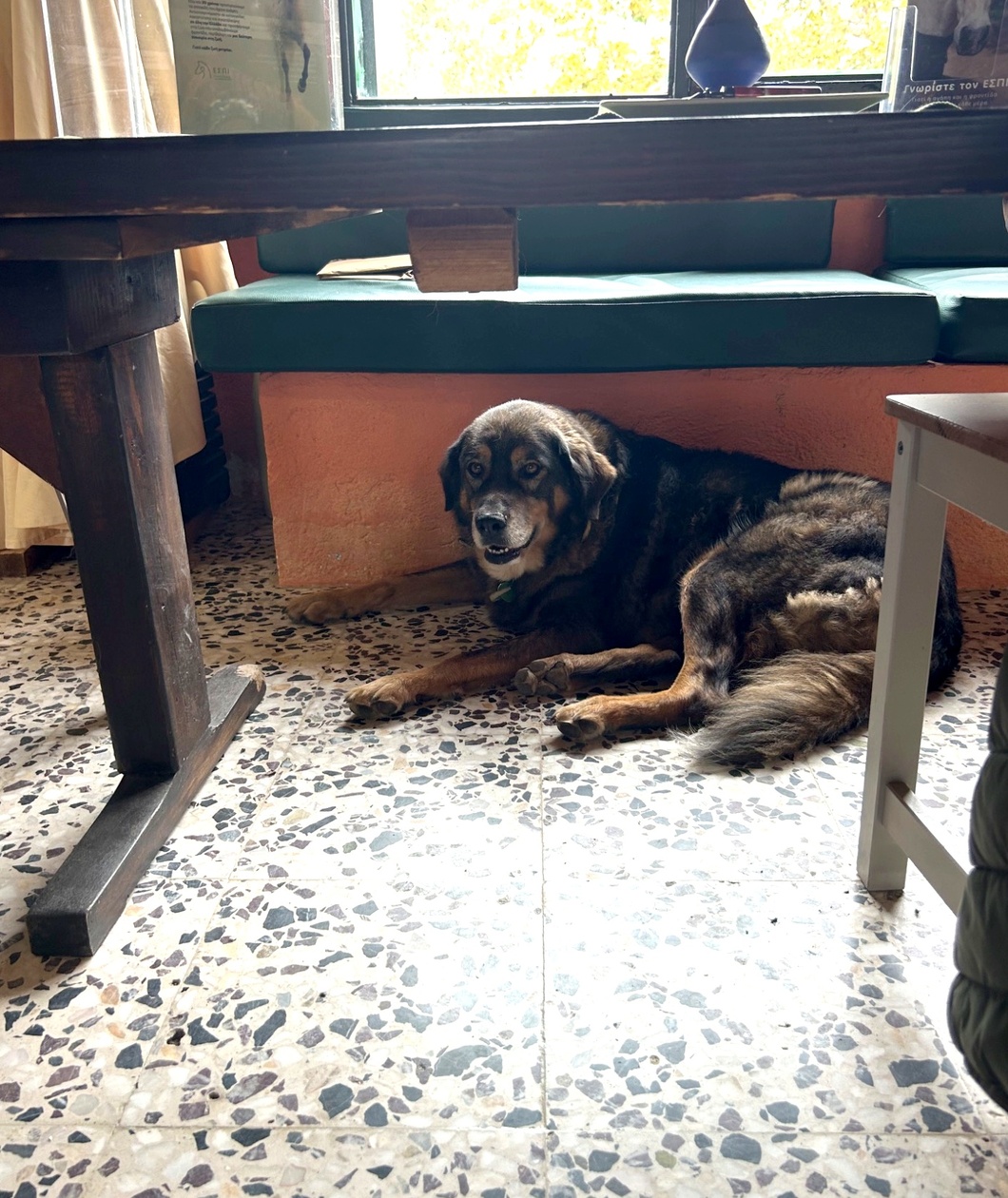
 
One of the stories that touched us most was that of Marianna and her baby, Eftichis.

Marianna arrived at ESPI while pregnant, carrying her little one with her. Sadly, she was already suffering from severe laminitis, a painful and debilitating condition that has caused significant damage to her hooves and affected her ability to stand and move comfortably.

Her condition requires immediate and specialised attention, and despite the care she has received, her health has not improved as hoped.

Her little Eftichis, however, is now a happy, strong and healthy youngster. He was the curious little horse who greeted us when we first arrived, completely unaware of how much his story represents.

It is difficult not to feel emotional when you see the two of them and understand what Marianna has been through. She has given birth to a healthy foal while continuing to face a serious battle of her own.

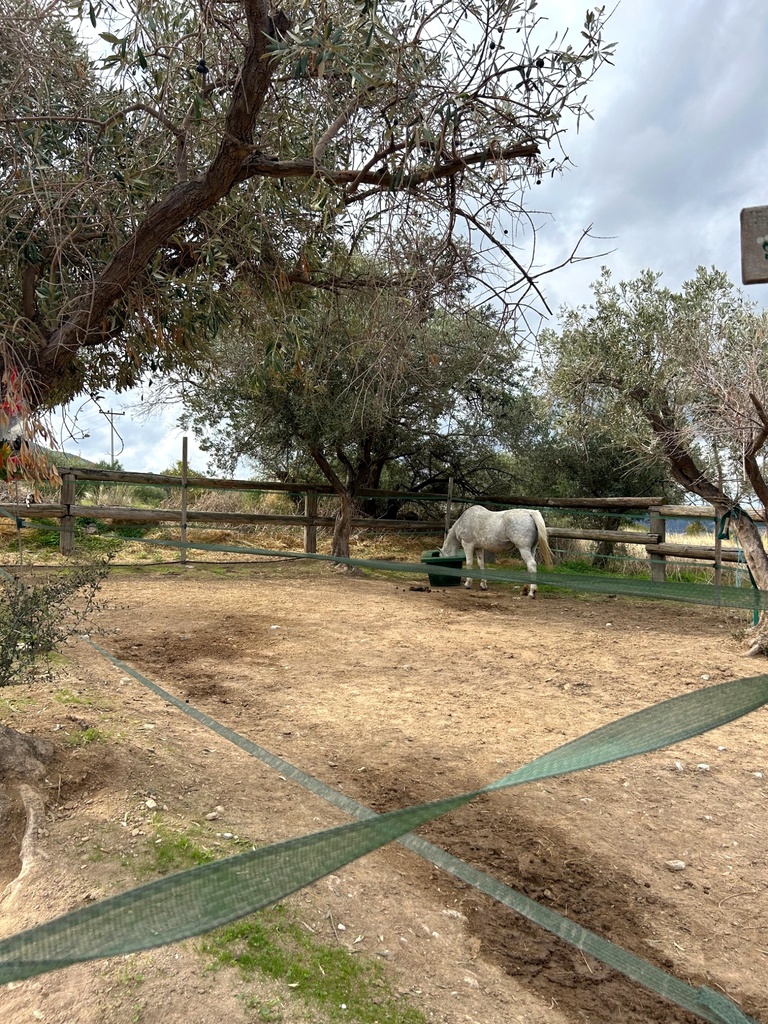
Horses are naturally active animals. They are made to stand, walk, graze and move around, not spend their lives confined to a stable. This is why ESPI does everything possible to ensure that the animals have access to outdoor spaces and the freedom to move around whenever their health allows. Stables are there when medical needs or recovery require them, but the ultimate aim is always to give each animal the best possible quality of life.

And that means allowing them to enjoy being horses.


Come and meet the animals who make ESPI so special!

ESPI welcomes visitors every Sunday, between 11:00 am and 2:00 pm, at its facilities in Markopoulo. Spend some time with the animals, discover their stories and learn more about the important work taking place behind the scenes. 

Come for a visit or get to know them HERE!


The People Who Make It All Possible

 
During our visit, we had the opportunity to speak with Christina, whose love for the animals was evident in every conversation. The way she spoke about each horse, remembering their individual needs, personalities and histories, gave us a glimpse into the level of dedication required to run an organisation like ESPI.

Behind the scenes, there is a team of eight people working across different responsibilities. We also learnt about Thanasis, one of the longest-standing members of the association, who is actively involved in handling complaints and reporting cases of animal abuse, as well as contributing to educational initiatives.

But the work is far from easy.

The costs of caring for 22 animals are substantial and ongoing. Food alone, particularly the hay needed to sustain them, represents a significant recurring expense. Add veterinary bills, medication, supplements, specialised diets, transport and rehabilitation, and it becomes clear that keeping the association running requires continuous financial support.

IMG 6955 light enhanced 2

ESPI relies entirely on donations and the contribution of volunteers.

And when we talk about volunteering, we are not simply talking about dropping by for a quick visit or spending an afternoon taking photographs. The association is looking for people who genuinely want to contribute, who can commit their time, learn how to handle and care for the animals properly, undergo training and become a consistent part of the effort.

There is also a strong desire to expand educational programmes, helping more people understand equine welfare. Because, as we discovered during our visit, many people simply do not know what proper horse care involves, how to recognise signs of neglect or how to approach these animals safely.

Through its volunteer training programme and educational visits from schools and organisations, ESPI hopes to build a more informed and compassionate community.

What Can You Do If You See An Animal In Need?

One of the most important things we took away from our visit is that everyone can play a role in protecting equines.

If you come across a horse or donkey that appears neglected, abandoned, injured or mistreated, you can contact ESPI and submit a report through its complaints form. The association reviews the reports it receives and, where possible, intervenes in collaboration with the relevant authorities to help ensure the animal's protection.

Adoption is another way to make a difference. ESPI carefully assesses potential homes and maintains responsibility for the animals even after they are placed with adopters. If circumstances change and an adopter can no longer care for an animal, ESPI must be informed and can arrange for the animal's return or an alternative placement.

You can also support an individual animal through fostering, becoming a sponsor and contributing towards its ongoing care, even if you cannot offer it a home yourself.

And, of course, financial donations make an enormous difference. Every contribution helps cover the daily essentials that keep these animals healthy, comfortable and safe. ESPI's work is sustained entirely through the generosity of people who believe that these animals deserve a better life.

You can find out more about how to donate and support the association through its official support page.

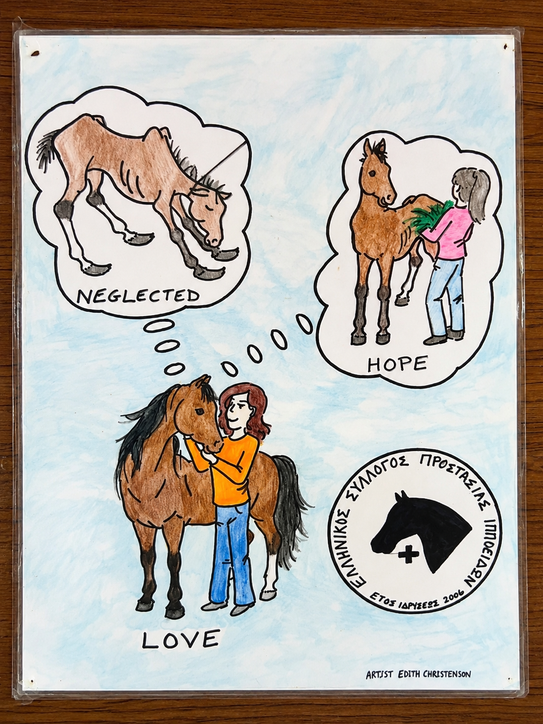
Laminated Horse Welfare Poster 2

A Little More Kindness Can Go A Long Way

As we left ESPI, we found ourselves thinking about the different lives we had encountered that afternoon. 

Twenty years is a remarkable milestone, but it also represents twenty years of responsibility, difficult moments, countless veterinary visits, endless meals, unexpected challenges and people who have chosen to show up, day after day.

In a world where stories of animal neglect and cruelty can sometimes make us feel helpless, discovering places like ESPI is a welcome reminder that there are people who refuse to accept that things cannot change.

They may not be able to save every animal, and their work is certainly not easy. But for the 22 animals currently under their care, ESPI is not simply an association or a shelter. It is home.

And perhaps that is the most important thing we took away from our Sunday visit: sometimes, giving an animal a second chance does not mean finding it a perfect new beginning somewhere else. Sometimes, it means giving it a safe place to stay, a full stomach, room to run, a friend to stand beside and people who will never give up on it.

Twenty years on, ESPI continues to do exactly that. And these animals still need us.

You can follow ESPI on Instagram, Facebook and TikTok to keep up with its rescue stories, daily activities, upcoming initiatives and the animals currently under its care. Every follow, share and show of support helps bring greater visibility to its work and the ongoing need to protect horses and donkeys in Greece. 

On Thursday, 12 November, Mona Supper Club returns with Seychelles × Emily Dobbs, a collaboration between Seychelles, the Athens restaurant rooted in the regional cooking of Greece, and London-based chef and cookbook author Emily Dobbs, whose cooking has long been shaped by Sri Lanka. Together they cook a multi-course vegetarian dinner for 50 guests in Mona's Living Room, with an optional wine pairing selected by Seychelles. Signed copies of Emily's books, Weligama and The Spice Box, will be available for purchase.

In addition, House of Shila introduces Mona Lab, a new programme of intimate workshops inviting artists, chefs and practitioners to share their creative processes, techniques and expertise with small groups.

On 14 November, the programme welcomes chef and cookbook author Emily Dobbs for the Spice Box Workshop. Drawing on her background in fine art before becoming a chef, Emily explores the creative possibilities of spices, transforming ingredients such as turmeric, paprika and cinnamon into natural paints.

PROGRAMME & RESERVATIONS

Mona Supper Club: Seychelles × Emily Dobbs
Thursday, 12 November 2026 · 19:00 · Living Room
Multi-course vegetarian dinner, 50 guests
€65 | €60 for House of Shila members
With wine pairing: €90 | €85 for House of Shila members
BOOK YOUR PLACE

Mona Lab × Emily Dobbs: Spice Box Workshop
Saturday, 14 November 2026 · 18:00 · 2 hours
€55 | €50 for House of Shila members, drinks and light bites included
BOOK YOUR PLACE


ABOUT MONA SUPPER CLUB

Founded and curated by House of Shila, Mona Supper Club spotlights global chefs and local culinary talent. Each gathering invites them to bring their own approach to Mona’s Living Room, creating a menu shaped by their ingredients, influences, and culinary traditions. The series is as much about the people around the table as the food itself, bringing familiar faces and new friends together over a shared meal.

ABOUT MONA

Located in the heart of downtown Athens, Mona represents a new era for the concept-led boutique hotel and multi-disciplinary space. Staged in an eight-storey industrial factory from the 1950s, it features 20 characterful rooms, a multi-use living room, and a speakeasy basement venue. The building's highest point is its member-exclusive rooftop, where guests enjoy the endless inspiration of the Athenian urban scenery, including the famous Acropolis, paired with local delicacies and hand-selected natural wines. Steeped in the spirit of the city, Mona is a sprawling playground for travellers, artists, emerging and established brands, photo and film productions, pop-up happenings and private events of all visions. Mona acts as a living gallery and showroom, with works of art unfolding organically throughout the space—on walls and within rooms—all available for sale.

ABOUT HOUSE OF SHILA

House of Shila (HOS) is a cultural hospitality studio in pursuit of aesthetic pleasures. HOS creates distinctively designed spaces that serve as laboratories for experiential storytelling. Devoted to all things sensual, its work is multidisciplinary, spanning hotels, design, creative direction, curated pop-up events, and publishing. HOS runs an artist-in-residence programme and offers membership across its locations in Athens, New York and Skopelos. Collaborating with creatives from around the world, HOS showcases inspired work that brings together a community of artists, designers and entrepreneurs, supporting talent at every stage.


If you've ever left Greece and found yourself feeling a little nostalgic, you can rest assured that, in even the most unexpected corners of another city, you'll find something that takes you straight back.

And where would it make more sense to find a little piece of Greece popping up than in Marseille, in the south of France? Often nicknamed The Phocean City, the city owes its name to its origins: it was founded around 600 BC by Greek settlers from Phocaea, in present-day Turkey. A connection across the Mediterranean that goes back quite a few centuries!

SnapInsta.to 794196645 18623084353059684 4872051768620862758 n
@geraldinelouvel

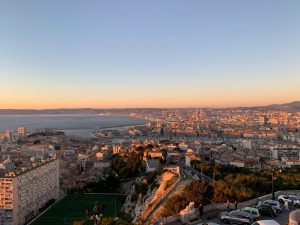
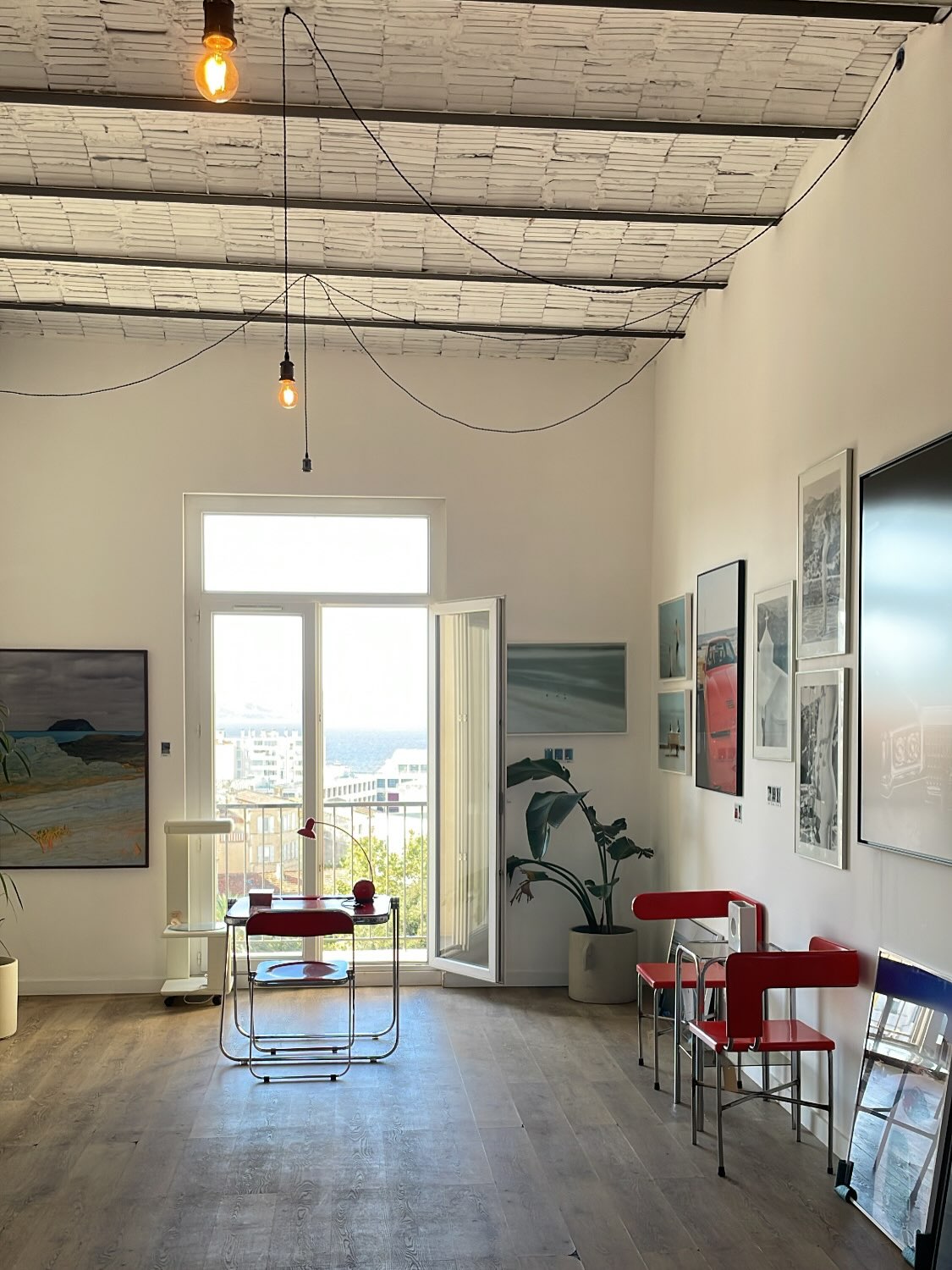
In Endoume, one of Marseille's trendier neighbourhoods, you'll find the Galerie FACES, tucked away in a three-floors beautiful and welcoming house, turned into a space where photography, furniture, books and coffee all come together under one roof. Its programme focuses on contemporary photography, alongside carefully selected books, independent editions and limited prints. A rotating selection of 20th-century furniture adds another dimension to the space. And, from the upper floors, Marseille unfolds around you: rooftops, hills, the sea and that unmistakable Mediterranean light. A view that might just remind you of Athens!

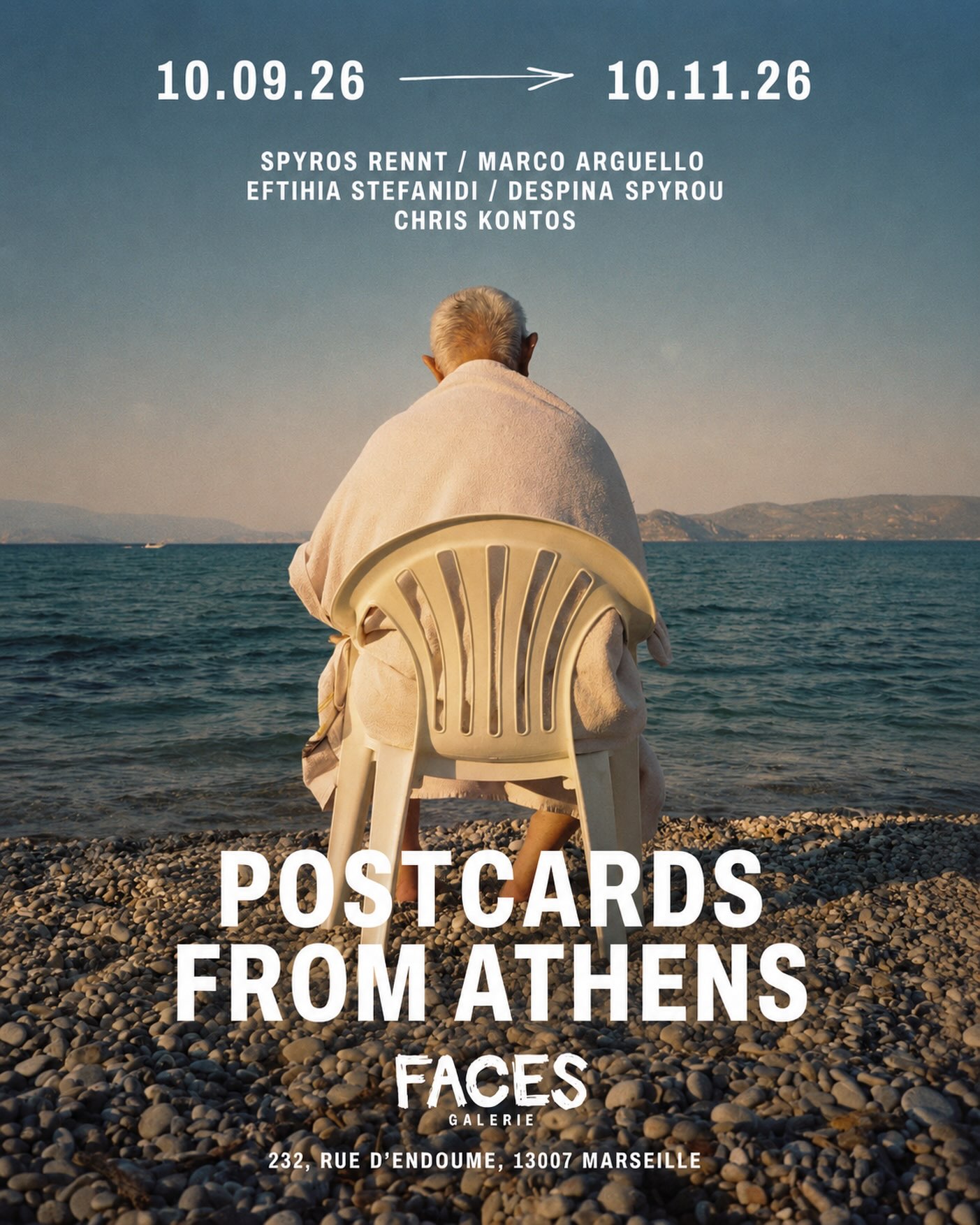
Until 11 November, Galerie FACES invites you on a little journey across the Mediterranean with Postcard from Athens, a group exhibition bringing together the work of five Athens-based photographers: Spyros Rennt, Marco Argüello, Eftihia Stefanidi, Chris Kontos and Despina Spyrou. Through their own individual perspectives, they share a portrait of the city they call home: intimate, contemporary and full of character.

SnapInsta.to 799674506 17964888969160377 6343487455705702206 n
@faces_galerie

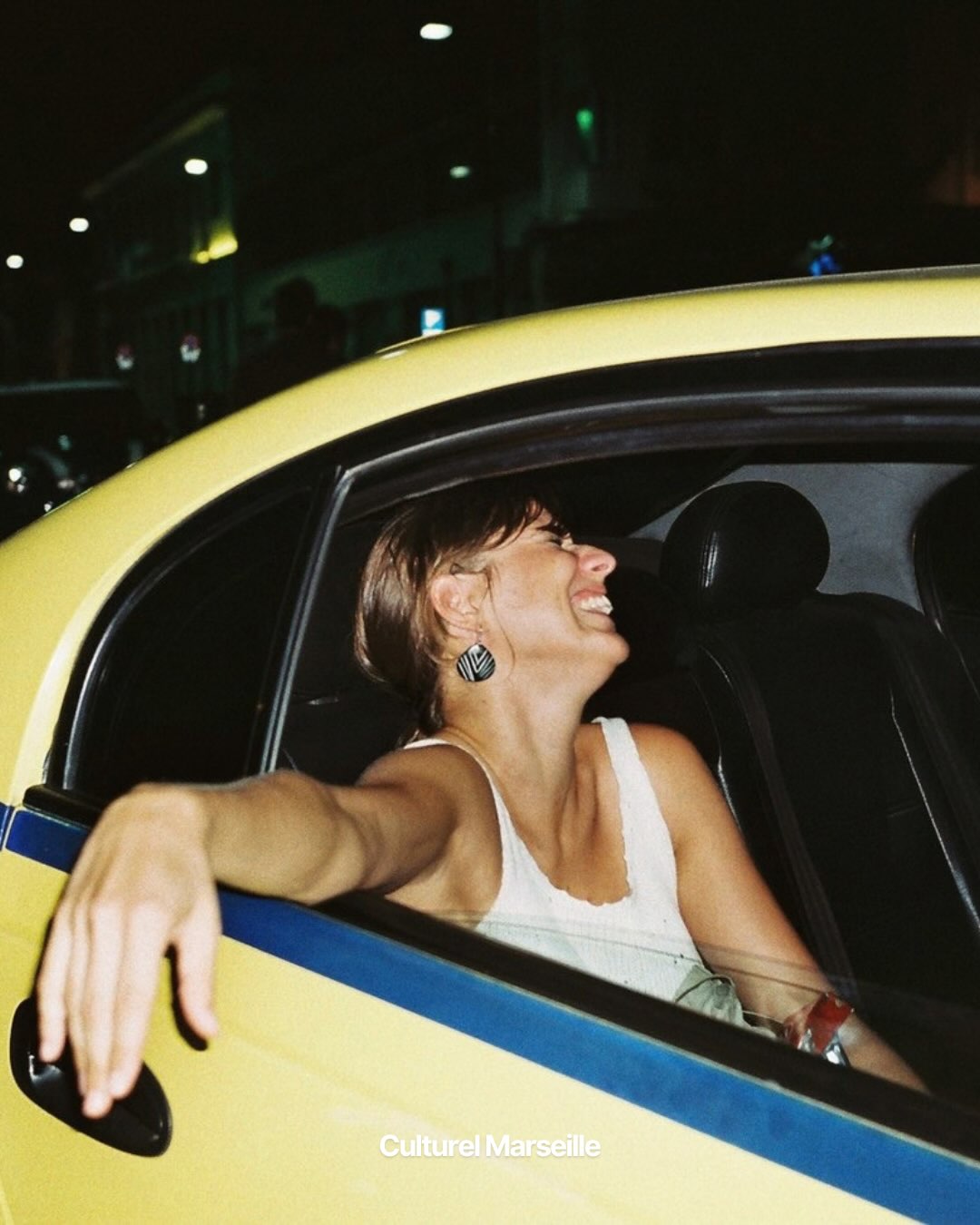
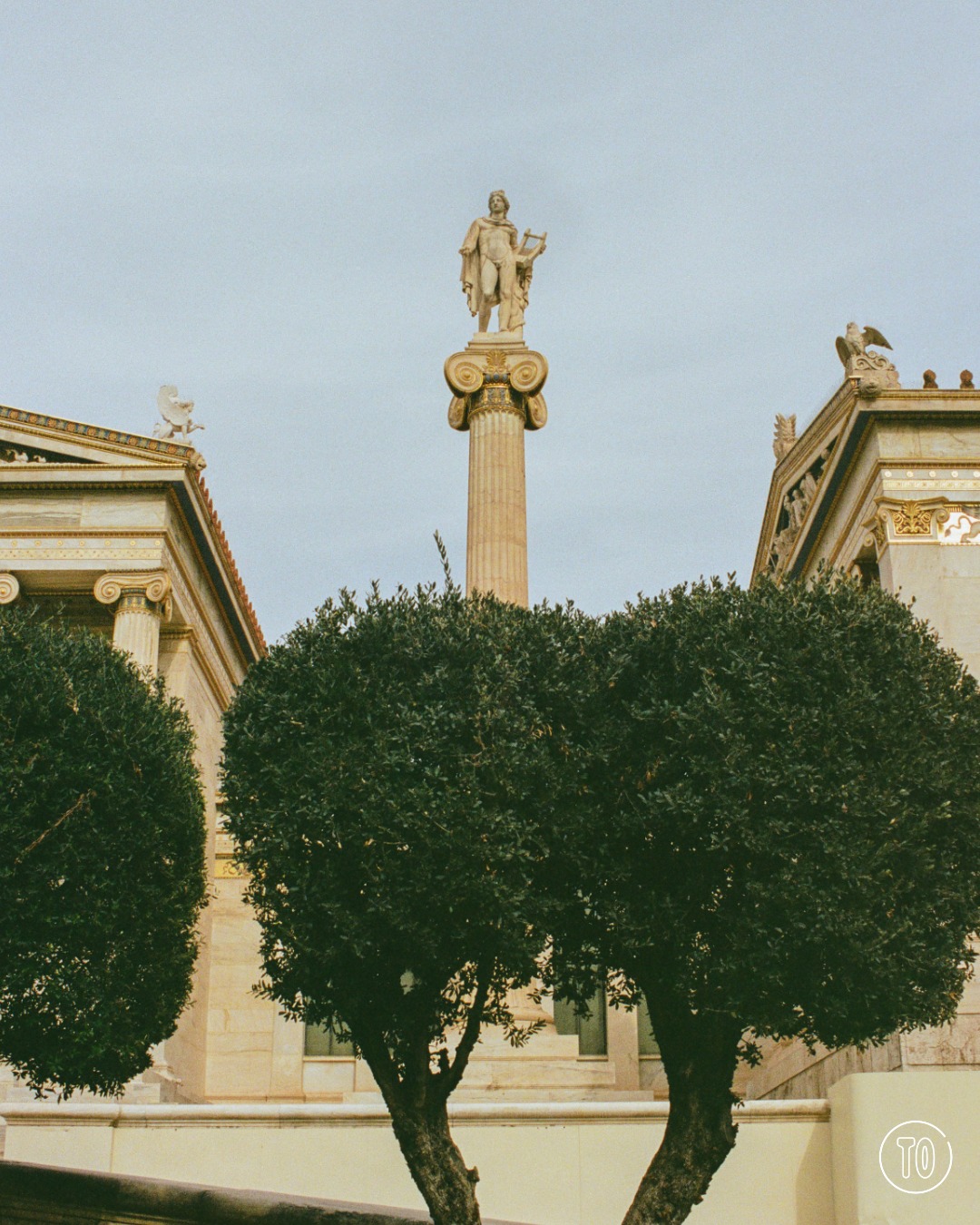
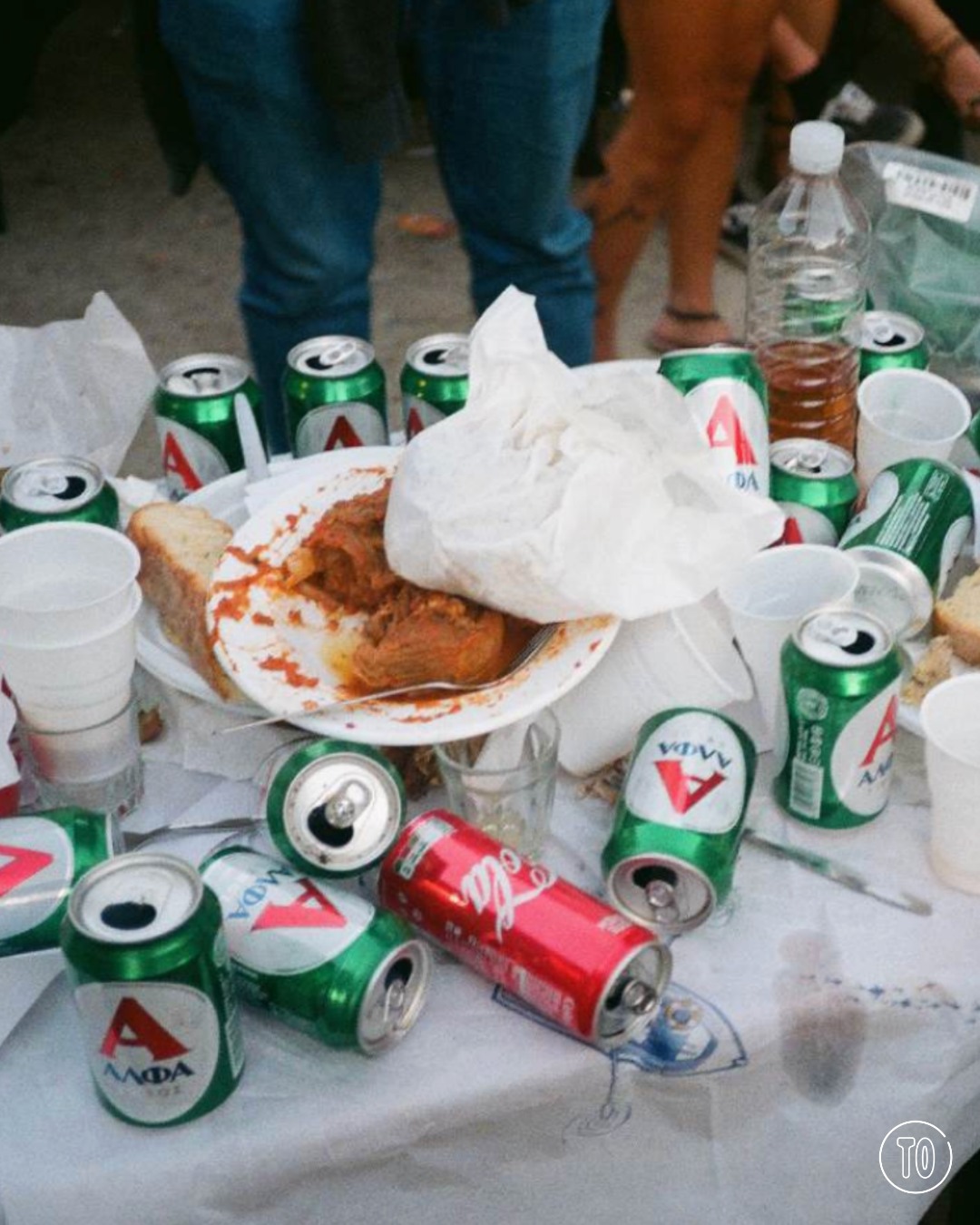
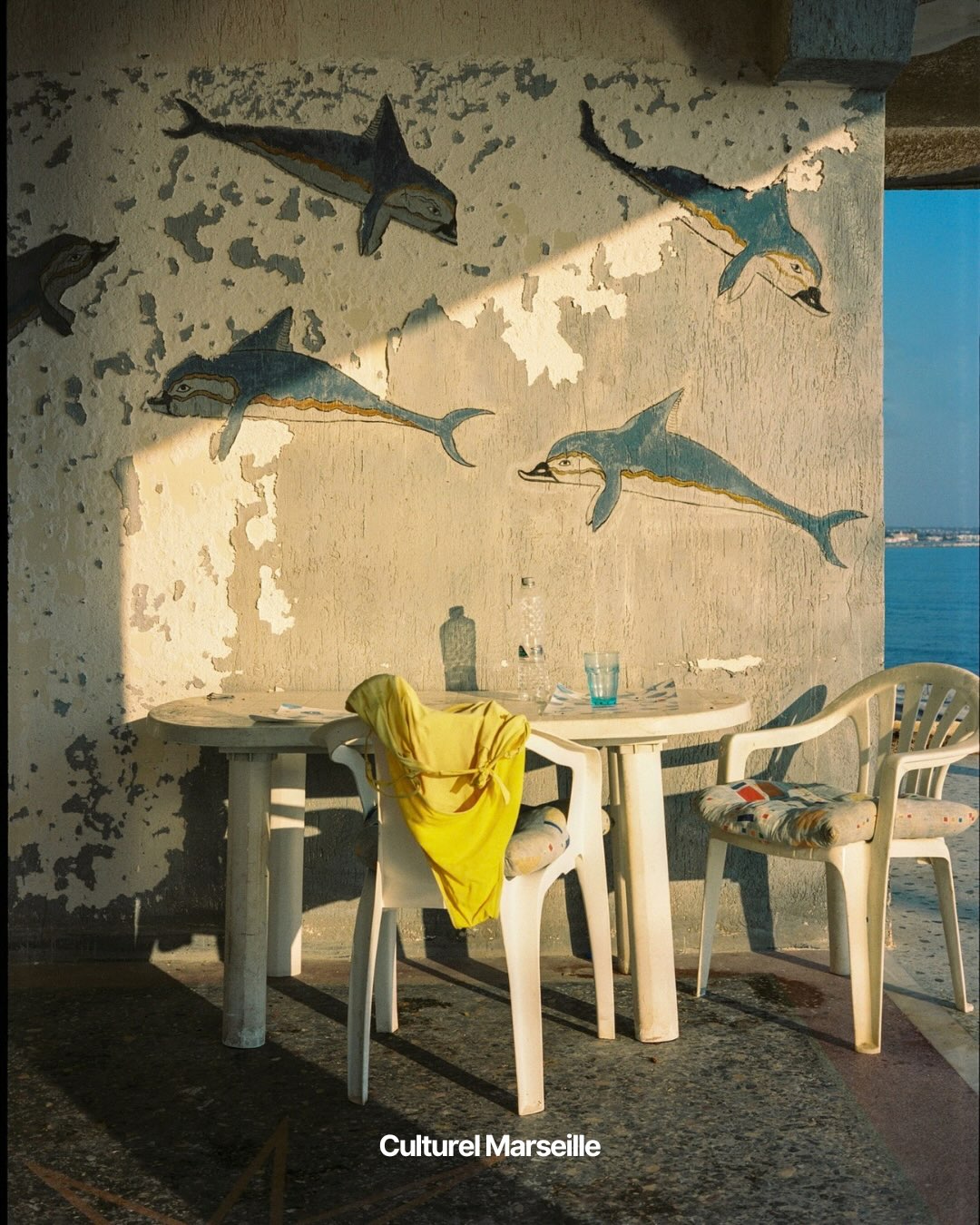
Curated by Yael Greenberg, Postcard from Athens offers a refreshing take on the Greek capital, one that moves well beyond the ancient ruins and archaeological landmarks so often associated with it. Instead, the exhibition brings us closer to the people who inhabit the city, their everyday habits, familiar routines and those quietly emblematic places that perhaps only locals know. Street scenes around Akadimia, sun-kissed bodies still glistening with seawater after a swim at Limanakia, the remnants of a lively night at a panigyri ... all come together in a collection that captures Athens in its many moods. Each photographer brings a distinctive visual language and aesthetic to the exhibition, with a welcome touch of humour running throughout.

SnapInsta.to 831437360 18080232638709757 6691411789788199794 n
@culturel_marseille

SnapInsta.to 847848684 122219650208348579 2325076917598747390 n
@timeoutmarseille

SnapInsta.to 848652331 122219650148348579 7633086652588560600 n
@timeoutmarseille

And there's more to discover beyond the photographs. Visitors will also find a selection of books and posters, carefully curated by Hyper Hypo, an art and design bookstore located in Athens offering a glimpse into Greece's independent publishing and graphic design scenes. A lovely opportunity to take a little piece of contemporary Greek creativity home with you!

Walking through this exhibition in the heart of Marseille, it's hard not to draw parallels between the two cities. After all, Marseille belonged to a Mediterranean network of exchanges long before anything resembling modern France existed. Both are major port cities, shaped over centuries by the sea and everything it brings with it: migration, urban transformations, cultural encounters and identities and languages in constant evolution. They are places where old urban cultures meet new influences, where generations of arrivals have left their mark, and where strong local identities coexist with an inherently outward-looking spirit.

In this sense, the dialogue between Marseille and Athens in Postcard from Athens goes far beyond a curatorial concept. It celebrates two cities shaped by a shared Mediterranean geography, connected by the movement of people, goods and ideas across the sea. Both have always belonged to more than one map.

So, if you happen to find yourself in Marseille, don't walk,  run! Postcard from Athens is on display at Galerie FACES until 11 November. A little taste of Athens, just across the Mediterranean.

SnapInsta.to 828939396 18080232614709757 8365661742272238062 n
@culturel_marseille

Three women who have survived gender-based violence meet in a creative writing workshop and embark on a journey of healing and empowerment, rewriting ancient Greek myths and transforming patriarchal narratives of oppression into stories of resistance and renewal.

Directed by Maria Louka and Nina Maria Paschalidou and produced by Marni Films, “Survivors: Rewriting Her Myth” follows the stories of Olga, Georgia and Ivi as they revisit their experiences through the myths of Persephone, Europa and Alcestis.

Georgia, an intimacy coordinator and choreographer, identifies with Persephone, who was abducted by Hades. Olga, a journalist and writer who has survived rape, finds parallels with Europa, while Ivi, a transgender woman and sex worker who has experienced a transphobic attack, connects with Alcestis.

Through a creative writing workshop led by poet and theatre director Pavlina Marvin, the three women reclaim these ancient stories and rewrite them as narratives of resistance, strength and renewal.

The documentary is part of the CineDoc Documentary Film Festival 2026–27 and will be screened in Athens, Volos, Larissa and Rethymno. The screenings are organised as part of events raising awareness for the International Day for the Elimination of Violence Against Women (25 November).

Screening Schedule

ATHENS – 19, 20, 21 and 23 November 2026

Premiere – Thursday, 19 November | 19:30

French Institute of Greece, 31 Sina Street, Athens.

A Q&A will follow with directors Maria Louka and Nina Maria Paschalidou, and the film's protagonists Ivi Kaiserli, Georgia Paizi, Pavlina Marvin and Olga Stefou. The discussion will be moderated by Christina Galanopoulou, journalist at Athens Voice.

Advance tickets: Book here

Further screenings – Danaos Cinema, 109 Kifisias Avenue, Ampelokipoi.

  • Friday, 20 November | 18:00: Q&A with Despina Kallea, mother of Kyriaki Griva; Anna Apergi, Special Advisor Expert at Diversity Charter Greece and member of the National Commission for Human Rights; and lawyer Ioanna Stentoumi. Moderated by Eleonora Orfanidou, journalist at Athens 9.84.

  • Saturday, 21 November | 18:00: Q&A with journalist Xenia Kounalaki and director Eva Stefani. Moderated by Ioanna Bratsiakou, journalist at Kathimerini.

  • Monday, 23 November | 18:00: Q&A with Anna Vougiouka, researcher and social scientist and Head of Advocacy at the Diotima Centre; actress Zeta Douka; and poet Lena Kallergi. Moderated by Niovi Anazikou, documentary filmmaker, journalist and president of WIFT GR.

Information: Danaos Cinema

Advance tickets: Ticketmaster

LARISSA – Friday, 13 November | 20:00

“Hatzigianneio” Cultural Centre, 59 Roosevelt Street.

A Q&A will follow with directors Maria Louka and Nina Maria Paschalidou. Tickets will be available at the venue box office on the day of the screening.

VOLOS – Saturday, 14 November | 20:00

“Achilleion” Municipal Cinema of Volos, intersection of Koumoundourou and Iasonos Streets.

Co-organised with the Social Intervention and Culture Company (EKPOL) of the Region of Thessaly. Admission is free. A Q&A will follow with directors Maria Louka and Nina Maria Paschalidou.

RETHYMNO – Saturday, 28 November | 20:00

“Simeio” Cultural Space, 17 Patriarchou Athinagora Street.

A Q&A will follow with director Nina Maria Paschalidou. Tickets will be available at the venue box office on the day of the screening.

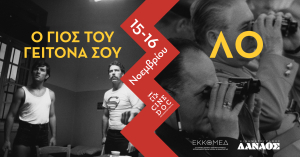
Following two sold-out screenings in Athens and Volos, the CineDoc Documentary Film Festival brings the Danish documentary “Your Neighbour’s Son” (Din nabos søn) back to Athens on 15 and 16 November, at Danaos Cinema.

Directed by Jørgen Flindt Pedersen and Erik Stephensen, the film is one of the earliest cinematic investigations into the mechanisms of torture during the Greek dictatorship. Through testimonies from survivors of torture and former members of EAT-ESA, it explores how young conscripts were trained and transformed into torturers.

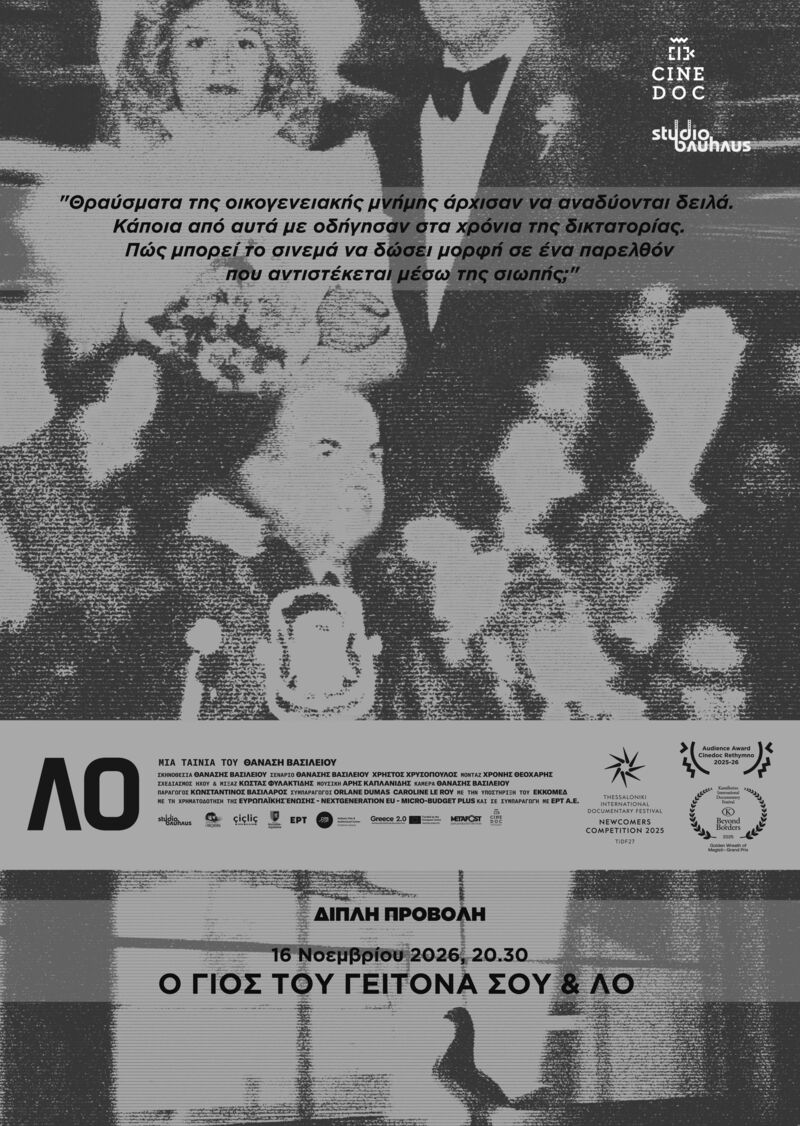
On Monday, 16 November, audiences can also attend a special double screening featuring “LO”, a documentary by Thanasis Vasileiou, which received the 2026 Iris Award for Best Feature-Length Documentary from the Hellenic Film Academy.

“LO” explores family secrets, personal and collective memory, trauma and acceptance. Following his mother's death, director Thanasis Vasileiou returns to his childhood apartment in Athens, embarking on a deeply personal journey through the past and the history of modern Greece.

Screening Schedule

Sunday, 15 November | 18:20
  • “Your Neighbour’s Son”

  • A Q&A will follow with Andreas Apostolidis, director and author, and Panagis Panagiotopoulos, sociologist at the Department of Political Science and Public Administration, National and Kapodistrian University of Athens.

Monday, 16 November | 20:30
  • Double Screening: “Your Neighbour’s Son” and “LO”

  • An introduction by director Thanasis Vasileiou will take place between the screenings.

The screenings are organised in collaboration with Amnesty International.

This November, the CineDoc Documentary Film Festival presents three thought-provoking documentaries exploring different aspects of Greek history, society, memory and identity. From the mechanisms of torture during the Greek dictatorship to the personal and collective memories that shape modern Greece, and the stories of women who have survived gender-based violence, the films invite audiences to reflect on important issues through powerful personal narratives.

The November programme includes the return of the Danish documentary Your Neighbour’s Son (Din nabos søn) by Jørgen Flindt Pedersen and Erik Stephensen, alongside the award-winning Greek documentary LO by Thanasis Vasileiou. Audiences will also have the opportunity to discover Survivors: Rewriting Her Myth, a documentary by Maria Louka and Nina Maria Paschalidou that follows three women as they reclaim ancient Greek myths and transform narratives of oppression into stories of resistance and empowerment.

Screenings will take place in Athens, Volos, Larissa and Rethymno throughout November, with discussions and Q&A sessions featuring directors, journalists, researchers and other guests.


Following two sold-out screenings in Athens and Volos, the CineDoc Documentary Film Festival is bringing the dramatised documentary Your Neighbour’s Son (Din nabos søn) by Danish directors Jørgen Flindt Pedersen and Erik Stephensen back to Athens. The film is one of the earliest cinematic investigations into the mechanisms of torture during the Greek dictatorship. Screenings will take place on 15 and 16 November at Danaos Cinema.

In addition, on Monday, 16 November, audiences who purchase a combined ticket will also have the opportunity to watch LO, a documentary by Thanasis Vasileiou, which received the Iris Award for Best Feature-Length Documentary from the Hellenic Film Academy in 2026.

SCREENING SCHEDULE – DANAOS CINEMA

Advance tickets

In collaboration with Amnesty International.

  • Sunday, 15 November, 18:20

“Your Neighbour’s Son”

A Q&A session will follow with Andreas Apostolidis, director and author, and Panagis Panagiotopoulos, sociologist at the Department of Political Science and Public Administration, National and Kapodistrian University of Athens.

  • Monday, 16 November, 20:30

DOUBLE SCREENING: “Your Neighbour’s Son” and “LO”

An introduction by director Thanasis Vasileiou will take place between the screenings.

Infortmation About The Films

“Your Neighbour’s Son: How a Torturer Is Made”


How does an ordinary young man become a torturer? How is he trained to inflict violence and obey orders that, just a few months earlier, he might have considered unthinkable?

Filmed shortly after the fall of the Junta, the documentary revisits the years 1967–1974, not simply to record the regime’s crimes, but to investigate how violence was organised and taught.

Through testimonies from people who were tortured, as well as former members of EAT-ESA, the film examines the process through which young conscripts were turned into torturers. Panos Sakellariadis was part of the directing team, while Professor of Psychology Mika Haritou-Fatourou served as scientific adviser. She has conducted internationally recognised research into the psychology of torturers.

The film therefore attempts something unusual: it turns the camera not only towards the victims, but also towards the perpetrators. Among them are Michalis Petrou, who describes his training and participation in the ESA mechanism, and Spyros Moustaklis, an army officer and resistance fighter who endured brutal torture following his arrest in 1973.

“Your Neighbour’s Son” was presented in September and October through CineDoc in Athens, Volos and Rethymno, as part of the CINEMA AGAIN screening series, organised by the Hellenic Film Academy in the lead-up to the 39th European Film Awards (Athens, 2027).

“LO”
Official trailer


ΛΟ 70x100 GR NEW3 November 2026

“Lo” means “be quiet” in the dialect of Epirus. When director Thanasis Vasileiou returns to his childhood apartment following his mother’s death, he is confronted with secrets that weigh heavily not only on his family’s history, but also on the history of modern Greece as a whole. Thus begins a journey in the form of a personal diary, tracing the invisible marks that connect a city and its people to their past.

A deeply personal film about all the ways in which emotional memory runs alongside collective memory, exploring trauma, the silence experienced as guilt, love and, ultimately, acceptance.

The documentary premiered at the 27th Thessaloniki Documentary Festival and won the EKOME Award for Best Emerging Director (Greek Programme). It also received the Golden Crown of Megisti (GRAND PRIX), as well as the “Odysseus” Award for Best Documentary by a Greek Director of the Diaspora at the 10th Beyond Borders – Kastellorizo International Documentary Festival. In 2026, it received the Iris Award for Best Feature-Length Documentary from the Hellenic Film Academy.

Director Thanasis Vasileiou’s Note

When I returned from France to the empty apartment of my childhood in Athens, following my mother’s death, I felt like a burglar. Everything that had remained in the shadows for decades now belonged to me. I discovered debts I had known nothing about. I uncovered lies that shook me. How do we inherit our parents’ mistakes? How do we empty their home?

Amid the fear of losing the space that held my last memories with my mother, as well as an entire childhood, I began filming the now-empty surfaces with my mobile phone. In essence, I was rediscovering forgotten gestures from the past, as before leaving Greece for France, I had worked as a camera operator for more than ten years. By placing myself behind a lens once again, I was stirring up time and reconnecting with the past of my inheritance. “Filming” thus became synonymous with “remembering”.

Fragments of family memory, silenced for years, began to timidly emerge. Some of them led me back to the dark years of the dictatorship. How can cinema give shape to a past that resists through silence.

“Survivors: Rewriting Her Myth”

Official trailer
Survivors Poster GR WEB

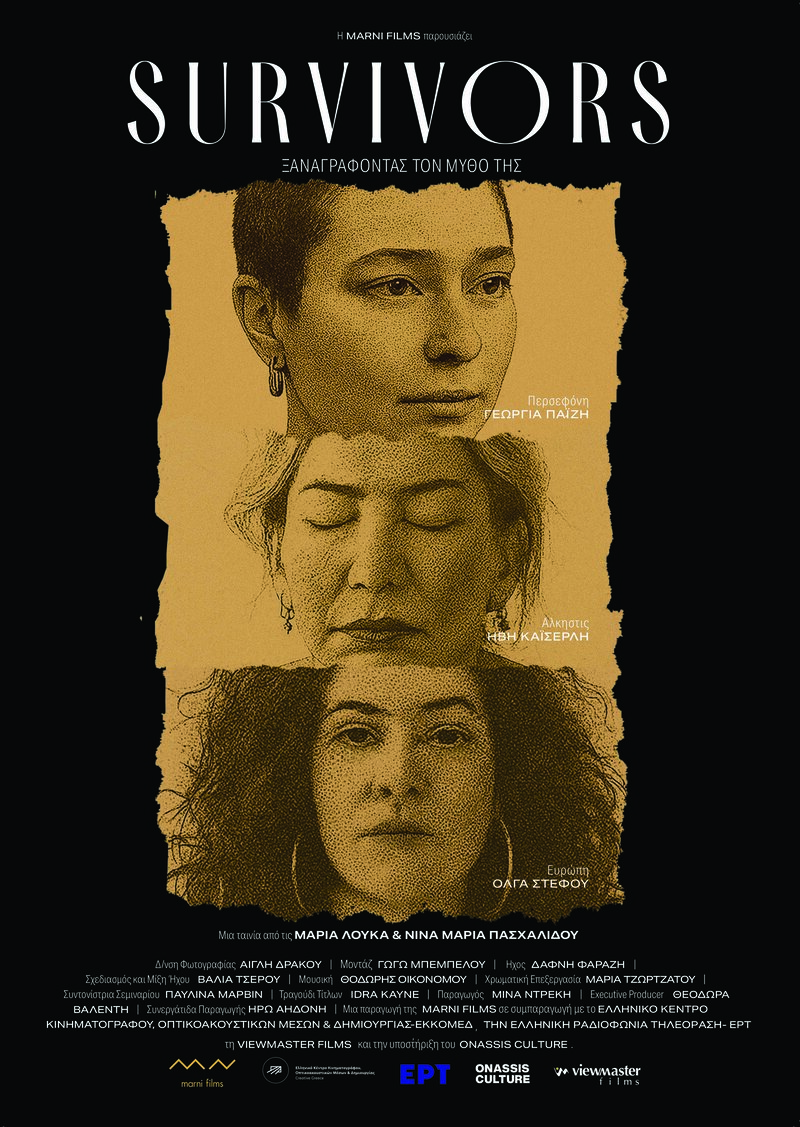
Three women who have survived gender-based violence meet in a creative writing workshop. United, they embark on a journey of renewal, rewriting ancient Greek myths and transforming patriarchal narratives of oppression.

Through the lens of Maria Louka and Nina Maria Paschalidou, the documentary Survivors: Rewriting Her Myth, produced by Marni Films, sheds light on the stories of Olga, Georgia and Ivi, who find their way towards empowerment together.

The film will be screened in Athens, Volos, Larissa and Rethymno as part of the CineDoc Documentary Film Festival 2026–27. The screenings are organised within the framework of events raising awareness about the International Day for the Elimination of Violence Against Women, observed on 25 November.

About the Film

Ancient Greek myths are rooted in the language of patriarchy, which means violence and injustice for women. Even the founding myth of Europe is based on the abduction of a woman.

The documentary follows the healing journeys of Georgia, Ivi and Olga, who have experienced different forms of gender-based violence. Through their participation in a creative writing workshop led by poet and theatre director Pavlina Marvin, they reclaim ancient myths, which serve as reflections of their own suffering, and rewrite them as stories of resistance and renewal.

Georgia is an intimacy coordinator and choreographer. She identifies with the mythical figure of Persephone, who was abducted by Hades and taken to the Underworld. Olga, a journalist and writer who has survived rape, finds points of connection with Europa, who was abducted by Zeus in the form of a bull and deprived of her freedom. Ivi, a transgender woman and sex worker who has experienced a transphobic attack, connects with Alcestis, who sacrificed herself to save her husband.

As the women revisit their trauma, the film weaves together their everyday lives with moments of writing, emotional transformation and reflection. At the end of this journey, three new heroines emerge, women who take ownership of their own lives. Through an experience of sharing and creation, Georgia, Ivi and Olga reinterpret the past and draw strength for the future.

Screening Schedule

ATHENS: 19, 20, 21 and 23 November 2026

PREMIERE

  • Thursday, 19 November, 19:30

    French Institute of Greece (31 Sina Street, Athens)

    A Q&A will follow with directors Maria Louka and Nina Maria Paschalidou and the film's protagonists Ivi Kaiserli, Georgia Paizi, Pavlina Marvin and Olga Stefou. The discussion will be moderated by Christina Galanopoulou, journalist at Athens Voice.

    Advance tickets: Book here

FURTHER SCREENINGS

Danaos Cinema (109 Kifisias Avenue, Ampelokipoi)

Information: Danaos Cinema

Advance tickets: Ticketmaster

  • Friday, 20 November, 18:00

    A Q&A will follow with Despina Kallea, mother of Kyriaki Griva; Anna Apergi, Special Advisor Expert at Diversity Charter Greece and member of the National Commission for Human Rights; and lawyer Ioanna Stentoumi.

    The discussion will be moderated by Eleonora Orfanidou, journalist at Athens 9.84.

  • Saturday, 21 November, 18:00

    A Q&A will follow with journalist Xenia Kounalaki and director Eva Stefani. The discussion will be moderated by Ioanna Bratsiakou, journalist at Kathimerini.

  • Monday, 23 November, 18:00

    A Q&A will follow with Anna Vougiouka, researcher and social scientist, Head of Advocacy at the Diotima Centre; actress Zeta Douka; and poet Lena Kallergi. The discussion will be moderated by Niovi Anazikou, documentary filmmaker, journalist and president of WIFT GR.

LARISSA

  • Friday, 13 November, 20:00

    “Hatzigianneio” Cultural Centre (59 Roosevelt Street)

    Advance tickets will be available at the venue box office on the day of the screening.

    A Q&A will follow with directors Maria Louka and Nina Maria Paschalidou.

VOLOS

  • Saturday, 14 November, 20:00

    “Achilleion” Municipal Cinema of Volos (intersection of Koumoundourou and Iasonos Streets)

    Co-organised with the Social Intervention and Culture Company (EKPOL) of the Region of Thessaly. Admission is free.

    A Q&A will follow with directors Maria Louka and Nina Maria Paschalidou.

RETHYMNO

  • Saturday, 28 November, 20:00

    “Simeio” Cultural Space (17 Patriarchou Athinagora Street)

    Advance tickets will be available at the venue box office on the day of the screening.

    A Q&A will follow with director Nina Maria Paschalidou.

Directors’ Note

As women, we have both experienced incidents of gender-based violence at times when it was very difficult to speak about such an experience and, above all, to be heard. We therefore carry this trauma in our biographies and try to process it, place it within the broader story of what it means to be a woman under patriarchy, and transform it creatively through the language of cinema. A gender perspective is present in each of our bodies of work, and it is with this background that we have collaborated on our film Survivors – Rewriting Her Myth, now turning our gaze towards life after violence.

Many women who experience gender-based violence themselves, or have someone close to them who does, suffer and feel as though they have reached a wall. What hurts them is presented through patriarchal stereotypes as a natural state of affairs, as an expression of “love”, or as their own fault. Given that, until recently, such issues remained largely silenced and women's unmediated voices rarely reached the public sphere, the film first and foremost places the words, memories, silences and physical experiences of its protagonists at its centre.

We have formed a connection and built a relationship of trust and care with the three women we follow, Olga, Ivi and Georgia. It is particularly important to us that the film gives space to their stories and, through the workshop, creates a space where these three stories meet the myths of Persephone, Alcestis and Europa. They trace the roots of gender-based violence and oppression back to the beginnings of time and rewrite mythology as they believe it should be written.

This is not a film about gender-based violence, but a cinematic journey towards healing, an exploration of the inner worlds of women who have managed to survive this devastation, move forward, grow stronger and open a path of escape and hope for women and feminine identities at risk.

(Maria Louka & Nina Maria Paschalidou) 


About The CineDoc Documentary Film Festival

Download the CineDoc Documentary Film Festival 2026–27 catalogue here.

Watch the trailer for the CineDoc Documentary Film Festival 2026–27 here.

CineDoc screens and distributes award-winning Greek and international documentaries. The Festival aims to highlight documentary filmmaking as one of the most influential forms of art. We believe in its power to inspire us, change our perceptions and influence the way we see the world and our lives.

For the past 16 years, CineDoc has taken place annually from September to April, presenting one new film each month in collaboration with cultural and film organisations. The screenings are accompanied by discussions and events that bring audiences into contact with directors and experts, opening up a broader dialogue around the themes explored in the films.

The Festival is co-organised with the French Institute of Greece, Danaos Cinema, the Region of Thessaly, the Municipality of Larissa, the Thessaloniki International Film Festival, the Simeio Cultural Space in Rethymno, and the “Gymnos Ophthalmos” Film Club in Patras.

Starting in Athens, the screenings travel to Thessaloniki, Volos, Larissa, Rethymno and Patras, as well as to villages across Thessaly and Greek islands. At the same time, CineDoc continues to expand its screening network throughout the country through collaborations with film clubs, schools, local communities, and cultural and environmental organisations, with activities taking place throughout the year.

The sponsor of the CineDoc Documentary Film Festival 2026–27 is the Hellenic Film and Audiovisual Center (EKKOMED).

Follow CineDoc on Facebook and Instagram.


Page 2 of 481