

WELLNESS HUB

XpatAthens
My Week in Athens… Oct 25

My appointment at the US Embassy Notary was for 9:00 Monday morning and I got the email files with the final paperwork late Friday night. Now I all had to do was find a place that could print all 150 pages on a Saturday. And while I'm used to 24 Hour Kinko's, this is Greece...
As I left my apartment Saturday morning to try to find a copy store or internet cafe, my neighbors asked the usual questions--"how are you, where are you going today, etc." As I explained my predicament, the whole family gathered at the door. "You can't go to an internet cafe! It will be too expensive..." "Wait! We will give you a map of a better place..." The next thing I knew, the directions to a better place had been upgraded to a personal guide and the father had me on the back of his scooter to take me to the copy shop of their friends. "We've called. They can do it. Don't worry." 20 minutes later, I had my 150 pages, had paid only 6 euros, a fraction of what it would have been at an internet cafe, and had an exciting scooter ride through Athens.
Services like 24 Hour Kinko's may be more convenient, but there's something much more powerful about the personal touch and connection that you get navigating your way through Greece. I guess that's what we love about it.
Thanks Lynn for sharing your story with us. We look forward to hearing more stories.
Until next week,
Jack
In this weekly space, keep up with ‘Jack’ as he navigates daily life in Athens… Anecdotes, stories, hits & misses, the good, the bad and, well, the rest…
Can You Raise Happy Children?

Let’s address this question with a profound truth: parents wield enormous influence over their children's emotional well-being. The parental impact on shaping children’s happiness is well-documented and has transformative potential.
Let’s explore the various ways parents hold the key to cultivating their children's capacity for lasting happiness and fulfillment!
Being the Example
Children are keen observers, absorbing not just words but actions and behaviors of their parents. Thus, one of the most powerful ways parents can teach happiness is by experiencing it themselves. By cultivating our own sense of well-being, engaging in activities that bring us joy, and practicing gratitude, we become living examples of happiness. When children see their parents happy, they learn resilience, optimism, and zest for life, internalizing happiness and laying the foundation for their own emotional well-being.
Emotional Intelligence: The Power of Connection
Emotional intelligence is a crucial predictor of a child's long-term happiness. By promoting skills of open communication, empathy, and emotional regulation, parents equip their children with the tools to navigate life’s ups and downs with resilience and grace. Encouraging children to express their emotions freely, validating their feelings, and providing a safe space to explore their inner world fosters a sense of emotional security and self-awareness, essential for happiness.
Positive Environment: Planting the Seeds of Happiness
The environment serves as the fertile ground where children's emotional well-being takes root and flourishes. Parents can create a positive atmosphere by infusing daily interactions with warmth, affection, and encouragement. Celebrating successes, no matter how small, and offering support and reassurance during tough times cultivates a sense of competence and confidence in children, boosting their self-esteem and resilience. Additionally, creating bonding rituals—such as family meals, shared activities, or bedtime routines—fosters a sense of belonging and strengthens family ties, promoting feelings of happiness and security.
Loving Imperfections
In the pursuit of happiness, it's important for parents to embrace their children’s imperfections as an integral part of growth. Recognizing and learning from mistakes, reframing challenges as growth opportunities, and demonstrating compassion show that failures are a natural part of life’s journey. This way, parents instill a positive and resilient mindset in their children, allowing them to live with optimism and courage—fundamental pillars of happiness.
As parents, it is our responsibility to create an environment where our children feel safe to explore, express themselves, and learn from both successes and failures. Through our actions and behaviors, we have the power to shape their perceptions of themselves and the world around them.
Let’s embark on the parenting journey with intention, compassion, and a steadfast commitment to cultivating a legacy of happiness that will endure for generations. In doing so, we not only ensure our children’s well-being but also contribute to creating a brighter future for all.

Love Yourself is a comprehensive Greek media platform dedicated to embracing mindstyle as its fundamental essence. It advocates for a wholesome lifestyle that nurtures not only our soul, mind, and body but also promotes a positive and sustainable attitude towards the planet we call home. For more information, visit Love Yourself's website!
Embracing Our Uniqueness: How To Teach Our Children The Importance Of Self-Love

Self-Love: The Cornerstone of Psychological Well-Being
We often confuse self-love with narcissism, but while the latter is a personality disorder, the former is the foundation of a healthy and fulfilling life. Self-love is not about self-obsession or vanity; rather, it is essential for cultivating a positive relationship with oneself.
Numerous studies have revealed the tangible benefits of self-love. Individuals who cultivate self-love tend to have higher self-esteem, emotional well-being, and improved overall welfare. When people love and accept themselves, they see themselves as valuable, capable, and worthy of happiness, which in turn enhances their confidence in various aspects of life.
Most importantly, self-love plays a critical role in strengthening mental resilience. When children love themselves, they develop an inner strength and confidence that helps them respond to life's challenges. They become less dependent on external validation, making them more adaptable and better equipped to handle setbacks.
Teaching Self-Love to Our Children
Be Role Models: Children learn by observing the adults in their lives. If we love ourselves and demonstrate it through strategies like positive self-talk, our children will follow suit.
Encourage Open Communication: Create a safe environment for children to express their thoughts and feelings without fear. Encourage them to talk about their insecurities and fears, and provide empathetic, non-judgmental support.
Promote Self-Discovery: Every child needs to embark on a journey of self-discovery, and the role of every parent and guardian is to be a companion, not a captain. Children will discover their interests, likes and dislikes, and dreams for the future on their own. We should encourage them to engage in activities that bring them joy and a sense of fulfillment, celebrating their achievements, no matter how small.
Limit Negative Influences: Childhood is generally a very fragile period, and a child’s self-perception can be negatively affected by external factors like social media. Talk to children and teach them to use critical thinking to reject unrealistic beauty standards and ideals of success.
Provide Unconditional Love: Attachment theory highlights the importance of a secure emotional base from which children explore the world and, by extension, themselves. Remind children that your love is unwavering and not dependent on their achievements or behavior. Only then will they learn to love themselves, day by day.
Incorporating these strategies into our parenting is vital for instilling the value of self-love in children. This lays the foundation for a more confident and emotionally healthy future.
As we embark on this journey together, we must remember that self-love is not just about feeling good about ourselves. It is an ongoing process that equips us with the courage and resilience to face difficulties, and it is the only way to achieve true happiness!
My Week in Athens… Nov 1

This week we hear from Gillian, who recently spent a couple action-packed days in our city…
“I wanted to send this to you, since I often read the weekly newsletters and remember fondly my visits to Greece…
I’ve just returned from a fun week in Crete, cycling around the island with a group of fellow bike-enthusiasts. Before our return to our various homelands, a few of us decided to spend two nights in Athens (cheaper return flights!). We stayed at a small central hotel, and set out on foot to see what we could see in the ‘capital of crisis’.
In between the large number of closed shop windows and the sadness of the homeless people one can see for the first time ever on Athens’ streets, I must say that I felt an incredible energy in the city. Streets still filled with people, families still out and about, warm smiles & generous spirit all around.
I have great hope for Athens and Greece, that this energy will stamp out the hardships of today and pave the way for a better tomorrow. I feel this is really possible! I look forward to visiting again soon.”
Thanks for this, Gillian…
Until next week,
Jack
In this weekly space, keep up with ‘Jack’ as he navigates daily life in Athens… Anecdotes, stories, hits & misses, the good, the bad and, well, the rest…
Tips To Truly Relax & Rest This Summer

1. Create a Relaxing Environment

Your surroundings play a significant role in your ability to relax. Transform your space into a calming retreat by:
Decluttering: A tidy space can lead to a tidy mind. Clear out any unnecessary items and keep your environment organized. Nature Elements: Incorporate plants, flowers, or even seashells into your decor to bring a touch of nature indoors.
Soft Lighting: Use soft, warm lighting, such as candles or fairy lights, to create a soothing atmosphere.
2. Disconnect from Technology

Constant connectivity can be a major source of stress. This summer, make a conscious effort to:
Set Boundaries: Limit your screen time, especially before bed. Designate specific times of the day to check emails and social media.
Digital Detox: Consider a digital detox by spending a day or weekend without electronic devices. Use this time to engage in offline activities.
3. Embrace Outdoor Activities

Summer offers numerous opportunities to enjoy the great outdoors. Engaging in outdoor activities can significantly boost your mood and reduce stress:
Beach Days: Spend a day at the beach soaking up the sun, swimming, and building sandcastles.
Nature Walks: Take a walk in the park or a hike in the mountains. Nature has a calming effect that can help you feel more relaxed.
Picnics: Plan a picnic with family or friends. Enjoying good food and company in a natural setting is a perfect way to unwind.
4. Practice Mindfulness & Meditation
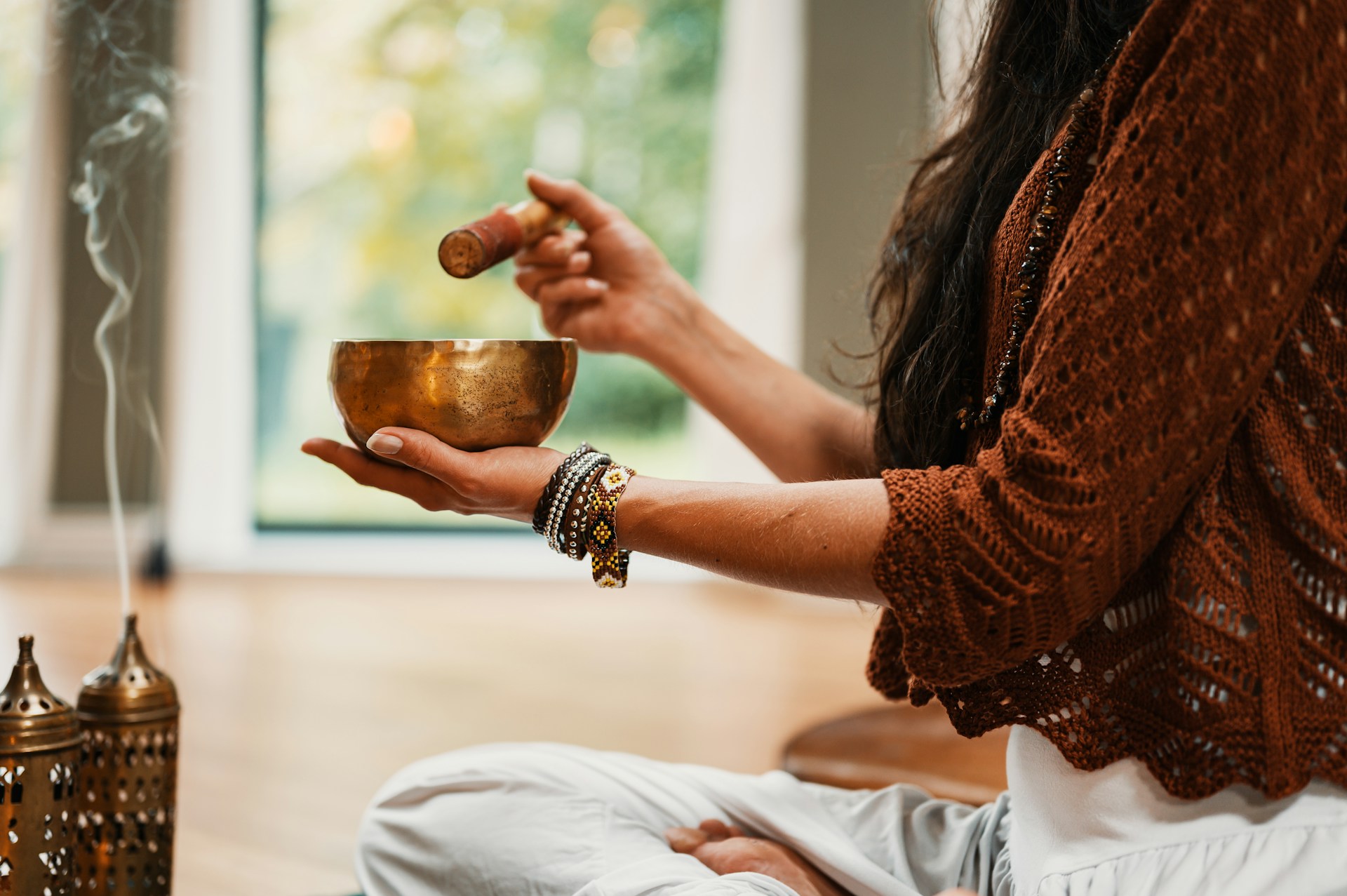
Mindfulness and meditation are powerful tools for relaxation. They help you stay present and reduce anxiety:
Morning Meditation: Start your day with a short meditation session to set a calm tone for the day.
Mindful Breathing: Practice deep breathing exercises throughout the day to center yourself and alleviate stress.
5. Indulge in Leisure Activities

Summer is a great time to engage in hobbies and activities that bring you joy:
Reading: Find a cozy spot outdoors and lose yourself in a good book. Gardening: Spend time in your garden planting flowers, herbs, or vegetables. Gardening is therapeutic and rewarding.
Crafting: Explore creative activities like painting, knitting, or DIY projects.
6. Prioritize Restful Sleep

Quality sleep is essential for relaxation and overall health. Ensure you’re getting enough rest by:
Setting a Routine: Go to bed and wake up at the same time every day, even on weekends.
Creating a Sleep-Friendly Environment: Keep your bedroom cool, dark, and quiet. Invest in a comfortable mattress and pillows.
Relaxing Before Bed: Establish a pre-sleep routine, such as reading a book, taking a warm bath, or listening to calming music.
7. Stay Hydrated & Eat Light

Your diet plays a crucial role in how you feel. During summer, focus on:
Hydration: Drink plenty of water throughout the day to stay hydrated. Infuse your water with fruits like lemon, cucumber, or mint for a refreshing twist.
Light Meals: Opt for light, nutritious meals such as salads, smoothies, and grilled vegetables. Avoid heavy, greasy foods that can make you feel sluggish.
8. Spend Quality Time with Loved Ones

Connecting with family and friends can be incredibly rejuvenating:
Family Gatherings: Plan barbecues, game nights, or movie nights with loved ones.
Social Activities: Join local summer events, festivals, or community gatherings to meet new people and enjoy shared experiences.
September: Your Fresh Start to Achieve New Goals!

How To Get Into The Workout Mood: 7 Tips To Boost Your Motivation

1. Set Clear, Realistic Goals
Having a goal in mind makes it easier to stay motivated. Rather than aiming for something vague like “get fit,” set specific, measurable goals like “run 5k in 6 weeks” or “do 10 push-ups in a row.” Break them down into smaller milestones to avoid feeling overwhelmed. Each time you achieve one, you’ll feel a sense of accomplishment, making it easier to keep going.
2. Create a Routine
Consistency is key when it comes to building a workout habit. Schedule your workouts at the same time each day, just like any other important appointment. Morning workouts are great for some people because they get it done before the day starts, while others prefer to wind down with exercise after work. Find what works for you and stick to it.
3. Get Your Gear Ready in Advance
Eliminate excuses by preparing your workout clothes and equipment ahead of time. If you plan to exercise in the morning, lay out your workout clothes the night before. If you're hitting the gym after work, pack your gym bag and have it ready to go. This simple act can make it easier to follow through with your plan.
4. Start Small & Build Up
If the thought of a full workout feels daunting, start small. Commit to just 10 minutes of exercise—once you're moving, you might find it easier to keep going. Often, the hardest part is getting started, and once you overcome that initial resistance, you'll be glad you did.
5. Find a Workout You Enjoy
You’re more likely to stay motivated if you actually enjoy the activity you're doing. If traditional gym workouts feel like a chore, experiment with different forms of exercise. Try dancing, swimming, hiking, yoga, or even group fitness classes. The key is to find something that feels less like a “workout” and more like fun.
6. Use Music or Podcasts as Motivation
Music can be a powerful motivator. Create a playlist of your favorite upbeat songs to get you energized. Alternatively, use your workout time to listen to an interesting podcast or audiobook. Focusing on something you enjoy can help distract you from the effort and make the time pass more quickly.
7. Reward Yourself
Incentives work wonders for motivation. Set up a reward system for reaching your workout goals. It could be something simple like treating yourself to a new fitness outfit, enjoying a movie night, or indulging in a relaxing bath after a tough session. The key is to associate working out with something positive.
The Benefits Of Slow Living: A Journey To Mindfulness & Inner Peace


- Mindful Presence and Inner Peace One of the most profound benefits of slow living is cultivating mindfulness. By consciously slowing down, you begin to experience the world in a deeper, more present way. This helps quiet the mental chatter that often accompanies a busy lifestyle, reducing anxiety and promoting inner calm. Practices like mindful eating, where you savor each bite and appreciate the food in front of you, can transform mundane activities into moments of gratitude and joy.
- Enhanced Emotional Well-Being The constant pressure to keep up with societal expectations can take a toll on mental health. Slow living invites you to step off that treadmill, reducing the strain of perfectionism and competition. By embracing a slower, more deliberate pace, you’ll find more space for emotional self-care, reflection, and self-compassion. This lifestyle fosters emotional resilience, allowing you to handle life’s challenges with greater ease and a balanced mind.
- Stronger Connections with Others In Greek culture, slow living often manifests in the form of long meals shared with family and friends. These moments of connection, away from distractions, are central to well-being. Slow living encourages deeper relationships by creating space for more meaningful interactions. Instead of rushing through conversations, you take time to listen, to engage, and to be truly present with loved ones—fostering stronger emotional bonds.
- A Deeper Connection with Nature Nature has always been a source of spiritual nourishment, and slow living encourages us to reconnect with the natural world. By taking the time to walk in nature, garden, or simply sit outside and enjoy the breeze, we not only reduce stress but also realign ourselves with the rhythms of the earth. This connection to nature offers a grounding experience, helping us to feel more centered and at peace with the world around us.
- Increased Creativity and Productivity Contrary to what some might think, slowing down doesn’t mean being unproductive. In fact, taking a step back often allows for greater creativity and more focused work. By eliminating distractions and giving yourself the time to think, reflect, and create, you become more attuned to your inner thoughts and inspirations. The space slow living creates can lead to bursts of creativity and more intentional, high-quality work.
- Simplicity and Minimalism Slow living naturally leads to a more minimalist approach to life. By focusing on what truly brings joy and value, you’ll find yourself drawn to simplicity. This might mean decluttering your home, simplifying your schedule, or cutting back on unnecessary commitments. The result is more freedom, less stress, and a life that feels lighter and more aligned with your true self.

- Set Boundaries with Technology Technology is one of the biggest contributors to the frantic pace of modern life. To embrace slow living, consider setting boundaries around your use of devices. This could mean designating certain hours as screen-free or creating tech-free zones in your home. By reducing digital distractions, you’ll create more space for mindfulness and meaningful experiences.
- Prioritize What Matters Slow living is about aligning your life with your values. Take time to reflect on what truly matters to you—whether it’s spending more time with family, nurturing a hobby, or simply having time to rest. Prioritize these things, and let go of the rest. When you focus on what brings you joy and fulfillment, the quality of your life improves dramatically.
- Practice Mindful Routines Even on the busiest of days, there are opportunities to slow down. Whether it’s preparing a meal with care, enjoying a mindful walk, or setting aside time for meditation, these small acts of mindfulness can make a big difference. Integrating these practices into your routine helps cultivate a sense of peace and presence, no matter how hectic life gets.
- Embrace Imperfection Slow living isn’t about doing everything perfectly—it’s about being kind to yourself and accepting that life doesn’t have to be rushed or flawless. Embrace the imperfections, the slower pace, and allow yourself the space to breathe, grow, and evolve.

My Week in Athens… Nov 15

The afternoon was a mix of coffee and meze at a neighbourhood taverna behind the Akropolis Museum – Mani Mani is a great little ‘local’ treat. The menu is a delicious twist on typical tavern fare, with traditional and not-so-traditional food from the southern Peloponnese.
Later in the evening, I met up with some friends for a catch-up at Gazarte.
Gazarte is on the sophisticated end of things in Gazi, with live events, an art-house cinema, bar and restaurant. It’s the kind of place that has something for everyone – in an atmosphere that is decidedly ‘comfy’ and welcoming, with a great cocktail list.
Traffic and an evening protest notwithstanding, Sunday proved to be a great day. With friends, food and fun on the ticket, what could be better….
Until next week,
Jack
Mani Mani
Falirou 10, Makriyianni
www.manimani.com.gr
Gazarte
Voutadon 34 , Gazi
www.gazarte.gr
In this weekly space, keep up with ‘Jack’ as he navigates daily life in Athens… Anecdotes, stories, hits & misses, the good, the bad and, well, the rest…
Appreciating Life In A Big City: Why It Matters & How to Do It In Athens


1. Fosters Mental Well-Being
2. Builds Stronger Connections
When we appreciate life, we’re more present in our interactions with others. In a big city like Athens, where people come from all walks of life, taking time to connect with others—whether it's a friendly conversation at a café or a smile shared with a stranger—strengthens the sense of community. It reminds us that we’re all part of a greater whole, sharing the same space and experiences
3. Encourages Mindfulness
In the fast-paced rhythm of city life, it’s easy to get caught up in to-do lists and daily tasks. Appreciating life helps us slow down and be mindful of the present moment. Mindfulness allows us to be fully aware of our surroundings and experiences, which leads to greater fulfillment and contentment.
4. Inspires Personal Growth
When we take the time to appreciate life, we often gain new perspectives. Gratitude for life’s simple pleasures—like the beauty of the Acropolis at sunset or the sound of the sea at Piraeus—helps us stay grounded, humble, and more open to personal growth. In this way, appreciation isn’t just about living in the moment, but also about reflecting on how we can continuously improve ourselves and our relationships.

-
Explore the Blend of Old and New
Athens is a city where ancient history meets modern culture, making it a perfect place to practice appreciation. Take time to explore the city’s landmarks, like the Parthenon or the Temple of Olympian Zeus, and reflect on the history that has shaped the world today. At the same time, appreciate the city’s vibrant contemporary life—its art, music, and cuisine that make Athens so unique.
-
Enjoy Green Spaces
Despite being a busy city, Athens is home to many parks and gardens. Spend time in places like the National Garden or Mount Lycabettus, where you can disconnect from the urban noise and reconnect with nature. These green spaces offer a moment of tranquility, where you can reflect on the natural beauty around you and practice mindfulness.
-
Practice Daily Gratitude
Living in a big city can often feel overwhelming, but practicing daily gratitude can help you appreciate the small joys. Whether it’s the taste of a delicious souvlaki, the sound of children playing in a local square, or the beauty of the Mediterranean light, acknowledging these little moments can make a big difference in your outlook.
-
Embrace the City’s Slower Side
Athens might be a fast-moving city, but it also has a slower, more relaxed side. Make time for leisurely activities like sipping a coffee at a local café, taking an evening stroll through the old Plaka neighborhood, or enjoying a sunset at Sounion. These slower moments can help you pause and reflect, appreciating life without the rush.
-
Be Present in Social Interactions
Athenian culture is deeply social, and there are endless opportunities to connect with others. From casual chats at a taverna to deeper conversations with friends and family, being fully present in these interactions helps you appreciate the richness of human connection. Listen deeply, share openly, and savor the shared moments of laughter, joy, and understanding.
-
Focus on Experiences, Not Materialism
Living in a big city like Athens can sometimes lead to a focus on material possessions and status. However, appreciating life often comes from experiences, not things. Seek out experiences that enrich your life, whether it’s attending a local theater performance, learning something new at a museum, or spending a day at the beach. These moments create lasting memories and a deeper sense of fulfillment.