
Wellness Hub Top Banner
XpatAthens

XpatAthens

Wednesday, 20 November 2024 15:02

Balancing Parenting & Extracurricular Activities
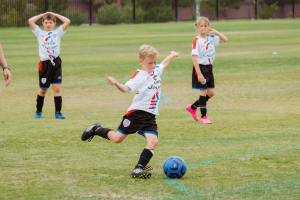
Parenting in today’s world can often feel like juggling flaming swords, especially when extracurricular activities enter the mix. From soccer practices and dance recitals to coding clubs and art classes, the options are endless, and so are the logistics. 

While extracurricular activities can enrich a child’s development and provide essential life skills, they can also overwhelm families if not managed wisely. Here are some tips to help parents navigate this busy landscape while maintaining their sanity.

1. Prioritize & Choose Wisely

Children may want to try everything, and it’s natural for parents to want to support their enthusiasm. However, overloading their schedules can lead to burnout for both kids and parents.
  • Focus on Interests: Encourage your child to pick one or two activities they are genuinely passionate about.
  • Consider Age & Development: Younger children may need more downtime, while older kids may thrive on structured commitments.
  • Set Limits: A manageable schedule ensures kids have time for schoolwork, family, and free play.
2. Plan & Organize

Effective planning is the backbone of managing extracurricular activities.
  • Create a Family Calendar: Use digital tools or a physical planner to track commitments, ensuring you don’t double-book or miss an event.
  • Coordinate with Other Parents: Carpooling can save time and reduce stress.
  • Prepare in Advance: Keep gear and uniforms organized and ready to go to avoid last-minute scrambles.
3. Communicate with Your Child

Extracurricular activities should be enjoyable, not a source of stress.
  • Check In Regularly: Ask your child how they feel about their commitments. If they seem overwhelmed, it may be time to scale back.
  • Encourage Balance: Teach them the importance of balancing activities with rest and unstructured time.
4. Make Time for Family

With packed schedules, family time can often take a back seat. Make an effort to prioritize moments together.
  • Family Meals: Even with busy evenings, try to have at least a few meals together each week to reconnect.
  • Quality Over Quantity: Whether it’s a weekend hike or a movie night, make the time you spend together meaningful.
5. Recognize Your Own Limits

Parents often bear the brunt of extracurricular logistics. It’s important to acknowledge your boundaries.
  • Ask for Help: Don’t hesitate to enlist other family members or friends for support.
  • Set Realistic Expectations: You can’t be everywhere at once; sometimes, you’ll have to make tough choices.
  • Prioritize Self-Care: Taking care of yourself ensures you have the energy to care for your family.
6. Emphasize Quality, Not Quantity

Remember, the goal of extracurricular activities is to enrich your child’s life, not to fill every moment with structured tasks.
  • Focus on Personal Growth: Whether it’s learning teamwork or building resilience, what matters is how the activity benefits your child’s development.
  • Celebrate Achievements: Show your support by attending events and celebrating milestones, no matter how small.
7. Be Flexible & Adapt

Schedules and interests will evolve as your child grows. Stay flexible and be ready to adjust as needed.
  • Reassess Annually: Each year, evaluate which activities are worth continuing and which can be dropped.
  • Be Open to Change: If an activity no longer serves your child’s interests or wellbeing, it’s okay to move on.
The Bigger Picture

Extracurricular activities are just one piece of the parenting puzzle. By managing them effectively, parents can help their children enjoy fulfilling experiences while maintaining a balanced, happy family life. Remember, it’s not about doing it all but about doing what works best for your family.

Parenting is a journey, and each step is an opportunity to learn and grow together. Take a deep breath, keep perspective, and embrace the beautiful chaos!
By Maria Ermides

After spending the summer melting in Athens and scrolling through endless posts of friends who had escaped to the islands, the invitation to join a Nefeli Nine retreat felt like one I couldn’t refuse.
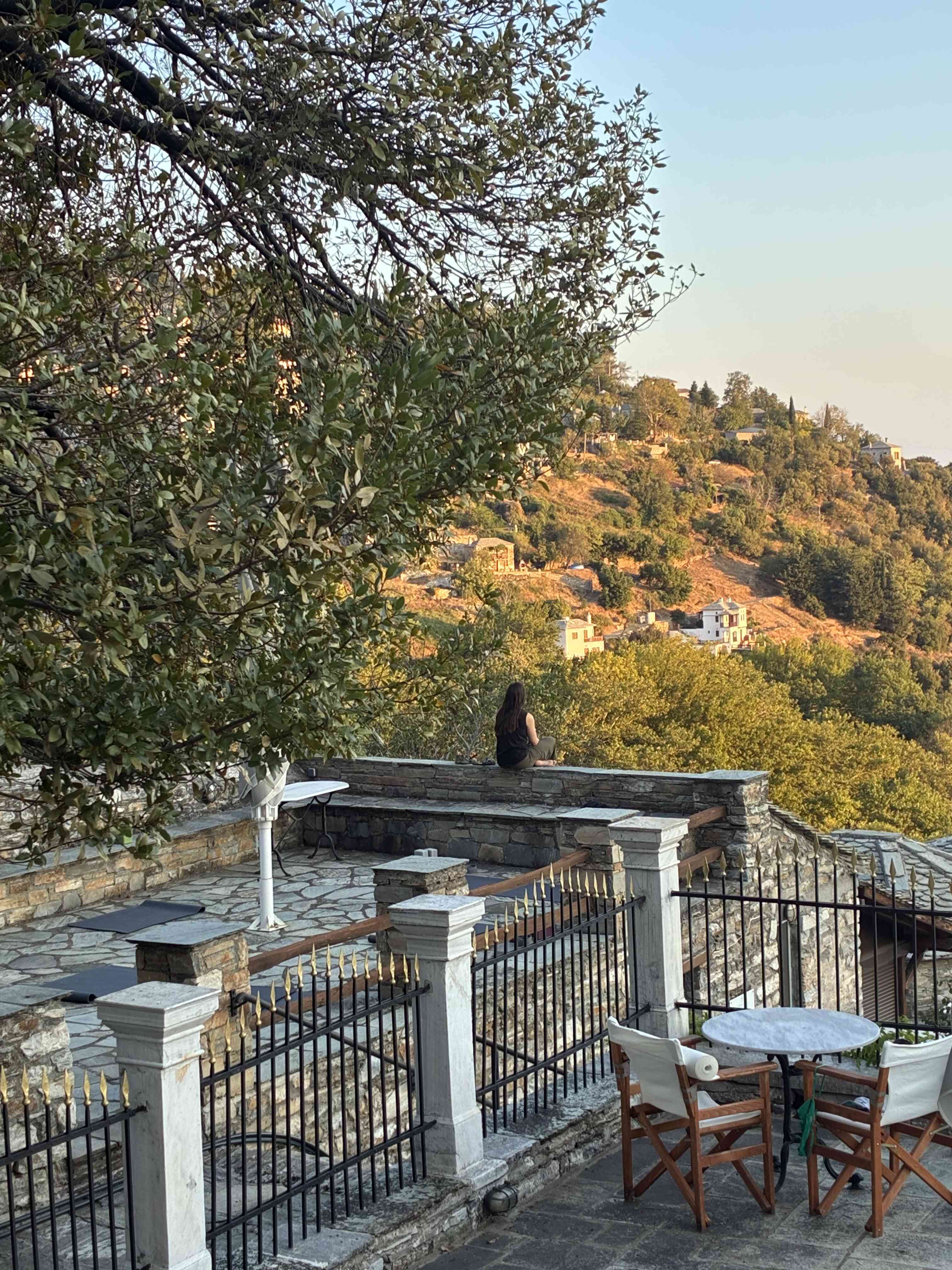
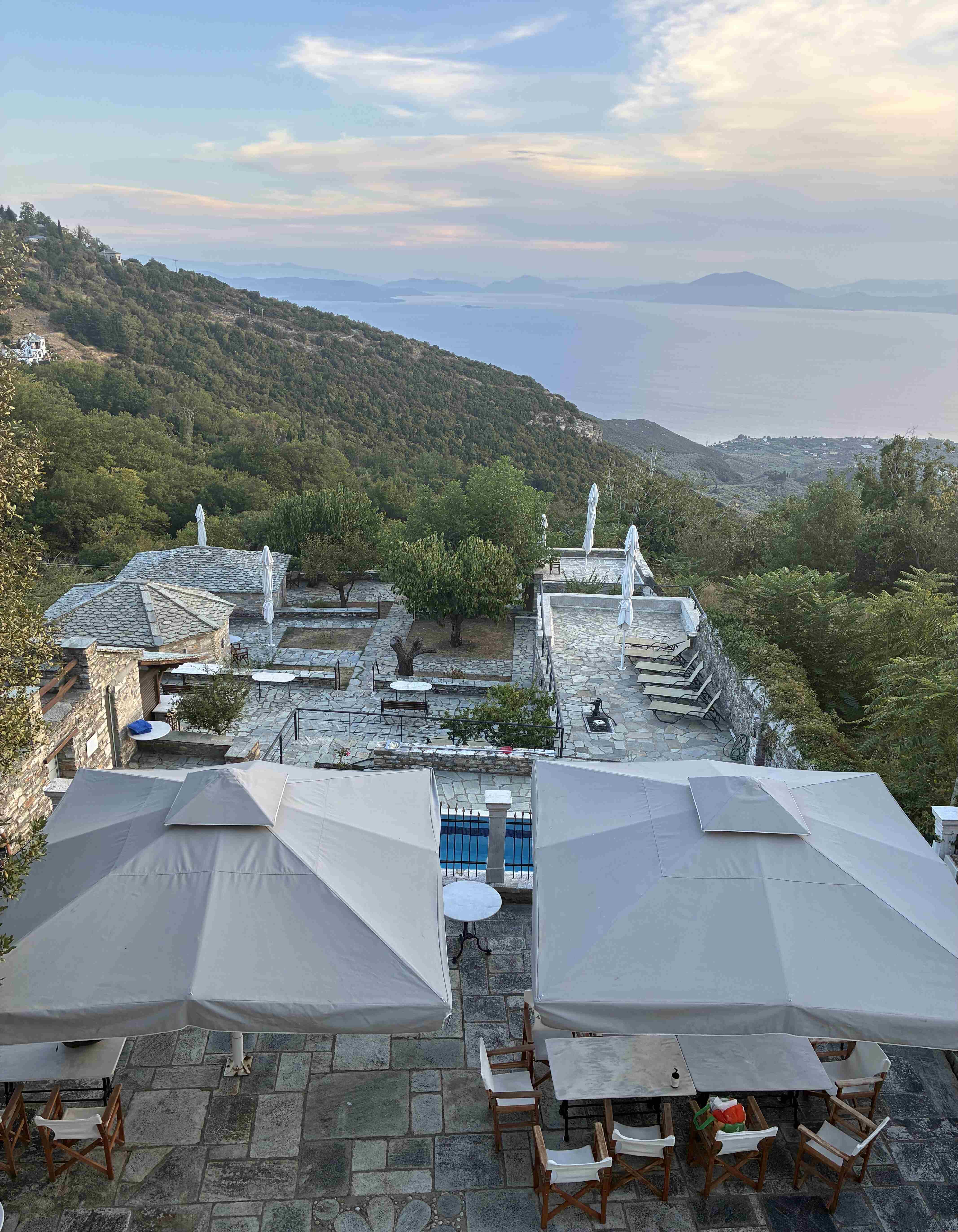
All I knew was that it was set in the mountainous peninsula of Pelion, with daily yoga and hikes. Everything else, like the details you don’t want to worry about on a trip, would be handled by founder Stephanie Contomichalos and her team. I mean, nature, stillness, and a chance to reconnect with my love of yoga and see a different side of Greece? It was an obvious yes.

Our journey began on a Saturday, when we gathered at the airport for the 4+ hour trip. We were met by Elias, our hiking guide, and Irini, our yoga teacher—who would quickly become not just guides, but companions throughout the week.

Elias introduced us to Moirolói music on the drive, explaining how it honored the dead by celebrating life. And it was these little snippets of culture and knowledge from the team, sprinkled over the next 6 days, that would make it feel all the more enriching. 

tempImageRMPrNx

As someone prone to motion sickness, the thought of a long journey was daunting. But after a seaside stop in Kamena Vourla for meze and conversation with our group, the hours melted away. It was in that moment, over shared plates, that I knew this week would be much more than just a holiday.

As I scanned the property, I mentally took note of where I would sit and ponder- by the pool, by the many ledges overlooking the spectacular view, or even in my lovely room. So many options.

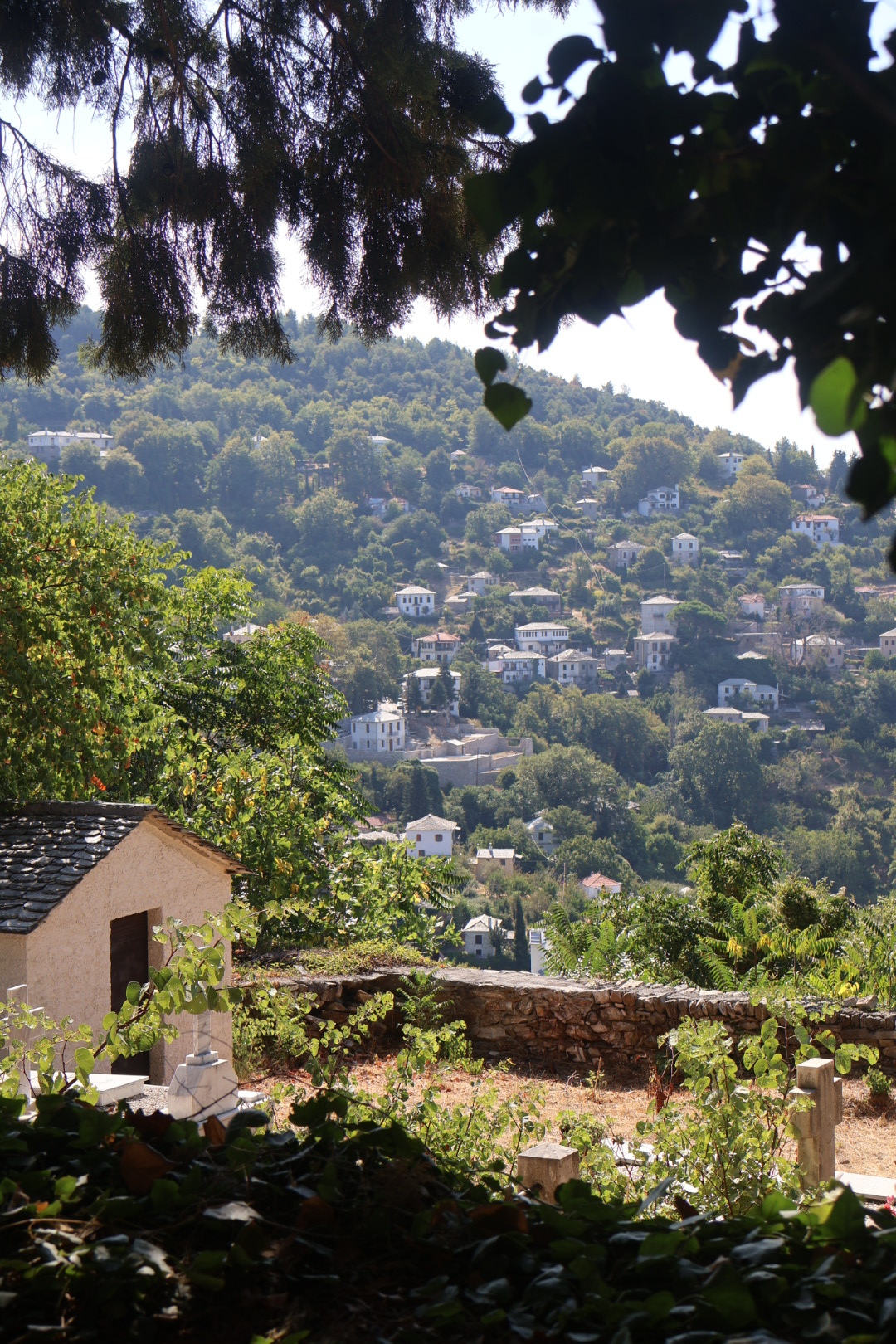
By early evening, we arrived at Archontiko Stathopoulou Hotel and were greeted by Steph herself—apron on, slipping out of dinner preparations to give us a very warm welcome. From first glance at the property, I was completely blown away. Not only by the view of the Pagasitikos gulf and the village nestled amongst the mountains, but also by how tranquil it felt.  Dating back to the 19th century, the first detail I noticed about the hotel was the stunning murals, adorning ceilings around the villa, including my bedroom. Waking up beneath them each morning truly felt like waking up inside my own private art gallery. If there was ever a place to unwind, release your worries, and simply be, this was it. I found myself already mapping out where I’d spend quieter moments between yoga and hikes—by the pool, perched on a ledge overlooking the view, or tucked away in my room.

tempImageWdvyHi

I think for many, the prospect of going somewhere new solo can be intimidating. Especially when you aren’t surrounded by the comfort of familiar faces or maybe even the familiarity of your favourite pillow. But from that first evening, as we all gathered for our first dinner at our new home for the week, it became very clear that this was a safe space to be.

Steph briefed us on what was to come, including our yoga schedule and the days we would be doing hikes, as well as making sure to include the level of difficulty. What was emphasised also was that we weren’t obliged to participate all of the time. Too tired for the morning yoga class? Sleep in. Don’t quite feel like a hike on the last day? Feel free to lounge by the pool. Going on a retreat with Nefeli Nine is not signing your life away to some sort of militant boot camp. The pace, as I came to find, is very manageable, and food—and carbs in general—are passed around and enjoyed freely.

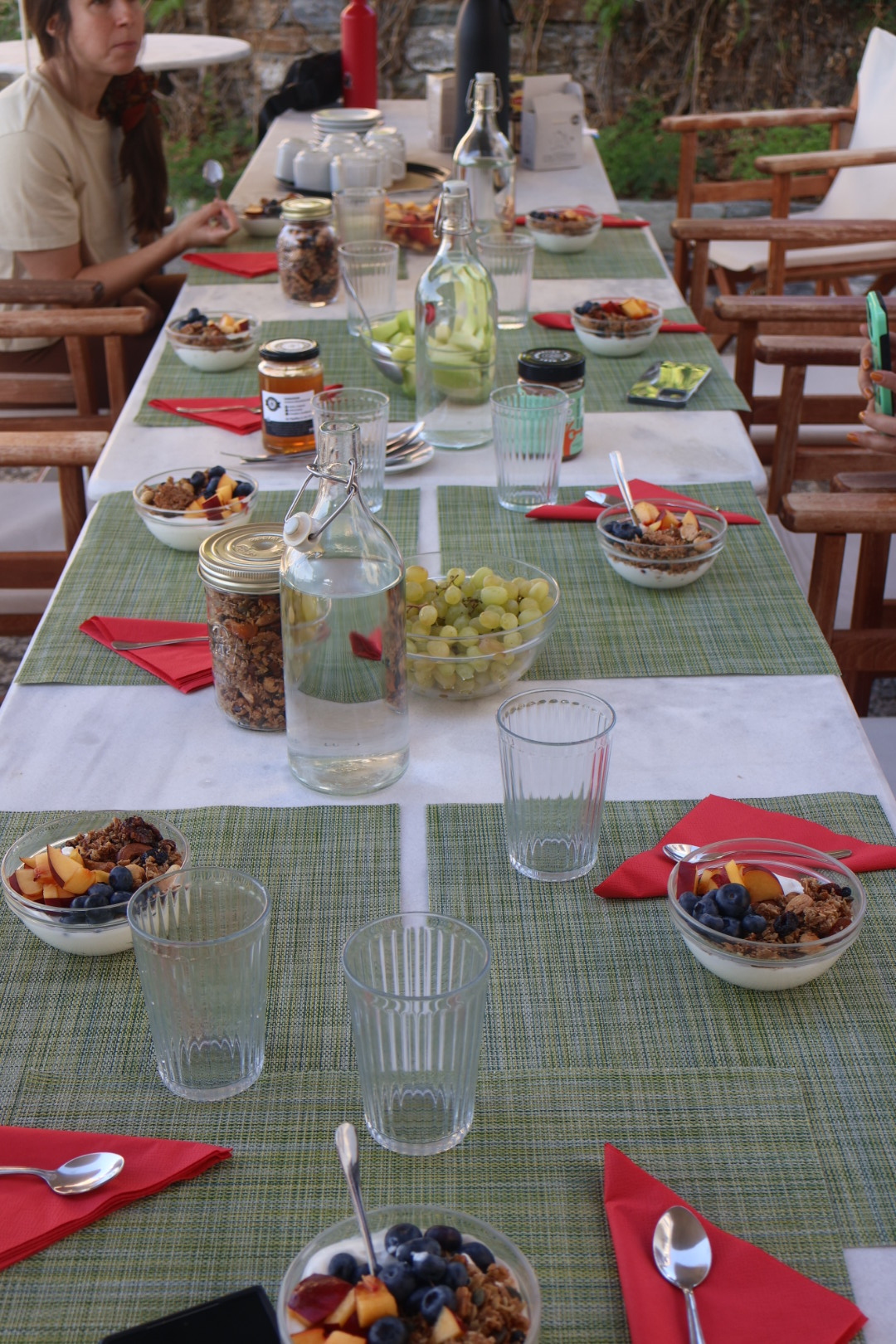
Speaking of food, this was a definite highlight of the trip. Steph is a woman of many passions and interests, and cooking is most certainly one of them. Each morning, after our energising 8 a.m. yoga class with Irini, we were greeted by a table of homemade granola, rich Greek yoghurt, seasonal fruit, and whatever magical creation she had baked that day. These breakfasts set the tone for days full of energy and movement, making sure we were always adequately fed.

IMG 7675 2

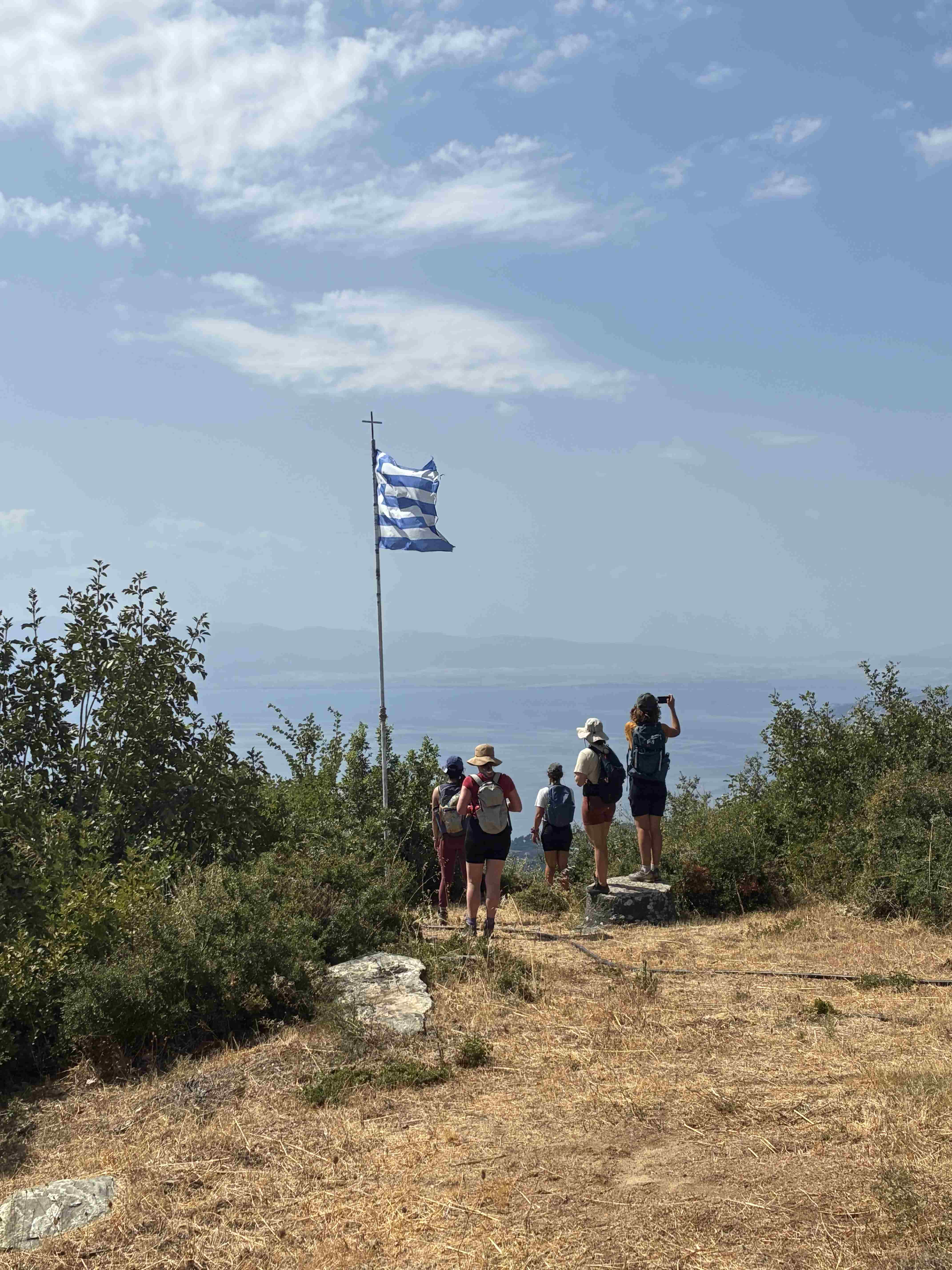
Missing the nature I loved so much back in Australia, I didn’t know what to expect hiking in Greece. To clarify, I would consider myself a hiking enthusiast—not quite a novice but certainly not an expert either. It had been more than a year since I had gone for a long hike, so on the first day, hiking roughly 4.8 km from Milies to Kala Nera, I was adamant to go slow. With Elias at the front and Steph and Eirini always nearby for a chat or a mental boost, you always feel taken care of, allowing you to find your rhythm on your own terms. Whether that be hanging back to enjoy the view, or gaining momentum up the hills at the front, there is room for all levels and abilities. What I loved most is that you can truly switch your brain off and feel like all the details are handled—from the route you take down to the taverna you eventually stop at for lunch (more on this later).

IMG 7783 2

Each day brought something fresh and inspiring. A few highlights:

Day 1: Hiking from Milies to Kala Nera, rewarded with a seafront lunch at Rodia Taverna—refreshing shandies and the sweet satisfaction of our first accomplishment for the week.

Day 2: Picking apples, figs, and grapes straight from the trees, then sharing homemade spanakopita mid-hike. The joy of simple abundance.

Day 3: Exploring Milies village, stepping into Taxiarches Church, buying jars of local honey and jams, and ending with a swim at tranquil Labinou beach, followed by the best calamari I’ve ever had.

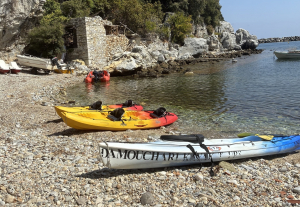
Day 4: Kayaking from Damouchari to Fakistra, enjoying dakos salad on the sand, and soaking in the charm of a village so picturesque Mamma Mia was filmed there.

Day 5: Our final hike, just minutes from the hotel, ending in a village square where locals handed us celebratory grapes. Lunch that day—prepared with Steph’s signature love—felt especially meaningful.

Day 6: One last yoga class with Eirini whose expertise and care, made every session feel like a wonderful lesson in philosophy, movement and attunement. 

tempImageNPvYJE

Driving back altogether, I remarked to one of the guests I had the pleasure of getting to know, as we pulled up at a familiar pit stop: “The place is the same, but we have changed.” If I could encapsulate the retreat in one sentence, I feel as though this would be it.

There’s so much joy that comes through connecting with others in this kind of space and environment. We so often get caught up in our own bubbles that when we venture outside of it, even for just a week, it serves as a reminder of what we need more of. The simplicity of sharing a meal, of passing around plates of food, of walking alongside someone and getting a window into their world. Nefeli Nine was a re-introduction into the art of reconnecting—both with nature and with others. Whether through a friendly ‘Yiasas’ with a local or sharing stories from our lives in the ‘real world,’ it truly felt like our own little community for the week.

tempImageZR8gm3 min

How am I supposed to go back to Athens after all of this? I continuously wondered. The environment and the experiences that coincided alongside it were so wonderfully curated and so well thought out that it was honestly hard to leave. It’s not only a testament to Steph and the vision she has created, but also to the team she has chosen. With Elias giving us constant belly laughs and Eirini always bringing her beautiful, powerful energy to every practice, I couldn’t imagine the experience without them.

She echoed this sentiment to me on our final morning, when I had the chance to sit down with her.

“I wanted something that felt a bit more family-style. That felt a bit safer for people. It was a combination of love for being outdoors, of wanting to do something a bit different, and a need to bring people together.”

When I asked how she wanted guests to feel, she repeated a word that had become synonymous with my own experience throughout the week.

Safe.

“Safe is number one,” she tells me.

“Safe enough to be themselves, safe enough if they don’t want to take part in something to tell me. And to just feel comfortable enough to do what they want to do. To be silly with us, to dance around the table. I want people to feel like they’re with friends and there is no pressure.”

Back to reality, I’m already eyeing my next Nefeli Nine experience, and with several options on offer in locations like Agrafa and Zagorochoria, and their newly added Athens Day Trips, it’s not difficult to find inspiration.

So if you are feeling like you need a pause and a reason to explore a different side of Greece, I genuinely could not recommend Nefeli Nine enough. It could very well be the seven days you need to make a much-needed shift and reset, as I came to discover.
Thursday, 05 February 2015 13:28

My Week in Athens… Nov 22

As I approach the 3 year mark of living in Athens, it occurs to me that this is the longest I’ve lived in one place in the past decade.... This is good, I suppose, and says a lot about what I think of Athens. But it also makes me think about change. Not a change in cities, but at least a change of surroundings and a ‘change of scene’. So I started looking at some apartments in different parts of the city. There must be a few deals these days...

After living in Marousi all this time, I decided to take a look at what’s out there in different neighbourhoods. So with a few appointments scheduled, and with 2 friends in tow, I spent most of the weekend going from apartment to apartment (yes, some Athenian realtors work Sundays!). We looked nearby (Marousi, Kifissia) but also looked in the city centre (Thissio, Psirri), which, incidentally, have some great ‘lofty’ spaces.

Of course, the triple set of ‘apartment essentials’ is location, price and style – and we all know it’s normally impossible to find all three together. This weekend was no different. One nice place in a bad location. Another great location out of my real price range. Another perfectly placed and affordable spot, but not really my taste.

So the search continues. And sometimes I think that going through the motions of looking for a new place to live serves the greater purpose of reminding you how much you love going home every day to the place you already have.

Looking forward to a fun night at Molly Malone’s on Saturday!

Until next week,

Jack

In this weekly space, keep up with ‘Jack’ as he navigates daily life in Athens… Anecdotes, stories, hits & misses, the good, the bad and, well, the rest…

Tuesday, 10 February 2026 10:17

The Science (& Magic) Of Hot Springs In Greece
If you haven’t already, it’s definitely not too late to set a few thoughtful New Year’s resolutions. And here’s a charming idea to pop on the list: 2026 is all about taking care of you!

One wonderfully time‑tested way to do just that is to unwind in natural hot springs and indulge in restorative mud baths. They’re restorative, grounding, and just the right blend of ancient wisdom and modern self‑care.


Mud Baths - A Timeless Ritual For Today's Well-Being
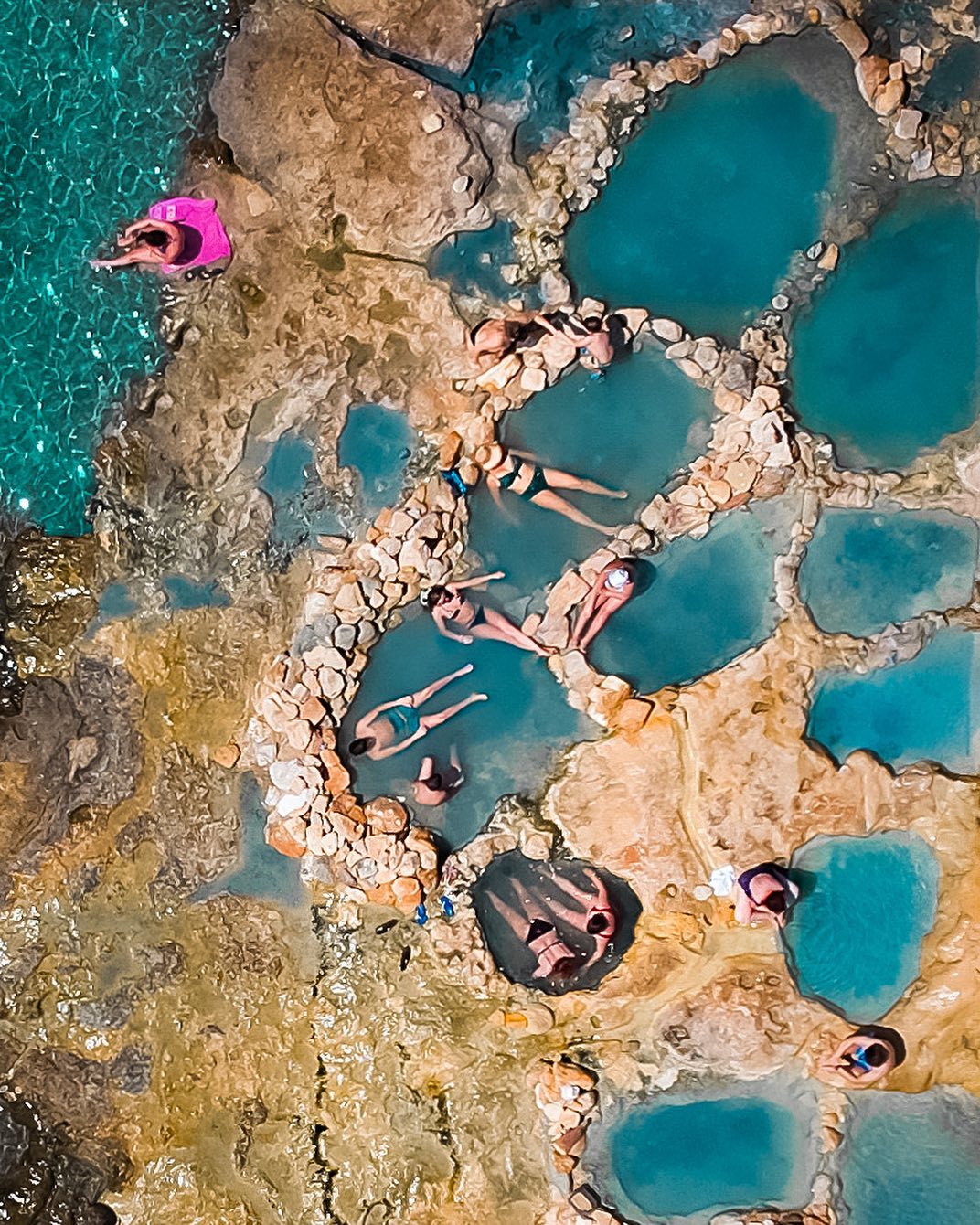

A mud bath is a warm, cocooning soak in mineral‑rich mud made from clays and natural elements chosen for their nourishing properties. These blends often contain Sulphur for its purifying, antibacterial action; Calcium to strengthen the skin barrier; Magnesium to support cell renewal and suppleness; Zinc to calm and restore blemished skin; as well as clays, silica, or sea salts for their soothing and revitalising effects. Volcanic, marine, or thermal muds each offer distinct benefits, and when mixed with mineral water, they form a smooth, easy‑to‑apply texture.

On the skin, the mud gently exfoliates, removes impurities, and restores radiance. Its natural detoxifying action promotes clearer skin, while the protective layer helps lock in moisture. Rich in minerals, it also supports healthy cell turnover, boosts circulation, and can soften the look of fine lines by enhancing overall skin vitality.

Hot springs offer far more than the pleasure of soaking in naturally warm water. They form through a geothermal process in which rainwater seeps deep underground, heats against magmatic rock, and rises enriched with minerals. Because of its active geology, Greece is especially rich in these natural wonders, with over seven hundred hot springs, eighty‑four officially recognised for their therapeutic qualities.

Their mineral content contributes to their soothing effects: Calcium supports bones and joints, Magnesium helps muscles release tension, and Sulphur is traditionally linked to skin comfort. Warm mineral water can ease muscular and joint discomfort, promote relaxation, and support healthy circulation. The heat dilates blood vessels, improving oxygen and nutrient flow, boosting vitality, and reducing strain on the heart, which may help lower blood pressure. Buoyancy further relieves pressure on the joints, allowing deeper relaxation. Last but not least, hot water stimulates the release of endorphins, the body’s natural mood‑lifters, helping melt away stress.

Who Are Thermal Springs Ideal For

These rituals appeal to a wide range of people, from athletes easing post‑workout tension to anyone with joint discomfort, visible signs of ageing, stress, or simple fatigue. Mud baths and hot springs both offer deep relaxation and an overall boost in wellbeing. It’s worth noting, however, that they aren’t suitable for everyone, especially those with severe skin issues, open wounds, or certain cardiovascular conditions, for whom medical advice is recommended.

Mud treatments are particularly beneficial for skin concerns. Minerals like sulphur and zinc help calm inflammation, reduce acne‑related bacteria, soothe itching, and support the healing of eczema or psoriasis, leaving the skin more balanced and comfortable.

Thermal baths, on the other hand, can support people with high blood pressure or some cardiovascular issues by promoting better circulation and relaxation. Their buoyancy eases pressure on the joints, making them a gentle option for arthritis, fibromyalgia, and other chronic joint conditions. The combination of warmth and weightlessness helps the body release tension, offering both physical relief and mental calm.

In short, it’s all wonderfully positive and our ancestors understood this perfectly. These practices were embraced across ancient civilisations, from the Egyptians to the Romans and, naturally, the Greeks. No surprise, then, that Greece is still home to some truly exceptional places dedicated to wellbeing and natural rejuvenation!

SnapInsta.to 295899900 1162825500946542 2241992007165771900 n
@chris_kap.21

Popular Hot Springs In Greece

Loutra Aidhipsoù, Evvoia

Aedipsos has a charm that’s hard to overstate. Just two and a half hours from Athens, on the easily accessible island of Evia, this historic thermal town is home to around eighty natural springs. Its waters, flowing at temperatures between 28° and 80°C, are naturally enriched with magnesium, calcium and iron, minerals long associated with soothing and restorative effects. What makes Aedipsos even more magical is the way its hot springs spill directly into the sea, creating pockets of semi‑thermal seawater along the shoreline. Slipping into these warm, mineral‑rich shallows feels like discovering a secret the ancient Greeks never quite gave up.

Loutra Killinis, Peloponnisos

Loutra Killinis, on the western edge of the Peloponnese, has been celebrated since antiquity for its remarkably therapeutic waters. Rich in sulphur and naturally warm, the springs here have long drawn visitors seeking relief and rejuvenation. What makes this spot particularly special is its natural mud — a mineral‑packed blend of thermal water and marine sediments that has been used for healing since ancient times. The combination is wonderfully indulgent: warm springs for deep relaxation, and silky, restorative mud that feels like nature’s own skincare ritual. It’s one of those rare places where the landscape itself seems determined to take care of you.

Kamena Vourla, Phthiotis

Kamena Vourla is a quiet seaside escape with a wonderfully unhurried charm, set about 150 kilometres north of Athens. Its hot springs, naturally warmed to between 30° and 40°C, are enriched with trace radioactive elements that many believe can help ease a range of ailments. The result is a gentle, soothing soak that feels both restorative and deeply calming. Beyond the springs themselves, the area offers easy access to cultural landmarks and nearby mountain regions, making it a lovely base for anyone seeking a blend of relaxation, nature and a touch of adventure.
SnapInsta.to 455919745 2573135666216317 8785725445366875537 n
@kiriaki_limperi

Loutra Pozar, Macedonia

Pozar is one of those places where nature feels almost theatrical. At the foot of Mount Voras, a 37°C river milky with calcium carbonate cuts through a marble gorge, feeding eight outdoor pools, retro copper tubs and twin Ottoman‑era hammams. The water, nicknamed pózar (“fire” in old Serbian), has long been prized for easing neuralgia, sciatica and sluggish circulation. Just metres away, snowmelt waterfalls crash into the gorge, offering the kind of invigorating cold plunge that Nordic spas dream of. Set in the historic district of Pella, birthplace of Alexander the Great, the Pozar Thermal Baths combine hot springs, rivers and both natural and artificial waterfalls in a landscape that feels almost mythic. The Thermopotamos River flows through shallow bends and small cascades, its steady 37°C waters recommended for rheumatic, dermatological, respiratory and circulatory conditions ;  a warm, mineral‑rich embrace in the heart of the mountains.

Ypati, Phthiotis

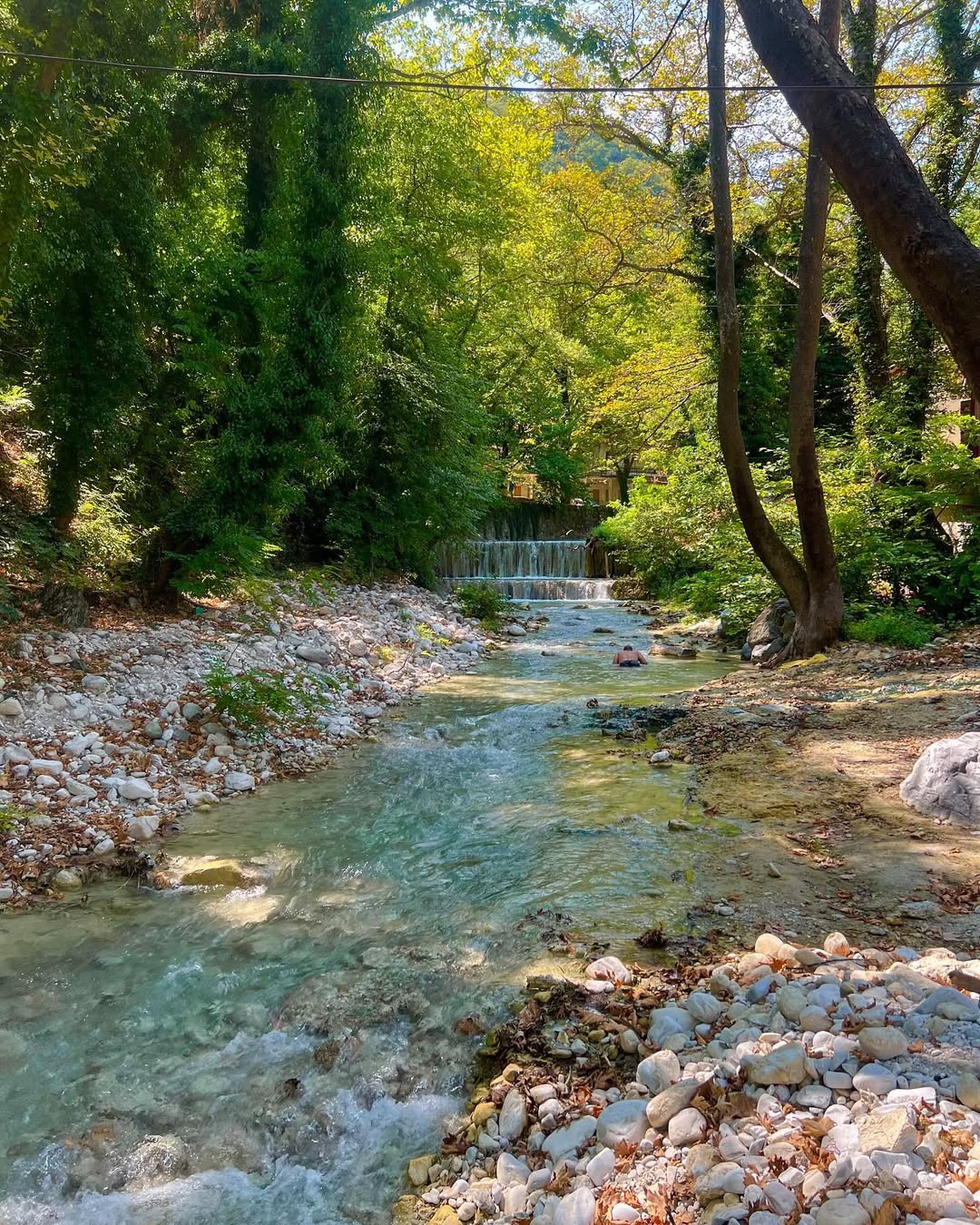
In the shadow of Mount Oiti, Ypati’s 33°C spring bubbles up rich in magnesium, calcium and natural carbon dioxide — a mineral cocktail long favoured for easing migraines, soothing the nerves and giving the cardiovascular system a gentle reset. Ancient lore claims that Hercules once paused here to recover between his feats, letting the warm waters melt away the strain of his labours. Spend a little time soaking and you may understand why: there’s a quiet strength to this place that leaves you feeling lighter.

Lagkada, Macedonia

Just outside Thessaloniki, Lagkada offers a wonderfully atmospheric blend of history and natural wellbeing. The site is home to two impressive natural hammams fed by hot springs that have been cherished for centuries. Alongside them, therapeutic mud used since Byzantine times adds another layer of tradition to the experience. It’s one of those rare places where hot springs and healing mud coexist in perfect harmony, creating a setting that feels both deeply rooted in the past and effortlessly soothing in the present.
SnapInsta.to 310595590 781420162935193 183977264217074282 n
@shachafamit 

Milos

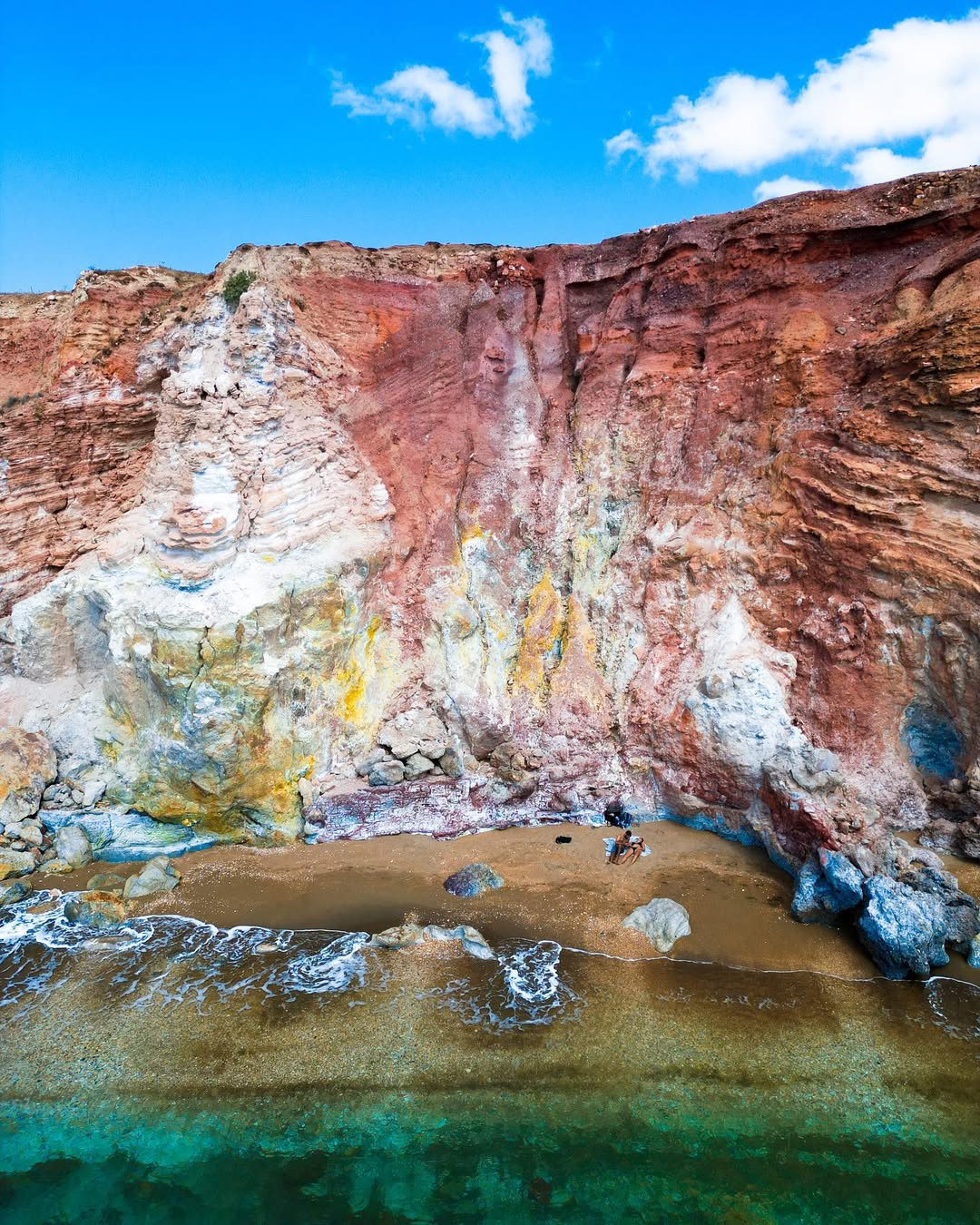
Milos wears its volcanic soul proudly, and nowhere is it more evident than around Paleochori and Adamas, where pockets of warm, mineral‑rich mud form naturally along the shoreline. Thanks to the island’s geothermal activity, you’ll find spots where the earth gently steams, the sand is warm underfoot, and silky therapeutic mud appears in small, inviting pools. It’s a wonderfully elemental experience, part beach, part natural spa, with the Aegean’s clear waters just a few steps away for a refreshing dip.

Filiatra, Peloponnisos

Filiatra, tucked away in the Peloponnese, is home to hot springs that feel like a true hidden gem. Surrounded by lush greenery and completely free to enjoy, they offer a wonderfully peaceful escape for anyone craving a slower pace. The warm, mineral‑rich waters are believed to have gentle healing properties, drawing both locals and curious travellers in search of quiet rejuvenation. With tranquil views over the rolling hills, it’s an easy place to linger. And once you’ve had your fill of soaking, the nearby town invites you to wander its streets and experience a slice of traditional Greek life.

Mud Bath of Lydia, Kavala

Just outside Kavala lies the Mud Bath of Lydia, a place where myth and landscape seem to blend effortlessly. Legend has it that Lydia, a goddess famed for her eternal youth and luminous beauty, drew her radiance from the very mud that still lines these shores. Over time, her secret slipped into the world, turning these natural mud baths into a beloved retreat for anyone seeking healing, revitalisation and a whisper of ancient enchantment. And since Lydia herself has tested and approved the place long before any of us, you can head there with full confidence and let nature work its quiet magic!
SnapInsta.to 378885892 18398060401040583 8500969436465563213 n
@yabatravellers

Kythnos

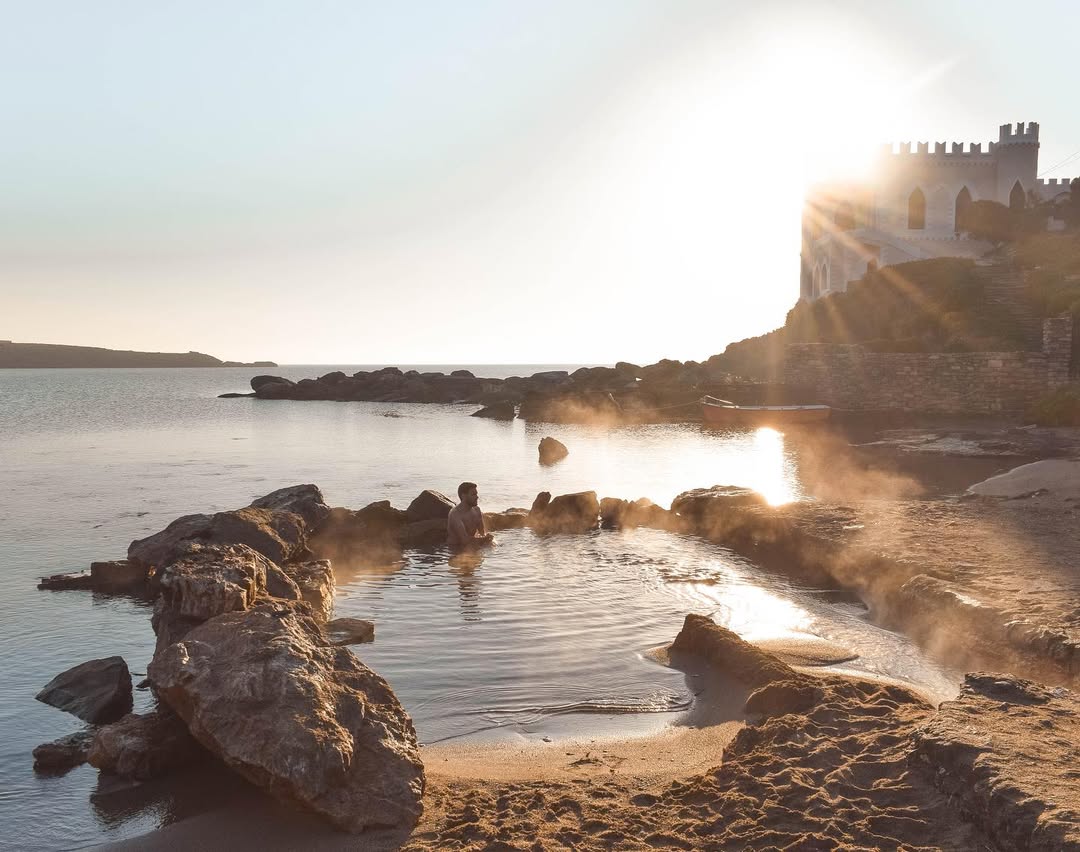
Kythnos is one of the Cyclades’ quieter treasures, and its natural hot springs are among the island’s most delightful surprises. In the Loutra area, warm thermal waters flow straight into the sea, creating gentle pockets where you can drift between soothing heat and refreshing Aegean blue. The setting is wonderfully serene : rocky coves, crystal‑clear water and far fewer crowds than on neighbouring islands. It’s the kind of place where you can truly unwind, then wander off to explore charming villages or follow scenic hiking trails that reveal sweeping views across the archipelago. 

Exploring Greece’s hot springs and natural mud baths is a wonderfully soothing way to connect with the landscape — and with yourself — as long as you go prepared and tread lightly. Pro tip: check accessibility (some spots involve a short walk or hike), stay hydrated (warm waters can sneakily dehydrate you), and respect nature (leave each place just as magical and rugged as you found it). And once you’ve settled in, the experience becomes something deeper: a mud bath or a soak in a natural hot spring is a genuine moment of reconnection, giving you the space to unwind, care for your body and tune into your sensations. It’s a simple ritual that nurtures mental and emotional wellbeing, quiets external worries and restores a sense of inner balance : a true treasure for both body and mind!


Written by Maria Ermides

It’s not easy to define actor, musician, and all-around creative force Jerome Kaluta — he simply doesn’t fit into any one box. Whether you first heard of him through the viral hit Kalavryta or as the charismatic host of the popular travel series Ftasame (Here We Are), one thing’s clear: Jerome continues to leave his artistic mark on Greece, and he’s just getting started!
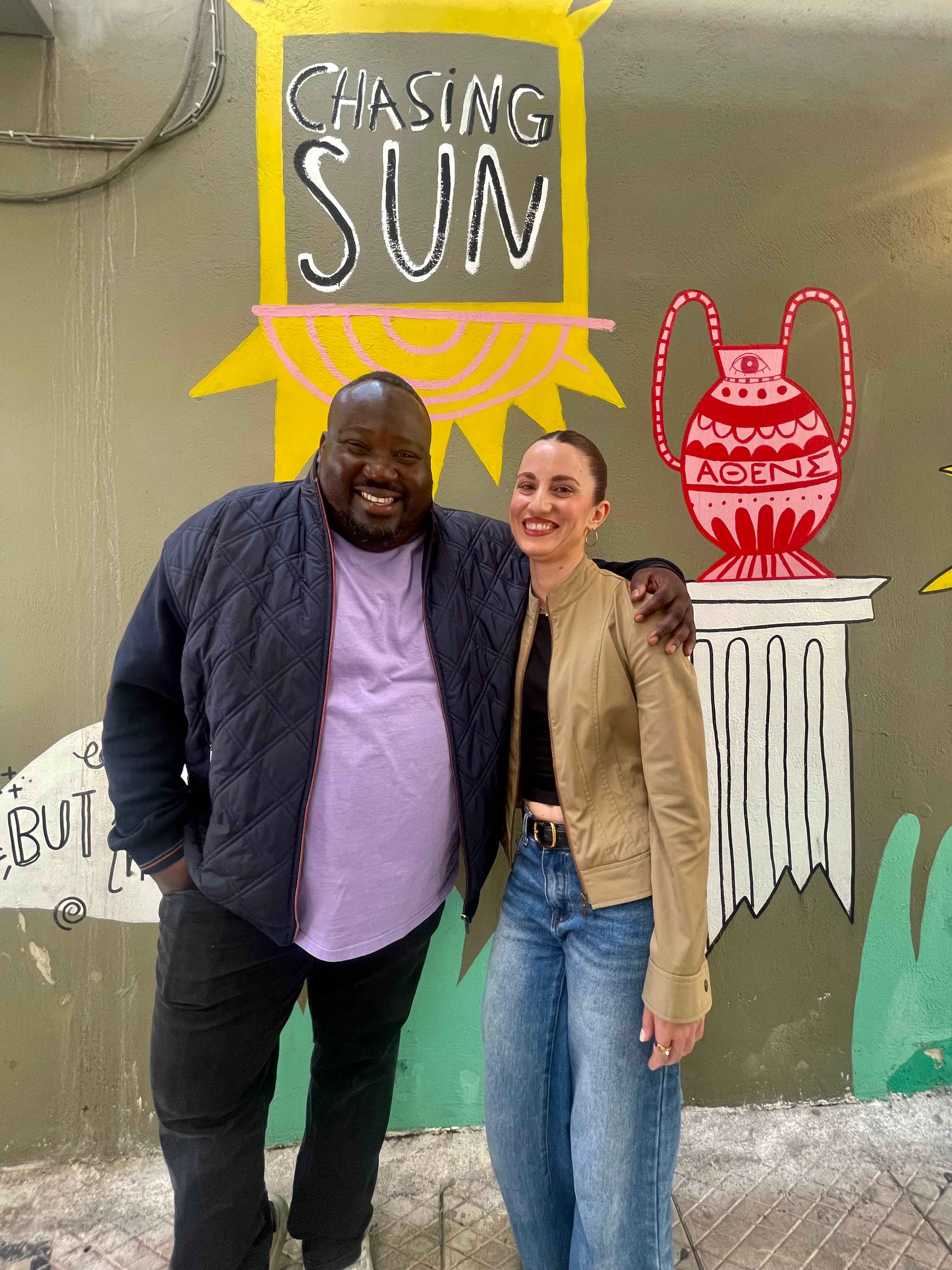

In a candid and inspiring conversation, XpatAthens sat down with the self-described Afro-Greco to talk about life as an artist in Athens, what fuels his creativity, and what exciting projects he has on the horizon.

IMG 2151

On finding inspiration and the influence of his childhood 

Inspiration is everywhere. You can find inspiration everywhere. On the road, when you’re driving, when you’re not driving. I believe that inspiration, in the end, comes when you have peace of mind. Whenever your mind is free and you have time to think. Then ideas start to emerge and you have some inspiration. 

I grew up with music because I was born in the 80s. I come from Zaire, now Democratic Republic of the Congo, we have a very rich culture, a very rich music culture. It was a way, because back in the day, we didn’t have internet or YouTube, house parties were the thing. Where communities got together and they were together, it was like they were back home. Being in a foreign country, it was like they were back home. So I grew up into house parties, music, African music mostly, so I have all of these ideas, all of these stories. 

Finding identity within his music 

I identify myself as Afro-Greco, this is the title of my first album, but this is the title of a Universe that we created of Afrogreco Entertainment, the whole label that we have. So the idea behind it was that I was born and raised in Greece by my Mum and my Dad, obviously, who come from The Congo, from Zaire, but I was raised Greek. Because I was here, I went to school, I went to the university. So my whole experience is Greek. My whole background is African. So I cannot choose. I can't wake up tomorrow and say I’m Greek and I’m caucasian. They’d say: You’re not caucasian. I cannot wake up tomorrow, and say I’m Shaka Zulu, I’m the only African that’s been. I cannot choose one and say that I’m the only one because it happened that way, not (just) for me but for thousands of kids that were born and raised in Athens, Greece or Greece in general.

How both worlds have impacted his style

I feel privileged because I have things to draw on from different places, you know, the way bedtime stories are in Greece and bedtime stories are in Congo, if we can say that they are. They are different because the stories are different, the culture is different, the heritage is different, so I am rich. I speak 5 languages, I compose and sing in those 5 languages, I try to sing in those 5 languages. Language is a key to another way of thinking.

I was born in the 80s. So, growing up in the 90s, it was like a blend. I’m a hip-hop head. So at the time, hip-hop was a mix, you got jazz samples, blues samples, funk samples. So hip-hop was mixing all of those together. I grew up with all of that. When you listen to Fugees, singing “Killing Me Softly”, you realise it’s not their song, you have to go back and see who Roberta Flack was. So you listened to that but you also listened to the original. It takes you to other places. When you listen to, let’s say Fugees again, because they’re one of my favourite groups, singing “No Woman No Cry” you go back to Bob Marley. You say who is Bob Marley, what was reggae. And I did that, not with hip-hop only, but with every genre. 

The experience of his live shows

I’m chasing a feeling. I’m always chasing a feeling. I’m chasing a feeling that I had when I was 15-years-old. That happened when I first went out to a club. So we went out and we danced our bodies out. So I went back home, and it was great. I saw something new and my feet were hurting. So this is the feeling I’m chasing for me and for the people that come to my shows. I want to make them feel like that. Fall in love, you know.

You know my music and the way I structure my playlist is to attack what’s important. And for people the most important thing is your heart, your soul and your waist. This is African. When you aim at the waist, you can’t lose!


@jerome_kaluta 

Being an artist in Greece

Listen, it’s challenging. I feel for all of the artists that are musicians or that are actors, who work for 6 months and spend the other 6 months being unemployed. You know, it takes time. If you are persistent, and if your star shines, you get your break then you can get good things. But you cannot live by doing one thing only. Or, if you’re a workaholic like I am, you will jump to different projects. 

On letting opportunities flow

I flow with whatever happens, at a time. I examine each opportunity. You know music needs time. I take my time with music. You know I can write a song right now. I have the ability. But when I make a song or an album, I need it to mean something, so I take my time with it. I take my time, I absorb, I change my mind, I may record a song and I have to like it. I mean if it takes me a whole year to release it, I have to like it the whole year. If I don’t like it for 8 months, it won’t make it. I’m very hard on myself. I need it to be on time, I need it to be relevant, I need it to offer something.

Being the first Afro-Greek to host a national travel show in Greece

You got one opportunity. When they offer you something, I couldn’t say no, because when it’s TV, it doesn’t happen. TV doesn’t happen every day. The travel show Ftasame (Here We Are) came about because of me being in two series that went great, so they saw me and said ‘we like this figure, maybe we can change something.’  So they decided, maybe we can have a travel show, a black man, an African man, or an immigrant, let's say, who had grown up here to show us Greece. So I say it happened slowly, not because I’m slow, but because it’s multi-layered if you see it. It’s the first time somebody who is African, who is not Greek, has hosted a show on National TV. 

Jerome Kaluta
From Jerome's TV Show. @jerome_kaluta

How it has inspired him

All of this time, I’ve been meeting people, listening, absorbing information by watching. I’ve done everything. I cooked with people, I rode horses, I fell off a horse, I milked a lot of cows, I made clothes. Because the concept of the show is that we come to your town and village, we want to meet you and experience what we do, and I want to be your helper. I don’t always get it right, and that’s the concept. Many of them have tried to tell me before, but I say, don’t tell me, just tell me on the spot. So if I make it, I make it but if I don’t make it, I fail you know. So we build houses, we milk cows, we make lots of glyka! (sweets).

What do you think your music is saying about who you are at the moment?

That I’m a guy who does things in my own way, who does things differently, for sure. Who mostly proposes stuff that hasn’t been done before. I mean, I’ve heard so much hip-hop, I adore hip-hop. So, if I’m going to do something, I always put in my mind that I’ve heard Jay-Z, I’ve heard the Roots. I’ve heard all of these monsters (in a good way) create amazing things. So you’ve got to go beyond that. You don’t want to recreate that. That’s the challenge.

On creating an impact

What I’m mostly concerned about is to change the narrative, to change the story, to change the way things are done. Maybe I’ll be the first black guy to play Othello in Greece. So I would like to have a change. To leave things in a better way, maybe.

I make room and I'm not alone anymore. There are many artists, many beautiful people. The Afro-Greeks they’re great and it’s fuel for me, So I fuel myself because I say I was blessed to be different and to stand out and to be proud and to do whatever I can do. I’m still working on it, I’m 
not here yet. 

Writing A Children’s Book

We’re finishing the travel show. We’ve been two years on the road and I’d like to focus on my music. I have a song, which was released just recently, Mazi Sou.” I will release some music, I will have some shows with my bands, and compose some music. I’m going to do a theatrical show with someone, and I’m going to write a kids' book. They proposed for me to write a kids book! I love kids, I’m a kid. They are my friends, we’re the same age. I like kids' stories, I like it because I always combine it with music. And you know, music was always important to me growing up [they] are still like mantras. You know, giving a kid a story with a perfect melody is great.

MCD202620Jerome20Kaluta20E2809320E2809CCE9CCEB1CEB6CEAF20CF83CEBFCF85E2809DCEA4CEBF20CEBDCEADCEBF20single20CF80CEBFCF8520CF86CEADCF81CEBDCEB5CEB920CF84CEBF20CEBACEB1

What’s next

I’m going to Thessaloniki, the 30th of May. And as for Athens, we had a show on the 30th of April, so we will have to see! I’ve just spent two years on the road with the travel show, I haven’t been able to relax and have the studio time that I want. I have songs, I need to release some songs. I need to create some songs. I have a new sound already there. I’m preparing two albums. The one album is going to be in Greek, singing in Greek, but having that other sound. Because I realised, going around a lot, I have a lot of Greek fans. Like kids and all of that, so I need to communicate with them. And then I have the other album, which has all the languages. Greek, Lingala, Swahili, French, English.

Sitting down and talking with Jerome Kaluta was truly eye-opening — an inspiring and down-to-earth conversation that reminded us how powerful authenticity and passion can be. We’re truly grateful to him for sharing his story, his energy, and his vision with us.

You can follow Jerome on Instagram, TikTok, Spotify, Apple Music, and YouTube be to stay up to date with his latest projects.

His new single “Mazi Sou” is now streaming on Spotify, and if you're in Thessaloniki, don’t miss his upcoming live performance at Soul on May 30th — it’s bound to be an unforgettable night!

And if you’d like to show your support or rep some style, check out his merch at shop.afrogreco.com.

A special thanks to This is Loco for hosting us for this special interview!

About the Author

Maria Ermides is a Greek-Australian who moved to Athens in 2024. A journalism grad, she's currently studying positive psychology and loves creative writing! She's also publishing a book as she continues to explore and get to know Greece more deeply.  

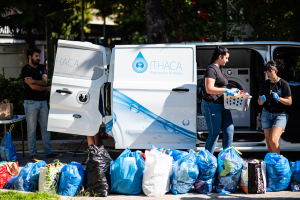
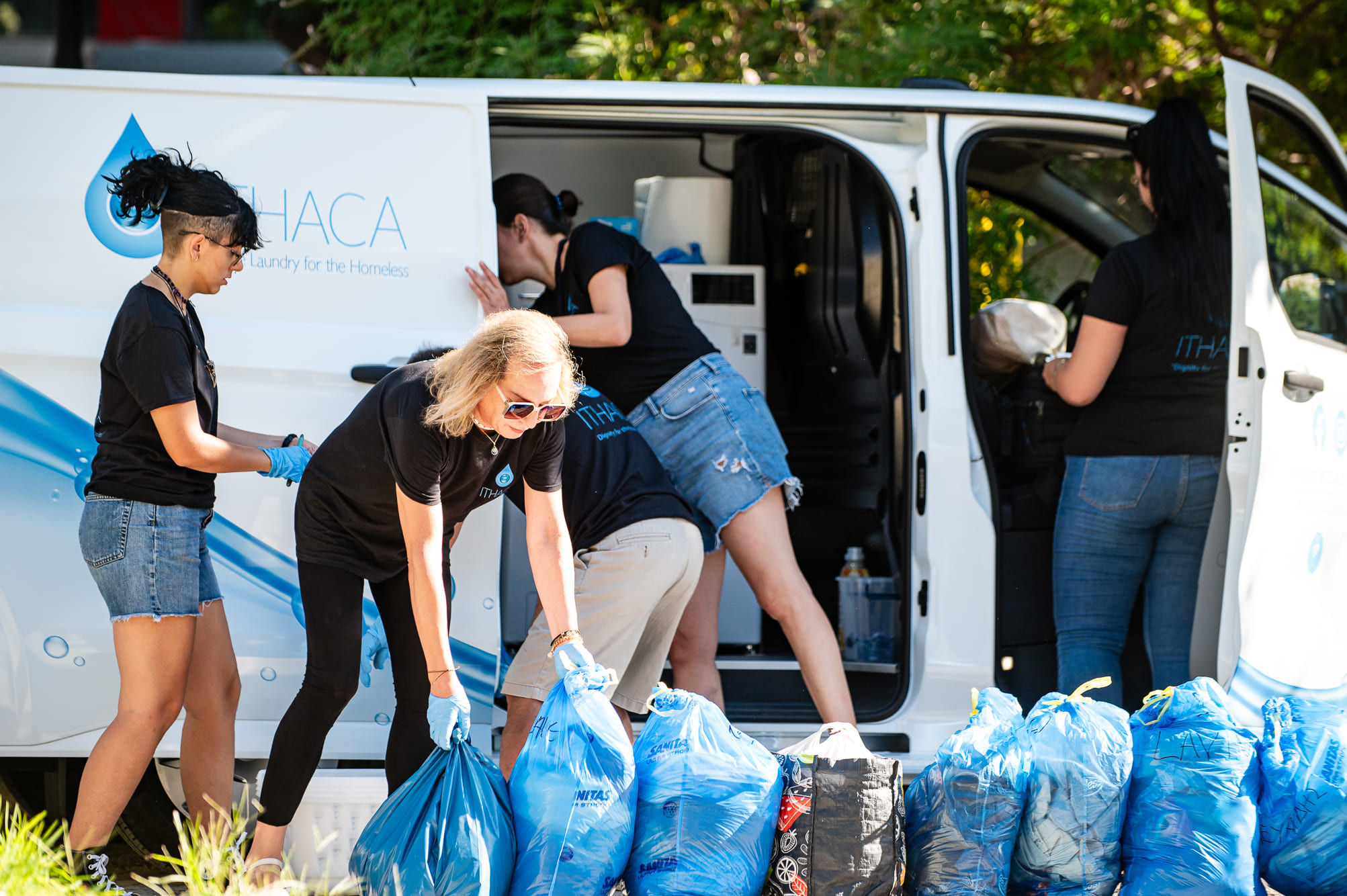
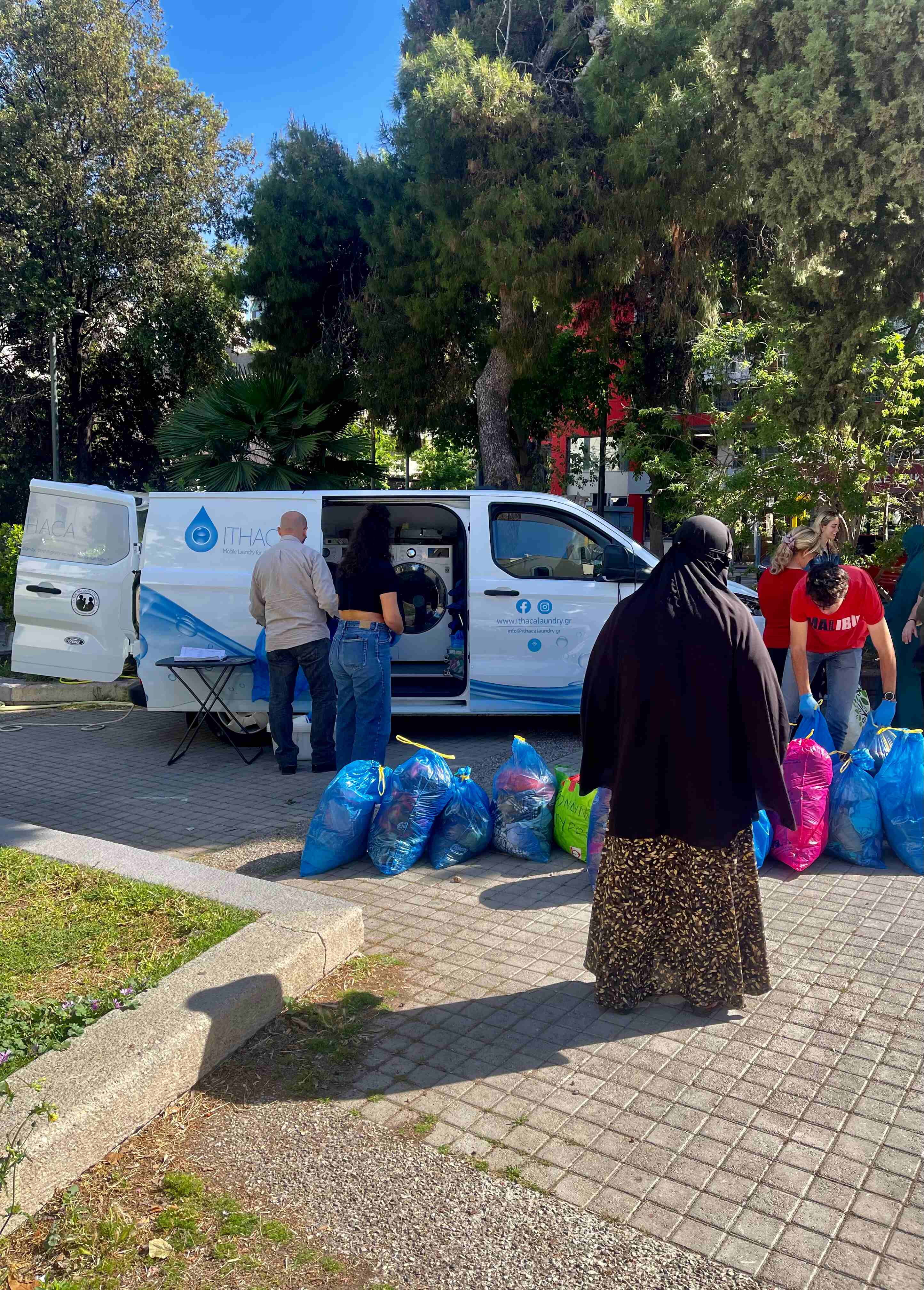
XpatAthens recently visited with Ithaca Laundry at their most central location at Koumoundourou Square in Athens. We experienced the profound impact their unique service has on the local community. Every Tuesday and Thursday, the Ithaca Mobile Laundry Unit arrives at this central square at 10 AM, offering clean clothes, social and psychological support, as well as food to those who need it most. What we discovered was more than just a laundry service—it was a beacon of hope, dignity, and community for vulnerable individuals living in central Athens.

Basic necessities like food and water are often seen as the most urgent needs for vulnerable populations, there is one service that might not immediately come to mind but it’s just as vital. Ithaca Laundry, a mobile laundry service founded in Athens, is doing something extraordinary; it is restoring dignity, offering hope, and providing much-needed support to the homeless, the elderly, and people from all walks of life.

Ithaca Xpats 1

The Birth of an Idea: A Vision for Change

The story of Ithaca Laundry began in 2016, when 3 students (Thanos Spiliopoulos, Fanis Tsonas, and Andili Rachouti) decided to bring a powerful idea to life. Inspired by a similar initiative in Australia, they set out to create the first mobile laundry service for the homeless not just in Greece, but in Europe. In April 2016, Ithaca’s mobile laundry unit hit the streets of Athens for the first time, launching what would become an ongoing mission to provide clean clothes to those in need. By January 2017, Ithaca began operating daily, growing both in the number of people it helped and the scope of its services. 

Fast forward less than a decade, and the Ithaca team is greater than ever, as is the work they do. From those early days, when resources were tight and their team small, Ithaca has grown into a comprehensive support system for vulnerable groups, constantly expanding its outreach and impact in the community.
Ithaca Xpats 4

Restoring Dignity, One Load at a Time

What makes Ithaca Laundry’s work truly extraordinary isn’t just the act of washing clothes; it’s the dignity it restores. For many, the idea of fresh, clean clothes might seem like a small luxury. But, for those without a home, those considered homeless, often invisible and struggling, as well as those living in overcrowded conditions or facing challenges such as lack of access to basic necessities like electricity and water, doing laundry can be an overwhelming challenge. Ithaca’s services go far beyond cleanliness, they are offering people an essential form of respect. It’s a heartfelt gesture, simple yet profoundly powerful, that says: “We see you and you matter.”

Ithaca Laundry doesn’t stop at laundry. They also collaborate with other organizations to distribute food to those in need. The individuals that came to take a bag of food were not only homeless individuals—their were elderly citizens who struggle to cook for themselves, people living in cramped homes with too many others, and even those who, despite having a roof over their heads, are financially strained and just need a bit of support to get through a tough time.

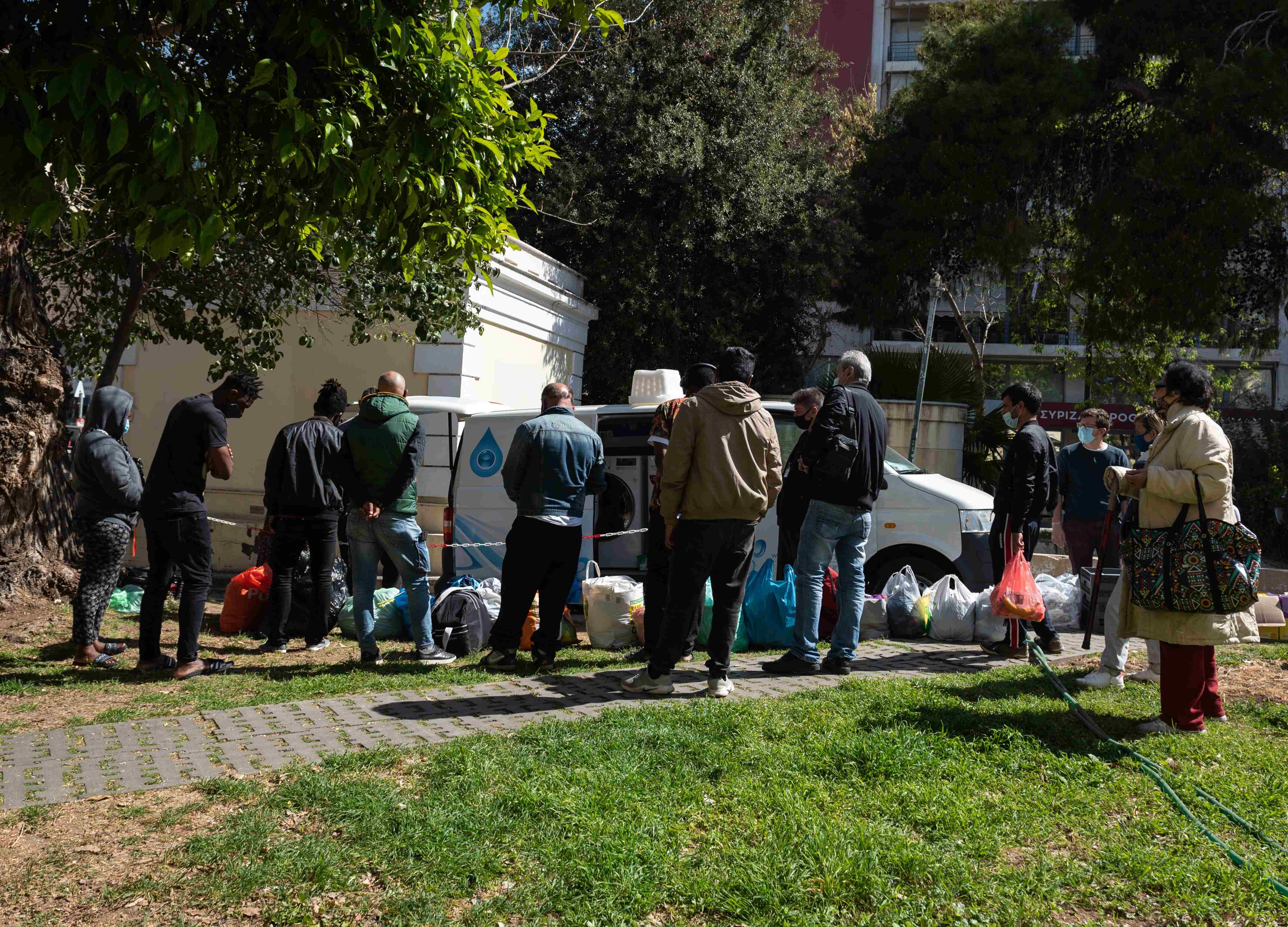
The beauty of Ithaca’s work is that there’s no discrimination: help is offered to anyone who needs it. Whether someone is coming for clean clothes or a bag of food, the help is provided with open arms, no questions asked. From the moment the Ithaca van rolls up at 10 AM, people are already there, waiting in line with bags of dirty laundry in hand. Many of them arrive early, not just for clean clothes, but for the sense of community that Ithaca provides.

As we observed, the connection between Ithaca and the people it serves is palpable. The gratitude in the eyes of those who take a bag of food, or get their laundry done, is unforgettable. The visitors are welcomed warmly, and as we stood there, it was impossible not to notice how every person who crossed our path smiled, waved, or said hello—a clear sign of the sense of belonging they feel. The sense of hope and appreciation was evident in every interaction.

What struck us even more profoundly was how familiar the staff were with the people they serve—they knew them by name and vice versa. Ithaca’s impact is so needed and so beautifully embraced that it planted a seed of hope and gratitude in our hearts, reminding us of the power of compassion and community.
IMG 2310

Social Support & Job Counseling: Going Beyond Laundry

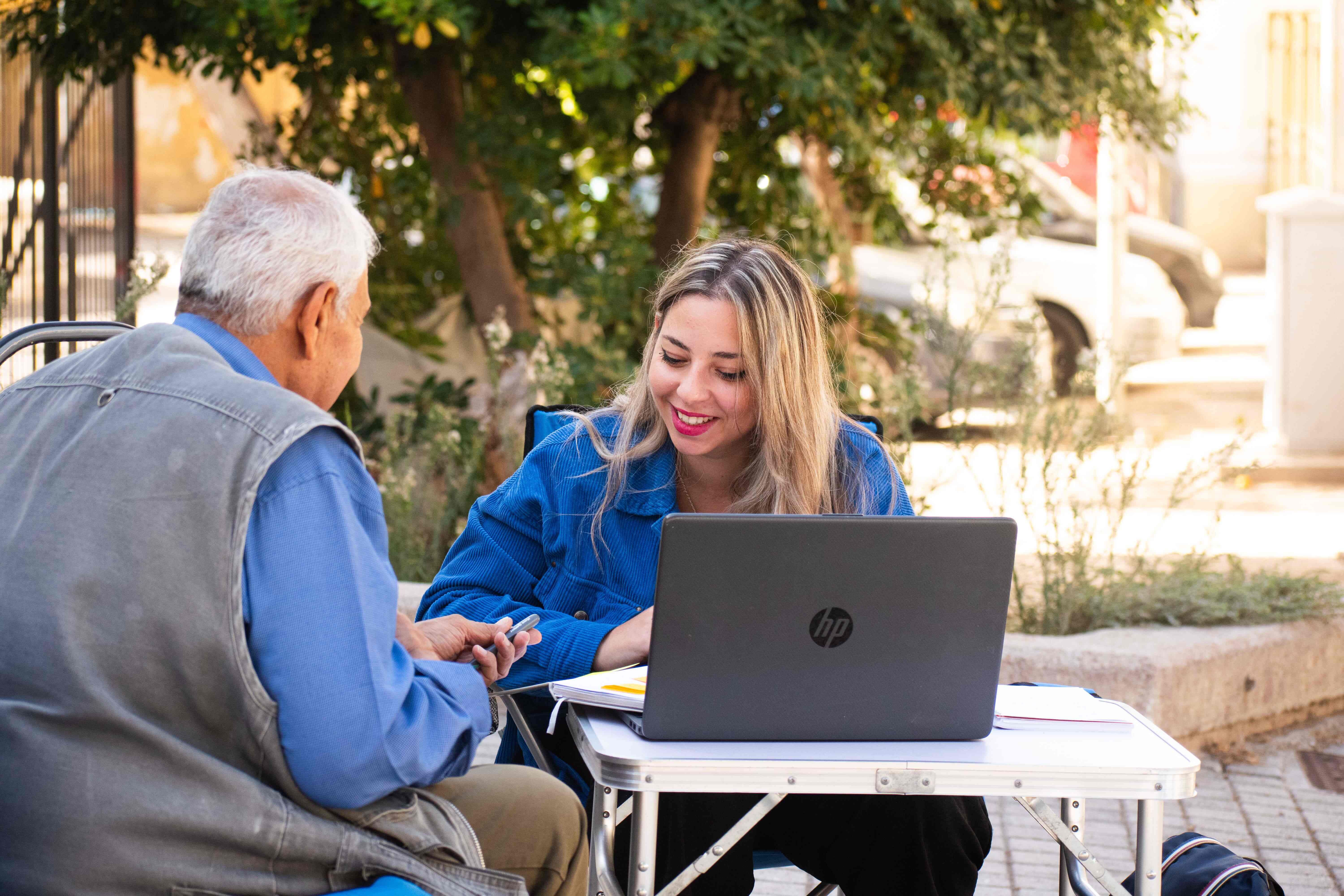
In 2021 Ithaca launched a social service to provide psycho-social support to vulnerable groups, assisting with everything from medical appointments to navigating the complexities of daily life. Many people visiting Ithaca don’t just need clean clothes; they need someone to help them reconnect with the systems and resources that can help them rebuild their lives. The social worker is there to lend a helping hand and offer solutions to these everyday challenges.

Moreover, Ithaca Laundry is a place where collaboration thrives. They work with other NGOs and organizations to ensure that each individual receives the support they need. It’s a network of care, a reminder that when we come together, we can make a lasting impact.
Ithaca Xpats 5

A Path to Employment: Empowering Through Work

In addition to the laundry services and social support, Ithaca also runs a program for employment reintegration. Many of the staff members are people who were once homeless themselves, now given the opportunity to work in a supportive and structured environment. Through this program, they gain skills, experience, and confidence that can help them re-enter the job market. To date, 26 people have managed to reenter the job market and gain equal opportunities to find a job again. This sense of continuity is invaluable; it shows that Ithaca is not just a temporary fix, but a sustainable solution in helping people reclaim their lives and their independence.

And now, it becomes evident what lies behind the name Ithaca. It's about the journey. The journey of reintegration and recovery, much like the poet Konstantinos Kavafis wrote: "The journey is more important than the destination." It’s not just about providing food or washing clothes but helping people rebuild their lives, step by step. We listened to stories of individuals who lost everything in an instant, and yet, they were standing tall with the support of Ithaca.


Want to lend a hand with Ithaca's laundry efforts? Join as a volunteer — click here to get started!

Ithaca Laundry's Weekly Schedule

Ithaca Laundry operates at different locations throughout the week to serve vulnerable communities. On Mondays, their services are available at the Club for UNESCO – Piraeus and Islands (Mikalis 51, Piraeus) from 10:00 to 14:00. On Tuesdays and Thursdays, they are stationed at Koumoundourou Square, from 10:00 to 17:00. Wednesdays are dedicated to the Community Center “Cheirapsies” in Corinth, where the team is present from 11:00 to 16:00. On Fridays you can find them from 11:00 to 14:00 again at the Club for UNESCO – Piraeus and Islands (Kotyoron 35, Piraeus). Through this rotating schedule, Ithaca ensures access to its mobile laundry services in various key areas where the need is greatest.

Every month, at Koumoundourou Square, the Pop-Village arrives to create a warm, welcoming space of care and human connection. It’s a day where all three pillars of Ithaca’s mission combine in one meaningful event. Visitors come together to exchange smiles, thoughts, feelings, and experiences, creating a sense of belonging and support. The volunteers and staff of Ithaca join forces with others to offer a variety of services, ensuring that everyone who walks through the door feels valued and cared for:

  • Laundry services with the Mobile Unit
  • Psychosocial support
  • Employment counseling
  • Haircuts by The Box Hair Studio
  • Distribution of essential items

The Youth Behind Ithaca: A Generation of Hope

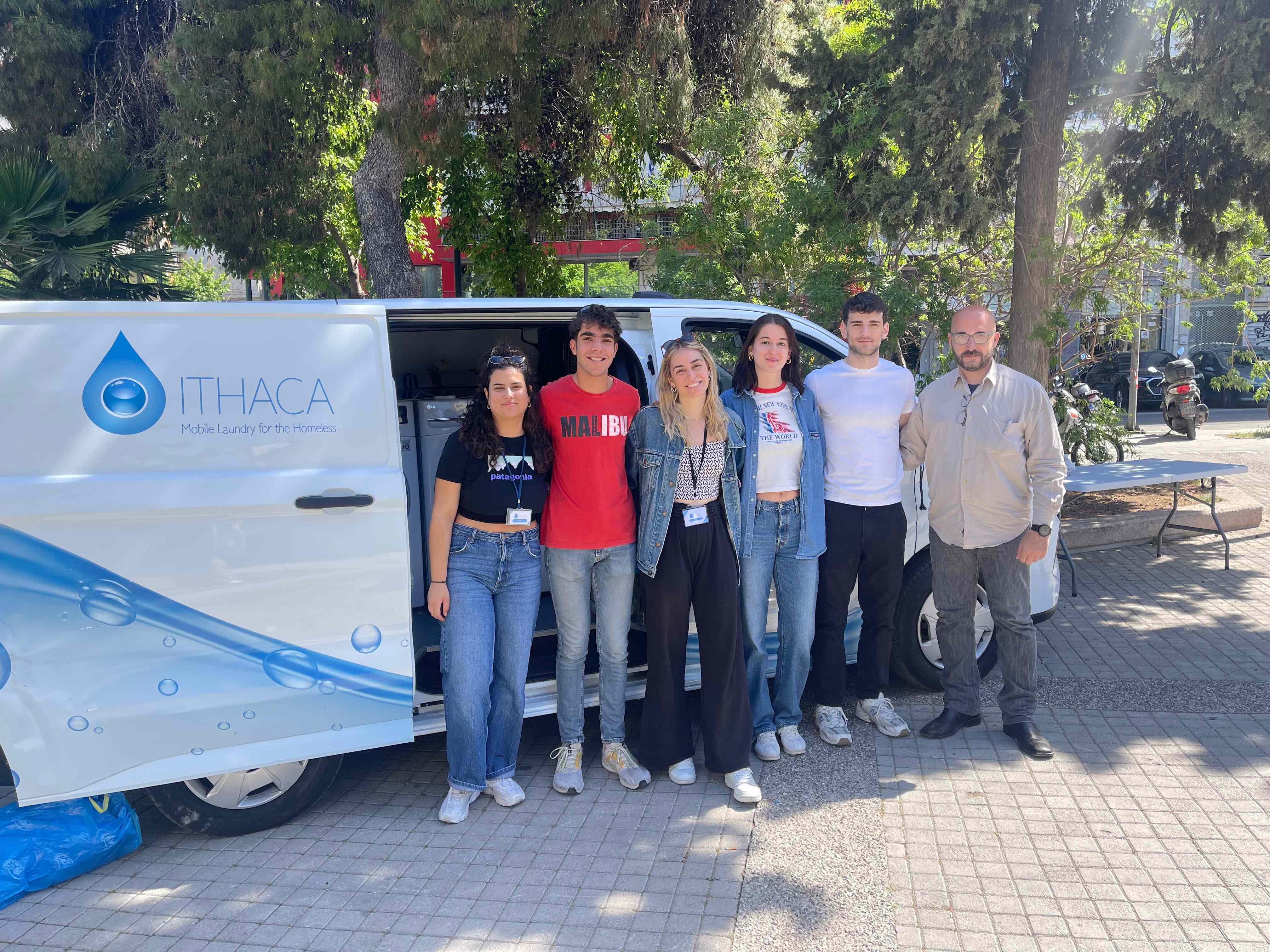
What truly stood out to us during our visit was the youth and energy of the team behind Ithaca Laundry. These young individuals—many of whom started out as interns or volunteers—are dedicated to the cause and passionate about making a real difference in the world. It’s inspiring to see the next generation taking on such important work for the greater good. It’s a reminder that hope isn’t just about the future; it’s about what young people are doing today to create a better tomorrow.

We spoke with some of them, and the conversation was nothing short of inspiring. The common question we asked all of them was, "What made you want to work here and do this?" And the answer was always the same: "What we take back, because giving only makes you richer." It may be a cliché, but it's one of those truths that resonates deeply. Each team member had their own unique perspective and background. Sure, they came from different academic paths, but the common thread was their deep willingness to do good.

For example, Michalis' drive to help stems from his childhood, as his siblings are part of a vulnerable group. Marille started as a intern and simply couldn’t stop helping; it is kinda addictive. We also met Erica, who had just started her internship at Ithaca only three days before. Despite being so new, she had already felt the love and support that surrounds this beautiful action—there’s a certain energy here that you can’t ignore.

And then, there’s Konstantinos, who is responsible for the daily operations and the welcoming and service of Ithaca’s beneficiaries. He once found himself in a difficult place, but with Ithaca’s support, he made his way back. We witnessed firsthand the power of love and care for others. The entire atmosphere was filled with a sense of mutual respect and a deep commitment to giving back. It’s amazing what can be accomplished when people genuinely care for one another.

In closing, we'd like to leave you with something Thanos, a volunteer at Ithaca team shared with us: "We are all potentially homeless." It’s a reminder that life can change in an instant, and it’s through empathy and community that we can make the world a better place for all.

Want to lend a hand with Ithaca's laundry efforts? Join as a volunteer — click here to get started!

IMG 2320

 
Thursday, 05 February 2015 13:29

My Week in Athens… Nov 29

The other night I went to a concert – a performance of Ara Dinkjian and Eleftheria Arvanitaki at the Pallas theatre. Dinkjian is an Armenian-American musician; Arvanitaki is a well-known Greek singer. The combination of the eastern musical sounds of his oud, and her beautiful ethereal voice (not to mention the 20euro ticket price), made this a beautiful night out…

The Pallas theatre is tucked away behind the Attica department store near Syntagma square. It’s a classic theatre, and judging by the program pamphlet they gave out, there are lots of interesting shows coming up…

The evening was an unexpected mixture of two distinct but related cultures – the music was both familiar and ‘exotic’, and the blending of Armenian and Greek vocals with the perfect-English commentary of Dinkjian, created a wonderful international performance.

The night was full of beautiful music, music with a subtle message of ‘hope’ for everyone there. The classic songs and lyrics of this duo took on a different tone in today’s Athens – the hand clapping and cheers of the audience means they probably got the message.

Check out Elliniki Theamaton for the Pallas and other theatre listings.

Until next week,

Jack

In this weekly space, keep up with ‘Jack’ as he navigates daily life in Athens… Anecdotes, stories, hits & misses, the good, the bad and, well, the rest…

by Angeliki Vourliotaki

After reading Fire on the Islanda suspenseful, heartfelt novel set in a Greek village, I was immediately intrigued by the man behind the story. My review barely scratched the surface of what Timothy Jay Smith brings to the page, and I couldn’t help but want to learn more about this fascinating writer and person.

So, we sat down for a long and heartfelt conversation. Timothy opened up about his life, his work, and his enduring bond with Greece. From planting tens of thousands of trees in Tanzania to founding a prize for political theater, to crafting layered characters drawn from real people, he offers the kind of perspective only a true global citizen can.

We began with the big question...

Q: For someone who isn't familiar with you or your background, how would you describe yourself as a writer and as a person?

That's a big question to start with! At a young age, I developed a social consciousness that would define my career and eventually my writing. Before I decided to become a full-time writer, I worked all over the world on projects to help low-income people, including in the United States, where we had a national program called the War on Poverty. When I was young and right out of college, I was able to get work that really allowed me to help others through different projects. So I guess I’m pretty compassionate in that sense.

When I was about 11 years old, my school had a spaghetti dinner fundraiser, a $1 meal to raise money for student activities. Sitting across from me at the table was what I thought was an old man (he was probably in his 30s) and he told me he spoke five languages and had been to 40 countries. On the spot, I decided: that’s the life I want to lead! And I managed to do that. So I’m a traveler, I’m a caring person. One of my ongoing projects is environmental. In Tanzania, I’ve been working with a village to plant trees. So far, we’ve planted 32,560.

Q: So, you want to help. People, the environment, everyone?

All my books really come from a sense of a big issue that’s affecting people’s lives. My very first book came out of the two and a half years I spent in Jerusalem managing the first significant U.S. government project to help Palestinians. Through that, I got to understand the multiple sides of that conflict. I decided to write a novel – later published as A Vision of Angels – that would, through fiction, reveal how the conflict affects ordinary people’s lives. The main characters were an Israeli war hero, an Arab Christian grocer, an American photojournalist, and a Palestinian farmer.

That sort of defined my other work as well. After that, I wrote a book where the story dealt with the issue of human trafficking. There’s a young girl who’s been trafficked, and it’s about what her life is like and someone who’s trying to help her. All my stories deal with big issues, social and worldwide concerns, but I concoct a suspenseful plot to keep readers interested. So my stories aren’t all about ‘message’. I show how these things really affect ordinary people who get caught up in them.

Q: You founded the Smith Prize for Political Theater, which, although no longer active, was a powerful initiative. Do you still see your writing as a form of activism, and is there a chance the prize might be revived in the future?

Yes, I definitely see my writing as a form of activism. It’s unfortunate that the Smith Prize is no longer happening. We had some very successful plays that went on to good productions. One Smith Prize playwright who went on to win the Pulitzer Prize for Drama! But when the pandemic hit, it really devastated the theater world as you couldn’t have people gathered in enclosed spaces, and theater doesn’t work well over video calls. It just became time to let it go.

I’ve thought about bringing it back. But it’s a lot of work and right now, I’m focused on the Tanzania Trees Project. Maybe when I reach 100,000 trees, I’ll revisit the idea of political theater.

Q: So you have traveled across the globe. Can you tell us a bit about the countries that have shaped you the most?

The countries I’ve lived in have shaped me. I’ve probably spent about seven years total in Greece, so of course Greece is very important to who I am. I also lived in Jerusalem which was a deeply powerful experience. Then I spent a couple of years in Thailand, headquartered in Bangkok but working all over Asia. I was based there while serving as a financial advisor and analyst on every U.S. government project funded in Asia at the time. So I was constantly on the move.

One of those projects was in India. I had already traveled there personally, but for work, I began going to Mumbai about every six weeks for over a couple of years. India made a huge impression on me; the overwhelming poverty but also the country’s determination to move forward. That contrast really stayed with me.

I don’t think I mentioned Poland, but that experience also moved me deeply. I spent over two years there serving as an advisor for the World Bank to the new Minister of Finance following the collapse of the Communist government when Solidarity came into power. I was a housing finance advisor and helped to create Poland’s first-ever mortgage system, something that allowed people to borrow money to buy homes, instead of relying solely on savings.

I’ve also worked extensively across the U.S., especially in areas facing deep poverty. I did a lot of work with Native American communities and was involved with an agency that focused only on “special impact areas”, the 40 poorest areas in America. These were often rural counties or urban census tracts, frequently predominantly Black or Hispanic neighborhoods. All of these experiences—abroad and at home—have shaped how I see the world.

Q: Is there a wild or unforgettable experience from your life, something people should hear?

One story that stands out is from my work with Native American communities. I became familiar with the legal framework around treaties—or the rare absence of them—with most of the tribes. In Alaska, there was no treaty, and a law called the Alaska Native Claims Settlement Act included a hidden time bomb: after 20 years, Native land, normally protected, would be taxed based on the value of its highest possible use. So, if there was oil under the land and it wasn’t being pumped out, indigenous Alaskans would still be taxed as if it were, which would have forced them to sell their land to pay taxes.

I brought this to the attention of the White House—President Carter specifically—and he issued an Executive Order to set aside that provision of the law. Because he had a Democratic Congress, that Executive Order was later turned into law, permanently protecting the sovereignty of Native Alaskan land. So yes, I’ve had the chance to impact people’s lives in meaningful ways.

Q: You’ve traveled and lived all over the world, and one of these places is also Santorini. You first lived there in the early ’70s, and you’ve been back recently. I know it’s hard to sum it all up, but how has Santorini changed since those early days? 

When I first went to Santorini in 1972, I had no idea what the island looked like. I hadn’t even seen a photo. I was working for the National Center of Social Research (EKKE) in Athens, studying rural-to-urban migration, but city life didn’t suit me. So I convinced EKKE that I should go to the islands to assess the ‘push’ factors driving people to move to Athens. Through connections in Amfiali, near Piraeus, where many Santorini families had settled, I chose Santorini, sight unseen.

The ferry ride was a 20-hour journey, passing dry, barren islands like Ios and Naxos. I began to worry I was heading to a desert. Then Santorini appeared—volcanic cliffs, lush vineyards, completely unlike anything I expected.

There was no airport, hardly any tourism, and very few foreigners. I spent two winters there, often the only non-Greek person around. The villages were small and surrounded by open land—not the sprawl of villas you see now. I lived without hot water, taking a weekly shower in Fira for 25 cents at a hotel—ironically, the same one I stayed at on my recent visit.

Back then, Oia was abandoned and crumbling. Now, it’s one of the most photographed places on Earth. The caldera view remains breathtaking, but much of the island’s quiet magic has been lost.

Q: And, what is it that made you a Grecophile? After your time in Santorini, how has your relationship with Greece evolved over the years?

Well, I just fell in love with the Greek people, basically. They’re very hospitable and love to tell good stories. In my village, we didn’t have a television set for a long time—one finally arrived eventually—but before that, people would say, “Oh, let’s tell stories tonight.” So everyone would gather in a little spot, sit on the ground, and we would share stories and things like that. I loved all of that. It was great. And then, of course, the natural beauty of the country, it really is wonderful.

Q: Do you have any more stories set in Greece?

I’ve been thinking about it, and the answer is yes and no. Yes, I’d like to write something set in Greece again because it means a lot to me and I know it well enough to portray it authentically. But I’m not interested in writing a series with the same main character. I prefer each story to stand on its own.

If I can come up with a suspenseful story that includes social activism, something that keeps readers engaged without hitting them over the head with a message, I’d consider it. I haven’t ruled it out, but writing a book takes years, and I don’t have unlimited time. Still, I love the idea.

Q: Okay, so what’s unique about this book being set in Greece compared to other places you’ve written about?

Well, there’s just so many things about being Greek. The church, for example, plays a big role, which wouldn’t be the same elsewhere. Honestly, it’s hard to pin down one thing, but just being in Greece sets it apart from my other books.

The geography, the landscape, the culture, all of that shapes the story in ways that wouldn’t happen in other places. For example, in another book I wrote, Cooper’s Promise, I created a fictitious African town with an Arab diamond district. I combined different cultural elements to build that world because I hadn’t lived in one place long enough to capture it authentically. But with Greece, I know the place well.

With Fire on the Island, I wanted to tell a refugee story but ended up making it more of an homage to Greece and its people. The refugees didn’t really mingle much in my village—they had to move on quickly—but their presence stirred conflicts among the villagers. So the story became more about the Greeks than the refugees.

Later, I wrote Istanbul Crossing, a true refugee story where almost all the characters are refugees. I don’t know Turkish society deeply, so I focused on the human side, but with Fire on the Island, my familiarity with Greek culture really shines through.

Q: Are you working on something new, right now? If so, where is it set this time?

Yes, I’m working on a new novel. I’m not too far into it yet, but I’ve been thinking about it for quite a while. This one is set in America. I actually have the rather unique distinction of being a 16th-generation American, my family came over on one of the earliest ships after the Mayflower. So we’ve been in the country for about approximately 400 years. I’m very concerned about what’s happening in the U.S. these days. I want to write something that looks at that long legacy. What does it mean to come from 16 generations of Americans? Where has that brought us? It feels like a story I’m in a good position to tell, because I grew up with all these stories. One cousin was even what we’d call the "Man Friday" to Abraham Lincoln, meaning he served as his personal assistant/butler. So there’s this long, textured history in my head that I need to explore, and I think I’ve found a way to start shaping it into a story.

Of course, it will have an autobiographical element as all of my novels. All my main characters are, in some way, parts of me. Even when I’m combining or reshaping them, the emotional truth is always there. So yes, while the stories are fictional, they’re built out of real places, people, and things I’ve personally felt or seen.

Q: Fire on the Island has feminist elements, with strong women who are leaders, rebellious, and uncompromising. Was that intentional from the start, or did the characters evolve that way?

The women characters, especially the three generations in one family – the grandmother, her daughter and granddaughter, are based on real people. Their voices in the book come from real life. I gave them a fictional story, but the characters themselves are drawn from people I know, which is true for most of my characters. In Fire on the Island, having returned to the same village every year for 20 years, I got to know this family well. They weren’t offended by how they were portrayed; in fact, they’re proud to be in the book, even though I didn’t use their real names.

I think women have a very important part in Greek society in general. They’re very strong characters. In my time here, it was clear to me that the men controlled the fields, but the women controlled the village and the household. That strength is reflected in the story.

Q: Throughout the book, you sprinkle in Greek phrases that really ground the story. So, do you know Greek?

I didn’t know Greek when I first moved to Athens. Before going to Greece, I got a Greek tutor, but we didn’t get far. The only word I really learned was malaka (laughs).

The tutor mostly wanted to talk about girls, so it wasn’t very productive! But I’ve always liked studying languages and grammar. I taught myself Greek sto dromo (on the street) when I got to Greece, especially after moving to Santorini, where nobody spoke English in my village. I had to learn it.

I actually love Greek. It’s not a hard language for me. The hardest part for most people is there aren’t many cognates, no words that sound similar to other languages. Like in French, révolution means revolution, but the Greek word for revolution – epanastasis – doesn’t sound ljke any obvious word in English. So students of Greek have to learn a lot of new words.

Back when I lived on Santorini, I spoke well enough that people wouldn’t believe I’m not Greek. I don’t speak as well now, but thirty years ago, I really did.

Q: One last question: if you had to describe yourself, Greece, and Fire on the Island each with just one word, what would they be?

I’d say for myself: empathetic. I care about people, especially the disenfranchised and that has motivated  drives what I do.

For Greece: welcoming.

And the book? I’d say thoughtful. The story asks readers to think about tough issues, like being a stranger in a strange land, or topics like homosexuality in Greek society. These are difficult subjects for many people, and I wanted to explore them honestly in the book.

Thank you, Tim, for sharing your stories, your passion, and your heart with us. It’s been a pleasure getting a deeper look into the life behind Fire on the Island, and the purpose behind every page!

Want to learn more about Tim? Visit his website and grab your copy of Fire on the Island HERE!


We sat down with Andriana  Mitrakos, a Greek-American psychologist who grew up in Chicago with Greek parents and moved to Athens in 2017.

With a background in psychology and a Master’s in Clinical Neuropsychology, Andriana provides counseling through  Apeiron, her English-speaking therapy practice geared towards expats, digital nomads, and international students living in Greece.
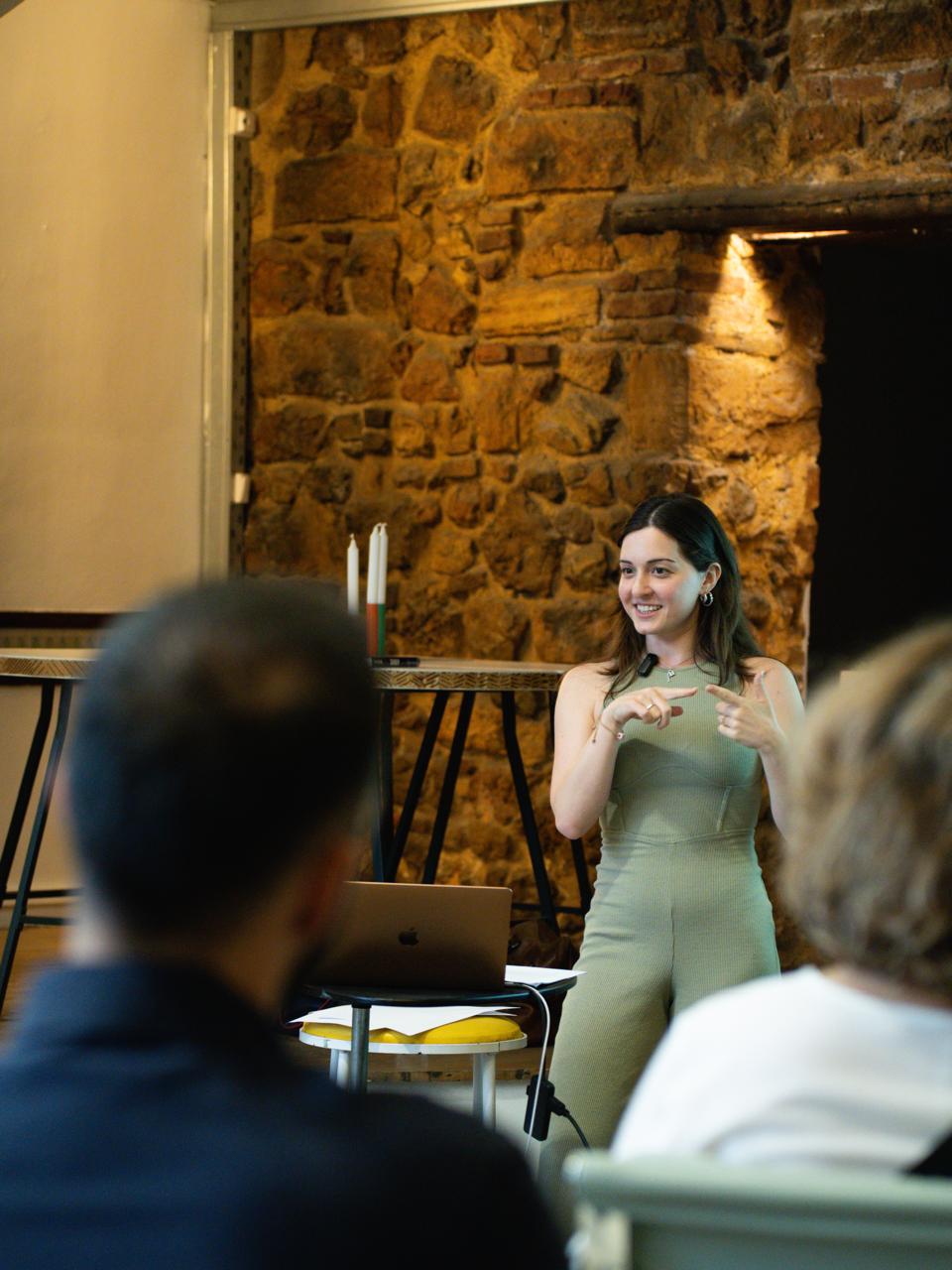
“I am driven by my passion for creating environments in which individuals can freely and confidently tell their story, discover new interests and passions, evolve, and pursue a life authentic to them,” she shares.

NGN 1

What brought her to Greece? A strong cultural connection, a desire to live closer to her roots, and the opportunity to create a meaningful practice that supports others navigating transitions and personal growth far from home.

In our conversation, we talked about her journey from the U.S. to Greece, what it’s like running a therapeutic practice in Athens, the values that guide her work, and her advice for anyone thinking about starting a new life here.

If you’d like to book a counseling session with Andriana, click here.

Q: You grew up and studied in the US. Did you always imagine you’d end up living and working in Greece, or was it more of a spontaneous decision?

A: It was actually a mix of both. Growing up in the US, I used to come to Greece every summer with my family. We’d vacation here and spend time with our relatives. I also had a lot of friends growing up here, and I noticed some differences in the way kids lived. There was something about the lifestyle that really appealed to me.

So even from a young age, I was curious about the idea of living here. Then after I finished college in the US, I came to Greece one summer… and I just didn’t take my return flight back. It was spontaneous, but also something that had been building up inside me for a while. And I’ve been here ever since.

Q: Do you feel more at home in Greece or in the US? And how has living between these two cultures shaped you?

A: That’s a tough one. I always tell this story from my first year living in Greece. I met a couple from the US and they told me, “It takes four to five years to really feel like a new place is home.” At the time, I thought, wow, that’s such a long time. But in reality, they were absolutely right. Around the four-year mark, after spending time in Athens, building a life, discovering what I loved here... I visited the US again, and on the flight back to Greece, I realized this felt like going home.

So, yes, Athens feels like home now. Of course, Chicago will always be home too; my family is there, I grew up there, it’s full of memories and experiences that shaped me. But Athens is my home in the present. I feel very comfortable here.

Q: And how has being shaped by both cultures influenced you, whether in a good way or a challenging one?

A: My parents did a really good job of keeping our Greek culture alive while we were growing up in the US. We went to Greek school, learned the language, celebrated traditions, all of it. So when I moved here, I didn’t feel like a complete outsider. I already felt connected, on a certain level, with the people and the culture.

Of course, there were adjustments. The pace here is very different from the US, and that was a bit of a challenge at first. But learning to slow down and really focus on the things I care about, not just rushing through work or life, was something I needed. I think I’ve found a nice balance between both worlds. Each culture brings something different, and I feel lucky to be shaped by both.

Q: How does being bilingual and bicultural shape the way you connect with clients, especially expats or Greeks who’ve lived abroad?

A: Currently, I offer sessions in English, for anyone who feels more comfortable expressing themselves that way. That can include people from other countries, but also Greeks who’ve lived abroad and just find they connect to certain thoughts or feelings better in English.

As humans, we all go through similar experiences, challenges, emotional struggles, transitions. But for expats or people who have lived outside of Greece, when they return, it can be hard to reconnect with old friends, colleagues, or the culture. Things may not feel the same anymore. They might struggle to reintegrate.

Because I’ve had to do that myself; move, adjust, balance between two cultures, make new friendships, work in a new country, face language barriers - I can relate to that on a personal level. I know how complex it is to lean into that discomfort and eventually grow through it. That helps me guide clients through their thoughts, emotions, and difficult decisions they may have to make as they discover different parts of themselves. We work together on figuring out who they want to be in this new place, what they want to carry with them, and what they want to grow into.

Q: Your brand is called Apeiron. What does that mean, and why did you choose it?

A: “Apeiron” is a word that’s unique and meaningful to me. It means limitless, infinite and unbounded  in Greek and it reflects the idea that human beings are capable of so much exploration and evolution. Because we can visualize, conceptualize, and inspire to such big ideas and dreams , we’re also capable of reaching and realizing them.

Personally, I’ve always had many interests, and often heard things like “you need to pick one and let go of the rest.” But that never really worked for me and I know it doesn’t for many others either. So the idea behind Apeiron is about self-discovery and embracing that your path might be multifaceted. It’s about recognizing what thoughts, patterns, and systems may be holding you back, and figuring out how to move forward in an authentic way, one that reflects all the parts of you. The possibilities are endless.

Q: You’ve worked with a range of people; teens, seniors, now expats. Has any of those experiences been especially transformative?

A: They've all been transformative in different ways. I’ll go by age. Working with teenagers and young adults who are just beginning to build their identity—separate from what their parents or society might expect or impose—was a great experience. Seeing them take risks, be courageous, and get excited about exploring new things was something I really enjoyed. Watching these teens bravely go off to distant countries to study so far away from home, with a zest for life was always a great feeling. I loved being part of helping them take some of the first steps in that journey of becoming “your own person.” 

After that, I worked in senior care centers, with people who have lived long lives through such different times and difficulties. Listening to their stories, stories of resilience, community, family, and long-standing friendships, was incredibly enlightening. It highlighted time and time again the importance of human connection, which can sometimes feel like it’s wearing down in today’s world, and which is often a huge pain point for individuals living far from their home country. Working with these individuals, especially residents of the memory clinics, was also a constant reminder to cherish the “small things” in life: your favorite song, telling a joke with a friend, sitting out in the sun, eating a meal together. 

Now, I work mostly with young adults and adults. People who are motivated, curious, and still looking to discover parts of themselves that may have stayed hidden. Self-exploration takes courage, and it’s amazing to see that it really doesn’t matter what age you are; you can always decide to look deeper, to ask more questions, to hear new perspectives, and to try something different. That’s a big part of what Apeiron is about. You’re never stuck. Life can sometimes make us feel that way, but we can always take our  “immediate next step” - the step that will take you on the path toward clarity, understanding, growth, and authenticity. 

Q: What core values guide you as a therapist, and how have those evolved since you first began?

A: One of my core values is just being human; acknowledging that we are human. That means we’ll make mistakes, face challenges, and won’t always know what to do. But it also means we can reflect, shift our perspective, learn and grow. “Being human” is about being open to the experience, in whatever form it comes, and recognizing that we’re all going through our own personal journeys, living life for the first time. 

My other two core values are embracing change and growing from within. Embracing change doesn’t mean we have to be constantly changing ourselves, but rather accepting that life is always shifting. Things won’t stay constant, and flexibility is key to moving forward in an authentic way.

Growing from within means trusting that we already have what we need to take the “immediate next step.” It's about understanding where you are now, your strengths, your limitations, your thought patterns… and clearing the path so that the most authentic parts of you can bloom and help you move toward where you want to be. We typically have the answers we need inside ourselves, counseling and therapy provides an environment and practice that allows us to bring those answers to light, accept them, and use them to propel us forward. 

Q: Do you see yourself staying in Athens long-term, or do you ever consider moving elsewhere, whether that’s another part of Greece, back to the U.S., or even working remotely from somewhere like a Greek island?

A: Right now, I love Athens. It really has everything you need, and more. One of the things I appreciate most is how diverse the city feels. Each neighborhood has its own completely unique vibe. That kind of contrast makes Athens feel like a city full of possibilities. It’s constantly shifting, surprising you, almost like Apeiron, where there’s no fixed limit to what’s possible.

Greece in general is amazing in that way. You’re never too far from a total change of scenery. You can go from the mountains to the beach in no time. So it’s easy to find your own rhythm, your own place.

As for moving elsewhere, I haven’t seriously thought about living in another part of Greece yet, but I’m open to it. It really depends on what opportunities come up. Since my sessions are online, technically I could work from anywhere. But for me, the remote lifestyle can sometimes be hectic. My work requires a  quiet, private, stable environment.. So working from  cafés, or moving around a lot is not really great for me. I like to have a calm, consistent space where I can fully focus and be present for clients. 

Q: What do you love most about Athens? And what’s something you found here that you couldn’t find in Chicago? On the flip side, what do you still find hard to adjust to?

A: It’s funny but I always feel like Athens is bigger than Chicago because of how dense the city is. There’s so much more to do here. Like I said, every neighborhood has its own energy, its own vibe, and different kinds of people. So there’s always variety. You never get bored. Even in terms of entertainment, there’s always something going on.

Chicago, by contrast, feels smaller, not in size, but in structure. It has a more consistent feel across neighborhoods. But I love Chicago too; it’s cozy, it’s comfortable. It’s cold, but I like that sometimes. Autumn and spring in Chicago, especially, are beautiful. Winter, not so much. But there’s a coziness I appreciate.

Athens, on the other hand, feels more versatile, but can also feel like a concrete jungle. There's a different kind of energy in the U.S. too, sometimes more inspiring or motivational, just because of how things are structured. In Greece, the pace is slower, and people focus on different things. So it takes more self-motivation and grind, which can be a challenge if you haven’t found your community yet.

Q: Is self-motivation something you still find challenging?

A: At first, yes, it was definitely a challenge, especially when it came to finding like-minded people, those who had also lived abroad or been exposed to different perspectives. That’s something a lot of expats experience, and even Greeks who have spent time abroad can relate. But over time, I found my community. 

Humans are not meant to do everything on their own, so self-motivation is needed to get you started and to keep you moving in the direction that will help you find, build, and maintain your own community. When you move through your life authentically, building your own routines and systems, it becomes much easier to find the people you really fit with. It takes time, but it is so important and worth the work and persistence. 

Q: What advice would you give to people who want to come and live here and start a new life in Athens?

A: I’d say be patient, open, and curious. Don’t hesitate to ask others for guidance or help, and be ready to try new experiences. Curiosity goes a long way in discovering yourself, but also in truly and deeply understanding others and building a solid community. 

Athens is a welcoming city, and if you give it time and stay open, you’ll find your place.

Chatting with Andriana was both insightful and uplifting — a candid, thoughtful conversation about identity, change, and finding purpose in new places. We’re grateful to her for sharing her journey and perspective with us.

You can follow her on Instagram and LinkedIn to keep up with her work! 


Author Florence Wetzel has followed her curiosity across countries and genres—from literary fiction to mysteries, from Brooklyn to Sweden and Greece. In this conversation, she reflects on her years abroad, the inspirations behind her novels Aspasia and The Grand Man, and how language, place, and personal truth continue to shape her creative path.


Q: You were born in Brooklyn, New York, but lived in Greece from 1990 to 1995, in a small fishing village in Crete. How did that happen?

The seeds for my move to Greece go back to 1976, when my family took a trip to Europe. We went on a cruise to Greece and stopped in Crete to visit Knossos. The light there captivated me—it left a deep, almost mystical impression.

In 1989, a friend was doing an archaeological dig in Crete and invited me along so I could do my writing there. I was 27, living cheaply in Hoboken and working part-time. I wasn’t particularly rooted, so I thought, “Why not? It’ll be an adventure.”

That’s how I ended up living in a small fishing village in northeastern Crete. While my friend worked, I wrote and fell in love with the village—and eventually with a local fisherman. I’d been craving something different from city life, and the village felt like another world. The early 90s were of course before the internet and personal computers, so when I look back, I realize it really was another world.

Flash forward to 2025: I’m retired and spending time in Crete again, in my old village. It feels great to be back.

Q: What was it about living in Crete, specifically in this village, that shaped you personally and creatively?

As much as I loved living in Hoboken, I was looking for something different. Most of all, I wanted to be closer to nature. In New Jersey, life rushes by so quickly. People talk fast and always have so much to do. In this village in Crete, time was different. There wasn’t that constant drive to be busy and productive.

In New Jersey, when you meet someone, one of the first questions people ask is “What do you do? What’s your job?” In Crete, it was “Where are you from? Who are your people?” Or “Tinos eisai?” as people say in Greek. People in Crete don’t usually define themselves by their work. They define themselves by where they were from and their families, who often go back centuries in the same village.

I remember once talking to a man from Heraklion who came to visit my village. He had an interesting job, but when I asked him about it, he said, “When I’m at work, I talk about my job. I’m not at work now, so I don’t want to talk about it.” 

That gave me a different perspective on how you could live and define yourself. In that sense, village life changed my perception of myself. There was a rootedness I got to experience, even as an expat.

Q: What inspired you to write a story set in Greece?

My first year in Crete in 1990 was an intense adjustment period. I was overjoyed to be there, but I was adapting to a whole new lifestyle, and I was also struggling to learn Greek. It certainly wasn’t time to start a new writing project.

After about a year, something clicked. Maybe it was finally having enough experiences there to write about, but suddenly I had an idea for my book Mrs. Papadakis. I wrote it from 1991 to 1992, and self-published it in 2002. It’s a light, affectionate story about an American woman in a Cretan village deciding whether to stay or go back to the U.S.

Once that book was done, I started Aspasia. It’s a much different story, about the darker side of village life. I wrote Aspasia from 1992 to 1993, and I also published that book in 2002, along with Mrs. Papadakis.

Now all these years later, I’m slowly working through my older books and republishing them. Each book is getting a new cover and a very thorough edit. I re-released Aspasia in July 2025, and I’ll be re-releasing Mrs. Papadakis in January 2026.

Looking back at these two books, they were completely inspired by living in Crete: the village, the people, the nature, and also the experience of living in a small community. 

Q: What do you personally love most about Greece, then or now? What did you want to capture in your novels?

A: The pace of life and the different sense of time. And equally, the stunning nature. Crete has amazing mountains in all shapes and forms, and of course the sea is just stunning. There are always amazing sunsets and moonrises, and it’s nice to slow down and experience them.

I also really love olive trees. Around my village, we have some really old ones that are truly beautiful. When olive trees get old, they start splitting apart, making fascinating shapes with their branches. I also love the smells of Crete, like the oregano and sage that grow wild in the mountains.

The sense of safety is something else I enjoy. You can go on walks deep into the mountains and never feel scared. 

Because there are fewer people and more nature in Crete, it makes you feel right-sized. It quiets you down and puts the human experience in perspective. We humans can tend to think we’re the center of the universe, but it’s hard to feel that in Crete. Nature is always bigger than you are.

Q: What do you want to pass on to people about Greece? What do you hope they feel about the country?

I think all the things I just mentioned: the beauty of the landscape, the slower pace of life, and the unique charm of the Greek people, especially in Crete.

One danger for expats is that most people first experience the country while on vacation, so they think it’s paradise. They imagine that living in Greece will always be like that. But once you move there, daily life sets in. You have the same responsibilities as anywhere else, paying rent, putting food on the table, etc. It’s important to find a balance: to keep connected to the things you originally loved about Greece, but at the same time take care of the practicalities.

Q: Aspasia explores a difficult reality about family and survival. What inspired you to approach such a challenging subject?

A: The main inspiration was the book Astradeni by Evgenia Fakinou, which ends with something violent happening to a child. For a writer, that’s a very bold choice, to end on a violent act without giving the reader a sense of justice or healing. It’s an amazing book, but I was haunted by it and felt I needed to fix it. Maybe that’s partly what writing is for me, a chance to fix things, to create the world as I would have. So Aspasia came from this inner hunger to change that ending.

Another inspiration was Antigone by Sophocles, which I read in university in a class on classical Western literature. I was struck by the theme of someone seeking justice when society won’t give it, and having to create justice on their own terms. A modern literary example is Lisbeth Salander from The Girl with the Dragon Tattoo: she is abused and can’t get help from the system, so she takes care of her abuser herself.

Also, a friend’s mother told me the kind of violence in Aspasia was not uncommon in her village. I was haunted by that too.

Click HERE to read Aspasia's review!

Q: Aspasia connects to ancient Greece, and the name Aspasia has historical significance as an important woman in ancient Greek culture. What meaning did you want that name to carry in your story?
 
There are two threads to that. One is that I know a woman named Aspasia who lives in my village. I met her one summer in the early 90s when we were both cleaning pottery shards for archaeologists. She has a great sense of humor and tells wonderful stories. I’d never heard the name before I met her, and I thought it was so beautiful. The original Aspasia is still alive, by the way! And we still have chats.

The second aspect is the historical figure of Aspasia. While planning the book, I did some research and learned about her incredible history in Greece’s Golden Age. I also learned that in Greece, when you name a child after a great person, it gives them something to live up to.

People think little girls are powerless, but actually they are very strong. That’s why I wanted to name the book Aspasia. The five-year-old girl in the book goes through a terrible ordeal, but she doesn’t give up. Her mother supports her, and she finds a way forward toward healing. Like the ancient Aspasia, who was a strong heroine, I feel this little girl named Aspasia in my book is also a heroine to look up to.

Q: Throughout the book, we see Greek words and phrases sprinkled in. How did you decide which Greek words to include, and what was your approach to that?

Since the book is written in English but set in Greece, I wanted to remind readers that the characters are actually speaking Greek. Sprinkling in Greek words helps with that. But I had to be careful not to overwhelm readers, otherwise the book could start to feel like a language lesson.

I chose a few key Greek words to include—always transliterated into Roman letters, never using Greek script. Two examples are “kafeneio” and “pappou” (grandfather). Hopefully, readers get used to seeing these words in the story, and this gives them the flavor of speaking in Greek.

A friend who’s a Greek language teacher helped me with the transliteration, making sure the transliterated words were simple and clear for readers. It was important for me to get that right, especially since I hope Greeks will read the book, and I want to respect their beautiful language.

Q: Tell us a bit about your journey studying Greek.

When I was growing up in America, I studied Latin and hated it. I also studied a little Spanish, and I hated that too. Foreign languages just weren’t my thing, maybe because I didn’t see any immediate rewards.

Then in 1990, at age 27, I found myself living in Greece. Back then, most people over 55 in my village didn’t speak any English. Even those who knew English would switch to Greek when we were in a parea. I remember sitting there and not understanding a word, feeling like a baby who didn’t know anything.

A friend who lived overseas had advised me to bring an English-language Greek grammar book, so that was my only resource. Remember, there was no internet or YouTube back in the early 90s! But even with the book, I found learning Greek a real struggle. The alphabet felt like an impossible block. In that first year, I tried to learn the alphabet three times, but each time I got confused and gave up. Each time I abandoned my studies, I lost confidence. 

My breakthrough came when I realized I’m a visual learner. I couldn’t read adult books, but looking at children’s books helped me. Seeing a sentence and understanding a few words gave me the confidence I needed to keep going. I started studying about an hour a day with my grammar book, and I paid attention to the words I was hearing in daily life. Learning long vocabulary lists wasn’t helpful for me; I found it was better to learn words people were actually saying.

Living in a small village helped a lot. You can see results quickly, and it feels great when you start understanding what people are saying. It’s also really important to ask questions. Some people have patience with language learners, some don’t, but try to find the ones who do and learn from them.

My big tip to your readers is: don’t stop studying. Even when it’s hard, keep going, because every time you stop, you lose confidence and motivation. Just 10 minutes a day can keep the momentum going.

Q: Which countries have you lived in? And how do you think these different cultural environments have shaped you as a person or as a writer?

I lived in Crete from 1990 to 1995, which was my first experience living overseas as an expat. From 1995 to 2013, I stayed mostly in America and didn’t travel much. Then in 2013, I became very interested in Sweden and started spending chunks of time there every year. I even learned Swedish, which took a lot of work, but it gave me a deeper connection with the culture. Just as learning Greek had given me a better appreciation of life in Crete.

Sweden gave me a very different perspective on life. They have this concept of lagom, which means “just the right amount.” It’s such a contrast to America, where it often feels like “too much is not enough.” The Swedish approach feels more balanced, with a much healthier work-life rhythm. Most Swedes are not particularly religious, but nature seems to serve as their spiritual practice, which I also found inspiring.

In 2020, when the pandemic made it impossible to visit Sweden, I started traveling to London instead, spending several months there at a time. It’s been interesting adjusting to British culture: knowing the language of course makes it easier, but there are still unique rules and customs. London is amazing, so vibrant and stimulating, much like New York in many ways. I love the British humor and the energy of the city. But it’s a rather intense place, so it only works for me in small doses.

As for Crete, I love its slower, rooted pace of life. I grew up in cities, and I’ll always need that energy, but as I get older, I’m appreciating the quiet of the Greek village more. 

Q: You mentioned Sweden, and I know you’ve written a Swedish mystery, The Grand Man. Was that book inspired by your time there, and did you include autobiographical elements, similar to how your book set in Greece reflects your own experience?

The Grand Man is actually why I first went to Sweden in January 2013. I’d been reading a lot of Swedish mysteries, starting with The Girl with the Dragon Tattoo, and I decided to write my own. I went there to do research, and that’s when I fell in love with Sweden.

There are three main characters in The Grand Man: two are Swedish, and one is an American journalist who comes to Sweden for the first time, just like I did. During that first visit, I took lots of notes about life in Stockholm that I used in the book. So the journalist in the book is not me exactly, but she wouldn’t exist without my own experiences there.

Q: You’ve written many mysteries like The Grand Man and Dashiki, which you call a cozy mystery, as well as horror and sinister stories. What draws you so deeply to mystery and suspense? And when it comes to Aspasia, how do you personally classify that book—would you call it a mystery, thriller, or something else?

I grew up reading Nancy Drew. She was my absolute favorite, the classic girl detective. My mom loved mysteries too, so she really inspired me. However, when I started writing my own stories, I was more interested in writing standard literature than mysteries.

Over the years, I’ve changed my focus. Slowly I found myself drawn to writing mysteries. What intrigues me about them is figuring out the plot, and deciding how to drop clues without giving too much away. It’s challenging, but so much fun.

Aspasia is not really a traditional mystery. There are two crimes in the book, but you know right away who committed them. I think of Aspasia more as literary fiction with elements of suspense, which is why I gave it the subtitle A Novel of Suspense and Secrets. The book also tackles deeper themes, which I suppose makes it more literary. So I’d say it’s a novel with thriller and suspense elements, rather than a straight mystery.

Q: Do you see yourself continuing to write stories set in Greece in the future, or are you thinking of exploring new settings and themes for what’s coming next?

Right now, I’m focused on revisiting some of my older books, as I mentioned. That’s my main project for the next couple of years. After that, I definitely plan to write something new, and I wouldn’t be surprised if it ends up being set in Crete. I’m feeling inspired by spending time in Crete again, so it’s possible a new book set in Greece will begin to take shape in the coming years.

Q: To sum it all up, looking back at your body of work, what do you hope readers take away most from your books?

First and foremost, I hope readers enjoy my stories, that they feel entertained, even if some books are a bit challenging. I also hope that people find ideas that inspire them. Many of my books explore living an authentic life, understanding who you are and acting accordingly, even when it’s difficult.

Aspasia is really about that: being true to yourself and appreciating this beautiful world we live in, with all its diverse countries and people.

A heartfelt thank‑you to Florence for taking us on such a rich journey through her stories, travels, and creative process. It’s rare to meet someone who can weave together personal history, cultural insight, and literary craft with such warmth and honesty. We’re grateful for her time and for sharing the experiences behind the worlds she creates on the page!

You can follow Florence and more of her work here or on her personal Instagram or Facebook account.
Page 132 of 465