
Wellness Hub Top Banner
XpatAthens

XpatAthens

Thursday, 05 February 2015 13:29

My Week in Athens… Dec 6

Having recently completed (and enjoyed!) the photography course offered via XpatAthens, I decided to check out the Helmut Newton photo exhibit at the Onassis Cultural Centre...

Helmut Newton is one of the world’s famous photographers, working before the ‘age of photoshop’… The exhibit was simple and striking – his provocative style is well-known.

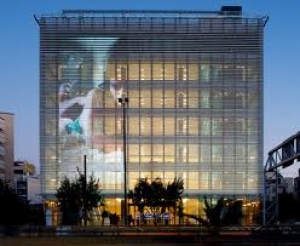
Opened in 2010 after an international architecture competition, the Onassis Cultural Centre is a modern building on Syngrou Avenue, near the Intercontinental Hotel. As Athens’ newest major cultural space, it plays host to a great variety of events and performances from the worlds of theatre, dance, music and the visual arts to the written word.

I must say, the building is impressive: different levels, different layers offering interesting spaces to explore. Ticket prices seem quite reasonable. A quick scan through their website (in English!) reveals a rich program, with something for everyone interested in contemporary culture. It gets a bookmark on my browser. ;)

And on-site parking too.

Until next week,

Jack

Onassis Cultural Centre
107-109 Syngrou Avenue
Information/Tickets: 210 900 5800
www.sgt.gr/en

In this weekly space, keep up with ‘Jack’ as he navigates daily life in Athens… Anecdotes, stories, hits & misses, the good, the bad and, well, the rest…

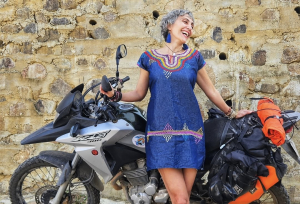
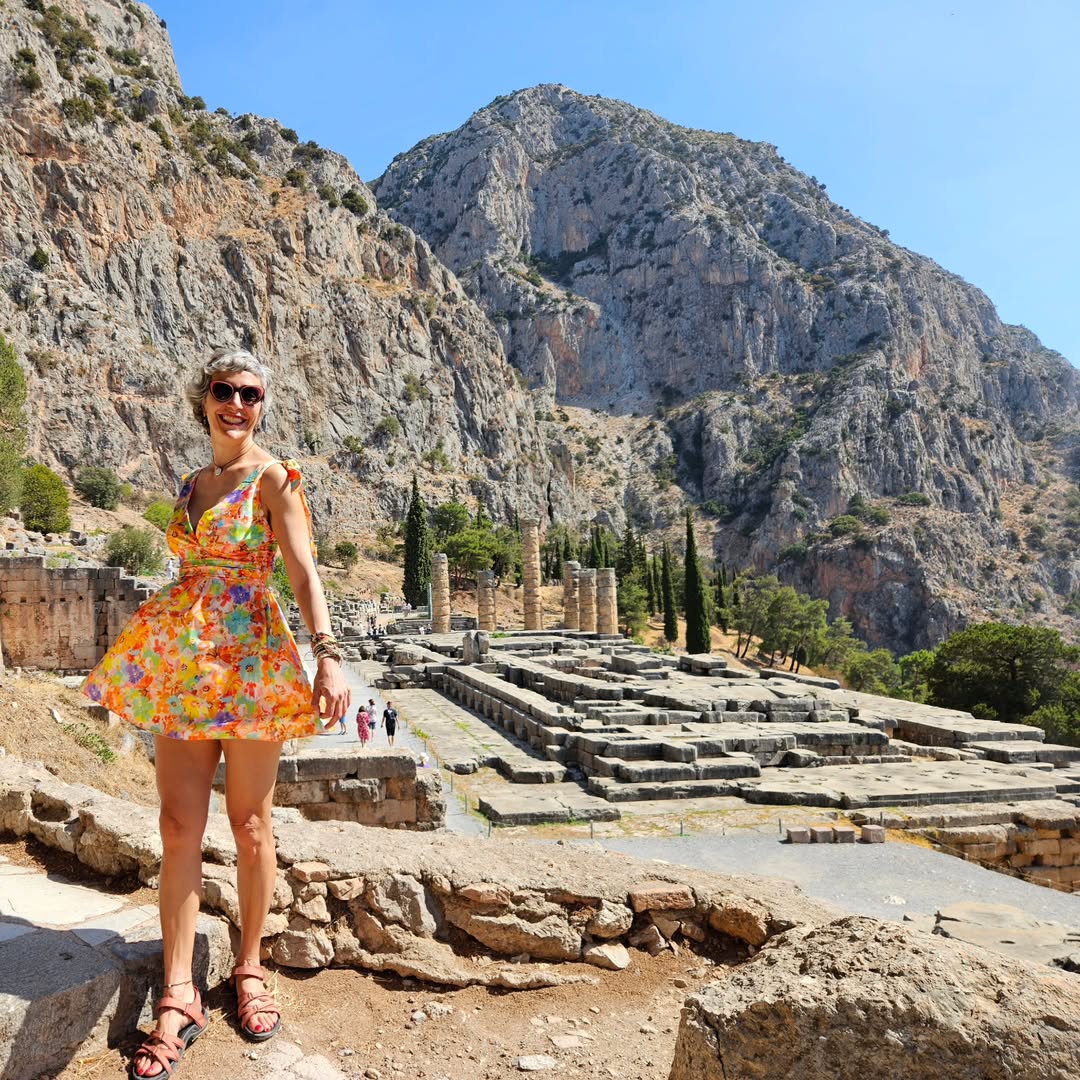
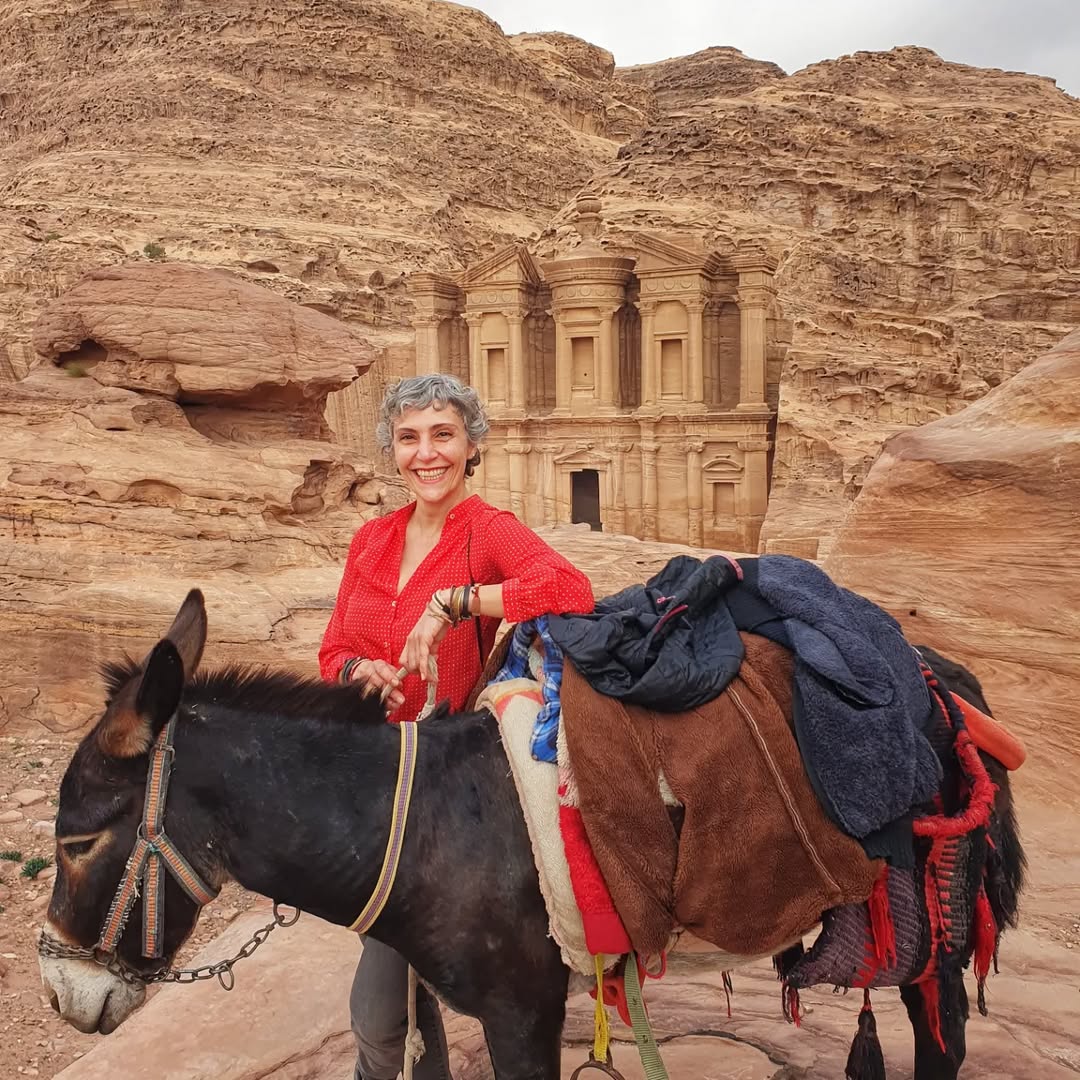
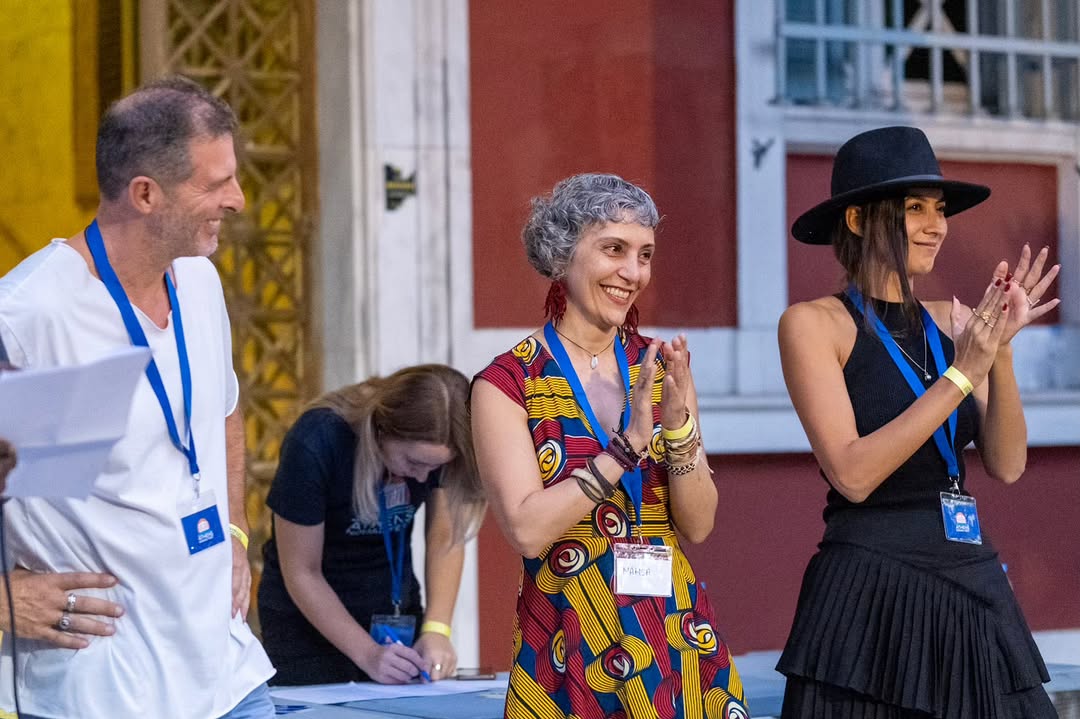
From riding through remote mountain passes on her motorcycle to organizing global nomad festivals, Mahsa has redefined what it means to travel with purpose. With over 100 countries behind her, a multi-base lifestyle, and a deep passion for cultural exchange, she’s building a movement. We sat down to talk about her journey, her inspirations, and how she sees the future of travel.

SnapInsta.to 459032292 896046375731518 5130295836584335550 n

Q: You started traveling at 16. Was it something you always dreamed of, or did a particular event spark it?

I would say I was always very curious about other cultures, other people, other countries. And I think the most direct way to learn about other places is by traveling. Also, I always loved improvement. I never believed that just because I was born somewhere, I had to live my whole life there. I wanted to improve my quality of life, my world vision, even the quality of people I was surrounded by.

So it was this combination of curiosity—about how the world is, what people think and feel—and this urge for improvement, to achieve something better.

Q: Out of all the places you’ve been, what makes Greece stand out?

I think choosing a favorite country is very personal. For me, what I really appreciate in any place is the people; their kindness, helpfulness, and consideration. Greece still has that. Compared to many places in the European Union, Greece feels more genuine and authentic because people remain warm-hearted and generous. In more modernized countries, things get automated and regulations sometimes reduce personal interaction. But in Greece, the friendliness is still intact.

Also, Greece is one of the oldest civilizations in the world. Traveling here means you’re walking through the history of humanity, philosophers, scientists, mathematicians. Democracy was invented here, even if it never worked perfectly!

Then there's nature—the mainland, the islands, the food. Its location is exciting, too, close to the Balkans, Turkey, the Ottoman influences, and North Africa. For example, from Greece I could easily fly to Egypt for €100 and visit the pyramids. It’s a very complete country in lifestyle, culture, geography, so many boxes are checked.

Q: You’ve been to over 100 countries. Are there a few that had a particularly big impact on you, and why?

I’m impacted by countries where you see how the government or society isn’t functioning well, where there’s injustice and corruption. The social, political, and geopolitical situation really affects me, more than nature or other things.

For example, I traveled a lot in Central America. It was tough to see entire nations suffering because of failing governments and corruption. It’s similar to what we see in Europe and Greece: great people but governments that don’t create the right environment for a good quality of life.

When it comes to nature, of course, I love Greece’s beauty. Another surprising place was Sudan. Both North and South Sudan are heavily affected by the civil war, but the people were so friendly and the country felt safe. Sudan is almost invisible in the news, but it’s an amazing country with a generous heart.

Kyrgyzstan impressed me with its wild nature and nomadic culture—I feel a connection because I’m a bit of a nomad myself. Pakistan is similar, with people moving seasonally with their animals, living a simple life, which I admire and keep going back to.

Q: Do you consider yourself to have a home base? Is it Athens, or do you feel most at home while traveling from place to place?

Well, a few years ago, I realized that for me, it only takes about two days to start feeling at home in any city. Because I move around so much—especially on a motorcycle—I’m not someone who stays put in one city for a month. I’m always traveling around the country, exploring day by day: the north, the east, the west, the coast, the mountains, big cities, remote villages.

That kind of lifestyle requires a lot of adaptation. You get very used to adapting and feeling comfortable, because otherwise it would be hard, changing your environment and circle of people every day.
So I’m very comfortable on the road, but it’s funny—I do get homesick. I miss Athens, or Greece.

SnapInsta.to 323072112 212571244590303 1827152109563700242 n

Q:  Do you ever see yourself settling down in one place, or do you believe you’ll always be traveling?

Yeah, many people ask me that question, but honestly, I’ve never really asked it to myself, because it’s always felt very natural. I started traveling simply because I could. I could work while traveling, and I wanted to do that. It wasn’t some big plan; it just happened organically.

I think today, with all the tools we have—not just for running our businesses, but really for managing our whole lives—there’s no real need to settle down in the traditional sense. I mean, I love Athens, and I use it as a base. I think that’s how more and more nomads are thinking: not so much about settling, but about finding “bases.”

For me, I have a few of those. One is in Bansko, which has this amazing digital nomad community. It’s like a creative Silicon Valley, every day you’re learning something new, starting projects, bouncing around ideas. It’s really alive. Then there’s Athens, where I come back and instantly feel at home. I see friends, enjoy the culture, and reconnect. Austria is another base—it was my old one—so I go back there sometimes too.
This kind of setup works much better for me than settling down in just one place. Settling would actually feel like reducing my chances to travel, to learn, to grow, to live a more exciting life. So for now, I’d say no, I don’t see myself settling. I see myself expanding… just with multiple bases.

Q: You mentioned that your preferred way of traveling is motorcycling. Why is that?

It was both a practical and personal choice. No one in my family rode motorcycles, but I’ve always valued independence—and a bike gave me exactly that. It’s cheaper than a car, can handle rough terrain, and lets me reach remote places to meet people and learn.

Mobility means everything today. With my bike, I don’t have to wait—I just go. It matches my rhythm: fast, open, connected. I’m not closed off like in a car. I’m out there, talking to people, and that suits me perfectly.

Q: You speak so many languages. Can you tell us which ones, and how you picked them up?

Yes, unfortunately, I don’t speak any Greek yet, and that bothers me. From what I’ve heard, Greek is more difficult than other languages. It’s not something you can just learn casually; it requires focus and time, which I don’t have right now. But I haven’t given up hope.

My mother tongue is Persian, and my second language is German. I also speak English, Spanish, and French, though not as well as the others. I can read and write French, and I know some Arabic and Russian, which helps me when I travel.

Q: Out of all these languages, which was the hardest to learn?

Arabic and Russian. I never really finished them, so I know just enough for basic conversation and survival. Both have very complicated grammar. I was more comfortable with Russian because it’s Indo-European like my other languages, but Arabic is from a totally different language family.
Arabic is especially hard because there’s a classical version and many local dialects. Arabic from Egypt is very different from Arabic in Saudi Arabia or Yemen, or the formal Quranic Arabic. So, you’re not just learning one language; you’re learning five or six different versions.

Q: Your brand “Not Just a Tourist” is all about authentic cultural experiences. What inspired you to start it?

Yeah, like I mentioned, I always loved traveling. I started young and whenever I had time and some resources as a student, I’d just go explore Europe or wherever I could. I’m a perfectionist—I like improving things and I don’t like when something isn’t functional or doesn’t work well.

I used to work in corporate jobs, with long hours, like officially 9 to 5 but really more like 7 to 9 pm. I tried to make the most out of my vacations, but it was hard because there wasn’t much freedom or flexibility. Then in 2008, during the crisis, I got fired from Philip Morris. I thought, okay, great, now I can travel and figure out what I want to do with my life.

While traveling, I noticed that a lot of tours and companies don’t offer quality experiences. You pay for a tour but the car is bad, the guide isn’t passionate, the food is poor. I thought, no, this should be better.
I also wanted to create a real connection between tourists and locals. I’m not going to Thailand just to eat coconut and drink. I want to understand the local culture, what people care about, what excites them, their history. That local aspect was missing from most tours back then.

So I decided to create my own initiative and brand—not just a tourist, but a traveler who’s enthusiastic about local people and culture. That was the main idea.

Q: Since launching the brand, have you seen tourism change? Are people seeking more authentic experiences now?

Tourism has changed a lot and is evolving fast. It’s become more personalized, more experience-based. People aren’t just snapping pics of the Acropolis anymore; they’re doing VR tours, hands-on workshops, connecting with locals.

Take food, for example. Twenty years ago, food tours didn’t exist. Now, food is a way to consume culture. In Greece, it’s not just about eating souvlaki, it’s the whole tavern vibe: the music, the people, the old chairs. That’s what makes you fall in love with the place.

Tourism has improved, but overtourism is a real issue. Places like Athens are struggling—prices in the center are crazy. Tourism can be a powerful tool for learning and connection, but it's getting overrun by influencer culture and consumerism. It’s becoming about photos, not real experiences.

SnapInsta.to 461437209 943515984488889 8756170605465079612 n

Q: Let’s talk about Athens Nomad Fest. What sparked the idea, and why is Athens the right place for it?

As I said, I’m someone who always likes to improve things, not just be passive and use resources without giving back. When I first came to Athens, I barely knew anyone but there was already a small digital nomad community, people working in Athens for weeks or months at a time. We had a WhatsApp group and did activities together. That gave me a sense of community right away.

Then Covid hit and everything stopped. When it was over, I came back to Athens, and with another foreigner based here, we started a community WhatsApp group for expats, foreigners, and Greeks to hang out, explore, and work together. That was the main idea: to build community.

I’ve been a digital nomad since 2013 and have attended and helped organize one of the biggest digital nomad festivals in Bansko, Bulgaria, a small mountain town. It’s not just a music festival, but a conference-festival where people share skills, network, and have fun.

Seeing how successful that was in a small place like Bansko, I thought, why not Greece? We have the infrastructure, the qualities to host something like that.

Last year, I connected with active Greek remote workers and others organizing similar things, so we created Athens Nomad Fest to put Athens and Greece on the digital nomad map. Greece is amazing, and Athens is one of the oldest European capitals, but hardly anyone thinks of it as a hub for highly skilled professionals working remotely. People go to Berlin, Lisbon, even Albania, but not Athens.

The festival promotes Athens and Greece to the world and brings skilled professionals here for locals to meet them and see there’s a whole different world out there, a way to live and work that’s empowered and different. So it’s about mutual benefit: foreigners coming here, locals learning, and building community together.

What’s interesting is that countries like Korea, Japan, Taiwan are heavily investing in digital nomadism. It’s like the governments have a clear vision. For example, Asians came to Bansko, learned from our festivals and communities, went back home, and talked to their governments. Then those governments said, “Here is the money, go make it happen.” So Korea, Japan, Taiwan, and even Thailand are now joining this movement with serious support.

Q: What’s next on your personal or professional journey? 

Professionally, I’m really focusing on consolidating both the Athens Nomad Fest and the Bansko Nomad Fest. These are still works in progress. You start with an idea, and then you expand it, you shape it, you learn as you go.

Something I’ve been dreaming about—and it’s not a fixed project yet, but definitely on my mind—is creating a co-living space or retreat for remote workers. A kind of intentional community where people can come not just to work, but also to rest, to learn, to connect with others on a deeper level. A place that combines personal development, creativity, and downtime.

You know, talking again about travel and this whole question of settling down, while I still believe in having bases, I think there’s a beautiful middle ground. And that’s creating spaces where people like us—remote workers, creatives, nomads—can pause, recharge, and grow together without losing that freedom.

Q: What advice would you give to someone who wants to become a digital nomad and travel the world?

Start by informing yourself. There are tons of resources—courses, webinars, communities—that can help you understand location independence and financial freedom. But most importantly, you need inspiration. That’s what truly gets people moving.

Events like Athens Nomad Fest can be life-changing. You meet others, hear real stories, and suddenly things feel possible. All it takes is one spark, one connection, and you realize—yes, I can do this too. Learn from others, follow their example, and take the leap.

Q: And finally, if you had to sum up travel in just three words, what would they be?

Growth. Empowerement. Excitement.
 

Huge thanks to Mahsa for sharing her amazing story and inspiring us to travel with purpose and heart. If you want to follow her adventures, check out her Instagram HERE!

And if you’re curious about the vibrant communities she’s building, explore the Athens Nomad Festival HERE and the Bansko Nomad Festival HERE.

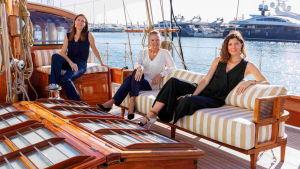
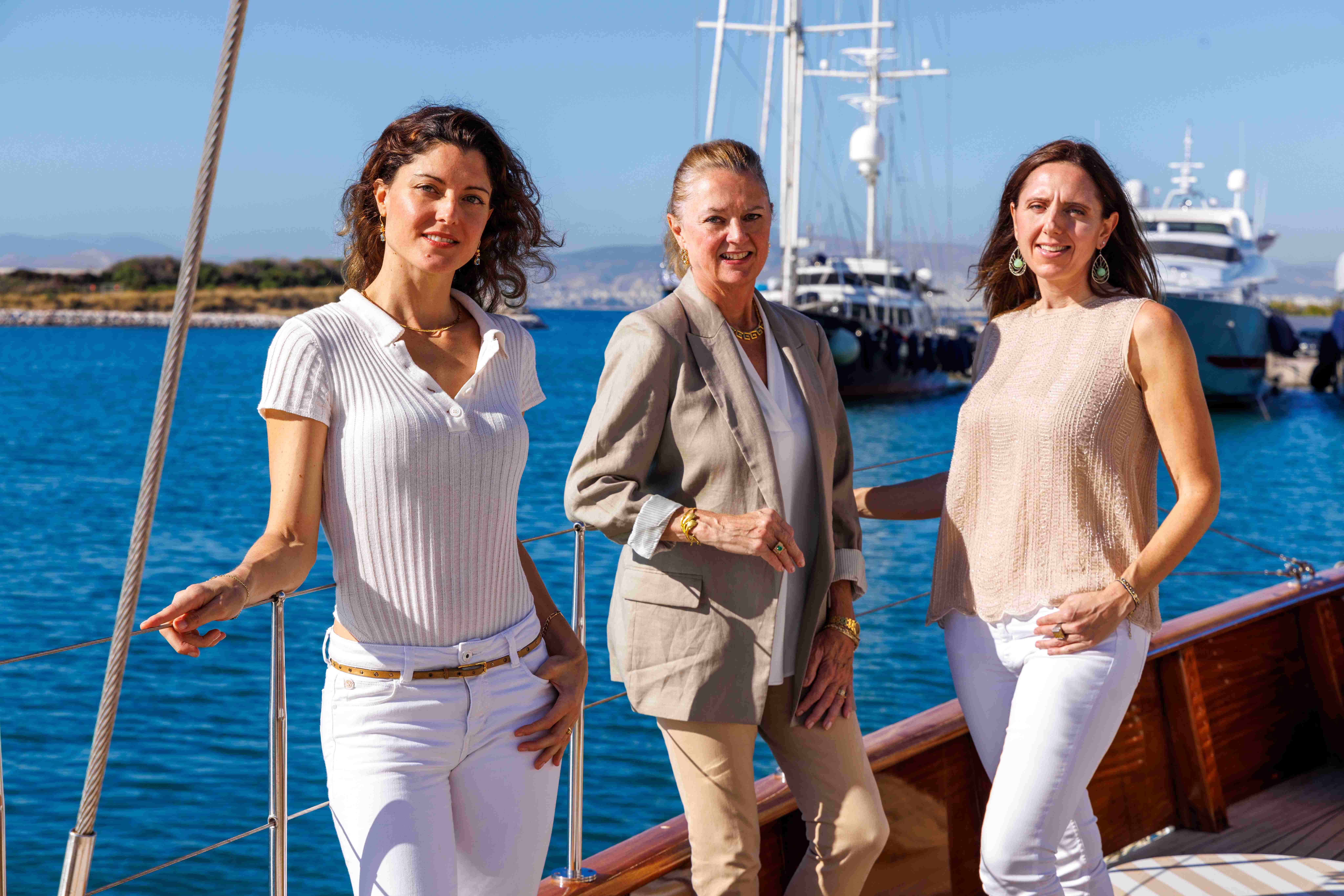
Nearly five decades ago, a chance encounter in Athens forever changed the course of her life. What began as a magical introduction to Greece—and to her future husband, Bill Lefakinis, founder of Valef Yachts—evolved into a lifelong journey of love, family, and leadership in the world of luxury yachting. In this interview, she shares her story of adapting to Greek life, the lessons learned from building a family legacy, and why Greece continues to shine as one of the world’s most treasured yachting destinations.
8Z4A1953

Q: How did you first come to Greece and meet your husband, Bill?
As fate would have it, an ex-boyfriend had just returned from Greece, where he had finalized plans to charter a yacht for his family. While there, he met Bill Lefakinis, the owner of Valef Yachts, and they quickly became friends. When I arrived in Greece, my friend insisted I meet Bill.

On the second day of my trip, after an island excursion, Bill picked us up in Athens and suggested a quick stop. That “stop” turned out to be the yacht my friend had selected, gleaming in Vouliagmeni Marina, crew in uniform, champagne and meze waiting. It was magical. Later that night, after dinner in Mikrolimano Port, Bill surprised me by asking me to marry him. I laughed, of course, how could I marry someone I’d just met? I told him I’d need to love him, meet his family and friends, and truly know him first. Still, I found him incredibly intriguing, and our story began from there.

Q: What was it like adjusting to life in Greece?

My three-week journey through the islands was transformative. I visited historical sites, museums, churches, and beaches; I savored traditional cuisine, swam in the crystal-clear Mediterranean, and let the culture and people wash over me. Greece became a part of me; I felt at peace and deeply grateful.

When I eventually settled there with Bill, the adjustment felt effortless. I embraced the slower pace—lunches on our balcony overlooking Marina Zeas, afternoon naps, evenings by the sea, and mornings shopping at bustling open-air markets full of fresh produce, seafood, and spices. Life was idyllic, but I wanted mental stimulation. Slowly, I began helping at Valef Yachts, listening in on meetings, taking small tasks, and immersing myself in the world of Greek yachting. That step grew into a lifelong career.

Q: Do you personally identify as Greek? How has the country influenced your life and leadership style?

While I wasn’t born Greek, living in Greece for decades—raising a family, building a business, and immersing myself in the culture—has made me feel deeply connected to the country. In many ways, I identify as Greek.

Greece has shaped my lifestyle and leadership, teaching me the value of relationships, resilience, and hospitality. Business here is personal, built on trust and connection, and that philosophy guides how I lead at Valef.

Living in Greece also instilled a sense of balance—slowing down, appreciating beauty, and being present—which keeps me grounded in both life and business.

Q: Over the years, Greece has changed a lot socially and economically. How do you feel it has evolved since Valef’s early days?

Since I first came to Greece nearly 47 years ago, the country has changed dramatically. Life used to move at a slower, more relaxed pace, with cherished traditions like midday siestas and long coffees with friends. There was a simplicity that felt rich and fulfilling.

Today, Greece is faster-paced and more globalized, with technology transforming work, communication, and business. While I appreciate these modern conveniences, I sometimes miss the personal rhythm of the past.

Yet the spirit of hospitality, the warmth of the people, and the deep cultural roots remain what continues to make Greece truly special.

Q: What does yachting mean to you personally, beyond the business side? What draws people to this lifestyle in your experience?

To me, yachting is a way of life. It offers the freedom to explore destinations in comfort and privacy, while immersing yourself in the natural beauty, culture, and rhythm of each place you visit.

What makes yachting truly special is the seamless blend of exploration and personalized hospitality. Clients get to discover new islands, hidden coves, and charming seaside towns, all without the hassle of packing and unpacking or changing hotels. Each day offers something new, yet everything is tailored to their pace and preferences.

Yachting creates a luxurious yet intimate way to travel. It brings people closer to the destination, to each other, and to a slower, more meaningful way of experiencing the world. I’d call it a transformative escape.

Q: Why do you think Greece has become one of the world’s top yachting destinations? What makes it so special compared to other places?

Greece offers a unique blend of natural beauty, history, and hospitality that makes it unlike any other yachting destination. With more than 7,000 islands and endless coastline, the cruising options range from cosmopolitan hubs to quiet, untouched coves.

The long sunny seasons, calm seas, and favorable winds create ideal conditions, but it’s the warmth and hospitality of the Greek people—along with the country’s rich history and culture—that make each journey truly special.

Today, Greece also boasts world-class yachts and modern marinas, ensuring top-tier service and infrastructure. Together, these elements—climate, geography, culture, and fleet—make Greece an unbeatable destination for luxury yachting.

Q: Are there any particular Greek islands or hidden gems that you love personally and would recommend to someone exploring the Greek islands by yacht?

Hydra holds a special place in my heart. I have countless fond memories from over the years, and I love that it has managed to preserve its traditional charm and character. With no cars on the island, just donkeys and walking paths, Hydra offers a peaceful, elegant atmosphere that feels like stepping back in time.

That said, we never take a one-size-fits-all approach when it comes to itineraries. One of the most rewarding aspects of yachting is the ability to tailor each journey to the specific needs and desires of the charter group. Whether it's a family with young children, a group of friends, or a couple seeking a romantic getaway, we design every route around their interests—be it vibrant, cosmopolitan islands with nightlife and shopping, or secluded, off-the-beaten-track destinations rich in nature, history, and local flavor.

The beauty of Greece is in its diversity, and yachting allows you to discover it in a way that’s entirely your own.

kassandra kathy alexandra lefakinis

Q. Valef Yachts has hosted some of the most famous personalities and produced unique experiences for decades. Is there a particular moment or charter that stands out to you as especially memorable?

There have been countless special charters, but what resonates most is the genuine gratitude we receive from guests—whether it’s a world-famous actor or a family on their first yacht holiday. That heartfelt appreciation is always what stays with me.

Some gestures, though, stand out. I’ll never forget Robert (RJ) Wagner arriving at the dock with a case of hand-picked wines, carrying them aboard himself as a thank-you to Bill and me. Or the Sheik who returned after his cruise to gift me a necklace—and another for my unborn daughter at the time—a gesture that touched me deeply.

It’s these acts of kindness and connection that make this work so meaningful. Every charter tells a story, and we’re honored to be part of those journeys

Q: Running Valef Yachts today, what are some of the biggest challenges and opportunities you face in the luxury yachting industry, both locally and globally?

One of the biggest challenges we face today is over-tourism. Many Greek islands, once serene and authentic, are now crowded during peak season, affecting both the guest experience and local communities. At Valef, we address this by curating mindful itineraries, introducing lesser-known destinations, and creating opportunities for cultural immersion away from the crowds.

Another challenge is maintaining the high standards of service that define luxury yachting. As the industry expands, more small operators have entered the market, but not all uphold the level of quality and reliability we expect. At Valef, we carefully choose our partners, emphasizing trust, professionalism, and transparency to ensure every charter lives up to our standard.

At the same time, opportunities are abundant. Travelers increasingly seek authentic, private, and personalized experiences. Innovations in sustainability, technology, and onboard services also allow us to enhance guest journeys while operating more responsibly.

Our goal is to continue evolving while staying true to our legacy: offering unparalleled service, expert knowledge, and unforgettable voyages through Greece and beyond.

Q. As a woman leading a historic company in Greece, how do you perceive the landscape for women entrepreneurs and leaders in the Greek business world today? Has it changed since you started?

I’m proud to be one of the very few women who have been part of the yachting industry in Greece for over 45 years. When I first started, it was an overwhelmingly male-dominated field, especially in leadership roles. 

Over the years, I’ve witnessed a slow but meaningful shift. Women have begun to carve out their space in the industry, becoming yacht brokers, managers, even captains, and gaining the recognition they deserve. While progress has been gradual, it’s certainly moving in the right direction.

What brings me the greatest pride today is seeing my two daughters at the helm of Valef Yachts' main office in Greece. It’s incredibly fulfilling to watch the next generation of women lead with confidence, professionalism, and grace. Their presence—and that of other talented women in the industry—is helping reshape the future of yachting and the broader business world in Greece.

Q: Your two daughters are involved in the business as well. How does it feel to have a multi-generational family legacy in yachting? What values do you hope to pass on to them?

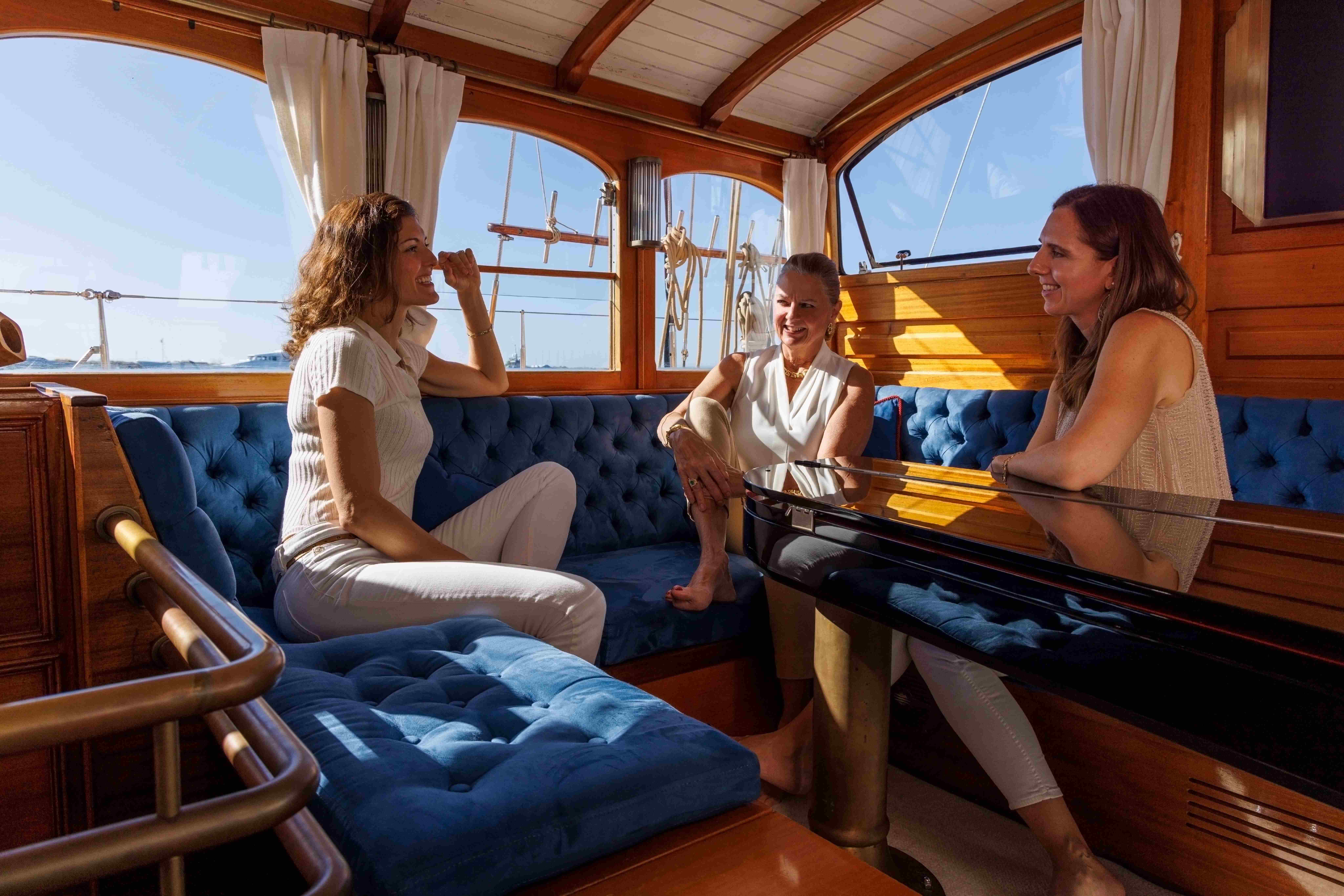
It’s deeply fulfilling to see my two daughters carrying forward the legacy of Valef Yachts. What began as a business my husband and I built over four decades ago has grown into a multi-generational story rooted in passion, commitment, and a love for Greece and the sea.

The values I hope to pass on to them are integrity, respect, and genuine hospitality. My hope is that they always lead with kindness, uphold high standards, and never lose sight of the personal connection that makes our work so meaningful.

Watching them thrive, shaping the future while honoring the past, makes me incredibly proud. Valef Yachts is more than a business; it’s our family’s legacy.

Q: Balancing such a demanding role with personal life can be challenging. How do you maintain that balance, and what advice would you give to others striving for it?

Raising children while managing a business is never easy. But one of the advantages of running your own company is having the flexibility to shape your schedule. In the yachting world, the seasonality of the business means there are intense periods, especially in summer, but also quieter times that allow for more family focus.

What’s helped me most is having a strong family unit. During the busiest times, we work together, support one another, and stay grounded in what really matters. For me, family has always come first, and I believe that keeping those priorities clear is essential to maintaining balance.

My advice to others is this: set boundaries, honor them, and don’t be afraid to slow down when needed. A strong work ethic is important, but it should never come at the expense of your well-being or relationships. True success is being able to build a life you love, both professionally and personally.

Q: Other than yachting, do you have a personal vision for anything else professionally?

Beyond yachting, one of my deepest passions lies in preserving the ecology of the seas. Having spent much of my life surrounded by the beauty and serenity of the Mediterranean, I feel a strong responsibility to protect these waters for future generations.

Valef envision’s becoming more involved in marine conservation efforts, whether through partnerships, advocacy, or educational initiatives that promote sustainable practices within the yachting industry and beyond. The health of our oceans is directly tied to the success of our industry and the well-being of the planet.
Professionally, I see great opportunity in encouraging more eco-conscious choices within luxury travel. From reducing plastic use on board to supporting green technologies in yachting, we all have a role to play in protecting the marine environment. 

Q: What’s the best way for someone to connect with you for a yachting experience?

While I always welcome a good old-fashioned phone call, we know that most people today prefer the convenience of email, text, or WhatsApp—and we’re happy to communicate however you feel most comfortable.

You can reach us at:

Valef Yachts Greece
📧 Contact@ValefYachts.com
📞 +30 210 418 2381
📱 +30 697 271 0026 (WhatsApp available)

Valef Yachts USA
📧 Info@ValefYachts.com
📱 +30 698 067 9641 (WhatsApp available)
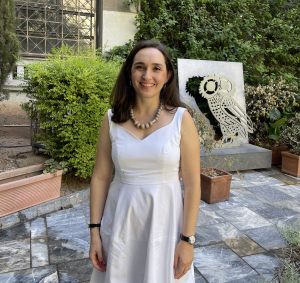
We sat down with Eleni Vardaki, Therapeutic Coach and EFT Practitioner, to talk about her unique journey, from growing up across continents to finding her true home in Greece, and building a career helping adults, teenagers and kids manage stress and anxiety through innovative mind-body techniques. In this conversation, Eleni shares insights into her work, the challenges and opportunities she’s encountered as a woman entrepreneur in Greece, and her perspective on the evolving mental health landscape both in Athens and beyond.


Q: Tell us a bit about where you were born and your early life.

I’m the daughter of an EU diplomat, so we moved frequently. I was born in Zimbabwe, though my family roots are in Pelion, Greece. Throughout my childhood, I lived in Zimbabwe, Sudan, Pakistan, Russia, and Belgium. Every two diplomatic postings —roughly every eight years—we returned to the administrative center of the EU, Belgium, due to my father’s career requirements as a foreign service representative.

I especially loved the natural landscapes in Sudan and Pakistan, although life there was often challenging, particularly for girls and women, and I witnessed many difficult realities. 

Later, I went to study in the UK, and I then worked in schools in England and in Sudan. And in 2012, I returned to Greece to settle down permanently.

Q: Did you always want to eventually return to Greece?

Yeah, it was always the direction I was heading in. I always wanted to live in Greece. I wanted the stability of being in my own country after having lived in so many different places and traveled so much as a child. As a teenager, I’d be counting down the days and months before we’d come back to Greece for the summer holidays. I’ve always loved the culture and the nature here.
 
My parents did a great job helping me feel a sense of belonging in the place where my roots are. That was really important given how much we traveled. I needed to feel like I belonged somewhere, and Greece was that place.

The first job I had when I settled here was as a history teacher in a private British school. I already knew the language, though it wasn’t my first language since I went to English-speaking schools throughout my expat childhood. 

Whenever we came back to Pelion, I’d try to read all the Greek words I saw on signs and around me and listen to how the words were pronounced. Over the years, I learned to read Greek this way. When I was abroad, I represented Greece. It’s kind of funny, because back then I was labelled by fellow Greeks as a foreigner (a ‘xeni’), just because I spoke what in the 90s they called ‘broken Greek’ (‘spasta Ellinika’). I was othered.

And now, it’s the other way around: it’s now trendy to include English words into conversation. Many in the younger generations of Greeks who are more educated and curious are more open to diversity, in all it’s forms, than previous generations were. 

I feel fortunate to have returned to Greece in this historical period of greater tolerance and inclusion for the different shades of what it means to be Greek.

Q: Up until now, what have been the most rewarding parts of living and working in Greece?

I love living and working in Athens. I love that you have access to so many beaches within a 40-minute to an hour drive. You can get to mountains, parks, beautiful cafes, museums, concerts, outdoor cinemas, and there’s such a variety of restaurants, cuisines, and tavernas where you can enjoy fresh food.

For me, it’s the most humane capital city I’ve lived in. I’ve lived in places like Moscow and Islamabad, and Athens feels very different. More relaxed, more accessible. It’s like a city that really breathes. 

Q: As a woman running your own business in Greece, what has it been like? What challenges have you faced, and what opportunities have you encountered?

I think being based in Athens has definitely opened up more opportunities than if I were in a more rural part of Greece. For example, I’ve been able to attend important conferences for my professional development - like one with Dr. Bessel van der Kolk, the author of The Body Keeps the Score. Being in Athens gave me access to that, which was incredibly valuable.

As for challenges, it’s less about being a woman business owner and more about the nature of my work. It’s a niche and relatively new field, so I have to consistently show up and be visible, doing articles, interviews, and raising awareness. And as someone who was naturally a very shy child, that took a lot of my own tapping to overcome my resistance to being in the spotlight. I value my privacy, so this was definitely a challenge. It took me years to get comfortable with being visible enough to educate people about this modality.

Q: For someone who has never heard of EFT, how would you describe it in simple terms?

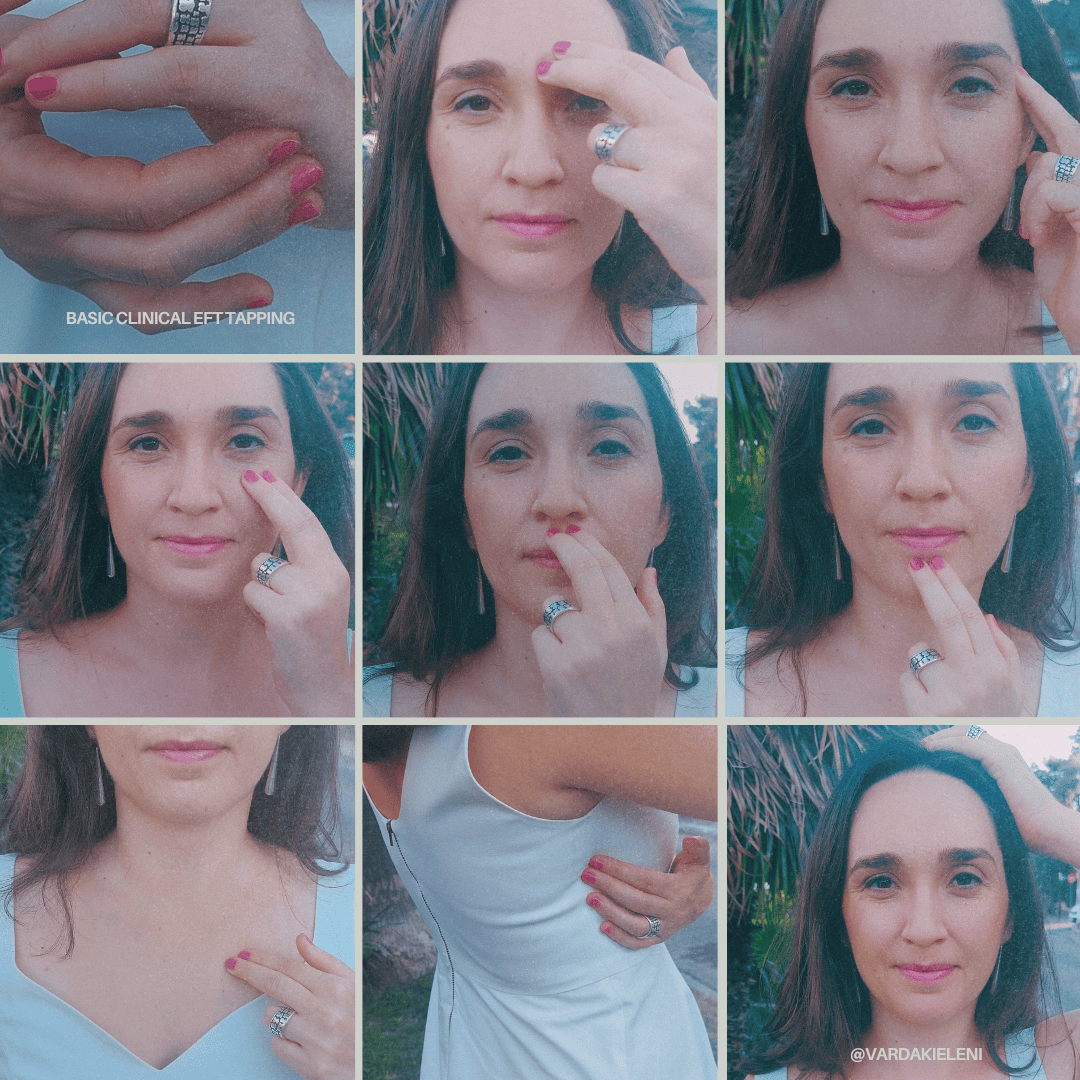
It’s a branch of modern psychology that helps you connect your thoughts, emotions, and physical sensations. EFT stands for Emotional Freedom Techniques. It’s a robust method that combines elements of cognitive behavioral therapy and exposure therapy, but its foundation is a somatic intervention: tapping on specific acupressure points that have been proven to reduce stress. By reducing stress, it helps decrease the intensity of negative thoughts and emotions.

Much of the work involves accessing the subconscious rather than the conscious mind. Within about 20 minutes of tapping, people often begin to access underlying thoughts and beliefs, which can then be addressed directly. EFT focuses on neutralizing negative associations—whether it’s the fear of taking an exam, attending an important job interview, or undergoing surgery after a traumatic medical experience—so that these situations no longer trigger past anxiety or stress responses.

If you want to explore more about Eleni’s work and discover how EFT
can help you achieve balance and well-being, visit her page HERE.


Q: What drew you to working specifically with stress, anxiety, and academic success?

It has been a long journey. I first realized the connection between stress management strategies and academic success when I was a teenager. This wasn’t by chance; it came from my lifestyle as an expat and the child of an EU diplomat, which meant changing countries every three to four years. Inevitably, this lifestyle impacted my nervous system as a child and teenager. I discovered mindfulness, visualizations, and breathwork during that time and began practicing them to manage the stress of constantly changing schools and environments. But I noticed an unintended benefit: my grades improved. That’s when I realized that stress management is connected to academic success.

Later, as an adult, I discovered EFT tapping as another method for stress reduction, and noticed how effective it could be, particularly in helping students psychologically prepare for exams. After successfully coaching a High School student through exam preparation using these techniques, I decided to get certified in EFT so I could expand my toolbox and be more effective in supporting others.

Q: When working with kids and teenagers, what are some surprising things you’ve learned about how they experience stress or other emotions compared to adults?

The younger the child, the less resistance there is to acknowledging and working on their stress response without judgment. There’s a tendency among adults to insist, “I can cope,” as if acknowledging stress is a sign of weakness. Also, adults—and even teenagers—often need to be given some time to address any skepticism they may have about whether stress-reduction techniques can help, to get out of their head and to reconnect with their body. Whereas kids are already mindful, they are already in their body. That means we can start working on the distressing emotion or psychosomatic ache or pain sooner.

As a result of the “I don’t need help - I can cope” mentality, adults may delay seeking help, even when they experience clear stress-related symptoms like migraines, autoimmune diseases, insomnia, back pain, rashes, or stomach pains. They might visit multiple doctors for these issues without addressing the underlying causes. In contrast, children are generally more vocal about their discomfort and more open to accepting help, rather than trying to soldier through it.

Another thing I’ve noticed is that boys and men, regardless of age, can have a harder time accessing, labeling, or even being aware of their emotions, often because of socialization. In these cases, I’ll work with the physical manifestations of stress instead, asking where in the body they feel pain or tension. We can then use tapping to address that sensation, such as “Even though I feel this pain in my stomach, I’m here to work on that so I can be OK”, without immediately naming the underlying emotion. This indirect approach can be an effective way to help them process stress when directly exploring emotions feels difficult.

Q: What role does the mind-body connection play in helping people perform better in all areas of their lives?

A: It allows for forward progress without as much struggle. When you’re using only your mind to achieve goals, but your nervous system is dysregulated, you may experience a range of stress-related or psychosomatic symptoms, which can even develop into actual physical health problems. This makes the journey toward your goals much harder.

By integrating the mind and body, you can regulate your nervous system, reduce these challenges, and approach your goals with greater ease. As a result, people often find they can go further, faster, and with less strain than they expected.

Q: Can you share a success story where your coaching made a big difference in someone’s life?

One that stands out is a teenager I worked with who had been seeing a Cognitive Behavioral Therapist for Trichotillomania, compulsive hair pulling caused by stress. The strategies she had tried weren’t working. But when she came to me, she didn’t present that issue. Instead, she and her mother booked four EFT sessions for help with Math exam anxiety at the end of the school year.

Interestingly, the Math exam anxiety cleared in just one session, leaving us with three remaining. So I asked what else she would like to work on, and she suggested trying EFT for her compulsion to pull her hair. Over the next three sessions, the behavior stopped almost completely. After the summer, we did a few additional sessions to address occasional triggers, but overall, within five sessions, the behavior had stopped.

Not only did this help with her academics, but it also brought immense relief. She had been worried about developing a permanent bald spot, and resolving this compulsion lifted a huge emotional burden.

Q: What are the most common stressors you’ve seen among Greek clients, and how do you help them face these challenges?

The top three are financial stress, relational stress, and health-related stress, whether it’s dealing with personal health issues, health anxiety, or caring for a family member with chronic health problems.

To address these, we use EFT tapping. We start by identifying the stressful situation, such as an upcoming invasive medical procedure, the emotions behind it, and where it’s felt in the body. Sometimes we focus on one of these aspects, other times we assign each of these aspects a number on a scale of 0 to 10 and use that as a baseline. During the session, we continuously monitor how the client’s numbers shift as we tap, which allows us to track progress in real time.

For example, with financial stress, we might work on fears about checking how much money is left in a bank account, the stress of a big unexpected expense, or getting hit by a huge tax bill. Just thinking about a large tax payment can trigger stress levels and frustration at the injustice of it an 8/10 in intensity, for example. By tapping while focusing on their negative emotions and stress sensations, we work on lowering both the emotional and physiological responses, making it easier to face these challenges with a clearer, calmer mindset so that they can think of how they can deal with it.
 

Q: What is one thing you would change about the way mental health and coaching are approached in Athens and Greece?

I think the coaching sector in Greece is strong. There are many skilled professionals, whether traditional life coaches who focus on top-down cognitive strategies and talk-based coaching interventions, or somatic coaching approaches like the one I offer. Psychotherapists, psychologists, and the entire mental health sector have a lot to contribute.

I’d like to see more collaboration between the medical and mental health sectors, especially in private healthcare. Many health issues are linked to lifestyle factors rather than genetics. Helping people change and improve their habits can make a huge difference in managing or even preventing stress-related health problems from becoming more serious. Coaching and therapy can also help patients manage stress and anxiety related to medical experiences. 

If doctors referred patients with such challenges to relevant specialists in the mental health sector, it could greatly improve their well-being and overall quality of life. Strengthening partnerships between the medical and mental health fields would allow for a more holistic and effective approach to patient care. I believe bridging this gap across the two sectors by working together would benefit many people.

Q: And what about your clients? Have you noticed any changes, since for many people mental health is still a taboo topic?

Yes, I have noticed a change in Athens. More people are developing the humility and courage to say it’s okay to get help. It doesn’t make you weak, it makes you human.

In Athens there are new ideas, workshops, and experiences that people can benefit from and become more informed about mental health. When ignorance in an area decreases, people stop thinking, “Oh, I’m not crazy, so I don’t need to see a Psychologist.” Or “I’m fine, I don’t need to hire a coach for my stress” - even when they have medically diagnosed stress-related health issues. So with knowledge more readily available, I’m seeing more people willing to invest in coaching, therapy, and stress reduction services over here. 

However, in more rural parts of Greece, there’s still more resistance. There’s a kind of competition around who is more tired or working harder, and less recognition that you can achieve your goals without sacrificing your health and well-being. That mindset seems to be less present in the countryside compared to Athens.

Q: What’s your favorite thing to do in Greece when you want to completely relax? 

Oh, definitely going to the beach, all year round—winter, summer, spring, autumn. For me, it’s the sea above all, even more than other nature spots. But any kind of nature is restorative.

Q: And one final question…To whom would you recommend EFT tapping?

I would invite anyone curious to explore Emotional Freedom Techniques, especially those who have already done some work with psychologists or psychotherapists and have a conscious understanding of their blocks but feel stuck. EFT works really well when there’s a somatic, or body-based, component to the challenge, something that keeps you stuck on a physical or emotional level.

For example, it can help with overcoming procrastination towards an important goal, releasing or healing chronic lower back pain, or improving sleep when insomnia is an issue.

So, if you’ve done all you can with your conscious mind and you feel there might be subconscious emotional blocks stored in your body, EFT sessions might be a helpful next step to try.

A Hopeful Note

Looking ahead, we’re optimistic about the future of mental health and coaching in Greece. As awareness grows and collaboration between medical and mental health professionals strengthens, more people will feel empowered to seek the support they need. With evolving attitudes and innovative approaches like EFT gaining traction, we envision a future where holistic well-being becomes a natural part of everyday life, helping individuals and communities thrive.

Thank you, Eleni, for sharing your insights and inspiring us with your journey!


If you want to explore more about Eleni’s work and discover how EFT can help you achieve balance and well-being, visit her page HERE.
Thursday, 05 February 2015 13:30

My Week in Athens… Dec 13

I suppose most of us already know this – but Athens is a good time. Even in winter...

I convinced a friend to visit over the past few days – with promises of warm weather & sunshine to cure her more ‘northern’ lifestyle. Of course, it’s been freezing and wet and generally unpleasant here too most of the week – but that didn’t stop us.

With nightly escapades in Gazi, Thissio, Psirri and Kolonaki, the nightlife tour of Athens was on! Needless to say, she was appropriately dazzled.

From drinks at Hoxton in Gazi, coffee at my fave Moma in Thissio to a great dinner at Papadakis in Kolonaki and a night of live music and nargile in Psirri – we managed to move from shabby-chic warehouse to comfy-chic café to elegant-chic fine dining to graffiti-chic in Psirri. All in the span of a few (ok, more than a few) blocks’ walk.

And at each point, on each evening, I was thinking ‘this is winter, it’s raining, it’s cold, it’s not an easy place to be these days’ – but still I have the distinct feeling that people manage to enjoy themselves in that quintessential Athenian way: after dark, anywhere, with friends.

Bring on winter. And hopefully bring on a quieter week in front of the fireplace ;)

See you Saturday at the Intercontinental…

Until next week,

Jack

In this weekly space, keep up with ‘Jack’ as he navigates daily life in Athens… Anecdotes, stories, hits & misses, the good, the bad and, well, the rest…

Thursday, 04 September 2025 16:56

WHEN: Towards A Future Of Equality & Opportunity
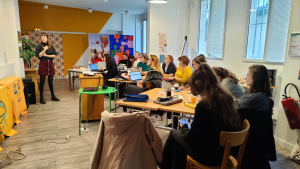
WHEN, formerly Women On Top, is a pioneering organisation working to advance women’s professional and financial empowerment while promoting gender equality and inclusion in the workplace.
 
WHEN’s vision is clear: a society where every woman and girl has the opportunity to explore her potential and shape her own future.

With a mission to remove barriers and create equal opportunities for women in education, work, and social life, the organization is guided by values of trust, openness, and collaboration, working alongside beneficiaries, volunteers, and partners to drive meaningful and lasting change.

What Drives WHEN
  • Curiosity & Openness
    They continuously seek out new knowledge, embrace diverse perspectives, and are unafraid of moving beyond familiar boundaries.
  • Empathy & Cooperation
    They believe lasting change comes through caring relationships and collective action. That’s why they've cultivate safe, supportive spaces where collaboration flourishes.
  • Focus & Impact
    Careful planning and attention to detail ensure that every initiative maximises its positive effect.
From a Small Network to a Nationwide Movement

WHEN’s story began in 2012, when it was launched as Women On Top, a mentoring initiative designed to connect women with experienced professionals who could support them through the challenges of working life.

What started as a grassroots network quickly grew into a dynamic community. Soon, training programs, networking opportunities, and skills-building workshops were introduced, reaching thousands of women across different industries and stages of life.

As the conversation around gender equality deepened, so did their role. They moved beyond individual empowerment and began addressing the systems and environments that shape women’s opportunities. Today, WHEN works hand-in-hand with companies, institutions, and communities to create workplaces—and a society—that are fairer, more inclusive, and more sustainable for everyone.

WHEN’s Work in Action

Empowering Women

WHEN helps women strengthen their professional and financial independence through programs designed to unlock skills, confidence, and networks.
  • Mentoring: One-on-one guidance that opens doors and expands horizons.
  • Training: Courses on employability, entrepreneurship, leadership, and financial well-being.
  • Communities: Safe and inspiring spaces that encourage peer support, resilience, and collective growth.
Partnering with Companies & Organisations

WHEN collaborates with employers to embed gender equality and inclusion in the workplace.
  • Diversity & Inclusion Strategies: Designing and implementing fair and effective policies.
  • Capacity Building: Training employees and managers to foster inclusive environments.
  • Impact Measurement: Assessing initiatives to ensure they deliver real results.
Engaging Society

WHEN's work extends beyond individuals and organisations to influence broader cultural and institutional change.
  • Research: Mapping the realities of women’s professional and public lives in Greece.
  • Educational Programs: Supporting teachers in promoting equality in schools.
  • Awareness Campaigns: Inspiring public dialogue and mobilising communities toward inclusion.
The WHEN Hub: A Space for Growth and Connection

WHEN Hub is a welcoming home for women, femininities, and anyone passionate about gender equality. More than just a workspace, it’s a community where people come together to learn, grow, and collaborate in an environment that fosters empowerment and belonging.

The Hub offers:
  • Co-working areas with flexible and dedicated desks.
  • Private offices and meeting rooms for small teams or collaborations.
  • An event space for workshops, gatherings, and talks.
  • A podcast studio for storytelling and creative projects.
  • The Mini Hub, a playful and creative space for children aged 0–12, allowing parents to balance professional and family life.
Fully accessible and designed for inclusivity, the Hub is both the physical heart of WHEN’s activities and a vibrant platform for advancing equality in Greece.
 

Meet WHEN's Founders

At the core of WHEN’s success is a dedicated team of women who combine expertise, creativity, and a deep commitment to social change.

  • Stella Kasdagli – Co-founder, Head of Research & Strategic Partnerships
    A writer, translator, and trainer, Stella leads WHEN’s research programs and partnerships. She has authored several books and designed impactful initiatives to remove barriers women face in the workplace.
    Read our interview with co-founder Stella Kasdagli HERE!

  • Pinelopi Theodorakakou – Co-founder, Head of Empowerment & Training
    With a background in communications and PR, Pinelopi now designs and oversees training and empowerment initiatives, helping individuals and organisations embrace equality and inclusion.

Shaping Tomorrow

At WHEN, empowerment is a long-term commitment to change. Through mentoring, training, consulting, and advocacy, they are building a society where women’s voices, talents, and ambitions are not limited but celebrated.

Because when women thrive, everyone benefits.
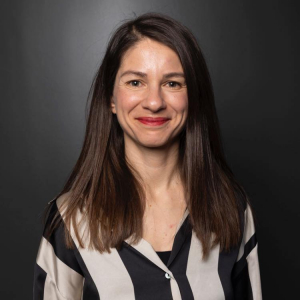
When Stella Kasdagli co-founded Women on Top—now WHEN—she didn’t set out to build an organization. She just wanted to connect women with others who’d walked the same path. What started as a side project quickly grew into a national force for gender equality in Greece, supporting women through mentoring, training, advocacy, and now, with the WHEN Hub, an innovative space for working parents. 

In this conversation, Stella shares how her own journey as a journalist, entrepreneur, and mother shaped the work she’s doing today—and why stories, community, and compassion remain her most powerful tools for change.

Q: Before founding Women on Top, had you already felt drawn to empowering women or others?

I think that desire had always been in my mind, even if I couldn’t put it into words. Before Women on Top — which later became WHEN — I was a journalist working mostly for women’s magazines, like Cosmopolitan Greece. Through that work, I started to realize the breadth and depth of women’s needs, especially young women in Greece.

Back then, around 2005 or 2006, we often received handwritten letters from young women across Greece, even though email was available and many did email us. These letters contained questions these women felt they couldn’t ask anyone else.

Every day, our work revealed the many gaps in knowledge and opportunities women and girls faced, not only in the workplace but also in their families, schools, and universities. Personally, becoming a mother made me see how much harder it is to be both a working woman and a parent or caregiver. So, these professional experiences and personal insights made me want to do something to help.

Q: And how did that early interest eventually lead you to create Women on Top?

Like I said, I was a young mother, having just had my first daughter, and I was traveling to London. There, I learned about a mentoring initiative in Britain run by the Prince’s Trust. They had gathered ten established entrepreneurs to mentor aspiring female entrepreneurs for free, for a year. I thought, what a great idea!

But I also wondered why only entrepreneurs? Because if you want to become an entrepreneur, often you already have some network, resources, maybe a degree. But many women might be working in other jobs — like a hairdresser, a teacher, or even be unemployed — and want to change fields or face challenges at work.

These women could benefit from mentoring that offers the unwritten, unspoken knowledge you can’t find in books; knowledge gained from another woman who’s been through the same struggles.

When I came back, I thought about how that could work here. I had no experience with entrepreneurship or nonprofits, but with my then co-founder who had strong HR experience, we decided to build a mentoring program. We started a Facebook group and asked women with at least two years of professional experience to send us their CVs and describe their challenges at work, so we could match mentors and mentees. That’s how it began, back in 2012. It took time to become an official organization and expand services, but that was the start.

Q: Was there a defining moment when you decided to switch from media to social entrepreneurship? 

I can actually give another perspective on that, because for many years, building Women on Top wasn’t something I saw as a business. It was just a side project, something I did voluntarily, pro bono. That went on for about four or five years.

Then two things happened. First, I left my job as a journalist and became a freelancer. That’s when I became aware of a different set of challenges around work-life balance, especially for freelancers and entrepreneurs who don’t have the support system or structure to work while their children are still at home.

That’s when the idea of creating a coworking space with on-site childcare came up. We realized that the Women on Top community could be the perfect platform to support such an initiative down the road. This encouraged us to keep growing and enriching the community.

At the same time, freelancing wasn’t fulfilling enough for me, and then MeToo happened, first in the US, then globally. Our understanding of gender equality and workplace challenges deepened. We realized we could do much more than just offer mentoring. We could provide empowerment workshops, consult with businesses on becoming more equitable employers, and create spaces like the one we have now.

Q: Since you mentioned being a mother, I’d love to ask about balancing your different roles and motherhood. Also, you talk about “growing up alongside your daughters.” What does that mean to you? 

Motherhood—and parenthood more broadly—has been the most transformative experience of my life. I used to assume it would put my career on hold, but instead, it gave me clarity, fresh ideas, and a deeper sense of purpose. My children didn’t slow me down; they motivated me. In fact, I truly believe I owe much of what I’ve achieved professionally to them. It wasn’t a one-time thing, it happened with both pregnancies.

Becoming a parent sharpens your focus. You develop what I call a “bullshit radar”. You stop wasting time on things that don’t matter. That’s why some women seem to lose interest in their jobs after becoming mothers: not because of motherhood itself, but because those jobs were never meaningful to begin with.

Parenthood, despite its challenges, can be a powerful driver for finding your true path. Even if you can't make big changes right away, you can take small steps toward the work that really matters to you.

Being a parent and an entrepreneur is a steep learning curve. I feel like I learn every single day. And the idea that you need to have it all figured out before becoming a parent? That’s a myth. The most important thing isn’t being “ready,” it’s being open. And if you are, parenthood will change you in the best possible way.

Q: You do so many things…running a nonprofit, writing books, being a mother. What’s your best tip for finding balance? 

Honestly, I don’t think I ever fully do. It’s always a work in progress. One important thing I realized a bit late is that you need to get the foundation right first. You need to sleep well, eat properly, and take some rest. Only then can you go after all the big things you want to achieve. Sometimes we get so absorbed by our goals that we forget to take care of the basics. That’s something I learned the hard way.

Besides that, I don’t think you can ever have perfect balance, with everything neatly separated. At any point in life, you’ll have to prioritize what needs your attention most.

What really helped me was having a space where I can work and know my children are well cared for and happy. That support has been a huge boost in finding some balance. Our coworking space, WHEN Hub, has been running for about nine months now, and honestly, these have been the easiest nine months of my work life when it comes to balancing everything. That’s why we created this space, so other working parents can get the same support.

6. What has your personal experience been like as a woman entrepreneur in Greece? Have you felt supported, or have you faced challenges?

Both, actually. I’ve been privileged in some ways because I work as a social entrepreneur in a field that’s, let’s say, female-dominated: gender equality and female empowerment. For better or worse, these areas tend to be led by women. So I haven’t faced the same challenges as women in male-dominated sectors like tech or construction.

That said, in the beginning, when we weren’t sure where we were going or how fast to grow, we got caught up in the startup culture narrative that you have to scale quickly to be successful. That can be really disorienting, especially for social entrepreneurs, but honestly for any entrepreneur. You need to be able to set your own pace.

This is even more important for female entrepreneurs because many start their businesses later in life, balancing motherhood, caregiving, or even a day job alongside their venture. To manage all this, you need support, not only from yourself, but from your family, who must back your chosen pace.

Also, the entrepreneurial ecosystem should respect that diversity. It shouldn’t push a one-size-fits-all timeline or threaten to cut you off from funding or incubation if you don’t grow fast enough. I truly believe the funding and support systems need to adapt to different needs, especially for female entrepreneurs.

Q: Have you noticed any changes in the professional landscape regarding gender equality since you started your journey?

Yes, there have been significant changes, mostly in terms of increased awareness around gender equality and female empowerment. Back in 2012, even among my friends, what we were doing felt almost like a joke, people struggled to understand why it mattered.

That has shifted a lot. People’s perceptions have improved, even if their deeper understanding of the issues isn’t always fully there yet. But even a surface-level recognition of the importance of gender equality is a positive step forward.

Since then, we’ve seen many organizations emerge and companies take varying steps—some more effective than others—toward empowering women. There’s still a long way to go, especially with the current political and social backlash against gender equality worldwide. But overall, I believe society and the professional ecosystem are moving in the right direction.

Q: What advice would you give to young women in Greece—or anywhere—who dream of starting their own business?

It might sound a bit old-fashioned, but I really believe it’s important to have some professional experience before starting your own business. Developing a strong work ethic, seeing how things operate, understanding that professional relationships differ from personal ones, and learning how to manage or observe team dynamics.

Then, choose your own pace. You don’t have to grow your business in one year, nor do you have to wait forever to get funding or feel ready. It’s okay to combine your day job with your new business for a while.

Also, think outside the box. Often, women limit themselves to what they’ve seen other women do—which isn’t bad at all, since small businesses are important and fulfilling—but why not explore new, different ideas, even if you haven’t seen other women doing them?

And lastly, build your network. I know it’s hard, it can feel uncomfortable, and it takes time you may not always have. But investing authentically in your network is very important.

Q: How do you personally use the WHEN Hub? Are there any moments that stand out since you started this project?

This has been the easiest phase in terms of work-life balance, but also one of the hardest in our entrepreneurial journey, since the WHEN Hub is something completely new for us and our community. It’s still a baby, but in just nine months, we’ve seen its incredible potential.

The hub was created with three goals in mind. First, to give our 11-person team a physical space after years of working remotely, a huge shift that’s helped us collaborate better, host interns, and engage more with volunteers.

Second, to support working parents and parent-entrepreneurs by allowing them to work while their children are cared for in the mini-hub. They can either pay a reasonable fee or apply for a scholarship if needed. This has helped many women — from students working on degrees to new mothers — find space, time, and support.

And third, to create a hub for other civil society organizations working on gender equality, inclusion, and support for underrepresented groups. We've hosted many such groups already, building connections and conversations that have been deeply meaningful.

Q: What is WHEN most focused on right now? What kind of people or partners do you want to attract?

We keep working on all our projects, including some exciting new ones, like supporting victims of sexual harassment and helping emerging and underrepresented writers. We also continue our ongoing work.

If I had to pick two main focuses for the next year, one is the WHEN Hub. It’s new for our community, Athens, and Greece. We want to raise awareness and show how this space can truly transform the lives of women, parents, and the community as a whole.

The second focus is on regional Greece. Since 2023, a big goal has been to move beyond Athens and dive into the needs and challenges women face in smaller communities, whether rural, tourist, industrial, or others. This work outside the city is very important and will keep growing.

Q: Lastly, since writing and storytelling have been part of your journey from the start, how do you see them as tools for sparking social change today? And is there a message or conversation you’d especially like to open up right now?

I think storytelling is a huge tool we have to encourage and cultivate social change and awareness. I try to do that as a writer, but since I can’t write as much as I’d like, it’s not just about me. Even when two people from different backgrounds and with different agendas sit down and start talking about abstract issues or current events impersonally, they tend to get into conflict more easily than when they start sharing personal stories.

We live in a time where we need to transcend our own communities, kin groups, and close circles and keep connecting with people who are different from us. Stories are one of the most important tools to do that because they help us focus on experience and feelings. They help us see the human side of others, not just the differences.

Differences are important, and we shouldn’t hide or gloss over them, but storytelling lets us go beyond those differences. I feel this is very important today, to be able to connect beyond our divides.

Thank you so much for having us at the WHEN Hub — it’s been a pleasure to experience the space and hear your story in person.


You can follow Stella on Facebook and Instagram to stay connected and follow the journey of WHEN and all the work still to come.


From International Humanitarian Work to Local Action

Amalia, Harris and Anestis had spent years working with Doctors Without Borders, in the fundraising department. They loved working within a humanitarian organisation, yet something always felt distant. The crises they responded to were far from everyday Greek reality, and the needs surrounding them in their own country were becoming increasingly visible.

When the financial crisis hit Greece, they felt a growing urge to act locally; to support people living right next door, people who often appeared to be coping but were silently struggling.

After each of them left Doctors Without Borders at different points, they reunited and asked themselves if it was time to finally pursue the dream. And in 2019, after long discussions about what to offer and how, they founded their organisation, beginning with one familt and a simple vision: to support children who strive to have the same opportunities as everyone else but lack the necessary resources.

Not the obviously vulnerable groups, not the visibly homeless, but the children next door, the ones who could easily go unnoticed.

That’s how Children First was born and it stands for tangible, personalized support. Every child who joins the program receives help tailored precisely to their needs:

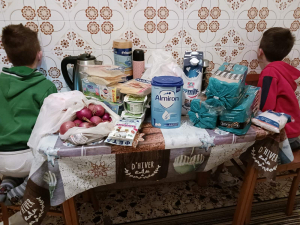
Daily Nutrition: Quality, fresh food based on each child’s individual requirements. A nutritionist evaluates every child, identifies gaps, and shapes a diet plan that supports healthy growth.
 
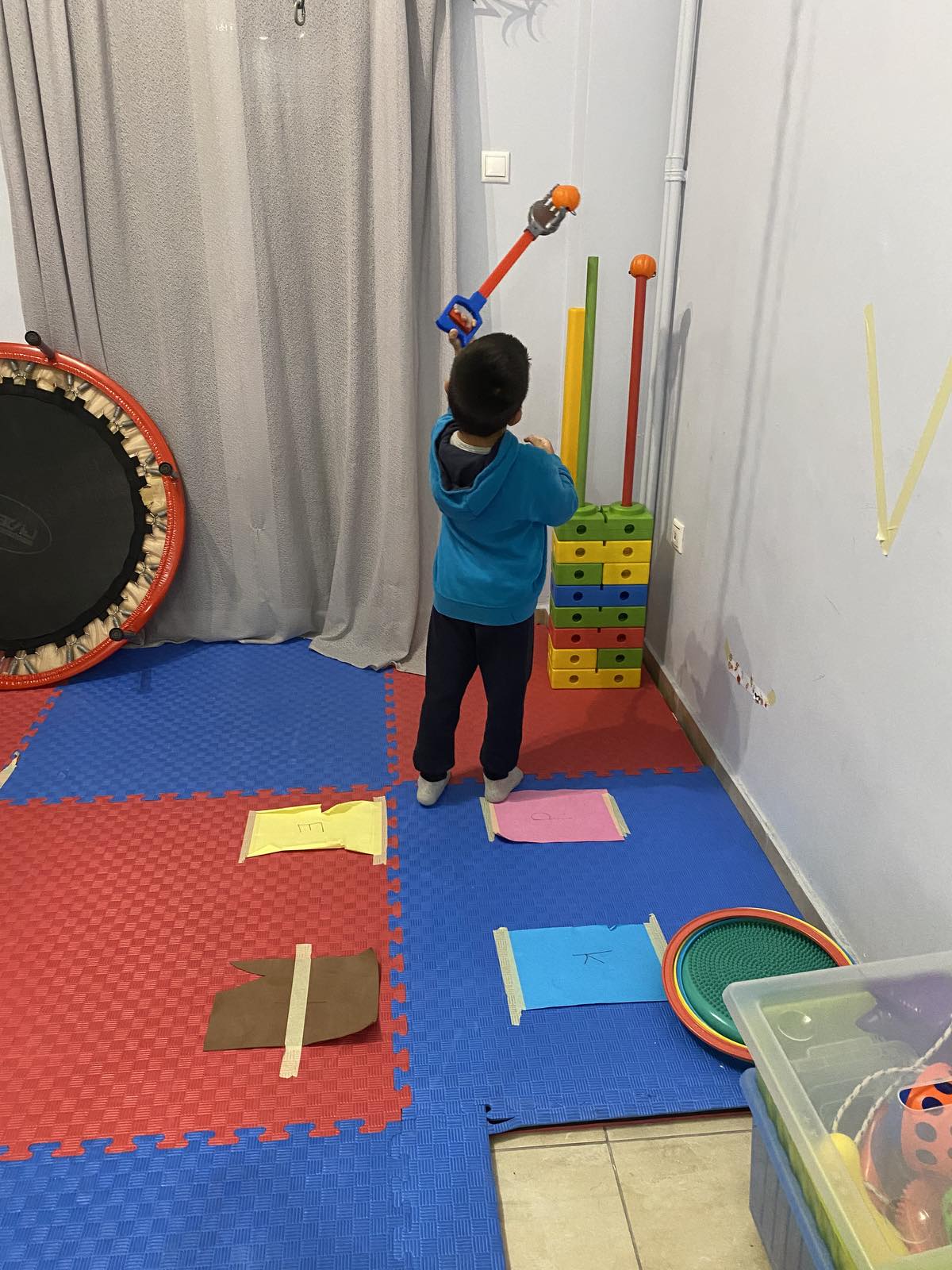
Education: Assistance with schoolwork, foreign language lessons, and participation in sports or activities that benefit both physical and mental health.
 
Medical Care: Preventive and ongoing healthcare determined through collaboration with a pediatrician, as well as dental support.
 
Counselling for Parents: A psychologist provides regular support to parents, helping them make the best use of the services offered and encouraging an active role in their children’s empowerment.
 
Growing Through Trust

Just months after their founding, the pandemic struck. Still, by the summer of 2020, they welcomed their first family into their programs. Today, they support 19 children on a regular basis and another 21 with essential nutritional assistance, as food prices continue to place unbearable pressure on families.

How did they begin? By asking a simple question: Where do families turn when they need help?

The answer led them to municipal services: social grocery stores, meal programs, community pharmacies. They discovered, however, that these services depended heavily on European funding and often couldn’t cover all needs. Children ended up in large mixed-level classes, receiving non-individualized support, especially in education.

So they approached the Municipality of Aigaleo, which seemed organized and collaborative, and proposed a complementary partnership. Families visiting the municipality would be informed that there is an organisation offering individualized support: fresh food, tailored tuition, pediatric and dental care, all designed specifically for each child.

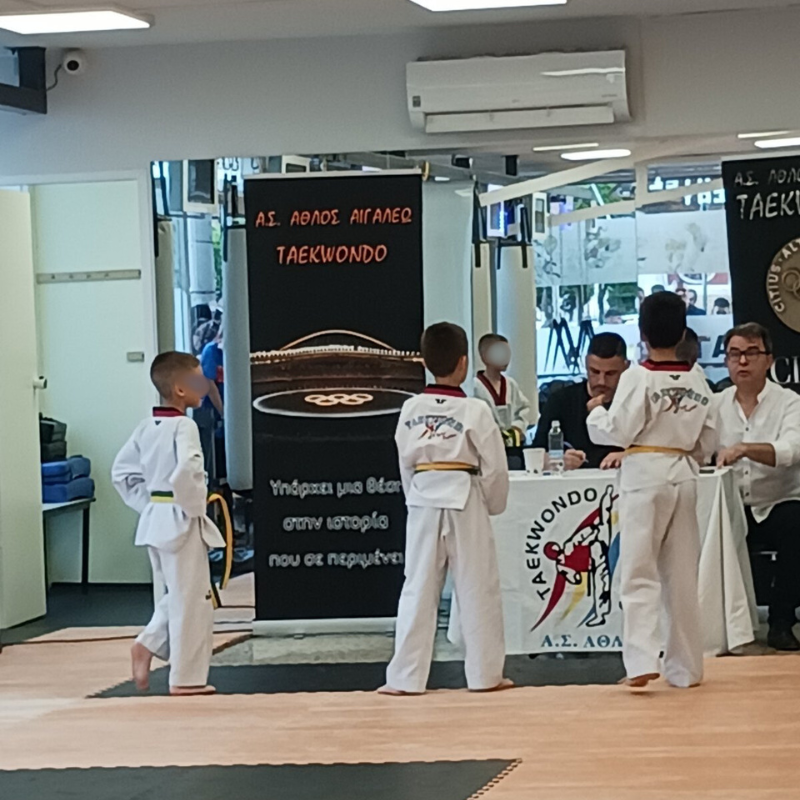
Tae Kwon Do

Meeting Families Where They Are

When a family expresses interest, the team of Children First visits their home. They want to understand the family’s environment, the dynamics between parents and children, and the conditions in which they live.

The goal is not only to assess financial need, but also the parent’s willingness to help their child move forward. Because as they say, they need parents who believe in their children’s future.

Families join for a year at a time, with contracts renewed annually after reassessment. Children range from newborns to 17-year-olds, though they try to prioritize primary school children, who benefit most from early, structured support. 

Support That Feels Equal

Once a child joins the program, the goal is for them to live their life like any other child. They attend the same type of after-school tutoring as their peers, simply with Children First covering the costs behind the scenes.

No spotlight, no stigma. A child is enrolled, attends lessons, sees doctors, makes appointments, just like everyone else.

Anestis, who is a psychologist, maintains regular counselling sessions with parents, helping them navigate challenges and support their children.

Importantly, they emphasize that throughout their journey they have met incredibly supportive people — doctors, teachers, tutoring school owners — who are more than eager to help. And of course, they meet families who, despite the daily challenges, deeply love their children, which makes all the difference. 

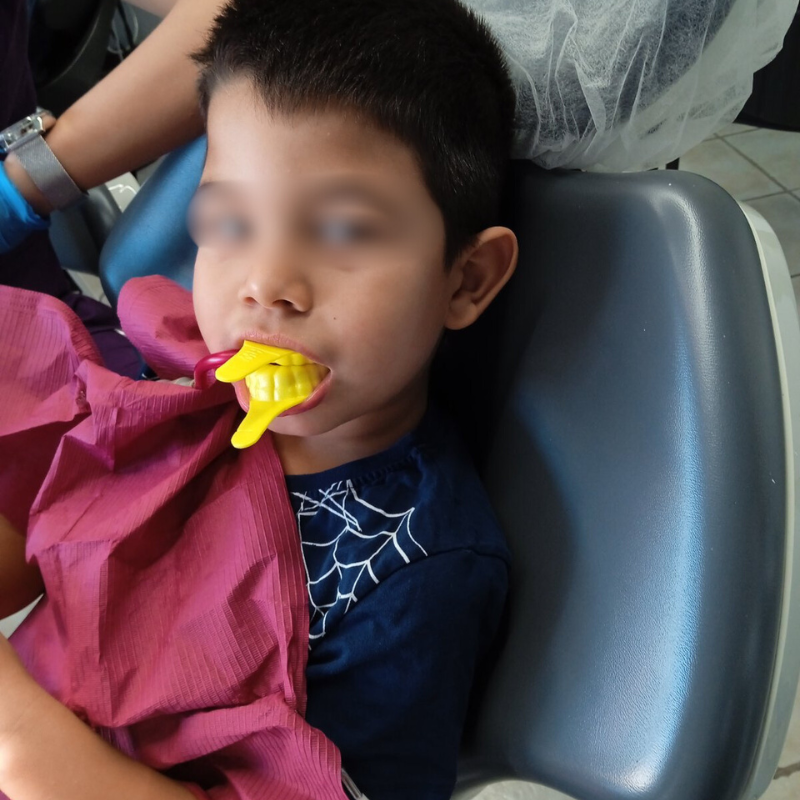
dental

Girls Empowering Girls: Women Supporting Women

Another meaningful initiative emerged from one of their donors. She noticed the many single mothers in their program, and imagined a network where women support women.

The idea became Girls Empowering Girls, a mentorship program connecting women from various companies and professions with mothers in need of guidance.

A manager might help a mother structure her CV or prepare for a job interview.
A teacher might tutor a girl from the program.
A professional might make a donation dedicated specifically to women and girls.
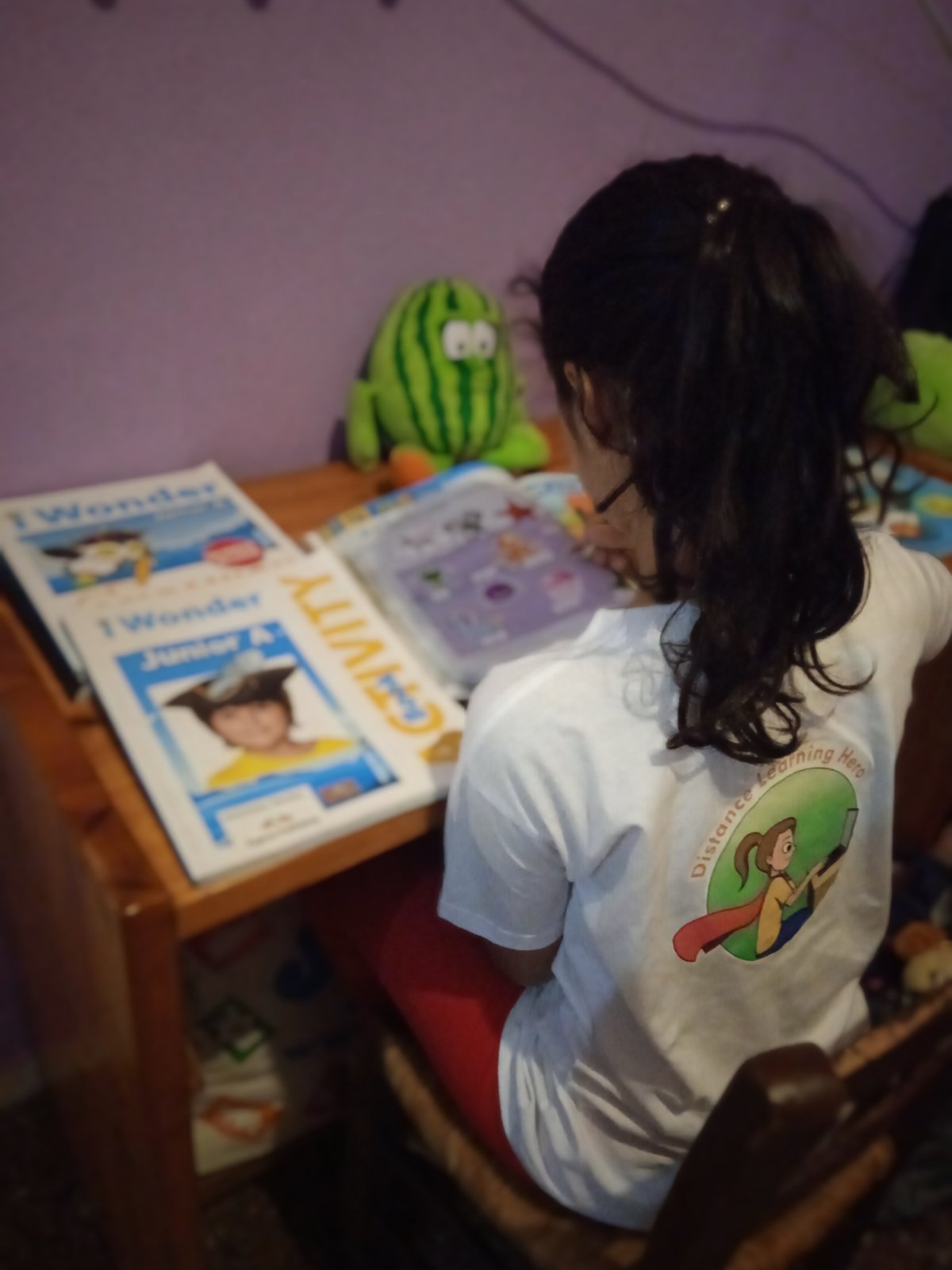
It’s a circle of empowerment; one woman lifting another. 

english

Stories That Inspire

Children First has witnessed many stories of courage, transformation, and resilience, each one a reminder of why this work matters.

A Child Finding Confidence

One of the first children in the program lived in a tiny basement with minimal light, with all rooms blending into one. The little girl, in third grade at the time, struggled with school and carried a sense of pessimism far too heavy for her age. 

She had never done English lessons before, so Children First covered the full cost of her English classes. Soon after, her teacher suspected possible learning difficulties. An assessment confirmed the need for speech therapy and specialised educational support, all of which Children First also funded.

Just like all children in the program, she also had access to extracurricular activities that encouraged her personal growth. That’s where dance entered her life, and she absolutely loved it. Dance became a source of joy, expression, and confidence, giving her something to look forward to every week.

Week by week, her transformation became visible. Confidence replaced self-doubt. School shifted from a place of anxiety to a place of achievement. English lessons became something she enjoyed, not feared, and dance became her safe, happy space.

A Mother Regaining Strength

Another family included a single mother raising a little boy with ADHD. He urgently needed occupational therapy and speech therapy; therapies that were completely out of reach financially for his mother who didn’t work and consequently wasn’t insured. 

Children First stepped in and covered the full cost of these essential therapies. With this support, the child gradually became calmer, more communicative, and more expressive. The mother, seeing her child flourish, regained her own confidence and strength. She found work, secured insurance, and eventually part of her son’s therapy became covered by the healthcare system.

The child’s progress created space for the mother’s empowerment, a double transformation made possible through targeted, personalized support.

ergotherapy

Why Donations Are Essential

Every child in the program receives support designed specifically for their circumstances. Nothing is generic.
  • Nutrition: Families meet with a nutritionist who evaluates each child’s habits and deficiencies. Every food delivery is customized, never pre-assembled or standardized.
  • Education: Tutoring and extracurricular activities, such as English lessons or sports, are tailored precisely to each child’s level and interests.
  • Medical care: Pediatric and dental support follows each child’s exact needs.
  • Therapies: Needs such as occupational or speech therapy often arise unexpectedly and must be met immediately.
This individualized approach is powerful, but also costly. To continue providing personalized nutrition, education, medical care, and therapies, ongoing financial support is crucial.

Children First offers the Support A Child program, a way for donors to make a tangible difference in a child’s life. Your support can cover basic needs in one of the three pillars of action — Nutrition, Education, or Medical Care— or all areas for a full year.
  • Supporting One Pillar: A donation of 700 euros provides for one child in a single pillar for an entire year.
  • Supporting All Pillars: A donation of 2,000 euros covers a child’s needs across all three pillars for a full year.
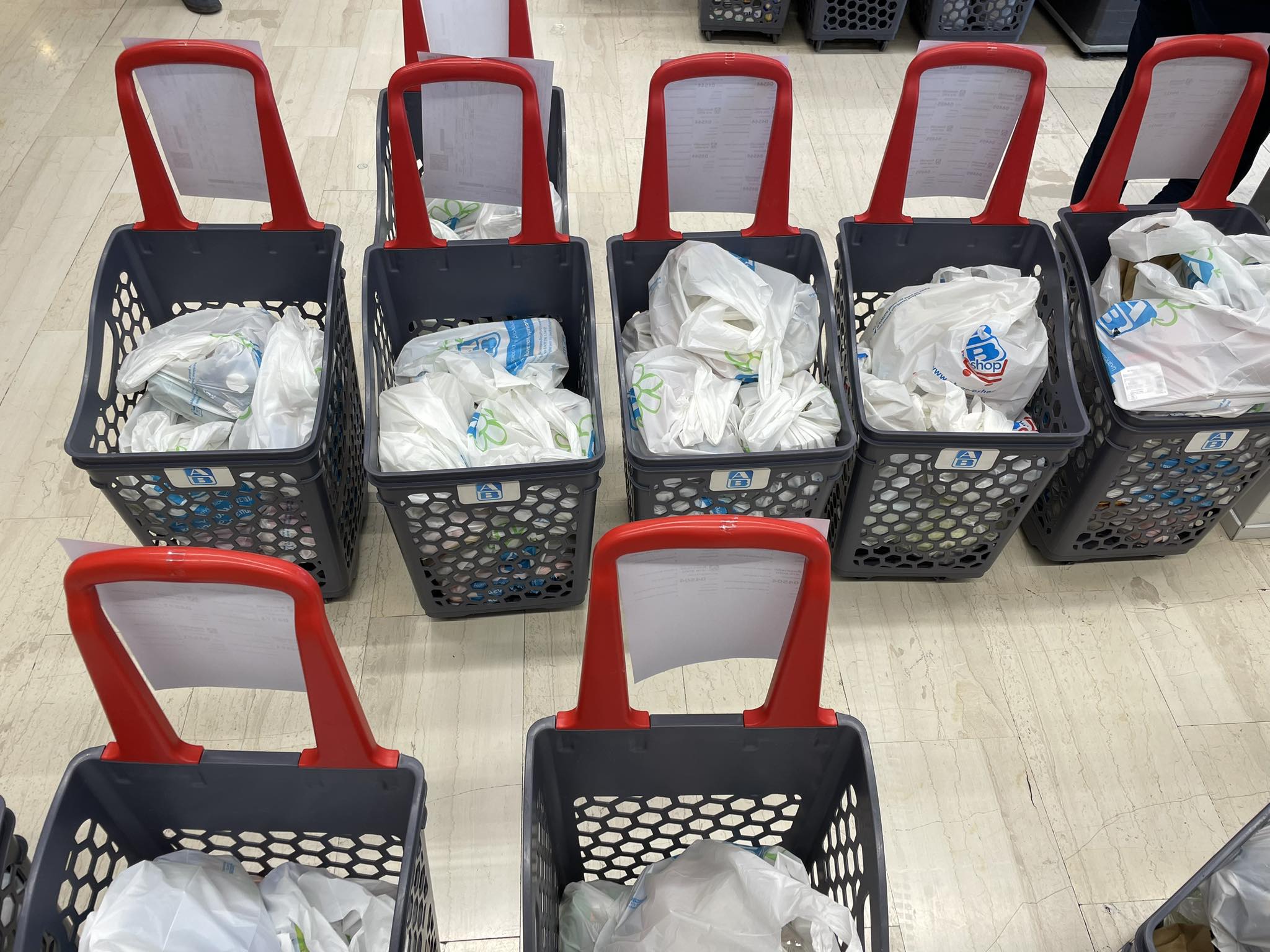
Your donation not only helps a child grow and thrive, giving them equal opportunities with their peers, but also relieves families of financial and emotional stress and allows Children First to plan programs accurately and sustainably.

Even a small contribution can fund essential, tailored help for a child and break the cycle of poverty at the exact moment it matters most.

Click here to donate
and give a child the opportunity to thrive.


food

What Children Teach Us

If one lesson stands above all, it is that love is everything.

If there is love in a family, if a child feels safe and cared for, the rest becomes manageable.

And in human relationships more broadly, when trust and positive emotion come first, everything else can be built around them.

Looking Ahead: Expanding Hope

Children First’s goals for the coming years are clear:
  • To welcome many more families, though only when they have the resources to offer full, individualized support, not just numbers on a list.
  • To provide not only food, but quality nutrition, proper tutoring, and full medical support and everything a child needs at the moment they need it.
  • To create their own space, a hub for seminars, counselling sessions, group meetings, and community building.
  • To collaborate with more organisations, especially the many small ones doing important work.
Empowering Families Through Knowledge

Children First organize educational workshops on employment, CV preparation, oral hygiene, digital literacy, and more. Each activity is designed specifically for their families, giving them tools to navigate everyday life and opportunities.

A Message to Society
 
Children First believe deeply that poverty should not define a child’s destiny. Yet poverty often reproduces itself, unless someone steps in to say:

“You can do better. I believe in you. Let’s try together.”

The cycle is not unbreakable. Sometimes, all it takes is a single opportunity — given at the right moment — to change a child’s life.
By Maria Ermides

~ It’s 2004, and Athens is alive with the energy of the Olympics. Stadiums are rising, the city is being “cleaned up”, and for Elena, director at XpatAthens, a lifelong dream of making Greece her home is just beginning.

Today, many know XpatAthens as the go-to-place for navigating life in the city and beyond. But its origin story is far from linear, marked by unexpected twists and turns, from the excitement of the early days of the .com buzz to the turbulence of the financial crisis.

Usually working behind the scenes, Elena stepped into the spotlight for this interview to share, in her own words, the challenges and triumphs of building a platform driven by passion and a whole lot of trust. We’ll also delve into the future of XpatAthens and what’s to come!

Why and what brought you to Athens? 

I grew up in Toronto, Canada. Greek dad, Canadian mom, and coming to Greece in the summer was part of our life.

We grew up culturally very Greek. Even my mom identifies very much as a Greek. And at a young age, as a teenager, I had decided one summer, yeah, I'm gonna live here.

And it became a reality right after university. Literally the day after I graduated, I was on a plane — I said: Okay, see you later, Mom. I'll be in Greece!

Was there a feeling about Greece before that? 

Yeah, totally. The decision to move was probably when I was about 15, the feeling of knowing that I was gonna go. It was a very distinct summer—I remember returning to Toronto and spending weeks crying, saying, ‘I just want to go back, I just want to go back.

And then during university, I had done a program in Italy, and I remember there was a distinct moment that I said to myself, okay, I'm doing this. I absolutely remember all of it. I was in Siena, I was in the city and I was alone. I had gone for a walk and it was a moment of...oh man, I just need to live in this. This is how I wanna feel all the time! But I didn't want to live in Italy, I knew that I wanted to live in Greece, but it was Europe. It was that connection with the energy of things, let's say, very different to where I grew up. So yeah, there were distinct moments.

How did your family feel about you going? 

My mom always said she knew that she’d lose one of her three children to Greece. She said she just didn't know which one it would be! And she was always supportive.

Of course, she made sure that I had a degree, that I had something lined up professionally. She created the support network around it so I could fall back on something if I needed to.

My dad—he was supportive. He was always one foot in Canada, one foot in Greece. When he left, he left with the intention of coming back. And so, my dad, he questioned it more so, I think, than my mom did. But generally he was ok with it too.

On arriving in 2004

Greece was always home. Not Athens, but my dad's village, and all of my extended family was here. So it was very comfortable for me.

There wasn't a shock. I came during the summer and I just never left—which was a dream come true. Because every summer I would leave, and be sad to leave, crying on the way back on the airplane. It feels like a lifetime ago. But it was a very distinct time. I was young, so I feel like it was another lifetime ago because I was in my 20s. At the time, I was just feeling high on life—you know, I was so excited to be here. I was so happy that I finally got to live in Greece. Oh, my God!

What was Athens like back then and has it changed?

The thing is, Athens has a very distinct energy, so it always feels alive. It's what makes us love it—love being here. It's what has made us want to move here. In my case, anyway.

Has it changed? Yes. But without teetering. It's still has the same energy at its core. But let's say the dynamic of the collective—what's going on around you, what we see, the people that are here, what's happening—yes, it's definitely different.

How did it feel?

It was what I always wanted to be doing, so it just felt really normal. I adjusted right away, and I was happy that I wasn't leaving to go on an airplane back to Toronto.

I was fortunate in that way because I came with a community in place. I had family—and that's huge. And I also had friends. All of my friends from university—we all moved back to Greece! So that wasn't challenging. Like I said, I just slipped right in.

What did work look like for you?

I was kind of winging it for a while—although I wasn’t telling my parents that… 

No, I wasn't spending all my time on the beach—not just floating around. I looked for job opportunities that required English. I spoke Greek, but not to the level of my English.

I grew up in a family business, and I've had an entrepreneurial bug since I was a teenager, maybe even younger than that. In addition to this, my work experience until this point was in luxury retail sales, so I had a really good work experience for my age.

I ended up getting a management position in retail for a British company at the time, at the Athens Airport. And it was a great experience. But life took me back to Toronto, and I stayed until 2006. As of 2006, I was back in Greece permanently.

So then, I applied for a job—totally out of my industry—in travel. It was a startup at the time. It was incoming luxury travel from the U.S., so all of the work was in English. I could speak the language of the luxury world; it was a young startup with a Greek that had studied in the U.S., who had recently repatriated. We jived, and it worked. I was there for close to 10 years. I was head of sales for several years, then I went into product development, and we expanded into a few different markets in the time that I was with the company.

athens light the future golden era copy
Courtesty of @chromecabrio

The beginning of XpatAthens 

XpatAthens came into my life in 2012. I was at the travel company and pregnant with my first child, which is a whole new phase of life. I say that it came in like I was standing at the right corner at the right time. XpatAthens just kinda showed up. There was a “for sale” sign on the website. My brother happened to be following the website. I didn’t really follow it at the time. And he sent it to me and said, “Call them.” And so I did, I called!

The gentleman who started the website was British, and had decided to leave Greece (the early signs of the economic crisis were over the horizon). At the time, it was a really great blog. Maybe even one of the first websites that spoke English in Greece. Imagine many of us were still using dial-up internet. You know, the kind we used to connect the cord to the wall for!? Websites were not very common in Greece, let alone ones that were in English. 

Anyway, three friends picked it up at the time, so we went into a partnership. Within two years, it was just me running the show. I’m still very good friends with the other two, but life just… you know, it unfolds and we go in different directions. 

The content landscape at the time

I was doing XpatAthens alongside my full-time job in travel. There was some knowledge crossover—I knew things from my day-to-day work, and then I would talk about them on XpatAthens; writing content and creating newsletters.

At the time, experiences were a big thing. It was an up and coming trend—walking tours and food tours were really new. Boutique hotels were on the rise, and new restaurants were opening too. It was a very different landscape to what it is now. There were very few resources giving recommendations, especially in English. I remember writing about the first sushi place that opened up, and the first wine bar. Now there are too many to count. It was a very different time.

So this (English) content was very rich and much needed for locals and internationals and travellers alike. It was very valuable information, people loved it as did Google! I always say that XpatAthens was like getting a degree in digital marketing and content, and maybe even a master’s in how to survive the worst of the worst. I learned how to build websites, create digital content; also things like search engine optimization, the importance of keywords, mass content audits, communication channels, branding, all of that sort of thing. And actually XpatAthens has grown today without a marketing budget (we never had the money). This platform has grown totally organically.

Transforming it into something bigger

Because I really love unfolding vision, I thought—okay, what am I going to do with this really great platform? Step by step I started to turn this great blog into something more. I ended up rebranding (not a name change, but a completely new look and feel); changed the website, and started slowly building some service around it. Soon it was more than just a really great blog—it started to become a community resource that people depended on.

At the time, the most logical place for revenue was advertising. Except that we were just at the beginning of the crisis. And what was the first thing that people cut out of their budgets? Yep, advertising. So XpatAthens quickly went from high potential to hanging on from a thread. Money was the biggest challenge along the way for XpatAthens. Everything was always run on a shoestring, and actually I usually say a thread-string budget. Because really, based on what was happening around us—it was just not the right time. Technically, XpatAthens really shouldn’t have survived. Young mom, full-time job, crisis, and no money—it was a recipe for closure.

The Financial Crisis Hits

Well, it wasn’t just Greece—it was a global financial crisis. Here, it got really messy in 2015. We got the tail end of it, but it hit with a vengeance. The crisis really hit hard.

It was a very different time of life, and it lasted for several years. A lot of unemployment and civil unrest. Every single person was affected. Take the example of capital controls—we all went to the ATMs, and no one could get money—every single person was affected.

XpatAthens was a big part of my life at that time. 

To Stay or Leave Greece?

I remember I was on a flight to Toronto on the morning when the capital controls came into effect—we couldn’t access money. Everything was being restricted. Something had also happened with the XpatAthens website, and I was on the phone with my developers. I’ll never forget it—I was checking-in my luggage, couldn’t access money, problems with XpatAthens, and there was a distinct moment of ‘oh boy, are we going to stay here like this?’

I knew I wanted my life here in Greece, there was no question that this is where I wanted to be. I also felt very fortunate about having a choice—we could leave if we wanted (or needed) to. We always had Canada to go to, and this was huge. But aside from that, we also had our villages to go to, too if we needed—and I say “we,” because it was my husband and I, and our young son at the time. (There are now four of us, I had two kids along the way.)

So essentially we were pushed to the point of asking ourselves: Okay, what if we have absolutely nothing? What do we do? Where do we live and raise our family? Both of the companies we were working for had already downsized, we both had our salaries cut; not just us, this was a reality for everyone in Greece. And we were among the lucky ones who still had jobs that were able to pay us.
 
So what's the next step after that? Unemployment. And does the government even have money to pay unemployment? Who knows. So we actually asked ourselves: Where's the best place to be poor - Canada or Greece?

And we decided that it was in one of our villages in Greece, and actually my husband’s village because we could live off the land if it came to not having money for food. Thankfully it never came to this. Thankfully we had options. But we made it work — on threads for a good couple years — but we made it through. Just like all of our friends and family did too. This period of life was really a testament to the resilience of the Greeks and how they somehow pull through in the toughest of times.

Fueled by passion (and perseverance)

For me, XpatAthens was always more than a passion project; I felt the connection with the community, I knew the content touched lives and this meant something for me. My income continued to come from elsewhere, and I’d say that XpatAthens was my creative outlet. Because I could write, it kept me intrigued, and there was always a sense of purpose.

During the crisis, we started to write about very practical things like capital controls, what to do with your money—we created content around the landscape of what was happening. Somewhere around 2019, things got better. 

As we were climbing out of the crisis, COVID hit. We were just starting to see light at the end of the crisis tunnel. Travel was getting back on track, and people were starting to feel like there was a little bit of money moving around again. But we were all still very cautious. 

And just as we were starting to breathe again, news reports of COVID began. And we all know what that meant. Downscale and pull out the ‘budget strategy called threads’ again.

Surviving the pandemic and learning to trust

The one thing that has always been consistent with XpatAthens is that I always kept it digitally healthy. It was always very well kept, plus we had great developers.

And so, the money was not always there, but it was always a platform that—I knew, there was always a very deep knowing—there’s a reason why it’s here. I just couldn’t say ‘XpatAthens is no more’. It was such a well followed website, people trusted us, it felt like we were holding each other’s hands in some funny way.

So you can imagine how many times my husband, my family, my friends, and even I would say: Why are you doing this? What’s the point Elena? It’s these ‘why questions’ that send you soul-searching, you really go deep. And so I questioned absolutely everything. 

On trying to let it go

As you can imagine, it became an emotional journey. I didn’t want to ‘give up’, I wanted to survive. I wanted it to live and grow into its full potential. It was really less about how long it had taken to grow or how many hours of work I’d put in. It was always more of this ‘core feeling’ — this is too important of a resource, we’re a community of people.

Not to mention that the traffic was still good. Like I said, it was digitally healthy. It was a digital garden, it was a home. And it just didn't make sense to just turn off the lights in this home.

Interestingly enough, over the span of 13 years, I’ve tried to sell. I’ve even tried to gift it away. All very interesting experiences. Each one of those times taught me something new (about myself). This all became a very personal story. XpatAthens has been a pivotal part of my personal growth, and professional development. I wouldn’t have the business I have now if it weren’t for XpatAthens.

I learned so much about the digital world. I learned so much about content. I learned so much about me. It was learn-as-you-go. I didn’t know how to upload content. Sure, I was a good editor and copywriter, but XpatAthens taught me how to do everything. It’s been a personal and professional development school.

When to pause and allow the necessary shift

There’s always been vision—remember I love unfolding vision. But there’s also been so, so much shift and change—for me personally, but also on the collective scale. The landscape of things has really shifted. To be totally honest, I got tired (even exhausted). So I did step away for a little while. I decided, okay, I’ll keep XpatAthens healthy (but quiet for a little bit), and I’ll focus on my other business. I needed to detach. To completely detach my own stories, to completely detach my emotional connection. To see where I was misaligned; to feel exactly what was ‘me’ and what wasn’t.

It was important to do this because XpatAthens always felt larger than me; I always felt a bigger purpose of things. And so I knew this was not my startup. This is not my little side hustle. It’s not my main business. It was all of those at certain stages, plus all of the learnings that came with it all. 

And so, that’s what I did for over a year. I paused and allowed the shift. Get clarity and align with true purpose. And then, somewhere around the end of 2024, I started slowly reconnecting again. I had to cut it off in order to reconnect. To feel it out. I knew there was something there, but I couldn’t see it. I had lost my ‘visionary senses’. It’s important to note here that I had a team member to keep the platform alive, without Angeliki XpatAthens would have died, and I would not have been able to take the time I needed to detach and regroup.

On paving a new path forward

Step by step 2025 has been about slowly reconnecting with the landscape of things. Now, post-COVID, there were things called the digital nomad visas and co-working spaces. These didn’t exist before. And, of course, we’ve all gotten to the point where we have 5G on our phones (we’re no longer dialing up)! It’s a very different landscape now.

We’ve put ourselves back on the map again. For a while, it felt like we were a sailboat just coasting in calm, peaceful waters. And now, we’ve really been active in sharing and telling stories again.

It’s ‘bigger than just me’ and the future of XpatAthens

I never felt XpatAthens as a traditional business. It wasn’t a cool new startup or a side hustle. There has always been a strong following (we continue to have 200–500 visitors daily), and we still haven’t paid a cent for marketing (yes we’re still growing organically)! People arrive at the website because they find it useful, because they’re enjoying it. This is what has always been important to me.

Also, it’s always been far more than trying to find money to pay the bills—sure that’s been part of the journey. But the community, meeting people, knowing that someone is actually sitting down with their coffee and reading it. We’re speaking to people and touching their lives in a way. XpatAthens continues to speak to this international community of people, and their needs have really shifted post-COVID. Property needs have shifted, legal needs have shifted, accounting needs have shifted—and of course we all have unique individual needs too.

We’ve created a lot of content in the last months around these very practical needs. And now we’re starting to develop that content into more storytelling—the stuff that we really love!

There’s a new dynamic of energy that’s unfolding. So we’re following, listening and connecting — first with ourselves and then with each other — but really also allowing the unfolding of a new story without pressure, and without ‘you have to do something with this.’ 

What does this mean for the future of XpatAthens? Today we are a Greek non profit organization called ΟΛΟΙ ΜΑΣ ΟΝΕ (meaning we are all one in Greek) and we’re super excited about telling Greek stories, personal stories, cultural stories... all of the stuff that gives you goosebumps. All of the great stuff that we love about living here. All of the great reasons why our international community chooses to make a life here. Because we love this beautiful country wholeheartedly. We’re letting things happen, one step at a time. 

Part of that growth is the arrival of Wellness Hub Greece as part of our non profit organization; it will be ready this December, and we’ve already introduced it on XpatAthens. This new communication and community platform is born from a deep passion for human wellbeing. WHG will be a digital space for Greece's wellness community; serving as a communication tool for the industry overall (who's doing what and where in Greece), while also a place where anyone can explore curated wellness experiences in Greece - from practitioners and retreats to workshops and tools designed to support a more balanced life.

And as we continue to grow and share the best parts of Greece, there are ways support our work, even little gestures help us to keep this community alive. There are also ways to share your offerings on our platforms, and we are most grateful for corporate sponsorships too!

How the journey has shifted since arriving in Greece

In a span of 20 years—it’s a lifetime—so much has shifted collectively, let alone in my personal world. I went from moving to Greece as a 20-something, super excited about life, and completely carefree. And then once you start to have responsibilities, rent to pay, children—life gets serious, in a sense. And that’s the space I’m in at the moment: I’m learning how to have fun, feel lighter, and truly savour where I am. 

It’s always been fun, but just in a different way. Every phase has been different. Becoming a mom is a whole period of time. At least for me it was. Having infants is very different from having toddlers. And that’s very different from having a teenager. So at every stage, I’m learning a new me. There’s constant adjustment and constant growth. Am I the same person? No—but yes.

Greece is such a special place on Earth. There’s so much that’s wonderful about it. And there’s also so much that’s not exactly ideal, or things that are unexplainable, or simply don't make sense. We joke about this all the time—in the span of one day, you can feel every single emotion there is, just by walking down the street. It’s incredible. But that, in itself, is amazing. It is as it is, real, raw and perfectly human. And this is why we love it.

A Message To Our Readers 

XpatAthens has always grown through real stories and real connections, so we’d love to hear from you too. If you ever feel called to share your own experience or simply reach out, you can get in touch with us here. Conversation has always been part of the heart of this community.

Many of the insights that guided the evolution of XpatAthens — the inner clarity, the purpose-work, the storytelling — are part of Innerbloom. It’s a space dedicated to helping people and brands find their voice, refine their story, and feel more aligned with the work they’re putting into the world. If you’re curious, you can explore more at: www.innerbloom.gr

Thursday, 05 February 2015 13:31

My Week in Athens… Dec 20

Does anyone go Christmas shopping anymore? I mean, crisis aside, does anyone actually leave their house and go to a physical shop and purchase gifts from a live person?

Or are you like me, and buy all gifts (big and small) online?

I really enjoy Christmas, I love the lights, the decorations, the crowds, the general ‘Christmas spirit’. This year will not be an easy one for many families in Athens, to be sure. But I think a lot of us get a huge kick out of the whole festive season…

As far as filling up the (small) stockings on my list, I must admit that even when I ventured down to Ermou St. or to The Mall in Marousi over the past days, I didn’t cross anything off my list. Lots of people, lots of activity, lots of Christmasy fun - but zero bags of goodies.

Appropriately enough, I’ve had lots of luck using Skroutz (‘Scrooge’). This is a site that compares 100’s of online shops across Greece, for all kinds of products – from mobile phones to kitchen accessories, from air conditioners to bicycles and baby gear. The site has a great interface, accurate price comparisons, and with a few easy clicks you’ve found, ordered and paid and sit happily waiting for your exciting delivery.

I wish everyone out there a happy holiday and an even better 2013 – let’s make it count.

Until next week,

Jack

www.skroutz.gr

In this weekly space, keep up with ‘Jack’ as he navigates daily life in Athens… Anecdotes, stories, hits & misses, the good, the bad and, well, the rest…
Page 133 of 465