Wellness Hub Top Banner
XpatAthens

XpatAthens

CineDoc presents its special screening program for March and April, as well as the closing film that will conclude this year’s edition.

The CineDoc Documentary Festival 2025–26 will present a series of special documentary screenings in March and April, attended by filmmakers and contributors. The films focus on contemporary social issues and personal journeys, closing another cycle of cinematic gatherings at Danaos Cinema.

This year’s festival will conclude with the Closing Ceremony on Thursday, April 30, during which the EKKOMED Audience Awards will be presented. Immediately after the awards ceremony, the documentary “Dust to Dust” by Kosai Sekine will be screened in its Greek premiere.

SCREENING PROGRAM

TACK

Saturday, March 7, 2026, 18:00
Vania Turner | 2024 | Greece | 96’
Vania Turner Tack stills 2

Info 
Trailer

How much strength does it take to tack against gender-based violence?

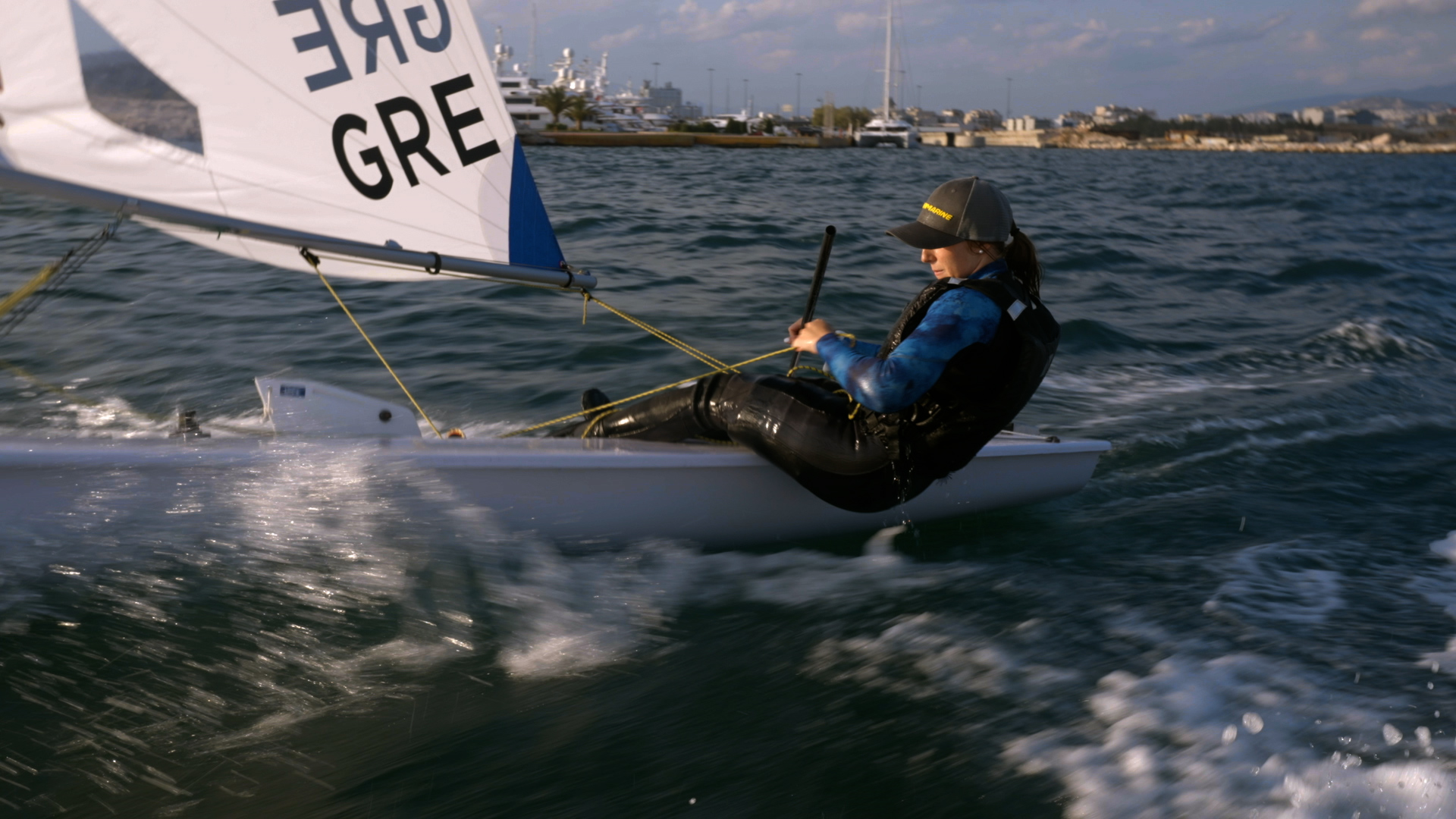
When Olympic champion Sofia Bekatorou publicly reveals that she was raped by a powerful member of the Hellenic Sailing Federation, she sparks the #MeToo movement in Greece and gives hundreds of women the strength to break their own silence.

One of them is Amalia, a young sailing champion who decides to report her former coach for the systematic abuse she suffered from him between the ages of 11 and 13.

The documentary TACK follows the two women over two years, documenting their lives and their struggle. In a landmark trial—the first of the Greek #MeToo movement—Sofia stands firmly by Amalia’s side.

Together they come to realize that their fight to change Greek society is only just beginning. Like sailors navigating against opposing winds, they must continue to tack in order to move forward.

The documentary TACK, directed by Vania Turner, is a production of Onassis Culture, with the support of the Hellenic Film and Audiovisual Center – Creative Greece.

STRAY BODIES

Sunday, March 8, 2026, 16:00
Elina Psykou | 2024 | Greece, Switzerland, Italy, Bulgaria | 109’

STRAYBODIES STILL 246027

Info 
Trailer

Q&A with director Elina Psykou will follow the screening.

Robin is pregnant but does not want to become a mother.
Katerina wants a child but cannot have one.
Kiki simply wants to die with dignity.

However, abortion, IVF, and euthanasia are not legal in their respective countries.

Stray Bodies explores bodily autonomy in a Europe where people are free to travel, work, and consume—but not always free to live or die as they wish.

The film takes the form of a road-movie documentary. The protagonists travel through an increasingly conservative Europe, demanding nothing less than autonomy and self-determination over their own bodies.

It is a documentary about legal paradoxes, artificial borders, and social inequalities, but above all about life, death, and the right to choose between the two.

SONGS OF EARTH

Sunday, March 22, 2026, 16:00
Margreth Olin | 2023 | Norway | 90’

Info 
Trailer

A majestic symphony for the big screen—an audiovisual composition capturing the primal forces of the Earth. The film takes viewers on a journey from the smallest elements of nature to vast panoramic landscapes.

Deep in the Norwegian countryside, where the picturesque Oldedalen Valley meets Europe’s largest remaining glacier, the cycles of time, life, and nature intertwine.

Over the course of a year, the director follows her 85-year-old father as he crosses—perhaps for the last time—the land of his ancestors and the paths shaped by generations before him.

It is a journey of family memory and a poetic tribute to the breathtaking beauty of nature that must be protected at all costs.

Supported by the Embassy of Norway.

UNCLAIMED

Sunday, March 29, 2026, 16:00
Marianna Oikonomou | 2024 | Greece | 75’
Unclaimed 6 2

Info 
Trailer

This screening takes place on the occasion of World Tuberculosis Day and with the support of the Hellenic Thoracic Society.

A discussion will follow the screening with director Marianna Oikonomou and pulmonologist Haris Moschos.

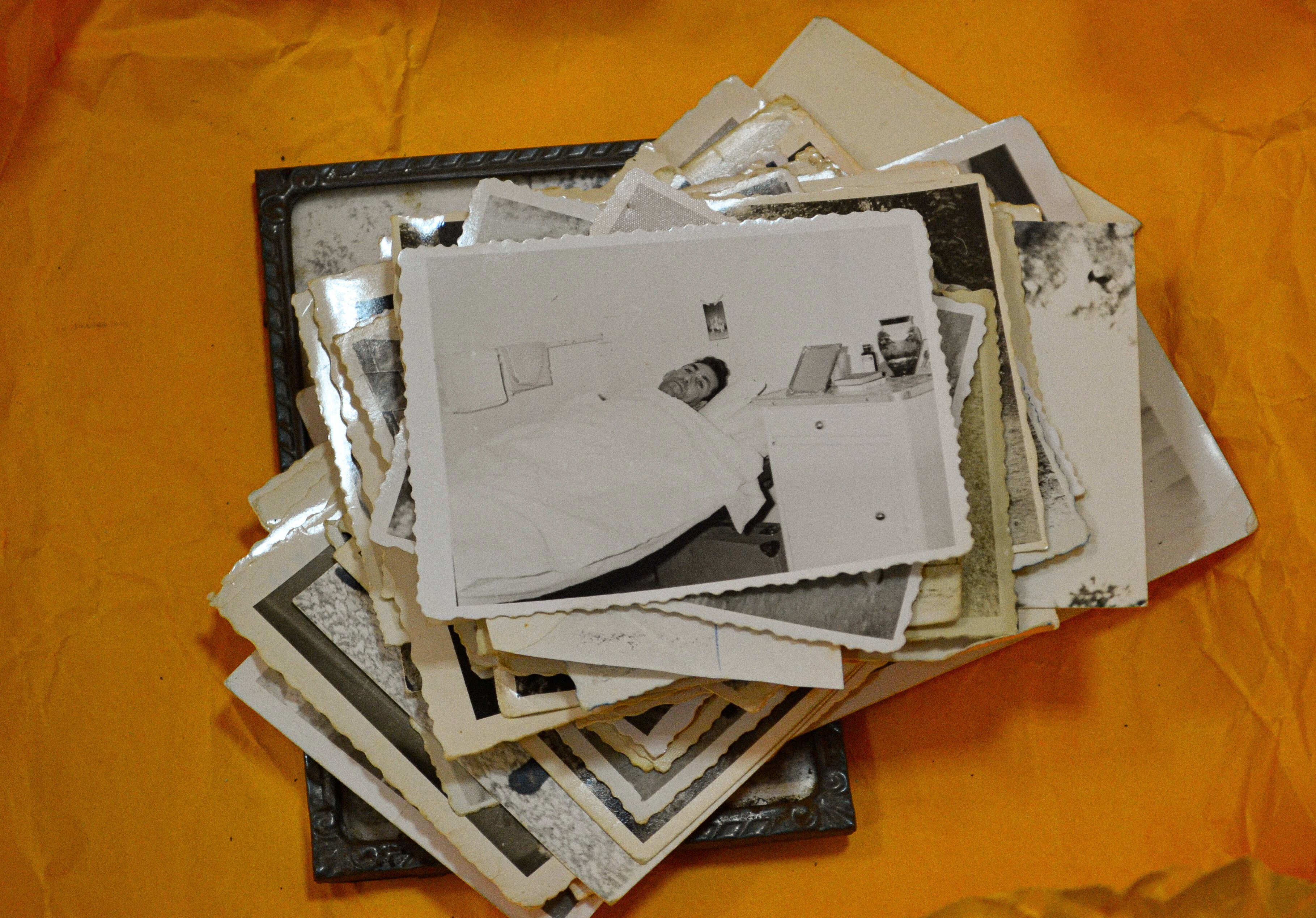
A chance discovery at the Sotiria Hospital reveals a personal and collective trauma: small suitcases belonging to hundreds of patients who were hospitalized and died of tuberculosis between 1945 and 1975.

For the first time, their stories come to light through family correspondence, archival material, and testimonies from relatives.

LO

Sunday, April 19, 18:00 & Tuesday, April 21, 19:00
Thanasis Vasileiou | 2025 | Greece, France | 70’
STILL LO 3

Info 
Trailer

In the Epirus dialect, “Lo” means “be quiet.”

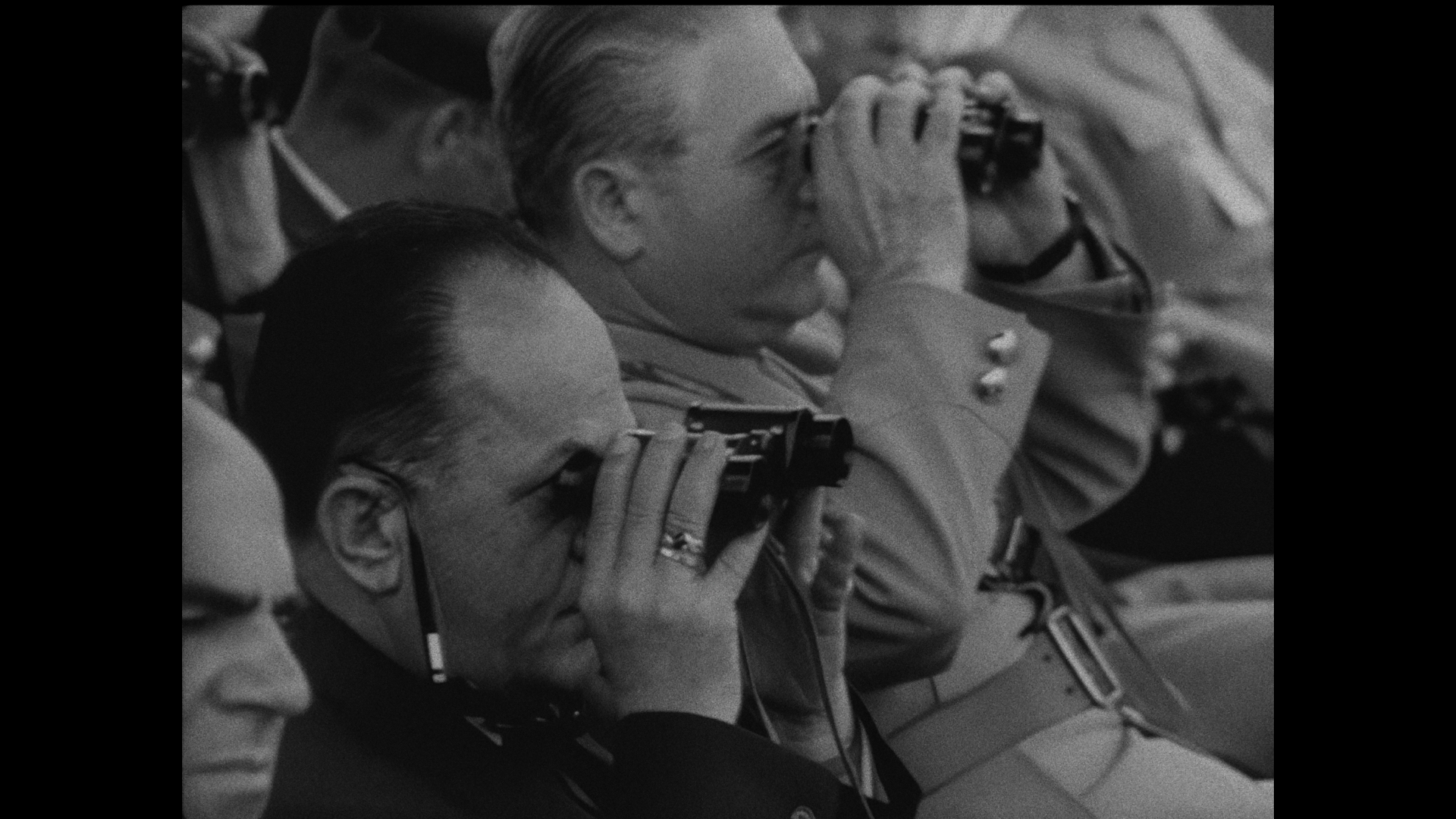
When filmmaker Thanasis Vasileiou returns to his childhood apartment after his mother’s death, he confronts secrets that weigh not only on his family’s past but also on the history of modern Greece.

He begins a deeply personal journey—like a cinematic diary—through invisible traces that connect the city and its people to their past.

A minimalist yet emotionally profound film about the ways personal memory intertwines with collective memory, exploring trauma, silence experienced as guilt, love, and ultimately acceptance.

Closing Film: Dust to Dust

Thursday, April 30, 2026, 19:30
Kosai Sekine | 2024 | Japan | 89’
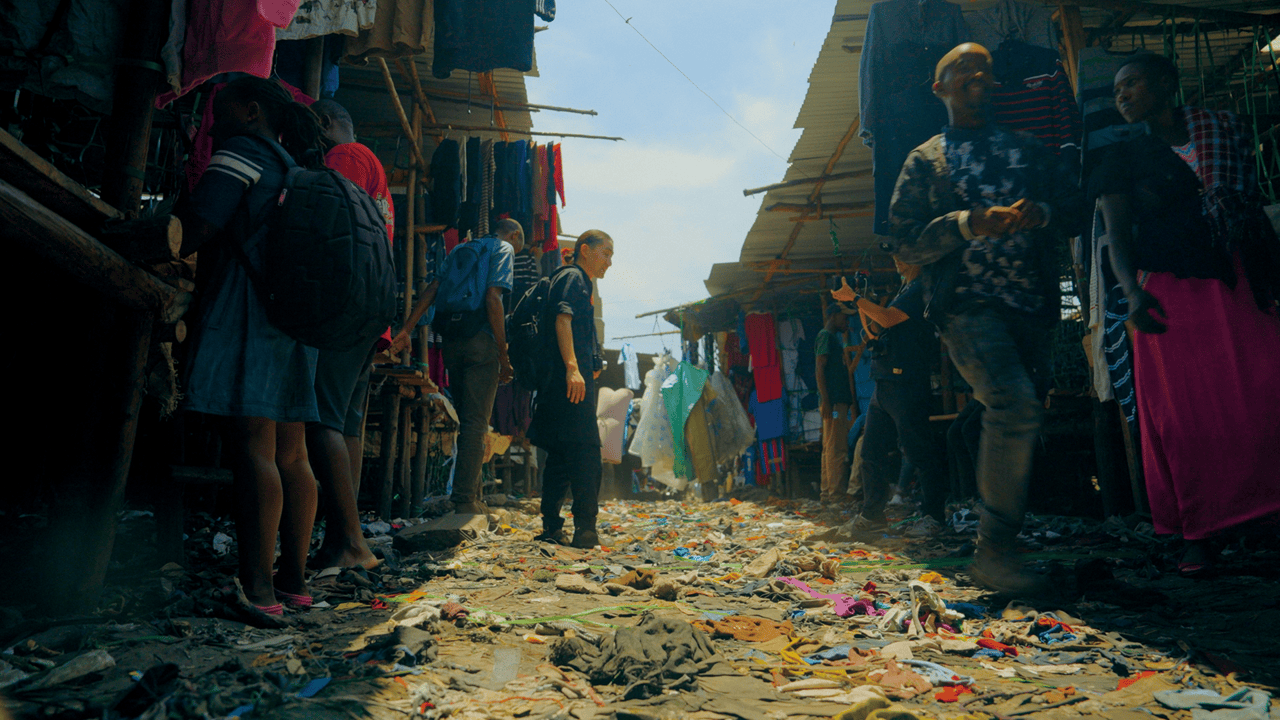
Dust to Dust 2 Kenya 2

Info 
Trailer

The CineDoc Documentary Festival will conclude its 2025–26 artistic season with the closing ceremony and the presentation of local Audience Awards for Athens, Volos, and Rethymno.

Following the awards ceremony, the documentary Dust to Dust will be screened.

Yuima Nakazato, only the second Japanese designer ever invited to the Paris Haute Couture Fashion Week, is one of the pioneers of sustainable fashion, combining high craftsmanship with ethical production.

His vision: a future where creativity is inseparable from respect and care for the environment.

The documentary follows his journey to Kenya, where he seeks to understand the environmental impact of the fashion industry and fast fashion, while exploring more sustainable practices as he prepares for the Paris Haute Couture Week.

The collection created as a result of this journey was presented in 2023 and impressed audiences and critics alike—it consisted entirely of garments made from waste materials collected from landfills.

EKKOMED Audience Awards

To support Greek documentary filmmaking and strengthen the participation of local communities in cultural initiatives, CineDoc launched a new collaboration with the international platform Votemo, establishing local Audience Awards in Athens, Volos, and Rethymno.

The nominated films are:

  • “Takis.” by Michalis Roumbis

  • “The Goals of August” by Dimitris Koutsiampasakos

  • “Lo” by Thanasis Vasileiou

  • “The Heart of the Bull” by Eva Stefani

Festival audiences in each region can vote online for their favorite Greek documentary by scanning a QR codeprovided on screening days.

The Audience Awards are sponsored by the Hellenic Film and Audiovisual Center – Creative Greece (EKKOMED).

About CineDoc

CineDoc screens and distributes award-winning Greek and international documentaries. Screenings are organized as part of the CineDoc Documentary Festival, in collaboration with Danaos CinemaAnesis Summer Cinema, the French Institute of Greece, the Greek Film ArchiveCineDoc Volos, the Thessaloniki Film Festival, and cultural venues across Greece including Rethymno’s “Simeio” Cultural Space.

The festival runs annually from September to April, presenting new films approximately once a month.

The Hellenic Film and Audiovisual Center – Creative Greece (EKKOMED) is the main sponsor of the CineDoc Documentary Festival 2025–2026.

CineDoc also continues to expand its distribution network by organizing screenings across the Greek islands(Cyclades, Sporades, Ionian Islands, and Dodecanese through CineDoc Island) and throughout mainland Greece.

Each year, it co-organizes regional documentary screenings with cultural and environmental organizations, film clubs, foundations, municipalities, and cinemas. These parallel screenings take place throughout the year.

Follow CineDoc on Facebook and Instagram.

More information:
cinedoc.gr
cinedocanemon@gmail.com



Thursday, 05 February 2015 15:09

The Beautiful Game…

Soccer, football, the beautiful game. Whatever you call it, the world is clearly in World Cup fever. Well, the parts of the world where people paint their faces, wear their national flags as clothes and sing national anthems and national songs until they collapse in a frenzy of ‘whoo-hoos’… you know, the fun parts of the world. Which, if we’re honest, is most of the world. So World Cup fever also came to Athens.

And to New York, to Toronto, to Melbourne and apparently everyone else where there are Greeks communities. Social media is full of videos of enthusiastic Greek fans absolutely overflowing with excitement and pride. And probably lots of beer.

Speaking with Dutch, Argentinean, Swiss, even Costa Rican friends, it seems the spirit of friendly (and very serious) competition is alive and well no matter which flag you fly – and it’s all in the name of the beautiful game. And I think that’s great.

I was watching the Greece/Costa Rica match at a friend’s place on Sunday. When the game when into overtime, someone said, “We should be watching this from a bar.” The rest of us agreed. When the overtime stretched into penalties, we jumped off the couch and raced outside to the nearest café. The place was packed with excited fans, chattering and cheering. The energy was palpable. After each successive score, the cheers got louder… The result was heart breaking, but the pride of achievement remained.

There is something awesome about joining together with random strangers to celebrate ‘us’, that elusive feeling that comes when ‘one of our own’ is striving, against the odds, and succeeding – on our behalf. When the Greek players requested that their FIFA bonuses be donated to build a home for the national team in Athens, it only served to boost the feeling.

So, this week was mostly about national pride (the best kind, based on achievement), celebrating the underdog, and cheering to our hearts’ content. The eventual result was less important than the virtual bond shared by everyone waving a blue and white flag, wherever they might be in the world. There was a great image shared during the Costa Rica game, of a (non-Greek?) fan with the words ‘Vamos Grecia!’ painted in blue across her forehead. What could be better?

Until next week,

Jack

In this weekly space, keep up with ‘Jack’ as he navigates daily life in Athens… Anecdotes, stories, hits & misses, the good, the bad and, well, the rest…

Wednesday, 18 February 2015 10:57

Skiathos

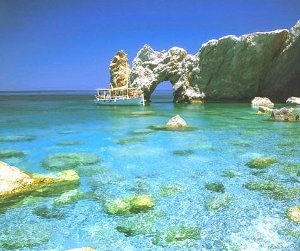
Skiáthos, the most cosmopolitan island in the Northern Sporades, is truly a paradise on earth, with lush pine forests and crystal-clear azure waters. Despite the rapid growth in tourism here in recent decades, it the island is still picturesque and unspoilt and blessed with more than 60 beautifully clean beaches.

The most famous is Koukounariés, which has been declared the third most beautiful beach in the Mediterranean. When you add in its bustling nightlife, it is only natural that the island attracts thousands of young visitors every year!

Whether you want to hide yourself away from the crowds or dance until you drop – and then wake up and do it all over again –, Skiáthos, with its delirious night life, is a real treat for visitors and especially for young people seeking the freedom to ignore conventions and party on to the frenetic beats of their favourite music! The pedestrianised street by the Old Harbour is the ultimate hotspot for entertainment! Buzzing bars and clubs keep youngsters rocking through the night and until the early morning! The party continues in the area of Ammoudiá (on the road to the airport) where entertainment addicts celebrate in big open air clubs! Colourful cultural events, concerts and art exhibitions held throughout summer add a special touch to holidays on the island!

To read more, please visit visitgreece.gr

Thursday, 19 February 2015 12:41

Greeks Retake Global Shipping Lead

Greeks have returned to the top spot in the global chart of merchant fleet capacity, according to data from Clarksons, the world’s leading provider of integrated shipping services. Greek shipowners now control ships with a gross tonnage of 164 million tons, overtaking the Japanese on 159.4 million tons. As a result, Greek shipping is back on top after about a decade in second place.

This global lead has been achieved even though the Greeks rank third in ship numbers behind the Japanese and the Chinese: Greek shipowners control 4,984 vessels against 8,537 managed by the Japanese and 6,427 by the Chinese. This shows that the Greek ships are on average much bigger than those of the Japanese and the Chinese, as well as the Germans and the South Koreans which follow.

In its latest global shipping snapshot Clarksons also makes reference to the conservative attitude of Greek shipowners throughout the international shipping rally from 2004 to the start of the credit crisis.

To read more, please visit ekathimerini.com

Tuesday, 15 April 2025 07:00

Greek Easter Eggs

Dyeing red Easter eggs is a symbol of Orthodox Easter and a long-standing tradition. Although it is also quite common to dye eggs in other colors, Greek Easter is rarely or almost never celebrated without red eggs!
 
The tradition of cracking red eggs when the clock strikes midnight into Easter Sunday symbolizes new life, much like when a chick cracks its shell and comes to life. The egg-cracking game or "tsougrisma" as it is called in Greece is an integral part of Easter celebrations and the person with the strongest egg is said they will have good luck for the whole year!
 
Since Greek Easter eggs are not just for celebration purposes, but are also meant to be eaten, here are 4 simple tips for vibrant and perfectly cooked Easter eggs:
 
1. Leave the eggs out of the fridge for at least 3 hours before boiling them.
2. Boil the eggs in cold water–if you place the eggs in boiling water their shells are more than likely to crack.
3. Keep in mind that fresh eggs are less likely to crack, but will be a bit more difficult to peel.
4. Add a pinch of salt in the water; this will help prevent your eggs from cracking while boiling and make them easier to peel.
It is a typical Greek tradition to name children after their grandparents. However, different people follow this tradition in slightly different ways; sometimes, the baby is named after the father's parents, regardless of gender. Sometimes, the parents will give names from both families, so a baby boy takes its father's father's name, and a baby girl takes its mother's mother's name.

Today, many young parents use the parent's names as the child's middle name, and some decide not to follow tradition at all.

It is very often that a baby's given name is typically Greek but is translated to something slightly different and a bit easier to pronounce. For example, Aspasia becomes Sia, Dimitris becomes Jim, Kostantina becomes Dina and so on.

Orthodox Tradition – Naming Your Child After A Saint

Each child, regardless of who they are named after, usually takes on the name of a Saint. In Greece, a name day is a very special day celebrated much like a birthday.

 
This content has been sourced and prepared by Codico Lab

St. Nicholas Greek Orthodox Church was the only house of worship destoryed by the September 11th attack in New York.  From the Greek Orthodox Archdiocese of America: 

"On September 11th 2001, the barbaric attack not only destroyed the majestic Twin Towers but also the tiny yet historic St. Nicholas Greek Orthodox Church, located south of the second tower of the World Trade Centre.  In the aftermath of its destruction, very little survived: two icons, one of St. Dionysios of Zakynthos and the other of the Zoodochos Pege, along with a few liturgical items, a book and some candles.

Within days, the Archbishop travelled personally to Ground Zero, setting foot on the site where the Church of St. Nicholas stood, in order to conduct a memorial service for the victims of those who perished in the attacks and to offer prayers for the families in mourning."

The New York Times, profiled the long road to rebuilding the church:

"Construction has begun in earnest on the St. Nicholas National Shrine, a Greek Orthodox church and the nondenominational bereavement center, designed by Santiago Calatrava, which will overlook the memorial..."

To read more, please visit: Greek Current

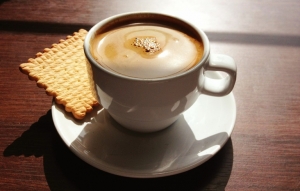
Many studies have advocated drinking coffee to receive numerous health benefits – and now a new study suggests that Greek coffee may be the key to living a longer life.

Researchers from the University of Athens Medical School in Greece analyzed the link between Greek coffee and its potential benefits on cardiovascular health and found those who drank boiled Greek coffee had significantly better heart function, Counsel & Heal reported.

According to the study, only 0.1 percent of Europeans live past the age of 90.  However, on an island off the coast of Greece called Ikaria, the number of people living past the age of 89 is 10 times higher than the rest of the European population.  The Athens Medical School researchers were curious to understand if the islanders’ coffee consumption played a role.

To read more, please visit: Fox News
Elena Syraka created her first pieces of jewellery while at school, without realising this would ultimately be her calling. After studying at the Veloudakis Fashion School in Athens, she went on to ESMOD in Paris, where she decided to focus on jewellery design. Her official debut into the field was in 1995 and about a decade later, she decided to focus exclusively on fine jewellery. Her designs balance between opposite elements, such as the masculine and the feminine, the strict and the fluid.

With a passion for ancient civilisations and a deep interest in Greek history and heritage, Elena offers a contemporary interpretation of classical symbols.

Elena’s jewellery is handcrafted in Athens and various collections come in limited edition numbered pieces. She has now reached her 20th anniversary as a jewellery designer and is proud to see her Nour collection being exhibited in major museums around the world.

To read this article in full, please visit: Why Athens
Monday, 20 March 2017 10:55

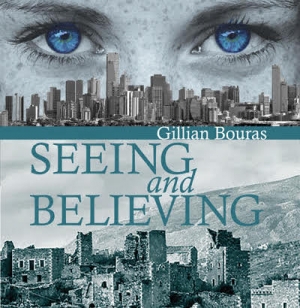
Seeing And Believing By Gillian Bouras

‘What happened next? What happened to the boys?'

Once upon a lifetime, twenty-five years ago or more, I wrote a book called A Foreign Wife. In it I recorded my experiences during my first five years in the Peloponnesian village to which I had unexpectedly migrated in 1980.’

Life in the Peloponnese continues to delight and challenge Gillian Bouras. Seeing and Believing resumes the narrative as her sons create their own families and time delivers a fresh crop of joys and heartaches, to which she tries to adjust.

Acutely responsive to what she calls ‘the conspiracy of beauty in Greece,’ she celebrates the natural world in prose that indicates a lifelong engagement with words. Global events send her to historians for enlightenment, while tragedy closer to home —fire, unexpected death— prompts reflection on the solace of contrasting creeds. In between she observes the human comedy with dry humour.

Gillian Bouras was born in Melbourne in 1945. She worked as a teacher in Australia before moving to Greece with her husband and children in 1980. Her first books were about this experience. She lives in the Peloponnese, Greece, as well as maintaining ties with Australia. Her journalism has been published in six countries.

For more information, please visit: Gillian Bouras.
 
Please click HERE to purchase a copy.
Page 207 of 461