

XpatAthens

XpatAthens

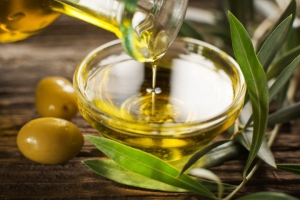
Olive oil is always present at the Greek table and nearly every dish Greek cooks prepare uses this highly prized oil.

According to legend, Athena, the Goddess of Wisdom, is responsible for giving Athens the olive tree as a gift. It is unclear in some of the re-telling of this story whether other parts of Ancient Greece already had the olive tree or not. However, the story shows that the olive tree was highly important to the people of Ancient Greece.

In the legend, Athena and Poseidon were in competition over who would have the new city-state named after them. Poseidon struck the ground with his staff and gave the Athenians the gift of flowing salt water. Athena struck the ground with her staff and it turned into an olive tree.

Since the olive tree provided wood, nourishment, and trade, she won. The olive tree became a symbol of peace because of this victory.

Even though Athena is credited with giving the Athenians the gift of the olive tree, it is really the Early Minoan Civilization on Crete who displays evidence of being the first to cultivate the olive tree in 3500 BC.

Over time, the Minoans on Crete perfected the process of cultivating the tree and it became an important part of their culinary tradition and also helped generate income through trade. They were the first to export olive oil to both Africa and the Middle East.

The Ancient Greeks understood that olive oil was highly nutritious. Therefore, top philosophers and physicians in the 7th century BC in Ancient Greece explored the use of olive oil as medicine. Hippocrates, for example, used it for various things when he was treating his patients. Nowadays, olive oil is used to help with digestive problems, skin conditions, coughs, sore throat, congestion, and other respiratory complaints.

It’s also considered a health cure and essential beauty aid. The oil is used to combat dry skin, control frizzy hair, and even soothe irritated skin. It even played an important part in the Olympic games by becoming a symbol of the games themselves and part of the award given to winners. The olive tree, therefore, was not only important in history, but it also is still highly important today.

To read this article in full, please visit: Greek Boston
Monday, 23 July 2018 07:00

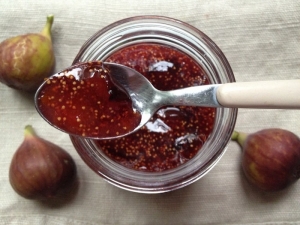
Greek Fig Jam

Good news; figs are finally in season! Make this easy fig jam recipe, which will go great with nuts, blue cheese, and prosciutto.
 
Ingredients
  • 1 kg ripped figs, peeled and chopped
  • 500gr caster sugar
  • Lemon juice of one lemon
  • 1 glass of water
To read the directions, please visit: Greece By A Greek
Thursday, 22 October 2020 07:00

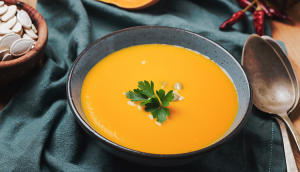
Delicious Pumpkin Soup

Pumpkin soup is a perfect warming dish to serve during autumn and winter. It cooks in no time, and it's a favorite for kids and adults alike. Add caramelized bacon and homemade croutons to take this recipe to a whole different tastiness level!

Serves: 4-6
Difficulty: Easy
Prep Time: 15 minutes
Cooks in: 30 minutes 

Ingredients

• 2 tablespoons olive oil
• 2 onions, finely chopped
• 1 clove of garlic, finely chopped
• 70 g butter
• 800 g pumpkin, yellow, peeled
• 1 tablespoon fresh thyme
• 1 liter of water
• 1 chicken bouillon cube
• the juice of 1 orange

Cooking Method

Heat the olive oil in a deep pot over medium heat, and sauté the onions for 2 minutes, until slightly golden. Add the garlic and sauté for 1 more minute.

Add 20 g of the butter, the pumpkin cut into 3-4 cm cubes and the thyme.

Sauté for 2-3 more minutes and add the water with the chicken bouillon cube. You can also add a stock cube if you have some in your pantry.

Bring to a boil and simmer – with the lid on – for 15 to 30 minutes until the pumpkin is tender.

When the pumpkin pieces are tender, add the rest of the butter, the orange juice, and beat the soup with a blending rod until the mixture is homogenized and smooth.

If it is too watery, boil for a few more minutes. If it is too thick, add a little more hot water.

Tip: Serve the soup with heavy cream, fresh thyme, caramelized bacon, and homemade croutons.

Recipe Source: akispetretzikis.com
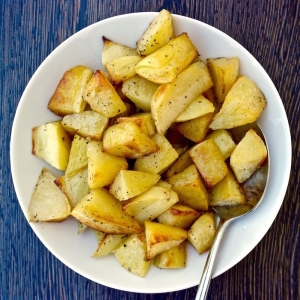
Traditionally cooked with meat, these potatoes are a classic Greek dish. Crunchy on the outside and soft on the inside, Greek-style, roasted potatoes are hard to resist. Elena Paravantes from Olive Tomato shares her mother’s recipe, which adds two special ingredients.


Serves: 6
Difficulty: Easy
Prep Time: 35 minutes
Cooks in:
 45 minutes
Ingredients
  • 2 pounds potatoes cut in small wedges (if long cut wedges in half)
  • ½ cup olive oil
  • 2-3 teaspoons dry oregano
  • 1-2 tablespoons lemon juice
  • 3 cloves
  • 3 allspice
  • 2 garlic cloves quartered
  • ½ teaspoon salt
  • freshly ground pepper
To read this recipe in full, please visit: Olive Tomato
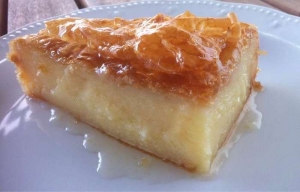
Galaktoboureko is a traditional Greek dessert made with layers of golden brown crispy phyllo, sprinkled with melted butter, filled with the most creamy custard and bathed in scented syrup. This is a very easy to follow Galaktoboureko recipe for you to recreate this traditional sweet delight from scratch.
 
Based Ingredients
  • 400-450g phyllo pastry (14 ounces/ 9-10 sheets)
  • 230g butter (8 ounces)
For the Custard
  • 170g semolina (6 ounces)
  • 250g sugar (9 ounces)
  • 500g milk (18 ounces)
  • 4 eggs (separated into whites and yolks)
  • a knob of butter
  • 2 tsps vanilla extract
  • 500g single cream (18 ounces)
For the Syrup
  • 450g water (16 ounces)
  • 800 sugar (28 ounces)
  • 2 tbsps honey
  • zest of 1 lemon
  • a cinnamon stick (optional)
To read this recipe in full, please visit: My Greek Dish
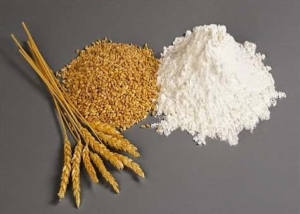
One of ancient Greeks’ main diet ingredients was Zea flour or Triticum Dicoccum, known as the scientific name. They wouldn’t eat food containing wheat and they used wheat as animals' food. The grain of Zea is probably the oldest in the world.

Zea is two times richer in dietary fiber than wheat, two times richer in protein with a high amount of vitamins A, B, C and E. It is also high in magnesium and very low in gluten.

Until about 100 years ago, Zea was the most popular grain in Greece. But in 1928, according to Santorini Food Lovers, its cultivation was banned for financial reasons as the imported cereals crops of rice and wheat were more profitable. The revival of the ancient Zea grain has lately been taking place in few areas of Greece’s mainland.

To read this article in full, please visit: Greece by a Greek
Tuesday, 31 January 2017 07:00

Microbreweries In Greece

In recent years, microbreweries throughout Greece have been producing beers that come with their own Greek stamp of authenticity. From Argos, Messinia, Patras, Evia, Serres and Komotini to Crete, Santorini, Tinos, Chios, Corfu, Kefalonia, Rhodes and Piraeus, microbreweries are on the rise, creating distinctive, unpasteurized, unfiltered, aromatic beers, expanding production, raising new capital and trying to satisfy international demand as local interest in their beers also grows.

The competitive advantage of Greek microbreweries is the high quality of the tasty beers from unique recipes, achieved on account of the production of small quantities so as to enhance the flavour, the aromas and the nutritional value of the beer. They also produce organic beers using local honey and grains, just as they did thousands of years ago. Microbreweries apply environmentally-friendly processes which minimize the ecological impact and support the community through local employment practices, as well as the local economy by sourcing materials and services.

Greek brewers – once professors, pharmacists, chemists, enologists – decided to devote themselves to experimenting with beer. Their allies: the mild Greek climate, the natural fresh water springs, hops and grains, together with other ingredients used to make their beer taste good, such as pure aromatic Greek honey, citrus, spices and flowers. The first Greek microbrewery began in 1997, and today at least 20 more are operating in some of the most beautiful destinations in Greece.

To read this article in full, please visit: Greek News Agenda
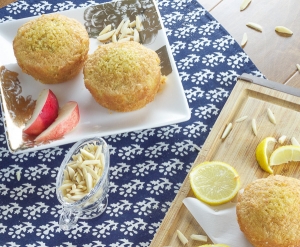
Called Glykisma Amigthalou, this almond torte recipe can be served for breakfast or dessert and comes from the island of Sifnos. It is traditionally made in a square cake pan, but Lemon & Olives experiments with making this treat in a muffin pan. Here’s the recipe for Almond Torte Muffins!
 
Serves: 6
 
Ingredients
  • 4 eggs, separated (whites in small bowl and yolks in medium bowl)
  • ½ cup sugar
  • ¾ cup ground skinless almond*
  • ¾ cup ground biscotti
  • ½ teaspoon baking powder
  • 1 ½ teaspoon vanilla extract
Syrup Ingredients
  • ½ cup water
  • ½ cup sugar
  • 1 ½ tablespoons lemon juice
To view this recipe in full, please visit: Lemon & Olives
For Carrots
  • 2 tablespoons sugar
  • 1 tablespoon fresh lemon juice
  • 2 teaspoons sweet paprika
  • 1 teaspoon ground cumin
  • 1/2 teaspoon cinnamon
  • 1/4 teaspoon cayenne
  • 1 teaspoon salt
  • 1/4 cup olive oil
  • 1 1/2 lb medium carrots (8)
For Tapenade
  • 1 1/4 cups green olives (6 to 7 oz) such as Cerignola or picholine, pitted
  • 3 tablespoons drained bottled capers, rinsed
  • 1/4 cup chopped fresh flat-leaf parsley
  • 1 flat anchovy fillet, chopped
  • 1 teaspoon finely grated fresh lemon zest
  • 1 1/2 tablespoons fresh lemon juice
  • 1/2 teaspoon black pepper
  • 1/4 cup olive oil
For Sandwiches
  • 12 slices good-quality pumpernickel sandwich bread
  • 6 oz soft mild goat cheese (3/4 cup) at room temperature

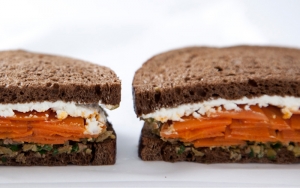
To read this recipe in full, please visit: Gourmet
Tuesday, 02 May 2017 07:00

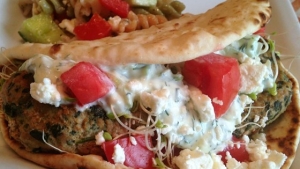
Spinach And Feta Turkey Burgers

“These are a big hit in the summertime when everyone is tired of the same old hamburgers and hot dogs. Serve with or without buns and your favorite condiments. I like to serve these with lettuce, tomato, and Tzatziki sauce!”


Ingredients

  • 2 eggs, beaten
  • 2 cloves of garlic, minced
  • 4 ounces feta cheese
  • 1 (10 ounce) box frozen chopped spinach, thawed and squeezed dry
  • 2 pounds ground turkey
To view the full recipe, please visit: All Recipes
Page 331 of 464