

XpatAthens

XpatAthens

Saturday, 21 February 2015 15:19

Horta, Greens…One Of The Most Popular Dishes

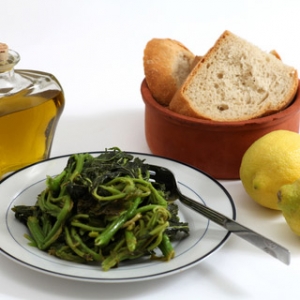
Horta, greens…one of the most popular dishes in Greece. There is hardly a meal at home or in a taverna that does not include at least one type of these wild greens. There are many types of horta and the Greeks attribute great values to them, especially on the island of Crete. Those in the know (I am not one of them) can tell them apart, know what they are good for, and which ones have no value or are even inedible.

Some are good for the liver, or kidneys, or cleanse the blood or all three and of course all are good for your digestive system. What fascinates me, living in the country as I do, is that the locals pick them from their own fields after the heavy rains in October-November. They do not grow them - they are collected wild. They always proudly tell you they are wild, even in the tavernas. “They come from the woods, I picked them myself this morning”.

By Greg Birbil

My wife who is of Epirote descent, remembers picking horta with her grandmother from empty lots in Massachusetts - they picked dandelions. I grew up in Brooklyn, not many empty lots and no horta. At least we never picked any.

Let me return to the “horta hunters”. A common sight in the countryside of Greece is a parked car, just off the road - Mercedes, BMW, or some other upscale car. There is a group of well-dressed older people, walking through the fields bent over scouring the ground with a knife in hand and a plastic bag in the other. Unless you realize what they are up to, it is a strange sight. Nevertheless these “horta hunters”, usually city folk, are having a great day out searching for their delicious greens. Remember, these are not poor people adding to their meager foods, but well to do people making the effort to have the delicious, beneficial greens that they grew up with.

If you are driving around the country side and see these “hunters”, you might want to join them, but make sure the field you pick horta from has not been recently used by sheep and goats, it might affect the taste.

To read more, please visit gourmed.gr

Saturday, 21 February 2015 15:20

Kalamaria Yemista: Stuffed Squid

In Greek: καλαμάρια γεμιστά, pronounced kah-lah-MAH-reeyah yeh-mee-STAH. Whatever your preference - large or small, frozen or fresh - this recipe works with all squid.


Ingredients:

1 kilo of cleaned squid
1/2 cup of olive oil
1/2 cup of dry wine (white or red)
3/4 cup of rice (preferably long grain)
1/2 tablespoon of tomato paste
1/4 bunch of fresh parsley, chopped
1 teaspoon of salt
1/2 teaspoon of pepper
2 1/4 cups of water
2-3 cloves of garlic, minced
1 medium onion, finely chopped
toothpicks


Preparation:

Chop up the squid tentacles into small pieces.
Stir the tomato paste into the wine until smooth.
Preheat oven to 170C.

In a frying pan, sauté the onion, garlic, and 1/2 the chopped tentacles in the olive oil over medium-high heat. When the onion has softened and the mixture is steaming, stir in the wine and tomato paste mixture. Stir in parsley and cook until the mixture thickens slightly. Stir in 1/2 the water and bring to a boil. Stir in rice, turn off the heat, and wait for the rice to expand, about 15 minutes.

Using a spoon (or small measuring spoon for small squid), fill the squid tubes with the stuffing, to 2 cm from the top. Thread the top with one or more toothpicks to close and place in a baking pan. Add remaining stuffing, chopped tentacles, and remaining water.

Bake at 170C for one hour and 10 minutes.

Remove toothpicks before serving.

Yield: serves 6

By Nancy Gaifyllia

greekfood.about.com

Summer has already arrived in Greece; the sun is shining, the days are growing longer, the beaches are full of people looking for some fun and relaxation, and the cafes offer some of the most praised beverages against the hot weather. Cold variations of coffee are a must for everyone in Greece this time of the year. Enjoy your frappe while playing backgammon or chatting with your friends at a sea front cafe, try a cappuccino freddo after work and relax in the summer breeze or taste a strong espresso freddo before work and feel the energy flow within you.

The war of different coffee variations has begun. The traditional fans of frappe will not give up on the national cold coffee beverage for any other Italian-style coffee type, no matter what. The strong flavor and texture of frappe is unique and it symbolizes the summer, light spirit, good company and easy-going life. Dimitris Vakondios invented it by chance in 1957 during the International Thessaloniki Fair and ever since the frappe is typical of Greek contemporary culture. Add some milk and sugar to two or three tablespoons of Nescafe, stir very well in a shaker, pour some water and lots of ice cubes and there you go, your summer frappe is ready.

There are of course other alternatives to try. Cappuccino freddo is especially favored by Greeks. The Venetian monks version of cappuccino was established in the 17th century when they added milk and honey to Greek coffee. A milk foam called “afrogala” in Greek, lots of ice and some syrup depending on how sweet you like your coffee, create the biggest rival of frappe during the summer.

To read more, please visit greekreporter.com

By Stella Tsolakidou
Sunday, 22 March 2015 21:43

Vegan Olive Oil Cake

While I am more than happy to partake in the Easter festivities of eating lamb and cracking eggs, I typically don’t participate in the 40 days of fasting and repenting. However this year I decided to become a bit more involved in all the processions surrounding Easter. By “involved” I mean that I decided for one day (hey you gotta start somewhere) not to eat meat, eggs or butter.

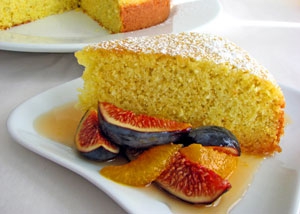
This also seemed like the perfect opportunity to put myself to a dairy free, egg free baking challenge. The result was this delicious polenta and olive oil cake served with a fruit compote. It was so delicious that it actually has me thinking about going for two days of fasting instead of one next year! Here is the recipe, should any of you need some Lenten baking inspiration.


  • 1 ¼ cup cake flour
  • ¼ cup + 2 Tbsp. yellow cornmeal
  • 2 tsp. baking powder
  • ¼ tsp. salt
  • ¼ tsp. cinnamon
  • 1 cup sugar
  • zest of ½ orange
  • zest of ½ lemon
  • ½ tsp. rosemary, finely chopped
  • ½ cup extra virgin olive oil
  • ½ cup orange juice
  • Fig and Orange Honey Compote
  • 1 pint of fresh figs
  • 2 oranges
  • ½ cup honey
  • ¼ cup + 2 Tbsp. water
  • 2–4 tsp. fresh lemon juice, to taste


For the entire recipe please visit: MarisaChurchill.com


Tuesday, 31 March 2015 09:00

Homemade Greek Yoghurt

Homemade yogurt requires surprisingly little prep and keeps in the fridge for a month.


Ingredients:

1 qt. whole goat's, sheep's, or cow's milk

2 tbsp. plain full-fat yogurt with live active cultures


Directions:

  1. Spoon 2 tablespoons of milk into a bowl and stir in the yogurt.

  2. In a saucepan, bring the remaining milk to a boil. Let stand off the heat without stirring, until it registers 100 degrees F on an instant-read thermometer, about 15 minutes; a skin will form on the surface.

  3. Using a table knife, make a small opening in the skin and carefully pour the yogurt mixture into the milk in the saucepan. Cover the pot with a kitchen towel and transfer to an oven. Turn the light on and close the oven door. Let stand for 16 hours.

  4. Using a skimmer or slotted spoon, lift off the skin and discard it. Carefully ladle the yogurt into a sieve lined with a double layer of cheesecloth and refrigerate until much of the whey is drained and the yogurt is thick, at least 4 hours. Transfer the yogurt to a bowl and serve.


Source: Delish.com


Thursday, 30 April 2020 07:00

Traditional Greek Salad - Choriatiki

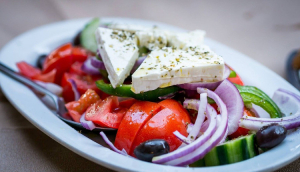
If you have visited Greece, you must have seen the famous Greek salad named "Choriatiki salata" (village salad) listed on most restaurants' menus. It's undeniably a Greek summer in a bowl and you can make it in the comfort of your own kitchen wherever you are in the world.


Serves: 2-3
Difficulty: Easy
Prep Time: 12 minutes


Ingredients
  • 4 large tomatoes
  • 1 medium onion, cut into medium chunks
  • 1 medium cucumber peeled and cut into medium chunks
  • 1 green bell pepper, cut into medium chunks
  • 1 slice Greek feta cheese
  • Pinch of dried Greek oregano
  • 1/4 cup top quality extra virgin olive oil
  • 12 Kalamata olive
  • Squirt of lemon and sea salt to taste

Cooking Method
 
Add all the ingredients together (except for the feta) into a bowl and toss them. Then top with the slice of feta and drizzle some extra olive oil and add a pinch of oregano if you like.
Enjoy!

To view this recipe in full, please visit: Lemon & Olives
Monday, 11 January 2021 07:00

Top 5 Local Dishes To Try In Athens

Although indulging in a satisfying meal is a pleasure for most people, Greeks in Athens take their food even more seriously.

Unlike some of the spicier specialties found in other parts of the world, Athenian dishes are mild and flavorsome. For the most part, the seasonings used in Greek cooking are the ones you already y have in your spice rack. Another benefit is that Greek cuisine consistently uses olive oil instead of the unhealthy oils that can harm our circulatory systems and hearts.

We’ve chosen 5 of our favorite dishes that you should make sure to taste whenever you find yourself in Athens.

1. Keftedes

These crispy deep-fried balls come in many varieties depending on what part of Greece you visit. For example in Santorini, keftedes are made from juicy local tomatoes, and in Sifnos from chickpeas. However, the most typical varieties are meatballs, cheeseballs, and fishballs.

2. Melitzanosalata

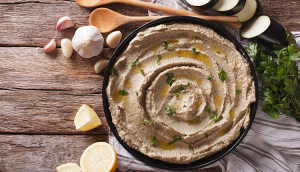
Melitzanosalata is the Greek alternative to Babaganoush, a delicious eggplant dip/spread typically accompanied by crunchy bread or pita bread.

3. Moussaka

Baked and similar to eggplant parmesan but without as much tomato sauce. The dish contains cinnamon, eggplant, ground beef, onions, oil, potatoes, topped with a thick bechamel sauce.

4. Pastitsio

Pastitsio is much like lasagna but not as saucy. The dish consists of layered bucatini-style pasta, ground beef, tomato sauce, and toppings similar to moussaka but not as thick.

5. Stifado

Stifado, one of the most flavorsome stews in Greek cuisine, can be made with beef, octopus, or rabbit– a delicious stifado calls for lots of whole small onions, tomatoes, vinegar, wine, and spices.

Although these are our top 5 picks of dishes to try in Athens, countless other dishes are just as tasty and well worth trying.
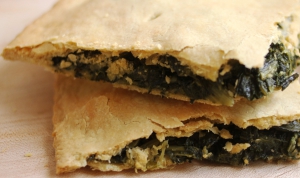
1. Vegetable Pies. Yes, you read right. Pies, a health food? Yes actually as long as they are made the Greek way. Pies - or pites as we call them here in Greece (not to be confused with pita bread) - usually contain a bunch of vegetables along with herbs, olive oil and sometimes cheese, wrapped in phyllo. The most popular one is the spinach pie (spanakopita), but you also find greens pie (hortopita), leek pie, pepper pie and the list goes on and on. You get the goodness of vegetables all wrapped up in the crunchy phyllo. They are great to take along on picnics or for a quick lunch or as a side dish.

2. Greens. In Greece they are called horta. Wild greens are the best if you have the opportunity to find them, but cultivated ones will do just fine. This is a unique part of the Greek diet; eating wild plants and leafy greens, lightly boiled with a bit of olive oil and lemon. They are rich in vitamin A, C and calcium, but mainly in antioxidants that play a role in protecting against cancer and other chronic diseases.

How? Buy some leafy greens and boil them. Serve with lemon juice and olive oil, accompany with bread and a piece of feta cheese.

3. Cretan Barley Rusks-Paximadi. These barley rusks are not only a popular food in Crete and the rest of Greece but they are extremely good for you. The authentic Cretan rusks are made from 100% barley flour baked till they are hard. It is a source of whole grains, which means that keep you satisfied, and keeps your appetite under control. Several studies have shown that consumption of whole grain products (at least 3 servings a day) can reduce the risk of diabetes by 30 percent. Furthermore, research conducted by the USDA (U.S Department of Agriculture) showed that a diet rich in barley may reduce cholesterol levels. Barley contains tocotrienol, natural form of vitamin E, which inhibits the production of cholesterol. Finally, preliminary investigations showed that they might reduce the risk of ulcers.

How? Find them online or specialty markets. Soak the rusk in water, drizzle some olive oil, load with tomato and cheese and enjoy.


To read more and to get more recipes with these ingredients, visit Food and Leisure International Guide
Tuesday, 27 November 2018 07:00

How To Eat Like A Greek In 3 Steps

We know that the Mediterranean diet is considered one of the healthiest, if not the healthiest diet in the world.

The culinary habits of Greece and southern Italy offer numerous health benefits from heart protection to mental health.

This diet is based on simple ingredients such as olive oil, vegetables, fruit, beans, yogurt, cheese, some fish, a bit of meat and plenty of herbs. And while these ingredients may sound simple, they are nutritionally complex, full of antioxidants, substances that protect the body from various chronic diseases.

Anyone can make their diet more Mediterranean by using mostly olive oil for their cooking needs, eating plenty of seasonal fruit and vegetables and eating less meat. Here are simple steps to get you started:

Make Greek Style Open Sandwiches
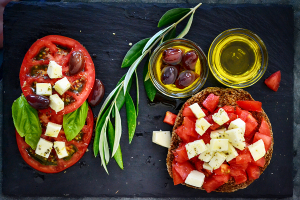
In Greece partucularly in Crete a popular dish is the Dakos, a whole grain barley rusk (paximadi) topped with soft white cheese, tomatoes, olives and drizzled with olive oil. You can make your own by substituting a thick piece of toasted whole wheat bread. Top first with tomatoes, than crumbled feta cheese, a few olives, add some olive oil and a sprinkle of dry oregano.

Eat Vegetables as a Main Course
Greeks have the highest consumption vegetables in the world according to a latest study from the Tufts University. How do they do this? The answer is vegetable casseroles. Greeks consume so many vegetables because they serve them as a main course. Use fresh or frozen vegetables; almost anything will do, but the best are green beans, peas, okra and cauliflower. Sauté a chopped onion in 4 tablespoons of olive oil, add about 500 grams of vegetables and continue sautéing. Next, add about 250 grams of crushed tomatoes, a bit of parsley, salt and pepper, and some water, enough so that it halfway covers the vegetables. Let it simmer for about an hour. Serve with a slice of fresh bread and feta cheese.


To read more, please visit: The Food and Leisure International Guide
Tuesday, 19 May 2015 07:00

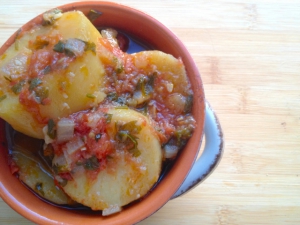
Greek Potato Stew / Patates Yahni

Made with just 5 ingredients with one pot in just under an hour, this traditional Greek potato stew (πατάτες γιαχνί) is rustic potato perfection. Red ripe tomatoes, fresh parsley, sweet red onions, minced garlic and yellow potatoes simmered in olive oil combine to create one of the simplest, most authentic and amazingly delicious Greek dishes you will ever enjoy!

Yellow potatoes seem to work very well in this recipe and much better than, say, red potatoes which just seem to fall apart here. You need a heartier potato that’s able to soak up all the amazing flavors of the sauce while still remaining intact.  And I recommend peeling your potatoes with this recipe. Leaving the peels on takes away from the finished dish for me but you’re welcome to  keep them on if you prefer. Thick slices of potato are my favorite and really give you a meal as opposed to just a side dish, though you can certainly serve it either way- I love a side of patates yiahni with Chickpea fritters (revithokeftedes)!

It’s important to remember that because there are just a few ordinary ingredients in this recipe, you need to make sure they’re the best quality. Ripe, juicy tomatoes and Greek olive oil are must haves in addition to fresh (not dried) parsley which brings such a brightness to this hearty potato dish. I use chopped fresh tomatoes because they make for a sweet and light tomato sauce but in a pinch you can use canned whole peeled tomatoes. If you do go with canned, drain off as much of the liquid as possible before chopping. Do not go with crushed or pureed tomatoes as your sauce will be much heavier and not nearly as light as it should be.

To read more, including ingredients, please visit: Greek Vegan.
Page 327 of 464