

BUSINESS CENTRE

XpatAthens
How To Prepare For A Wildfire
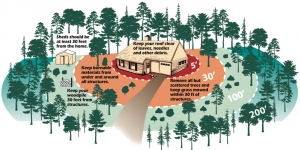
- Don’t burn litter or dry vegetation and small branches (twigs) during the summer.
- Don’t use open-air barbecues in forests or places close to dry vegetation during the summer.
- Avoid open-air activities that may cause a fire (i.e. torch weld, wheel, or other instruments that create sparks).
- Never throw cigarette buts on the ground.
- Properly dispose of rubbish and never in forest areas.
- Create a firebreak around your home by clearing dry leaves and vegetation, pine needles, branches, etc at least within a 10-meter radius of your house.
- Remove all dry branches from trees and bushes.
- All trees within a 5-meter radius from your house should be pruned so that their branches don’t lean on the walls, on the roof, or on the balconies.
- The branches of one tree should be at least 3 meters apart from another.
- Protect the windows and the glass doors by installing shutters made from non-flammable materials.
- Cover the chimneys and the ventilation pipes with non-flammable materials.
-
Stay calm.
-
Relocate all flammable materials around the building to closed and protected areas.
-
Close all the passages (chimneys, windows, doors, etc) to prevent sparks from entering the building.
-
Shut off all the gas and liquid-fuel supplies.
-
Open the gate of the garden to facilitate fire-fighting vehicle access.
-
Put a ladder outside the building so that someone is able to climb immediately on the roof.
-
Switch on the interior and exterior lights to increase visibility
- Do not abandon the building unless your escape is completely secured.
- Do not take shelter in a car. The possibility of survival in a building constructed by non-flammable materials is greater than that inside a vehicle close to smoke and fire.
- If you stay indoors:
- Close firmly all the doors and windows.
- Block up all the cracks with wet clothes, in order to prevent smoke penetration.
- Remove the curtains from the windows.
- Move any furniture into the center of the residence away from windows and exterior doors.
- Fill up the bathtub, wash basins, and buckets so that you have spare water.
- Get out of the house and at once put out the remaining hot spots.
- Inspect for at least 48 hours, at regular intervals, the perimeter and the exterior of the building for possible re-ignitions.
Going The Distance: A Guide To The Athens Marathon

Head to the stadium around 10-10.30 am to secure a seat on the marble tiers. You can soak up the party atmosphere and catch the first victorious runners entering the stadium, usually, around 11 am. Try for a spot on either side of the stadium entrance or right at the back in the centre, where the actual finish line is.
The Athens Marathon isn’t just for professional athletes. Thousands of ordinary people from Athens and all over the world register for the other running races that take place on the sidelines: there’s a 5km, 10km, Power Walking Race, 1.2km Special Olympics Race, or even a Kids Race (registration for the Athens Marathon usually closes about two and a half months before the race, but you can still sign up for the side events until much later). Depending on your fitness levels, these are all great ways to feel part of this momentous experience.
To read this article in full, please visit: thisisathens.org
Your Guide To Shopping Hours In Athens For 2024

In the vibrant centers of large cities, as well as large municipalities, stores typically follow continuous opening hours from 9:00 a.m. to 9:00 p.m. This trend extends to renowned brands, department stores, and shopping malls, which typically operate from 9:00 or 10:00 a.m. until 9:00 p.m.
Small Neighborhood Shop Hours
For most smaller and suburban stores, the working hours follow a unique schedule. On Tuesday, Thursday, and Friday, you can shop during split shifts from 9:00 a.m. to 2:00 p.m. and then again from 5:30 p.m. to 9:00 p.m. On Monday, Wednesday, and Saturday, these shops are open from 9:00 a.m. to 3:00 p.m.
Supermarkets
Banking Hours
Banks in Greece operate from 8:00 a.m. to 2:00 p.m., Monday to Friday.
Sunday Shopping in Greece
On Sundays, shops selling food, drinks, and fuel are typically open from 07:00 to 22:00. Moreover, since 2018, specific regions have allowed commercial stores to open every Sunday from May to October.
- The first Sunday of the winter sales: January 14th
- The second Sunday of the winter sales: January 21st
- Palm Sunday: April 28
- The first Sunday of the summer sales: July 14
- The first Sunday after Black Friday: November 29
- The penultimate Sunday before Christmas: December 15
- The last Sunday before Christmas: December 22
- The last Sunday of the year: December 29
Supermarkets may formulate individual policies regarding Sunday operations. During sale periods, most supermarkets are closed on Sundays, while they remain open during festive periods like Christmas and Easter.
- New Year’s Day: January 1
- Epiphany: January 6
- Clean Monday (Ash Monday): March 18
- Greek Independence Day: March 25
- Orthodox Good Friday: May 1 (shops are open but close early)
- Orthodox Easter: May 3
- Orthodox Easter Monday: May 5
- Pentecost Monday: May 6
- Day of the Holy Spirit: June 23 - June 24
- Assumption of the Virgin Mary: August 15
- "Oxi" Day (National Holiday): October 28
- Christmas & Boxing Day: December 25 & 26
My Week in Athens… March 29
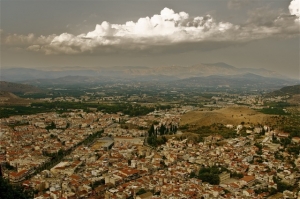
The real Greece… I spent Sunday in the village – the place where my father was born, the place where most of my extended family lives, the place that feels most like the ‘real Greece’. And of course, the place where one finds that most central event of Greek culture: the ‘Sunday family meal’.
Food is love. If you’ve ever doubted that, you haven’t met my Theia Maro. The Sunday meal is planned days in advance – with fact-finding phone calls to figure out what we all want to eat (‘anything but lamb’, I say), with plans and revisions and more plans. And then a last-minute change to the menu because ‘the butcher had some really great lamb’.
We all gathered together a little while after midday, told our stories of the previous weeks, complained about the state of the nation, talked about the weather (Theia Maro, it turns out, is also an expert meteorologist who can predict weather patterns days in advance), and generally shared the mundane aspects of our daily lives – all the things that connect us and make us ‘family’.
And then it was time to clink our wine glasses and eat. But it’s not enough to simply sit around the long table and consume. There are important rituals during the Sunday family meal, which must not be avoided. These include explaining the meal, critiquing the meal, comparing to previous meals, planning future meals – all of this in the wonderful multi-decibel choir of voices of every Greek dinner table.
I remember the exact same scenario from almost every Sunday (or any day!) meal, back when I would spend summers in the village, back when it didn’t mean as much. These days, it feels good to know that some things never change, in spite of ourselves and the world around us.
The Sunday Family Meal, Greek-style!
Location: a village near you.
See you next week,
Jack
In this weekly space, keep up with ‘Jack’ as he navigates daily life in Athens… Anecdotes, stories, hits & misses, the good, the bad and, well, the rest…
How To Stay Safe During A Heatwave

- Stay Hydrated: During a heatwave, keep your water intake to around 3 liters. Drink water regularly throughout the day, even if you don’t feel thirsty. Avoid alcohol and caffeine, as they can dehydrate you.
- Stay Indoors During Peak Heat: Try to stay inside during the hottest parts of the day, typically between 10 a.m. and 4 p.m.
- Use Fans 7 Air Conditioning: Keep your living space cool with fans, air conditioning, or by spending time in public places like malls or libraries if you don’t have AC at home.
- Wear Lightweight Clothing: Dress in loose-fitting, light-colored clothes to help your body stay cool.
- Take Cool Showers: Lower your body temperature with cool showers or baths.
- Limit Physical Activity: Avoid strenuous activities during peak heat hours. If you need to exercise, do it early in the morning or late in the evening.
- Check on Vulnerable People: Ensure elderly neighbors, children, and those with health conditions are safe and comfortable.
- Create Defensible Space: Maintain a buffer zone around your home by removing dead plants, trees, and other flammable materials. Keep your lawn hydrated and trimmed.
- Use Fire-Resistant Materials: If you’re renovating, consider using fire-resistant materials for your roof, siding, and decking.
- Clean Gutters & Roofs: Remove leaves, pine needles, and other debris from your roof and gutters regularly.
- Install Screens on Vents: Use fine mesh screens to cover vents and eaves to prevent embers from entering your home.
- Seal Your Home: Ensure that windows and doors are properly sealed to prevent cool air from escaping and hot air from entering.
- Create an Emergency Plan: Have a fire evacuation plan in place. Make sure all family members know the plan and practice it regularly.
- Prepare an Emergency Kit: Keep an emergency kit with essentials like water, non-perishable food, medications, and important documents.
- Provide Water: Leave bowls of water outside in shaded areas for stray animals to drink. Check and refill them regularly.
- Create Shade: Set up makeshift shelters with cardboard boxes or other materials to provide shade for stray animals.
- Avoid Leaving Food Out: While it’s good to help strays, avoid leaving food out during peak heat to prevent spoilage and attracting pests.
- Contact Local Animal Services: If you see animals in distress, contact local animal rescue organizations for assistance.
- Spread Awareness: Educate your neighbors and community about the importance of helping stray animals during heatwaves.
Additional Tips
- Stay Informed: Keep updated on weather forecasts and heatwave warnings through reliable news sources or weather apps.
- Recognize Heat-Related Illnesses: Be aware of the signs of heat exhaustion and heat stroke, such as dizziness, nausea, headache, and rapid heartbeat. Seek medical attention if needed.
- Use Curtains & Blinds: Close curtains and blinds during the day to block out direct sunlight and keep your home cooler.
- Use Energy Wisely: Avoid using heat-generating appliances like ovens and stoves during the hottest parts of the day. Opt for no-cook meals or use a microwave.
A Practical Guide To Free & Reduced Admission At Archaeological Sites In Greece
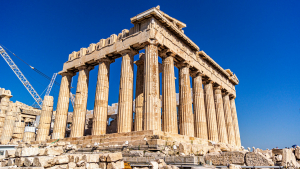
Free Admission Days for All Visitors
- March 6 (Melina Mercouri Remembrance Day)
- April 18 (International Monuments Day)
- May 18 (International Museums Day)
- The Last Weekend of September (European Heritage Days)
- October 28 (National Holiday)
- First Sunday of the Month (November - March)
- Youth from EU Member States (up to 25 years old): Upon presenting an ID or passport.
- Children from Non-EU Countries (up to 5 years old): Verification through a passport.
- People with Disabilities and One Escort: Proof of disability is required (minimum 67% disability).
- Unemployed Greek Citizens: Must present an ID card and unemployment verification.
- Students and Teachers on Educational Visits: Includes primary, secondary, and tertiary students from EU and EEA countries.
- Large, Single-Parent, and Three-Child Families: Greek families with official status can benefit from free admission.
- Refugees and Military Service Members: Present the appropriate identification documents for free entry.
- Archaeologists, Historians, and Related Professionals: Graduates and professionals in fields like archaeology, history, and cultural management.
- Active and Retired Employees of the Ministry of Culture: Including those from the Acropolis Museum and other key institutions.
- Educators: Both active and retired teachers in Greece, as well as substitutes, may apply for this pass.
- Non-EU Youth (6-25 years old): Verification through a passport is required.
- Seniors Over 65: From Greece, EU, and EEA countries, with ID or passport verification.
- Parents Accompanying School Visits: From EU and EEA countries.
My Week in Athens… April 5

This week I am playing host and tour guide to a good friend of mine who is visiting for ten days. She is a Canadian who has spent the past 8 months living in Paris, on a sabbatical to ‘fulfill her dream’ of learning French and living in the City of Lights…
She has been in Greece twice before, and this time is staying in Athens… She asked for a ‘normal’ weekend – nothing touristy, nothing out of the ordinary. Ok, I can handle this. After some laundry and the usual Saturday chores, we wandered out… It was, by all accounts, an ‘average’ weekend afternoon – couple of long coffees with friends, aimless wandering, people-watching, comments about closed-down shops and the general state of things, mixed with comments about the sunshine and the kids playing everywhere and the sheer number of people who were outside enjoying the day… We took the Metro back home, ordered-in from the Noodle Bar, and called it an early night.
Sunday was much the same. Early-morning earthquake (!), lazy morning, late lunch at a taverna with friends, a visit to the Thissio outdoor market looking for a ‘lambada’ (easter candle) – and we even made it to a movie at the Mall in the evening.
What stays with me is not what we did or where we went or what we ate… What stays with is a simple statement.
“I love Athens”, she said. “I feel so comfortable here.” And she meant it.
This city is a lot of things, to be sure. Despite a list of rational reasons to be here (or not), Athens to me is a feeling – one that sneaks in on a warm afternoon in Thissio, and remains long after the weekend is over.
See you next week.
Jack
In this weekly space, keep up with ‘Jack’ as he navigates daily life in Athens… Anecdotes, stories, hits & misses, the good, the bad and, well, the rest…
Why Athens Is One Of The Most Accessible Cities To Explore

- Line 1 (Green Line - Ilektrikos)
Also known as the "Ilektrikos" or electric railway, Line 1 is the oldest of the metro lines, originally built in 1869. It connects Kifisia in the northern suburbs to Piraeus Port in the south, making it ideal for travelers arriving or departing by ferry. Line 1 passes through Monastiraki and Thissio, two stations near the Acropolis and the vibrant center, making it a great option for tourists. - Line 2 (Red Line)
The Red Line runs from Anthoupoli in the west to Elliniko in the south, providing convenient access to major landmarks and hubs like Syntagma Square and Omonia Square. This line connects the historic center with modern neighborhoods and the southern suburbs, where you can catch the tram to the beachside areas. Stops like Acropoli make this line especially popular with visitors, as it leads directly to the New Acropolis Museum. - Line 3 (Blue Line)
The Blue Line extends from Nikaia in the southwest to Athens International Airport in the east, making it the primary connection between the city and the airport. Along the way, Line 3 passes through Monastiraki and Syntagma, key stops for exploring central Athens. This line is incredibly convenient for international travelers, providing a direct route between the airport and Athens’ main attractions.
- Line T6 (Syntagma to Pikrodafni)
This line runs from Syntagma Square in the city center to Pikrodafni, connecting various neighborhoods in between. It’s a popular choice for those looking to explore more residential areas of Athens while enjoying a slower-paced ride through the city. - Line T7 (Asklipio Voulas to Agia Triada)
The T7 line connects the southern suburbs, from Asklipio Voulas in Voula to Agia Triada in Piraeus, traveling along the scenic Athenian Riviera. This line is especially enjoyable in the warmer months, providing direct access to beaches and coastal cafés. If you’re in the mood for a relaxed day along the Mediterranean, the tram offers a comfortable way to reach Athens’ beautiful coastal destinations.
Important Tips for Public Transport in Athens
While Athens’ public transport options are generally reliable, it’s worth noting that service hours can vary. Metro trains run from early morning until around midnight, with extended hours on weekends, while buses and trams typically follow similar hours. However, late-night service is limited, so it’s wise to plan ahead if you’re out late.
For convenience, travelers can purchase an “Ath.ena” card, which offers access across all public transportation systems and can be reloaded as needed. Tickets are reasonably priced, and there are options for single rides, day passes, and even weekly passes, making it an economical choice for getting around the city.
Overall Accessibility and Flexibility
Despite occasional scheduling limitations, Athens remains highly accessible and easy to navigate. Its compact city center, combined with varied public transport options, allows visitors to explore at their own pace, whether they prefer walking or a quicker ride. The city’s emphasis on pedestrian-friendly zones, coupled with its transportation network, means you can immerse yourself in its history, culture, and scenic beauty without the hassle of renting a car.
How To Register A Used Car In Greece
Understanding the Process
- Original foreign vehicle registration
- NOVA confirmation receipt
- Purchase invoice or contract
- Emissions certificate (CO₂ & Euro standard)
- Declaration of mileage (Law 1599/1986)
- Road insurance policy (Greek-registered)
- KTEO Certificate (if vehicle is older than 4 years)
- Customs clearance documents
- Import duty & VAT receipts
- Registration Levy
- Environmental Tax, if applicable.
- Model: VW Golf TDI
- Year of First Registration: 2018
- Euro Standard: Euro 6d-TEMP
- CO₂ Emissions: 120 g/km
- Original New Price: €25,450
- Purchase Price: €12,000
- Original New Price (Factory List): €25,450
- Vehicle Age: 6 years
- Depreciation Rate (based on Greek tax code): 73%
- CO₂ Emissions: 120 g/km
- Euro Emissions Standard: Euro 6d-TEMP (latest diesel standard)
- Based on these factors, the registration levy is approximately 32% of the depreciated value: €6,871 × 32% = €2,198
|
Item |
Estimated Cost (€) |
Notes |
|
Registration Levy |
€2198 |
Based on emissions & taxable value |
|
Environmental Tax |
€0 |
Exempt |
|
KTEO Inspection (if applicable) |
~€50 |
Roadworthiness check required after 4 years |
|
Registration Fees & License Plates |
€75–€175 |
Includes Greek registration documents and plates |
|
Subtotal (Public Charges Only) |
~€2323-€2348 |
Excludes legal, handling, and coordination fees |
Note: The subtotal above covers only publicly assessed taxes and registration-related charges. Additional costs may apply for legal representation, document preparation, and coordination services.
Claiming Greek Citizenship By Descent: What You Need To Know
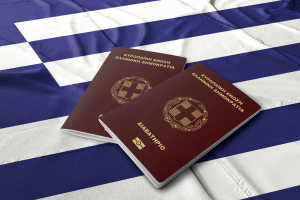
Thinking about reconnecting with your Greek roots? Here’s a simplified breakdown of how you might be eligible for Greek citizenship by descent:
- Parental Heritage: If your mother or father is a registered Greek citizen, you qualify automatically.
- Born in Greece: If you were born in Greece and one parent held legal residency for at least five years before your birth, you're eligible.
- Out-of-Wedlock Birth: If your parents weren’t married, citizenship is granted through a Greek mother. If the father is Greek, legal proof of paternity is required.
- Adoption: Adopted by a Greek citizen before turning 18? You’re entitled to Greek citizenship.
- Third-Generation Greeks: If a grandparent was born in Greece or naturalized, you may apply—though your parent might need to claim citizenship first.
Your eligibility may also depend on when you were born and your parents' marital status at the time. To avoid pitfalls, consult Expat Law early on—accurate legal advice can save time and money.
Building Your Case: The Required Documentation
Once eligibility is confirmed, the next step is to secure your Certificate of Registration, the official record of your status as a Greek citizen. Here's what you'll need:
- Valid passport and birth certificate
- Christening/baptism certificate (if applicable)
- Passport-sized photo that adheres to official guidelines
- Your children's birth and baptism records (if applying for them too)
- Parents’ marriage certificate, indicating civil or religious union
- Parents’ and grandparents’ birth certificates (plus death certificates, if needed)
- Proof of Greek municipal registration
- Divorce or name change documentation (if applicable)
- Recent criminal record certificate
- Certified Greek translations of all documents
- Registration of foreign marriages in the Special Registry of Athens.
Once everything is in order, you will book an appointment with the Greek consulate closest to you and submit your application along with a €150 fee. Keep in mind, though, that processing may take up to two years, so plan ahead.
The Application Process
With documents in hand, you’re ready to submit your file to Greek authorities. A carefully assembled application boosts your chances of approval—every accurate document and form gets you closer to reclaiming your heritage.

The Perks of Greek Dual Citizenship
Greece allows dual nationality, meaning you don’t have to give up your existing citizenship. As a Greek citizen, you gain:
- The right to live and work in Greece and across the EU
- Access to Greek public healthcare and education
- Voting rights in Greek elections
But citizenship also comes with duties. Be sure to understand any tax obligations or, for male citizens, mandatory military service requirements.
Let Expat Law Guide You
The journey to Greek citizenship can be complex, but you don’t have to do it alone. Expat Law offers personalized legal support tailored to your unique background, including in-depth guidance for more complicated cases like asylum, deportation defense, and dual nationality.
Contact Expat Law here:
📧 kyveli@expatlaw.gr
📱 +30 694 555 1914 (call or text)
Have questions or need guidance tailored to your case? Don’t hesitate to get in touch—we’re here to help!