

BUSINESS CENTRE

XpatAthens
Thursday, 22 March 2018 18:28
Celebrating An Authentic Easter In Greece

Easter in Greece is the most celebrated holiday of the year! Although the traditions surrounding Easter begin with the festivities of carnival and the first day of lent on Clean Monday, the ten-day period leading up to Easter weekend is perhaps the most revered on the Greek Orthodox calendar.
The traditions and customs of this special time are rooted in religious history and still remain a significant part of modern Greek culture. The preparations for Easter in Greece begin with Holy week, which runs from Palm Sunday to Easter Sunday, and culminates with a celebration of traditions on Easter Sunday!
While there are several Easter traditions observed by everyone across the country, Mili Lo shares with us the different local customs in each region in Greece. Below, are the traditional customs celebrated by everyone, as well as some of their favorite destinations to celebrate Easter in Greece.
Holy Thursday – Dying Red Eggs & Baking Tsoureki
Easter wouldn’t feel authentic without the traditional preparation of red eggs and sweet egg bread called tsoureki which are prepared during holy week on Thursday; the eggs are dyed red to represent the blood of Christ. The delicious Easter bread tsoureki is also typically baked on Thursday. In the evening, people attend church to watch a symbolic representation of the crucifixion and in some places in Greece, it is common for women to stay at church throughout the night in traditional mourning.
Good Friday & The Epitaphio
On Good Friday, considered the holiest day of the year in the Greek Orthodox Church, it is a day of fast and many foods are strictly prohibited. Traditionally, women take flowers to the church and decorate the Epitaphio, a shrine bearing the image of Christ, which symbolizes his tomb. In the evening, people gather around to watch as the shrine is carried in a procession in the street. This is one of the most solemn experiences one can have during Easter in Greece.
Article Source: Mili Lo, Design & Event Planning Expert
Published in
Greek Traditions
Tagged under
Tuesday, 12 June 2018 07:00
Anthony Bourdain's Love Of Greece
The unexpected loss of Anthony Bourdain shocked many people across the world, as the eccentric American chef had visited every corner of the globe to taste local delicacies. And, naturally, Greece was one of his favorite gastronomic destinations.
Every time Bourdain was doing a show in Greece, his eyes sparkled with love and admiration for the country. Whether he was watching a village woman making fyllo for bougatsa or a fisherman showing his catch, the acclaimed chef acted like a child gazing at the window of a candy store. Watch the video below!
To read this article in full, please visit: Greek Reporter
To read this article in full, please visit: Greek Reporter
Published in
Videos
Tagged under
Thursday, 14 February 2019 07:00
Athens Tennis Club: The Oldest Tennis Club In Greece

Located on the Vasilisis Olgas Avenue, the ‘Athens Tennis Club’ is situated amidst the city’s most important landmarks and monuments. The club is located next to the temple of Olympian Zeus, opposite the Zappeion Gardens, and just below the Acropolis!
Founded in 1895, the ‘Athens Tennis Club’ is the oldest tennis club in Greece; and has consistently served the tennis loving community of Athens for more than 120 years! The tennis club hosted the Olympic games of tennis during the first modern Olympic games that took place in Athens in 1896.
Today, the club is open to athletic groups, children, adults and seniors! It is a perfect place for outdoor family activities and its courts can be reserved by non-permanent members of the club.
The state-of-the-art tennis courts, the beautiful surroundings, and the club’s elegant restaurant make the ‘Athens Tennis Club’ an ideal destination for mild athletic activities, leisure and relaxation.
Founded in 1895, the ‘Athens Tennis Club’ is the oldest tennis club in Greece; and has consistently served the tennis loving community of Athens for more than 120 years! The tennis club hosted the Olympic games of tennis during the first modern Olympic games that took place in Athens in 1896.
Today, the club is open to athletic groups, children, adults and seniors! It is a perfect place for outdoor family activities and its courts can be reserved by non-permanent members of the club.
The state-of-the-art tennis courts, the beautiful surroundings, and the club’s elegant restaurant make the ‘Athens Tennis Club’ an ideal destination for mild athletic activities, leisure and relaxation.
To read this article in full, please visit: yougoculture.com
Published in
City Discovery
Tagged under
Thursday, 30 July 2020 14:08
Smartphone App Sheds Light On The City's Most Historic Buildings
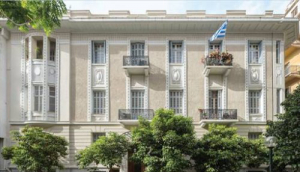
No matter where you live must have gone by a beautiful building and wondered about its history. Athens is a hub of neoclassical, eclectic, and modernist edifices from the inter- and post-war periods, standing among newer buildings like memories of a bygone era.
Since 2013, the MONUMENTA team, with the help of a group of volunteers and the exclusive support of the Stavros Niarchos Foundation (SNF), has led a meticulous project that aims to protect Athens' architectural heritage, documenting more than 10,600 buildings that date between 1830 and 1940.
As a part of its project, MONUMENTA recently launched a smartphone application (for Android and Apple devices) to help users locate and learn about countless historic buildings on a digital map of Athens. So next time you come across an intriguing edifice in Athens, you'll finally be able to uncover its history!
To read more about the project, please visit: snf.org
To read more about the project, please visit: snf.org
Published in
Local News
Tagged under
Wednesday, 15 December 2021 14:32
New Ice Rink Opens In Central Athens
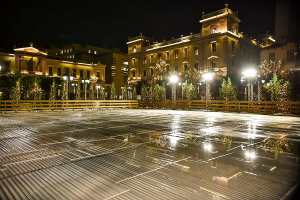
A new 400-square meter ice rink opened on Tuesday, December 14th, in Kotzia Square in Athens, as part of the festive events organized by the City of Athens. Skating at the rink, which will be open until January 6th, will be free of charge, though electronic pre-booking is required, through here (beware, link only in Greek).
Several more ice rinks have already opened around the city. Worth visiting for example is the rink set up in the middle of the Stavros Niarchos Foundation Cultural Center canal, which will be open until February 6 this year (skating there is also free, with obligatory pre-registration here), and the rink at Village Shopping & More, in Renti, which will also stay open until February (skating here costs €10 including skate rental, and you can skate for as long as you want). You’ll also find rinks at many malls, at the Megaron Music Hall, and at the some of city’s Christmas markets.
To read this article in full, please visit: greece-is.com
Several more ice rinks have already opened around the city. Worth visiting for example is the rink set up in the middle of the Stavros Niarchos Foundation Cultural Center canal, which will be open until February 6 this year (skating there is also free, with obligatory pre-registration here), and the rink at Village Shopping & More, in Renti, which will also stay open until February (skating here costs €10 including skate rental, and you can skate for as long as you want). You’ll also find rinks at many malls, at the Megaron Music Hall, and at the some of city’s Christmas markets.
To read this article in full, please visit: greece-is.com
Published in
Local News
Tagged under
Thursday, 26 May 2022 12:42
Six Greek Cities To Become EU Climate-Neutral & Smart Cities
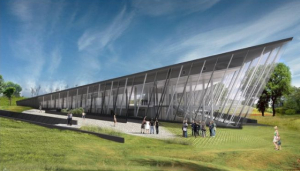
Six Greek cities, Athens, Ioannina, Kalamata, Kozani, Thessaloniki, and Trikala have been selected by the European Commission among 377 cities to participate in the EU Mission for 100 climate-neutral and smart cities by 2030 in the domains of energy, transportation, and urban planning.
The Mission for Climate-Neutral and Smart Cities is a novelty of the Horizon Europe research and innovation program for 2021-2027. It aims to bring concrete solutions to the enormous challenge of climate change and digital transformation. The selection of the Greek cities is a great success for the country and it is the result of hard work and cooperation between the 6 cities and the Greek Environment Ministry in the last two years.
Kozani: The energy producing area of Greece
Kozani is a city in northern Greece, the capital of the Kozani region of West Macedonia. The city is known for its large lignite power plants making it, so far, the leading energy-producing area of Greece. After the Greek government’s decision though about the closure of all coal-fired plants by 2028 (the deadline for Kozani being in 2023), local authorities have been preparing a new Strategic Plan for the city aiming to contribute to a smoother transition toward a clean energy regime. The new plan includes policies that will be innovative in energy efficiency through the development of Renewable Energy Sources enhancing at the same time the digital transformation of the local economy and governance.
Trikala: The first digital city of Greece
Trikala sits at the heart of the Greek mainland, located in the region of Thessaly and it has the reputation of being a frontrunner as a smart city, being labeled in 2004 as Greece’s “first digital city”. Today under the name “Smart Trikala”, public authorities have developed a wide range of digital solutions to help improve the lives of citizens and the city has performed highly in terms of innovation results. Trikala is one of the most dynamic medium-sized cities in Europe, being a pioneer in designing innovative ICT solutions in electromobility, energy, e-health, and open governance for the benefit of its citizens.
Ioannina: The lake city of Epirus
Ioannina is the capital of Epirus, a north-western region of Greece, and a beautiful lake city with long history built on Egnatia Odos, an ancient route that connects Europe with Asia. The economy of Ioannina has purely urban characteristics determined by the fact that the city is the commercial and administrative center of the region. Sustainable urban development, with respect and protection of the natural environment, is among the key elements and major strategic goals of all policy strategies and plans of the Municipality.
Kalamata: The Mediterranean city of the southwestern Peloponnese
Kalamata is a Mediterranean city of the southwestern Peloponnese and the capital of Messinia, being faced occasionally with extreme weather events. To deal with the effects of climate change, local authorities in Kalamata have been implementing national and EU projects of more than 120 million Euros for the last 5 years, while at the same time through their participation in these programs local authorities have gained important knowledge and they have participated in beneficial synergies and networks.
To read this article in full, please visit: greeknewsagenda.com
The Mission for Climate-Neutral and Smart Cities is a novelty of the Horizon Europe research and innovation program for 2021-2027. It aims to bring concrete solutions to the enormous challenge of climate change and digital transformation. The selection of the Greek cities is a great success for the country and it is the result of hard work and cooperation between the 6 cities and the Greek Environment Ministry in the last two years.
Kozani: The energy producing area of Greece
Kozani is a city in northern Greece, the capital of the Kozani region of West Macedonia. The city is known for its large lignite power plants making it, so far, the leading energy-producing area of Greece. After the Greek government’s decision though about the closure of all coal-fired plants by 2028 (the deadline for Kozani being in 2023), local authorities have been preparing a new Strategic Plan for the city aiming to contribute to a smoother transition toward a clean energy regime. The new plan includes policies that will be innovative in energy efficiency through the development of Renewable Energy Sources enhancing at the same time the digital transformation of the local economy and governance.
Trikala: The first digital city of Greece
Trikala sits at the heart of the Greek mainland, located in the region of Thessaly and it has the reputation of being a frontrunner as a smart city, being labeled in 2004 as Greece’s “first digital city”. Today under the name “Smart Trikala”, public authorities have developed a wide range of digital solutions to help improve the lives of citizens and the city has performed highly in terms of innovation results. Trikala is one of the most dynamic medium-sized cities in Europe, being a pioneer in designing innovative ICT solutions in electromobility, energy, e-health, and open governance for the benefit of its citizens.
Ioannina: The lake city of Epirus
Ioannina is the capital of Epirus, a north-western region of Greece, and a beautiful lake city with long history built on Egnatia Odos, an ancient route that connects Europe with Asia. The economy of Ioannina has purely urban characteristics determined by the fact that the city is the commercial and administrative center of the region. Sustainable urban development, with respect and protection of the natural environment, is among the key elements and major strategic goals of all policy strategies and plans of the Municipality.
Kalamata: The Mediterranean city of the southwestern Peloponnese
Kalamata is a Mediterranean city of the southwestern Peloponnese and the capital of Messinia, being faced occasionally with extreme weather events. To deal with the effects of climate change, local authorities in Kalamata have been implementing national and EU projects of more than 120 million Euros for the last 5 years, while at the same time through their participation in these programs local authorities have gained important knowledge and they have participated in beneficial synergies and networks.
To read this article in full, please visit: greeknewsagenda.com
Main image: @dimos.kozanis
Published in
Local Environment
Tagged under
Monday, 31 October 2022 07:00
What Did The Ancient Greeks Look Like?
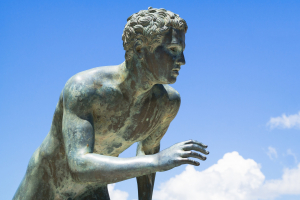
More than most other populations from the ancient past, the physical appearance of the Greeks, especially those of the Classical period of the 5th and 4th centuries BC, has been a source of fascination for scholars, poets, artists, and political leaders (oftentimes nefariously), for centuries.
To put everyone at ease from the start, evidence strongly suggests that modern Greeks are genetically similar to those who inhabited these lands 2,500 years ago. Thanks to recent DNA studies of ancient human remains, we now know that today’s Greeks share a “genetic overlap” with even earlier populations in the region, being closely related to the Bronze Age Mycenaeans (ca. 1600-1200 BC) and, even further back in time, to the migrant Neolithic farmers who first ventured across the Aegean from Anatolia in the 7th and 6th millennia BC.
It’s safe to say that when we think of the descendants of the ancient Greeks, we needn’t go any further than the modern population. But beyond the typical Mediterranean stereotype of dark hair, brown eyes, and olive skin that we often associate with people of Greek descent, we also know that modern Greeks are quite diverse in appearance, including those with much fairer coloring (blue and green eyes, blond hair and even the occasional redhead), and others who are much darker in complexion.
Ancient Greeks In Art
Minoan frescoes (the art of painting on plastered walls) from the mid-second millennium BC, notably from Crete and Santorini – the famous wall paintings of Thera, for example – make clear distinctions between male and female figures. Tall and slender, with narrow waists and long, dark hair, men are often depicted with reddish-brown skin, while women appear as porcelain white, with piercing kohl-rimmed eyes, and with fuller figures. This artistic convention is similar to the depiction of men and women in ancient Egyptian frescoes. In reality, Minoan women likely applied a foundation of toxic white lead or carbonate to lighten their complexion, a practice that was widely used by aristocratic women in late 16th through 18th century Europe (e.g., Queen Elizabeth I of England).
Finely painted ceramic vessels from the mid-first millennium BC, especially during the later Archaic and Classical periods (ca. 600-323 BC), provide key insight into aspects of everyday life, offering some interesting clues about the physical characteristics of everyday people. Both men and women are usually depicted with low foreheads, thick curly hair, almost always black or dark brown, straight noses, large eyes, and ovoid faces. The bi-chromatic nature of the art (both in black-figure and the later red-figure traditions) makes it difficult to determine skin coloring, but the white-ground technique, developed in Attica ca. 500 BC, gave artists more freedom to express colors. In a similar fashion to earlier Bronze Age art, women often appear as fair-skinned while men often appear in darker hues or completely black.
Human Remains
A recent Harvard University study analyzed the ancient DNA extracted from the teeth of 19 people, including 10 Minoans from Crete (dating from 2900-1700 BC), four Mycenaeans from the Greek mainland (1700-1200 BC), and five individuals from other Bronze Age or early farming (Early Neolithic) communities (5400-1340 BC). It was found that the Minoans and Mycenaeans were closely related to each other, inheriting three-quarters of their DNA from the earlier farmers who had migrated across from Anatolia (modern-day Turkey). Crucially, the Mycenaeans were found to have as much as 16 percent of their DNA from the Eurasian Steppe and/or Armenia, indicating a genetic divergence from their Minoan cousins. It appears that these northern ancestors didn’t make it as far south as Crete.
When compared to the DNA of modern Greeks, it was found there is a close “genetic overlap” with the ancient Mycenaeans, sharing many of the same ancestral roots but with some additional dilution of the earlier Neolithic ancestry. Remarking on the continuity of the modern population with their Late Bronze Age forebears, co-author George Stamatoyannopoulos of the University of Washington in Seattle, said it’s “particularly striking given that the Aegean has been a crossroads of civilizations for thousands of years.” While modern Greeks have acquired further genetic traits from later migrations, it’s no surprise that the genes for dark hair and brown eyes, carried over from the Minoans and Mycenaeans, remain so dominant today.
To read this article in full, please visit: greece-is.com
To put everyone at ease from the start, evidence strongly suggests that modern Greeks are genetically similar to those who inhabited these lands 2,500 years ago. Thanks to recent DNA studies of ancient human remains, we now know that today’s Greeks share a “genetic overlap” with even earlier populations in the region, being closely related to the Bronze Age Mycenaeans (ca. 1600-1200 BC) and, even further back in time, to the migrant Neolithic farmers who first ventured across the Aegean from Anatolia in the 7th and 6th millennia BC.
It’s safe to say that when we think of the descendants of the ancient Greeks, we needn’t go any further than the modern population. But beyond the typical Mediterranean stereotype of dark hair, brown eyes, and olive skin that we often associate with people of Greek descent, we also know that modern Greeks are quite diverse in appearance, including those with much fairer coloring (blue and green eyes, blond hair and even the occasional redhead), and others who are much darker in complexion.
Ancient Greeks In Art
Minoan frescoes (the art of painting on plastered walls) from the mid-second millennium BC, notably from Crete and Santorini – the famous wall paintings of Thera, for example – make clear distinctions between male and female figures. Tall and slender, with narrow waists and long, dark hair, men are often depicted with reddish-brown skin, while women appear as porcelain white, with piercing kohl-rimmed eyes, and with fuller figures. This artistic convention is similar to the depiction of men and women in ancient Egyptian frescoes. In reality, Minoan women likely applied a foundation of toxic white lead or carbonate to lighten their complexion, a practice that was widely used by aristocratic women in late 16th through 18th century Europe (e.g., Queen Elizabeth I of England).
Finely painted ceramic vessels from the mid-first millennium BC, especially during the later Archaic and Classical periods (ca. 600-323 BC), provide key insight into aspects of everyday life, offering some interesting clues about the physical characteristics of everyday people. Both men and women are usually depicted with low foreheads, thick curly hair, almost always black or dark brown, straight noses, large eyes, and ovoid faces. The bi-chromatic nature of the art (both in black-figure and the later red-figure traditions) makes it difficult to determine skin coloring, but the white-ground technique, developed in Attica ca. 500 BC, gave artists more freedom to express colors. In a similar fashion to earlier Bronze Age art, women often appear as fair-skinned while men often appear in darker hues or completely black.
Human Remains
A recent Harvard University study analyzed the ancient DNA extracted from the teeth of 19 people, including 10 Minoans from Crete (dating from 2900-1700 BC), four Mycenaeans from the Greek mainland (1700-1200 BC), and five individuals from other Bronze Age or early farming (Early Neolithic) communities (5400-1340 BC). It was found that the Minoans and Mycenaeans were closely related to each other, inheriting three-quarters of their DNA from the earlier farmers who had migrated across from Anatolia (modern-day Turkey). Crucially, the Mycenaeans were found to have as much as 16 percent of their DNA from the Eurasian Steppe and/or Armenia, indicating a genetic divergence from their Minoan cousins. It appears that these northern ancestors didn’t make it as far south as Crete.
When compared to the DNA of modern Greeks, it was found there is a close “genetic overlap” with the ancient Mycenaeans, sharing many of the same ancestral roots but with some additional dilution of the earlier Neolithic ancestry. Remarking on the continuity of the modern population with their Late Bronze Age forebears, co-author George Stamatoyannopoulos of the University of Washington in Seattle, said it’s “particularly striking given that the Aegean has been a crossroads of civilizations for thousands of years.” While modern Greeks have acquired further genetic traits from later migrations, it’s no surprise that the genes for dark hair and brown eyes, carried over from the Minoans and Mycenaeans, remain so dominant today.
To read this article in full, please visit: greece-is.com
Published in
Greek Philosophy & History
Tagged under
Sunday, 17 September 2023 20:37
The Golf and Maritime Industries Shined During The 9th Year Of The Top Greek Maritime Golf Event

The event supported the Parents Association of Children with Cancer “Floga”
The top golf and maritime institution, the Greek Maritime Golf Event, which has emerged in recent years as the best golf event in Greece and Cyprus, returned on September 7-10, 2023, at Costa Navarino, Messinia bringing together once again top executives of the global and Greek maritime industry.
Two days full of golf
For the 9th year, the Greek Maritime Golf Event offered unique moments and experiences at the two signature 18-hole courses The Dunes Course and The Bay Course, in an idyllic landscape full of centuries-old olive trees with a stunning view of the Ionian Sea, the historic bay of Navarino and the picturesque port of Pylos.
With amazing weather, on Friday, September 8, participants took part in a shotgun scramble at The Bay Course, while on Saturday, September 9, the golfing action moved to The Dunes Course for another shotgun scramble.
In addition, the event took care of non-golfers who had the opportunity to attend the Golf Clinic and learn the basics of the Olympic sport at The Dunes Course.
All together for a good cause
The Greek Maritime Golf Event is a tournament with great social work every year. This year, the top golf event supported Parents Association of Children with Cancer “Floga”. More specifically, during this year’s award ceremony to the winners, on Saturday, September 9, attendees had the opportunity to directly contribute the amount they wished by taking part in raffles for significant lottery prizes. The total amount collected was given to Floga, which stands by children suffering from cancer and their families, fights for better medical, mental, and social care for them, shares their fears and concerns, supports their struggle in any way possible, and vindicates substantial presence in issues relevant to the medical, mental, and social care of these children. The Auction Partners who contributed with rich gifts to the implementation of the lottery were Miele, Costa Navarino, The Margi, Tsikeli Boutique Hotel Meteora, Iliada Sunset Suites, Namaste Boutique Apartments, Marmari Bay Hotel, Semeli Estate, Ogarden Suites, Grand Meteora Hotel, Platanos Steakhouse.
Side activities
On Friday, September 8, the event greeted its participants at the Welcome Cocktail by Marine Tours, under lounge saxophone music. The people were welcomed by Mr. Konstantinos Oikonomou, CEO of Marine Tours Group, the leading travel organization in Southeastern Europe, with a long tradition of covering the professional travel needs of the maritime community (Marine & Offshore Travel). Marine Tours company traditionally supports the event and embraces its actions every year, as well as its charitable purpose.
During this event, guests had the opportunity to enjoy the unique cocktails of Grey Goose and the wide selection of wines, from the whole variety of Oreinos Helios, of the top Greek winery from Nemea Semeli Estate, by chilled in the wine cooler of Miele, which keeps the wines at the ideal temperature.
A Unique Golf Experience
The Greek Maritime Golf Event’s production team made sure to provide a rich golfing experience throughout the tournament. The specially trained team of Miele Hellas was present at the golf courses offering freshly ground coffee, from beans of its own production and coffee machines with the ability to identify the user, for the best result, as well as tasty creations such as pizzas, German-style toast with syglino from Mani and sfela from Messinia, cheese pies and chicken pies with handmade phyllo, with the signature of Miele’s Chef. At the same time, all participants began their day with a breakfast starting kit containing nuts, dried fruits, breadsticks, and pasteli from Miele as well as unique sugar-free cereal bars from Daily Deli. At the food and beverage stations, all players enjoyed the authentic Greek cuisine with unique Greek souvlaki and fresh fruits from Messinia from Poseidonia Restaurant, exquisite products such as turkey, and authentic pastourma from Miran, they were hydrated with Minoa Water, the first Greek bottled water in environmentally friendly recyclable paper packaging, they drank ready-made refreshing Bombay Sapphire Gin & Tonic cocktails and the unique Messinian beer NEMA Beer, and tasted the Messinian juice made from natural ingredients Athi Rodi. The golfers used Messinian Spa sunscreens rich in natural ingredients, based on Kalamata olive oil, for their protection from the sun and had the opportunity to try the excellent selection of Habanos cigars at the cigar station that had been set up. Finally, Miele sponsored the event’s Hole-In-One award with a gift of great value.
In the context of this year’s event, the recognized Greek PGA golfer and organizer of the Greek Maritime Golf Event, Mr. Thanos Karantzias, stated: “It is my great pleasure and honor to see the maritime community growing every year, always standing by us all these nine years and continue to support our actions and work. It gives us the strength to continue and leads this top institution even higher. The players showed their enthusiasm through golf for another year, lived unique moments at the Costa Navarino signature golf courses, and practically contributed to the important social work carried out by ‘Floga’. I would like to sincerely thank all the sponsors and partners who helped make this tournament possible. We are renewing our appointment for the 10th anniversary year, a milestone in the history of the event, with even more experiences and surprises for everyone”.
The winners
In the overall team standings, the team of Heard, Papadopoulou, and John Gallagher won the 1st place. The first-place team was awarded by Mr. Theo Xenakoudis Chief Commercial Officer / Managing Director, Piraeus-Greece of IRI/The Marshall Islands Registry, internationally recognized for its outstanding customer service and high-quality fleet. Second place went to the team of Oikonomou, Angelakis, Tziotis, Sorotos, while the team of Chiotopoulos, Kanellakis, Dalakouras, Vezlihvtsev took the third place. In the other categories, two more special awards were given. Specifically, George Manouilidis won the “Closest to the Pin” award and Taxiarchis Vezlihvtsev the “Longest Drive” award. The winning teams were given premium bottles of Grey Goose, magnum delear bottles of Semeli Estate, and Bombay bottles, while all the winners were given rich Messinian Spa gifts. The “Closest to the Pin” winner received the collectible Miele Riedel glassware collection and the “Longest Drive” winner a club from Handy Chart.
Significant companies embraced the event
Greek Maritime Golf Event was attended by some of the most significant maritime companies from Greece and Cyprus, and many other important Greek companies that supported the event.
IRI/The Marshall Islands Registry was the event’s Platinum Sponsor.
Mainline Shipping Company was the event’s Gold Sponsor.
Aegean Baltic Bank, Arrow Hellas, DNV, Marine Tours, and Swift Marine were the event’s Silver Sponsors.
Miele was the Official Sponsor.
All transportation was carried out with absolute safety by the event’s Logistics Partner DHL.
Poseidonia Restaurant and Grey Goose were the Official Supporters.
The pioneer in technical sportswear Under Armour, was the Official Clothing Partner, which dressed all participants and the production team in the event’s official t-shirt.
Messinian Spa was the event’s Official Beauty Partner.
Minoa Water was the event’s Official Water.
Karalis Beach Hotel, which offers luxury and comfort overlooking the historic Navarino Bay, as well as Miran, Athi Rodi, Daily Deli, NEMA Beer, and Semeli Estate were the event’s Partners.
The award-winning production company Boo Productions was the Audio Visual Partner.
The event was held under the auspices of the Ministry of Tourism.
Greek Maritime Golf Event was organized by Birdie Events, through an initiative of the recognized Greek PGA golfer, Mr. Thanos Karantzias. The Sports Marketing Agency of the Year ActiveMedia Group undertook the event’s Golf Production.
The golf tournament was exclusively addressed to distinguished executives of the maritime industry.
Photo by Zagas Photography / Greek Maritime Golf Event)
#greekmaritimegolfevent #costavarino
Published in
Local News
Tagged under
Friday, 12 July 2024 10:54
Discover Hidden Gems: 7 Beaches In Greece Worth Visiting
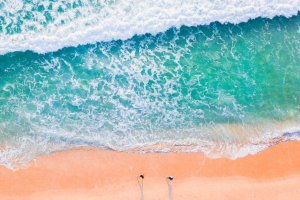
Greece is famous for its stunning beaches, from the iconic shores of Mykonos to the breathtaking vistas of Santorini. However, beyond these well-known destinations lie hidden gems that offer tranquility, beauty, and a touch of the unexplored. Here are ten lesser-known Greek beaches that deserve your attention.
1. Voidokilia Beach, Messinia
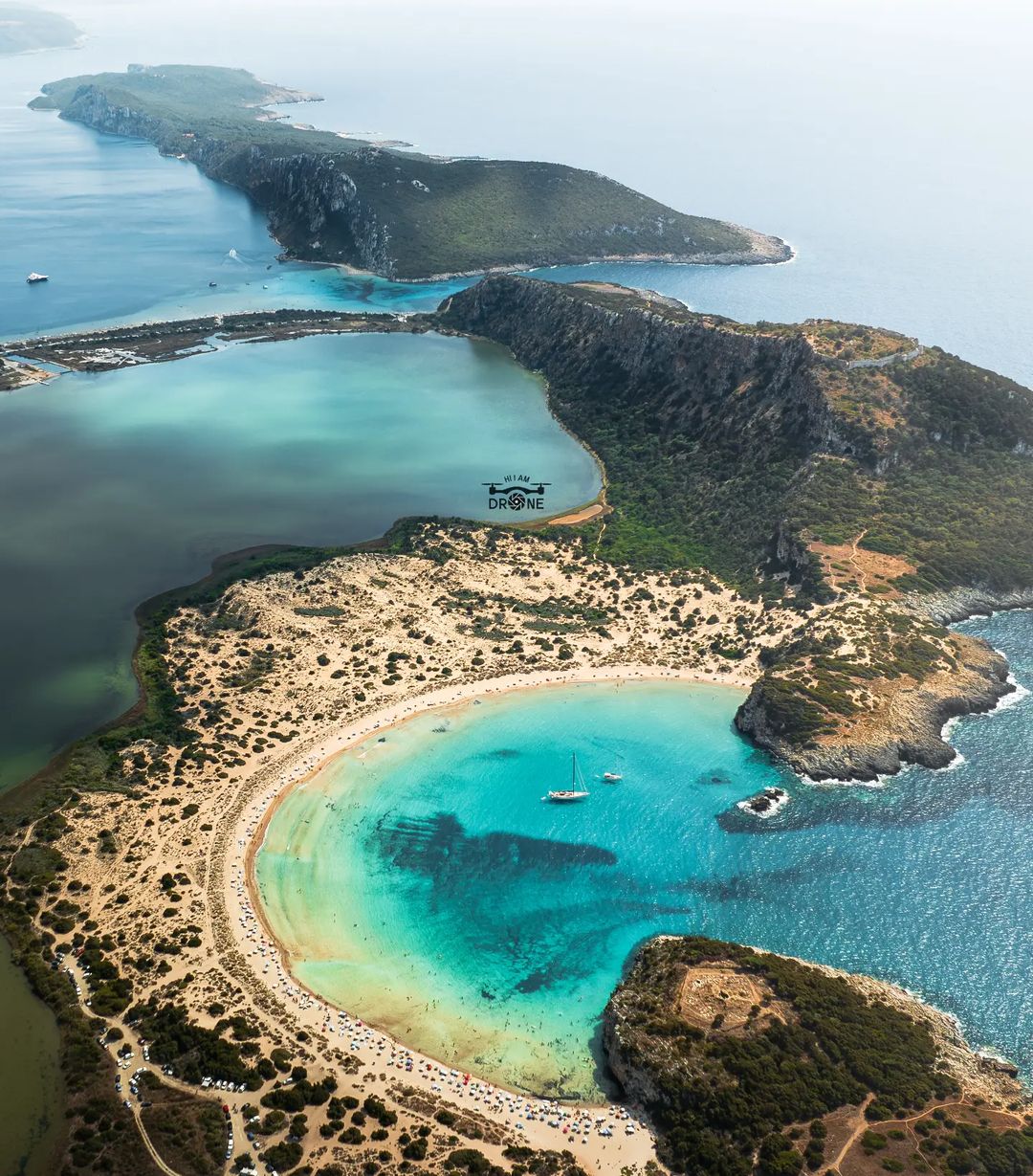
@hi_i_am_drone
Tucked away in the Peloponnese, Voidokilia Beach is a natural wonder shaped like the Greek letter omega. Its crystal-clear waters and soft sandy shores are framed by sand dunes and an ancient castle. It’s perfect for a serene escape.
2. Elafonisos, Lakonia
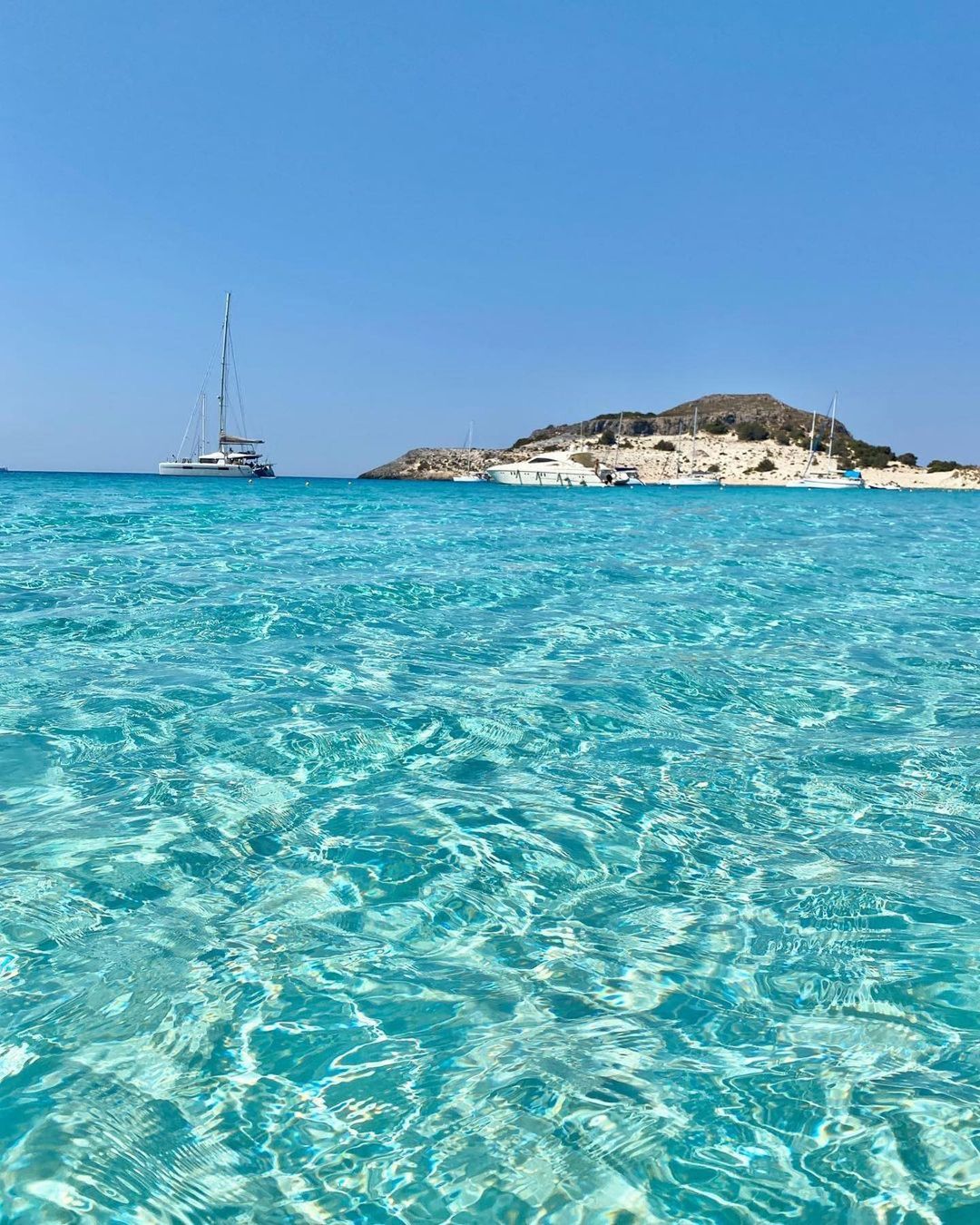
@diokaminaris
Elafonisos is a tiny island located off the coast of the Peloponnese. Simos Beach, with its twin bays, offers turquoise waters and fine white sand. It’s an idyllic spot for those seeking a picturesque and less crowded beach experience.
3. Ammoudi Beach, Crete
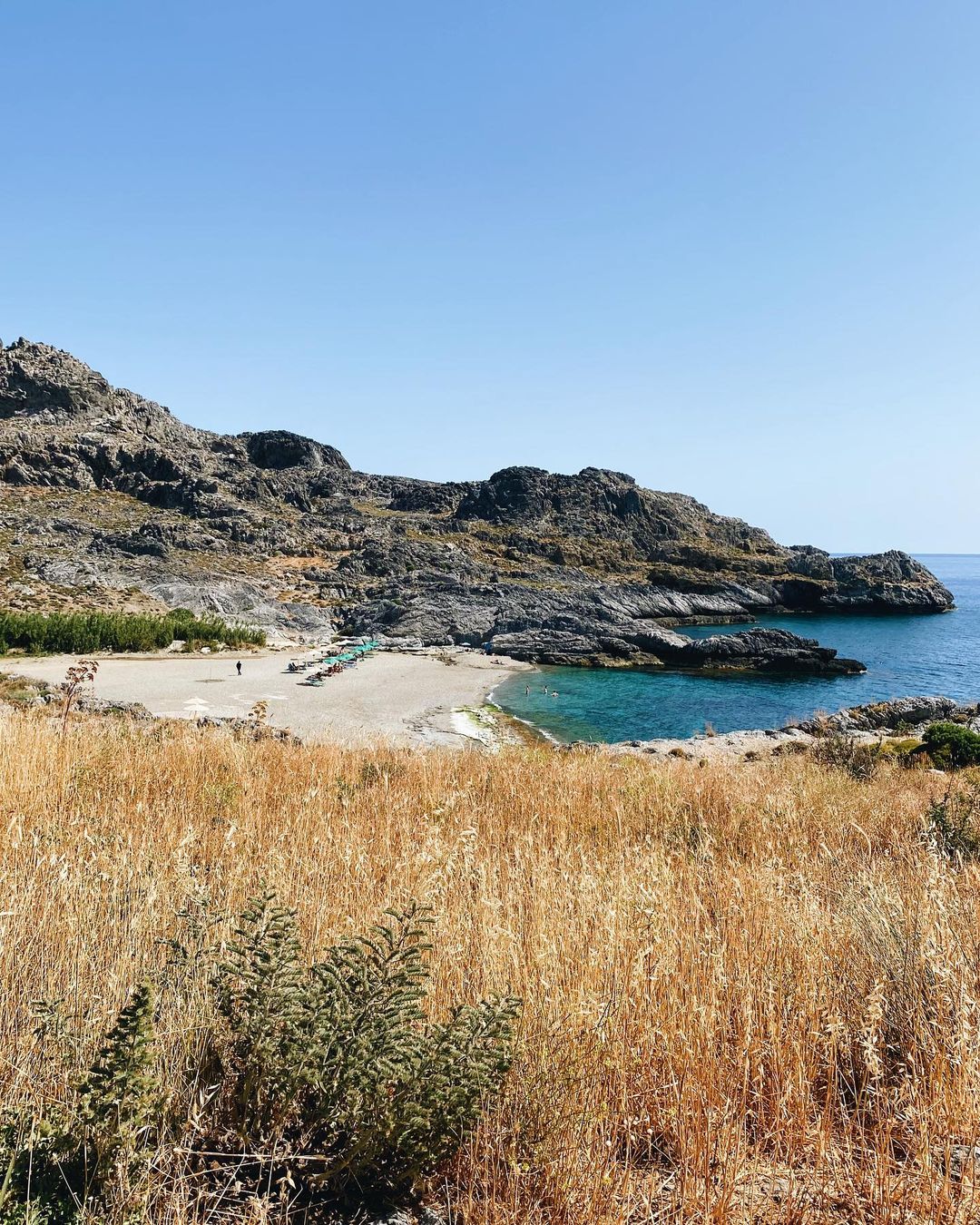
@lordperpis
Nestled on the southern coast of Crete near the village of Plakias, Ammoudi Beach is a secluded haven with clear waters and dramatic cliffs. It’s ideal for snorkeling and enjoying a peaceful day by the sea.
4. Kastani Beach, Skopelos
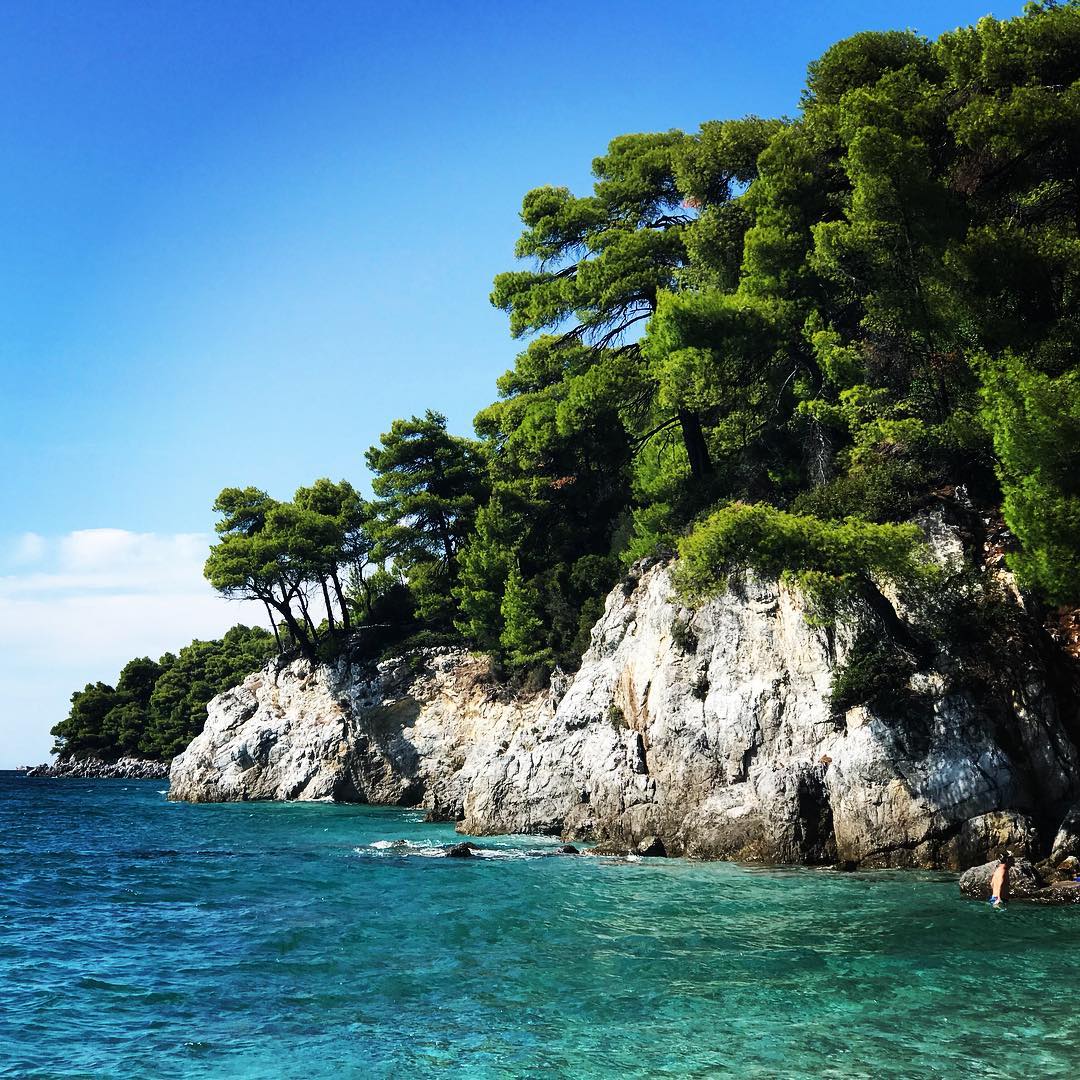
@nikoslunar
Famed for its role in the movie "Mamma Mia!", Kastani Beach remains a hidden gem. Its lush green surroundings, pebbly shore, and crystal-clear waters make it a scenic and relaxing retreat on the island of Skopelos.
5. Seychelles Beach, Ikaria
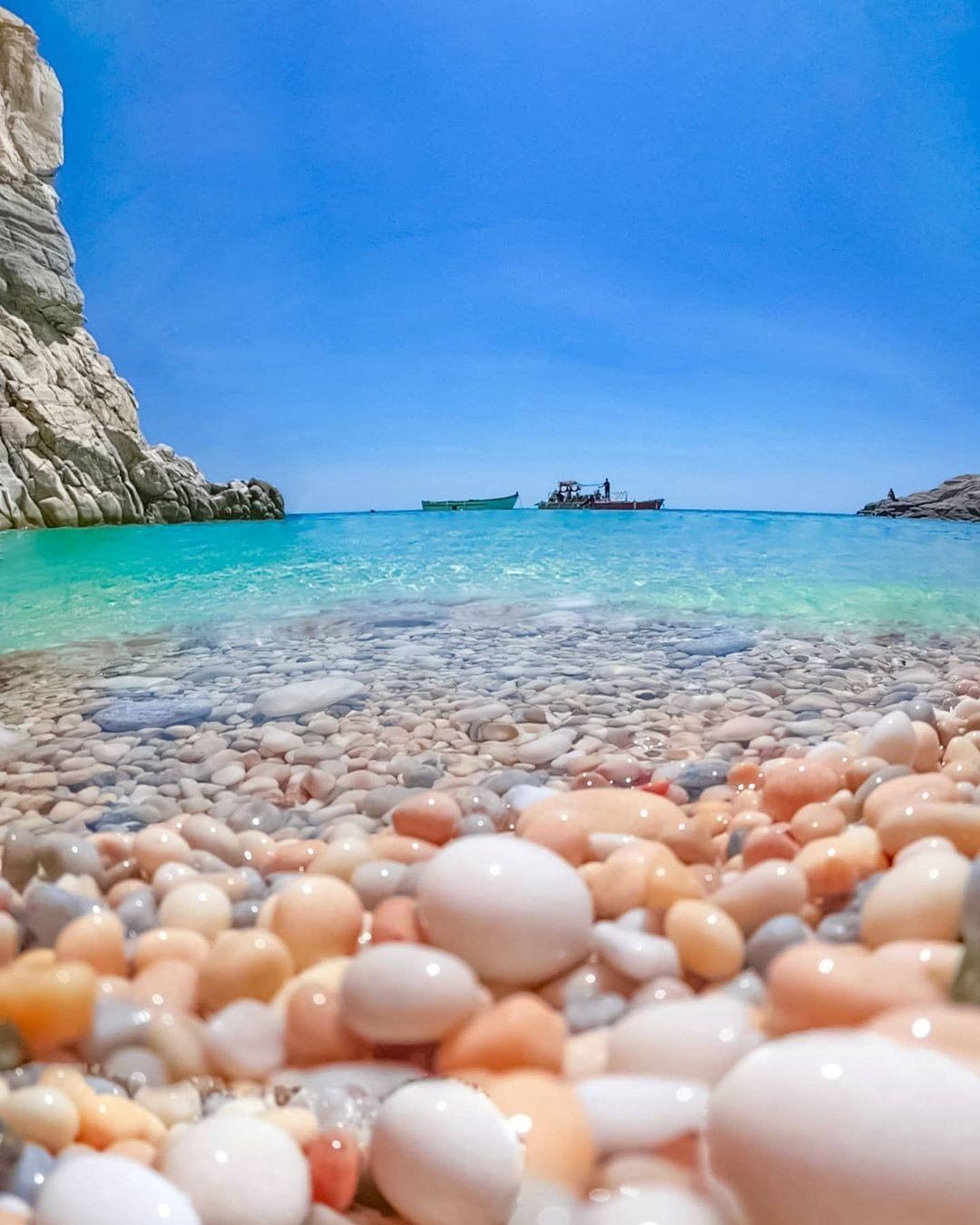
@giannistsou.1
Ikaria is known for its laid-back lifestyle and longevity of its residents. Seychelles Beach, located in a secluded cove, offers azure waters, smooth pebbles, and dramatic rock formations, creating an otherworldly atmosphere.
6. Kolona Beach, Kythnos
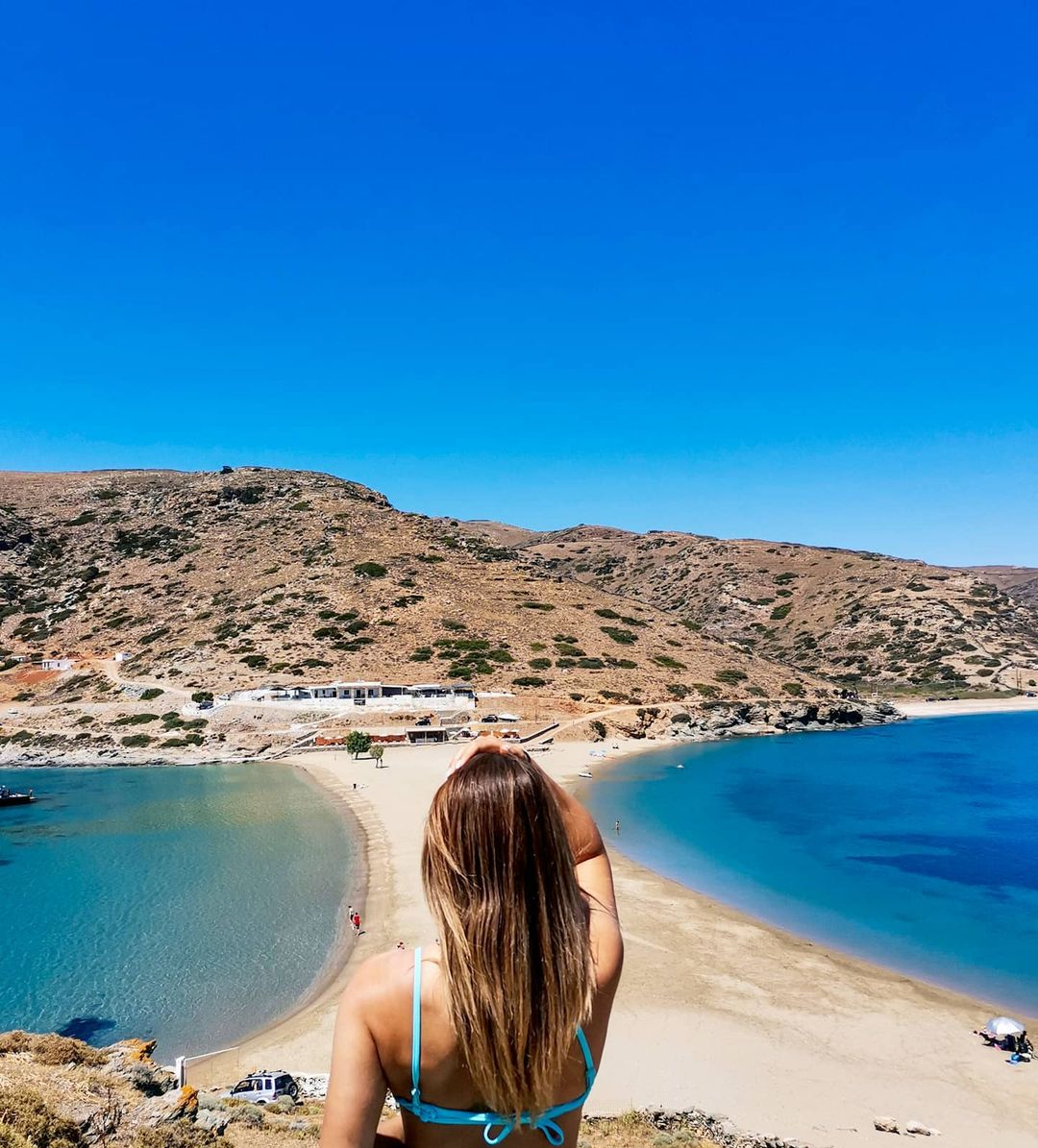
@veronikaprs
Kolona Beach is unique for its double coastline, connecting the main island of Kythnos to the islet of Agios Loukas. With its golden sands and clear blue waters on either side, it’s a must-visit for beach lovers seeking a unique landscape.
7. Voutoumi Beach, Antipaxos
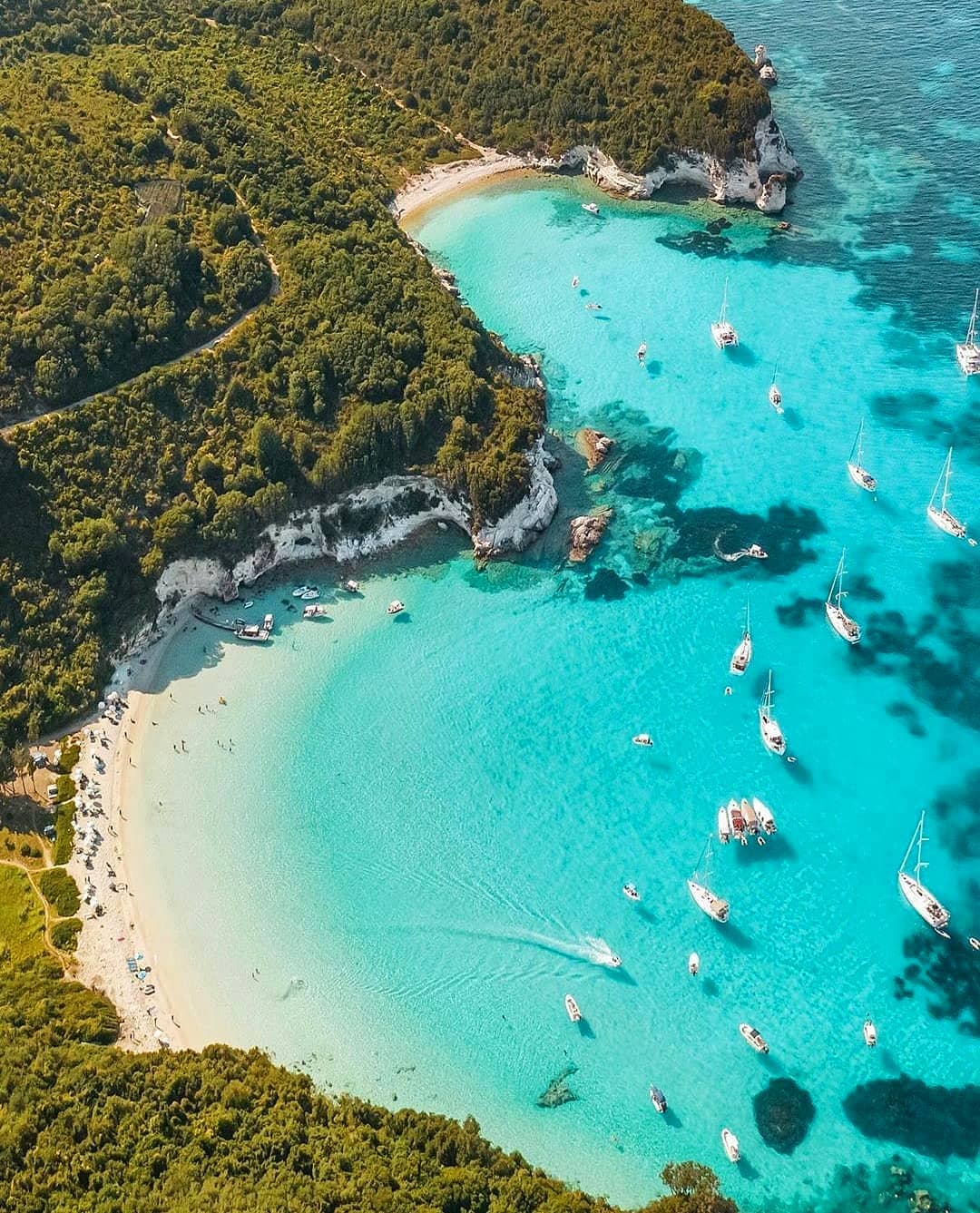
@nick.haji
Antipaxos is a tiny island south of Paxos, known for its stunning beaches. Voutoumi Beach features fine white sand and crystal-clear waters that reflect shades of blue and green. It’s a perfect spot for a day trip and a swim in paradise.
These lesser-known beaches in Greece offer a perfect blend of natural beauty, tranquility, and a touch of adventure. Whether you’re seeking a serene escape, a unique landscape, or a hidden paradise, these destinations are sure to provide an unforgettable experience. Pack your bags, bring your sense of exploration, and discover the hidden gems of Greece’s coastline.
@hi_i_am_drone
Tucked away in the Peloponnese, Voidokilia Beach is a natural wonder shaped like the Greek letter omega. Its crystal-clear waters and soft sandy shores are framed by sand dunes and an ancient castle. It’s perfect for a serene escape.
2. Elafonisos, Lakonia
@diokaminaris
Elafonisos is a tiny island located off the coast of the Peloponnese. Simos Beach, with its twin bays, offers turquoise waters and fine white sand. It’s an idyllic spot for those seeking a picturesque and less crowded beach experience.
3. Ammoudi Beach, Crete
@lordperpis
Nestled on the southern coast of Crete near the village of Plakias, Ammoudi Beach is a secluded haven with clear waters and dramatic cliffs. It’s ideal for snorkeling and enjoying a peaceful day by the sea.
4. Kastani Beach, Skopelos
@nikoslunar
Famed for its role in the movie "Mamma Mia!", Kastani Beach remains a hidden gem. Its lush green surroundings, pebbly shore, and crystal-clear waters make it a scenic and relaxing retreat on the island of Skopelos.
5. Seychelles Beach, Ikaria
@giannistsou.1
Ikaria is known for its laid-back lifestyle and longevity of its residents. Seychelles Beach, located in a secluded cove, offers azure waters, smooth pebbles, and dramatic rock formations, creating an otherworldly atmosphere.
6. Kolona Beach, Kythnos
@veronikaprs
Kolona Beach is unique for its double coastline, connecting the main island of Kythnos to the islet of Agios Loukas. With its golden sands and clear blue waters on either side, it’s a must-visit for beach lovers seeking a unique landscape.
7. Voutoumi Beach, Antipaxos
@nick.haji
Antipaxos is a tiny island south of Paxos, known for its stunning beaches. Voutoumi Beach features fine white sand and crystal-clear waters that reflect shades of blue and green. It’s a perfect spot for a day trip and a swim in paradise.
These lesser-known beaches in Greece offer a perfect blend of natural beauty, tranquility, and a touch of adventure. Whether you’re seeking a serene escape, a unique landscape, or a hidden paradise, these destinations are sure to provide an unforgettable experience. Pack your bags, bring your sense of exploration, and discover the hidden gems of Greece’s coastline.
Published in
Travel Greece
Tagged under
Thursday, 08 May 2025 16:45
Golden Visa Greece: Your 2025 Guide To Residency By Investment
Greece continues to attract global investors, retirees, and families through one of the most accessible Golden Visa programs in Europe. Known for its beauty, lifestyle, and strategic location in the heart of the Mediterranean, Greece offers a residency-by-investment opportunity that combines flexibility, affordability, and long-term benefits. Here's what to know in 2025.
What Is the Greek Golden Visa?
The Greek Golden Visa grants non-EU citizens and their families the right to reside in Greece through a qualifying investment, most commonly in real estate. In return, applicants receive a five-year renewable residency permit with minimal physical presence requirements. Better yet, visa holders can travel freely within the Schengen Zone, making Greece a strategic gateway to Europe.
Key Features of the Greek Golden Visa
Greece’s program is considered one of the most cost-effective in Europe, and its perks extend well beyond affordability. These are a few reasons why it remains a top pick:
- Low Entry Point: Starting at just €250,000, Greece offers one of the lowest investment threshold among Golden Visa programs in the EU.
- Visa-Free Schengen Travel: Holders can enjoy unrestricted travel throughout the Schengen Area for up to 90 days within any 180-day period, without needing additional visas.
- Renewal and Validity: The Golden Visa is initially valid for five years and can be renewed every five years, provided the investment is maintained. There’s no requirement to reside in Greece to renew the visa, which is unique compared to other residency programs.
- Family-Friendly: The Greek Golden Visa extends to the investor’s immediate family, including:
- Spouse or partner (if civil partnerships are recognized in the applicant's country of origin)
- Children under 21 (extendable under specific conditions)
- Parents of both the applicant and their spouse
- This family inclusion makes it an attractive option for those seeking residency for their entire household. - No Residency Requirement: You can maintain your visa without living in Greece, a unique feature not offered by all EU programs.
- Pathway to Citizenship: While the Golden Visa provides a route to Greek residency, obtaining Greek citizenship is a separate process. To apply for citizenship, you typically need to live in Greece for 7 years continuously and meet other criteria such as language proficiency, demonstrating ties to Greece, and passing a citizenship test. Learn more about the Greek citizenship process!
Investment Options in 2025
While real estate remains the most common route, Greece now offers multiple pathways to residency through investment. Updated criteria provide flexibility based on the type and location of the investment:
- Real Estate Purchase: The updated Greek Golden Visa rules introduce tiered investment thresholds for real estate. In sought-after locations, the minimum property investment has risen to €800,000. For other areas, the threshold is €400,000, while the €250,000 minimum still applies to heritage restorations or conversions of commercial properties into residential homes. These changes aim to balance market demand with preservation and development opportunities. This is the most popular route for Golden Visa applicants due to Greece’s attractive property market and affordable prices.
- Long-Term Leases: A five-year lease in a tourist accommodation (furnished residence or hotel) qualifies.
- Startup & Business Investments: Invest in an innovative Greek startup or registered enterprise to gain eligibility.
- Capital-Based Investments: Includes Greek government bonds, mutual funds, or fixed capital contributions, typically requiring a minimum of €500,000.
- Choose Your Investment
Select the most suitable option based on your goals—real estate, financial products, or a business venture. - Prepare Documentation
You’ll need valid identification, proof of funds, background checks, and health insurance. - Complete the Investment
Finalize the purchase or agreement and gather supporting legal documents. - Submit Your Application
You can apply in person or via legal representation through Greek immigration authorities. - Receive Residency Permit
If approved, your five-year Golden Visa will be issued, with eligibility for renewal as long as the investment is maintained.
Living the Mediterranean Dream
Beyond the bureaucratic benefits, the Greek Golden Visa opens the door to a high-quality lifestyle. With year-round sunshine, a rich cultural heritage, excellent healthcare, and a relaxed pace of life, Greece is a lifestyle upgrade. Families also benefit from access to the public education system and affordable private international schools.
Take the First Step Toward Your Greek Residency
With decades of experience in immigration and real estate law, our trusted partners at Expat Law have helped many investors secure their Greek Golden Visas efficiently and painlessly.
For tailored advice from a legal expert who knows this process inside and out, contact Kyveli Zahou directly at kyveli@expatlaw.gr.
Have a question or need help getting started? Feel free to reach out to us! We’re here to connect you with the right resources and make your path to Greek residency as smooth and stress-free as possible.
Have a question or need help getting started? Feel free to reach out to us! We’re here to connect you with the right resources and make your path to Greek residency as smooth and stress-free as possible.
Published in
Healthcare, Insurance & Visas
Tagged under