

WELLNESS HUB

XpatAthens
Athens: The Grandest Open-Air University In The World
This is Filotimo: 92-Year-Old Woman Delivers Sandwiches To Refugees In Central Athens

Gregory Pappas
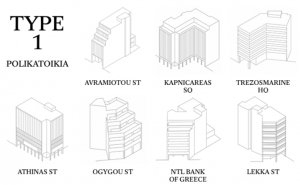
Athens Typology City Guide
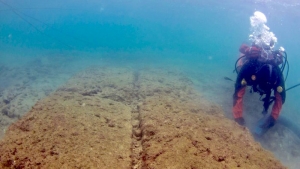
Archaeologists Uncover Massive Naval Bases Of The Ancient Athenians
To read this article in full, please visit: Smithsonian
The 4 'Greekest Places' In North America
Luckily, the Greeks all over the world have managed to keep their culture very much alive, sometimes preserving traditions and customs more than the people in Greece.
Recently, the Pappas Post compiled a list of North America’s Greekest places, neighborhoods, and monuments; the places that make the United States and Canada significant fountains of Greek culture.
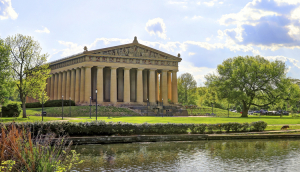
1. Nashville Parthenon, Nashville, Tennessee
The Nashville Parthenon was built for the World Fair in 1897 to the exact specifications of the original. It’s quite surreal seeing it in its full glory, even containing inside the golden and ornate statue of Athena — the original left only in literature and long melted away by invaders as victors’ wartime booty.
2. Danforth Avenue, Toronto, Canada
Claiming to be the “largest Greek neighborhood” in North America, Danforth Avenue is a mecca for all things Greek in Toronto. Dozens of restaurants, coffee shops and the Taste of Danforth one of the largest Greek street festivals in the world make this place unique and profoundly Greek.
3. The Metropolitan Museum of Art, New York
This museum holds the most extensive collection of ancient Greek artefacts outside of Greece. Great effort has been made to collect and preserve ancient Greek relics and Byzantine artefacts, mainly thanks to Greek-American benefactors Mary and Michael Jaharis, who have an entire gallery named after them in the museum.
4. Mt. Olympus Park, Wisconsin Dells, Wisconsin
Mt. Olympus Park is like a big, fat, Greek Disneyland, featuring 44 water slides, seven rollercoasters, a wave pool with nine-foot waves, eight go-kart tracks, and numerous kiddie rides with attractions like a life-size Trojan Horse, roller coasters named after Hades, Cyclops, Pegasus and Zeus, Pan’s animal farm, and Poseidon’s underwater go-kart track.
To read the full list of Greekest places in North America, please visit: The Pappas Post
Greek Food & Its Amazing Health Benefits

Olive oil is the common denominator in the different dietary patterns of the Mediterranean diet across the region, with Italy, Spain, and Greece being the top three producers in the world. Extra-virgin olive oil is rich in carotenoids and polyphenols, offering antioxidant and anti-inflammatory properties. It's the main source of fat in the diet, and it is also used for cooking and baking.
Greece Launches New Tourism Campaign

A video for the “Greece: You will want to say forever” campaign features an Austrian man, Otto, who tells his story of ending up in Greece to a backdrop of beautiful images from the Greek islands.
The Onassis Foundation supports the new summer tourism campaign and Ogilvy produced the promotional video.
Originally published on: ekathimerini.com
Acropolis Among Top 10 Most Beautiful World Heritage Sites
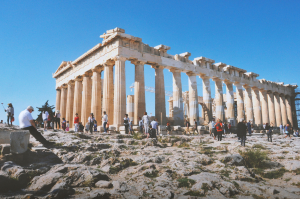
To read this article in full, please visit news.gtp.gr
Ancient Greek Games You May Not Know About
1. Ephedrismos (Εφεδρισμός)
Ephedrismos was a popular game among Greek children that combined elements of balance and agility. The game involved one player bending over and touching the ground with their hands while the other players jumped over them. The goal was to perform the jump without falling or losing balance. This game not only provided entertainment but also helped in developing physical coordination and strength.
2. Ostrakinda (Οστρακίνδα)
Ostrakinda, also known as "The Game of the Shells," was a strategic game played with small potsherds or flat stones. Players would draw a line on the ground and take turns throwing their pieces to see who could get closest to the line. The game was reminiscent of modern-day marbles and required a keen eye and steady hand. This game was particularly popular during the ancient Greek festivals and gatherings.
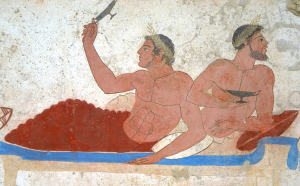
3. Kottabos (Κότταβος)
Kottabos was a drinking game that originated in ancient Greece and was especially popular during symposia (drinking parties). Participants would sit around a table with their cups of wine and attempt to flick the last drops of their drink at a target, usually a small saucer or disc balanced on a stand. The objective was to knock the target off without spilling the wine. Kottabos required both precision and a bit of luck, making it an exciting and competitive game.
4. Pentelitha (Πεντελίθα)
Pentelitha was a simple yet engaging game played with five small stones. Similar to the modern game of jacks, players would throw one stone into the air and try to pick up the remaining stones before catching the tossed stone. The game progressed through various levels of difficulty, challenging the player's dexterity and concentration. Pentelitha was a favorite pastime for children, often played during leisurely afternoons.
Reviving the Legacy
While these traditional Greek games are no longer commonly played, they offer a fascinating glimpse into the past. They remind us of a time when simple pleasures and communal activities were central to daily life. Today, these games can serve as a source of inspiration for those interested in cultural heritage and traditional play.
In an era dominated by digital entertainment, revisiting these ancient games can provide a refreshing break and an opportunity to connect with the rich cultural tapestry of Greece.
Beautifully Bizarre: Discovering The Strange World Of Timboulis
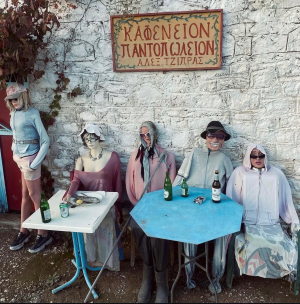
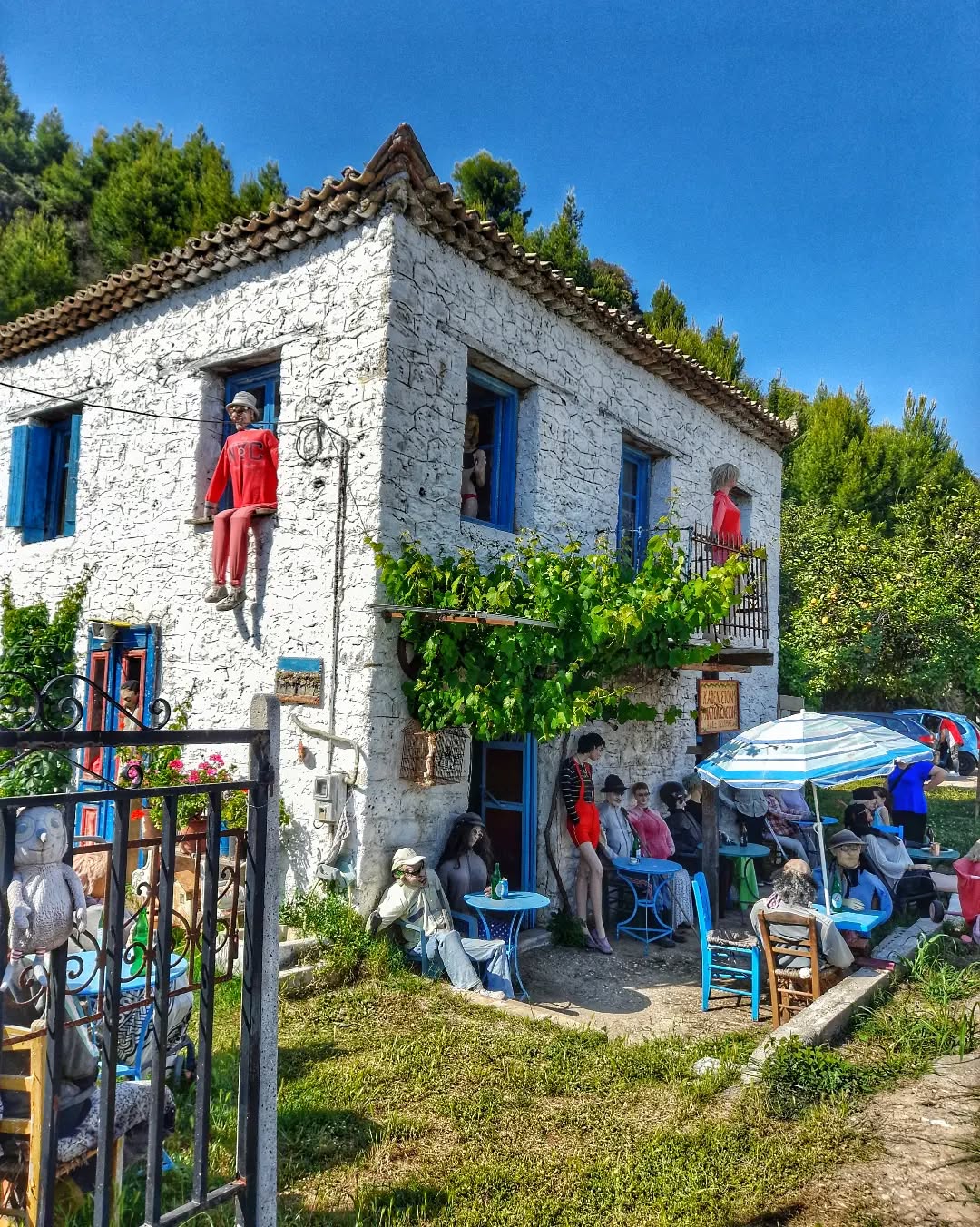
Hidden in the Peloponnese, it can be rightfully considered one of the most surreal vilalges of Greece, and is the creation of Uli and Tibor, a couple who go by the whimsical nickname the Timboulis. They took an old café‑grocery store and transformed it into a fully functioning… dolls village.
These passionate collectors gathered and recycled everything they could, from valuable vintage treasures to objects destined for the trash, and used them to build an entire world for their plastic inhabitants. And the result is astonishing. The dolls look uncannily like real villagers: sitting under the pergola sipping coffee, spying on visitors from the balcony, going about their daily lives inside the house. A little creepy? Maybe. But also wildly creative and strangely inspiring. Giving a second life to discarded objects, mixing them into a chaotic yet meaningful universe, they’ve built a place that feels bizarre, charming, and unforgettable.
As you stroll through this curious open‑air museum, you’ll weave between old telephones, vintage televisions, cart wheels, faded photographs, even boats stacked in corners... Every inch of the place is packed with stories, so let your imagination run wild!
And just when you think you’ve seen it all… the dolls move. Haunted dolls? Not quite. But the scenes are regularly rearranged, giving the plastic villagers new lives, new poses, new stories. So no matter how many times you visit, you’ll never see the same scene twice (which is a chance because entrance is free!)!
@artem1s_ale
Main image credit: @_athinadal