SERVICES

XpatAthens
IKEA boxspring bed for sale

Price: 200 euros, pick up in storage in Peristeri until Sunday.
Where To Celebrate Apokries This February: A Guide Through Greece’s Carnival Season
Across Greece, the month reveals a series of cherished customs: smoky barbecues, masked parades, flour battles, bonfires, traditional dances, and a whole lot of joyful chaos. Here’s your guide to making the most of it.
A quick calendar of Apokries
- Apokries (February 1–22 2026) : The full carnival period, with each week bringing its own traditions and event
- First Sunday (February 1 2026) : This Sunday officially kicks off Apokries, with ceremonies held mostly in church. It’s preceded by the “Saturday of Souls,” a day when families honor their departed loved ones
- Tsiknopempti (February 12 2026): The real party begins! And even if you somehow forgot about it, the mouthwatering smell of grilled meat will remind you soon enough. In this “smokey Thursday”, cities fill with the irresistible aroma of barbecues firing up on every corner: souvlaki, lamb chops, sausages, kokoretsi… a true carnivore’s dream before meat disappears from the menu for Lent.
- Carnival Sunday (February 15) : Costumes, confetti, dancing — the festive peak.
- Tyrini (February 22) : This final day before Lent, translated as “Cheesy Sunday”, devoted entirely to dairy delights, falls right after the second Psychosavvato.
- Kathara Deftera (February 23) : The first day of Lent comes with its own delicious rules: no meat, no dairy, no fish — but shellfish is absolutely allowed. It’s the perfect excuse to head to the sea for seafood feasts, fresh salads, and sesame‑covered lagana bread. Whether you’re by the waterfront or perched on one of Athens’ city‑center hills, Clean Monday is all about picnics and kites. You’ll see them floating across the sky everywhere — a tradition that dates back to antiquity, symbolizing purity and the soul rising toward the divine.
Athens: Street Parties & Confetti Battles
The capital bursts with free events: dance workshops, outdoor concerts, costume parades, and tastings of traditional treats. The city’s official website posts the full program each year.
Head to Kerameikos for lively costume processions, then climb up to Plaka at night for spontaneous confetti fights and street dancing.
Patras: The Queen of Greek Carnivals
Athens may be the capital of Greece, but the undisputed capital of Apokries is Patras. Every year, it’s more than 300,000 participants and spectators that flood the city for its legendary carnival.
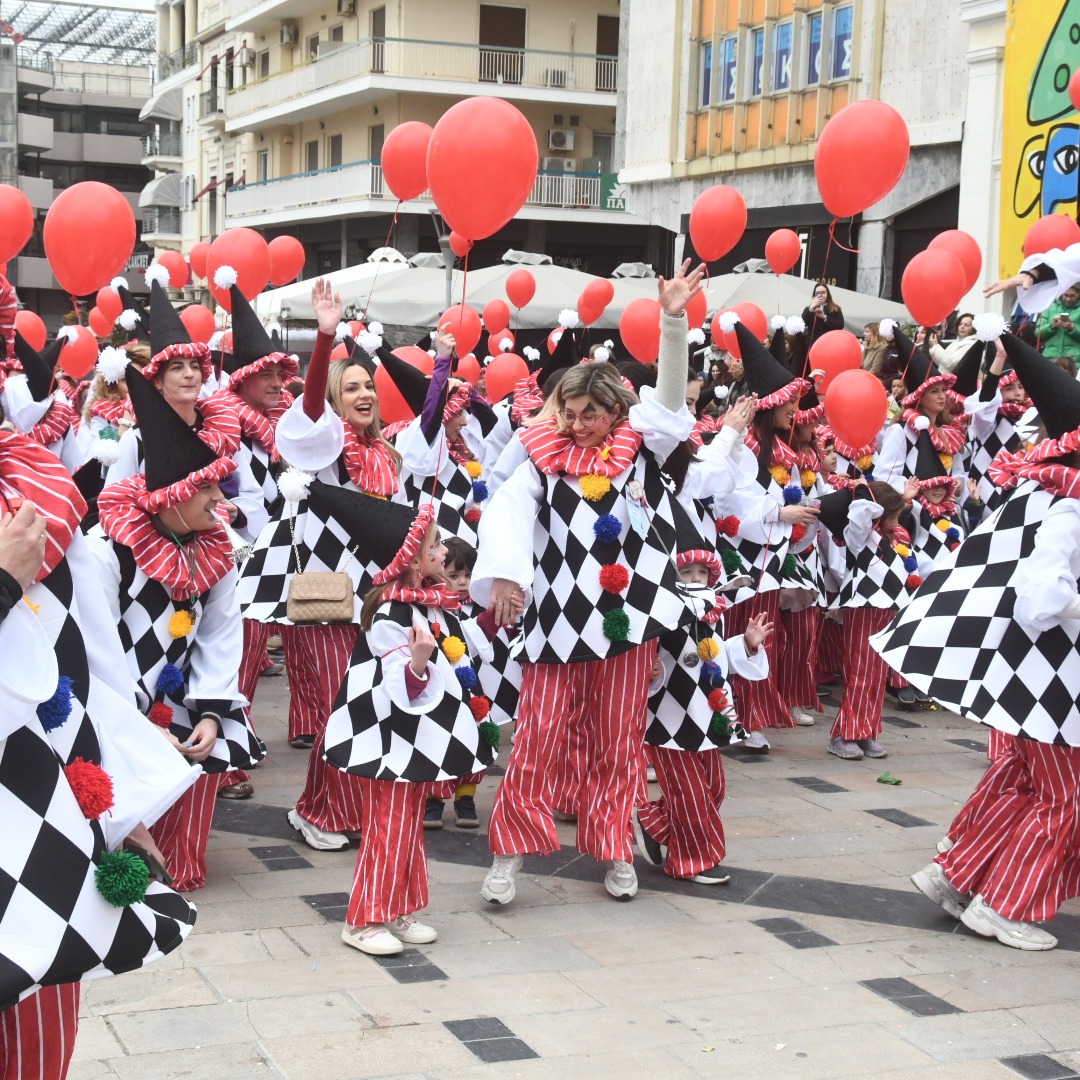
The grand parade on the final Sunday ends with the symbolic burning of the Carnival King, marking the transition from winter to spring. In the days leading up to it, the city hosts bouboulia balls (where women choose their dance partners!) and a massive city‑wide treasure hunt.
@patrasevents.gr
Naxos: The Mysterious Koudounatoi
The islands know how to celebrate Apokries too! In Naxos, and especially in the mountain villages of Apíranthos and Filoti, the eerie Koudounatoi roam the streets on the last weekend of Apokries.
Dressed in capes and masks, with ropes of clanging bells wrapped around their bodies, these strange young men go house to house asking for eggs and occasionally tapping passers‑by with their soba sticks.
Xanthi: The Artsy Carnival
In Thrace, Xanthi might host the most artsy version of Apokries. Expect exhibitions, concerts, and dance performances, organized in collaborations with more than 40 cultural groups.
On Sunday, the festivities culminate in a costumed parade, the burning of a figure symbolizing winter, and a beautiful fireworks show.
Galaxidi: The Famous Flour Battle
Looking for something unforgettable (and extremely messy)? Head to Galaxidi on Clean Monday for Alevromoutzouromata, the town’s iconic flour‑throwing tradition dating back to the 19th century!
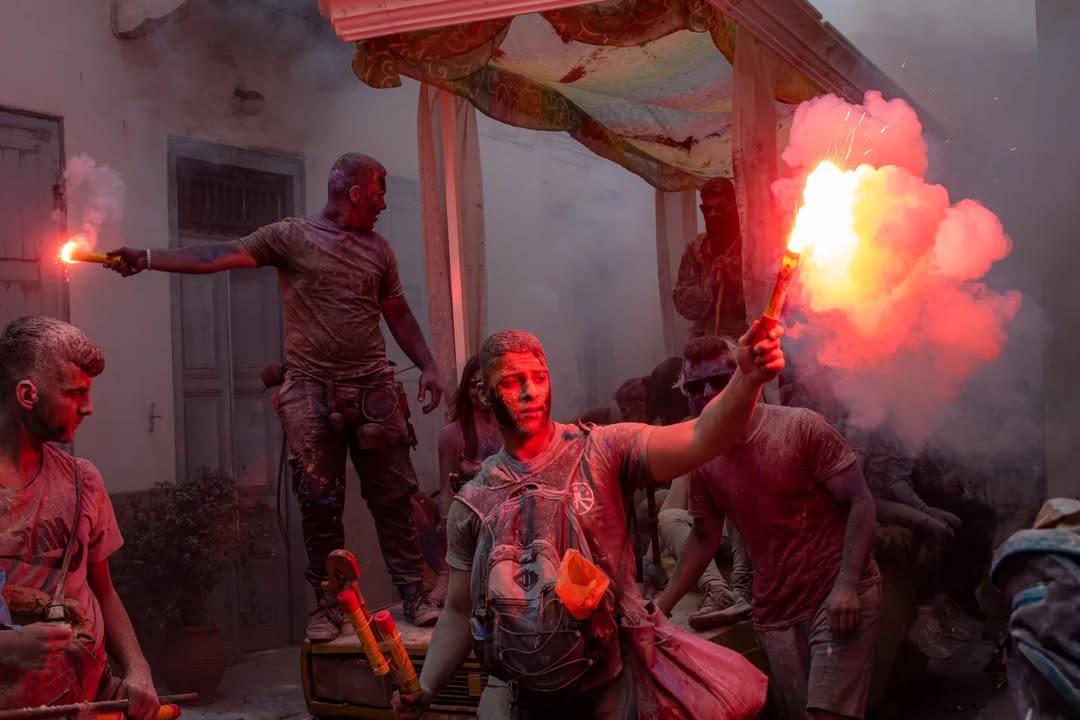
Around noon, grab a bag of colored flour provided by the municipality — and let the battle begin! No mercy here: the hostilities only end when participants finally give up. Each year, no less than 1.5 tons of colored flour are thrown at the crowds! Pro tip: wear clothes you don’t mind sacrificing… and maybe bring goggles.
After the chaos, make peace with your one‑day adversaries over a generous buffet and artistic performances that carry on late into the evening.
@elaki26
In Kozani, each neighborhood lights its own fanos (a wooden fire) during the twelve days leading up to the final Sunday. People gather around the flames to eat, sing, and dance to the sound of trumpets. Each household also lights a small lamp in its window to ward off the rougatsaria, men dressed in costumes with large bells who go door‑to‑door asking for treats, a tradition meant to chase away evil spirits. On the last Sunday, the main fanos is lit in the central square, and tavernas offer food and drinks freely.
Naoussa: Heroic Traditions & Hidden Identities
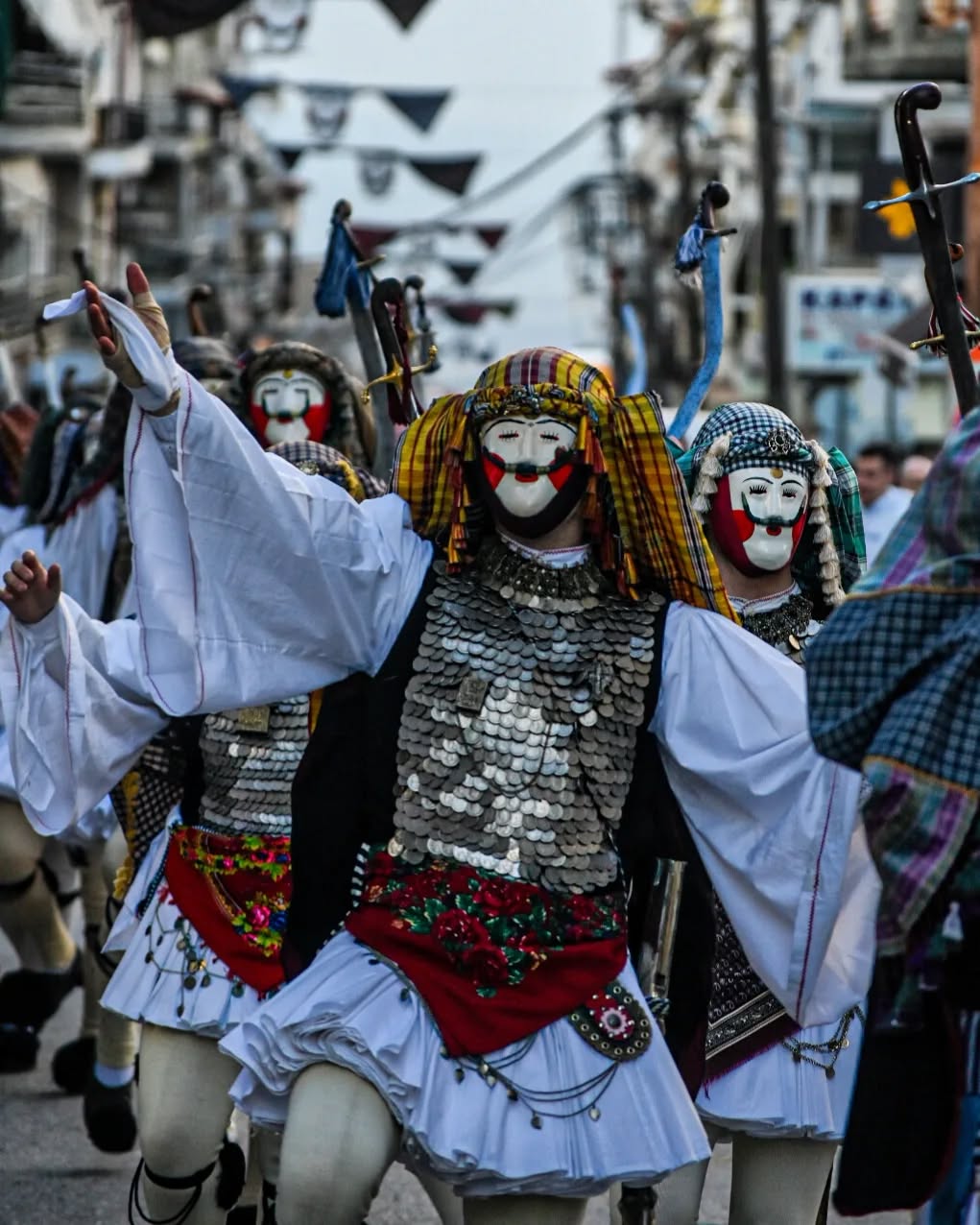
In Naoussa, carnival takes on a historical tone. Men dress as yenitsari or klephtes, avec la traditionnelle fustanelle et s’affrontent dans des simulacres de combats au sabre.The tradition commemorates the town’s resistance and the tragic massacre it suffered during the Greek War of Independence. The dances and music that accompany the parades echo the heroism of its inhabitants, the tragedies they endured, and the historical legacy they carry forward.
The highlight is the procession of the Genitsari and Boules: unmarried young men wearing wax masks and silver‑covered breastplates, symbols of the passage from adolescence to adulthood, escort “the Boula,” a young man dressed as a bride. Bagpipes, drums, dances, and ritual games fill the streets until nightfall, when the masks come off and identities are revealed.
@george.laz1
Tyrnavos is famous (or infamous) for its Bourani celebration on Clean Monday. Sensitive souls, beware: this celebration is all about earthy humor and unabashed fertility symbolism. This men‑led festival features a spinach‑based soup, plenty of wine, and an abundance of phallic symbols made of wood, bread, or clay to honor fertility. Though frowned upon by the Orthodox Church, this a bit‑on‑the‑saucy‑side tradition is centuries old and rooted in ancient fertility rites marking the arrival of spring.
So there’s no excuse not to dive into the wonderfully festive atmosphere of February in Greece! Dress up as your favorite character, feast on all kinds of traditional dishes, and dance the gaitanaki, the traditional carnival dance!
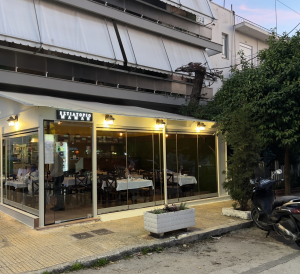
Mamai Restaurant: A Celebration Of Honest Dining In Glyfada
From Toronto Luxury to the Greek Flame
The story of Estiatorio Mamai began far from the Mediterranean. Founder Theodoros Mamais and his partner Yiagos Deligiannis are Greek-Canadian friends who met in Toronto, working at the pinnacle of luxury hospitality; an environment of relentless precision and flawless execution. Yet, while they mastered the art of perfection, they found themselves yearning for purpose.
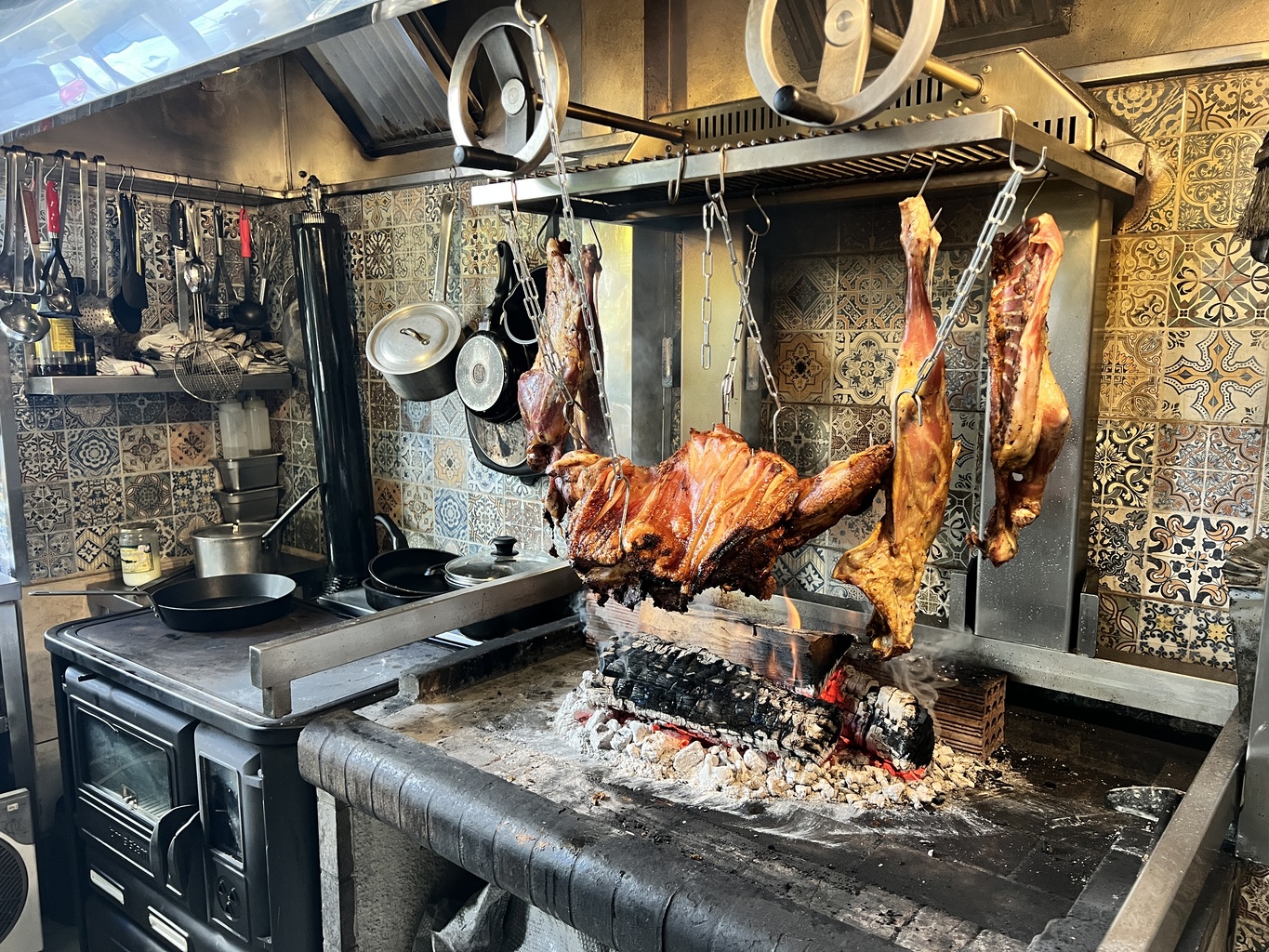
For chef Theodoros, that purpose was found in the most ancient of tools: Fire. He moved away from the star-chasing obsession of fine dining to embrace a more grounded food philosophy. At Mamai, the kitchen operates without electricity. Every dish is a collaboration between the chef and the elements, crafted in a wood-fired oven, over a parilla, or on a traditional stofa.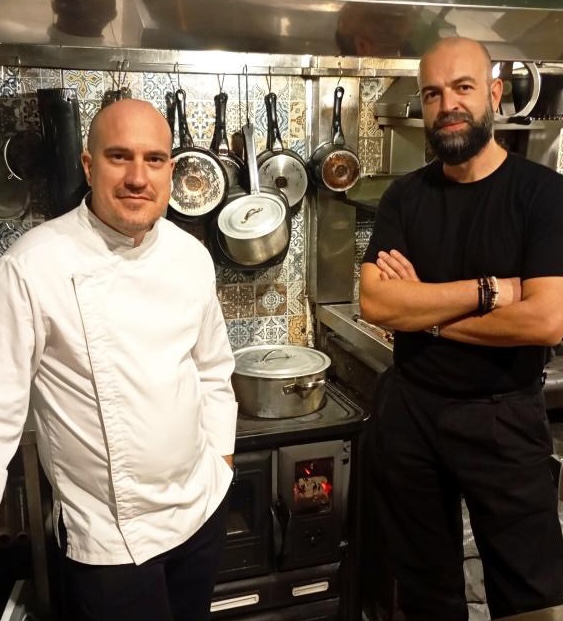
A Menu Guided by the Seasons
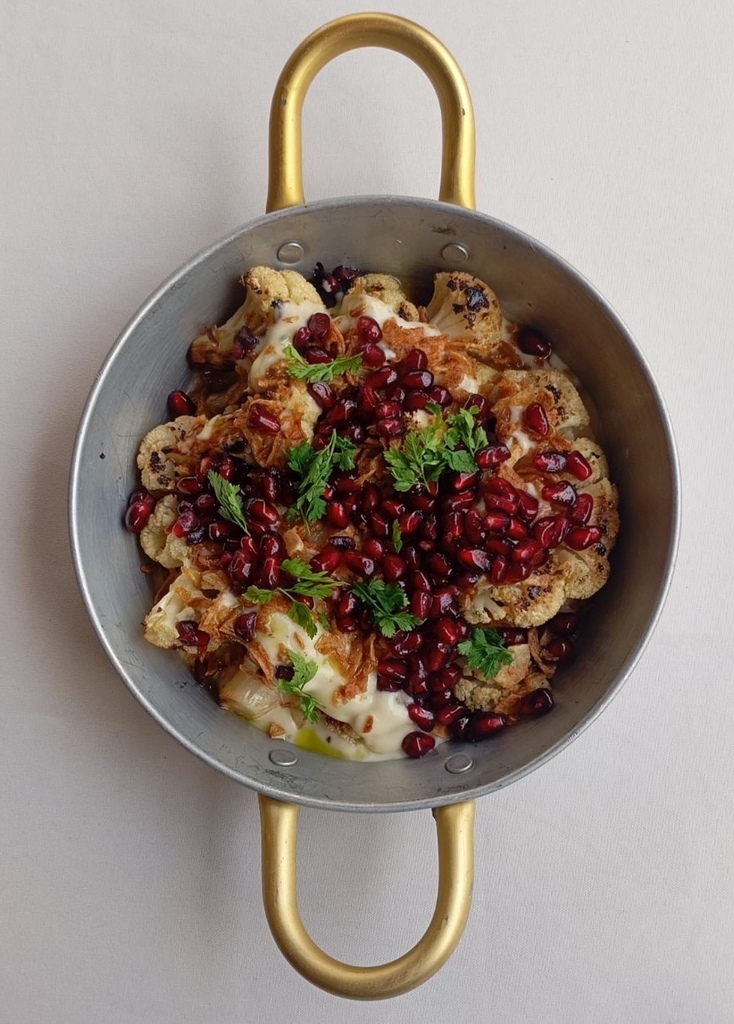
At Estiatorio Mamai, the menu is small, deliberate, and fully seasonal. By maintaining a small, curated menu, Theodoros ensures that every single plate is a masterpiece. 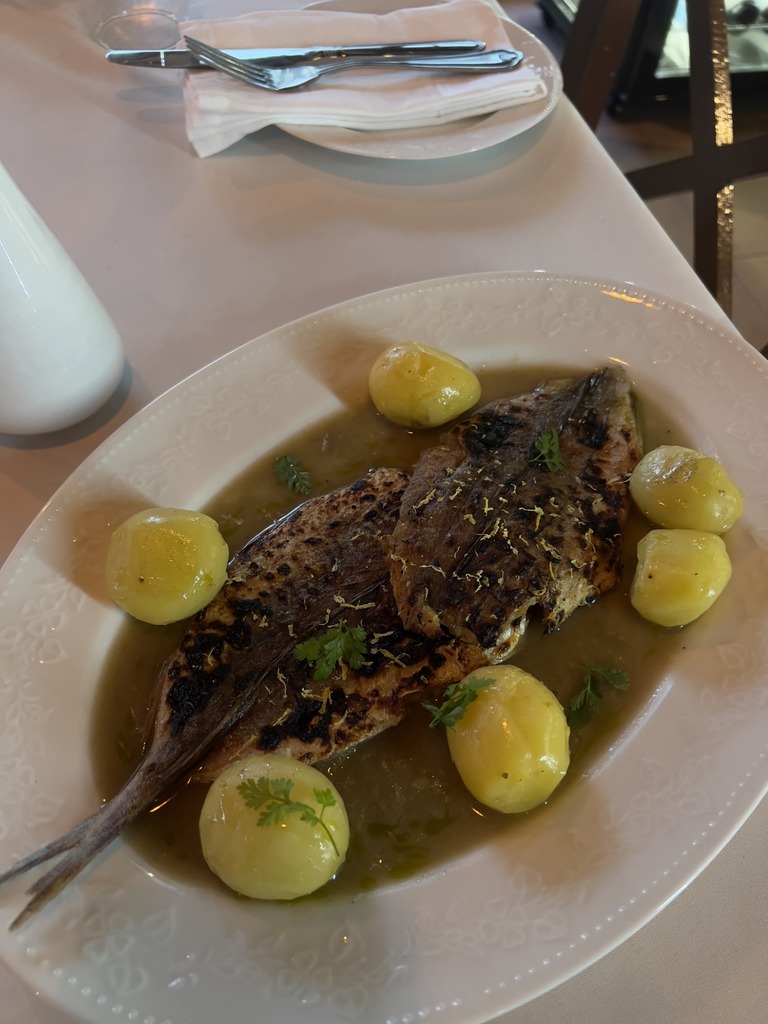
- The Ingredients: We source only organic, high-quality Greek meats and the freshest catch of the day.
- The "Non-Star" Philosophy: Every plate is treated with equal importance, but the Stifado, served in various seasonal interpretations, has quietly become a favorite among regulars.
- The Wine: The cellar is a tribute to Greece’s hidden gems, exclusively featuring small-scale Greek winemakers whose variaties are chosen to complement the smoke and salt of the kitchen.
Hospitality as Presence, Not Performance
If Theodoros is the fire, Yiagos is the steady hand that guides the room. Having managed high- end F&B operations, Yiagos rejects the theatre of modern service. Here you won’t find scripted smiles or stiff formalities.
Instead, Mamai offers genuine hospitality. It is the art of reading a room, knowing exactly when a guest needs a refill and when they need to be left in peace. It is warm, human, and unforced.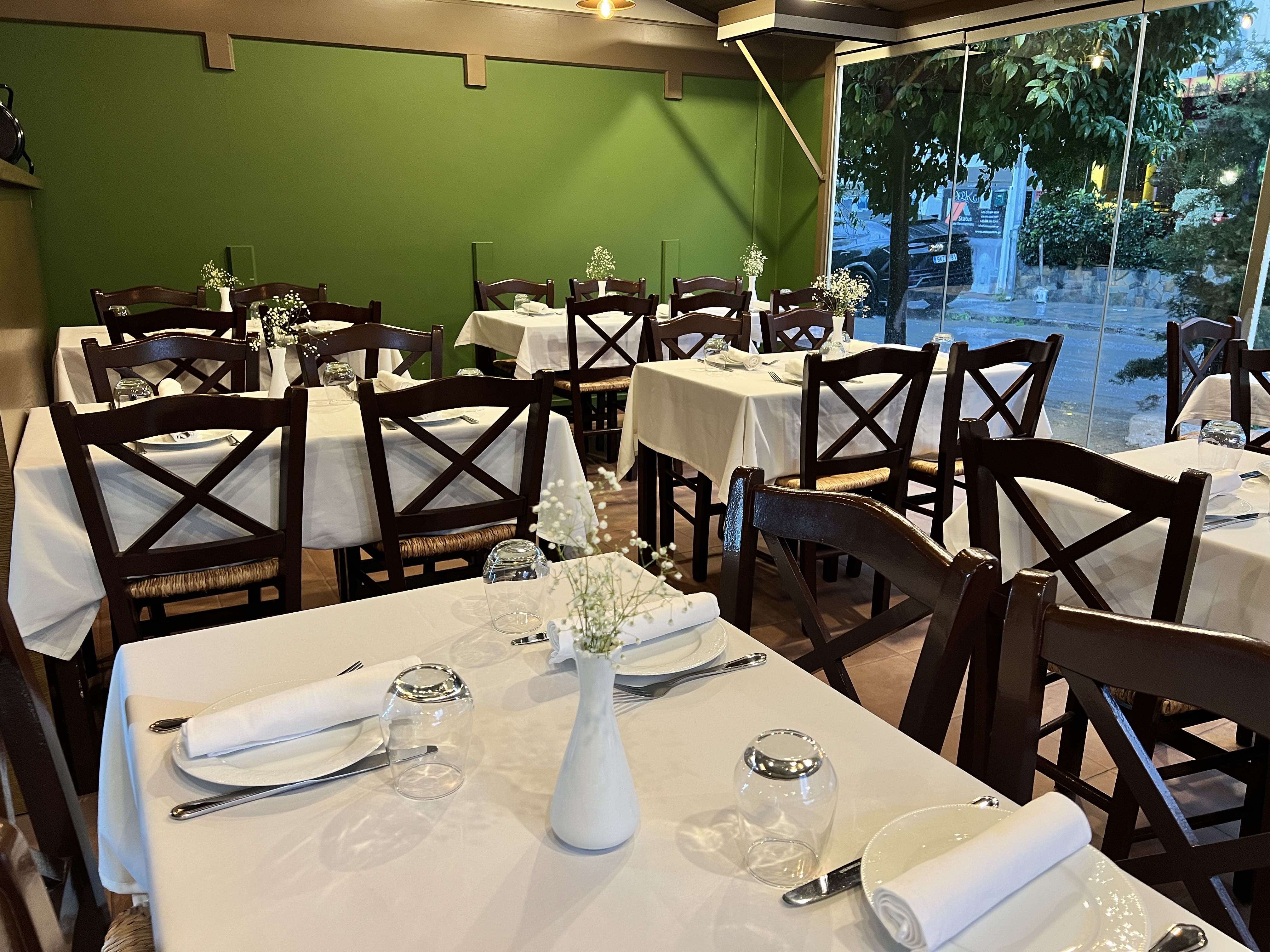
Against the Fireworks
When they opened in 2025, Theodoros and Yiagos were urged to chase the "viral" formula. They deliberately chose otherwise. They traded fireworks for fine comfort Greek food.
Mamai doesn’t promise a spectacle; it promises a memory. It is a restaurant built on conviction, where the ingredients are allowed to speak for themselves and the noise of the outside world is left at the door. In a neighborhood that is always moving, Mamai gives you a reason to sit still.
Mamai restaurant does not promise excitement on demand. It offers something more valuable. A reason to come back.
If good food matters to you —the kind cooked with fire, patience, and soul— follow Mamai Restaurant on Instagram, like them on Facebook, and reserve your table here to experience a dining memory worth returning to.
Heal Your Life® – A Louise Hay Way One Day Workshop

An experience that has touched millions of hearts worldwide; it is timeless, transformative, and more relevant than ever!
What Makes This Workshop Unique?
It’s an experience, a safe, supportive, and deeply nurturing space to pause, reflect, and reconnect with yourself. Through gentle exercises, guided processes, and heartfelt discussions, you’ll be invited to:
-
Reconnect with Your Inner Self – Create space to listen to what your heart has been trying to tell you.
-
Shift Your Mindset – Learn how your thoughts shape your reality and how to create new, empowering beliefs.
-
Cultivate Self-Love – Build a loving relationship with yourself using Louise Hay’s life-changing principles.
-
Find Clarity & Direction – Walk away feeling lighter, clearer, and ready to step into the new year with peace and confidence.
Who Is This For?
This experience is open to everyone, whether you’re beginning your healing journey or seeking deeper transformation.
You may be drawn to this if you:
-
Feel emotionally or mentally weighed down and need a safe space to breathe and reset.
-
Want to feel more aligned, empowered, and at peace.
-
Are curious about Louise Hay’s philosophy and how it can support your growth.
Who Is Your Facilitator?
This experience is lead by Certified & Licensed Louise Hay Teacher & Workshop Leader Valia Zachariou. She has decades of experience facilitating transformational workshops and experiences both online and live in beautiful destinations like South Africa, the UAE, and now in Greece.
Workshop Details
When: Saturday, 21 February 2026. [FULL DAY]
Where: Athens (Location to be Advised Upon Registartion)
Investment: Full Price: €190 – less 40% discount = €114
Registration: valiazack@gmail.com
Leadership Embodiment - Level 1 Workshop

Tap into your inner wisdom, explore your tendencies and find stability under pressure.
Explore a way of living and leading that supports your clarity, resilience and connection!
Why Join This Program?
-
Because leadership starts from within and involves your whole self.
-
Because this approach draws on Eastern philosophy, martial arts and mindfulness practices, blending ancient traditions with neuroscience.
-
Because as a leader you deserve a space to pause, explore and learn together with others on a similar journey.
About Your Trainer
Paul King is an explorer of places inside and out. He is co-founder of The Beyond Partnership a leading-edge people development consultancy.
Paul has been working as a coach and consultant for more than 35 years. He is particularly known for his work with the body-mind and integral approaches, connecting personal development and wellbeing to larger system change.
Learn more about Paul here.
Date & Location
Saturday and Sunday, March 14-15, 2026, 10:00 - 17:00
There will be a 60 min. lunch break each day (not included in the price)
The workshop will take place at Terpsis Chorou - Dance Academy.
Address: Evritanias 15 & Sitias 7, Ampelokipoi, 115 23 Athens
Check location here.
Participation Cost
Self-sponsored and non-profit sector:
Early Bird (January 31): Euro 575, Standard Fee: Euro 680
Corporate sponsored:
Early Bird (January 31): Euro 700, Standard Fee: Euro 805
Bursaries/Payment Plans:
If you have a low family income or for some other reason you find the fee too high, a bursary or payment plan may be available.
In order to allow for a truly personal experience, spots are limited to 12 participants.
Contact Information
This workshop is brought to you by Wonder Works, and you can express your interest here!
Why 2026 Is The Year To Remote Work In Greece

- The Requirement: You need to show a stable monthly income of at least €3,500 (plus a bit more if you’re bringing a partner or family).
- The Perk: Once approved, you get a residence permit that lets you live in Greece legally for up to two years, with the option to renew. Plus, for those who stay long-term, there are significant tax incentives for the first seven years.
- The Value Gap: While a central 1-bedroom now averages €650–€800, you are still getting a lifestyle that would cost triple the price in Northern Europe.
- Smart Living: By looking just a few metro stops outside the absolute center (in neighborhoods like Galatsi or Peristeri), you can still find great value while staying connected to the buzz of the city.
- Thessaloniki: The “cool younger sister” of Athens, known for its incredible food scene and a slightly more relaxed housing market.
- Chania (Crete): Perfect for those who want a slower pace and some of the best beaches in the world within a 20-minute drive.
- Nafplio: A hidden gem only two hours from Athens, offering a romantic, historic backdrop for your Zoom calls.
To dive straight into this local energy, the XpatAthens Community is an excellent place to start. As a lively hub for events and networking, it bridges the gap between local hospitality and the international crowd, ensuring that finding your "tribe" feels like a natural part of everyday life. If you'd like to hear our news and stay on top of things in the community, subscribe to our newsletter.
Top Co-Working Spaces In Athens
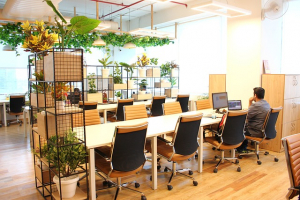
As 2026 shapes up to be the year of remote work, many of us are feeling the urge to step out of the house and settle into a space that’s more professional, more inspiring, or simply better organised. Athens has no shortage of places that tick all those boxes. To help you find the ideal spot, we’ve gathered some of the city’s finest coworking spaces, each offering its own blend of efficiency, comfort, and community.
WHEN Hub
Nestled in a bright, modern space, WHEN HUB offers a warm, inclusive coworking environment dedicated to empowering women. Its open-plan area features flexible desks or dedicated workstations, complemented by meeting rooms, private offices, event spaces for up to 70 people, and even a fully equipped podcast room. A standout feature is the Mini Hub, a safe, supervised play area for children aged 0 to 12, ideal for parents seeking balance. Fully accessible by stairs or elevator and offering catering and visual services, WHEN HUB blends community, comfort, and practicality in the heart of Athens.
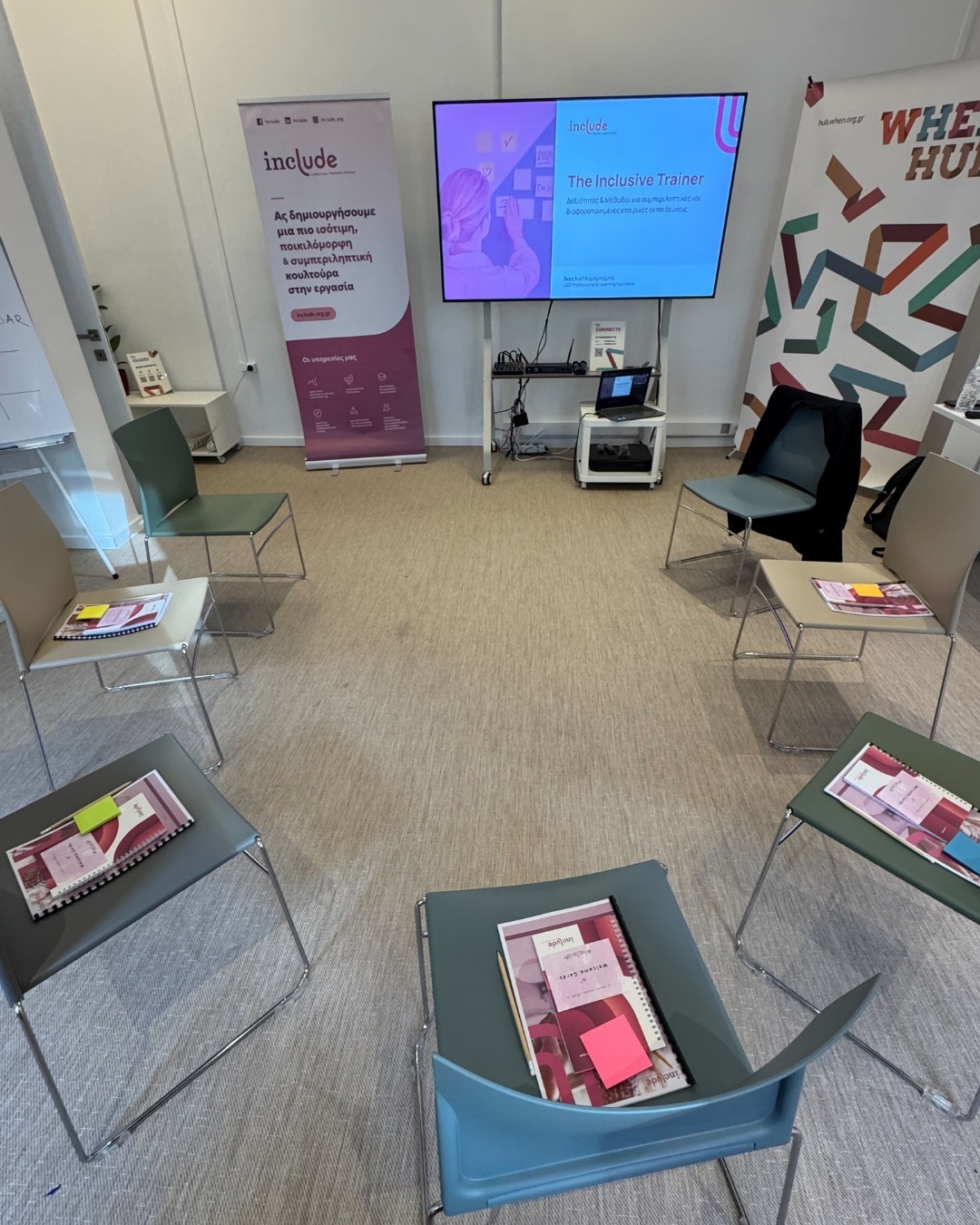
@when.hub
Stone Soup
Where: Charilaou Trikoupi 18, Athens
Located close to Panepistimio, Stone Soup is your quiet oasis in the heart of Athens. Whether you’re a freelancer passing through or a small company seeking a permanent base, Stone Soup caters to all. With a massive rooftop offering breathtaking city views, ergonomic office chairs, and a welcoming staff, it’s the perfect blend of tranquility and productivity.
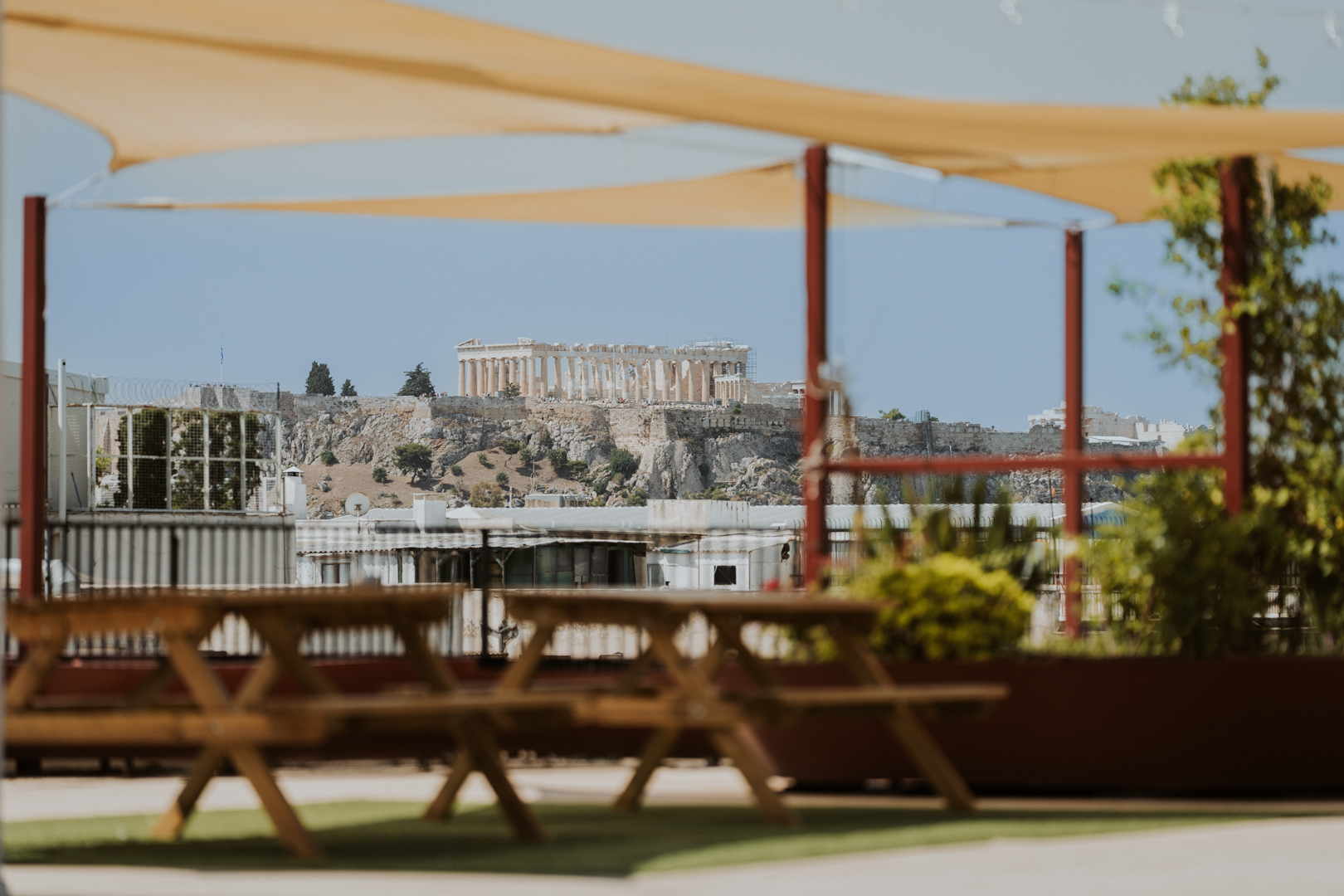
@stonesoupcoworking
Impact Hub
Where: Karaiskaki 28, Athens
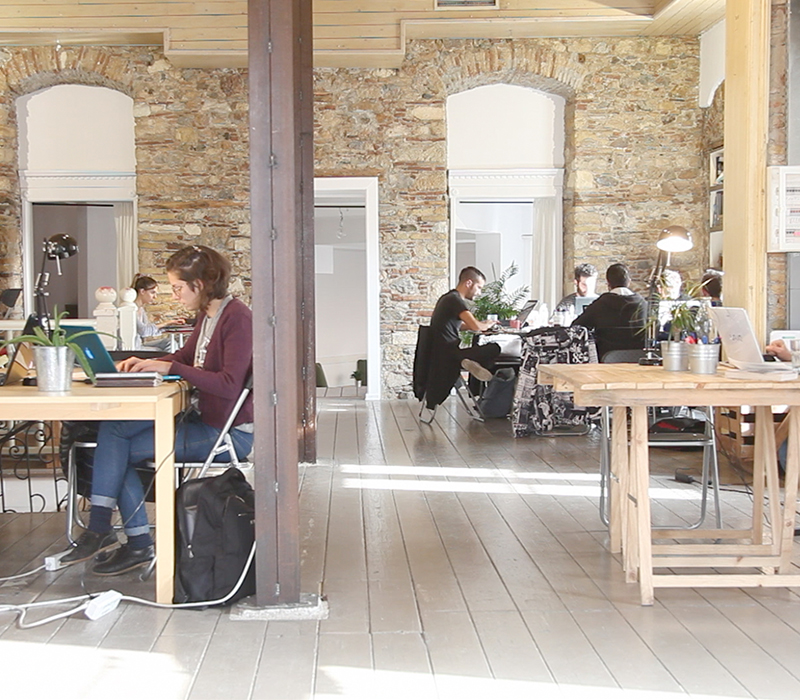
@impacthubathens
ViOS
ViOS is a sleek multi-purpose workspace in the Panepistimio district. Going beyond the traditional co-working space, ViOS meets the global WELL Building Standard, prioritizing health and well-being. Enjoy perks like gym workouts, nutritious snacks, and even a Zen-like sleeping room. With its modern aesthetics and attention to well-being, ViOS is not just a workspace: it’s an experience.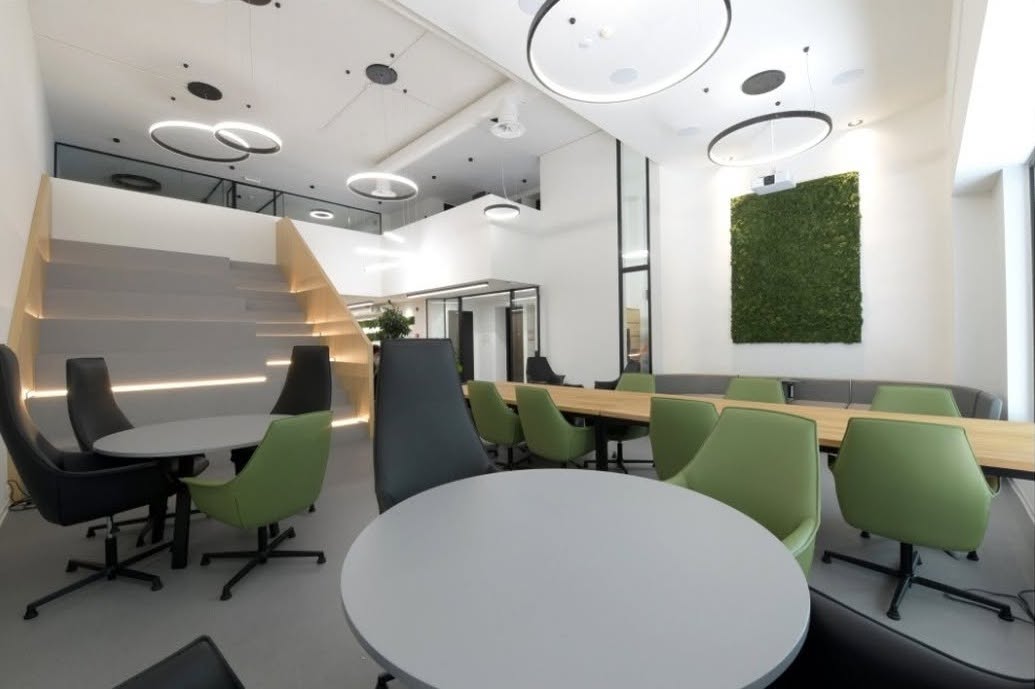
@viosgr
Spaces Ermou
Where: Ermou 56, Athens
Experience contagious productive energy at Spaces Ermou, main shopping street. With 24/7 access, an on-site barista, and flexible contracts, Spaces Ermou is a global brand offering premium co-working spaces. From Instagrammable hangout areas to a roof terrace with Acropolis views, it’s a sociable workspace for hi-tech businesses, international companies, and freelancers alike.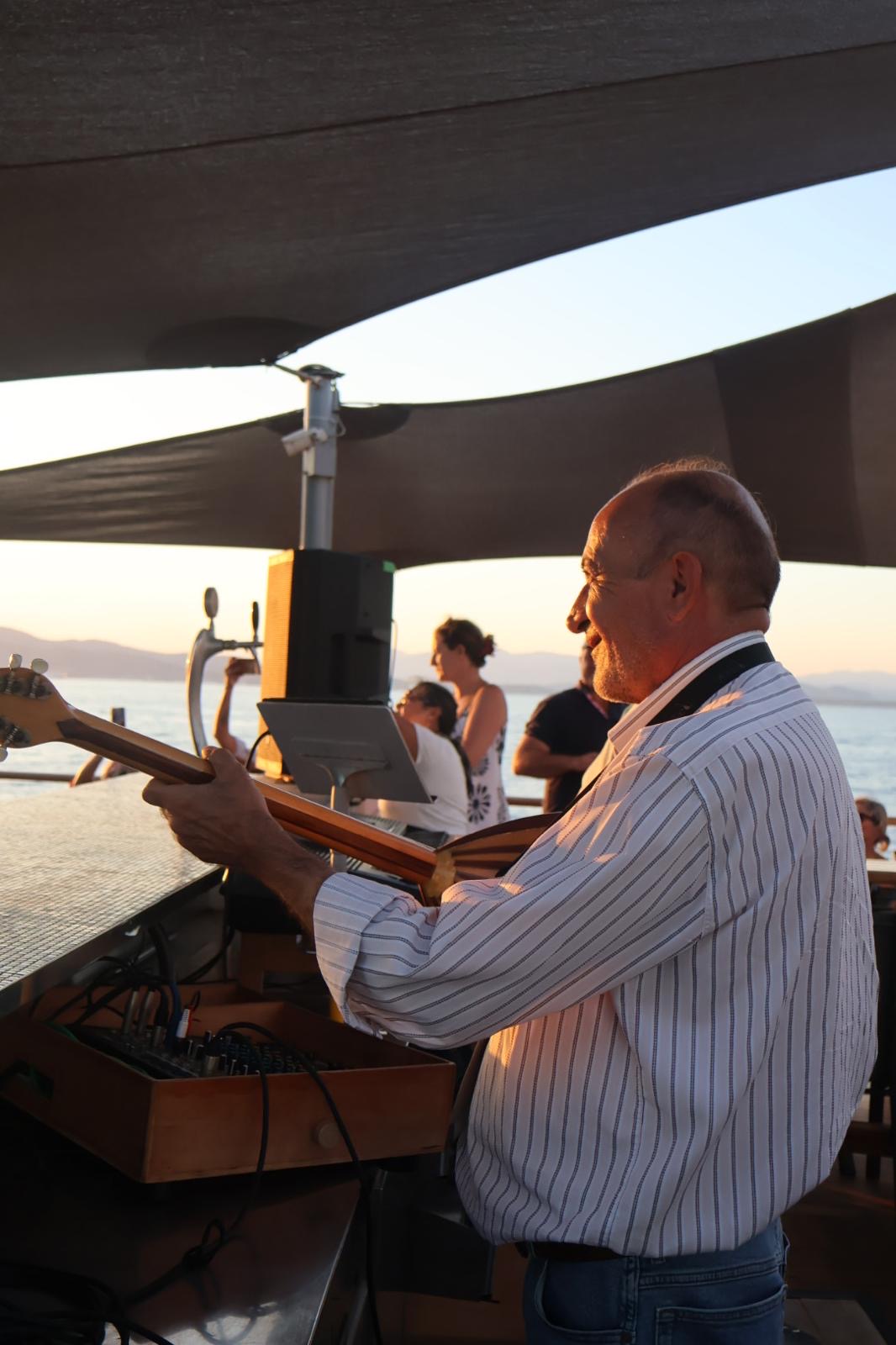
@spacesworks
Found.ation
Where: Evrystheos 2, Athens
What makes working at Found.ation such a delight? Quite simply, the founders designed a workspace they genuinely enjoy using themselves — and it shows. You can recharge in the kitchen or the food court, step out for a breath of fresh air in the backyard, and make the most of a full range of high‑quality equipment for all those little tasks that keep your day running smoothly: high‑speed internet, scanners, fax machines, printers, computers, projection screens, and even a trusty whiteboard.
@found.ationgr
IQBILITY
Where: Alexandrou Pantou 25, Athens
IQBILITY is far more than a coworking space — it’s a genuine support hub for entrepreneurs. Alongside bright, practical areas to work and hold meetings, you can benefit from financial assistance during your first month, guidance through administrative procedures, and access to a real business network of mentors offering thoughtful advice. You may even find potential investors who are genuinely interested in your project.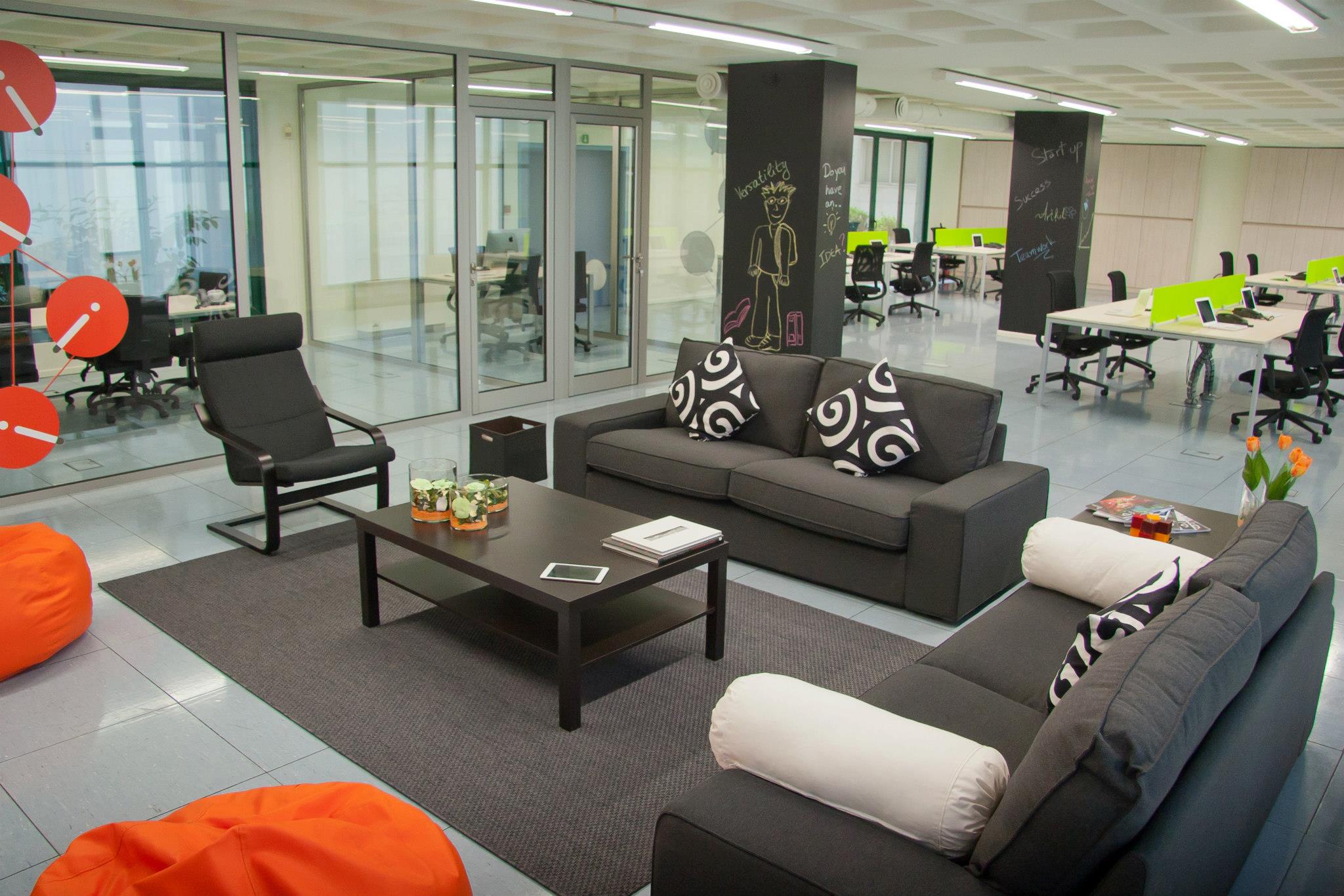
@iqbility
Divine Madness & Creativity In Ancient Greece
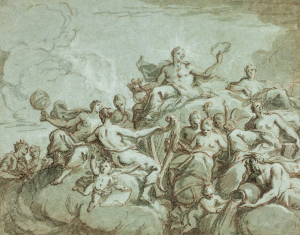
In Ancient Greece, was it “divine madness” that bestowed creativity?
Socrates and Plato wrote that inspired thoughts originated when a person was beside themselves – in a state of divine madness. Reason was suspended. So, Plato considered that art was an imitation of an imitation – twice removed. In Poetics, Aristotle championed art as a valuable way to experience emotions, integral to tragedy and poetry.
Myth and religion, art and architecture, philosophy and science, theater and music – it would take a library to delve into all this from ancient Greece. What would be the impulse or common ground for all this?
In the eyes and minds of ancient Greek people, it would have fallen under the umbrella of what they labelled mousikē: the sphere of the (usually nine) divine Muses who had their abode on Mount Helicon – where famously poet Hesiod claimed to have actually met them. It was Muses too that Homer invoked at the start of both the Iliad and Odyssey – as the cause of his poetic inspiration and craft. The Muses each had their individual circle of expertise and interest, but all operated literally under the sign of Memory (Mnemosyne in Greek), because that was their mother’s name.
Their father was Zeus, though his role was more that of one-time progenitor than of cultural mentor. I wrote ‘almost all’: two significant exceptions were (visual) artworks and architecture, and in a different way philosophy. Philosophers had no one divine inspirer – they might look at different times towards Athena, Apollo or even Zeus for intellectual aid. Craftsmen in metal, stone or wood (kheirotechnai) were thought to need a different kind of inspiration from ‘makers’ (poiētai) of words, and this came from either Athena or Hephaestus (Homer’s lame craftsman god, maker of Achilles’s arms and armour) or both.
To revert to the Muses: epic poetry was taken care of by Calliope, love poetry by Erato, lyric poetry by Euterpe, sacred poetry/hymns by Polyhymnia, tragic drama by Melpomene, comedy by Thalia, and dance (manifested in the dramatic or singing chorus, a word which originally meant ‘dance’) by Terpsichore (‘she who delights in the dance’).
Something of an outlier – or an uplier – was Ourania, meaning literally ‘heavenly’ and so the presiding Muse of astronomy. Astronomy – literally the disposition/arrangement of stars – was not an original Greek specialism. Rather, it was a manifestation of another key aspect of the ancient Greeks’ creative genius – their ability to borrow and take over something already very finely developed or crafted by another culture and then re-make it something new, and often something superior.
Richard Marranca is an author who teaches ancient world, myth, and religion at Montclair State University. He writes for various print and digital publications, and his upcoming book, "Speaking of the Dead: Mummies & Mysteries of Egypt," will be published by Blydyn Square Books. Richard has had the honor of receiving a Fulbright to teach at LMU Munich and spent a semester in Athens during his doctoral studies at New York University. In his career, Richard has had the privilege of interviewing esteemed classicist Paul Cartledge on topics ranging from Alexander the Great to Greek philosophy.
Group Exhibition “HYDORerotics” By The ElementA Art Collective
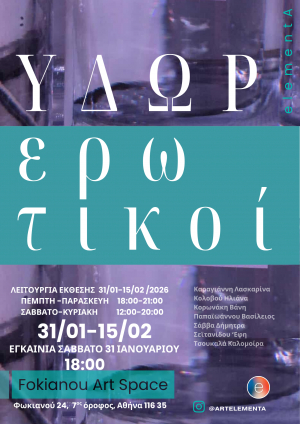
Opening: Saturday, 31 January 2026 at 18:00
Opening Hours: Thursday & Friday 18:00–21:00 / Saturday & Sunday 12:00–20:00
FokiaNou Art Space is pleased to host the exhibition “HYDORerotics” by the contemporary art collective elementA, continuing its creative trajectory following the group’s recent and successful participation in PLATFORMS PROJECT 2025 at the former Tobacco Factory, with the theme “WATER.” The artists approach water as a fundamental element of life, a carrier of memory and transformation, and a field of philosophical and environmental inquiry. The exhibition unfolds as a contemporary “symposium of ideas,” where water becomes the starting point for questions about the flow of time, the relationship between humans and nature, ecological urgency, and the power of imagination.With innate curiosity and a passion for possibilities, the HYDORerotics reflect on the fluid element, transforming their answers—or their doubts—into artistic gesture. Through installations, prints, paintings, original techniques, and repurposed materials, the elementA collective composes a multilayered and deeply experiential narrative. The presentation evolves across dark and light spaces, where the natural meets the artificial and the real converses with the imaginary, creating an environment that encourages observation, empathy, and contemplation.
The HYDORerotics propose an experience where art meets philosophy, ecological concern, and the human search for meaning. Visitors are invited to engage in an active dialogue about the planet’s most precious element, to reconsider their own relationship with water, and to rediscover the fluidity that shapes both the world and the self.
Curation & Organization: elementA Art Collective, with the support of artists Panagiotis Voulgaris & Mary Cox
Members of elementA Laskarína Karagianni (Athens), Iliana Kolovou (Corfu), Vani Koronaki (Athens), Vasileios Papaioannou (Sydney, Australia), Dimitra Savva (Larnaca, Cyprus), Efi Seitanidou (Athens), Kalomoira Tsoukalá (Athens), Sofia Foniadaki (Ierapetra)
Instagram: @artelementa
FokiaNou Art Space is an active and open hub of artistic creation, fostering collaboration between Greek and international artists. In 2024 it celebrated ten years of continuous presence, having presented—under the curatorship of Panagiotis Voulgaris and Mary Cox—more than 70 group, solo, and interdisciplinary exhibitions, as well as workshops and talks. Its outward-looking character is further strengthened through participation in major international events, such as the TRYST Art Fair at the Torrance Art Museum in Los Angeles, the Athena exhibition in Karlsruhe (2025), and the SuperMarket Independent Art Fair in Stockholm (2023, 2019), contributing to the networking of independent art spaces and the development of a wider international collaborative community.
Finding Your Feet n Athens: The Short-Term vs. Long-Term Rental Reality
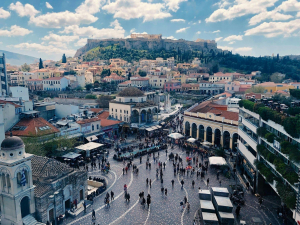
In Athens, a "short-term" rental isn't just a vacation spot; it’s your laboratory. These are usually furnished studios or Airbnbs where you pay a premium for the luxury of not having to deal with the Public Power Corporation (DEI) or signing a three-year contract in a language you don’t yet speak.
A Resident's Map: Where You Actually Want to Live
-
Koukaki: This is the "soft landing." It’s right under the Acropolis, but it still feels like a village. You’ll find yourself at the same bakery every morning, and within a week, the owner will know your order. It’s walkable and friendly, but because everyone knows this, the rents have climbed significantly.
-
Pangrati: This is where you go when you’re over the "tourist" vibe. It’s dense, hilly, and feels lived-in. There’s no metro right in the center, but the sheer number of hidden squares and tavernas makes it feel like the heartbeat of the city.
-
Exarchia: It’s not a "postcard" neighborhood. It’s gritty, covered in incredible street art, and politically loud. If you’re a creative or someone who likes a bit of edge, you’ll love it. If you want quiet and manicured sidewalks, stay away.
-
Glyfada & The Riviera: If you need the sea to stay sane, head south. It feels less like "Old Athens" and more like a coastal resort. It’s where you go for air, light, and international schools, but be prepared to pay "sea-view" prices.
The Unwritten Rules of Greek Rentals
|
The Reality |
"Insider" Tip |
|
|
Price |
€500-€800 for a long-term 1-bed. |
The best deals are rarely on a website. Look for "Enoikiazetai" (For Rent) yellow signs on balconies. |
|
Furnishings |
"Unfurnished" usually means completely empty. |
Sometimes this includes the oven and fridge. Budget for an IKEA trip immediately. |
|
Bills |
The Koinóchrēsta (building fees). |
Always ask what the average winter heating bill is. Older buildings can be incredibly expensive to keep warm, even in the Greek climate. |