
Sahlep comes from the root of an orchid and apart from its interesting taste, it is also a very strong thickening agent, so very little goes a long way (which is fortunate as it costs 98 euro per kilo!). The most interesting attribute of sahlep, however, is that it gives the ice cream an interesting elasticity, typical of kaimaki.
This recipe is perfect for those avoiding egg-based ice cream and it will keep in the freezer for longer. Serve it on its own with sour cherry syrup called vissinada (another traditional Greek combination) and some pistachios.
KAIMAKI ice cream
• 1tsp salepi (sahlab) or 1tbsp corn starch
• 2 cups milk
• 2 cups heavy cream
• 1 1/4 cups sugar
• 1/4 tsp mastic powder
• chopped pistachios for decoration
DIRECTIONS
1. Dilute salepi in 1tbsp cold milk.
2. Bring milk, cream and sugar to boil, add salep (I used immersion blender because it wouldn’t dilute). Stir in mastic and simmer for 15 minutes, stirring constantly.
3. Add the slice of orange rind and remove from heat. Let it cool and place in the fridge. Churn in an ice cream machine.
4. Keep in the freezer until needed.
KALI OREKSI!
foodjunkie.eu

XpatAthens
Friday, 03 November 2023 07:00
The Best-Kept Secret Of Acropolis
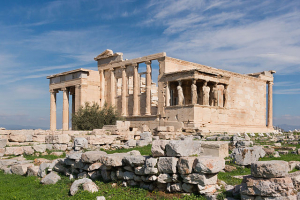
The Acropolis of Athens naturally sends eyes skyward to take in the glories of the Parthenon and other buildings atop it, but its best-kept secret is a chamber inside the sacred rock.
The secret chamber of the Acropolis is actually a Byzantine church. Restored in 2017, the Acropolis, once a place of worship, burrows deep into the base of Athens’ most renowned mountain. Above the Dionysus Theater, is the church called Panagia Spilotissa, or the Virgin Mary of the Cave, which was converted from an archaic temple.
Ironically, the church originated as a temple to celebrate the ancient Greek god of festivity and religious madness. Dating back to 320 BC, the cave was a temple dedicated to Dionysus, built by Thrasyllos. Two Ionian pillars still stand on top of the entryway, easily spotted from the pedestrian walkway, the Dionysios Areopagitis, that borders the Acropolis.
Acropolis’ Secret: First an Archaic Monument, Then an Alternative Church
The monument was erected to celebrate Thrasyllos’ victory as the benefactor of a chorus that performed in the annual dramatic festival that honored Dionysus. After the victory, Thrasyllos had the monument constructed. It was again modified in 297 BC, following his son, Thrasyklis, victory to include inscriptions.
The cave was most likely considered sacred long before the construction of the monument. It may have been dedicated to Artemis, the goddess of the hunt. The rock face was cut back to form a flat vertical surface, and the mouth of the cave was enlarged into a rectangular opening. Two broad stone steps led up to the entry.
A Doric marble portico was set at the front of the cave, in imitation of the Propylaea, on the southwest wing of the Acropolis. The structure would have been surmounted with three bronze tripods that served as the actual prizes in the annual competition that involved drama, comedy, and musical performances. The tripods were eventually replaced with a statue of Dionysus.
Best-Preserved Examples of post-Byzantine Hagiography
“The fresco decoration of Panagia Spiliotissa comprises the best-preserved examples of post-Byzantine hagiography in the area of the Acropolis and its slopes,” according to Dr. Konstantinos Boletis. Boletis serves as a restoration architect for the Department/Ephorate of Antiquities of the City of Athens.
The church was one of the “alternative” places to worship that began to emerge in Athens during the sixth century following the decrees sent down by the Byzantine emperors.
To read this article in full, please visit: greekreporter.com
The secret chamber of the Acropolis is actually a Byzantine church. Restored in 2017, the Acropolis, once a place of worship, burrows deep into the base of Athens’ most renowned mountain. Above the Dionysus Theater, is the church called Panagia Spilotissa, or the Virgin Mary of the Cave, which was converted from an archaic temple.
Ironically, the church originated as a temple to celebrate the ancient Greek god of festivity and religious madness. Dating back to 320 BC, the cave was a temple dedicated to Dionysus, built by Thrasyllos. Two Ionian pillars still stand on top of the entryway, easily spotted from the pedestrian walkway, the Dionysios Areopagitis, that borders the Acropolis.
Acropolis’ Secret: First an Archaic Monument, Then an Alternative Church
The monument was erected to celebrate Thrasyllos’ victory as the benefactor of a chorus that performed in the annual dramatic festival that honored Dionysus. After the victory, Thrasyllos had the monument constructed. It was again modified in 297 BC, following his son, Thrasyklis, victory to include inscriptions.
The cave was most likely considered sacred long before the construction of the monument. It may have been dedicated to Artemis, the goddess of the hunt. The rock face was cut back to form a flat vertical surface, and the mouth of the cave was enlarged into a rectangular opening. Two broad stone steps led up to the entry.
A Doric marble portico was set at the front of the cave, in imitation of the Propylaea, on the southwest wing of the Acropolis. The structure would have been surmounted with three bronze tripods that served as the actual prizes in the annual competition that involved drama, comedy, and musical performances. The tripods were eventually replaced with a statue of Dionysus.
Best-Preserved Examples of post-Byzantine Hagiography
“The fresco decoration of Panagia Spiliotissa comprises the best-preserved examples of post-Byzantine hagiography in the area of the Acropolis and its slopes,” according to Dr. Konstantinos Boletis. Boletis serves as a restoration architect for the Department/Ephorate of Antiquities of the City of Athens.
The church was one of the “alternative” places to worship that began to emerge in Athens during the sixth century following the decrees sent down by the Byzantine emperors.
To read this article in full, please visit: greekreporter.com
Published in
Greek Philosophy & History
Tagged under
Wednesday, 01 May 2024 23:38
Transforming Athens: The Rise of Europe's Largest Smart City Project
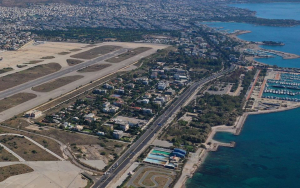
Described by Bloomberg as "Europe's largest smart city project," the Ellinikon Project by Lamda Development is making waves. Specifically, the publication notes that along the southern coastline of Athens, a long-awaited plan to transform the former airport of the Greek capital into Europe's largest smart city is finally gaining momentum. After a decade of delays, the vision for the Greek project is emerging. The marina tower, expected to be Greece's first skyscraper, is beginning to rise, while the iron skeletons of apartment buildings are taking shape. Standing at the marina, with a view of the Saronic Gulf on one side and the tower on the other, one can envision the future city, boasting open spaces, sustainable energy sources, and abundant greenery, elements currently lacking in Athens.
Spanning 6,200 acres and a 20-minute drive from the city center, the Ellinikon project will transform both the coastline and the country itself. It's the kind of project commonly seen in China or the United Arab Emirates and signifies Greece's resurgence post-crisis. Estimates suggest the project will add 2.5 percentage points to Greece's GDP and create up to 80,000 new jobs, while generating tax revenues exceeding €10 billion after its completion in 2037.
Moreover, it's expected to attract an additional million tourists annually, who can choose between a Mandarin Oriental hotel and an integrated casino-resort for their stay. For those looking to reside permanently in Elliniko, 243 units are already up for sale, with 140 already committed. The Marina Tower apartments, beachfront villas, and residential complexes were the first to sell out, with Lamda announcing property sales revenue of €641 million since last March.
Most buyers were Greek citizens, and the city is expected to house up to 20,000 people in approximately 10,000 homes over the next 13 years. Residents will have access to schools, parks, offices, stores, and even the beach within 15 minutes.
The process to start operations at the Greek project was not easy. When Lamda purchased the plot in 2014, parts of it were filled with the former airport's debris, including abandoned aircraft, while other parts housed refugees and migrants. The waterfront was filled with nightlife establishments and long-forgotten sports facilities, while licensing delays further complicated matters. Greece's near-bankruptcy when the project was proposed made it even more unlikely to start someday, as reported by Bloomberg.
While these challenges have receded, Lamda continues to face a labor shortage. Nearly 7,000 workers will be needed next year when construction begins around the project's commercial center. Lamda currently has around 2,000 employees and is in advanced discussions with contractors to bring in construction workers from other countries. By the end of summer, seven new apartment buildings will be visible from the shore, alongside the skyscraper currently under construction.
By the end of 2024, the skyscraper will reach 100 meters, and the number of beachfront residential buildings under development will skyrocket to 15. It's worth noting that by the end of 2025, a sports center with football fields, tennis courts, and swimming pools will open to the public. In conclusion, Lamda's CEO, Odysseas Athanasiou emphasizes that "by Christmas 2026, we want residents to live in their homes."
Originally published in Greek on: newsbeast.gr
Originally published in Greek on: newsbeast.gr
Transladed by: Codico Lab
Published in
Greece In The News
Tagged under
Monday, 22 September 2025 14:05
A One-Day Escape With Athens Day Cruise
We arrived at the marina of Kallithea early in the morning, around 7:00, ready to board Cosmos, our companion for the day. For VIP guests, Athens Day Cruise even provides transfers to the marina, which makes the start of the trip effortlessly smooth.
By 7:45, we were sailing off on our adventure and the excitement of a full day at sea was already in the air. The moment we stepped onboard, the Athens Day Cruise staff welcomed us warmly and not just with smiles. They snapped our photo dressed up as tsoliades - it was a fun touch that set the tone as we embarked on our Greek island adventure!
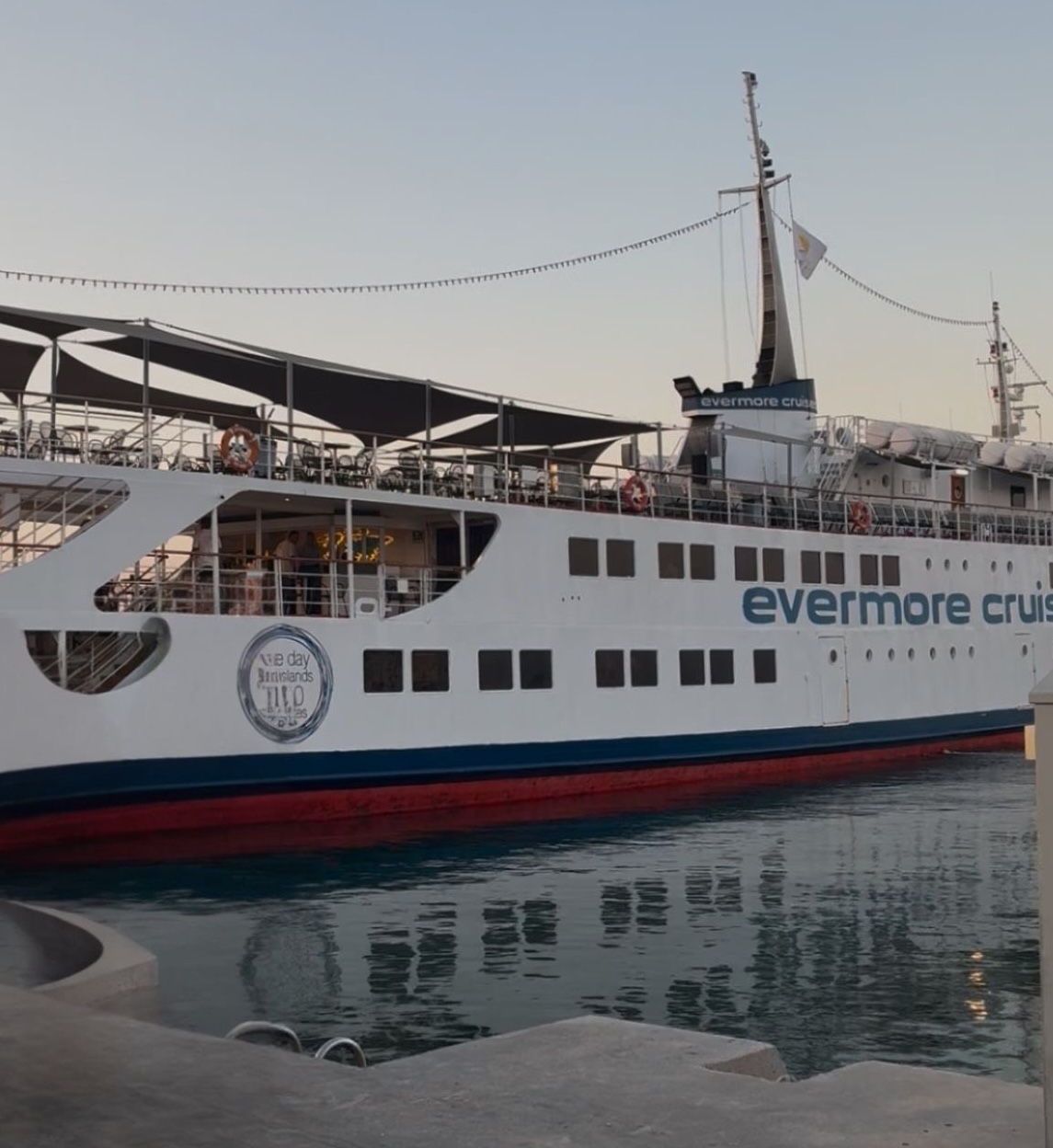
Once inside, we made our way to the deck. For those choosing the VIP option, there’s the comfort of the business-class lounge, but we decided to enjoy the open air outside. Soon enough, a waiter stopped by, warmly cracking a couple of jokes as he took our order. The coffee was tastefully good; not your usual bland “ship coffee,” but a rich and tasty brew that paired perfectly with the morning sea breeze. The menu offered everything from mocktails and cocktails to sandwiches, wraps, and light snacks. In short: plenty of options to keep you nurished and happy during the voyage.
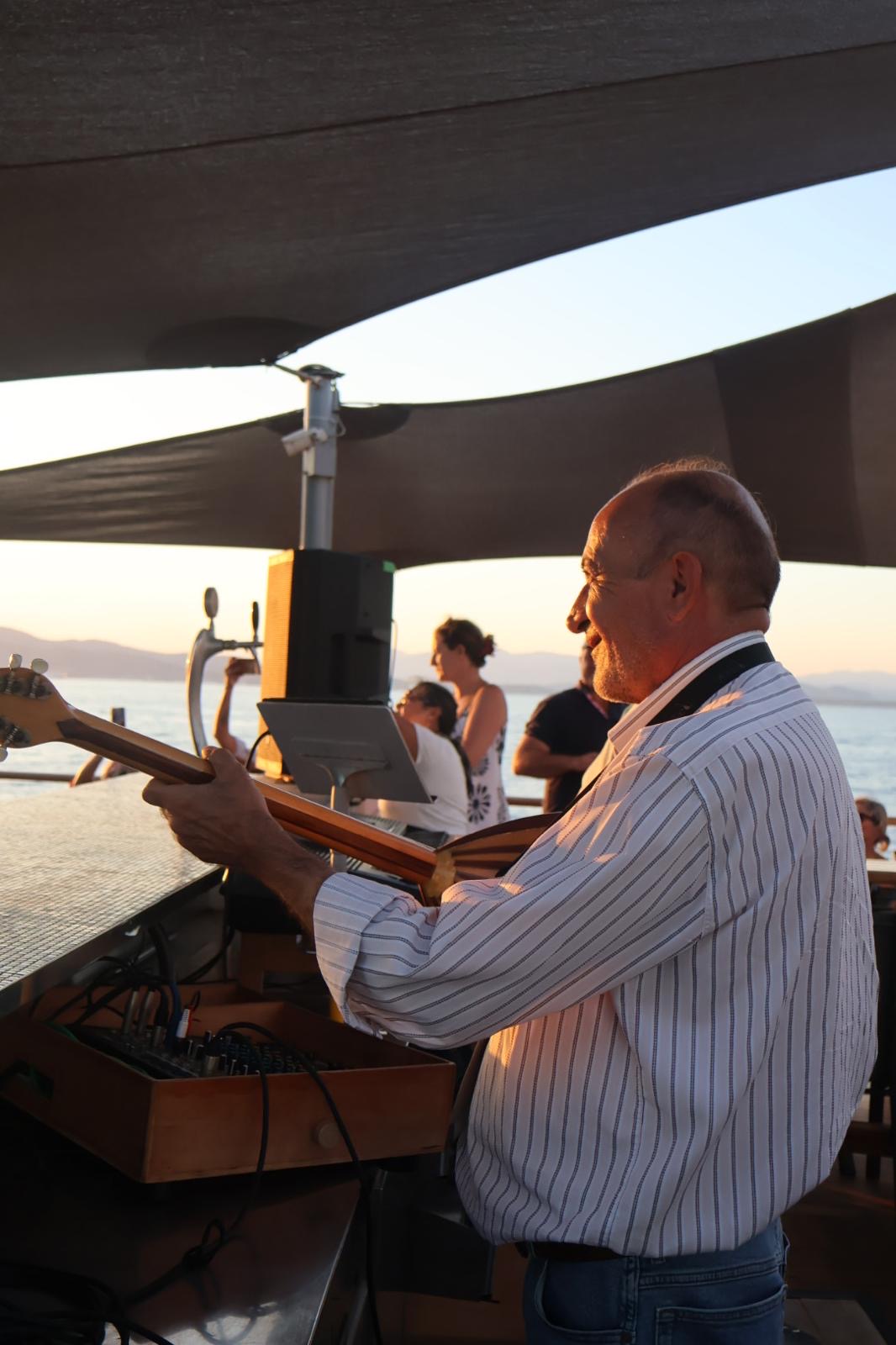
With music accompanying us along the way, the three-hour trip to Hydra didn’t feel long at all. Just before arrival, we got to enjoy live music on deck: a talented bouzouki player filled the air with the sounds of Ta Paidia tou Peiraia. It was one of those moments: the sea, the music, and the undeniable spirit of Greece coming alive around us. Announcements were made in Greek, English, Spanish, and French, making sure everyone felt included.
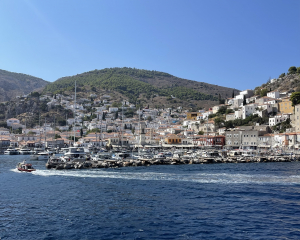
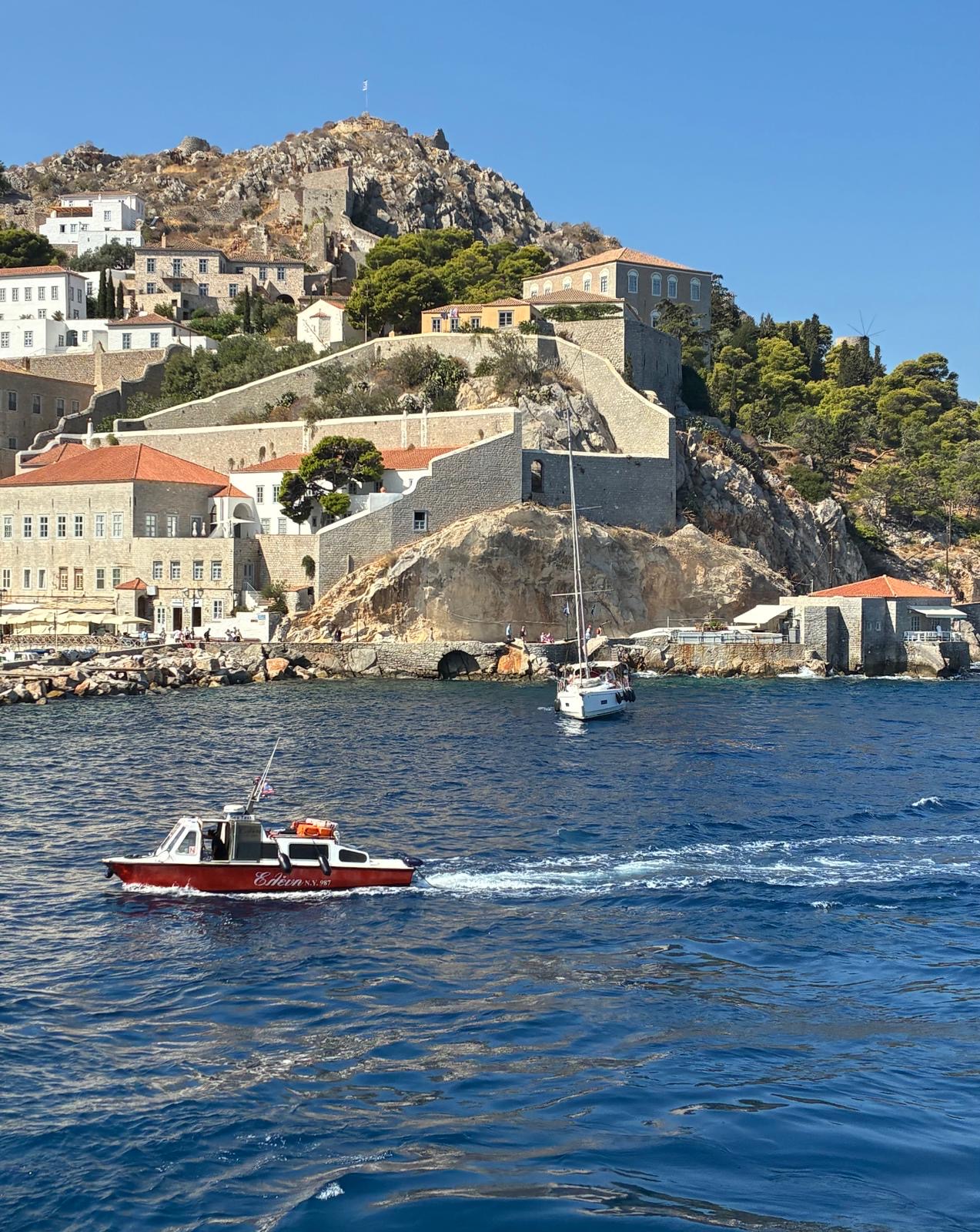
And then…Hydra. That postcard-perfect port appeared, framed by stone mansions and a fortress-like charm that transports you back in time. A car-free paradise where donkeys replace taxis and cobblestone streets invite you to wander. With almost 2 hours of free time, we were ready to dive into this little slice of heaven.
Enjoy 22% off your Athens Day Cruise (from €141)! Head to the Athens Day Cruise site and use promo code XPAT10 at checkout.
For those in the VIP lounge, Athens Day Cruise offers the option to join a guided walking tour of Hydra, a wonderful opportunity to learn about the island’s history, hidden corners, and stories that make it so special.
Back on Cosmos, it was already lunchtime, and the crew had prepared a feast. The buffet, designed by the ship’s chef, was a true “chef’s kiss.” There were plenty of options for vegetarians and vegans, all traditional Greek favorites. We couldn’t resist trying everything: tender chickpeas (revithia), flavorful briam, tender fish kokkinisto, oven-baked potatoes, roasted chicken legs, fusilli with sauce, fresh salad. Each dish was cooked with care and tasted authentically good.
And then came dessert: a melomakarono cookie. It may not have been Christmas, but honestly, who wouldn’t want a taste of one of Greece’s most iconic sweets? Sweet, aromatic — the scent of orange filled the air — with its melt-in-the-mouth texture, it was the perfect ending to the meal.
The one-hour journey to Poros passed quickly, especially after such a lunch. The staff were attentive throughout, clearing plates, checking in with a smile, and making sure everyone felt cared for. It was really impressive how personal the service felt despite the number of people onboard. Music, as always, filled the atmosphere: Greek melodies accompanied our meal, and in the VIP lounge, a pianist entertained guests with Greek tunes.
Poros soon appeared on the horizon, a green island with lush pine trees and calm waters. We had about 50 minutes to explore, just enough time to stroll the waterfront, snap some photos, or pick up a small souvenir.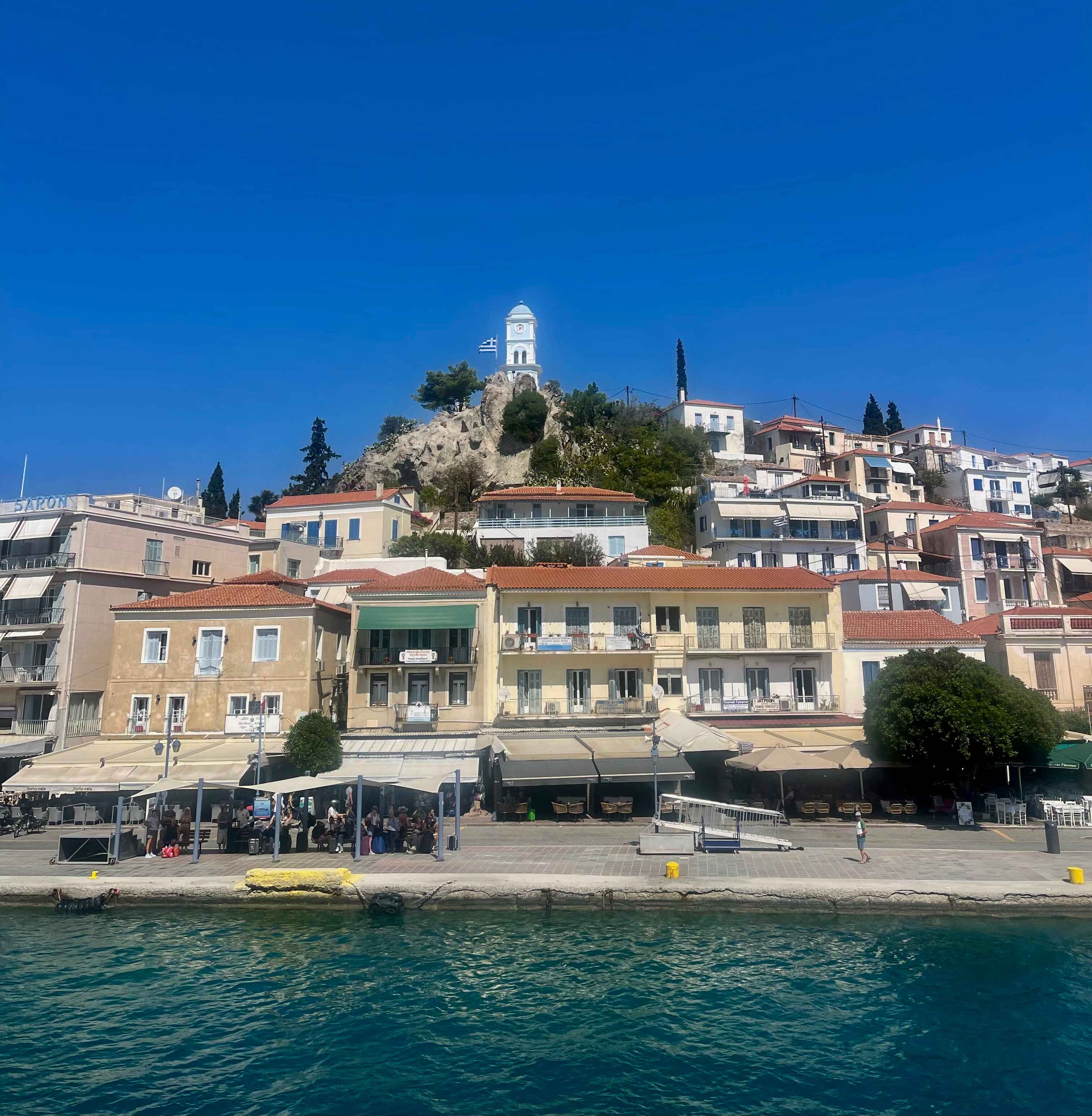
Next, we headed toward Aegina, a one-hour-and-twenty-minute journey, just enough time to explore Cosmos’ boutique. The 2025 summer collection was stunning: elegant swimsuits, breezy cover-ups, and airy outfits perfect for a Greek vacation (or any vacation, really). The sales attendant was knowledgeable and eager to help. VIP lounge guests also enjoyed special discounts.
We arrived in Aegina with 2 hours to explore, and the timelines for each stop had been clearly explained, repeated many times so everyone was on the same page. This attention to detail from the Athens Day Cruise allowed us to fully relax and be completely present in the moment. Aegina itself was lively and fun, a pistachio lover’s dream. Tens of kiosks sold pistachio in every form imaginable: pasteli, bars, yogurt, ice cream — heavenly for anyone who loves this iconic Greek nut. The two-hour visit was perfectly paced to wander a bit, snap photos, or simply soak in the island vibes.
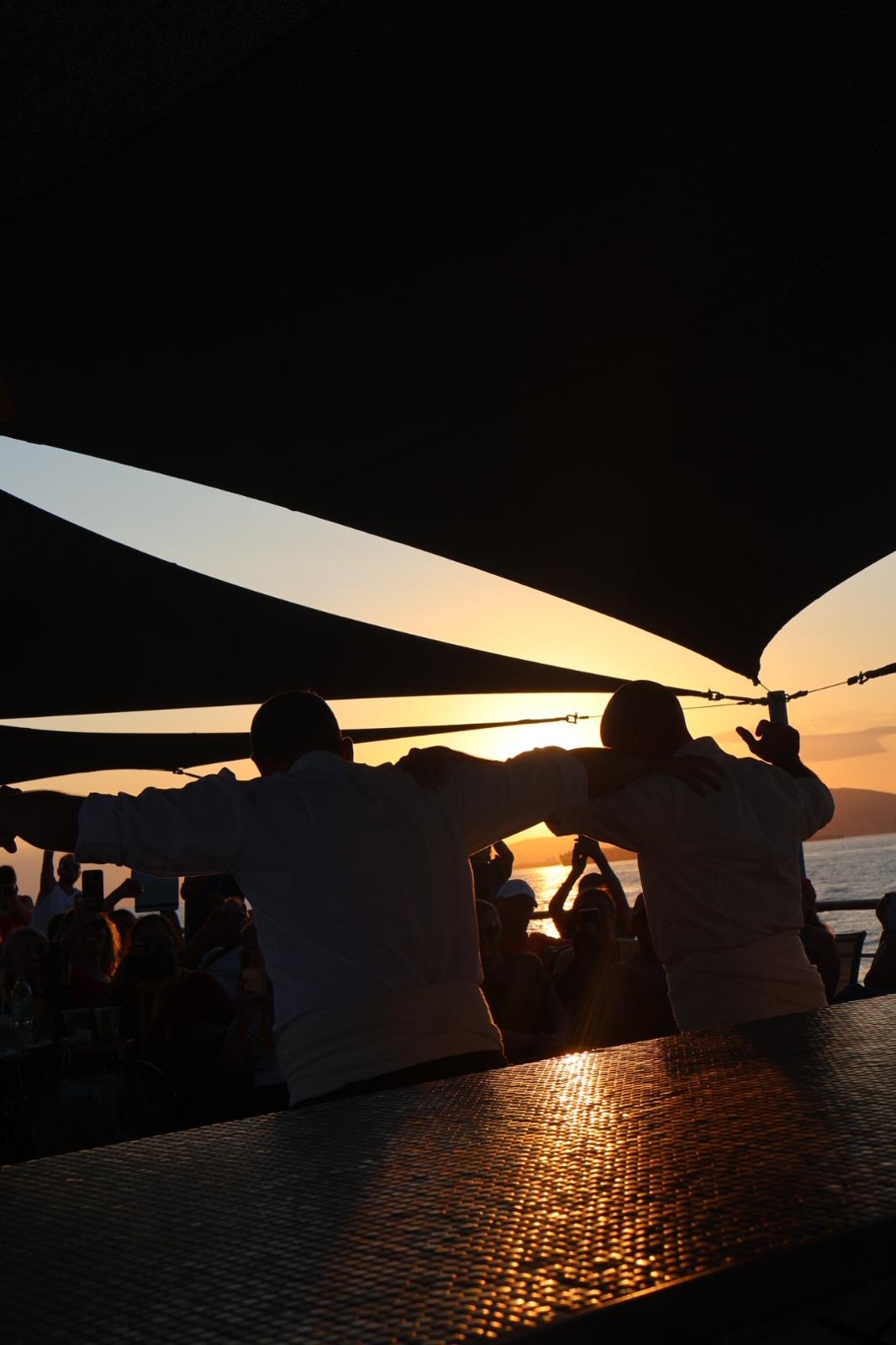
With only an hour and a half remaining until we got back to Athens, the ship readied for the finale: Greek party time! As the sun dipped toward the horizon and fairy lights flickered, dancers in traditional attire guided us through dances from all over Greece, from the Kalamatiano and Milo mou Kokkino, to Kotsaris, Pentozali, and, of course, the grand finale with Zorbas and sirtaki. Guests were even invited for a short dance lesson to show off their moves!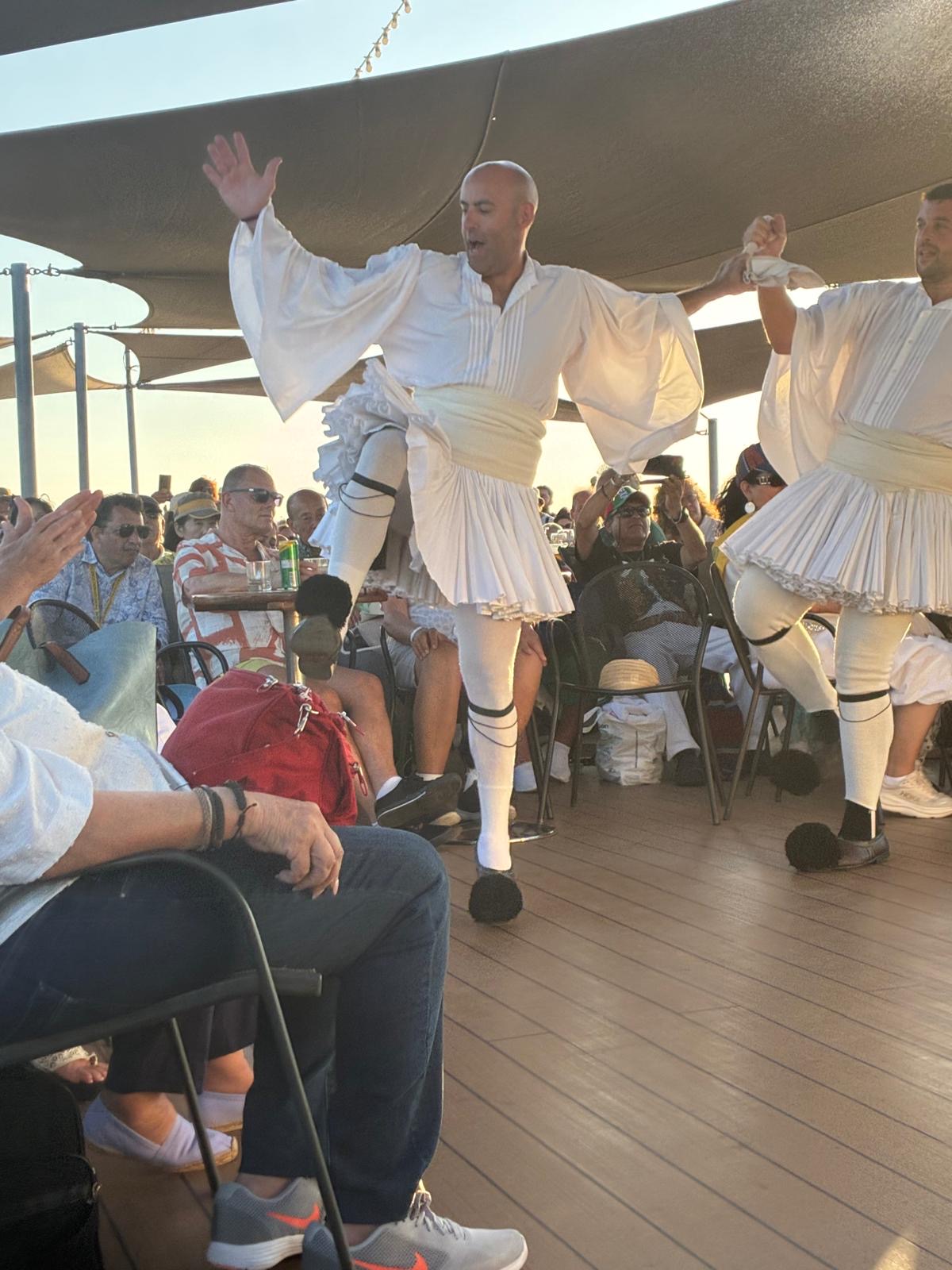
The DJ, a true crowd-pleaser, kept the energy sky-high, so much so that a visiting Mexican group even jumped in with their traditional beats, for a truly international party! Dancing spilled out across the ship, and even folks strolling along the Kallithea marina joined in the fun. The combination of music, lights, and the Aegean breeze made it feel like a floating festival.
By the time we docked, we were buzzing with joy, laughter, and memories of a day perfectly spent between breathtaking islands, good food, and the Greek spirit that’s impossible not to fall in love with.
Enjoy 22% off your Athens Day Cruise (from €141)! Head to the Athens Day Cruise site and use promo code XPAT10 at checkout.
Do We Recommend Athens One Day Cruise? Yes!
This cruise is a unique way for someone who wants to catch a glimpse of 3 Greek islands, all within a day’s journey from Athens. From Hydra, voted one of the most beautiful islands in the world, to Poros, to Aegina, each stop offers its own unique charm. For us, what truly made the day memorable were the people and the energy aboard Cosmos.
The staff’s warmth and attention to detail were remarkable - true to their roots of Greek hospitality. The combination of food, music, and culture created an experience that was far more than a cruise. It was a taste of Greek culture. Dancing to traditional music, savoring authentic flavors, enjoying live performances, and sharing laughter with fellow travelers all blended together to form a day full of joy.
Enjoy 22% off your Athens Day Cruise (from €141)! Head to the Athens Day Cruise site and use promo code XPAT10 at checkout.
Published in
Travel Greece
Tagged under
Wednesday, 18 February 2015 13:27
The National Marine Park Of Zakynthos
Zakynthos is one of the most important loggerhead sea turtle Caretta caretta nesting areas in the Mediterranean. Finding refuge in the marine area of the Bay of Laganas is actually a matter of survival for this beautiful but critically endangered species. Caretta caretta reaches Zakynthos in summer after having travelled thousands of kilometers across the Mediterranean territory.
During oviparity period, the female turtles head to the shore at night and dig with their back fins big holes in the sand, where they place 120 small eggs the size of ping pong balls. They then head to the sea leaving behind their traces in the sand, a sign that marks the holy ritual of birth.
After forty to sixty days the first eggs begin to “burst”. The little turtles remain protected for a few days more in the warmth of their nest until their body takes its final shape. A strong memory instinct will lead them back to the sea, where they will embark on their fascinating journey of life. They may return—adults this time—to breed and nest in the same place that they themselves were born. Unfortunately only one out of a thousand will survive since they will be exposed to many dangers, mostly associated with human activity. That is the reason why the Marine Park had been founded there in the first place.
For more information, please visit www.nmp-zak.org
Published in
Travel Greece
Tagged under
Friday, 20 February 2015 15:29
Kaimaki Ice Cream

In Greece we call this type of ice cream “kaimaki” and it very typical of 1960s style confectionery shops selling baklava and kataifi as well as other types of-usually syrupy- sweets, but the recipe is based on Diana Abu-Jaber’s book The Language of Baklava, which was the previous Cook the Books pick. It is very often served in silver-style bowls and I remember eating it after big meals with the family over ekmek kataifi or with ravani. I always thought that it tasted of the mastic, but Diana’s recipe revealed another very interesting ingredient: sahlep (we call it salepi in Greek).
Published in
Greek Food & Diet
Tagged under
Friday, 06 March 2015 12:41
Athens Is # 3! Top 10 Destinations In Europe For 2015
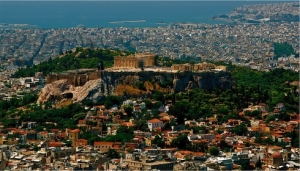
20 selected destinations competed for the prestigious title of Best European Destination 2015. After a three week period of online voting (244,696 voters made their choice and influenced the result!), Bordeaux has been elected the Best European Destination 2015, followed by Lisbon second and Athens third!
Bordeaux, Lisbon, Athens, Valetta, Riga, Zagreb, Ljubljana, Innsbruck, Milan, Brussels, Vienna, Rome, Barcelona, Istanbul and Madrid are the next best destinations for a holiday or city-trip in 2015.
European Best Destinations describes Athens:
'Athens is considered the cradle of western civilization. Over the years, a multitude of conquerors occupied Athens, and erected unique, splendid monuments - a rare historical palimpsest, evident everywhere in the city.
The contemporary urban scenery of the sprawling city reflects its exciting history, its multi-cultural modern personality as well as the infrastructure and facilities. In other words, Athens is a must destination that combines modern urban innovation with history, culture and natural beauty throughout the year.'
XpatAthens would like to thank everyone who voted for Athens!
Published in
Travel Greece
Tagged under
Thursday, 07 May 2015 08:00
Greece Takes Part in ‘European Clean-up Day’ Campaign

Greece is participating! European Clean-up Day is running from May 8-10. It is a Europe-wide annual clean-up day coordinated by the European Week for Waste Reduction (EWWR) in order to reduce littering in nature and give visibility to the issue.
Over 4,500 volunteers of all ages throughout Greece have already registered their action (beach, underwater and forest clean-ups) with the Hellenic Marine Environment Protection Association (HELMEPA), the coordinator for the European Clean-up Day in Greece. These locations are across 50 coastal and mountain areas, displayed on the campaign’s e-map. Last year, some 5,000 volunteers participated in the event.
HELMEPA invites all to give a helping hand by organizing their own beach, lake, river or even forest, park or neighbourhood clean-up.
For more information about how to participte, please visit Greek Travel Pages.
Published in
Greece In The News
Tagged under
Wednesday, 17 February 2016 07:00
Greek Tourism Thrives In 2015, Recording A 5.7% Rise In Arrivals
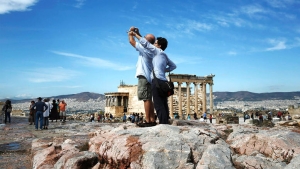
International tourist arrivals in Greece increased 5.7 pct in 2015 compared to 2014, the Association of Greek Tourism Enterprises (SETE) said on Thursday, announcing its official data collected from the country’s airports.
According to the report, 843,000 more tourists came to Greece in 2015, with the total number of airport arrivals reaching 15.5 million.
In December, Athens maintained its robust numbers with a 15.5 pct rise in arrivals compared to the same period of 2014, while for the entire year the Greek capital achieved an impressive 22.6 pct jump.
For the rest of the country, the Ionian and Cycladic islands secured the lion's share of tourists in 2015 recording a 3.7 pct and 15 pct boost in international arrivals respectively.
To read more, please visit: The TOC
Published in
Local News
Tagged under
Tuesday, 12 April 2016 07:00
Archaeologists Study Skeletons From Ancient Cemetery At Phaleron
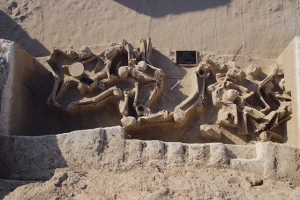
Not even four miles south of Athens lies Phaleron, a port of Athens in classical times. Phaleron boasts one of the largest cemeteries ever excavated in Greece, containing more than 1,500 skeletons. Dating to the 8th-5th centuries BC, Phaleron is significant for our understanding of the rise of the Greek city-state and, in particular, for understanding the violence and subjugation that went with it. Two mass burials at Phaleron include people who were tossed face-down into a pit, their hands shackled behind their backs.
The shackled skeletons, easily the most compelling remains from Phaleron, have received researchers' attention for decades, as they are among the very few instances of shackled deaths in the ancient world and could indicate punishment, slavery, or a death sentence. But study of these “captives” has to take place within the context of the entire cemetery, and analyzing 1,500 skeletons is a massive task.
In the long-term, Phaleron skeletons will give us a window into a critical time in ancient Greek history, just before the rise of the city-state.
For more information about Phaleron and the excavation, please visit: Forbes
For more information about Phaleron and the excavation, please visit: Forbes
Published in
Greece In The News
Tagged under
Thursday, 01 June 2017 07:00
Walking In Athens With Constantine Cavafy
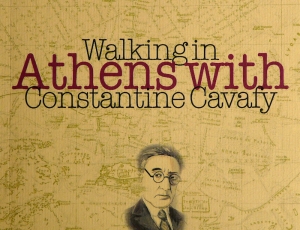
Renowned Greek poet Constantine Cavafy was born in Alexandria, Egypt, on 29 April, 1863. A cosmopolitan by birth, Cavafy travelled for the first time to Greece in the summer of 1901, accompanied by his brother Alexandros. His stay in Athens constitutes the topic of a new book entitled Walking in Athens with Constantine Cavafy.
Wandering through Athens with Cavafy is a fascinating experience. Readers will have the chance to discover that, despite the fact that it’s been over a century ago and with dramatic changes have taken place in the capital, the city centre has preserved the broad outline of its physiognomy. The urban grid, shaped like a large symmetrical triangle and dating from the time of King Otto (mid 19th century), is still the city’s most obvious trait, while the large public buildings that remain attractions adorning the city would have also been seen by Cavafy at the time.
“Cavafy travelled for the first time in Greece in the summer of 1901 during a period of leave from his job. The poet was 38 years old and was accompanied by his brother Alexandros. Travelling to Athens with Cavafy is a fascinating experience.”
To purchase ‘Walking in Athens with Constantine Cavafy,’ please visit: ETP Books
Published in
Books
Tagged under