WELLNESS HUB

XpatAthens
Hoi Polloi - IMPROV COMEDY!

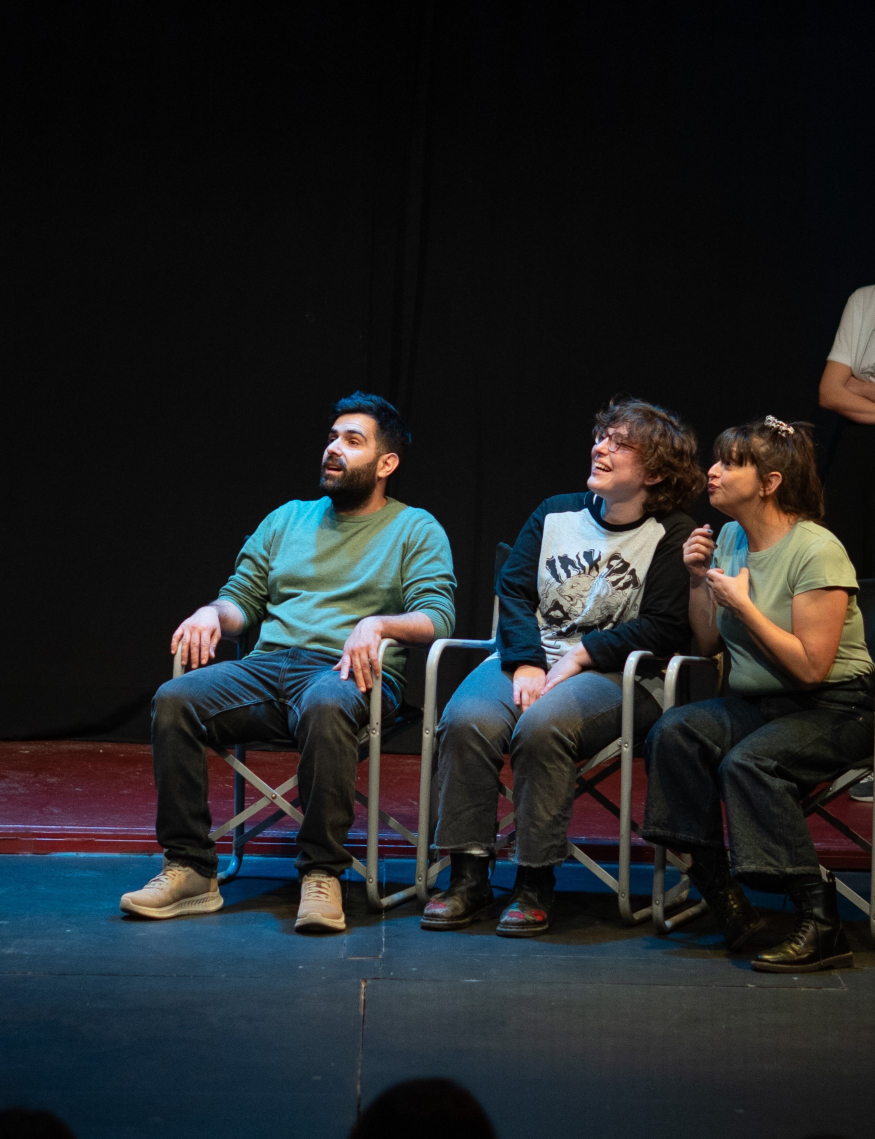
After a banging premiere on January 25th, HOI POLLOI improv troupe invites you to more hilarious, awkward, improv shows powered by the Athens English Comedy Club and House of Improv!
💪 A team of improvisers take inspiration from the crowd at the beginning of the show and then perform a random number of scenes. Some scenes will appear once and then disappear forever, other scenes or characters might reappear. Free improv utilizes all the tools of improvisation theater, offering stories and scenes that can be both funny and dramatic, surreal and grounded, short and long. 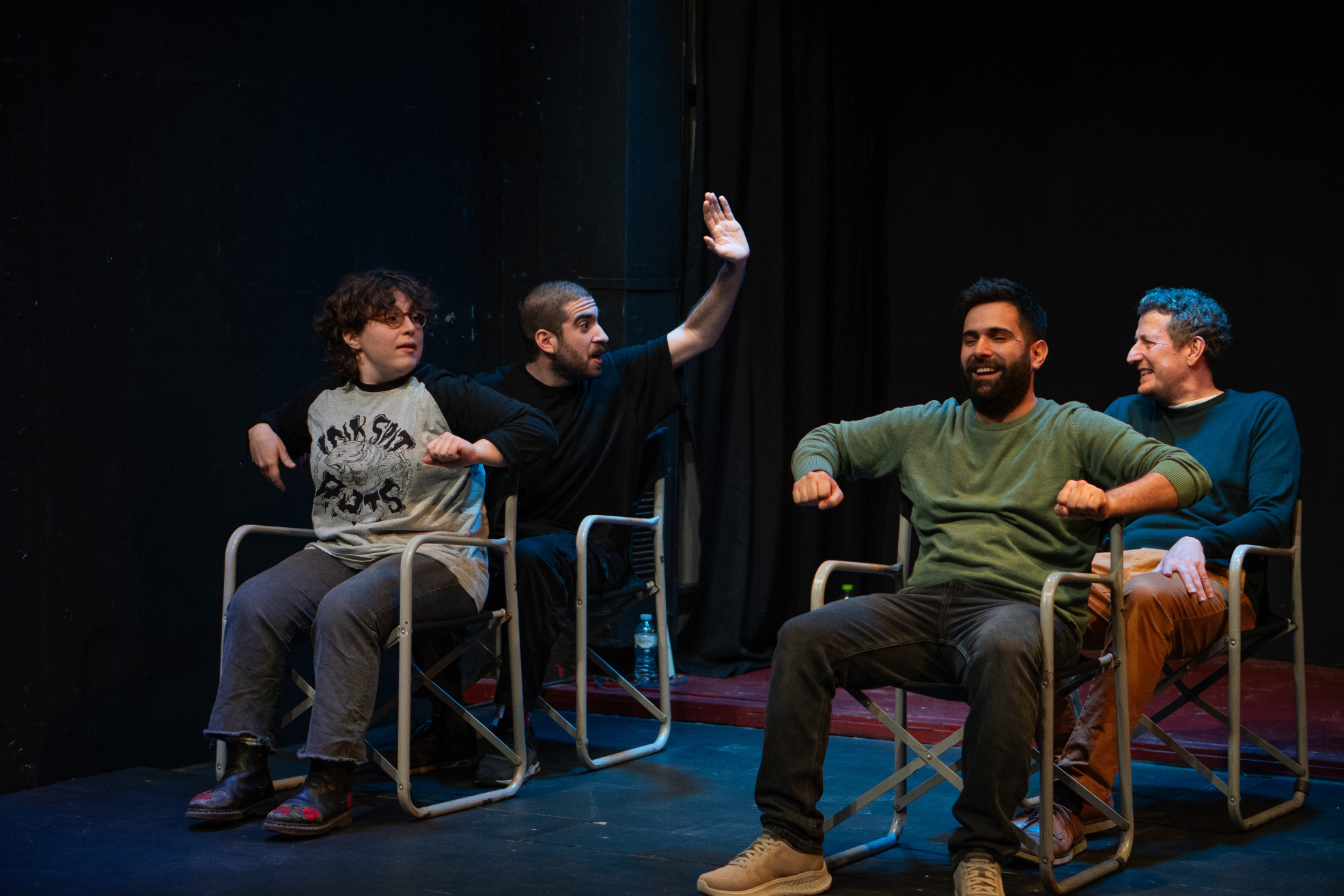
TikTok
About the Athens English Comedy Club
🦉Founded in 2019, the Athens English Comedy Club is the first, and only, purely English comedy club in Greece!
📩 Sign up to our newsletter for direct-to-email updates and exclusive ticket offers!
Follow us on social media!
Come and laugh! Nay! Come and chortle. Or better yet, guffaw!
* Early-bird: €8
* General admission: €12
* At the door: €15
The Best Pubs In Athens
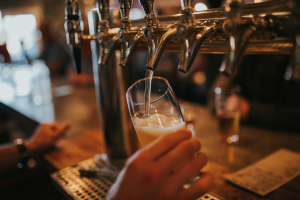
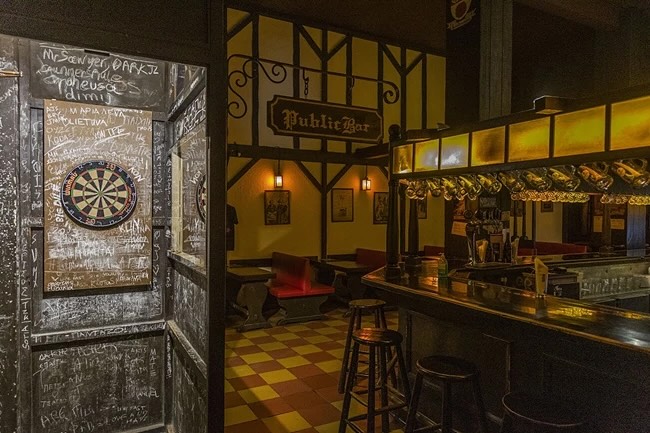
@redlionpub_athens
-
The Vibe: Dark wood everywhere, classic 70s-80s rock playing at a low volume, and a complete lack of pretension. It’s the kind of place where you can actually have a conversation.
-
Don't Miss: They have a dedicated darts area and a serious selection of international beers. It’s located near the Hilton area, making it a perfect quiet retreat from the city center noise.
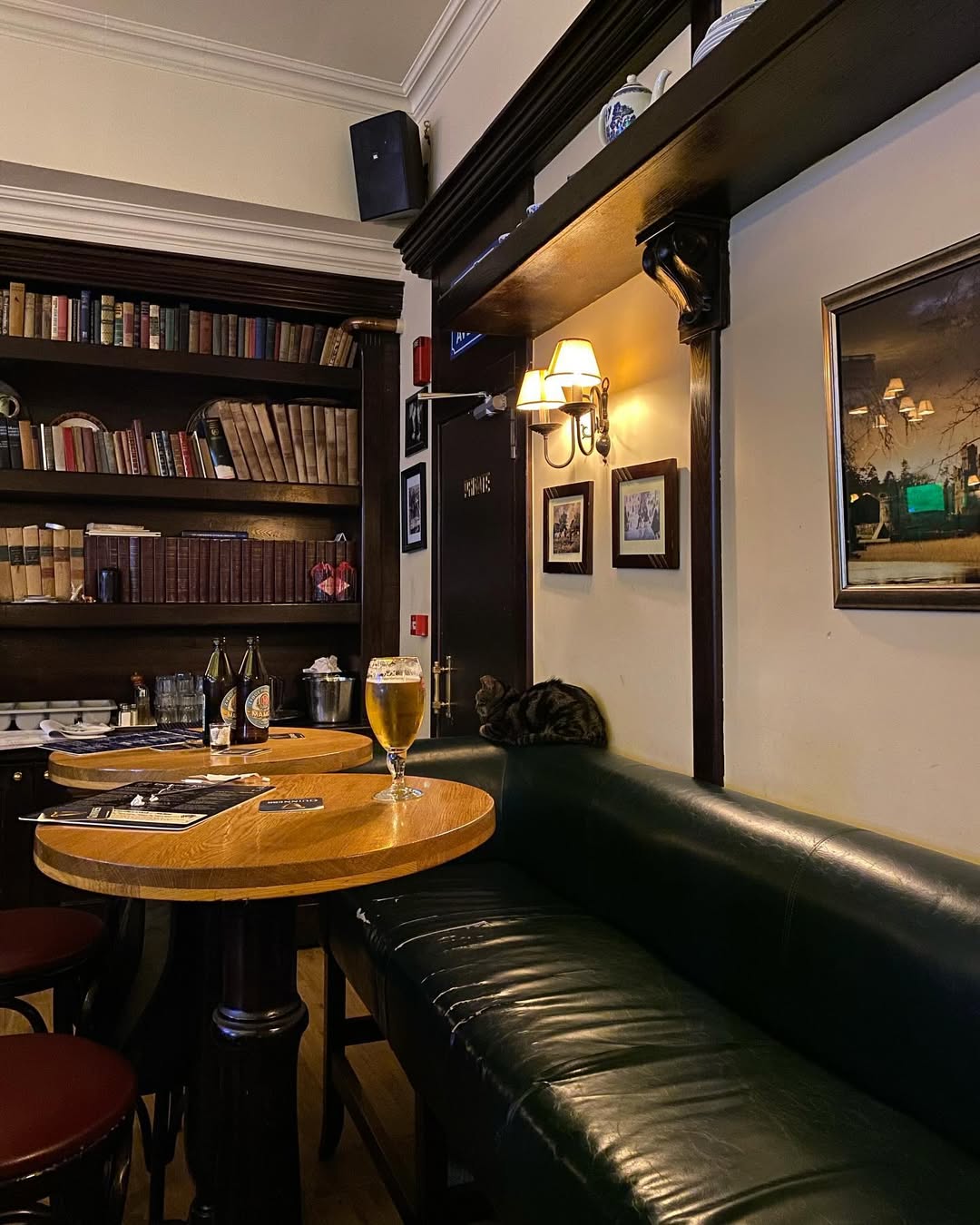
@nxmelessm
-
The Vibe: A massive wooden bar, cozy booths, and plenty of TV screens for Six Nations Rugby or Premier League matches.
-
The Grub: This is the place for comfort food. Their Steak & Guinness Pie and Fish & Chips are legendary among the expat community.
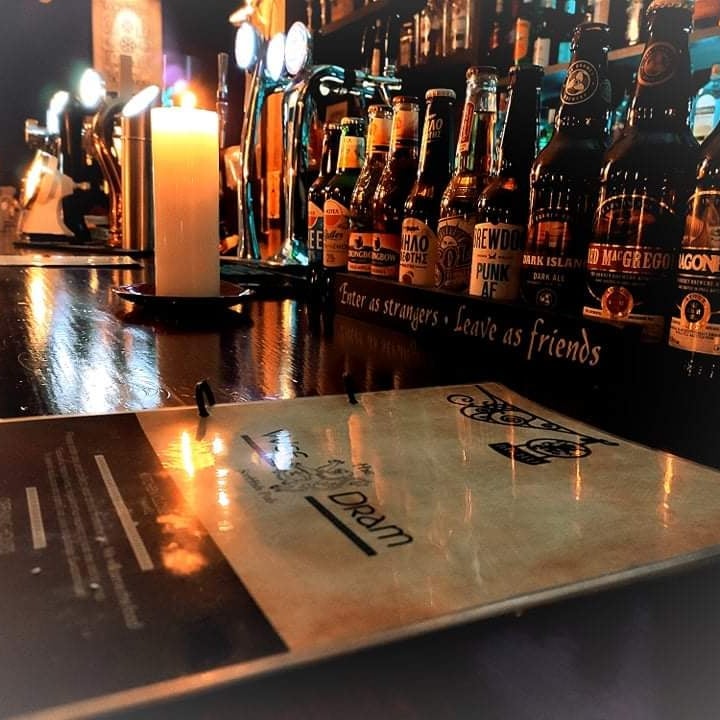
@the_wee_drum_athens
-
The Vibe: It’s famous for its friendly atmosphere. It’s a "local" in every sense of the word. They often host Trivia Nights (Pub Quizzes) which are a staple of UK pub culture.
-
The Drink: As the name suggests, they have a fantastic selection of whiskies alongside a great rotation of beers on tap.
The Local Pub
-
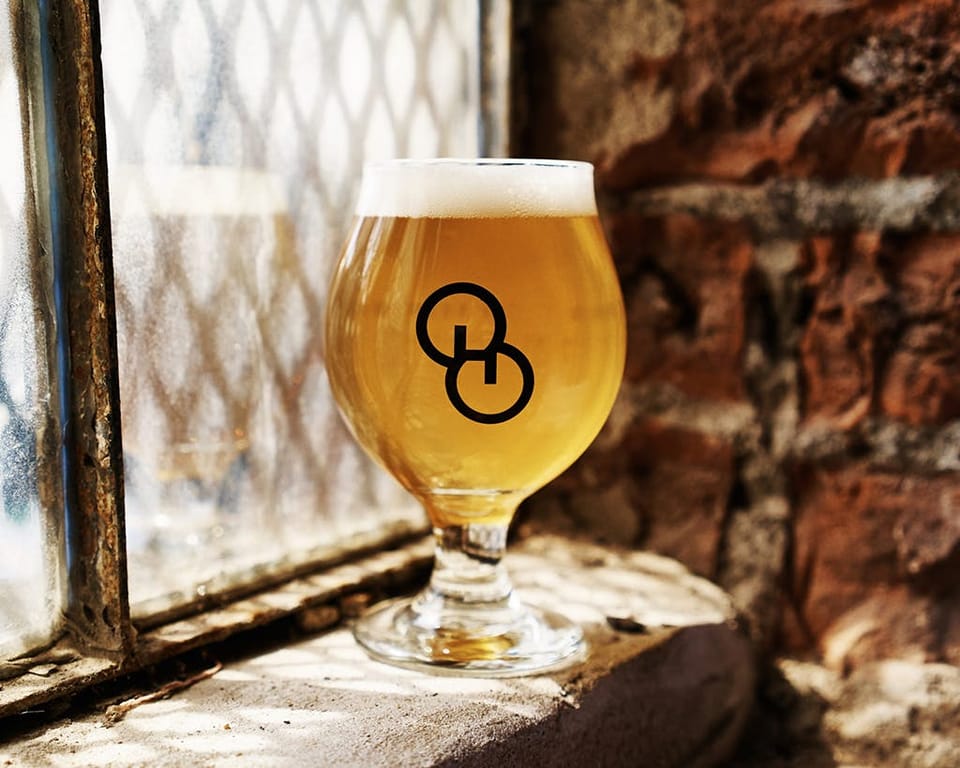
The Vibe: It’s a "no smoking" pub (which is rare in Greece) and they don't play loud music—focusing entirely on the "socializing over a pint" aspect. It feels like a high-end London craft beer house.
-
The Crowd: Expect serious beer lovers. The staff are incredibly knowledgeable and can guide you through their 20+ taps.
@some_chrs
-
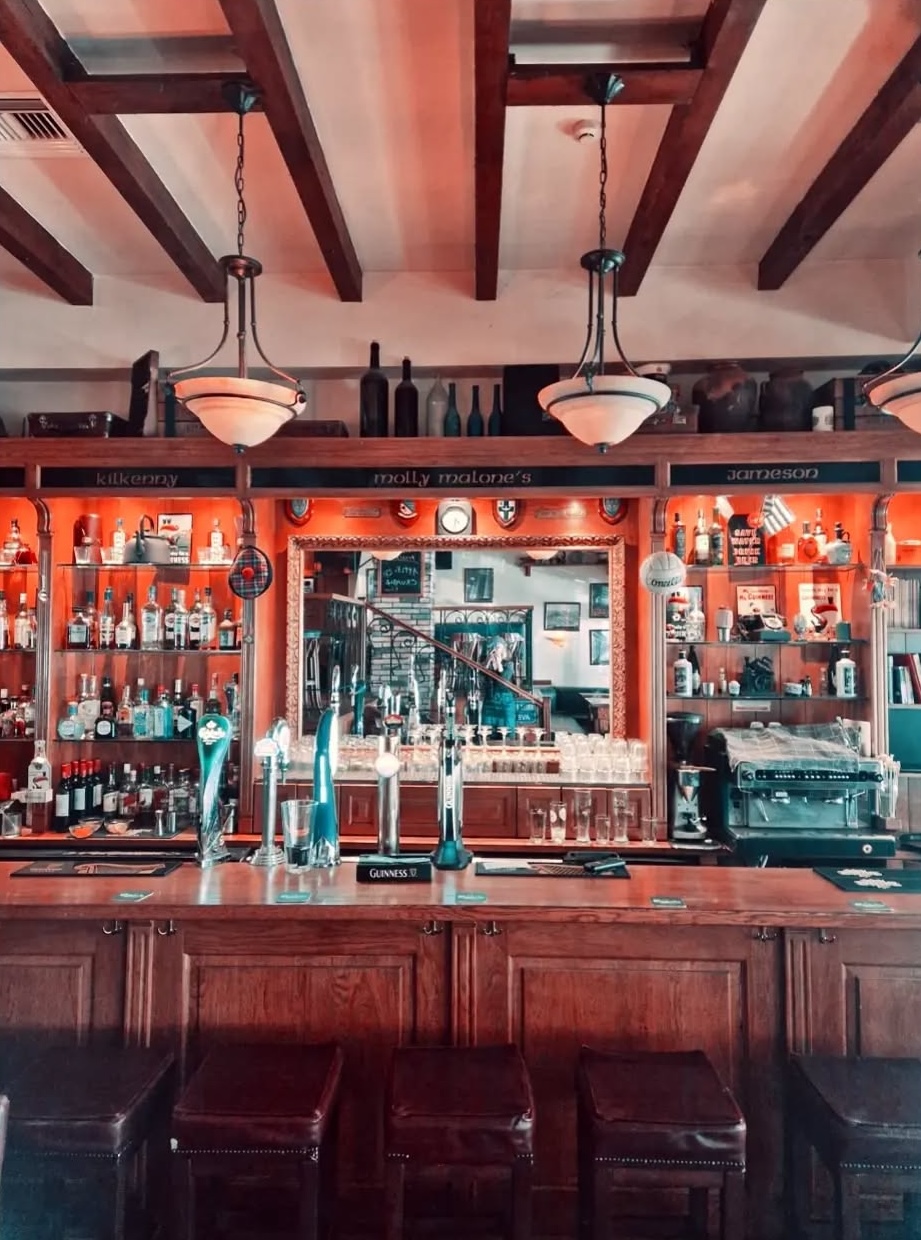
The Vibe: It’s large, lively, and has a great outdoor area for those "warmer" winter days, but the interior is all dark wood and Irish charm.
-
Why go: It’s the best place in the south to watch sports with a high-energy crowd and a perfectly poured Guinness.
Athens When The Chill Sets In: Embracing Indoor Adventures

Athens, a city often associated with sun-drenched ruins and balmy evenings, also has a charm that reveals itself when the temperatures drop. While the ancient sites remain breathtaking, a colder Athenian day invites you to explore a different side of the city, one filled with cozy cultural experiences, thrilling challenges, and delicious warmth.
Here are some fantastic ways to enjoy Athens when the mercury dips:
1. The Capital of Escape Rooms
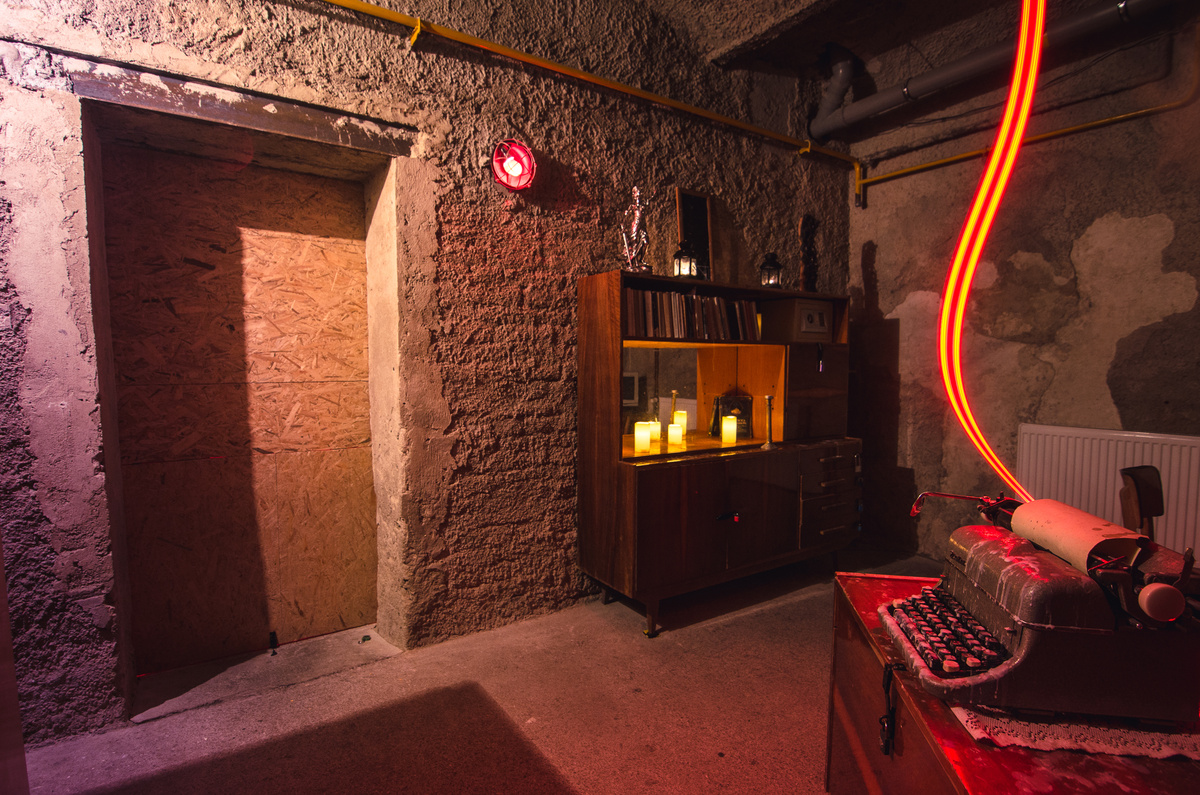
Athens is widely considered the best city in Europe for escape rooms because of its "Escape Houses", massive, multi-room experiences that feel like living in a movie.
-
Paradox Project (Kallithea): This is the gold standard. Their rooms, like "The Mansion" and "The Bookstore," are huge (up to 200 sqm) and last 3 hours. It’s an investigation-heavy, non-linear experience that is fully playable in English.
-
Lockhill (Metaxourgio): If you like horror and atmosphere, go here. Their room "Chapel & Catacombs" is world-renowned (regularly appearing on Top 10 lists globally). It features live actors and incredible set design.
-
Escapepolis: Check out "Cosmos 05" for a high-tech sci-fi vibe.
2. A City of 100+ Stages
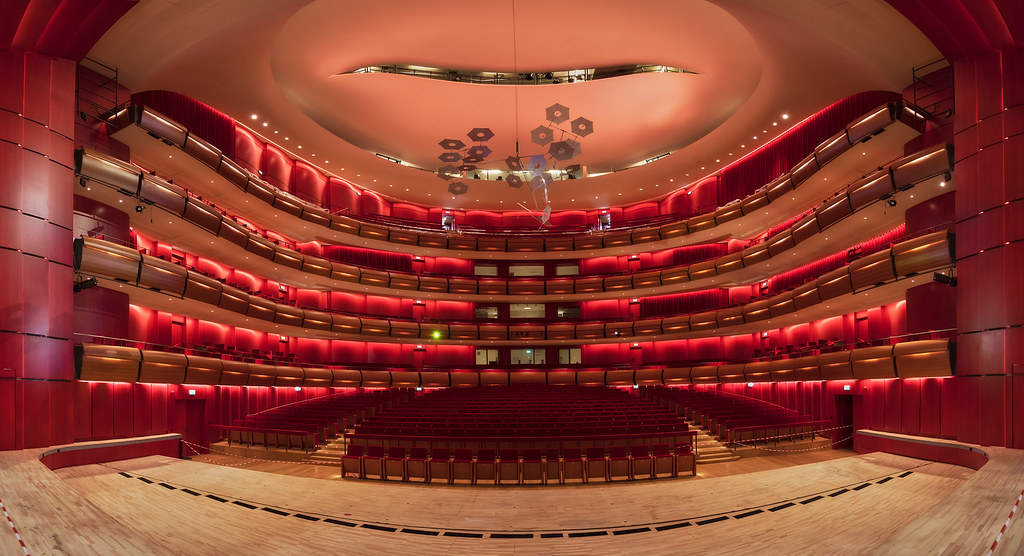
With 148 stages, Athens has more active theaters than London’s West End. In 2026, English-speaking options have expanded significantly:
-
Theatre of the NO (Metaxourgio): This is Athens’ first strictly English-speaking theatre. They specialize in the "theatre of the absurd" (think Beckett or Ionesco) and contemporary plays.
-
National Theatre of Greece (Ziller Building): A masterpiece of 19th-century architecture. They offer English surtitles (subtitles above the stage) for their main productions on specific nights (usually Thursday–Sunday).
-
Onassis Stegi: This modern cultural hub in Neos Kosmos often hosts avant-garde international productions and Greek plays with English surtitles. It’s worth going just for the architecture and the rooftop view.
3. Iconic Cinemas
Greeks love movies, and almost all films (except kids' cartoons) are shown in their original language with Greek subtitles.
-
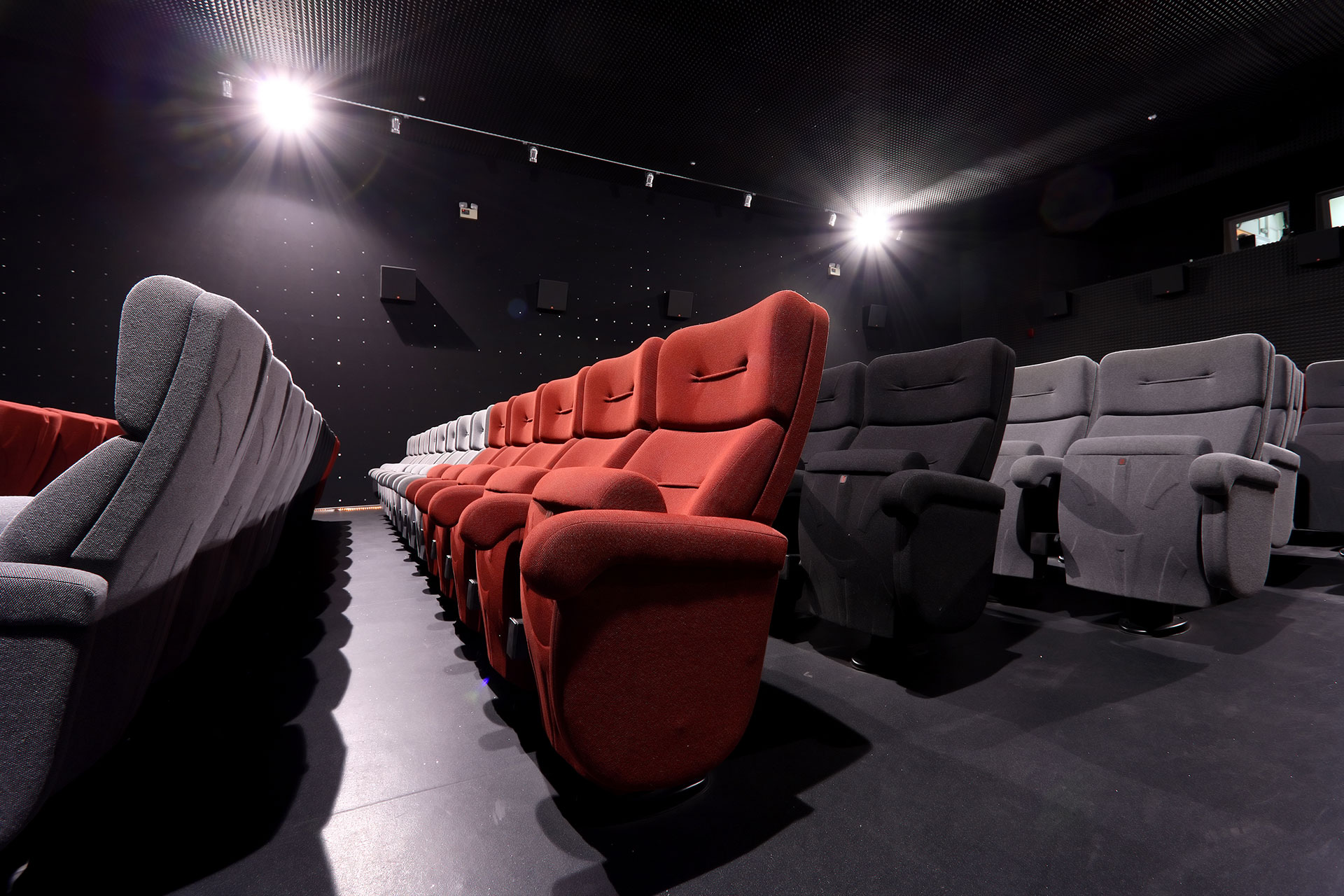
Cinobo Opera: A historic city-centre cinema, Cinobo Opera on Akadimias St. was recently revived and shows excellent indie and "auteur" films in a very cozy, red-velvet setting.
-
Mikrokosmos (Koukaki): A favorite for cinephiles. It has a great lobby bar where you can grab a drink before watching an international film.
-
Danaos (Ambelokipoi): Famous for its hand-painted movie posters on the facade. It’s a classic neighborhood spot with great acoustics.
-
Village Cinemas: If you want the "big" experience, go here for the IMAX or their Gold Class theaters, where you can order food and wine to your plush recliner.
4. Warm "Stop-Offs"
-
The Benaki Museum (Pireos St.): Most people go to the main Benaki, but the Pireos 138 annex is a massive, modern indoor space with rotating art exhibits and one of the best museum shops in the city.
-
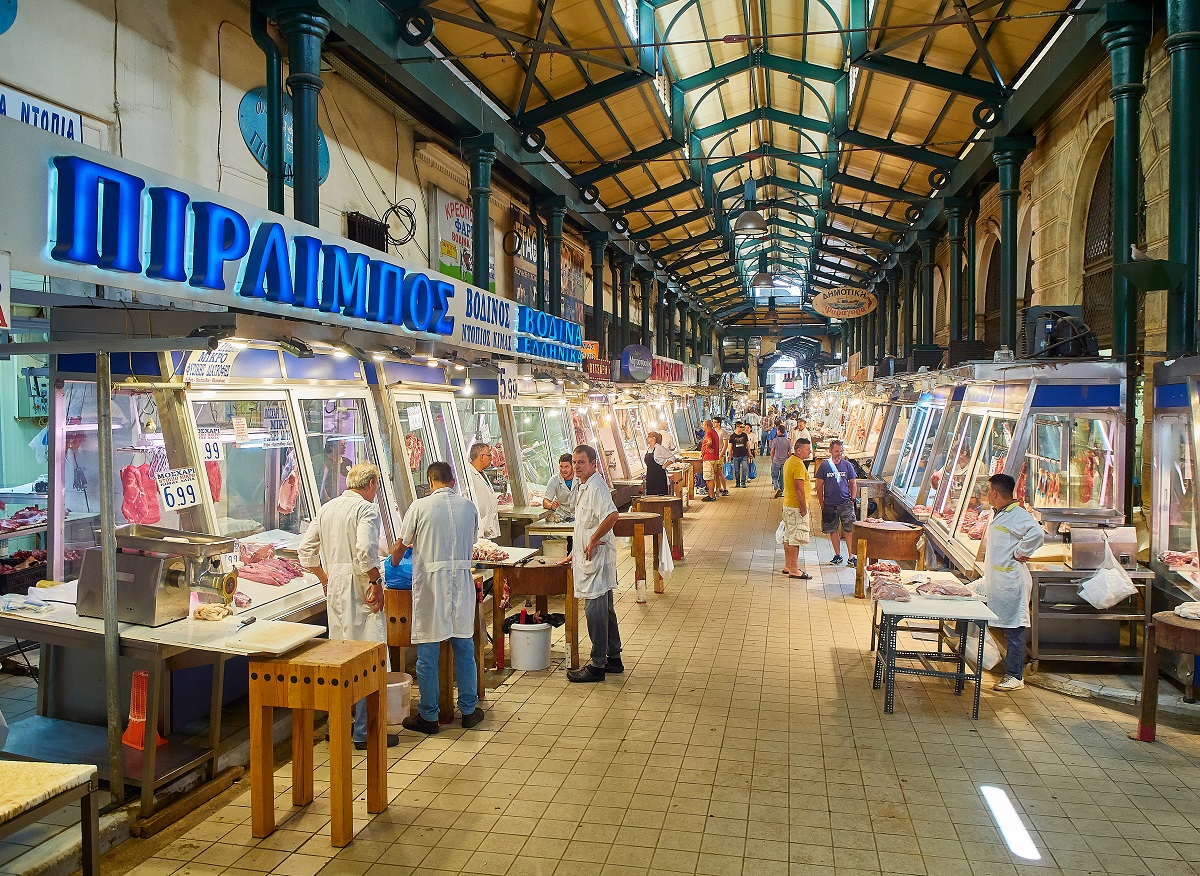
Indoor Food Markets: Skip the outdoor stalls and head into the Varvakios Central Market. Just across from the meat section, there are legendary basement "tavernas" like Epirus (famous for its warming soups) that have been feeding locals for decades.
5. Cozy Up in a "Cultural Living Room"
In the winter, Athenian locals move from the sidewalks to the city's incredible concept cafes and museum atriums. These aren't just coffee shops; they are warm, high-ceilinged spaces where you can spend hours reading, working, or people-watching.
-
The "Secret" Museum Cafes:
-
The B&E Goulandris Foundation (Pangrati): Their cafe-restaurant is tucked away in a modern, light-filled urban garden between floors. It’s ultra-sleek, quiet, and warm, perfect for a sophisticated lunch after seeing their world-class collection of Picasso and Van Gogh.
-
The Cycladic Café (Kolonaki): Bathed in natural light from a stunning "floating" ceiling, this feels like an outdoor courtyard but is perfectly climate-controlled. It’s one of the most serene spots in the city for a high-end brunch.
-
-
-
Little Tree Books & Coffee (Koukaki): Just behind the Acropolis Museum, this is the epitome of "cozy." It’s packed with floor-to-ceiling bookshelves, vintage furniture, and the smell of fresh cakes. It feels like a friend’s living room.
-
Sakkoulas Cafe (Exarchia): A fascinating spot hidden inside a legal bookstore. It’s minimalist, quiet, and a great place to hide from the rain with a thick book and a superior cappuccino.
-
-
The Botanical Hideaways:
-
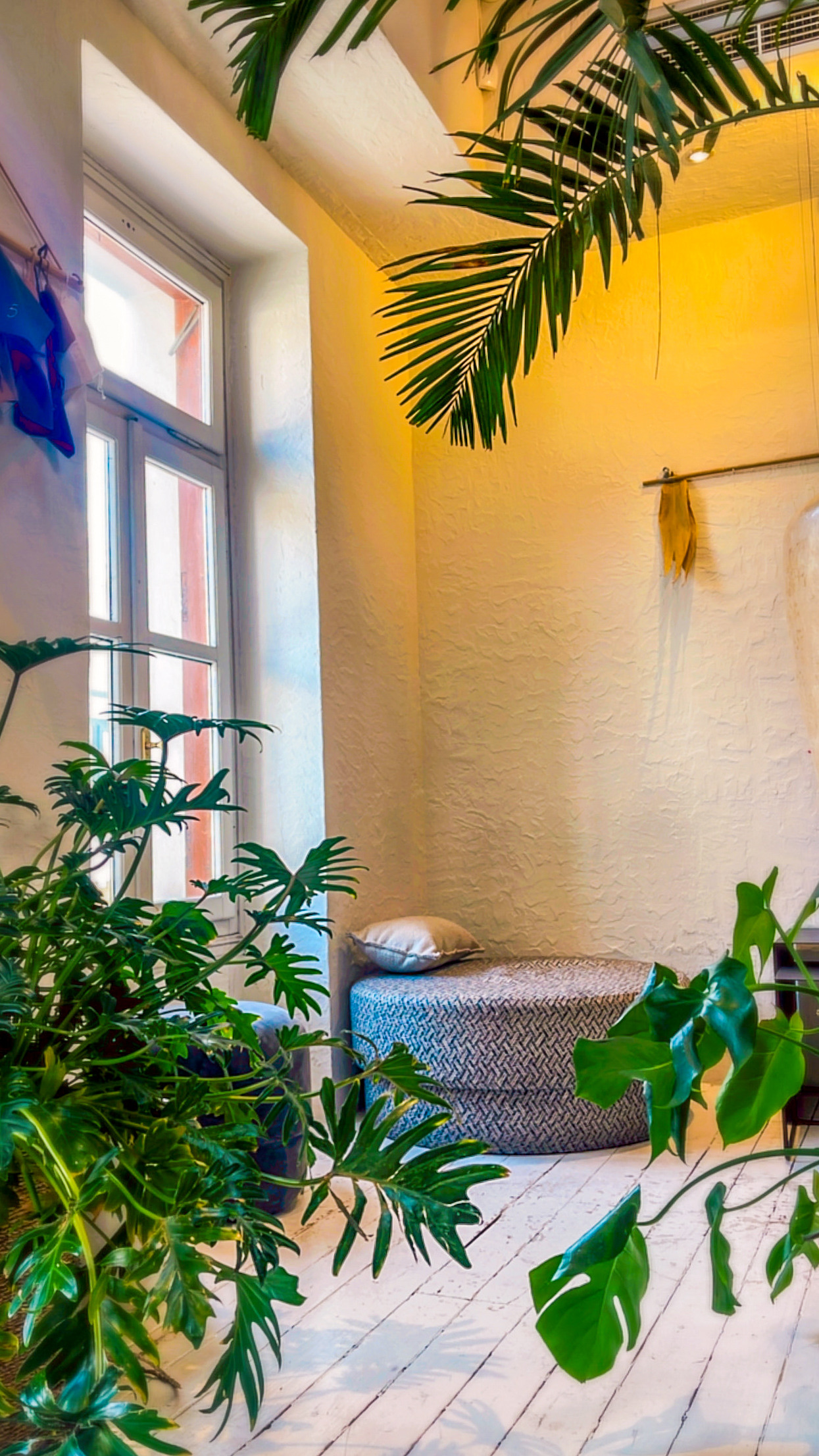
Minu (Psyrri): This is a "plant shop meets cafe." You sit among tropical greenery in a beautifully restored neoclassical building. In the winter, the contrast between the gray streets outside and the lush jungle inside is amazing.
-
WHENsday Workshop - Restless & Exhausted: Why ‘Doing It All’ Isn’t a Superpower
On Wednesday January 28 at 5:30 PM, you're invited to a WHENsday Workshop, part of the signature event series at the WHEN Hub designed to offer a mid-week pause for inspiration and growth.
This special event is inspired and co-created by XpatAthens, Motherhood Guide, and WHEN Hub! It is a casual workshop and conversation in a warm space so we can explore...
Restless & Exhausted: Why ‘Doing It All’ Isn’t a Superpower
For the single mom who hesitates to ask for help.
And for every woman who quietly wears the “I can do it all” medal as proof of strength, while often feeling taken for granted, overworked, and even lonely.
Join us on Wednesday January 28 at 6:00 PM at WHEN Hub and be part of the conversation.
Please CLICK HERE to RSVP your free attnedance!
About Zaneta Intaite Founder of MotherhoodGuide.com
Twice an expat, and mother of a med student, 42-year-old Zaneta has lived in Lithuania, Malta, and now the beautiful Peloponnese, Greece.
Zaneta knows firsthand what it’s like to feel completely alone as a parent, moving countries twice, experiencing “depleted mom syndrome,” pursuing a career as a woman, rearranging life as an empty nester and mother of an adult, and even falling face down as a fresh skateboarder.
Grounded in science, psychology, and modern motherhood practices, Žaneta believes real growth comes from learning, trying, failing, learning more, and eventually getting it right.
She encourages women to challenge outdated narratives, support each other more, stop chasing a perfect balance, and focus on where they are truly needed today.
Sea Garden at EMST

Days & Hours: Tuesday - Wednesday & Friday - Sunday 11 am – 7 pm, Thursday 11 am - 10 pm
Louis C.K. – The Ridiculous Tour

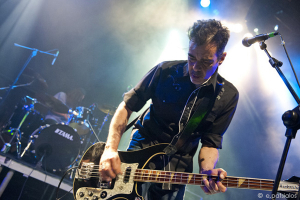
The Dream Syndicate Live in Athens
-
First, a best-of set, featuring their iconic tracks from The Days of Wine and Roses to their most recent work.
-
Then, for the first time ever live, the band will perform their seminal 1984 album “Medicine Show” in its entirety.
The Athens show features the band’s classic lineup:
-
Steve Wynn – vocals, guitar
-
Dennis Duck – drums
-
Mark Walton – bass
-
Jason Victor – guitar
-
Chris Cacavas – keyboards (Green on Red)
Between Greece & The Diaspora: The Mission Of Daughters Of Penelope Hesperus 359
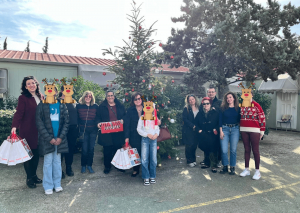
Together, Anna and Eva represent the heart of Hesperus 359, a chapter rooted in love, philanthropy, and the desire to give back. Their story is one of continuity and connection, bridging Greece and the diaspora, tradition and modern life, and reminding us that service has the power to unite cultures and generations alike.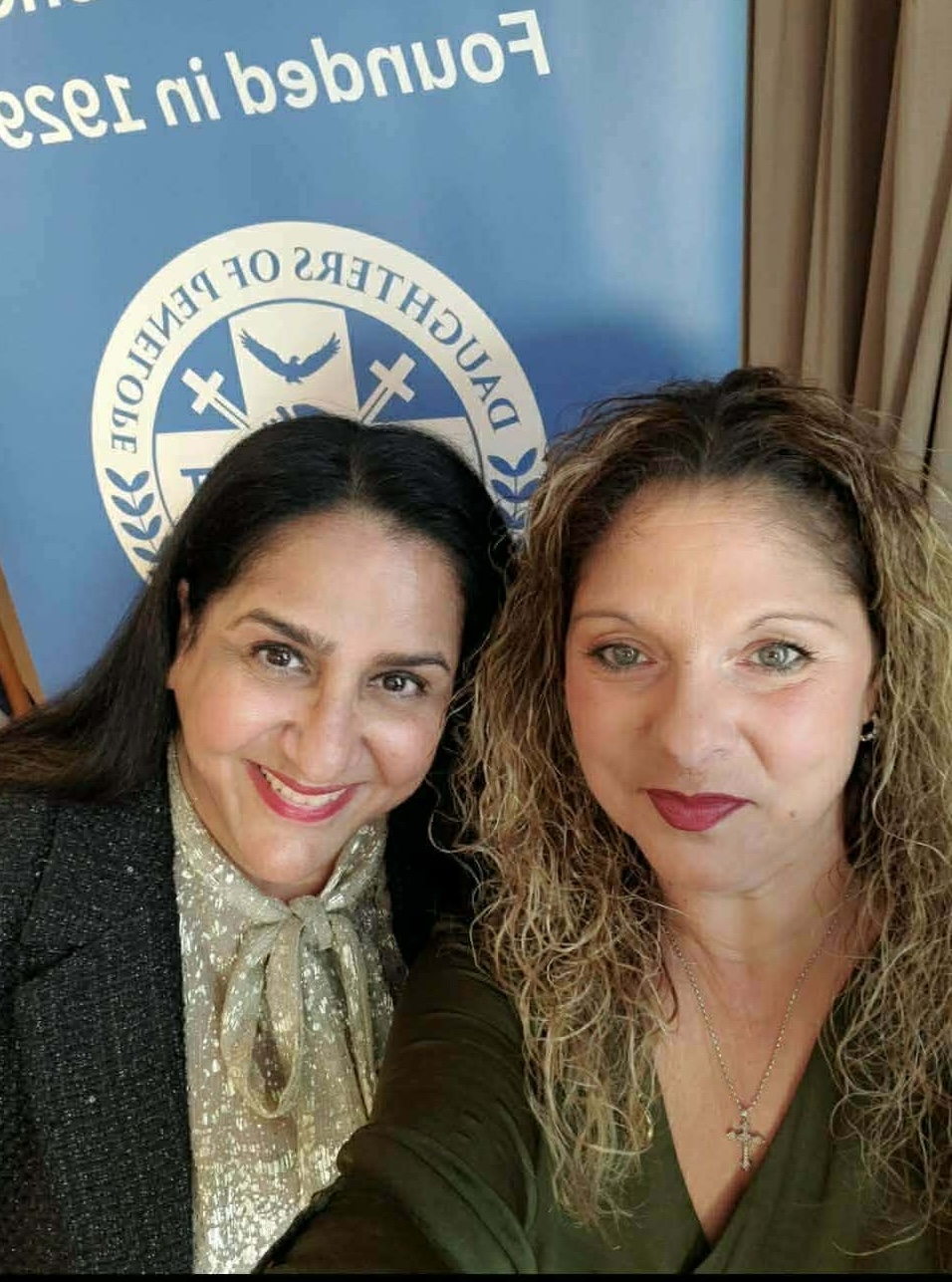
Anna & Eva
For those who may not be familiar, could you briefly explain what the Daughters of Penelope do and what Hesperus in particular does?
Anna:
The Daughters of Penelope is a fraternal philanthropic organization within the AHEPA family and is the largest women’s organization of its kind in the world. Our mission focuses on philanthropy, education, Hellenism, cultural identity, civic responsibility, and women’s empowerment. We engage in both fundraising and hands-on service, supporting children, families, educational programs, health initiatives, and vulnerable communities in Greece and across the diaspora.
Hesperus 359 is unique because we are based in Greece while maintaining strong ties with the Greek Diaspora. Our members come from diverse professional, cultural, and international backgrounds, and we collaborate closely with local institutions and organizations. We are especially proud that our chapter has been officially recognized by both the Hellenic government and the U.S. Embassy in Greece for our philanthropic and community work, an acknowledgment that validates the impact of our mission and reinforces our commitment to serve with integrity.
Eva:
Our main philanthropic activities include supporting the Unborn Child Center, scholarships, and fundraising for the Maids of Athena Fund, as well as contributions to the LAM Foundation in the U.S. We assist unwed mothers and victims of domestic violence, support Agia Sophia Children’s Hospital and Evangelismos Hospital, and provide aid to fire victims in Laconia and Ilia and flood victims in Kineta and Karditsa. We also support children with special needs, the Multiple Sclerosis Association, the Penelopio Foundation, and provide pharmaceuticals to SOS Children’s Villages.
Additionally, we annually support scholarships at the American Farm School and donate heating fuel, clothing, tablets, school supplies, and treats to the Hatzikyriakeio Foundation. We provide clothing donations to St. Varvara Church and the Center of Love in Elefsina, assist the nonprofit SYMMERIZOMAI, and support the special Youth Detention Facility of Avlona.
We also provide meals for senior citizens, including full Easter meals at St. Therapon Senior Citizens Hall and food donations to the Saint Apostol’s Senior Citizens Home in Tzitzifies and St. Spyridon Food Bank in Pagkrati. We purchase and donate books at Book Garden Bookstore in Koukaki, with proceeds supporting organizations in Athens that help abused women. Following our collaboration with Alexis Kliropoulos’ volunteer blood donation team, we also donated food to the Philoptochos of St. Nicholas Flarios in Kalamata, feeding 120 families.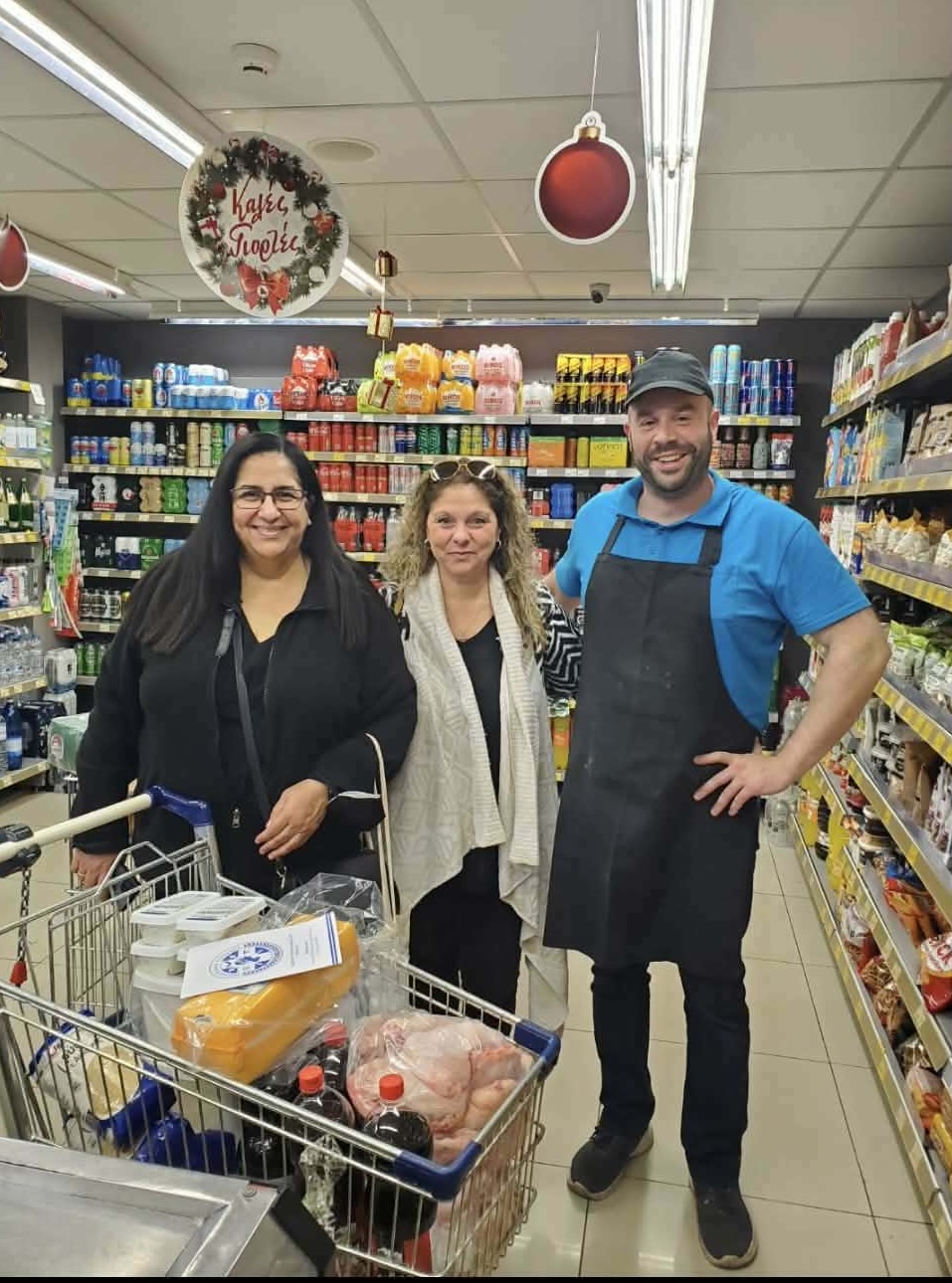
Our donations to the Seniors Homes & Food Banks
How do you choose which causes to support, and what criteria guide your choice?
Anna:
The first criterion is legality. Unfortunately, there are organizations and individuals who try to take advantage of people’s kindness. One of the strengths of our chapter —and the organization as a whole— is that we donate goods, not money. This helps ensure transparency.
If an organization refuses to accept goods, it’s usually a red flag, and we don’t continue supporting them. On the other hand, when organizations are transparent and accountable, everything runs smoothly. For instance, one year Hatzikyriakeio needed gas for heating; they sent us the bill, and we covered the expense. That’s exactly the kind of partnership we value: clear, responsible, and trustworthy.
We also stay closely involved: we visit, monitor, and ask for legal documentation and paperwork.
Eva:
All decisions are made by the board. We always hold board meetings; it’s never just two people deciding where donations go. It’s all about teamwork and careful oversight.
In what ways do you think that Hesperus embodies the ideals of the daughters of Penelope, but also addresses unique Greek needs?
Anna:
One of the key things about Hesperus is that the only official requirement is that members be women of the Christian faith who believe in God and uphold the ideals of Hellenism, education, philanthropy, family, and civic responsibility. What makes our chapter unique, though, is that it was the first Greek-American chapter, established 44 years ago by Greek-American women. This is particularly meaningful for many expats who come to Greece and they are looking for a sense of family and belonging.
When I first moved here, I struggled to adjust to Greek society. Living here is very different from visiting on vacation. In the U.S., I felt fully Greek, but here I was the “amerikanaki”. In searching for a community, I initially joined the American Women’s Organization of Greece, and I discovered that most of their members were also part of Hesperus. That’s how I found both friendship and a sense of home. Hesperus connects the Greek-American community while honoring Greek traditions, and that balance is what sets us apart.
Eva:
I had a similar experience when I moved here. As a young person, I faced challenges with a new language, culture, and daily life. While I was fortunate not to experience bullying and had many good times meeting new people, I wanted to join an organization that connected both my Greek and American roots. My parents were very involved in nonprofit work in the U.S., and that inspired me to find a community that bridged both cultures.
Anna:
Living in Greece as an expat comes with its difficulties. You can’t expect it to be the United States. You have to embrace Greek reality as it is. Many expats reach out to me, frustrated with the adjustment, and my advice is always: “If you can’t beat them, join them.” Once I embraced that mindset, my life here became much easier.
Hesperus embodies the ideals of the Daughters of Penelope by fostering philanthropy, education, Hellenism, and community, while also addressing the unique needs of Greeks abroad. For example, last year at the European Daughters of Penelope Conference in Stuttgart, we attended a celebration for the Greek Language Day. Greek schools from a 100 km radius participated with songs, dances, and cultural performances. Listening to the children there, I was reminded of growing up in the U.S. and realized the profound impact of nurturing Greek pride across generations. Hesperus plays a similar role in helping expats and locals alike feel connected to their heritage, ensuring that the spirit of Greece thrives far beyond its borders.
What’s the story behind the “Daughters of Penelope” and “Hesperus” names, and what do they symbolize for your chapter?
Eva:
Both names are deeply symbolic. The “Daughters of Penelope” refers to the mythological figure Penelope, wife of Odysseus. She embodies loyalty, patience, and devotion to home and family, waiting faithfully for Odysseus’s return These virtues, loyalty, commitment to family, and devotion to one’s roots, reflect the core principles of the Daughters of Penelope: dedication to Hellenism, family, community, and the wider world.
“Hesperus” is the ancient Greek name for the planet Venus when it appears in the evening sky. It symbolizes light shining in darkness, guidance, and beauty. In mythology, Hesperus is also the god/spirit of the west or the ‘evening,’ linked to the Hesperides, the nymphs who guarded the golden apples, symbols of harmony and virtue. Because the evening star consistently returns at sunset, Hesperus became a symbol of hope, guidance, calm, and reflection.
Our chapter was named Hesperus to convey this symbolism: a guiding light for women and the community, connecting us to Greek heritage, embodying harmony and virtue, and emphasizing in Hellenism, hope and continuity.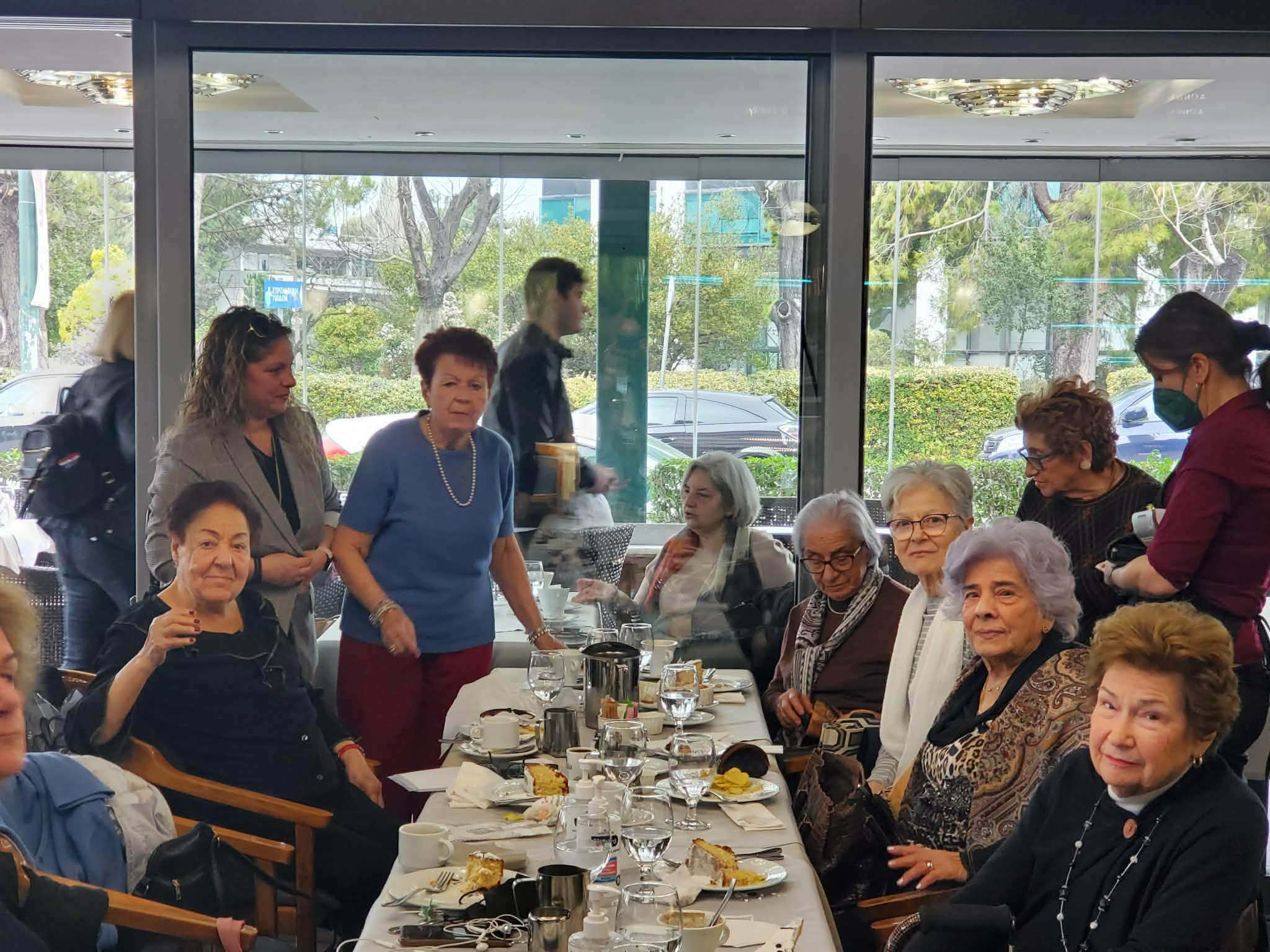
Hesperus 359’s Senior Members
What is your vision for Hesperus?
Anna:
Our vision is to expand our outreach, strengthen our collaborations with trusted institutions, engage younger women and professionals, and develop sustainable programs that will continue benefiting the community long after my presidency ends. That’s key: organizations can’t thrive without new energy and fresh ideas. We need young blood to carry the mission forward, and that’s exactly what we’re focused on: attracting young professional women who share our vision and can take the organization into the future.
We were thrilled at our last Thanksgiving event to see so many young participants. Other chapters also brought their younger members, and it was inspiring.
Eva:
Absolutely, young people are our future.
Can you share a moment or story when you directly saw the impact your contributions had?
Anna:
There have been many touching moments, but this one is etched in my heart. During a visit to a foundation we support, a little girl — no more than seven years old — came up to me and pointed to the bags we were carrying. She quietly asked what was inside. I told her they were clothes. She paused, looked up at me, and then asked, almost in a whisper, “Are they new?” When I said yes, she didn’t say another word — she simply hugged me tightly and held on. That hug said everything. In that moment, I realized how something we may take for granted can mean the world to a child, and why this work truly matters.
Another memory is from before COVID. I would visit a Senior’s home regularly, spending a couple of hours a month helping out, keeping company, making coffee, playing cards, and singing with the elderly residents. One elderly man in particular loved having me there to play cards with him. On one visit, he mentioned that he missed trachana, so I got in touch with my aunt in the village who sent some, and we organized a little “trachana party” with the residents. Seeing their joy in these simple moments was incredibly rewarding.
Another story I’ll never forget comes from our former president, who was also my mentor. She shared how the chapter had supported a woman during her pregnancy, providing clothes, guidance, and care. That woman was able to get off the streets, finish high school, and eventually become a professional. Hearing that story and seeing the long-term impact of our support was profoundly moving.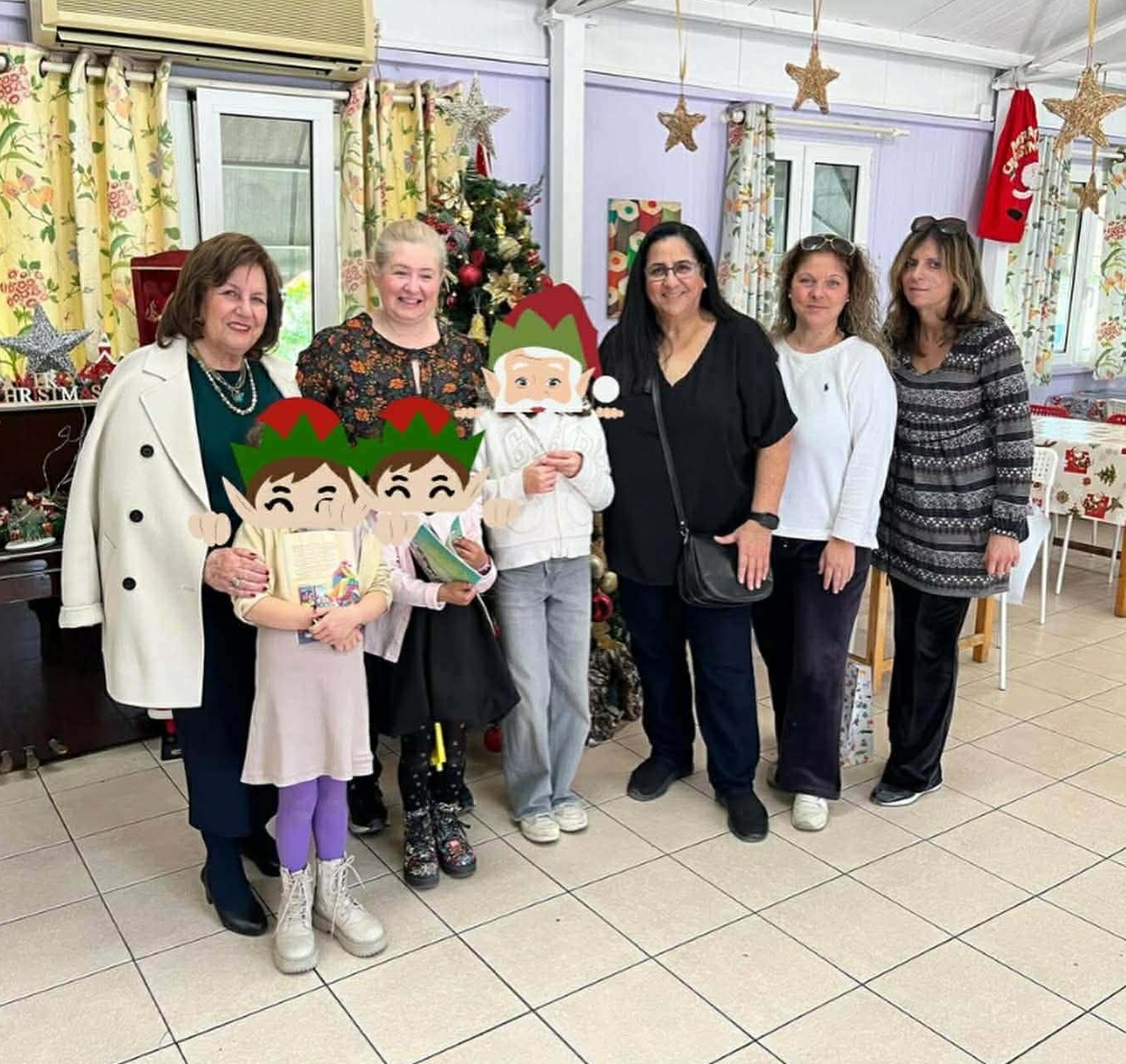
How can someone get involved, and what do you think inspires women to join your chapter today?
Eva:
Women who join Hesperus have the opportunity to meet new people and get involved in the community. It’s a chance to connect with others beyond their usual circles and activities.
Anna:
Exactly. At its core, we are a community, a family. If someone is looking for friendship, support, and a sense of belonging, they will find it here. Anyone can attend our events, volunteer with us, or explore membership in the chapter. Being involved in our activities is one of the most meaningful ways to feel connected and truly at home in a new country.
Looking toward the future, what are the chapter’s most important goals for the next few years?
Anna:
Our top priority is bringing in younger members, the “new blood.” That’s essential for the chapter’s continuity. For example, over the past few years, I’ve had to travel back and forth due to my mother’s health issues. When I’m away, the chapter struggles to coordinate activities, and while Eva does an excellent job, she can’t do it alone. We need passionate, committed members who are ready to step in and carry the work forward. An organization like ours can’t simply pause: it’s vital to ensure that our mission continues no matter what challenges arise.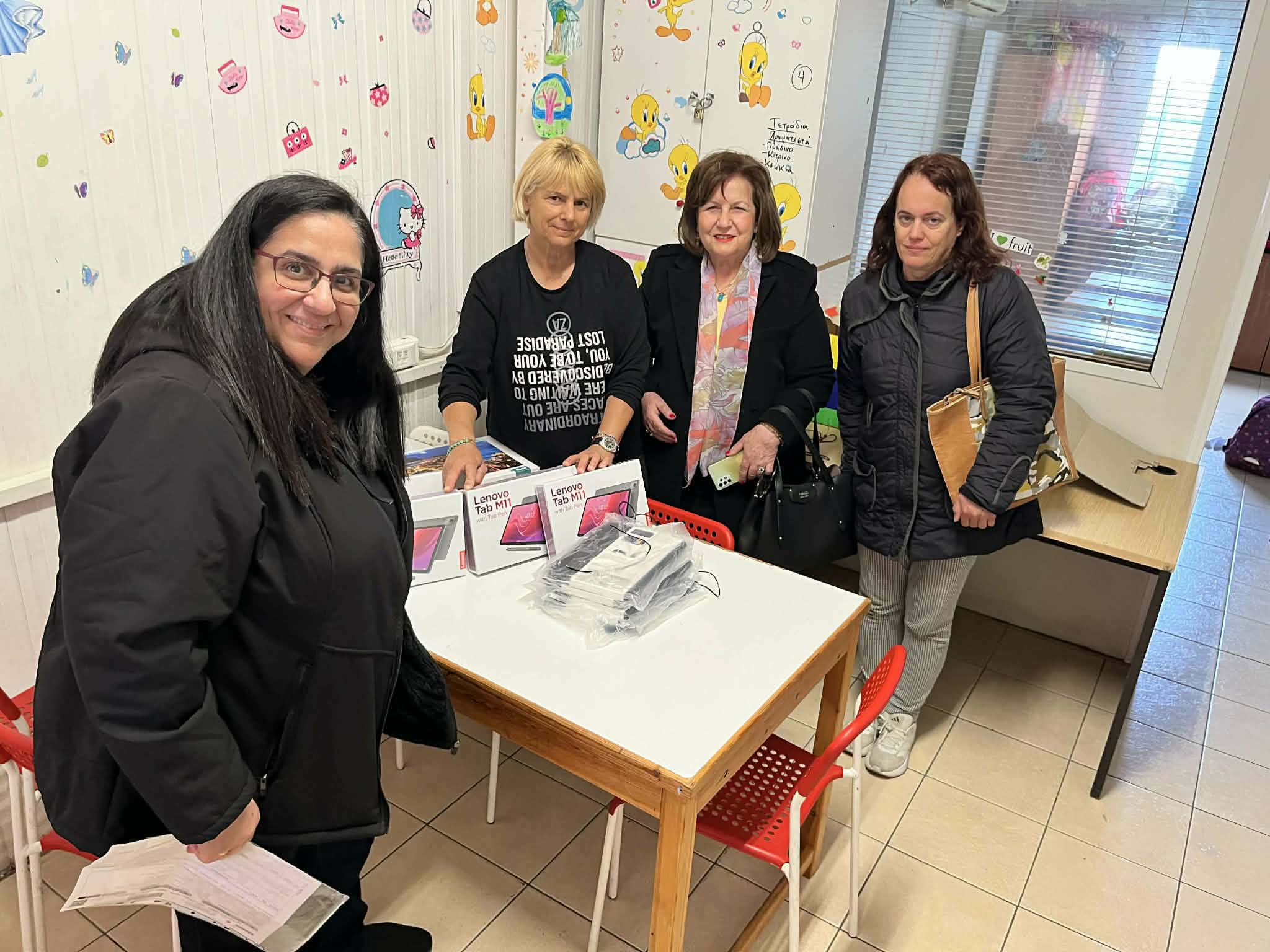
At the Chatzikiriakio donation of clothing and tablets in 2025
What do you want the legacy of Hesperus to be in Greece?
Eva:
That everything we do comes from the heart.
Anna:
Exactly. Without asking for anything in return. We don’t go chasing money or donations, we give everything from the heart. That’s our legacy.
And if you could send a message to the original members from 1981, what would you tell them about how far their vision has come?
Eva:
A big thank you and a promise that we will do our very best to make you proud. It is truly an honor to serve an organization whose founding members were strong, visionary women, driven solely by their love and care for their fellow human beings. Your vision not only endured, it continues to inspire us every single day.
Anna’s Final Message:
At the heart of everything we do is one simple belief: service unites people beyond borders, cultures, and backgrounds. Through the Daughters of Penelope Hesperus 359, and as part of the greater AHEPA family, we are honored to serve Greece with love, respect, and purpose.
I am deeply grateful to work alongside dedicated women who lead with integrity, compassion, and strength. To everyone reading this, I encourage you to get involved in your community in any way you can. When we give with our hearts, we don’t just change lives, we also change ourselves. Together, we are building bridges of service, hope, and unity, one act of kindness at a time.
This conversation was deeply inspiring and eye-opening, offering a meaningful glimpse into the impactful work Anna, Eva, and the members of Hesperus 359 carry out with such dedication and heart. Their commitment to service, community, and cultural connection is a powerful reminder that giving back doesn’t always begin with donations.
We invite everyone to consider getting involved through volunteering, offering time, skills, or simply compassion. The work of Hesperus proves that meaningful change is built through human connection, consistency, and care. We are grateful for the opportunity to share their story and to shine a light on the remarkable difference they make!
Apartment In Central Athens Next to National Archaeological Museum
- Floor: 4th floor
- Adress: Marni 8
- Size: 51 m²
- Bedroom: Featuring a comfortable double bed and a wardrobe
- Entrance: Spacious hallway / foyer
- Bathroom: Newly renovated with shower and WC
- Living Area: Bright open-plan kitchen and living room
- Kitchen: Fully equipped with all necessary appliances and utensils
- Living Room: Includes a dining table and a sofa (sofa bed for extra guests)
- Outdoor Space: Private balcony
- Availability: Mid-term rental (1 to 6 months)
- Monthly Rent: Price available upon request (All-inclusive: Includes water, electricity, and building maintenance fees) Note: The rate is offered individually to interested renters, especially for longer stays. Please get in touch to discuss pricing.
- Internet/WLAN: Please note that there is currently no WLAN installed. If internet access is a requirement for you, I am happy to arrange an installation. In this case, the monthly rent would be adjusted accordingly to cover the costs.
-
To arrange a viewing or for further questions, please contact: Christina Kosmea/ Phone: +41 79 625 88 59
Wind Harps & Other Fake News You Probably Fell For

So, how did we all fall for this?
First, because the story cleverly blends themes we want to believe in: sustainability, innovation, art, beauty, and futuristic urban design: the perfect cocktail for virality.
Second, because it came with sleek, aesthetic, futuristic AI‑generated images making the whole thing look plausible.
But chin up! Even if musical energy‑producing harps don’t exist (yet), there are real projects that combine design and clean energy production. One of the most interesting is the Wind Tree, created by the French company New World Wind. It’s an artificial tree equipped with 36 leaf‑shaped micro‑turbines that can generate electricity even with very light winds. These elegant structures have already been installed in several French cities and on corporate campuses.
The wind‑harp story isn’t the only recent fake news making the rounds. Between rumors of exotic fish or sharks washing up on Greek shores and incredible archaeological discoveries that turn out to be recycled stories or pure inventions, Greek news cycles often get sprinkled with this kind of imaginative nonsense.
If you think fake news is a modern phenomenon, think again! Long before the internet for example, European gazettes sometimes published entirely invented stories to attract readers or serve political interests. What is new, however, is the speed and scale at which misinformation spreads today. The internet and social media give fake news instant, massive reach. Once a false story is out, it often remains more visible than its correction. And with AI becoming increasingly sophisticated, generated images look more and more convincing, making it harder to tell what’s real. You may have even seen the recent trend where two videos of the same action are shown side by side, and you must guess which one is real and which one was generated by AI. Good luck getting a perfect score!
So, how do we avoid falling for these digital illusions?
Check the source: Is it reliable? Official? Well‑known? Always cross‑check information and keep your critical thinking switched on. Plus, use fact-checking tools: In Greece, one platform is especially useful: Ellinika Hoaxes. It’s a Greek certified anti‑disinformation website, belonging to the non‑profit AMKE “Centre for Combating Disinformation,” where you will find contents verifying fake news, debunking rumors, and analyzing viral misinformation. It even monitors international discussions about fact‑checking in Greece.
So next time a too‑good‑to‑be‑true headline pops up, take a breath, check twice… and enjoy the myth only if you choose to!