

XpatAthens

XpatAthens

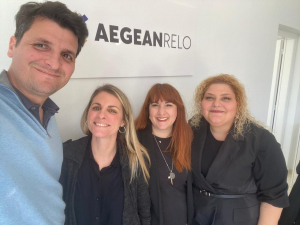
Setting up a new life in Greece is often romanticized as a sun-drenched dream, but the reality can be a complex puzzle of paperwork, real estate nuances, and cultural shifts. To pull back the curtain on how modern relocation works in 2026, we sat down with Panagiotis Raptis, CEO and co-founder of AegeanRelo, and Xenia Kostara, the firm’s Business Development Manager.

With years of deep industry experience even before the inception of AegeanRelo, Panagiotis and Xenia bring a wealth of "boots-on-the-ground" knowledge to the table. In this candid discussion, they answer everything: from the changing profiles of people moving to Greece and the hidden traps of the local property market, to the essential mindset shift required to truly call Greece "home."

What was the driving force behind founding AegeanRelo, and how do you see the company changing the "relocation narrative" in Greece for 2026?

AegeanRelo was founded on the belief that relocation should be approached as a complete, thoughtfully managed experience. Moving to a new country is a meaningful life transition, and we felt it deserved a level of care, structure, and attention that reflects that. Interestingly, the name itself was born out of discussions held right in the middle of the Aegean Sea. The symbolism of that setting really encapsulated the international yet deeply Greek spirit we wanted to project. We wanted a name that was euphoric and international, but not tacky. 

Looking ahead to 2026, our ambition is to contribute to a more refined, flexible relocation experience. We are moving away from the "one-size-fits-all" model. We handle every move separately and personally, offering a full suite of services from the initial consultation to handling customs, banks, schools, and legal contracts. We want the narrative to shift from "surviving the move" to "thriving from day one."

You describe your service as a "boutique" experience. How does that personalized approach differ from the large, corporate moving giants?

“Boutique” for us means high-touch, highly tailored service. We adapt everything to the individual: lifestyle, preferences, and even personality. A major differentiating factor for us is our "do it all" mindset. We’ve had cases where we added entirely new services on the spot just to solve a client's unique challenge, even if it was something we had never done before.

While we have a massive network of partners, including top-tier real estate agents and lawyers, we take full responsibility for the organization. The client doesn't get passed between departments; they have one point of contact who ensures the move is seamless, whether they are moving into a penthouse in Athens or a remote island in the Pacific.

We all hear stories about the "labyrinth" of Greek paperwork. What is the single biggest misconception expats have about the administrative side of moving to Greece?

The biggest misconception is that the system is purely chaotic and impossible to navigate. In reality, you just need to understand how processes work and who to speak to. We provide a vital "reality check." Many people see the "postcard" version of Greece and assume life is always like a holiday.

We’ve seen cases where people move to a beautiful island and realize they can't handle the lack of infrastructure or the isolation of winter because they are used to city life. Our job is to manage those expectations early through consultation, explaining that while the day-to-day is different from the vacation version, it’s perfectly manageable with the right guidance.

With the Greek real estate market becoming increasingly competitive, how does your Home Search service give your clients an edge?

The biggest advantage we offer is structure. In Greece, properties are spread across fragmented platforms and informal networks. We use a dedicated platform that allows clients to see exactly how a potential home relates to their daily life, like calculating distances to their office, specific international schools, or local amenities.

We also provide a necessary cultural filter. For example, a client might want a 4-bedroom house in Piraeus, and we have to explain the architectural reality: those types of properties are rare there. We guide them toward areas like Chalandri, Marousi, the Northern or Southern Suburbs, or specific pockets of the Center, explaining that unlike other European cities, the "best" residential options in Athens aren't always in the literal city center. We ensure they aren't "fooled" by listings and that every contract is vetted and fair.

What does the "end-to-end" process actually look like for an AegeanRelo client?

It’s a multi-stage journey. It starts with the consultation, clearing the air about what is realistic. Then we move to the search and legal vetting, making sure there is no "trash" (legal or physical) left in the house. We handle the check-in, ensuring everything is as promised.

Crucially, we handle the Moving aspect ourselves, which many agencies don't. We manage the packing and transport of the entire household from the country of origin to the final destination. And when the time comes for them to leave, we handle the check-out and relocation to their next destination. We even manage short stays for those who aren't ready to commit to a long-term lease yet.

How has the profile of the "typical" expat changed, and how are you adapting?

We’ve seen a shift toward three distinct groups: retirees looking for island life, digital nomads designing their own lifestyles, and corporate professionals moving to big cities like Athens, Thessaloniki, or Cretan cities. Many of our clients are sent by international corporations, so they start with a global agency and then transition to us as their local experts. We’ve expanded our services to include co-working integration and community-building to help these location-independent professionals thrive socially, not just logistically.

Can you tell us about the symbolism behind your logo and branding?

Everything about the brand is intentional. The logo features three waves, representing our three founding shareholders, Panagiotis Raptis, Ebru Demirel and Lorenz Amiet. The color palette uses the deep blue of the Greek sea, a lighter sky blue, and a touch of gold to represent the premium, high-end nature of our services. Together, the colors look like the sky and the sea meeting the shore; it’s meant to be an invitation to the Greek lifestyle.

Can you share a story of a particularly challenging move?

We once handled a move from Athens to a remote island in the Pacific! It involved incredible logistics: ferry delays, weather disruptions, and multiple transfers of high-value items. It’s the perfect example of our "from anywhere to anywhere" philosophy. We created a detailed inventory plan and stayed in constant communication. No matter how remote the location, we make it happen.

How do you help high-paced professionals from big cities adjust to the Mediterranean rhythm of life?

It starts with the advice to slow down. Whether you are at the supermarket, dealing with an electrician, or waiting for your internet to be connected, it’s going to happen at a different pace. We help clients reframe this as a gain in quality of life. In Greece, relationships matter more than speed. If you try to fight the rhythm, you’ll be stressed; if you embrace it, you’ll belong.

If a client landed in Athens tomorrow, what is the one "insider" piece of advice you’d give them?

Take your time at a café, engage with people, and don’t rush. But, on a very practical note: watch out at the pedestrian crossings! The rules of the road (and the crossroads) aren't always what you're used to in Northern Europe or the States; pedestrians don't always have the right of way, so stay alert!

Our goal is for every client to eventually reach that state of being where they can say they are truly "networked" into the culture. As we say, we want to help you connect, thrive, and make Greece your own.

We would like to thank Panagiotis and Xenia for sharing their time and their expertise with us. Their passion for making Greece accessible and welcoming to the world is what sets AegeanRelo apart in a crowded industry.


Ready to start your Greek chapter?
If you want to explore how AegeanRelo can streamline your move click here to explore their full range of services!


Wednesday, 18 February 2015 12:46

5 Greek Islands You Need To See

You’d be forgiven for thinking the Greek islands were invented for tourists. Though tranquil, idyllic and remarkably quaint, it was only relatively recently that places such as Mykonos, Santorini and Corfu became destinations for everyone from celebrities to honeymooners. Even mainland Greeks did not vacation in the islands until a few decades ago.


Now the islands have become some of the world’s most recognizable tourist destinations. Most visitors flock to the same handful of places every year but there are hundreds of islands to choose from, many of which have maintained their village life. Here are five off the well-worn tourist track...

Folegandros
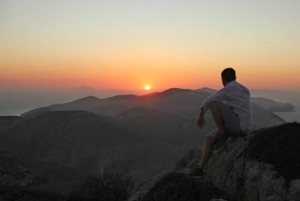
When an Athens travel agent told me to visit Folegandros I was skeptical. It was late July and boats to other islands were sold out. I hadn’t heard of Folegandros and had to be shown it on a map but I booked anyway. It turns out that was the best decision I’d make that summer. Folegandros is a hidden gem in the Aegean, with a cliff-hanging whitewashed village (known locally as hora), rugged but stunning landscapes and beaches hugging the side of high promontories. Visitors are mainly Greek with a smattering of French and Italians. The sleepy town wakes up in the night with tables spilling into the cobblestone streets filled with multilingual diners. Breakfast or dinner in the courtyard of Mimi’s restaurant is almost surreal in its charm.

Patmos

In 2009, Forbes magazine proclaimed Patmos the most idyllic place to live in Europe. It’s hard not to see why. The island coastline rolls and swirls forming bays and inlets with crystal blue water. Patmos is dominated by the imposing Monastery of St. John the Theologian under which is the cave where John wrote Revelations. The spiritual island has numerous beaches and a surprisingly vibrant nightlife for a place where monks make up a good portion of the population. George’s Place at Kambos beach is a good spot to get a drink while soaking up the sun. A visit to the three historic windmills, recently restored by a Swiss banker who vacations on the island, is a must.

Anafi

Anafi is stunning, but chances are you’ll overlook it once you realize how time consuming it is to reach. There’s no airport and it’s a 10-hour ferry ride from Athens . The population? Less than 300. Those who make the journey are rewarded with the island’s remoteness, serene beaches and its enchanting white cubist village that tumbles down from the mountains. The footpaths around the island linking the various settlements make it a perfect place to hike during the early morning or at dusk when the sun is not so strong. Take a tour through the island’s history on a hike from the hora (main town) to the 8th century BC ruins of Kastelli to the monastery Panagia Kalamiotissa built on Apollo’s temple. It also offers gorgeous views of the coast.

Samos

Popular with northern Europeans, Samos is one of Greece’s greenest islands known for its Muscat wines. Samians are undeniably proud of the their export and never forget to insist that it’s not just for drinking with dessert. Vineyards roll up and down the hillsides of Samos right down to the sea and can be visited on an informal basis. The Viticultural Union of Samos’ museum is a great place to taste the wines and learn more about the island. Samos is large and meant to be explored by car, which are easy to rent here. Stay in the picturesque port of Pythagorio with its shiny cobblestone streets and bustling, popular waterfront. The fish restaurants on the far left of the port are the best. The capital Vathy is mostly devoid of tourists but worth exploring on a Friday night when locals dine and stroll along the harbour where working fishermen (and women) tend to their vessels and string nets.

Samothraki

Steeped in mystery and lore, Samothraki is one of Greece’s most magical islands. With no natural harbour and no airport, it is mostly visited by northern Greeks – and, according to legend, witches. Rumour has it that the island is frequented by sorcerers and other practitioners of the dark arts, due to its ancient reputation for pre-Hellenic cults and its more mysterious atmosphere compared to the white-washed, austere islands in the southern Aegean. Whether that’s true, the island, once described as “taciturn” by author Lawrence Durrell, is lush and mountainous with hidden waterfalls and tropical vegetation. Towering Mount Fengari hovers like a dark cloud over the north Aegean from the Greek mainland and offers impressive views – if you’re up for a hike. The island is also home to the Sanctuary of the Great Gods, a pre-Hellenic and Hellenic historical site where the famous Winged Victory of Samothrace statue, now in the Louvre, once stood.

To read more, please visit The Globe and Mail

By Alexander Besant


Thursday, 19 February 2015 14:04

Greek Prime Minister Not Backing Down

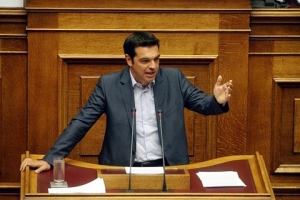
With a difficult week looming for Greece and amid rising pressure from creditors, Prime Minister Alexis Tsipras on Sunday presented his government’s policy program in Parliament, pledging to implement pre-election promises to revoke austerity measures, though not all at once.

“We only have one commitment – to serve the interests of the people, the good of society,” he said, adding that it was the “irrevocable decision” of his government to implement campaign promises “in their entirety.”

The premier said the government would not seek an extension to Greece’s bailout, noting that it would be an “extension of mistakes and disaster,” and reiterated Greek demands for a “bridge” deal to be put in place until a “mutually acceptable agreement” is reached with creditors. “We do not intend to threaten stability in Europe,” he said, adding, however, that he would not “negotiate” the country’s sovereignty.

Tsipras said his government needs “fiscal space” for a discussion on restructuring Greece’s debt and a new deal, adding that increasing austerity would only exacerbate the problem.

He pledged to replace a unified property tax (ENFIA) with a new tax on large property and to increase the tax-free income threshold to 12,000 euros from 5,000 euros. He also vowed to introduce a fair tax system and crack down on tax evasion and corruption. Collective wage bargaining will be restored, Tsipras said, adding that the minimum wage will return to 751 euros a month from 586 euros, though gradually from now until 2016.

Greek authorities would also reinstate at the end of the year the so-called 13th pension for retirees earning less than 700 euros a month, Tsipras said.

A chief priority remains tackling the “humanitarian crisis,” he said, pledging free electricity and food to households that have fallen victim to the “barbarous measures” of recent years. In the civil service, immediate rehirings will include dismissed Finance Ministry cleaners, school guards and university administrative staff, he said, noting that this would not burden the budget and will come from planned hirings for 2015.

The premier also pledged to reopen ERT, the state broadcaster that was abruptly shut down in June 2013 by the former government, and to launch a parliamentary investigation to determine how Greece entered the memorandum. On privatizations, he said the government welcomed private investment but rejected a “selloff,” adding that utilities would not be up for sale. In a dig at Germany, he said it was a “historic duty” for Greece to seek war reparations and the return of a forced loan during WWII.

To read more, please visit ekathimerini.com

Monday, 06 March 2017 07:00

The Amazing Whistle Language Of Greece

What if there was a language that only uses whistling for communication and conversation and no words? There is such a language and it exists in Greece.

It is not just about plain whistling sounds or signals, but an actual conversational whistle language!

Sometimes, by meeting people out of the blue and talking to them, you may discover amazing secret hidden gems of culture. When Greek Adventure travelled to South Evia they discovered this Greek secret.

The village this secret is hidden in is called Andia and is located at South Evia, near Cape Cavo D’ Oro. Apparently there is a whistle language used, which has a label by itself. It is called 'Sfyria.' The reason this was born? The locals say they wanted to use a way to communicate across the countryside from long distances. Others claim that it was used to alert people about incoming bandits. Sound travels fast, especially in the wilderness and tops of Greek mountains, so a whole whistle conversational language was born.

The existence of the whistling language of Andia was discovered after an airplane accident happened in the area in 1979. The pilot was missing and search parties went to the area. There, the locals offered their help and they used the 'Sfyria' whistling to communicate across the mountains. No mobiles in 1979!

To read this article in full, please visit: A Greek Adventure
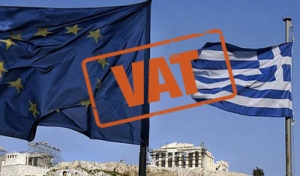
Greek islands with tourism growth and high per capita income will as of October 1 see a 30 percent value-added tax (VAT) hike on all their goods and services, doing away with a special reduced tax rate which was applicable until now.

According to the new law, the islands will be divided into categories depending on per capita income and tourism development and taxed accordingly. A reduced VAT rate will continue to apply on remote islands while those with limited tourism will see the tax hikes take effect on June 1, 2016.

The popular Cyclades including Mykonos, Santorini, Paros, Naxos, Milos, Syros and Tinos, as well as the Sporades isles such as Skopelos are expected to be the first to bear the brunt of the new taxing regime.

To read more, please visit: Greek Travel Pages
Thursday, 26 November 2015 07:00

Researchers Discover Lost Ancient Greek Island
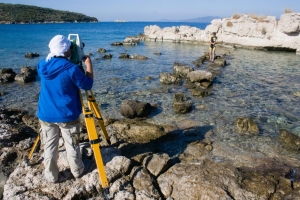
The location of a crushing defeat of Sparta by Athens, the ancient city of Kane is mentioned countless times in ancient Greek literature by writers such as Herodotus and Sappho. Yet the exact position of the island on which the city sat has long puzzled archeologists. It now seems, however, that what is a modern-day peninsula jutting out from the Turkish coast used to be isolated from the mainland by sea, forming the fabled lost island.

A team of researchers, led by the German Archaeological Institute, drilled into the ground of the peninsula to examine the rock that formed it. They found that it was made up of loose soil and sediment, which they think was deposited at some point before the Middle Ages, joining the island to the mainland. This theory was corroborated by the discovery of the remains of a submerged ancient harbor, as well as the earlier findings of pottery fragments, which suggested that the region used to form part of an important trade route.

The island was one of three, called the Arginusae, of which two are still separated from the mainland.  It was where the third one had gone that had puzzled the researchers.  They now think that perhaps run off from the agricultural fields on the mainland, or even potenitally an earthquake could have caused the narrow channel, which is a few hundred meters wide, to fill up with soul and sediment, forming the split of land.

To read more, please visit: I Love Science
Thursday, 08 September 2016 07:00

Greece Voted Best Country In The World
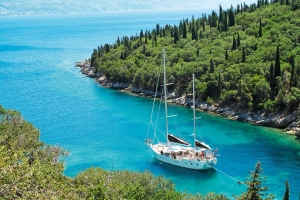
In a recent poll for the Condé Nast Readers' Travel Awards, Greece was voted the best country in the world! With excellent food, stunning beaches, and amazing hospitality, it’s no wonder that Greece came in at #1!

The Readers' Travel Awards celebrates the best of the best in travel, as voted for by people who love to travel: the readers of Condé Nast Traveller.

To see more of the ‘best of the best’ in travel, please visit: CN Traveller
Tuesday, 07 February 2017 07:00

Brewklyn Beer Bar In Glyfada

Jessica from Athens Coast explores Glyfada and shares a favorite new bar in the area called Brewklyn. It was ‘just what Glyfada needed!’

Brewklyn has the feel of a neighborhood hang-out. It’s very easy to visit this place once and declare it ‘my new spot’.

Outside seating on the busy Giannitsopoulou Street is perfect for people watching, especially in the summer months when twilight extends past 9pm.

Once the sun goes down, the inside has an inviting, cosy feeling with dim lighting and simple decor.

They offer over 80 varieties of beer at Brewklyn. The beer lovers behind the bar are constantly bringing in new beers to try and keep things up-to-date. They pay special attention to new and up-and-coming Greek breweries and are always rooting for the ‘home team’. Brewklyn also offers a delicious selection of pizza.

Address: Giannitsopoulou 3
Telephone: 210 894 3400
Hours: Daily from 18:00 to 02:00.
Facebook Page

To read this article in full, please visit: Athens Coast
Tuesday, 23 May 2017 22:55

May 2nd - People, Places & Traditions
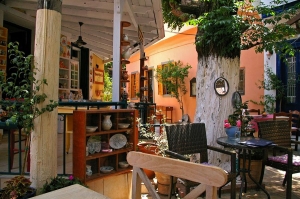
Learn how the first of May is traditionally celebrated in Greece, tips and secrets to living well and being happy. Discover a street food venture in London serving authentic Greek Souvlaki and a cafe in the heart of Plaka that was selected by Conde Nast Traveler as a world favourite!
 
Please click HERE to view this issue of our newsletter!
 
Remember to stay connected with us through our weekly newsletterFacebook, and Twitter!
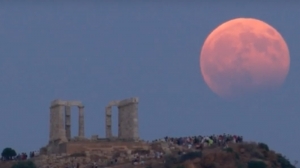
This August 2017, Greece witnessed a spectacular full moon with a partial lunar eclipse! The video below shows the moon rise over Cape Sounion in Athens where you can see the lunar eclipse and crowds enjoying the sight!
 
Page 310 of 464