XpatAthens

XpatAthens

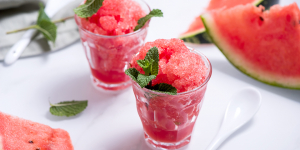
Originally from Sicily, granita is a semi-frozen dessert with crystalline texture, made from sugar, water, and various flavorings, mainly fruit juices. It's extremely popular all around Greece, especially among kids, and it's the ultimate drink to survive the Greek summer's scorching heat.


Yield:
 4-6 servings
Difficulty: Easy
Prep Time: 15 minutes
Ready in: 
6 hours

Ingredients:
  • 150 g water
  • 150 g brown sugar
  • 800 g watermelon, cleaned
  • 1 teaspoon(s) vanilla extract
  • lemon juice from 1 lemon
  • lemon zest from 1 lemon
  • sliced watermelon for decor
Preparation:
  • In a pot, add the water with the sugar and place it over medium heat for about 2 minutes.
  • As soon as it starts bubbling, let it boil for 2-3 minutes, and then remove from heat. Set the syrup aside to cool.
  • Cut the watermelon into 2-3 cm pieces and puree them along with the syrup, the vanilla extract, and the lemon zest and juice into a blender.
  • Share the mixture into ice-cube trays and freeze them for 5-6 hours.
  • When they freeze well and you are about to serve them, pour the ice cubes into the blender and puree them until they look like snow.
  • Fill the glasses and serve with watermelon slices.
To read the complete recipe and learn the nutritional information, please visit: akispetretzikis.com 
The City of Athens recently proceeded with the complete reconstruction of Athens’ largest food market, the historical “Varvakeios Market”. As the Mayor of Athens, Costas Bakogiannis, stated: “The heart of Athens is beating here, in Varvakeios; it is beating loudly and we all have great joy and enthusiasm because, today, the Market is turning the page”.

The Varvakeios Market’s history

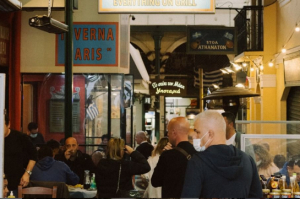
With a history of over 130 years, Varvakeios Agora is Athens’ Municipal Market located centrally on Athinas Street, which connects Monastiraki and Omonoia squares. It includes a meat market, a fish market, as well as an open-air fruit and vegetable market. The meat, poultry, and fish stalls are housed in a building that was constructed by architect and professor at the National Technical University of Athens, Ioannis Koumelis. The idea was to consolidate the shopping booths that, until then, had been scattered around the Ancient Agora. The Market was named after one of Greece’s national benefactors, Ioannis Varvakis (1745-1825). 

A foodie’s paradise

If you are a foodie looking for an authentic gastronomic experience in the heart of Athens, you will certainly love a visit to Varvakeios Market. In business nonstop since 1886 and open every day except Sunday, from early in the morning until late afternoon, the Market is a vibrant hub of authentic city life. In fact, experiencing its colors, sounds and aromas is like being catapulted into another era! The liveliest area is perhaps the fish market, where one can find around 100 professional fishmongers and get to know the “fishing geography” of the Aegean, while there are also many shops inside and around the market selling olives, herbs, spices, nuts and dried fruit, impressive varieties of Greek cheese, as well as traditional Greek sausages like soutzouki and pastourmas.

A must-meeting point for Athenians, especially on festive days of the year, the Market is literally the Grand Central Station of food, where people from all walks of life and lifestyles converge to discover the freshest and most delicious ways to satiate their hunger. Make no mistake; everyone shops here, from celebrity chefs to neighborhood grocery store owners. The Varvakeios Market is, thus, a tribute to the everyman as it knows no class divides, while it is also home to old cookhouses, such as the famed “Epirus” tavern, where one can enjoy some of the most traditional Greek dishes that are hard to find anywhere else. Whether a visitor to Athens or a local interested in culinary heritage, the Varvakeios Market is, thus, a definite place to visit!

To read this article in full, please visit: greeknewsagenda.gr


An Interview with Dr. Paul Cartledge by Dr. Richard Marranca
 
In "Alexander: the Making of a God" (now on Netflix), we get to see some discoveries from Dr. Calliope Limneos-Papapakosta's excavation at Alexandria. Would Alexander's tomb be the greatest archaeological discovery?

Yes – and No. Yes, because it’s been sought for so long, speculated over so hard, and there’s a powerful mystique surrounding royal tombs (think – the Pyramids, the tomb of the first Chinese emperor, or … the Tombs of the Macedonian royals at Aigai, on which more below …). No, because I – like most sober, non-partisan observers and analysts – believe it’s been lost forever beneath the sea-waves that have long ago submerged the entire Royal Quarter of ancient Alexandria in Egypt.

Can we get our heads around the notion that Alexander had two fathers -- dual descent?

Olympias certainly did want everyone to believe that her firstborn son’s conception had something of the divine about it – though whether she fingered Zeus or an Egyptian-Greek variant of him, Ammon, is unclear. In another sense, regardless of what tale (myth) of his conception Olympias had put about, everyone would have accepted that Alexander as son of Philip II was at least descended from, even if not actually sired by, Zeus. This was because all Macedonian royals were considered to be lineally descended from Heracles, and Heracles was – in myth – sired by the greatest Olympian divinity of them all, Zeus.

Did Alexander believe that Artemis was present at his birth?

Artemis was indeed for all Greeks a goddess of childbirth – but she had no special Macedonian, let alone royal-Macedonian connections. Alexander’s Epirote mother much preferred Dionysus - and his house speciality of fermented grape-juice and associated ecstatic orgiastic rituals - to Artemis the perpetual virgin of the wild margins.

Murder at a Wedding

Why did Alexander have a falling out with his father, Philip?

Alexander too found the volatile, controlling Philip at best difficult, at worst impossible. So great had been his own estrangement, not too long before 336, that he had even gone into more or less involuntary temporary exile abroad. The issues between them were essentially personal, questions of power rather than of foreign policy objectives on which they were basically agreed.

And do you think it likely that Alexander and Olympias had a hand in Philip's murder?

I do think it very likely that Olympias had a hand in arranging Philip’s assassination – for, had Philip not been assassinated in 336, Philip and not Alexander would have led the planned Persian expedition that made Alexander’s name. Alexander would have been left behind at the Macedonian capital, Pella, to serve as Regent, a role he had performed (and exploited for personal advantage) already when only a teenager. By 336, Olympias had long ago fallen out with and been estranged from her husband. Over her son, however, she continued to exercise a powerful both attraction and domination. (He ‘joked’ that she charged him a high rent for the nine months she’d housed him in her womb.)

Tombs

Did Olympias' tomb or the tombs of Alexander's Persian wives ever get discovered?

Alexander’s mother Olympias was buried in Pydna, northern Greece – no question: written and documentary sources are agreed. But does the Tomb of Korinos house her tomb, as has been alleged? The jury is still out on that.

Alexander’s wives: he had three, simultaneously, all of them Iranian. The graves of none of them have been located.

What is Philip II's tomb like?

Only for Philip II (assassinated at Aigai in 336 BCE) has a seriously good case been made that his actual tomb has been located. Unfortunately, dispute continues over which of the earliest two of the three tombs excavated underneath the massive Aigai tumulus was his: was it Tomb I or II? Since II is more magnificent than I, in terms of its offerings, many have wanted it to be his, but there are legitimate doubts of a both chronological and osteological nature, suggesting that it is in fact that of Philip III Arrhidaeus, Alexander’s mentally impaired half-brother: Philip III of Macedon.

That would leave Tomb I for Philip II. One of its most famous features is an interior fresco depicting the abduction of Persephone (daughter of goddess Demeter) by Hades, eponymous ruler of the subterranean kingdom of the shades. (Tomb III is agreed to be that of Alexander IV, the ill-fated posthumous son of Alexander with his first wife, Rhoxane of (central Asian) Bactria or Sogdia.)

Alexander’s Death & Body Snatching

What caused Alexander’s Death?

How – or of what – Alexander died is one of history’s great mysteries. At one level, the question is binary: was it natural causes – or murder? If the former, what disease was it exactly that did for him at the tender age of nearly 33? If the latter, who – most – wanted him dead?

My historian’s instinct suggests that it was the unexpectedness, suddenness and prematurity of Alexander’s death, added to the king’s own known fears of assassination (but by force not poison), that gave rise to conspiracy theories of suspicious death – presumably by poisoning. More likely, in my view, is that he succumbed to some disease, his bodily resistance already fatally weakened due to a combination of near-death illnesses, grave war-wounds – and excessive alcohol consumption.

How and why did Alexander’s body get snatched?

As for how his – mummified – body ended up being buried in Egypt, first in Memphis, then at last in the new Egyptian capital he had founded, Alexandria, the story’s a bit complicated. Here are the headlines. Mummified in June 323 in Babylon, the corpse was somehow preserved there in southern Iraq until 321 when it was included in a grand cortege designed to transport it back to mainland Greece, for glorious reburial in the royal graveyard at Aigai (today’s Vergina). But near Damascus the caravan was intercepted, and the corpse hijacked, on the orders of Ptolemy son of Lagos, a Macedonian with whom Alexander had grown up and been educated, and whom Alexander had promoted to the highest status possible among his intimate Companions, that of one of his seven special Bodyguards.

Pharaohs: Alexander, Ptolemy, Cleopatra

Like the other Successors, Ptolemy had huge ambitions?

Under the immediate post-mortem carve-up of Alexander’s empire, Ptolemy became viceroy (satrap) of the vital province of Egypt. But he harboured grander ambitions: to emulate Alexander as Egyptian Pharaoh, even though he hadn’t a drop of royal blood in his veins. The capture of Alexander’s corpse as a talisman in 321 – and grandiose reburial in a specially built Mausoleum at Alexandria (the clue’s in the name) - were an earnest of his future intentions, realised in 305 BCE. Whence the ‘Ptolemaic’ ‘royal’ dynasty, culminating in the reign and suicide in 30 BCE of Cleopatra VII.


Richard Marranca is an author who teaches ancient world, myth, and religion at Montclair State University. He writes for various print and digital publications, and his upcoming book, "Speaking of the Dead: Mummies & Mysteries of Egypt," will be published by Blydyn Square Books. Richard has had the honor of receiving a Fulbright to teach at LMU Munich and spent a semester in Athens during his doctoral studies at New York University. In his career, Richard has had the privilege of interviewing esteemed classicist Paul Cartledge on topics ranging from Alexander the Great to Greek philosophy.

In a significant step to boost Greece’s entrepreneurial ecosystem and attract foreign investment, Prime Minister Kyriakos Mitsotakis announced a major update to the country’s Golden Visa program at the 88th Thessaloniki International Fair. Among the 45 new measures introduced, one stands out for its potential to transform Greece’s investment landscape: a revamped Golden Visa program focused on startup investments. This new approach shifts the emphasis away from the traditional real estate-centric model, aiming to position Greece as a hub for innovation and cutting-edge ventures.

The Real Estate Golden Visa: Update Summary

Previously, the Greek Golden Visa program required a minimum investment of €250,000 in real estate. However, significant changes in 2024 have introduced a two-tiered structure:
  • €800,000 for properties in high-demand areas like Athens, Thessaloniki, Mykonos, and Santorini.
  • €400,000 for properties in other regions of Greece.
  • The €250,000 threshold remains in specific cases, such as the conversion of commercial properties or the restoration of listed buildings.
Golden Visa Through Startup Investment
  1. Minimum Investment Requirement of €250,000
    • The new startup-focused Golden Visa requires a minimum investment of €250,000, making it accessible to a wider range of investors, from venture capitalists to individual entrepreneurs eager to bring fresh ideas to the Greek market.
  2. Investment in Startups Registered in Elevate Greece
    • To qualify, investments must be directed toward startups registered with Elevate Greece, the official government platform supporting Greek startups. This ensures that funds are channeled into ventures with proven potential, aligning with national goals for innovation in technology, green energy, and health tech.
  3. Proving Financial Capability and Business Viability
    • Investors must demonstrate both their financial capability and the viability of their chosen startups. This includes providing detailed business plans, proof of available capital, and a clear path to growth, ensuring only serious and capable investors participate.
Why Focus on Startups?
  • Boosting Innovation & Economic Growth: By focusing on startups, Greece aims to foster a culture of innovation, create high-quality jobs, and attract additional investment, contributing to broader economic growth. The Golden Visa program now encourages foreign capital to flow into innovative sectors, supporting the development of high-potential startups.
  • Attracting Global Talent: This updated visa program is also designed to attract not just foreign capital but also international talent, fostering a globally connected startup ecosystem where new ideas can thrive.
  • Diversifying the Economy: While Greece’s economy has traditionally relied on tourism, shipping, and real estate, this new initiative aims to expand its economic base by promoting technology, renewable energy, and other high-growth sectors.
  • Strengthening the Startup Ecosystem: Elevate Greece, launched in 2020, is a key part of this strategy. It provides Greek startups with access to funding, networking opportunities, and international exposure, ensuring that foreign investments contribute to long-term growth.
Benefits of the Program
  1. Long-term Residency & Access to the Schengen Zone
Investors who meet the program’s requirements can secure permanent residency in Greece, including access to the Schengen Zone, a significant benefit for those looking to expand their operations across Europe.
  1. Boosting Greece’s Economy
Channeling foreign capital into startups aims to stimulate economic growth and create high-value jobs. Foreign direct investment (FDI) is a key driver of economic growth, and by focusing on sectors such as technology, renewable energy, and health tech, Greece is setting itself up for long-term success in these high-growth areas.
  1. Supporting the Growth of Startups
Early-stage startups often struggle to secure funding. This initiative seeks to address this by encouraging foreign investors to support fledgling businesses, driving job creation and innovation.
  1. Fostering Innovation
By attracting risk-tolerant capital, Greece can nurture groundbreaking ideas and technologies, helping transform industries and strengthen its global economic standing.

Challenges & Considerations
  • Ensuring Quality Investments: To avoid low-quality or speculative investments, the government has introduced financial scrutiny measures, including the requirement to demonstrate both financial capability and business viability.
  • Balancing Foreign & Local Interests: While foreign capital is crucial, the government must ensure that local entrepreneurs also benefit from this influx, maintaining a balanced ecosystem.
  • Creating a Supportive Ecosystem: For the program to succeed, Greece needs to maintain a supportive business environment, including reducing bureaucracy and improving infrastructure.
Stay informed about program developments to seize the opportunity to invest in Greece’s future while securing a Golden Visa for yourself and your family. For expert guidance and the latest updates, reach out to Expat Law or subscribe to their newsletter. 

If you have any questions or need support, our team at XpatAthens is just a message away – get in touch with us and we will guide you in the best way possible!
Thursday, 15 January 2026 14:01

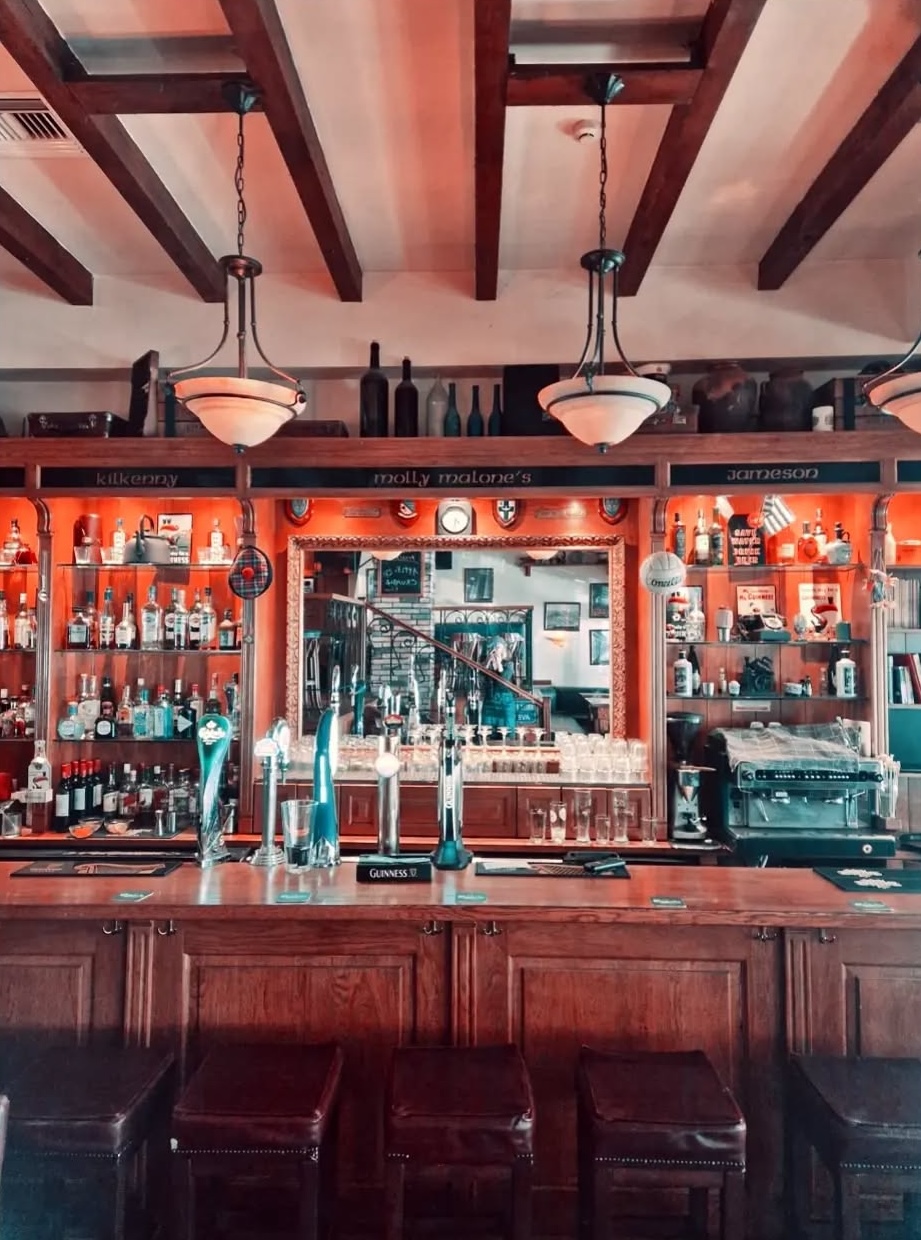
The Best Pubs In Athens

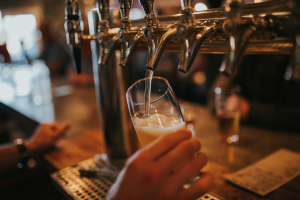
While Athens is famous for its bright rooftop bars and coffee culture, there is a hidden, wood-paneled side to the city that feels like it was plucked straight out of London or Dublin. If you’re looking for a "proper" pint, dim lighting, and that unmistakable UK/Irish pub warmth, here are the best spots to hit.

Finding the "UK Vibe": The Best Pubs in Athens

1. The Red Lion (Ilisia) – The "Authentic British" Original

SnapInsta Ai 3761366907459516598
@redlionpub_athens

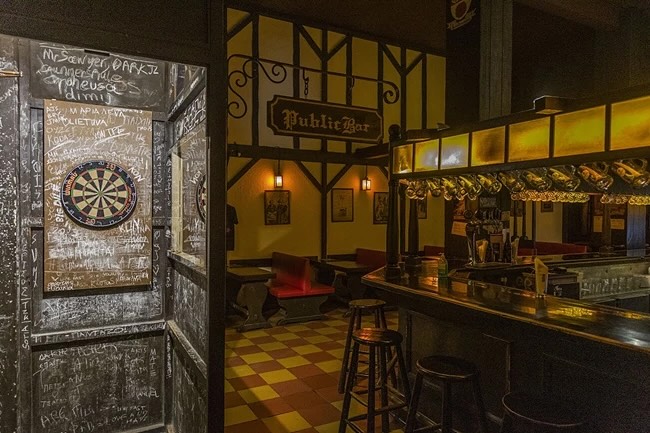
If you want the most "British" experience in Greece, this is it. Opened in 1972, The Red Lion is the oldest pub in Athens and was specifically designed to be a "slice of home" for expats.
  • The Vibe: Dark wood everywhere, classic 70s-80s rock playing at a low volume, and a complete lack of pretension. It’s the kind of place where you can actually have a conversation.

  • Don't Miss: They have a dedicated darts area and a serious selection of international beers. It’s located near the Hilton area, making it a perfect quiet retreat from the city center noise.

2. James Joyce Irish Pub (Monastiraki) – The Heart of the Action

SnapInsta Ai 3295607497911529917
@nxmelessm

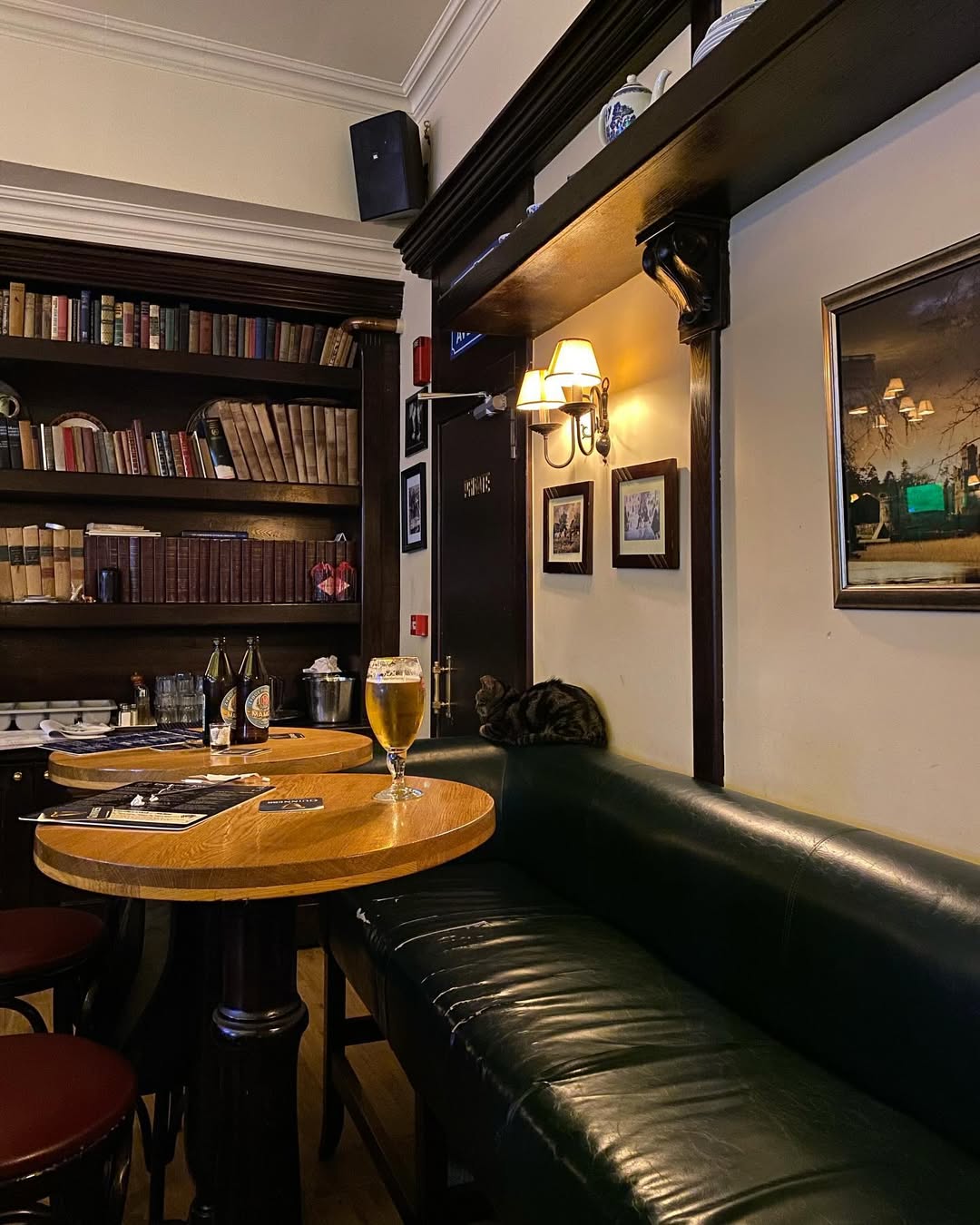
Located right in the center, The James Joyce is exactly what you want from an Irish pub. It’s heavy, cozy, and perfectly escapist. Once you step inside, the stone walls of Athens disappear and you're in a Dublin local.
  • The Vibe: A massive wooden bar, cozy booths, and plenty of TV screens for Six Nations Rugby or Premier League matches.

  • The Grub: This is the place for comfort food. Their Steak & Guinness Pie and Fish & Chips are legendary among the expat community.

3. The Wee Dram (Ampelokipoi) – The Scottish Soul

SnapInsta Ai 2737986447485261058
@the_wee_drum_athens


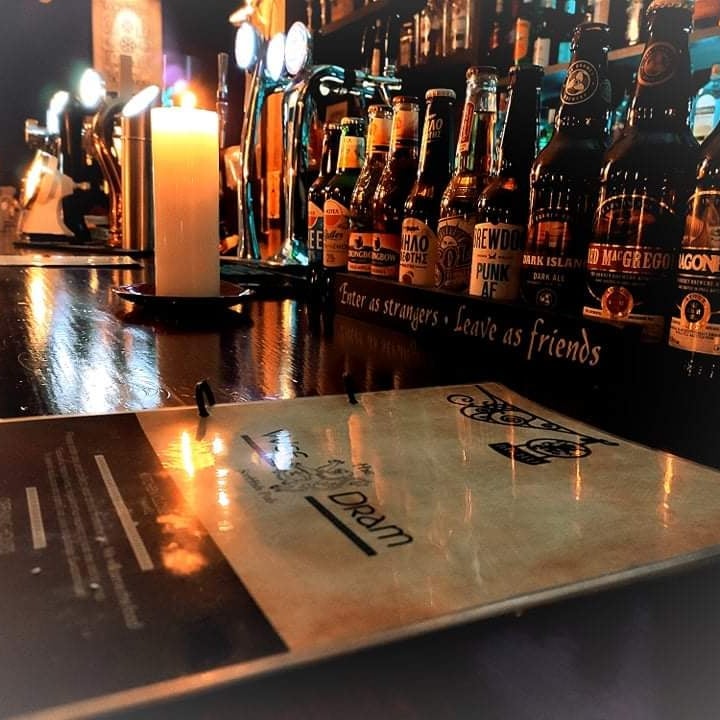
If you prefer a Scottish twist, The Wee Dram is a hidden gem that feels incredibly authentic. It’s smaller than the others, which only adds to that snug, neighborhood-pub feeling.
  • The Vibe: It’s famous for its friendly atmosphere. It’s a "local" in every sense of the word. They often host Trivia Nights (Pub Quizzes) which are a staple of UK pub culture.

  • The Drink: As the name suggests, they have a fantastic selection of whiskies alongside a great rotation of beers on tap.

4. The Local Pub (Chalandri) – For the Craft Beer Enthusiast

480332061 1120810833183674 5673728752315233372 n
The Local Pub


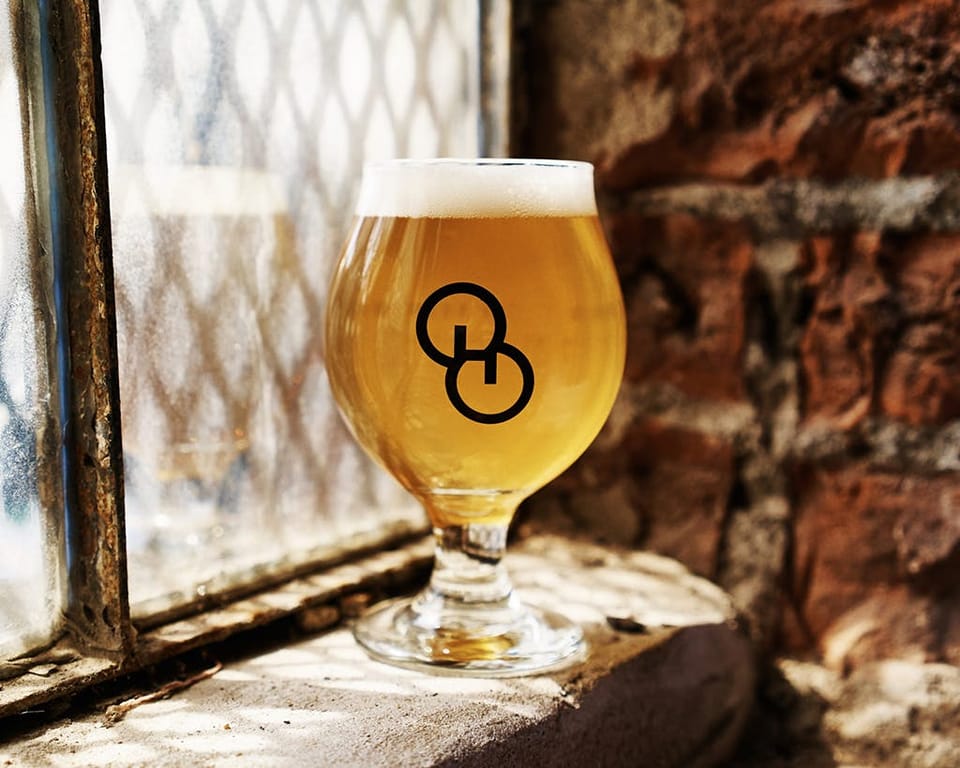
Consistently rated as one of the best beer bars in the world (not just Greece), The Local Pub in the northern suburb of Chalandri has a strictly British interior design but a world-class craft beer list.
  • The Vibe: It’s a "no smoking" pub (which is rare in Greece) and they don't play loud music—focusing entirely on the "socializing over a pint" aspect. It feels like a high-end London craft beer house.

  • The Crowd: Expect serious beer lovers. The staff are incredibly knowledgeable and can guide you through their 20+ taps.

5. Molly Malone’s (Glyfada) – The Seaside Local

SnapInsta Ai 3079361022656623266
@some_chrs


If you find yourself in the southern "riviera" suburbs, Molly Malone’s is the go-to. It was the first authentic Irish pub in the south and has maintained a huge following.
  • The Vibe: It’s large, lively, and has a great outdoor area for those "warmer" winter days, but the interior is all dark wood and Irish charm.
  • Why go: It’s the best place in the south to watch sports with a high-energy crowd and a perfectly poured Guinness.
Thursday, 05 February 2015 14:13

My Week in Athens… Apr 11

Settled into my new place, with everything unpacked and unscathed, I welcomed my first houseguests for a long weekend in the city. Their first time in Greece, they were prepared to see all there is to see…

We did the required site seeing, the necessary museums, and the expected tavernas. We walked everywhere, spurred on by frequent coffee stops. We even made it down to the waterfront – for a great lunch at Rakadikon in Vouliagmeni (well-worth the trip!)

But here’s the strange and incredible part. Over the course of the weekend, my friends made a huge discovery.

Throughout their childhood, they had believed that their ancestry was partly Turkish. Their parents thought so, and apparently their grandparents thought so too. But after some interesting conversations, clarification of some historical facts, some name checking and eating Greek food which tasted ‘exactly like their mother’s’ – my friends concluded that their ancestry is, in fact, Greek! As it turns out, their (Greek) great-grandmother fled Smyrni (Izmir) in 1921, moved half-way across the world and completely closed the book on that part of her life. Her passport was Turkish, hence…

So this weekend went from a city-break in Athens, to a full-fledged discovery of roots, connecting with a newly-discovered past and adding a fantastic new layer to a family’s complex identity. Needless to say, it was a special few days.

And needless to say, they loved Athens. Especially the food ;)

Until next week,

Jack

Rakadikon
Poseidonos 17, Vouliagmeni
210-9671530
www.rakadikon.gr


In this weekly space, keep up with ‘Jack’ as he navigates daily life in Athens… Anecdotes, stories, hits & misses, the good, the bad and, well, the rest…

Monday, 16 February 2015 11:53

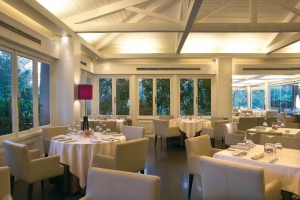
Greek Creative Cuisine At Cibus Restaurant

Cibus is situated in one of the most atmospheric corners of Athens, in the Zappion garden. The modern, minimal decor, the cool style and the excellent cuisine make this elegant restaurant one of the best choices in town. The cuisine offers a gourmet quality experience with homemade pasta, Mediterranean aromas, organic produce, fresh fish.

Bread and desserts are all prepared exclusively by the restaurant and the ice cream is outstanding. An all time classic meeting point for business men and politicians, Cibus is often booked for special events, like weddings and birthdays.

For more information, please visit 10best.com

Cibus Restaurant is located at the Garden of Zappio (Entrance from the Vas. Olgas Avenue)
Τel. 2103369364, 2103369300
Working hours: Daily from: 19:30 - 01:00
Free Parking


Do you have a recommendation or recipe to share? Send it to us at ideas@xpatathens.com!

Thursday, 19 February 2015 11:29

Subsidy Program To Boost National Growth

The European Union subsidy program for Greece covering the 2014-20 period begins with almost 5 billion euros flowing in from Brussels in the next couple of years.

On top of the projects planned for the first two years of the program, amounting to 4.2 billion euros, another 750 million euros will go toward the funding of previously announced plans to boost employment among the jobless, of which 600 million euros is from the 2014-20 program with the rest coming from the previous program.

To read more, please visit ekathimerini.com

By Evgenia Tzortzi

Friday, 20 February 2015 22:21

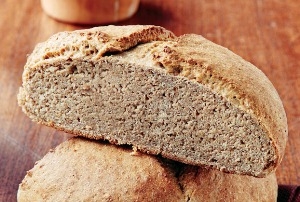
Quick Wholemeal Bread With Yoghurt

Αn amazing bread with a delicious, crunchy crust. You will prepare and bake it in no time at all because there is no yeast! What more can you ask for? Go for it!

Method

Put all the ingredients in a bowl. Knead until you have a smooth and light dough. Place the dough onto your working surface and knead for another 5 minutes to make it fluffy. Gather it to a ball and then pat it lightly on the top to flatten it. Place it inside an oil-greased baking pan. Use a sharp knife to score a cross on top. Place the pan on the bottom shelf of the preheated oven and bake the bread at 180ºC, for 35 minutes, until golden brown.

Ingredients

2 tea cups of strong flour
1¾ tea cups of wholemeal flour
1 tablespoon baking powder
1 tablespoon sugar
1 teaspoon salt
3 tablespoons butter, at room temperature
2 tablespoons yoghurt
1½ tea cups of milk


Preparation Time 10 minutes
Baking time 35 minutes

www.argiro.com.gr

Tuesday, 26 May 2015 07:00

The Clumsies - A Bar Hidden Away

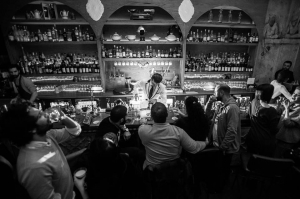
The Clumsies is a newly opened, prestigious bar housed in an old 1919 neoclassical mansion, located in central Athens near Monastiraki and Panepistimio Metro stations.  It’s actually hidden off a small square on Praxitelous street, at number 30.

"[A] bartender is not only judged by the impeccable execution of a recipe, but also by the way he connects with customers." Nikos Bakoulis, the co-owner of The Clumsies, used to bartend in 2012 with fellow co-owner Vassilis Kyritsis. This was their philosophy – and the Clumsies was born as follows:

" …bring them [Vassilis and Nikos] into contact with three industrious businessmen in the hospitality sector: Lefteris Georgopoulos, Thanos Tsounakas, and Giorgos Kaissaris. Stir gently, then serve."

The Room
The two roomed private area is like stepping into a ‘Gentleman’s Club’ and can host up to ten people for an evening.  Decked out with feature fireplace, bookcase,  billiard table and vinyl LPs, the mood here is somewhat more formal. With your own private bar tender, Nikos can create a concoction of cocktails, tailor made to suit the individual: rum, vodka or gin based with a variety of ingredients.

To read more, please visit: Life Beyond Borders

Clumsies Website: http://www.theclumsies.gr/
Clumsies On Facebook

Photo Credit: The Clumsies


Page 111 of 461