
Timeless Rituals For Today's Well-Being
- by XpatAthens
- Tuesday, 10 February 2026

The Science (& Magic) Behind Their Effects
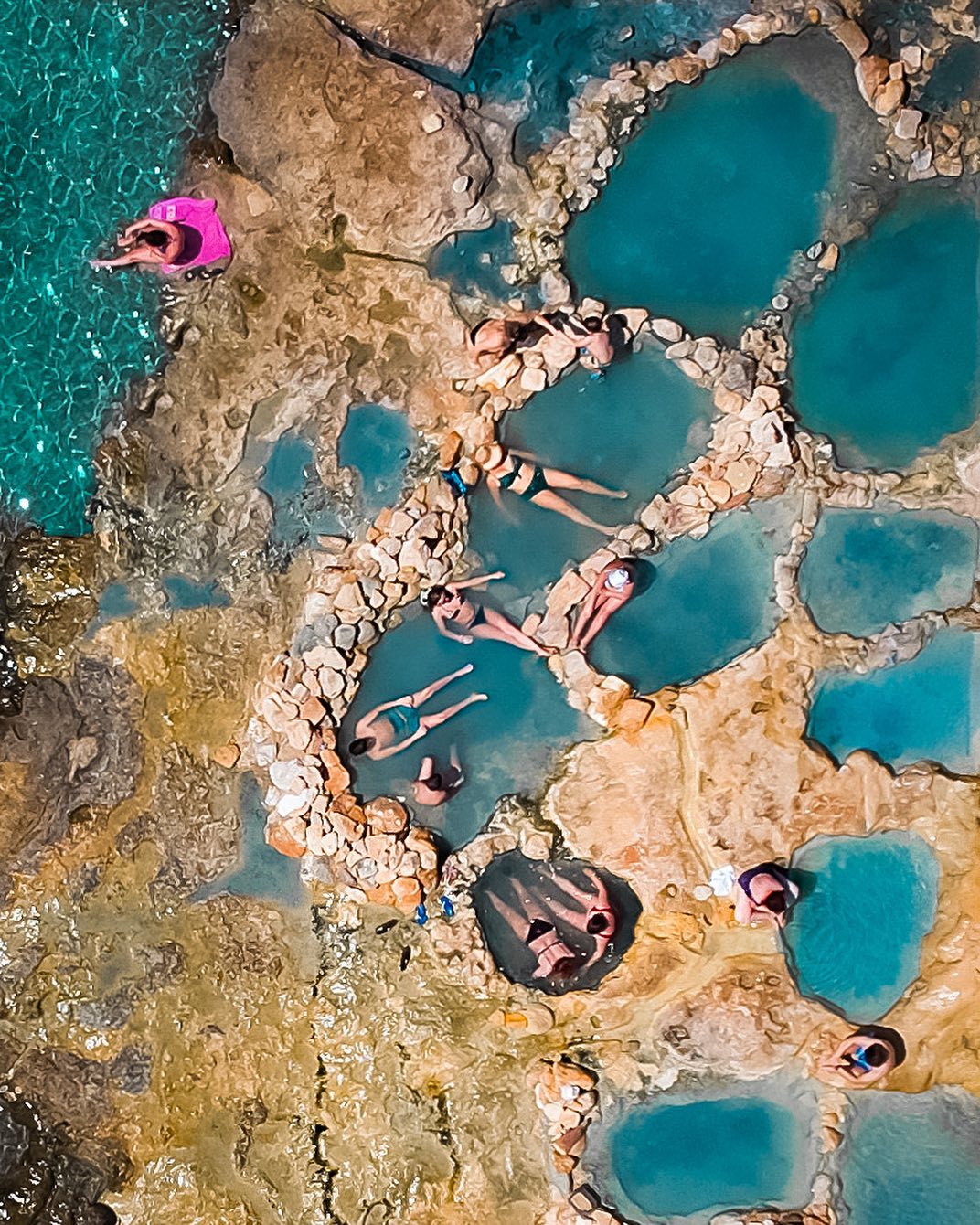
@chris_kap.21
Loutra Aidhipsoù, Evvoia
Aedipsos has a charm that’s hard to overstate. Just two and a half hours from Athens, on the easily accessible island of Evia, this historic thermal town is home to around eighty natural springs. Its waters, flowing at temperatures between 28° and 80°C, are naturally enriched with magnesium, calcium and iron, minerals long associated with soothing and restorative effects. What makes Aedipsos even more magical is the way its hot springs spill directly into the sea, creating pockets of semi‑thermal seawater along the shoreline. Slipping into these warm, mineral‑rich shallows feels like discovering a secret the ancient Greeks never quite gave up.
Loutra Killinis, Peloponnisos
Loutra Killinis, on the western edge of the Peloponnese, has been celebrated since antiquity for its remarkably therapeutic waters. Rich in sulphur and naturally warm, the springs here have long drawn visitors seeking relief and rejuvenation. What makes this spot particularly special is its natural mud — a mineral‑packed blend of thermal water and marine sediments that has been used for healing since ancient times. The combination is wonderfully indulgent: warm springs for deep relaxation, and silky, restorative mud that feels like nature’s own skincare ritual. It’s one of those rare places where the landscape itself seems determined to take care of you.
Kamena Vourla, Phthiotis
Kamena Vourla is a quiet seaside escape with a wonderfully unhurried charm, set about 150 kilometres north of Athens. Its hot springs, naturally warmed to between 30° and 40°C, are enriched with trace radioactive elements that many believe can help ease a range of ailments. The result is a gentle, soothing soak that feels both restorative and deeply calming. Beyond the springs themselves, the area offers easy access to cultural landmarks and nearby mountain regions, making it a lovely base for anyone seeking a blend of relaxation, nature and a touch of adventure.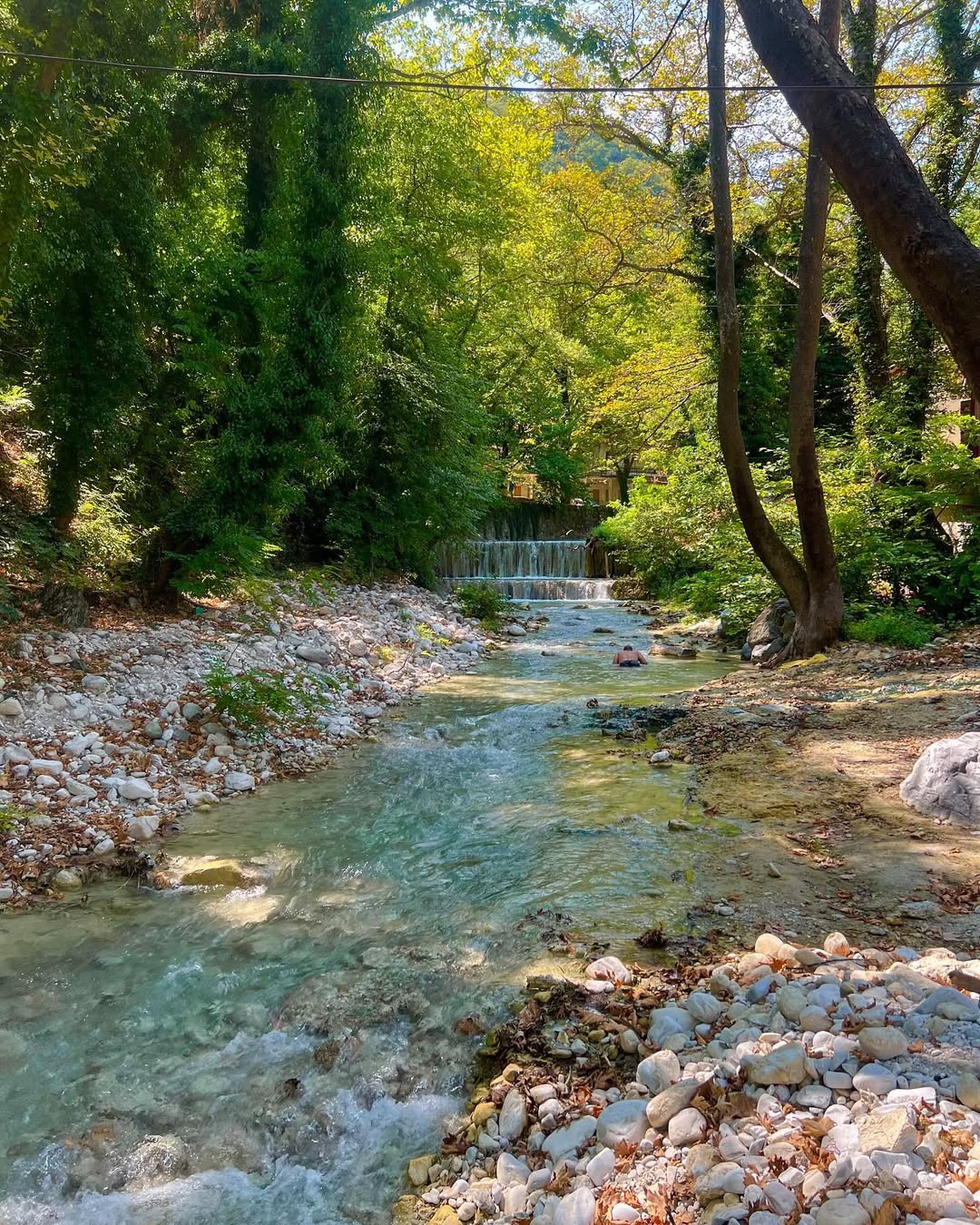
@kiriaki_limperi
Loutra Pozar, Macedonia
Pozar is one of those places where nature feels almost theatrical. At the foot of Mount Voras, a 37°C river milky with calcium carbonate cuts through a marble gorge, feeding eight outdoor pools, retro copper tubs and twin Ottoman‑era hammams. The water, nicknamed pózar (“fire” in old Serbian), has long been prized for easing neuralgia, sciatica and sluggish circulation. Just metres away, snowmelt waterfalls crash into the gorge, offering the kind of invigorating cold plunge that Nordic spas dream of. Set in the historic district of Pella, birthplace of Alexander the Great, the Pozar Thermal Baths combine hot springs, rivers and both natural and artificial waterfalls in a landscape that feels almost mythic. The Thermopotamos River flows through shallow bends and small cascades, its steady 37°C waters recommended for rheumatic, dermatological, respiratory and circulatory conditions ; a warm, mineral‑rich embrace in the heart of the mountains.
Ypati, Phthiotis
In the shadow of Mount Oiti, Ypati’s 33°C spring bubbles up rich in magnesium, calcium and natural carbon dioxide — a mineral cocktail long favoured for easing migraines, soothing the nerves and giving the cardiovascular system a gentle reset. Ancient lore claims that Hercules once paused here to recover between his feats, letting the warm waters melt away the strain of his labours. Spend a little time soaking and you may understand why: there’s a quiet strength to this place that leaves you feeling lighter.
Lagkada, Macedonia
Just outside Thessaloniki, Lagkada offers a wonderfully atmospheric blend of history and natural wellbeing. The site is home to two impressive natural hammams fed by hot springs that have been cherished for centuries. Alongside them, therapeutic mud used since Byzantine times adds another layer of tradition to the experience. It’s one of those rare places where hot springs and healing mud coexist in perfect harmony, creating a setting that feels both deeply rooted in the past and effortlessly soothing in the present.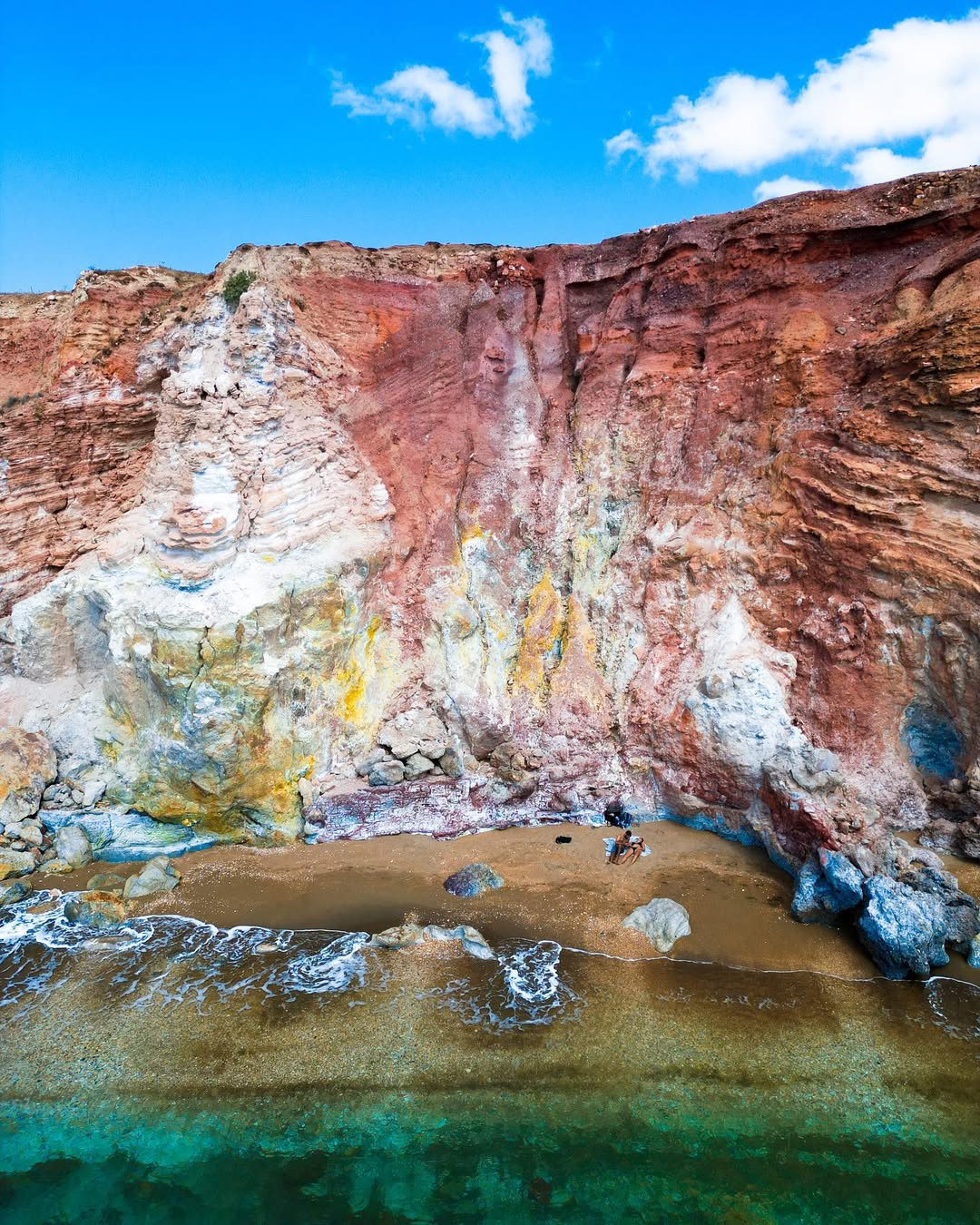
@shachafamit
Milos
Milos wears its volcanic soul proudly, and nowhere is it more evident than around Paleochori and Adamas, where pockets of warm, mineral‑rich mud form naturally along the shoreline. Thanks to the island’s geothermal activity, you’ll find spots where the earth gently steams, the sand is warm underfoot, and silky therapeutic mud appears in small, inviting pools. It’s a wonderfully elemental experience, part beach, part natural spa, with the Aegean’s clear waters just a few steps away for a refreshing dip.
Filiatra, Peloponnisos
Filiatra, tucked away in the Peloponnese, is home to hot springs that feel like a true hidden gem. Surrounded by lush greenery and completely free to enjoy, they offer a wonderfully peaceful escape for anyone craving a slower pace. The warm, mineral‑rich waters are believed to have gentle healing properties, drawing both locals and curious travellers in search of quiet rejuvenation. With tranquil views over the rolling hills, it’s an easy place to linger. And once you’ve had your fill of soaking, the nearby town invites you to wander its streets and experience a slice of traditional Greek life.
Mud Bath of Lydia, Kavala
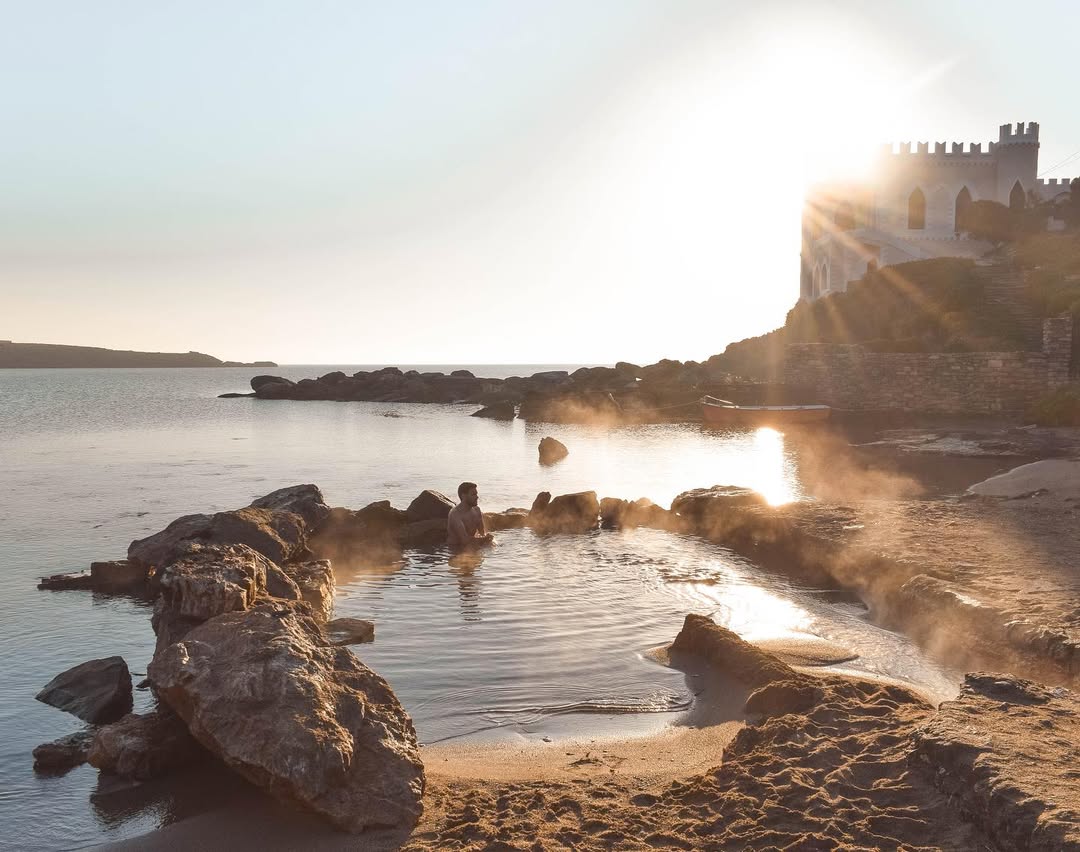
Just outside Kavala lies the Mud Bath of Lydia, a place where myth and landscape seem to blend effortlessly. Legend has it that Lydia, a goddess famed for her eternal youth and luminous beauty, drew her radiance from the very mud that still lines these shores. Over time, her secret slipped into the world, turning these natural mud baths into a beloved retreat for anyone seeking healing, revitalisation and a whisper of ancient enchantment. And since Lydia herself has tested and approved the place long before any of us, you can head there with full confidence and let nature work its quiet magic!
@yabatravellers
Kythnos
Kythnos is one of the Cyclades’ quieter treasures, and its natural hot springs are among the island’s most delightful surprises. In the Loutra area, warm thermal waters flow straight into the sea, creating gentle pockets where you can drift between soothing heat and refreshing Aegean blue. The setting is wonderfully serene : rocky coves, crystal‑clear water and far fewer crowds than on neighbouring islands. It’s the kind of place where you can truly unwind, then wander off to explore charming villages or follow scenic hiking trails that reveal sweeping views across the archipelago.
Exploring Greece’s hot springs and natural mud baths is a wonderfully soothing way to connect with the landscape — and with yourself — as long as you go prepared and tread lightly. Pro tip: check accessibility (some spots involve a short walk or hike), stay hydrated (warm waters can sneakily dehydrate you), and respect nature (leave each place just as magical and rugged as you found it). And once you’ve settled in, the experience becomes something deeper: a mud bath or a soak in a natural hot spring is a genuine moment of reconnection, giving you the space to unwind, care for your body and tune into your sensations. It’s a simple ritual that nurtures mental and emotional wellbeing, quiets external worries and restores a sense of inner balance : a true treasure for both body and mind!
WELLNESS HUB