

The Kiosk on the Corner: A Greek Institution Under Pressure
- by XpatAthens
- Thursday, 20 August 2026

For many Greeks, an urban landscape feels strangely incomplete without it.
Standing quietly on a street corner, overflowing with newspapers, sweets, postcards, water bottles, chewing gum and countless everyday essentials, the periptero — the Greek kiosk — is far more than a place to buy a snack. It is a familiar landmark, a meeting point, a source of local news and, for more than a century, one of the most recognisable symbols of everyday life in Greece.
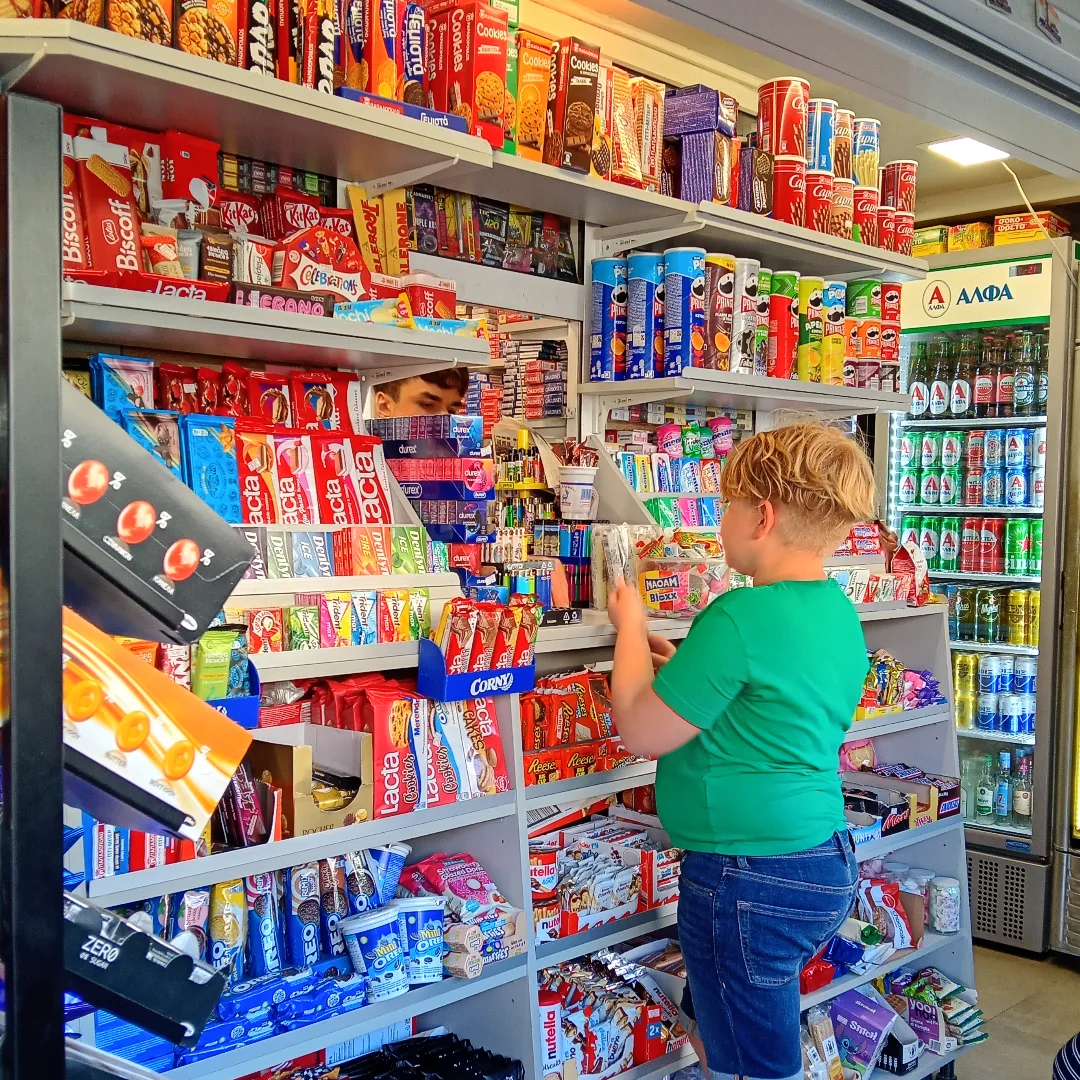
@muijamatkustaa
@muijamatkustaa
Today, however, this small institution is facing big challenges.
From Welfare Initiative To National Symbol
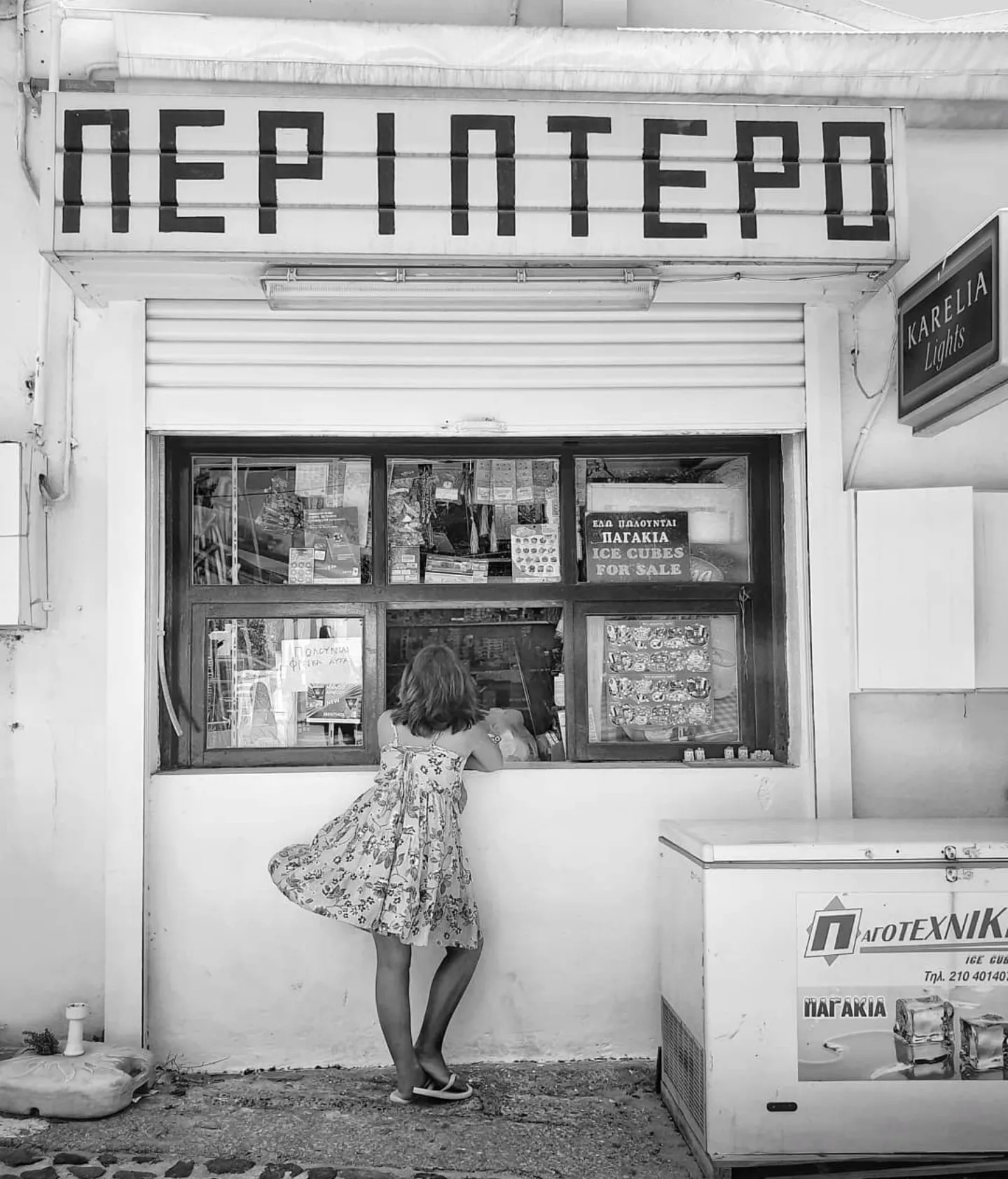
@greecestagram
@greecestagram
The story of the periptero begins in the late nineteenth century, during one of the most turbulent periods of modern Greek history.
Following the Balkan Wars, the First World War and later the Asia Minor Catastrophe, kiosk licences were granted to wounded veterans, disabled soldiers and other vulnerable citizens as a means of financial support. In this sense, the periptero was never simply a business: it was part of a broader effort to rebuild lives disrupted by conflict.
The first kiosk in Athens opened in 1911 on Panepistimiou Street, and the idea soon spread across the country, gradually becoming an institution in its own right.
At first, kiosks focused mainly on the sale of tobacco products and newspapers. They also played an important role in tobacco tax collection and acted as small centres of information, with newspapers displayed publicly for passers-by to read.
But throughout the twentieth century, the role of the kiosk expanded steadily. Sweets, magazines, batteries, drinks, household items and countless small necessities found their place behind the kiosk’s tiny windows. Open long hours, often around the clock, kiosks became reliable companions of urban life.
More importantly, they belonged to the neighbourhood.
Unlike larger shops, kiosks operated on a human scale. The kiosk owner often knew the habits, routines and stories of local residents. A quick stop for cigarettes or a newspaper could easily turn into a short conversation. The periptero became part of the social fabric of Greek cities.
An Emblem Of Greece
Over time, the kiosk became something more than a place of commerce: it became part of the visual identity of Greece itself.
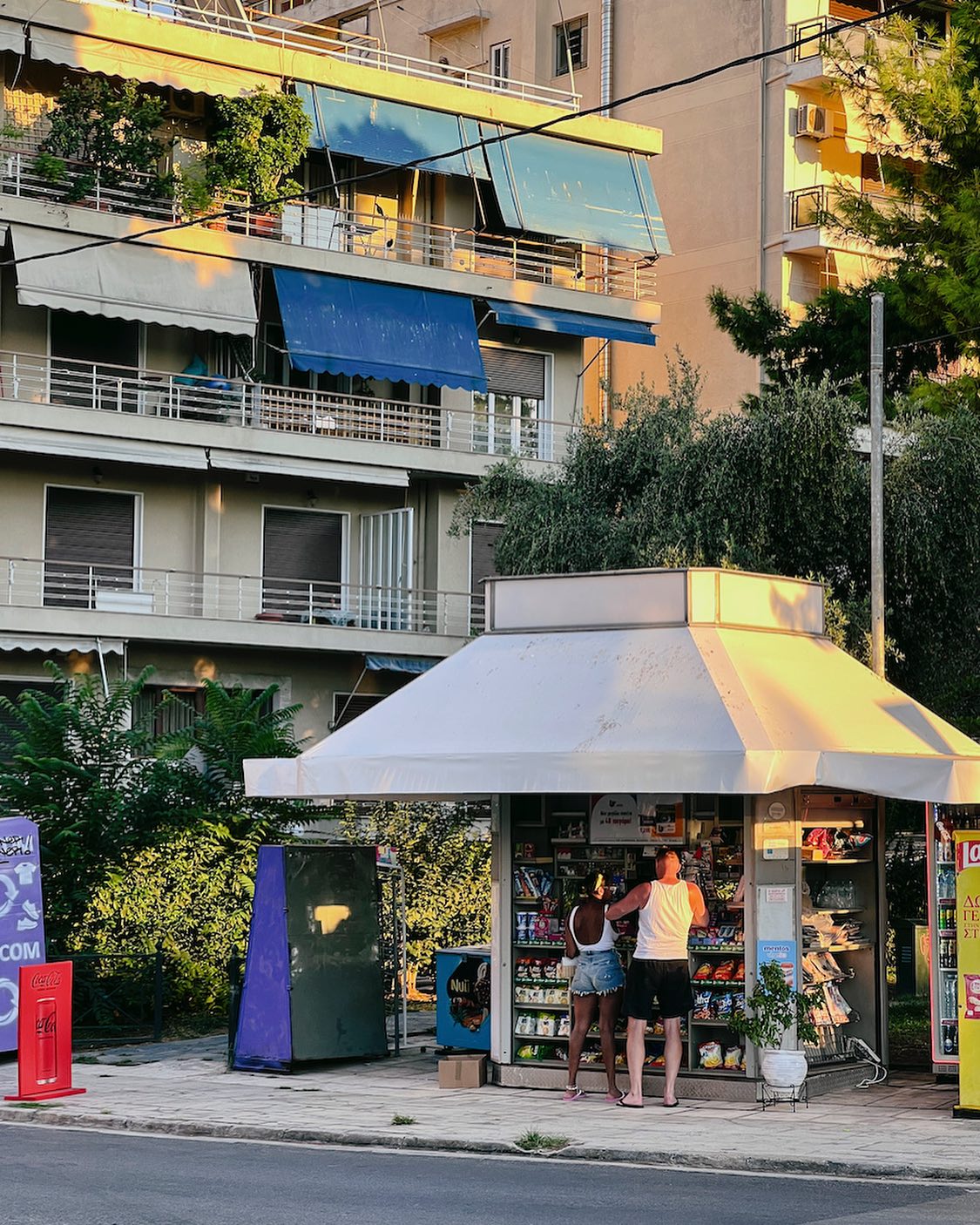
@lostathina
@lostathina
Its distinctive shape, constant presence on street corners and remarkable ability to provide almost anything at any hour made it an instantly recognisable feature of the Greek city.
For generations, Greeks and visitors alike have relied on the periptero twenty-four hours a day, 365 days a year — whether for a bottle of water in the middle of summer, batteries, newspapers, snacks or last-minute essentials.
And while cities transformed around it, the kiosk remained surprisingly unchanged.
This continuity turned the periptero into something of a “memory machine”, carrying traces of everyday life across generations. Covered with newspapers, posters, advertisements, magazines and signs, kiosks became urban collages — small archives of the city itself.
For many Athenians, they are linked not only to practical needs, but also to memories: buying sweets after school, stopping for an ice cream during a summer walk, or picking up the morning newspaper on the way to work.
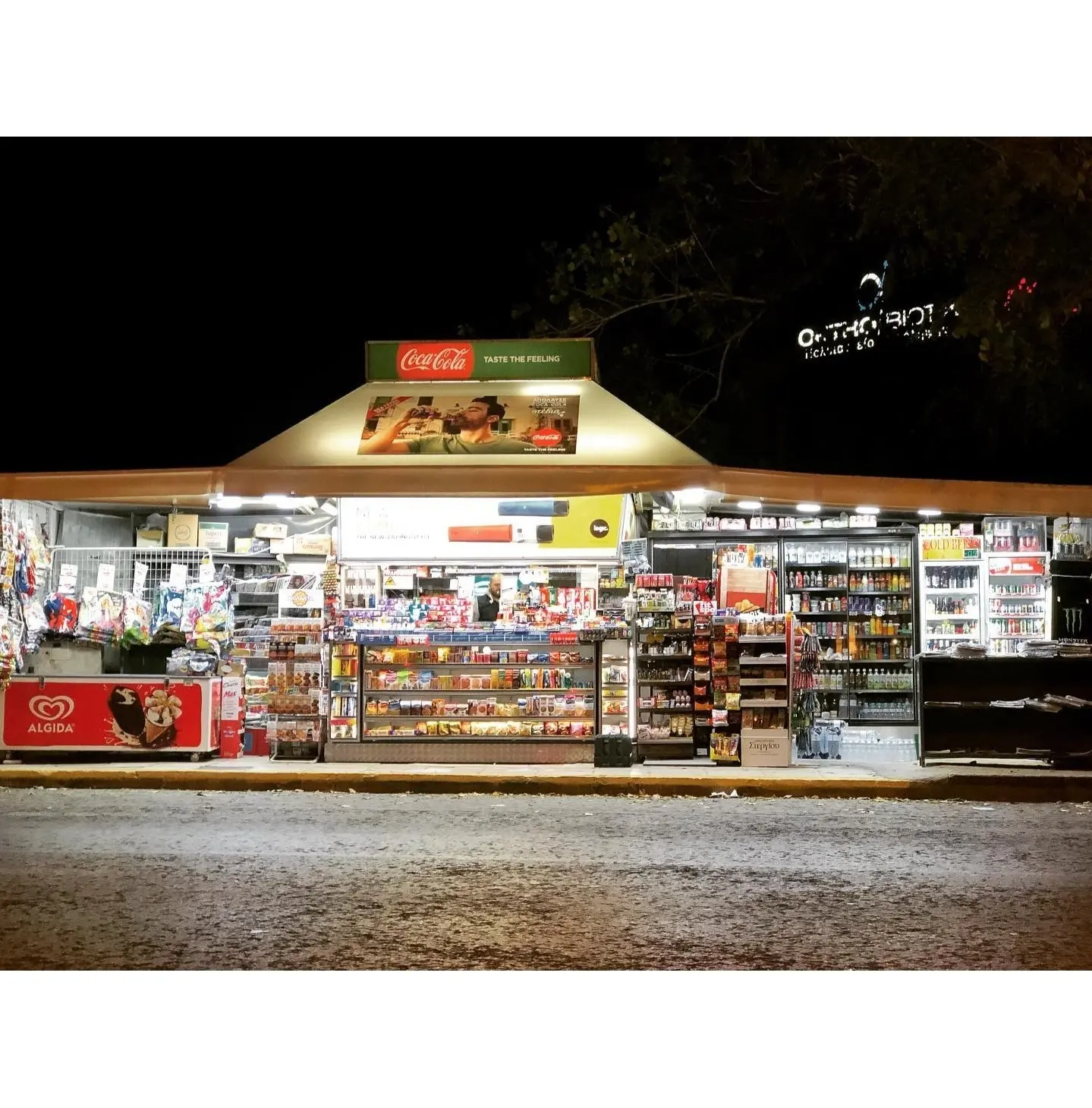
@greecestagram
@greecestagram
Why Are Kiosks Disappearing?
Yet despite their symbolic place in Greek life, kiosks have been declining for years.
From 2011 to 2023, the number of convenience stores in Greece fell by 25.7%, while supermarkets expanded aggressively into the small retail market, competing for an industry worth more than €5 billion.
Ironically, this decline comes at a time when small retail is often described as the future of commerce. So why are kiosks struggling while mini-markets and convenience stores continue to grow?
The reasons are numerous.
Changing habits have played a major role. Newspapers and magazines are no longer essential in the age of digital media, public payphones have disappeared, and smoking restrictions have altered consumption patterns. And many people now prefer to do all their shopping in one place, often at lower prices.
The rise of delivery platforms has also changed everyday behaviour. Drinks, snacks and small necessities can now arrive at home with a few taps on a smartphone, reducing foot traffic to kiosks.
Economic pressures have added further difficulties. Greece’s financial crisis and years of austerity placed a heavy burden on small businesses, while the COVID-19 pandemic accelerated existing trends.
Regulation has also changed. Responsibility for kiosks moved from the Ministry of National Defence to the Ministry of the Interior, while municipalities introduced stricter rules regarding the use of public space. In Athens, concerns over pedestrian access, safety and urban aesthetics have led to plans for the removal of hundreds of abandoned kiosks.
Out of the 931 kiosks operating in the municipality of Athens in 2011, more than 400 have since returned to municipal ownership after being abandoned or left vacant.
Reinventing The Periptero
Like many institutions, the kiosk has adapted in order to survive.
Some have transformed into mini-markets, expanding their range to include fashion accessories, beverages and a wider selection of products. Others continue to rely on what made them special in the first place: convenience, familiarity and a close relationship with the local community.
Municipalities still allocate some kiosk licences to vulnerable groups seeking a source of income, preserving part of the social mission that gave birth to the institution more than a century ago.
The Greek periptero may be changing, but it remains much more than a small shop on a street corner.
It is a reminder that cities are built not only from buildings and roads, but also from everyday rituals, human connections and places that quietly become part of collective memory.
And perhaps that is why, even today, a Greek street without a periptero still feels just a little incomplete.
LIFE & CULTURE