

Down The Steps, Into A Koutouki: A Taste Of Old Greece
- by XpatAthens
- Tuesday, 03 November 2026

There are places in Athens where time seems to stand still. Tucked away beneath street level, behind unassuming doors and down narrow staircases, the koutouki is one of them. Part tavern, part neighbourhood institution, these small, subterranean establishments are among the city’s most enduring cultural strongholds, offering a glimpse into a Greece that refuses to disappear.
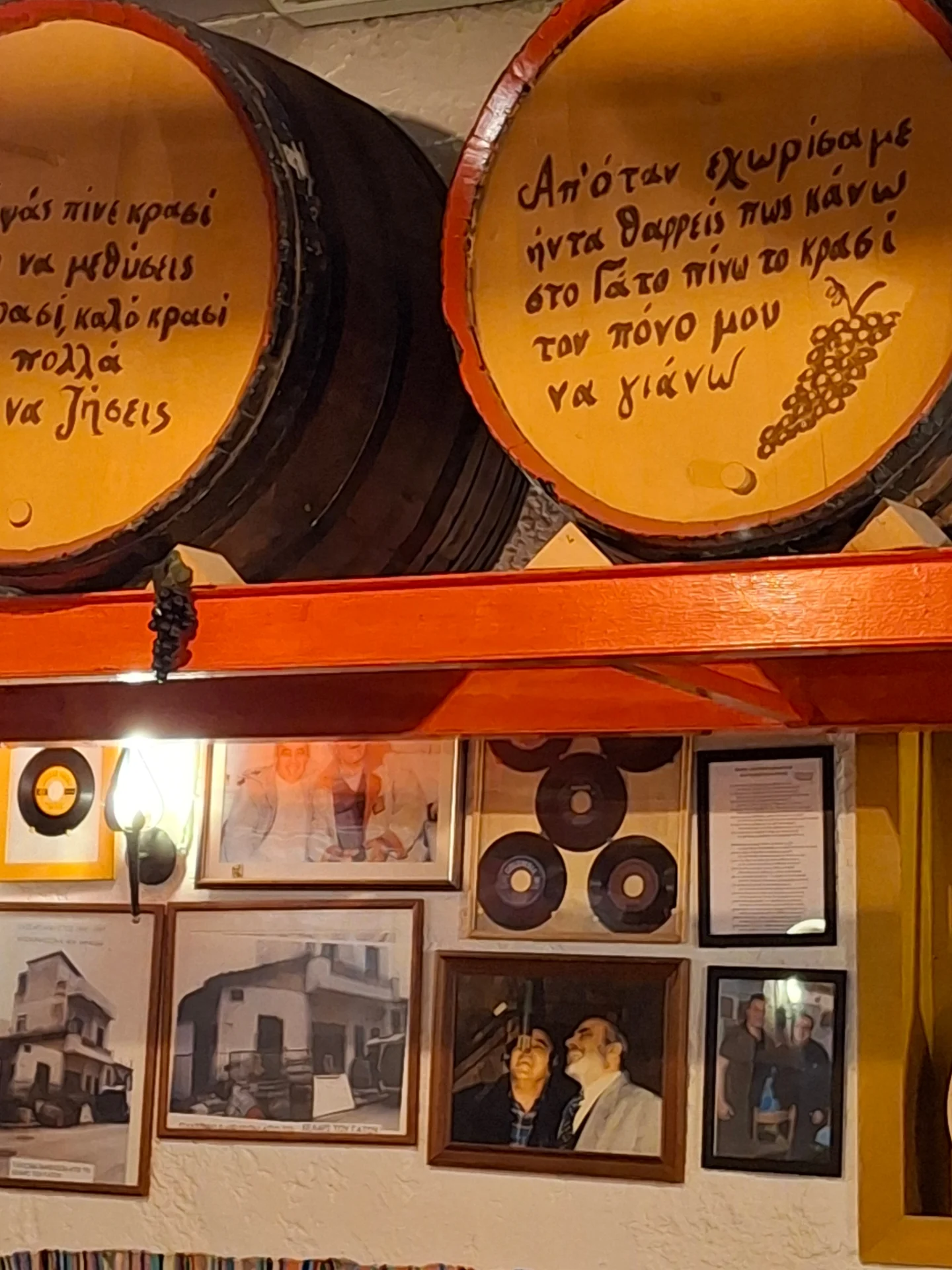
The term koutouki is thought to derive from the Turkish kütük, meaning “log” or “block of wood”, possibly referring to the heavy wooden barrels that have long defined these interiors. Inside, low ceilings, bare bulbs and massive wine barrels lining the walls set the scene. Modest and unpretentious, the atmosphere is very much part of the appeal.
Even the menu follows its own rules. Rather than browsing a neatly printed list, diners often rely on the recommendations of their hosts and whatever happens to be cooking that day. The food is simple, hearty and full of flavour: bakaliaros skordalia, crispy fried salt cod served with a punchy garlic dip; fava and gigantes, slow-cooked legumes with a deliciously creamy texture; and, of course, the favorite traditional Greek beverages, such as Retsina, the amber-coloured wine flavoured with pine resin, drawn straight from the barrel, or ouzo and tsipouro.
From Underground Hideouts To The Soundtrack Of Greece
To understand the koutouki, you have to travel back to a very different Athens. Following the 1922 Asia Minor refugee crisis, working-class neighbourhoods and settlements such as Drapetsona and Kokkinia became home to many displaced families. In these communities, basements gradually developed into informal meeting places where people could gather, drink and escape the hardships of everyday life.
Some initially operated as tekedes, establishments associated with hashish smoking. During the 1930s, as the Metaxas dictatorship intensified its crackdown on illicit substances, many evolved towards the wine-centred taverns that would become known as koutouκια. These underground spaces also played a role in the rise of rebetiko, often described as the Greek blues: music steeped in longing, hardship, love and rebellion.
Among the genre’s iconic figures was Markos Vamvakaris, whose songs captured the lives and sorrows of ordinary people. In the intimate atmosphere of these taverns, the sound of the bouzouki travelled through bare stone walls as patrons gathered around tables, sharing wine, music and stories. Other lyricists have passed by the koutouki, such as Lefteris Papadopoulos, whose words gave generations of Greeks songs they would grow up singing. Tracks such as Tha pio apopse to fengari (“Tonight, I’ll Drink the Moon”) and Vrehei fotia sti strata mou (“It’s Raining Fire on My Street”) capture something of the emotional world that made this musical tradition so enduring. The koutouki became much more than a place to eat and drink; it was a space where a distinct urban Greek identity took shape, rooted in working-class life and eventually embraced by the country’s intellectual circles, too.
@maria.kousiadi
@maria.kousiadi
The Golden Age Of The Koutouki
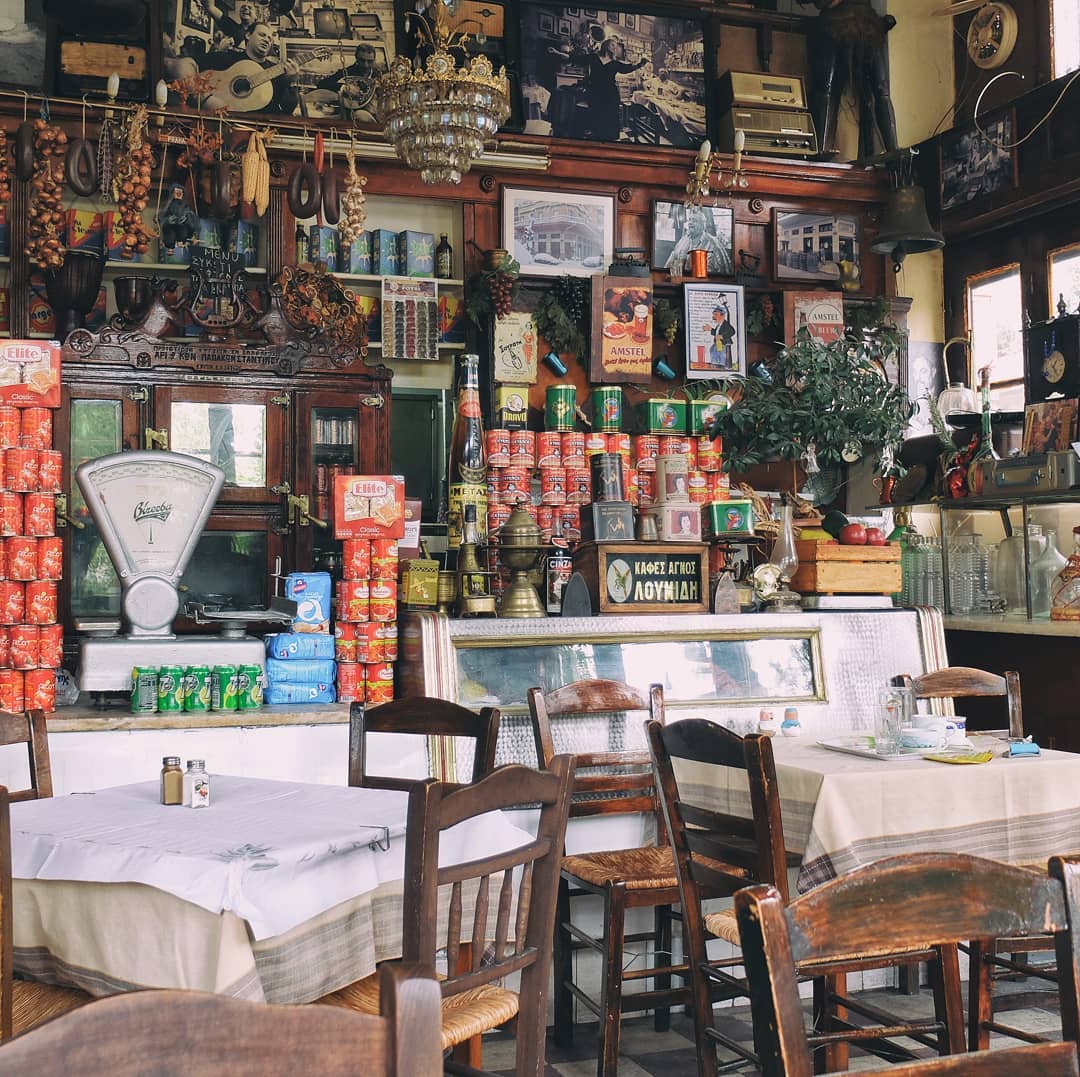
After the Second World War, the koutouki entered its golden age. In the poverty-stricken 1940s and 1950s, when money was scarce and entertainment had to remain affordable, many grocers began turning their storage rooms into small taverns. By day, they sold everyday essentials such as legumes and olive oil; by night, the same spaces welcomed neighbours for wine, olives and a modest meal.
These hybrid establishments became known as bakalotavernes, combining the Greek words for grocery shop and tavern. They helped cement the koutouki’s place in everyday life, offering an accessible setting for people to socialise without spending much. The spirit of making do extended to the food itself: during difficult economic times, a waiter might quietly tell the kitchen oligi — meaning “a little” — to indicate that a customer wanted half the usual portion. It was a small gesture that spoke volumes about the resourcefulness and solidarity of the communities these taverns served.
Although Athens has changed enormously since then, the koutouki has held on to its place in the city’s cultural fabric. These establishments are not simply relics of a bygone era, preserved for the sake of nostalgia. They remain living spaces, where food, music and conversation bring people together at a time when so much of modern life feels increasingly fast-paced and impersonal.
@gerebakanis
@gerebakanis
Where To Experience The Koutouki Today
So, where can you experience this little piece of old Greece for yourself? From Athens to Thessaloniki, a handful of traditional establishments continue to keep the spirit alive. Here are a few places worth seeking out.
As Athens continues to modernise at a remarkable pace, the koutouki remains a welcome reminder that not everything needs to be reinvented. These intimate taverns preserve a way of gathering that places people, food and shared moments at the centre of the experience.
Diporto, Athens
@alternativeathens
@alternativeathens
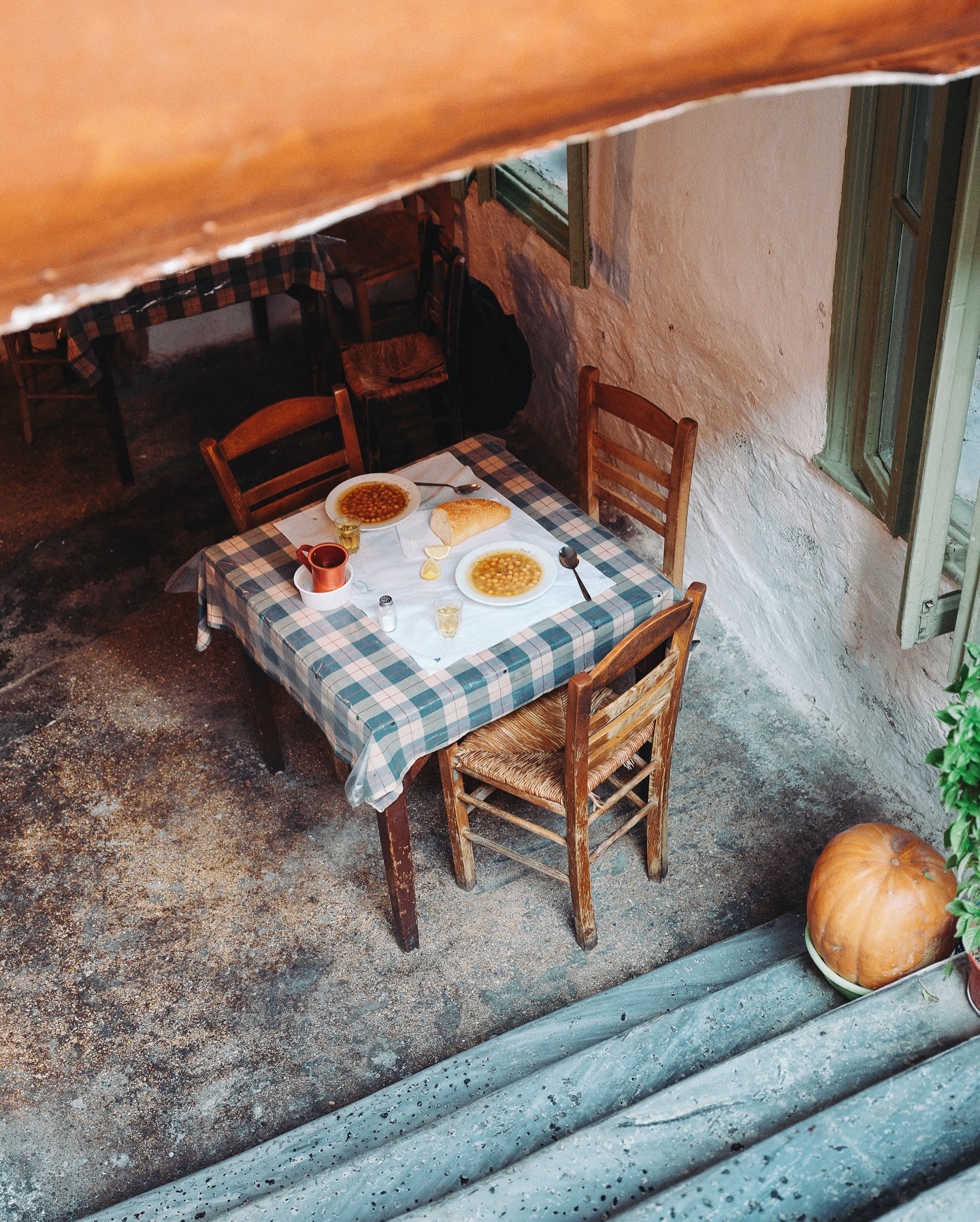
At number 9 Sokratous Street, look down and you will spot two large doors leading into a basement. Step through them and, almost instantly, you will feel as though you have travelled back in time. Welcome to Diporto, one of Athens’ most characterful traditional taverns.
There is no need to expect fancy surroundings or an elaborate menu. Instead, settle in among the wine barrels, order a glass of the house wine and see what is simmering on the stove. Chickpeas and sardines are among the simple dishes worth trying. At Diporto, the charm lies precisely in its lack of pretension: this is a place to eat, drink and experience the atmosphere of a proper underground koutouki.
Marathonitis, Pangrati, Athens
If you fancy adding a little live folk music to the mix, head to Marathonitis in Pangrati. This traditional haunt brings together the ingredients of a memorable Greek evening: homemade wine with a kick, grilled lamb chops and music that invites you to linger long after your plates have been cleared.
The atmosphere is informal, the food hearty and the experience distinctly local. You might even find yourself talking about your evening here as enthusiastically as your visit to the Acropolis!
Address: 3 Vinkelman Street, Pangrati, Athens.
Domna, Thessaloniki
Founded in 1943, during the German occupation of Greece, Domna has a history as rich as its atmosphere. Its founder, Takis (Panagiotis) Nikolaidis, was a refugee from Eastern Thrace who named the establishment after his wife.
The tavern's story is closely tied to the political history of the country. During the military junta, Domna became a discreet meeting point for resistance sympathisers. Patrons sang songs by Mikis Theodorakis, exchanged news and, at times, faced police raids. Yet the tavern continued to reopen, earning ever greater respect from its community.
When Takis retired in 1992, the doors briefly closed, but popular demand brought Domna back for weekly openings. Following his death in 2010, his sons Christos and Kostis carried on the tradition, preserving the spirit of a place that has always meant far more to its regulars than simply somewhere to have dinner.
Address: 39 Athanasiou Diakou Street, Aghios Pavlos, Thessaloniki.
Ta Bakaliarakia tou Aristou, Thessaloniki
@mpakaliarakiatouaristou
@mpakaliarakiatouaristou
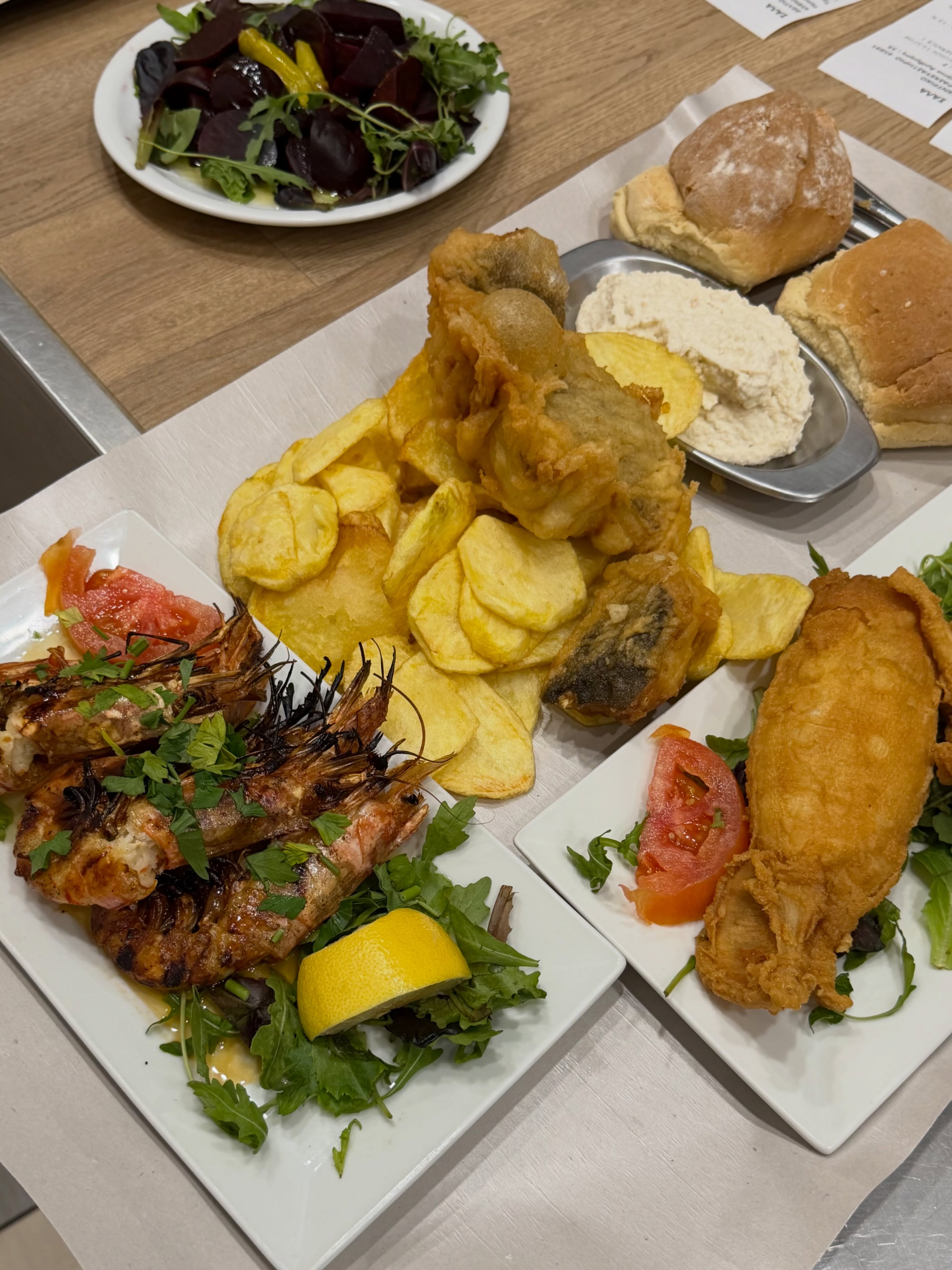
For a koutouki experience with a particular focus on one of Greece's beloved comfort foods, make your way to Ta Bakaliarakia tou Aristou in Thessaloniki's historic Ladadika district. Situated on Katouni Street, near the old port, this century-old establishment has built its reputation around perfectly fried cod.
Founded in 1910 by Kostas Ignatiadis, the restaurant later took its name from his son Aristos. Since 1987, the Kerranidis family has continued to preserve the recipe across generations, keeping the tradition of crispy, golden fish alive.
Simple, satisfying and rooted in local culinary heritage, it is a reminder that sometimes the most memorable Greek meals are built around just one dish, prepared with care and served time and time again.
Address: 2 Katouni Street, Thessaloniki.
LIFE & CULTURE