A Journey Through Time: Experiencing Greek History In A Whole New Way
- by XpatAthens
- Tuesday, 03 November 2026

What if discovering Greek history didn't mean simply wandering around ancient ruins or reading the information panels in a museum? What if you could step into an ancient mystery, watch long-lost temples rise before your eyes, dive down to a centuries-old shipwreck or even recreate the flavours of an ancient Greek feast?
From cutting-edge virtual reality to hands-on cultural encounters, Greece offers plenty of ways to experience its rich heritage from a different perspective. Whether you're a technology enthusiast, a curious traveller or simply looking to escape the usual tourist trail, here are a few ways to bring the past to life – and perhaps discover a little more of the Greece that lies beyond the postcards.
For The Tech Lovers: History Meets The Latest Technology
Mythopraxis: Athens Living Museum
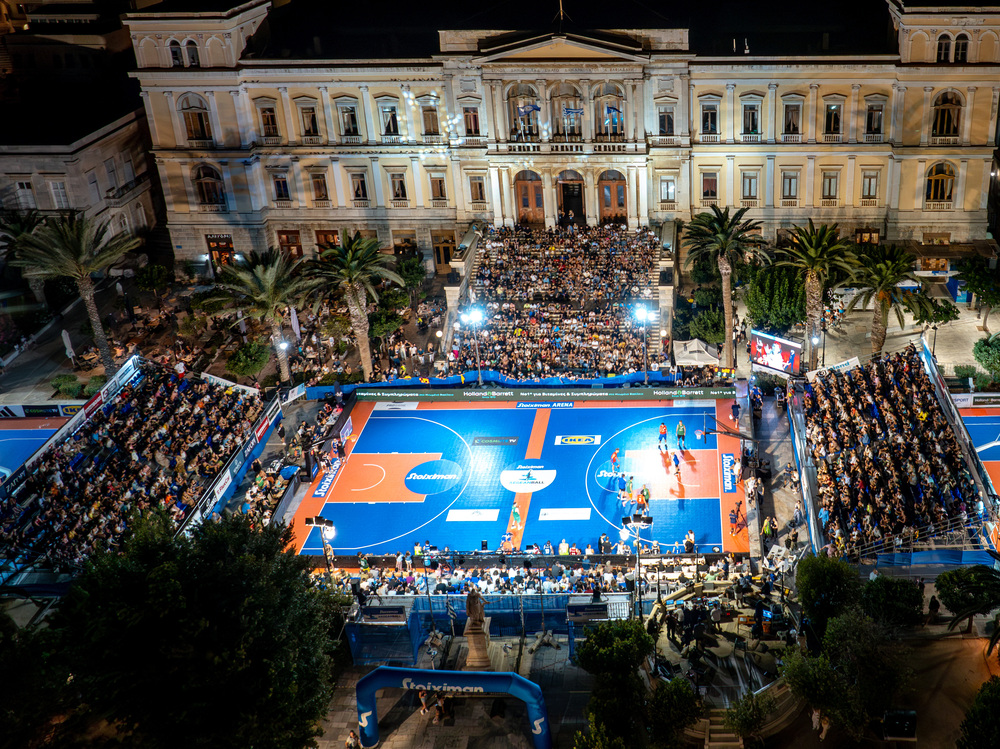
Image Credit: athenslivingmuseum.com
Image Credit: athenslivingmuseum.com
Who says museums have to be quiet places where you simply look at things from behind a glass case? At Athens Living Museum, visitors are invited to become part of the story themselves. Bringing together theatre, gastronomy, mystery and active participation, this innovative concept offers an altogether more lively way to explore Greek culture and history. Both visitors and Athenians can enjoy interactive experiences that go well beyond the traditional museum visit, and leave with rather more than just a souvenir.
There is something for everyone on the programme. Fancy putting your detective skills to the test? Who Killed Callimachos? is an ancient-style murder mystery in which participants work together to unravel a historical whodunnit. If you'd rather take in the city from a different perspective, Theatre on the Move turns an ordinary bus tour into a moving theatrical performance, with scenes inspired by ancient Greek theatre unfolding as you travel through the streets of Athens.
Food lovers, meanwhile, can embark on a culinary journey with Around Greece in Five Dishes, an experience combining Greek gastronomy and storytelling to explore the country's regions through their recipes and histories. There are also creative and craft workshops, from weaving and traditional handicrafts to mythological storytelling, offering a hands-on introduction to age-old traditions and legends.
The idea is simple: turn a visit into a living experience. Athens Living Museum describes itself as a bridge between theatre, culture, gastronomy and heritage, with activities designed for different generations, making it a particularly lovely option for families as well as culture and history enthusiasts. Just remember to book ahead!
Ancient Cities, Reconstructed In Virtual Reality
Imagine standing in front of the Acropolis and seeing it not as it stands today, but as it would have appeared thousands of years ago. Thanks to virtual reality, this is no longer just a matter of imagination.
In Athens and at major archaeological sites across Greece, including Olympia, Corinth and Messene, dedicated experiences allow visitors to explore digitally reconstructed ancient cities. Temples can be admired in their original splendour, monuments appear as they once stood, and entire historical landscapes are brought back to life through detailed 3D recreations.
It's a fascinating way to bridge the gap between the ruins we see today and the bustling cities they once were.
Digital Experiences & Multidimensional Exhibitions
The past can also be explored through a more artistic and contemporary lens. In Athens, cultural centres such as Hellenic Cosmos, the cultural centre of the Foundation of the Hellenic World, regularly present multidimensional exhibitions combining art, history and technology. From immersive retrospectives dedicated to artists such as Frida Kahlo to mythological narratives, these experiences invite visitors to engage with stories in new and unexpected ways.
The world of digital art and extended reality (XR) is also finding its place in Greece's cultural scene. Festivals such as Animasyros, for instance, incorporate innovative XR creations into their programmes, showing how technology can open up fresh ways of telling stories and exploring culture.
V Museum: Discovering Corfu's History Through Technology
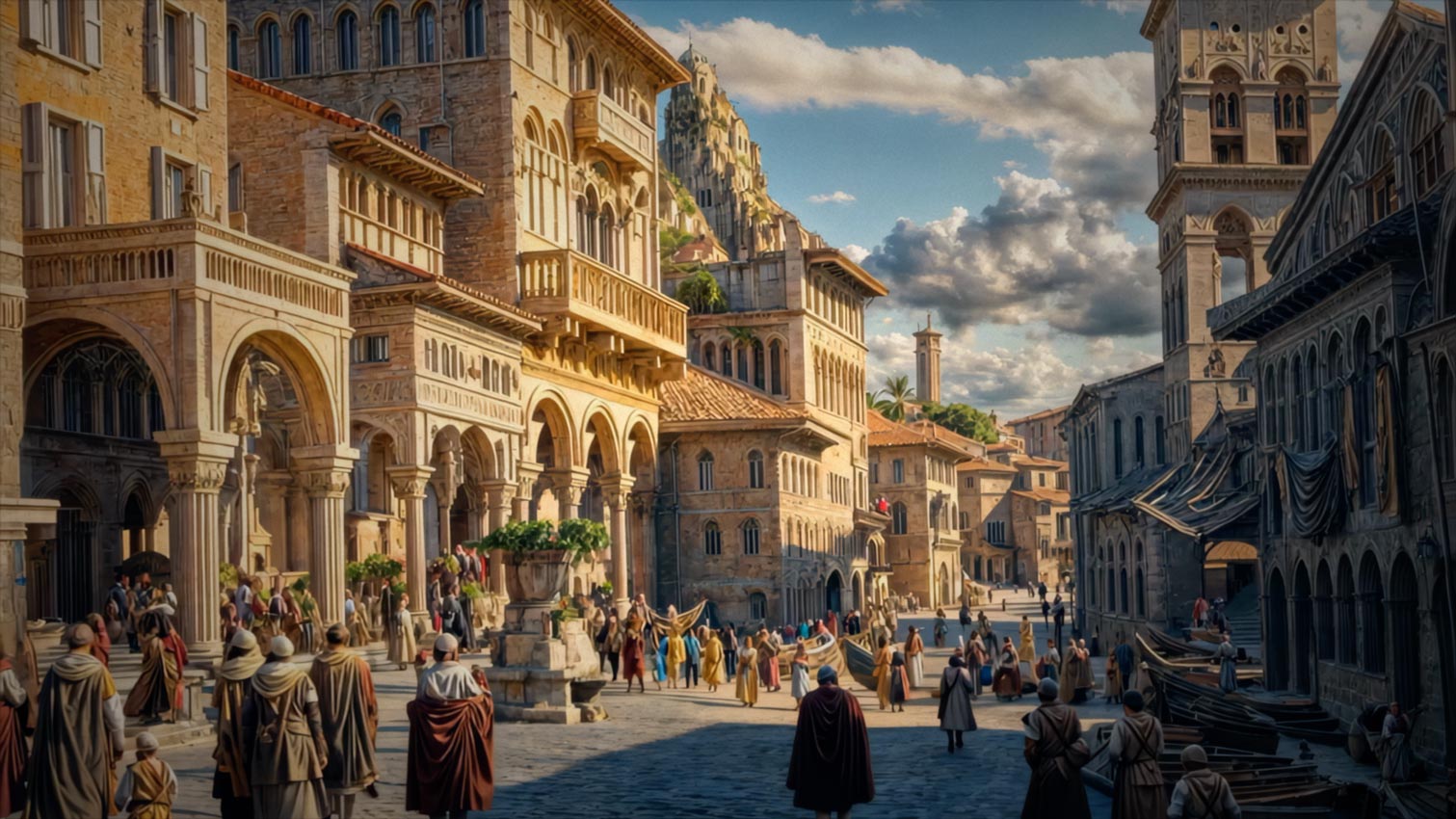
Image Credit: vmuseum.gr
On the island of Corfu, the V Museum offers another rather different way to get acquainted with local history. Here, visitors don't simply observe the past – they are invited to experience it through a combination of 3D technology, cinema, interactive exhibitions and digital installations.
An original animated film takes visitors on a journey spanning everything from Greek mythology and the adventures of Odysseus to more recent historical periods, presenting the island's story in a dynamic and engaging way. The experience also includes the opportunity to interact with a remarkably lifelike hologram of Ioannis Kapodistrias, Greece's first Governor, while exploring authentic exhibits and installations designed to appeal to visitors of all ages.
And there's no need to worry about missing a detail: the museum offers a multilingual system in 14 languages, making the experience accessible to an international audience. Lasting around 45–50 minutes, the visit is carefully structured and easy to follow, a lovely way to discover Corfu's past, whatever your age or background.
The Olympic Museum Of Athens: Bringing Ancient Olympia Back To Life
For anyone fascinated by the history of the Olympic Games, technology offers an especially exciting way to travel back in time. Through a collaboration with Microsoft, ancient Olympia has been digitally recreated, allowing visitors to discover its former temples and sporting grounds through augmented reality.
Visitors can explore the site remotely or in person, using an online presentation and a mobile application to visualise the ancient sanctuary as they walk among its ruins. At the Olympic Museum of Athens, meanwhile, Microsoft's HoloLens mixed-reality headsets take things a step further, overlaying digital images and information onto the world around the visitor.
Picture this: you look up and, where there are now ruins, an imposing statue of Zeus, once covered in ivory and gold, appears before you. Turn to your left, and you can find yourself looking into the workshop of the celebrated sculptor Phidias, who created the statue more than 2,400 years ago. Not quite your average museum visit!
The project involved extensive digital mapping of Olympia, with Microsoft using drones and sensors to capture the archaeological site. It is a fascinating example of how mixed reality can bring historical places closer to modern audiences, allowing visitors to see not only what remains, but also what has disappeared over the centuries.
For Those Looking to Escape for a Few Hours, Or A Few Weeks
Of course, experiencing Greek history and culture doesn't have to involve headsets, holograms or digital reconstructions. Sometimes, the best way to discover a place is simply to spend time with the people who know it best, learn a new skill or see familiar surroundings from an entirely different angle. And Greece has plenty of opportunities to do just that.
Street Hikes in Athens: Discovering The City Beyond The Usual Streets
Think you already know Athens? Think again! Sometimes, all it takes is a different route – and a good guide – to discover a whole new side of the city.
Kalliopi and Thomas, a couple passionate about the Greek capital, have created an original concept inviting visitors to explore Athens through their own eyes. Their guided walks take you beyond the usual landmarks and into the city's everyday life, with a particular focus on its vibrant street art and graffiti scene.
And there's no single way to enjoy the experience. Whether you're travelling with children, fascinated by urban art or simply a keen street-food enthusiast, there are different options to suit all tastes. You can even combine a walk with a creative workshop, making your own tote bag to take home as a little reminder of your time in Athens.
It's a fun way to get to know the capital beyond its ancient monuments, while discovering the people, creativity and stories that make the city what it is today.
Diving Into The Mediterranean's Oldest Known Shipwreck
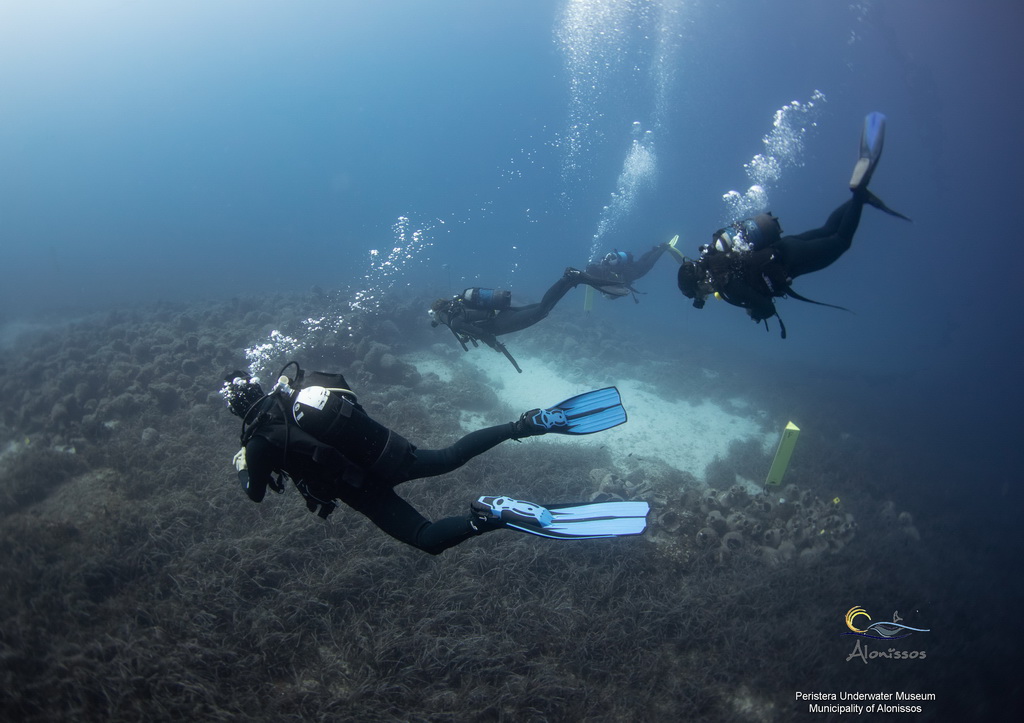
Image Credit: museumalonnisosgov.gr
Image Credit: museumalonnisosgov.gr
Ready to take your exploration a little further, say 25 metres beneath the sea? The island of Alonissos holds a rather special place on the international diving map, thanks to the Peristera Underwater Museum, Greece's first underwater museum and one of the few of its kind in the world.
Inaugurated in 2020, the museum brings together archaeology, maritime tourism and technology around an extraordinary discovery: an ancient shipwreck found by a local fisherman off the island's western coast in 1985.
Dating back to the 5th century BC, the merchant vessel was around 30 metres long and sank while carrying more than 3,000 wine amphorae, believed to have been transported from Mendi or Skopelos towards the Peloponnese and Italy. Considered the oldest known shipwreck of an ancient merchant vessel in the Mediterranean, it offers valuable insight into trade and seafaring during the Classical period.
And here's the really exciting part: the wreck can actually be explored underwater! Accompanied by licensed guides, qualified divers can descend to a depth of 25 metres and swim among the remarkably well-preserved amphorae still resting on the seabed. Do bear in mind that you must hold an Advanced Open Water Diver certification to take part.
Not quite ready to dive that deep? You can still experience the discovery without getting your feet wet. At the Visitor Information Centre in Patitiri, an alternative virtual visit uses augmented reality to recreate the shipwreck in impressive detail. A little less adventurous, perhaps, but just as fascinating!
Meet the Locals with Comptoir des Voyages' Welcome Hosts
There's one Greek word you'll hear just about everywhere: chalara. And yet, look it up in your bilingual dictionary and you might find yourself none the wiser. So, what better way to understand it than by asking someone who actually lives in Greece?
This is the idea behind Comptoir des Voyages' Welcome Hosts: French-speaking residents who open the doors to Greek everyday life and offer travellers a more personal introduction to the country. Rather than simply following a guidebook, you get to sit down with a local, usually over a frappé or perhaps an ouzo, and chat about all the little things that make Greek culture what it is.
From everyday habits and long-standing traditions to restaurant recommendations and places worth avoiding, these informal encounters offer an insight into the country that you won't necessarily find in a travel guide. After an hour together, Greece and its people might feel a little more familiar – and you'll finally understand that chalara is all about that lovely feeling of taking things easy, slowing down and simply enjoying the moment.
Because sometimes, getting to know a country really is as simple as sharing a coffee.
Learn To Cook Like The Ancient Greeks
And finally, what better way to get closer to Greek culture than through its food? If you've ever wished you could bring a little of that holiday feeling home – and eat as wonderfully as you do when you're in Greece – why not learn a few recipes yourself?
But we're not talking about just any cooking class. On the island of Crete, you can take part in workshops exploring the cuisine of ancient Greece, with recipes and techniques inspired by archaeological research.
Guided by a passionate and knowledgeable host, participants discover how people cooked and ate centuries ago, using historically inspired ingredients, traditional wood-fired cooking methods and replicas of ancient kitchen utensils. The workshops unfold in a beautiful garden shaded by olive trees, making the whole experience feel like a little escape from the modern world.
Step by step, you'll get hands-on with the recipes while learning about the culinary traditions of ancient Greece and how they have evolved over time. It's an experience that combines history, gastronomy and a generous helping of Greek hospitality – and, naturally, ends with a much deeper appreciation of the country's culinary heritage.
After all, history isn't only something to read about or look at. Sometimes, you can walk through it, dive into it, meet the people who keep it alive – or even taste it.
LIFE & CULTURE