

Why Athens Is Becoming A Climate-Resilient Destination For International Residents & Investors
- by XpatAthens
- Wednesday, 08 July 2026

By Arnaud Zerdab
Like many of us, I went through the last few summers in France with the feeling that the urban heat was becoming a little heavier, more suffocating, and harder to bear each year. But for me, the real turning point occurred during my last year in France, when I was supervising a construction site 20 kilometers from Orly airport. Suffocating amid the asphalt and dust in over 40°C made me realize an obvious truth: our infrastructure and way of life are simply no longer adapted to the new climate reality. It was this realization that pushed me to look for an alternative and settle in Athens, a city that has learned to make the sun an ally rather than a constraint.
Like many of us, I went through the last few summers in France with the feeling that the urban heat was becoming a little heavier, more suffocating, and harder to bear each year. But for me, the real turning point occurred during my last year in France, when I was supervising a construction site 20 kilometers from Orly airport. Suffocating amid the asphalt and dust in over 40°C made me realize an obvious truth: our infrastructure and way of life are simply no longer adapted to the new climate reality. It was this realization that pushed me to look for an alternative and settle in Athens, a city that has learned to make the sun an ally rather than a constraint.
From Parisian Asphalt To The Departure For Greece
Before leaving, I closely observed this thermal vulnerability. Whether in the Toulouse metropolis – a true basin where bricks trap heat and radiate it all night long – or on the concrete of that Île-de-France construction site, the observation remained the same: in France, we endure heatwaves without being able to effectively protect ourselves.
Before leaving, I closely observed this thermal vulnerability. Whether in the Toulouse metropolis – a true basin where bricks trap heat and radiate it all night long – or on the concrete of that Île-de-France construction site, the observation remained the same: in France, we endure heatwaves without being able to effectively protect ourselves.
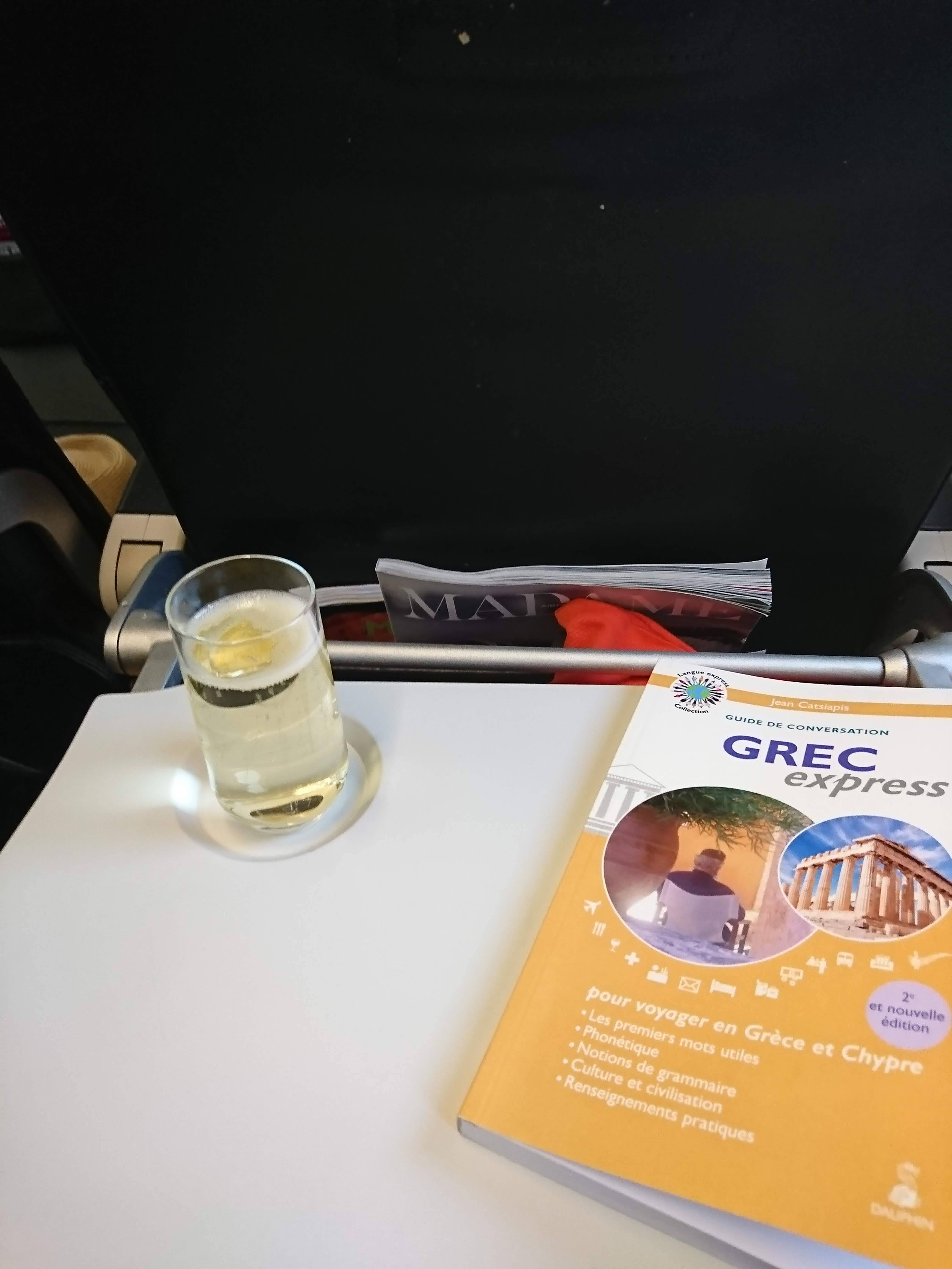
It was precisely to disconnect from this saturated atmosphere that, in the summer of 2018, I booked a ticket for Greece. A trip that would change everything, long before the upheavals of the COVID period.
The 2018 Turning Point: Learning Siga-Siga
My very first encounter with Athens took place in August 2018, lasting only four days. In mid-August, the Greek capital is sacred: the city is literally empty, its inhabitants having fled to the islands or to the village, leaving the city as if suspended in time.
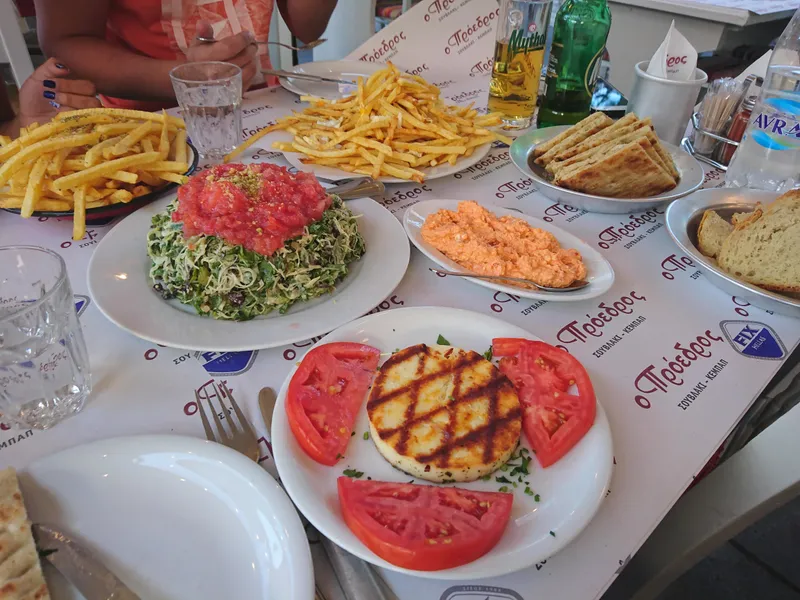
I was visiting a close friend, whom I met during my student years in Toulouse. She had settled here and, with her Athenian partner, they offered me the best welcome imaginable. Far from tourist circuits, they shared their daily life with me: car trips to the beaches of the Riviera or towards Artemida, authentic culinary discoveries, and above all, a deep initiation into siga-siga (slowly, slowly).
In Athens, siga-siga is not just an expression of nonchalance; it is fundamentally a philosophy of life and an intelligent management of the daily rhythm in the face of the climate. A month later, in September 2018, I returned to extend the experience. I met other equally welcoming locals, found my apartment, and the decision was made: I was moving in.
The Flip Side: The Paradoxes Of The Athenian Reality
However, loving Athens should not make one blind. This love at first sight does not negate the very real complexities of this capital. Anyone wishing to settle or invest there must face its own paradoxes.
Athens is a vibrant, yet dense, city. Traffic is often chaotic, and pollution remains a real concern at the heart of the Attica basin. Fortunately, the city is moving: modernization is underway, particularly with the massive deployment of its new electric bus network and the extension of metro lines.
The other major paradox lies in its real estate market. It is primarily a "legacy" market. Behind the historically rich facades or the raw charm of the polykatoikias hides an aging housing stock, often marked by decades of worn-out plumbing, complex building columns, obsolete electrical installations, and co-ownerships with sometimes obscure rules. This is where the dream of the Mediterranean art of living clashes with the technical reality on the ground.
A Land of Comfort That Must Be Tamed
Despite these frictions, Athens offers unique safety valves that cannot be found anywhere else. It is a city that provides a breath of fresh air for those who know where to look.
The capital is full of suspended parks and green hills – such as the National Garden, Filopappou Hill, or Lycabettus – which act as true oases of coolness and calm to escape the hustle and bustle. Added to this is an incredibly rich cultural offering. Its world-class museums, such as the Acropolis Museum or the National Archaeological Museum, are calm, air-conditioned havens where one can recharge away from the street noise and heat. This balance between effervescence and pockets of serenity has a deeply soothing effect.
The Value Added by Klehomerie: Technical Asset Management
It is precisely because Athens is full of paradoxes that one cannot manage a real estate project remotely with mere approximations. Buying a property is one thing; protecting the structure, understanding its systems, and sustaining its value is another.
At Klehomerie, my role is not to give you engineering speeches about a building's theoretical thermal performance. My core business is Technical Asset Management. I translate the complexity of the legacy market into concrete, transparent solutions:
The 2018 Turning Point: Learning Siga-Siga
My very first encounter with Athens took place in August 2018, lasting only four days. In mid-August, the Greek capital is sacred: the city is literally empty, its inhabitants having fled to the islands or to the village, leaving the city as if suspended in time.
I was visiting a close friend, whom I met during my student years in Toulouse. She had settled here and, with her Athenian partner, they offered me the best welcome imaginable. Far from tourist circuits, they shared their daily life with me: car trips to the beaches of the Riviera or towards Artemida, authentic culinary discoveries, and above all, a deep initiation into siga-siga (slowly, slowly).
In Athens, siga-siga is not just an expression of nonchalance; it is fundamentally a philosophy of life and an intelligent management of the daily rhythm in the face of the climate. A month later, in September 2018, I returned to extend the experience. I met other equally welcoming locals, found my apartment, and the decision was made: I was moving in.
The Flip Side: The Paradoxes Of The Athenian Reality
However, loving Athens should not make one blind. This love at first sight does not negate the very real complexities of this capital. Anyone wishing to settle or invest there must face its own paradoxes.
Athens is a vibrant, yet dense, city. Traffic is often chaotic, and pollution remains a real concern at the heart of the Attica basin. Fortunately, the city is moving: modernization is underway, particularly with the massive deployment of its new electric bus network and the extension of metro lines.
The other major paradox lies in its real estate market. It is primarily a "legacy" market. Behind the historically rich facades or the raw charm of the polykatoikias hides an aging housing stock, often marked by decades of worn-out plumbing, complex building columns, obsolete electrical installations, and co-ownerships with sometimes obscure rules. This is where the dream of the Mediterranean art of living clashes with the technical reality on the ground.
A Land of Comfort That Must Be Tamed
Despite these frictions, Athens offers unique safety valves that cannot be found anywhere else. It is a city that provides a breath of fresh air for those who know where to look.
The capital is full of suspended parks and green hills – such as the National Garden, Filopappou Hill, or Lycabettus – which act as true oases of coolness and calm to escape the hustle and bustle. Added to this is an incredibly rich cultural offering. Its world-class museums, such as the Acropolis Museum or the National Archaeological Museum, are calm, air-conditioned havens where one can recharge away from the street noise and heat. This balance between effervescence and pockets of serenity has a deeply soothing effect.
The Value Added by Klehomerie: Technical Asset Management
It is precisely because Athens is full of paradoxes that one cannot manage a real estate project remotely with mere approximations. Buying a property is one thing; protecting the structure, understanding its systems, and sustaining its value is another.
At Klehomerie, my role is not to give you engineering speeches about a building's theoretical thermal performance. My core business is Technical Asset Management. I translate the complexity of the legacy market into concrete, transparent solutions:
- Audit of structures and systems: Analyzing the real condition of the plumbing, electricity, and common areas before small hidden defects turn into costly claims.
- Operational management: Ensuring the transition of systems, technical compliance, and the creation of a "digital safe" for your property.
- Remote protection: Being your eyes and ears on the ground with local artisans and building managers, so that distance is never a risk factor for your property.
About The Author
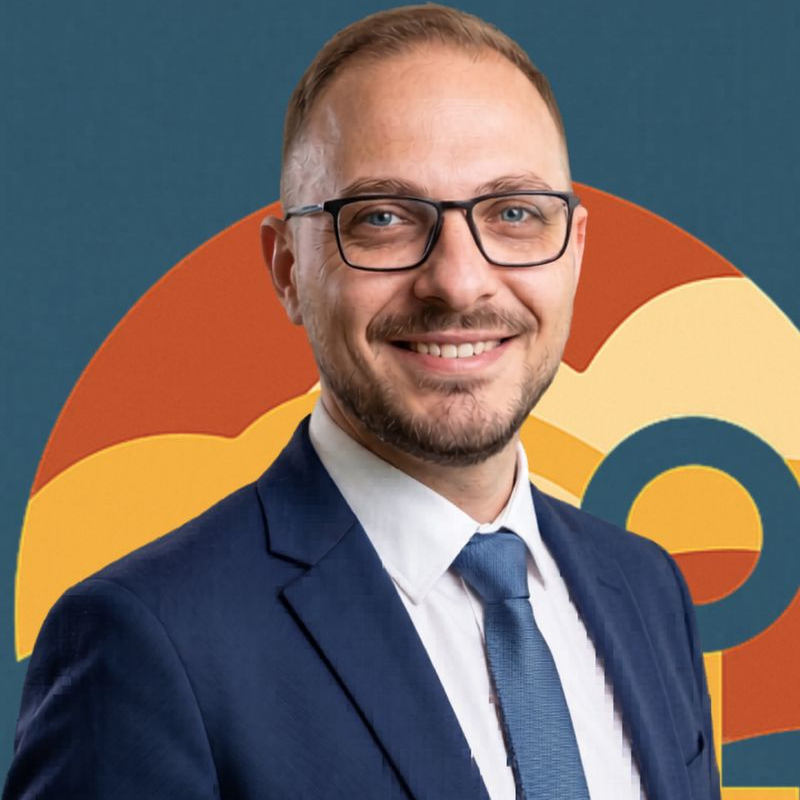
Arnaud Zerdab is a Technical Asset Manager and the founder of Klehomerie, an Athens-based technical auditing and asset protection firm. Bringing a background in Construction Site Management and Corporate Security, he applies rigorous European technical standards to the Greek property market. Having relocated from France to Athens, Arnaud combines firsthand expat insight with technical expertise to help international residents and investors protect the long-term value of their Athenian assets against environmental and structural risks.
RELOCATION