XpatAthens

XpatAthens

Wednesday, 07 February 2024 14:25

4 Lesser-Known Greek Winter Escapes

Beyond the sun-soaked shores and bustling cityscapes lies a side of Greece often overlooked by travelers—the enchanting winter destinations waiting to be explored. And, although everyone knows Arachova or Pelion, there are even more beautiful places for an amazing mid-winter escape. Greece, with its diverse landscapes and rich cultural tapestry, unfolds a different kind of magic during the colder months.

Here are four of our favourite lesser-explored winter destinations where every snowflake tells a story and every moment promises an unforgettable experience!

Litochoro
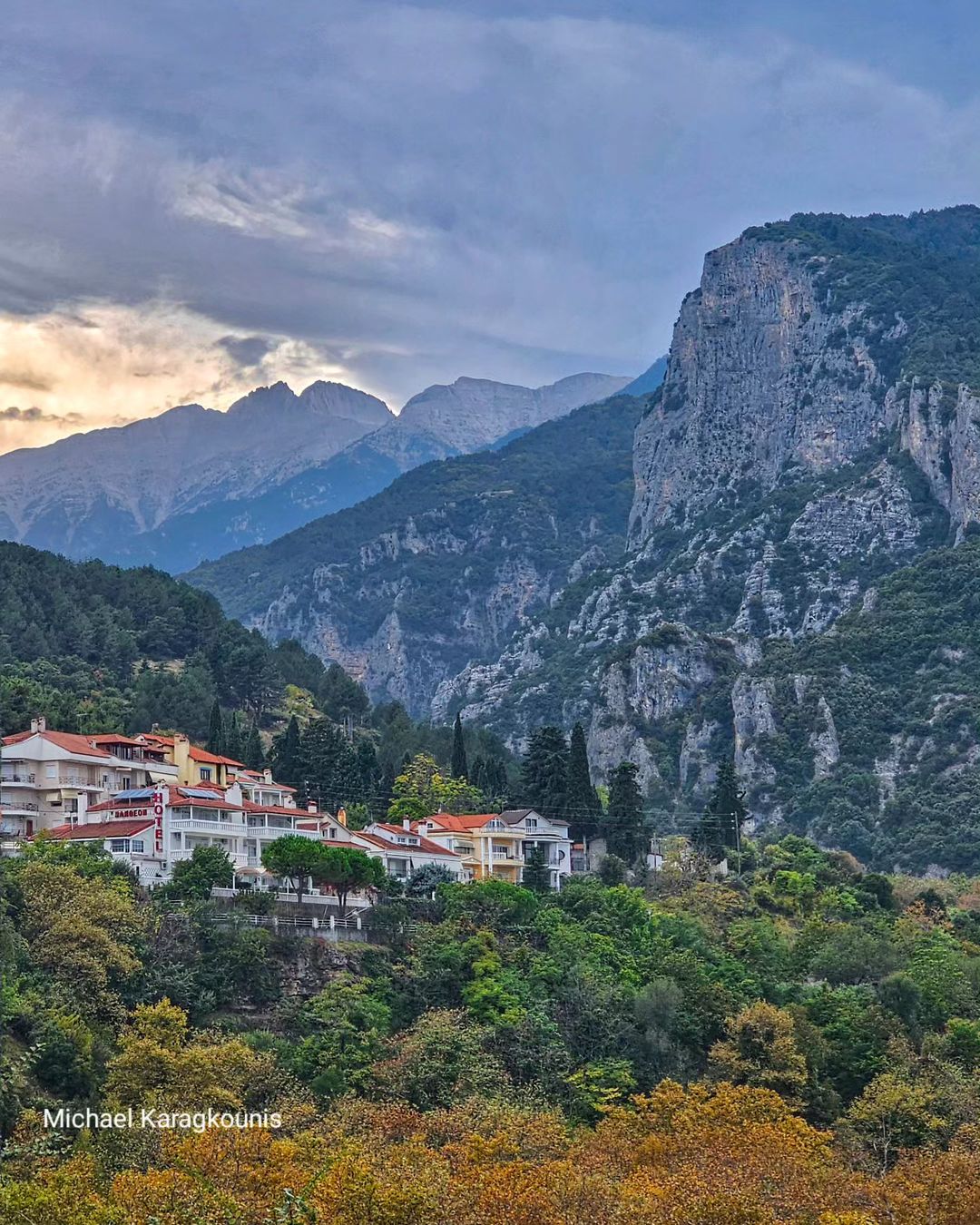
Litochoro 
@mikaragkounis

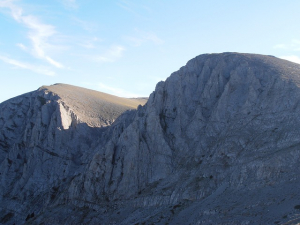
Nestled at the foot of Mount Olympus, Litochoro beckons winter travelers with its enchanting blend of natural beauty and cultural charm. This picturesque Greek town serves as the gateway to the legendary mountain of the gods, offering visitors a plethora of outdoor adventures against a backdrop of snow-capped peaks and lush forests. In winter, Litochoro transforms into a haven for hikers and nature enthusiasts, boasting trails that wind through pristine landscapes blanketed in snow. From leisurely strolls to challenging treks, there's an adventure for every skill level. After a day of exploration, visitors can unwind in cozy tavernas, savor hearty local cuisine, and warm up with traditional tsipouro by crackling fireplaces. Litochoro's rich history and welcoming atmosphere add to its allure, making it a captivating destination where nature, culture, and hospitality converge to create unforgettable winter experiences.

Tzoumerka
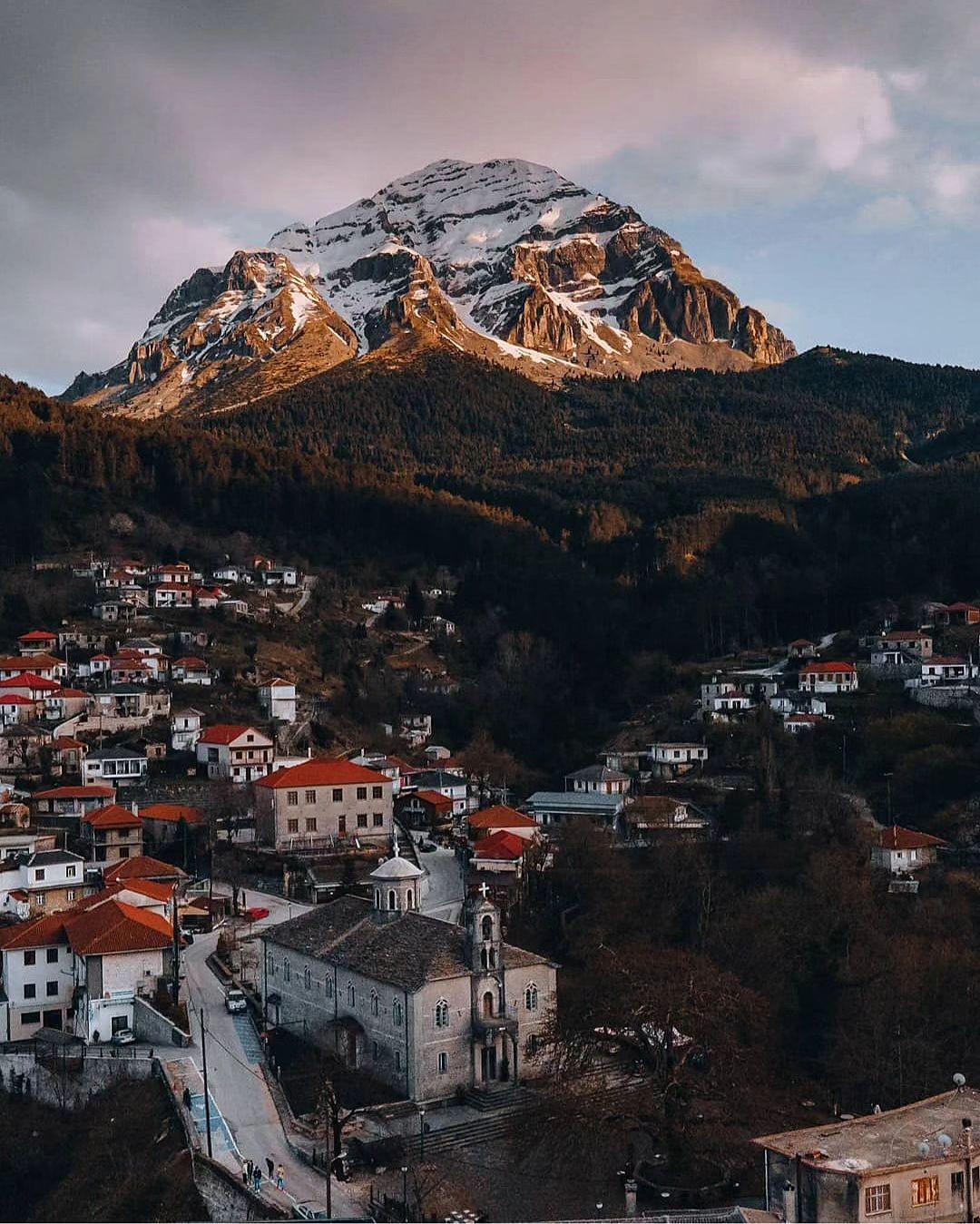
Tzoumerka
@georgebozouris 

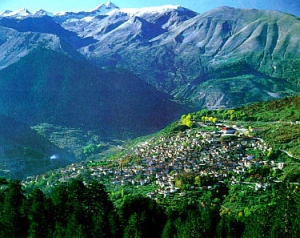
Cradled within the rugged beauty of northwestern Greece, Tzoumerka unveils a winter wonderland like no other. Its snow-capped peaks and deep gorges offer a haven for outdoor enthusiasts, with opportunities for exhilarating winter hikes along pristine trails and adrenaline-pumping ski adventures down its untouched slopes. What sets Tzoumerka apart is its serene ambiance, where travelers can enjoy the tranquility of the wilderness while exploring charming stone villages steeped in local tradition. The region's rich cultural heritage comes to life in its historic monasteries and picturesque hamlets, providing a glimpse into centuries-old Greek life. For those seeking an authentic and adventurous winter escape, Tzoumerka promises unforgettable experiences amidst its pristine landscapes and timeless charm.

Edessa
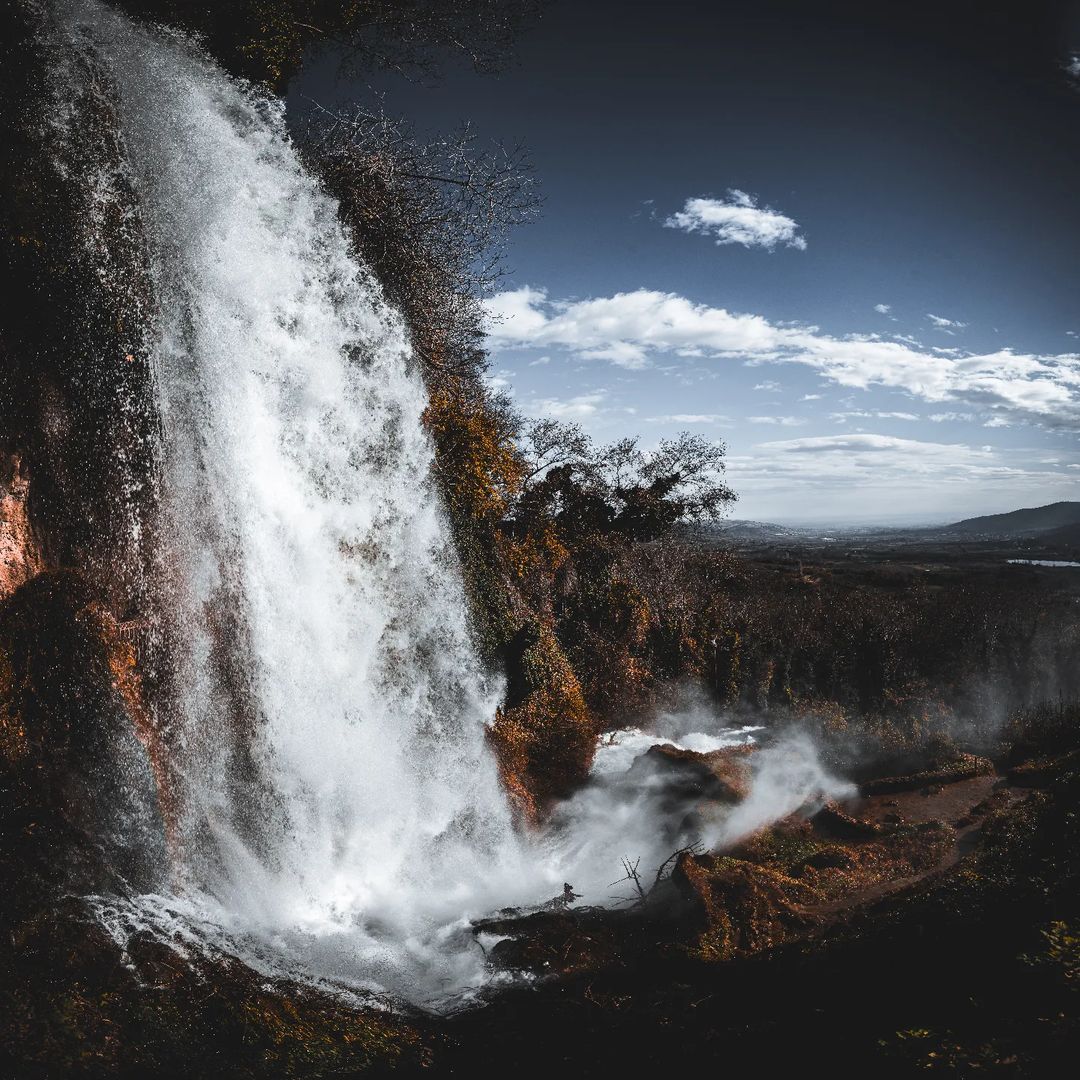
Edessa
@takis_dim_photo

Known as the "City of Waters," Edessa captivates visitors with its unique blend of natural wonders and historical allure. Situated in northern Greece, it is renowned for its stunning waterfalls, including the majestic Edessa Waterfalls, which cascade down rugged cliffs in a breathtaking display of nature's power and beauty. In winter, the town's picturesque landscapes are transformed into a winter wonderland, offering visitors the opportunity to admire the frozen cascades and partake in outdoor activities such as ice skating and snowshoeing. Beyond its natural splendor, Edessa boasts a rich cultural heritage, evident in its charming old town, ancient archaeological sites, and vibrant local festivals. With its blend of natural wonders and cultural treasures, Edessa makes for memorable winter escape filled with adventure and discovery.

Drama
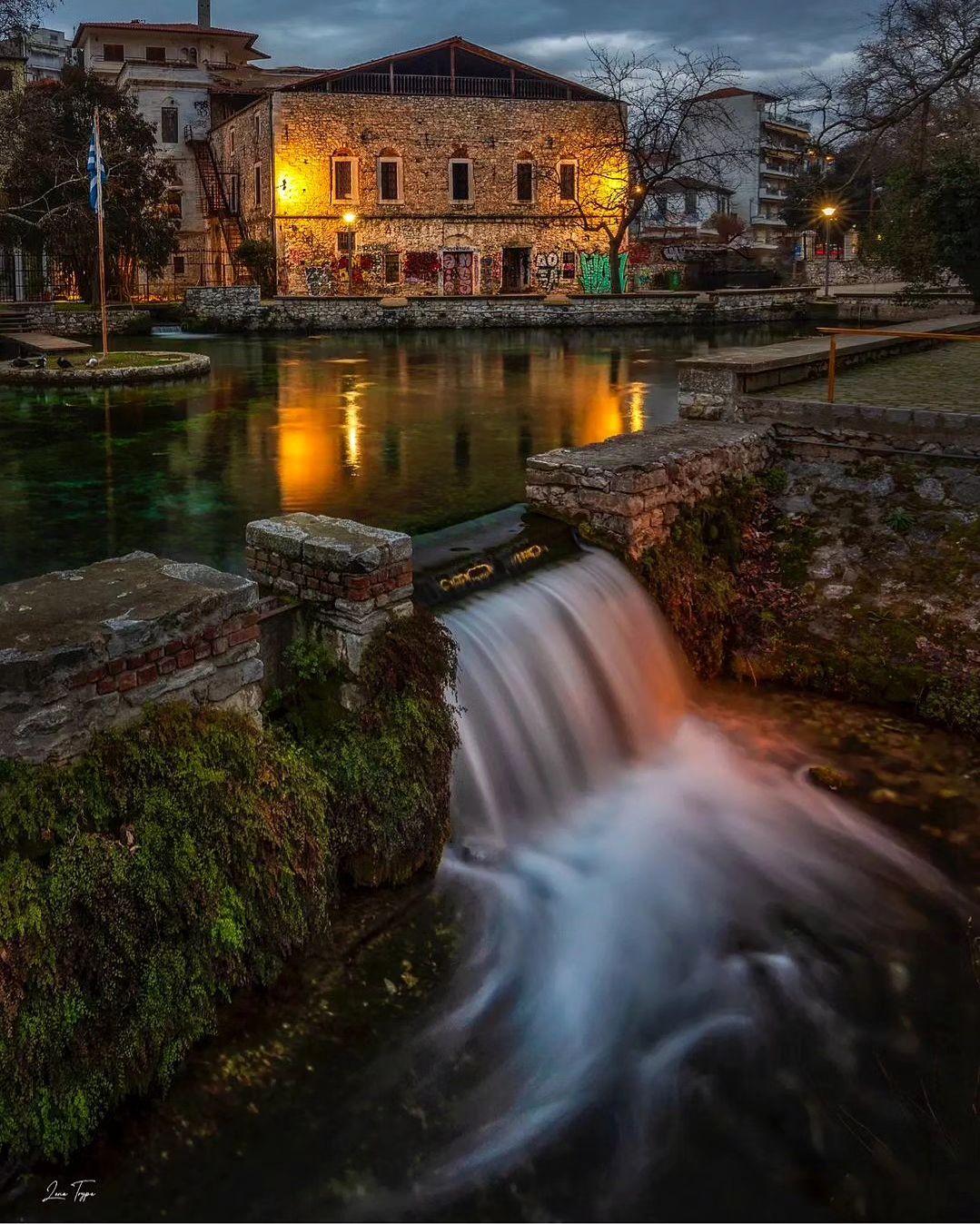
Drama
@lenatrypa

Situated in northeastern Greece, Drama offers a distinctive winter experience blending historical charm with natural beauty. Winter enthusiasts can explore the slopes of Mount Falakro for skiing and snowboarding adventures, while hiking trails around the area, such as the Aggitis Gorge, provide picturesque views of frozen waterfalls and snow-dusted landscapes. History buffs can get to know Drama's cultural heritage by visiting landmarks like the Archaeological Museum of Drama, showcasing artifacts from ancient times, or the Byzantine Walls, remnants of the city's medieval past. For a taste of local flavor, regional specialties like kontosouvli are a must! Drama is also known for its wines and a wine-tasting tour at one of its renowned wineries, such as the Wine Museum of Papagiannakos, is worth experiencing.


Feeling the call of winter wanderlust? Check out even more enchanting destinations here!

Thursday, 05 February 2015 15:14

What I Love About August In Athens

Following a late-afternoon rant by an acquaintance on all the thing she hates about August in Athens (generally focused on ‘the heat’ and ‘why I can’t go to an island’), I’ve decided to share all the things I love about Athens, on this blistering mid-August afternoon.

1. The heat. Let’s get this out of the way: I moved here for many reasons, one of which is the climate. So I am overjoyed to be able to live in a place where I spend the better part of the day, for the better part of the year, sweating. And often complaining about it. Bring it on.

2. The empty streets. Athens in August feels like it’s all mine. It’s the time of year when I love to pull out my camera and take an early morning walk in my favourite neighbourhoods, and really take in the feeling of the city in it’s deserted glory.

3. The seaside. Jumping on a tram or on my bike and heading down to the beach in August is far more fun than in June or July, when everyone else seems to have the same idea.  Many of the beaches at Alimos, or futher down towards Glyfada or Vouliagmeni, are just perfect for an August swim.

4. No traffic. See #2 above.

4a. Finding parking. Ditto above. For those late-late-night drinks under the Acropolis.

5. No line-ups. At the supermarket, at the bank, at Mikel café in the morning. Yes, this matters to me.

6. August sales. Since I didn’t spend my savings on a week away, surely I have some left-over Euros for 50-60% off at my favourite shop?

7. The pace. In August, everything (and everyone) seems to move more slowly. There is a leisurely, uber-relaxed vibe, that causes me to stop and, quite literally, smell the roses.

Would I prefer to be dancing on the beach on some far-away island? Perhaps. But August in Athens offers its own pleasures, and is a perfect option for those of us who are (not) stuck here.

Until next week,

Jack
 

In this weekly space, keep up with ‘Jack’ as he navigates daily life in Athens… Anecdotes, stories, hits & misses, the good, the bad and, well, the rest…

Wednesday, 18 February 2015 11:07

Discover Metsovo

Metsovo is a town on the mountains of Pindus in Northern Greece. It is a popular winter holiday destination, ski resort and hikers love it in warmer months. Most residents are descendents of Vlach shepherds, a language still widely spoken in the village, and many are involved in the tourist industry. They dress in traditional costume, sell handicrafts and tempt travellers with regional cuisine.


There is a tradition in wood carving and many people make furniture, barrels, beehives, toys, utensils and they decorate churches and altars. It is a pretty little town, built on the ruins of ancient Tymphi and extending along one of Pindus' highest peaks. It is close to the peak of Katara, above the beautiful artificial Lake Aoou.

Its architecture is alpine, in stark contrast to the whitewashed buildings in other parts of Greece. The church of Agia Paraskevi has a carved icon screen and wall mosaics, copies of those at Ravenna.

It is well-known for its cheeses and winemaking. The Katogi vineyard belonging to the Averoff family is the most famous. A museum named Averoff Gallery is dedicated to Georgios Averoff.

Unlike many small towns around the world, there is plenty of work for Metsovo's young people, so the town has a youthful buzz.

On Sundays and feast-days, women wear their embroidered traditional dresses. Old men still have their special places in the main square so they can debate important issues while swinging their worry beads and drinking strong coffee.

To read more, please visit getaway.ninemsn.com

Thursday, 19 February 2015 12:46

'Visit Greece' On Shazam And Samsung

Samsung has included Visit Greece, the country's official tourism website, within its application platform on Smart TVs (Visit Greece Samsung TV App).

This means that owners of Samsung Smart TVs now have immediate access to information and rich audiovisual material about Greece, simply by pressing a button on the remote control.

Moreover, "Visit Greece" is being advertised through Shazam. The people of Dgtl, the web design studio which helped deliver this type of digital advertising are already excited: "We have just launched our first Shazam mobile advertising campaign. It was a pleasure to work with these guys on a beautiful set of creative for one of the most beautiful countries in the world! Go on… Visit Greece… A world of destinations!"

Greece’s official tourism website Visit Greece has more than 10 million visitors. Its newsletter is sent to over 16,000 recipients worldwide. It has 1.5 million followers on Google and over 220,000 "likes" on Facebook. The Visit Greece Youtube channel counts over five million views and it is still counting.

To read more, please visit greeknewsagenda.gr

Monday, 02 March 2015 15:50

Yoka's Pizza Bar In Melissia

Yoka's restaurant in Melissia is an authentic pizza bar which combines traditional, Italian pizza with a trendy, simple environment that is ideal for lunch, dinner, and even drinks! 

We recommend trying the gaspacho that can also be paired with shots of gazpacho and for dessert, the choco pizza!

Address: Andrea Papandreou 2A, Melissia
Tel: 2108033435

To read more, please visit estiatoria.gr

Monday, 25 January 2016 07:00

The Worst Places To Be An Expat

Being an expat can bring all sorts of highs, and challenges.  Not least of all because of a change in culture, bringing about culture shock.  What about job opportunities?  Making new friends? Childcare?  Take a look at some of the worse places considered to be an expat.

1) The United States
Being an expat in the U.S, especially if you're coming from Canada, can be a seamless yet difficult transition.  With so many things similar - ranging from culture to lifestyle, there are also a lot of aspects of daily life that are difficult to adjust to.  One major aspect that ranks the U.S. lower on the list is the health care situation, along with the focus on politics. For Canadians, it's just not different enough to feel like you're moving to a new country.

2) Greece
While Greece offers a beautiful landscape for any relocating Expat, the working life in this country make it a poor choice for career-minded Expats. Currently fighting to recover from a massive economic downturn, Greece has more low-paid jobs than high-paid ones, and poor job security. If you are looking for temporary work however, this may be the country to move to.

3) Ireland
Ireland is again another beautiful background for the Expatl lifestyle, and provides adventure-minded explorers or history buffs with a great locale.  However, the economy and low wages do not leave a lot of pocket or spending money in the Expat's pocket.  For the Expat family, there are also not a lot of childcare options, and the ones available leave much to be desired.

4) Italy
Who doesn’t love Italians? Unfortunately for Expats, love might not be enough in this beautiful country. Expats typically find their paycheques are lower than they were at home, and that jobs don’t offer as much in the way of a rewarding career. Italy also has higher taxes than many other countries, so that already lower paycheque is being dinged by more taxes.

5) United Kingdom
Surprisingly, the Queen’s country has a low overall quality of life. Across the board, from settling in and making friends, to finding stable employment, much seems to be missing from life in the UK. If you are not part of the royal family (or obsessed with the adorable royal babies) you may want to look elsewhere as an Expat.

To read more, please visit: The Canadian Expat
How did the work of Greek poet Konstantinos Cavafy ever reached the distant, exotic and alluring land of Brazil? Who brought it there from this sun drenched tip of Eastern Europe called Greece, crossing the Mediterranean Sea and the Atlantic Ocean?
 
Cavafy’s poetry was introduced to Brazilian readers by the Portuguese modernist poet Jorge de Sena (1919-1978), who came to Brazil in 1959, when Portugal was under Salazar’s dictatorship, and, as part of the resistance, he found himself in the imminence of an arrestment. Later, when in 1964 Brazil went through its own military dictatorship, he went to the United States.

In the 80’s, Brazil entered an era of poetical translation, which included French poets like Mallarme, whose A throw of the dice never will abolish chance is his most influential poem, and Baudelaire’s collection of poems entitled Flowers of evil. The translation of English language poets, not only from Europe but also from the United States, has always been a tradition in Brazil; because of Cavafy’s popularity due to his introduction in Brazil by Jorge de Sena, Jose Paulo Paes (1926-1998) translated 75 of his poems directly from Greek.

Portuguese poets have taken as theme for their poetry the city, the time, and the great deeds of the past of Portugal, which is in some extend quite similar to Cavafy’s themes. Because they have such similarities and because Cavafy’s poetry is very present in modern Brazilian poetry, he became one of the favourite modern foreigner language poets to be explored by scholars and writers.

‘Ithaca’ is a known poem, but also ‘Waiting for the barbarians’ and the romantic ‘Body, remember’… All his poetry is now a very relevant part of literature in Brazil because, together with Portuguese poetry, it was an inspiration for Brazilian modern poets.

To read this article in full, please visit: Greek TV
Thursday, 27 October 2016 07:00

Dionysus - God Of Wine And Ecstasy

Worshipped in temples, theaters, public festivals and private parties, Dionysus brought joy and relief to ancient Greek life.

Dionysus, the ancient Greek god of wine, often seems a familiar, likable figure, perhaps because wine and its associated rituals are such a characteristic ingredient of our own modern-day existence. Like other deities, Dionysus appears in human form and is credited with divine powers; yet thanks to his love of drinking, dancing, music and uninhibited merry-making with free-spirited friends, he offers an even more evocative reflection of the human condition and represented a favorite figure in ancient Greek religion and art.

Dionysus was the son of Zeus, ruler of the Olympian gods, and Semele, a Theban princess and daughter of King Cadmus. After his mother was tricked and killed by Hera (Zeus’ vengeful wife), Dionysus was rescued from Semele’s womb by his father and implanted in his thigh. On his son’s birth, Zeus placed Dionysus in the care of nymphs who inhabited the mythical mountain Nysa – variously located by mythologists somewhere to the east, perhaps even in distant India. As he matured, Dionysus took up wandering from land to land, accompanied by an entourage that included his tutor, Silenus, satyrs, maenads and the lustful god Pan, a human-like figure with the horns and legs of a goat.

Dionysus was considered a latecomer to the Greek pantheon and an exotic, somewhat foreign divinity.

Athenians honored Dionysus in a series of annual festivals, celebrated at three key spots sacred to the god: the “Lenaeum” (location unknown); the sanctuary “In the Marshes” (location unknown); and at his temple on the south slope of the Acropolis, adjacent to the Theater of Dionysus.

To read this article in full, please visit: Greece Is
In an effort to increase tourism flows to Evia, the island’s hoteliers association recently signed an agreement with the local KTEL Intercity Bus service for the transfer of visitors straight from the Athens International Airport.

Located northeast of Athens, Evia is the second largest island of Greece. Its coastline is 48 km long and includes numerous beaches, while it is also known for its thermal springs.

The program will operate on a pilot scheme from July 17, 2017 to October 16, 2017 and include four daily round trips between the Athens International Airport and the cities of Halkida and Eretria. The cost of a one-way ticket is 15-17 euros/person.

To read this article in full, please visit: Greek Travel Pages

Photo Source: Greek Travel Pages
The Greek government and Merchant Marine Minister, Panagiotis Kouroumplis, have declared the area of Paleo Faliro oil-free and that the other areas affected will be clean within days. The local mayor has stated that people should wait for results of water quality tests before removing signs that ban swimming.

All opposition parties have strongly criticised the government for making the “premature” announcement, claiming that while the sea surface may be clean, the sea bottom was still heavily infected.

To read this article in full, please visit: Greek Reporter
Page 212 of 452